All species › Passerines › New World warblers
New World warblers | Parulidae
Amerikaanse zangers | Reinitas
Small, short-billed insect-eaters of the foliage, nine to fifteen centimetres long and rarely heavier than fifteen grams. They work through a tree crown systematically, picking caterpillars and aphids from the undersides of leaves, hanging from a twig tip or catching an insect in a short sally. In the migratory species the plumage changes strongly with the season: in spring the males wear sharply defined patches of yellow, black, blue, orange or chestnut, and after the moult male, female and young bird often look greenish and vaguely marked, so that a wintering bird has to be identified on details such as undertail coverts, leg colour and wing bars. Mexico and Central America are the main wintering grounds of these migrants, which sometimes cross the Gulf of Mexico in a single flight and in winter are found here in every type of forest in mixed flocks. There are also many resident species, such as those of Basileuterus and Myiothlypis, the Myioborus species that flush insects with a spread tail, and in the mountains of Mexico and Guatemala the Red Warbler and the Pink-headed Warbler. The family is found only in the Americas.
Native species 70 species
Species that occur here by nature: breeding birds, winter visitors and passage migrants. They are arranged by genus, in the sequence of the list.
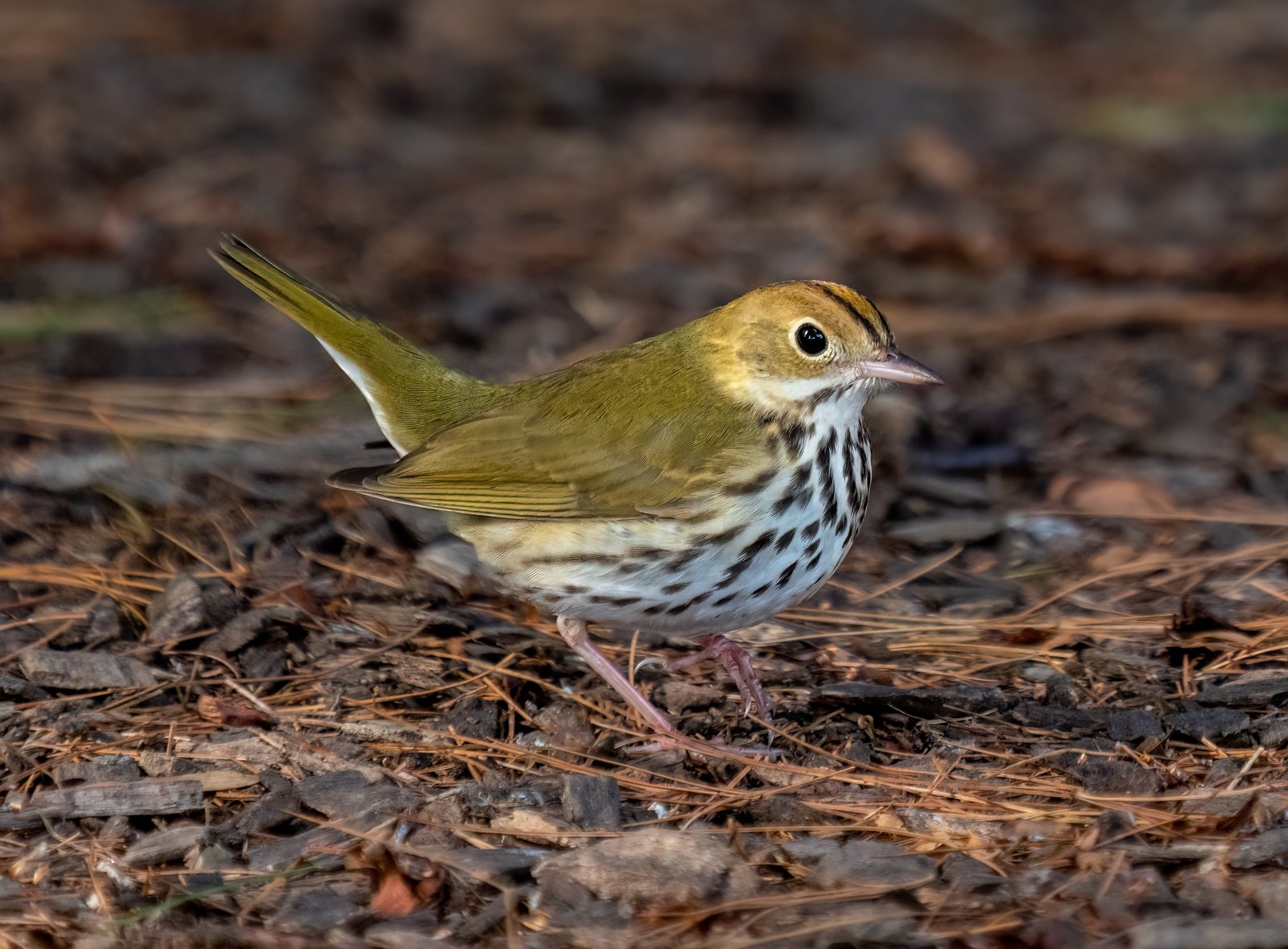
Parkesia 2 species
-
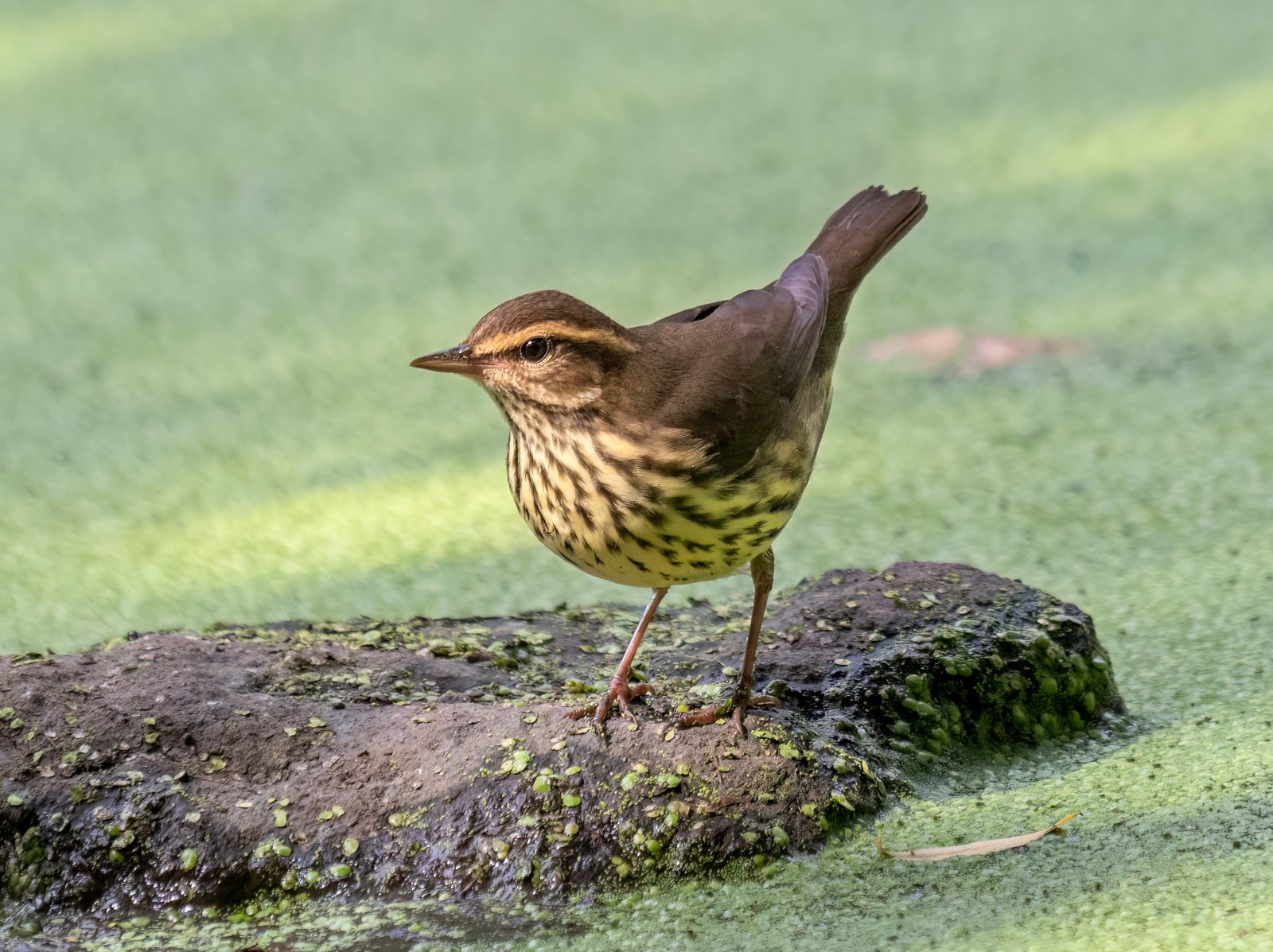
Northern Waterthrush
Parkesia noveboracensis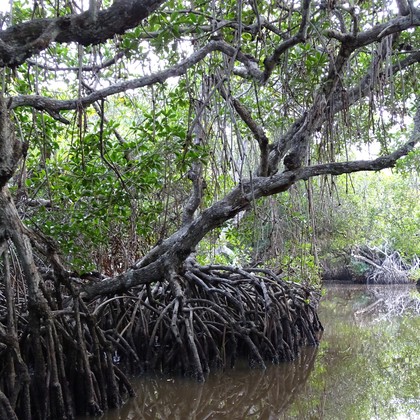 Mangrove
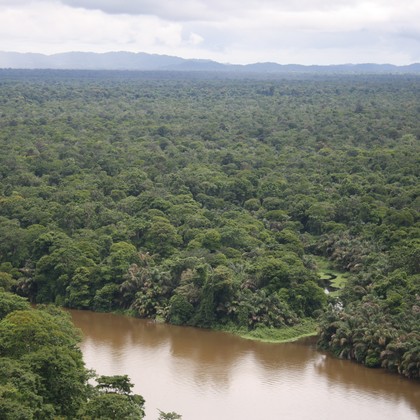 Swamp forest and palm swamp
 Floodplain and gallery forest
 Freshwater marsh and wet grassland
 Lakes, reservoirs and ponds
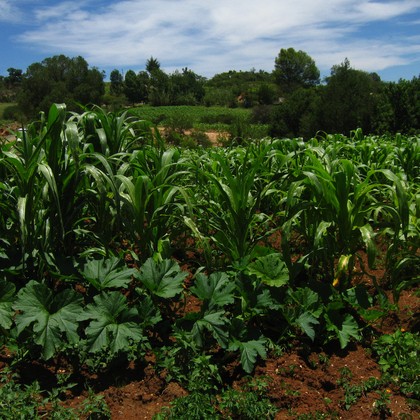 Rice fields and fish ponds
-
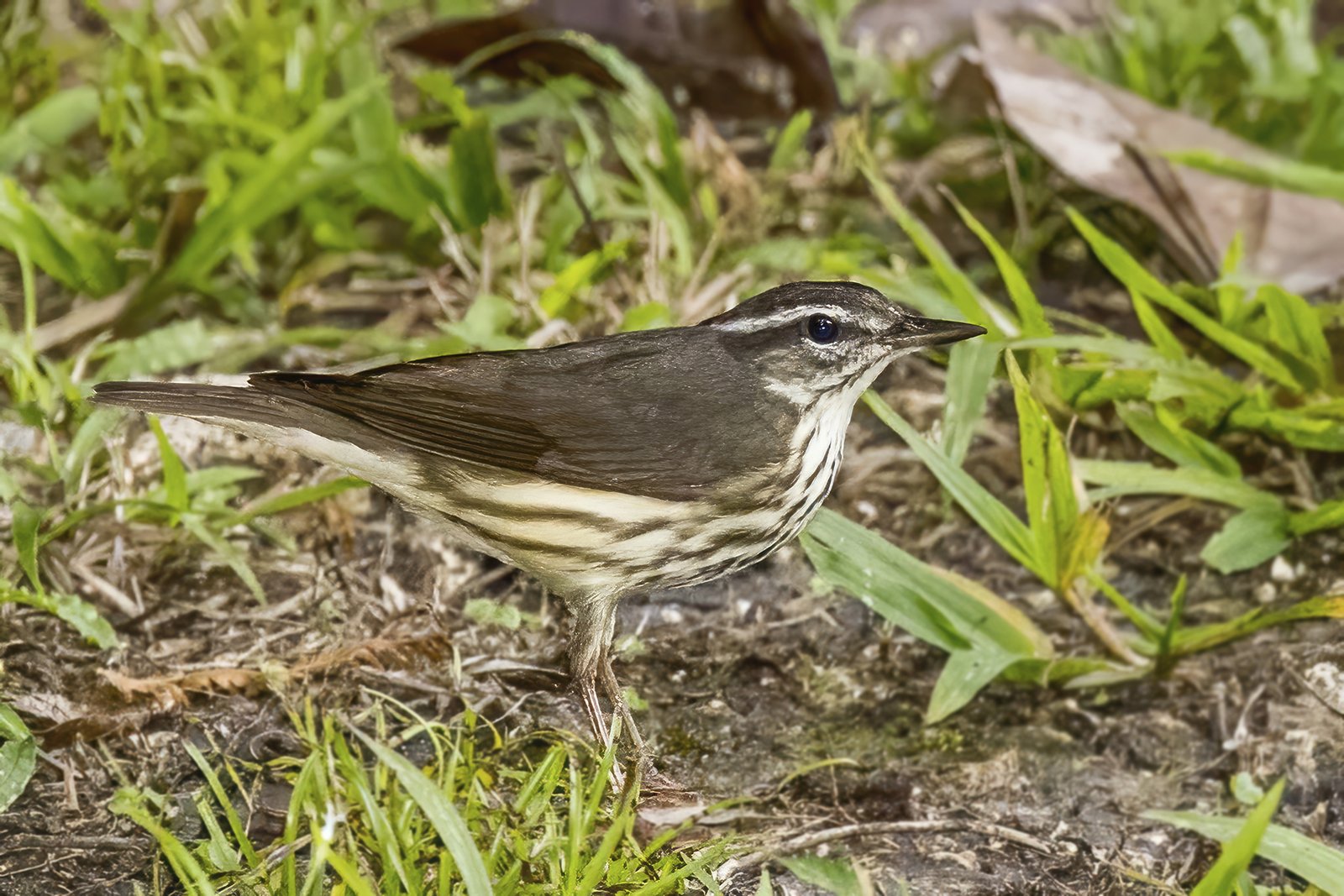
Louisiana Waterthrush
Parkesia motacilla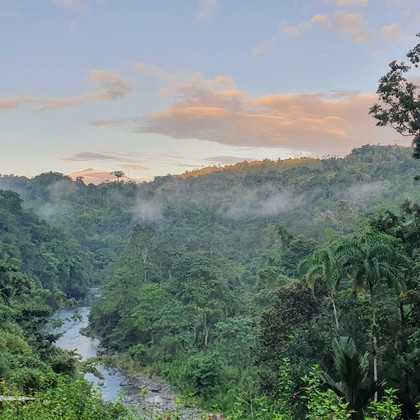 Rivers and streams
- Floodplain and gallery forest
 Lowland rainforest
 Foothill (submontane) forest
 Northern Middle American cloud forest
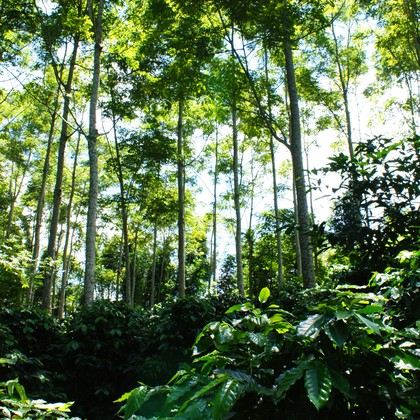 Shade coffee, cacao and agroforestry
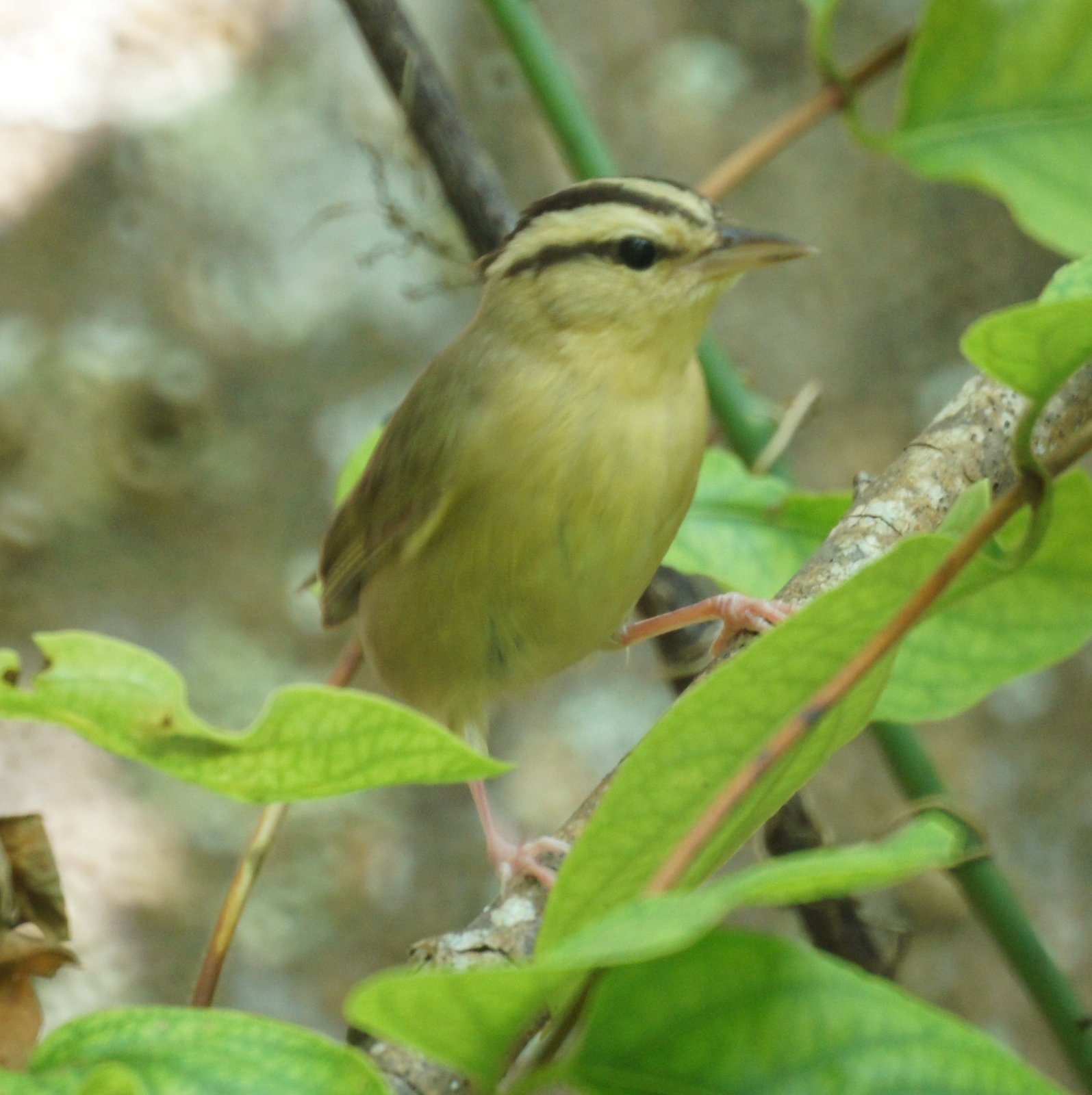
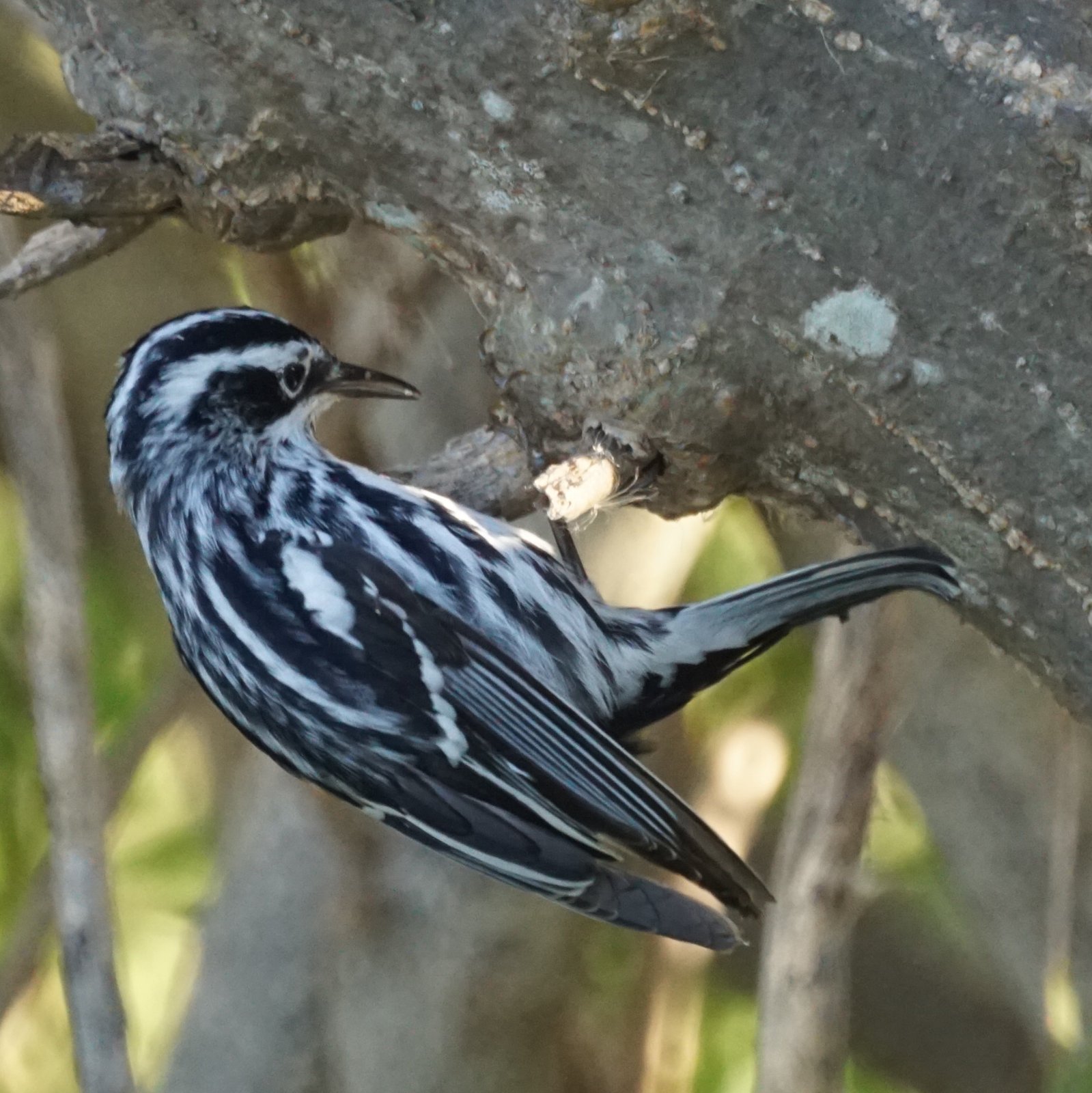
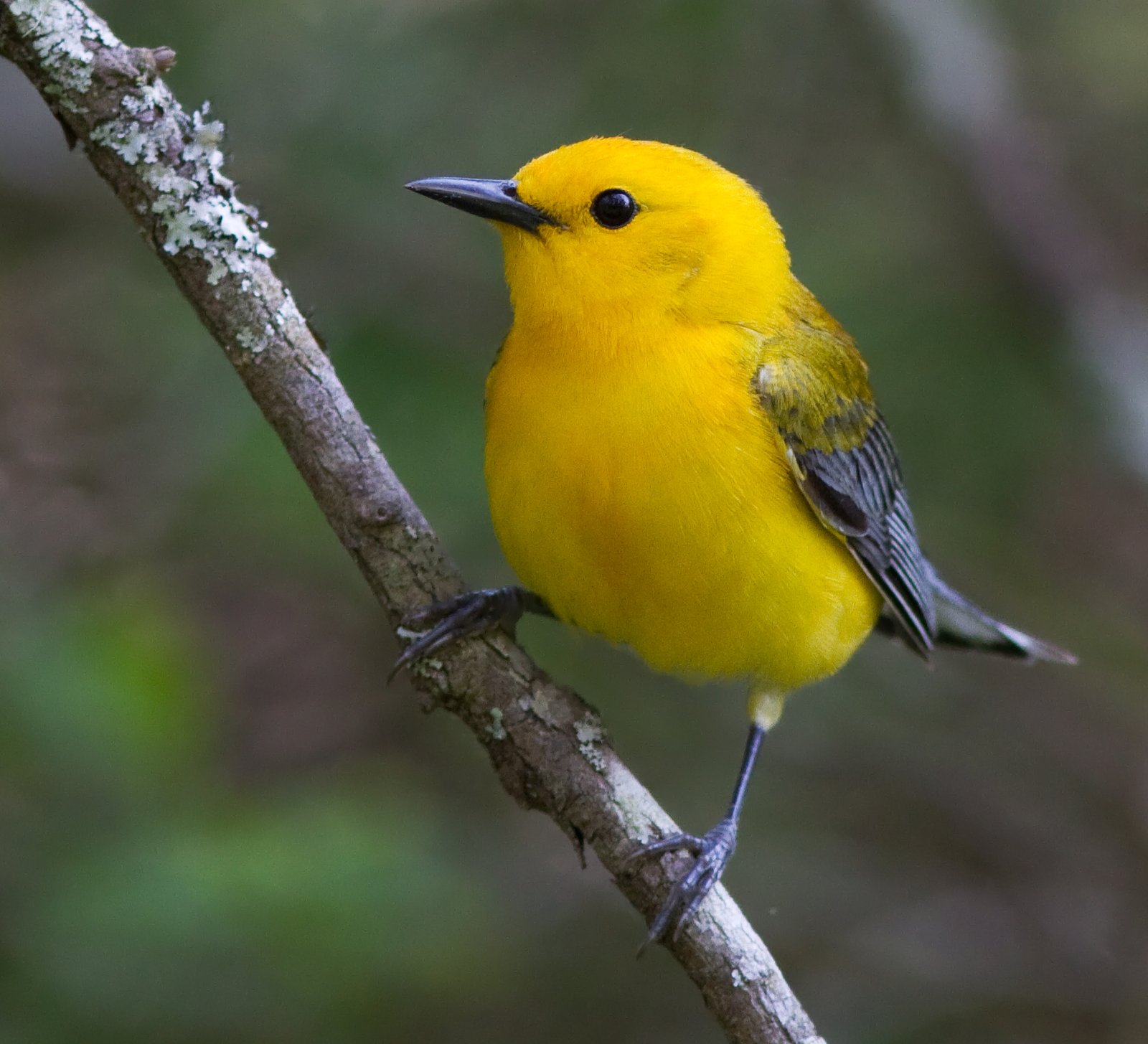
Protonotaria 1 species
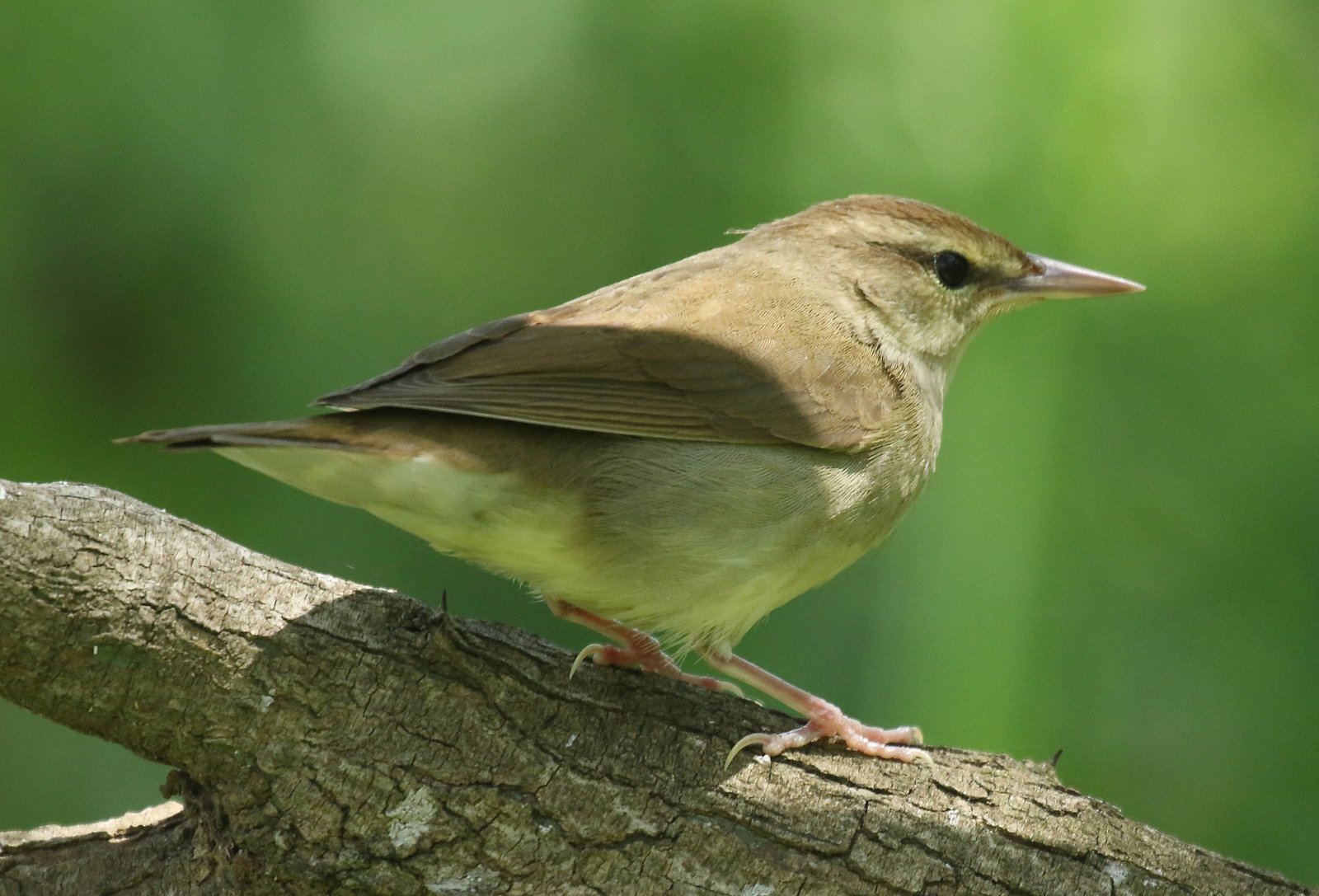
Limnothlypis 1 species
Vermivora 2 species
-
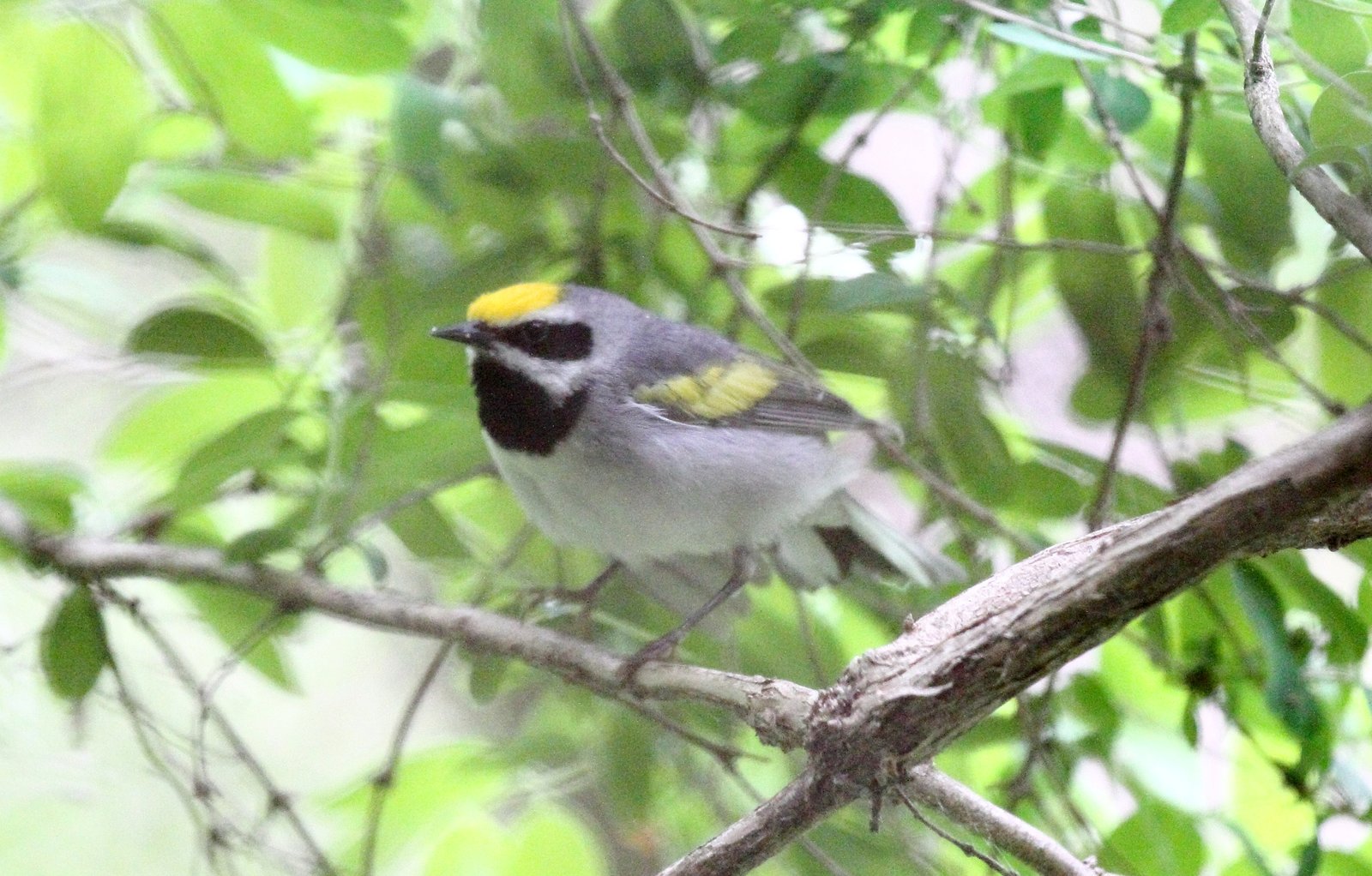
Golden-winged Warbler
Vermivora chrysoptera- Foothill (submontane) forest
- Northern Middle American cloud forest
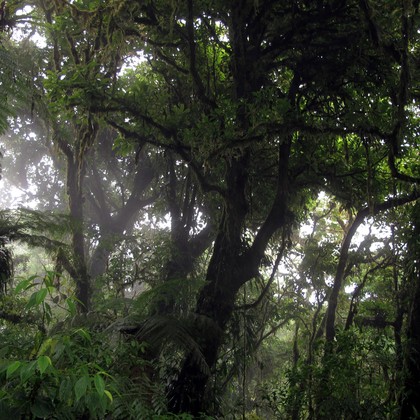 Costa Rica-Panama highland forest
 Secondary forest and forest edge
- Shade coffee, cacao and agroforestry
-
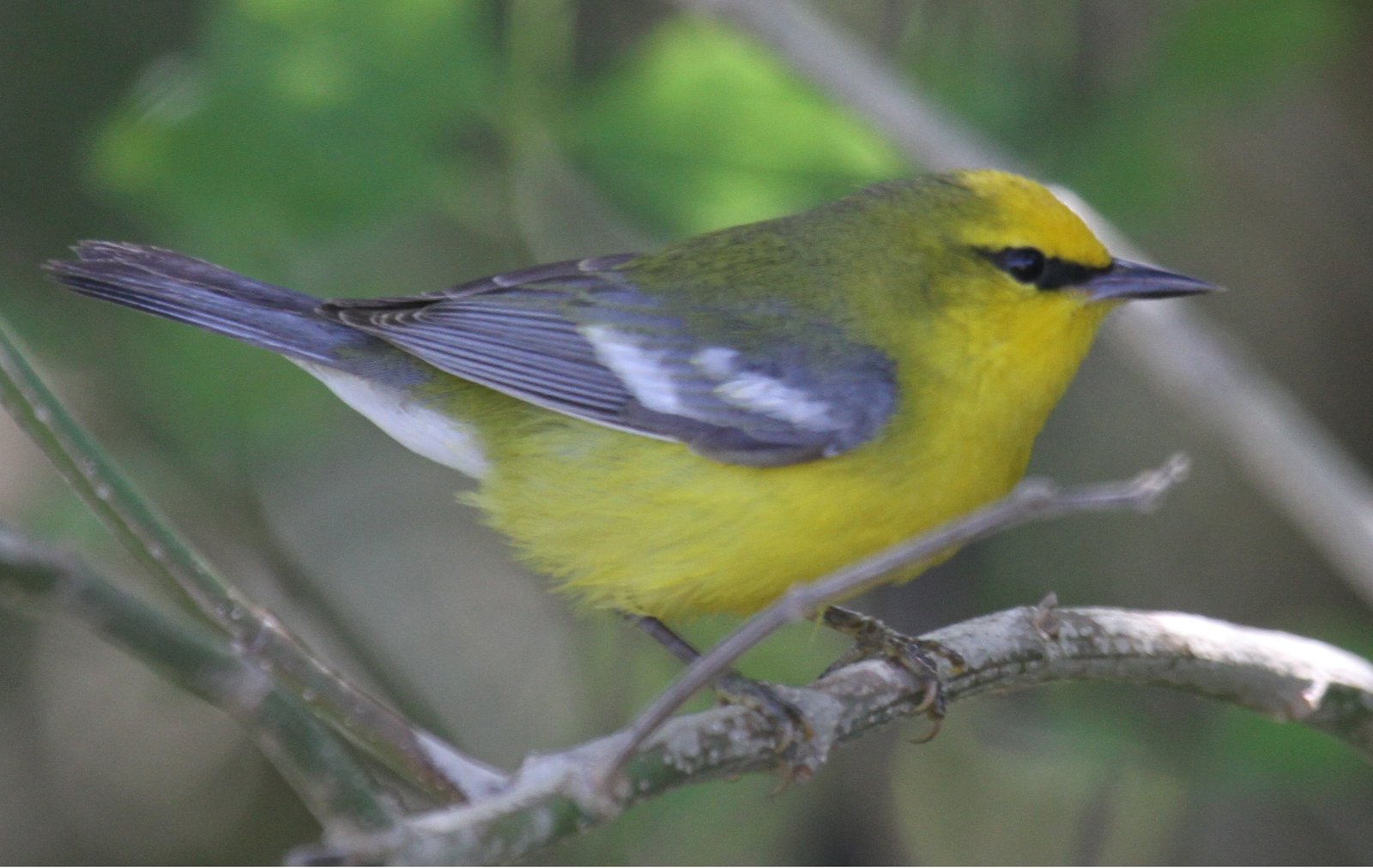
Blue-winged Warbler
Vermivora cyanoptera- Lowland rainforest
- Foothill (submontane) forest
- Secondary forest and forest edge
- Shade coffee, cacao and agroforestry
Oreothlypis 2 species
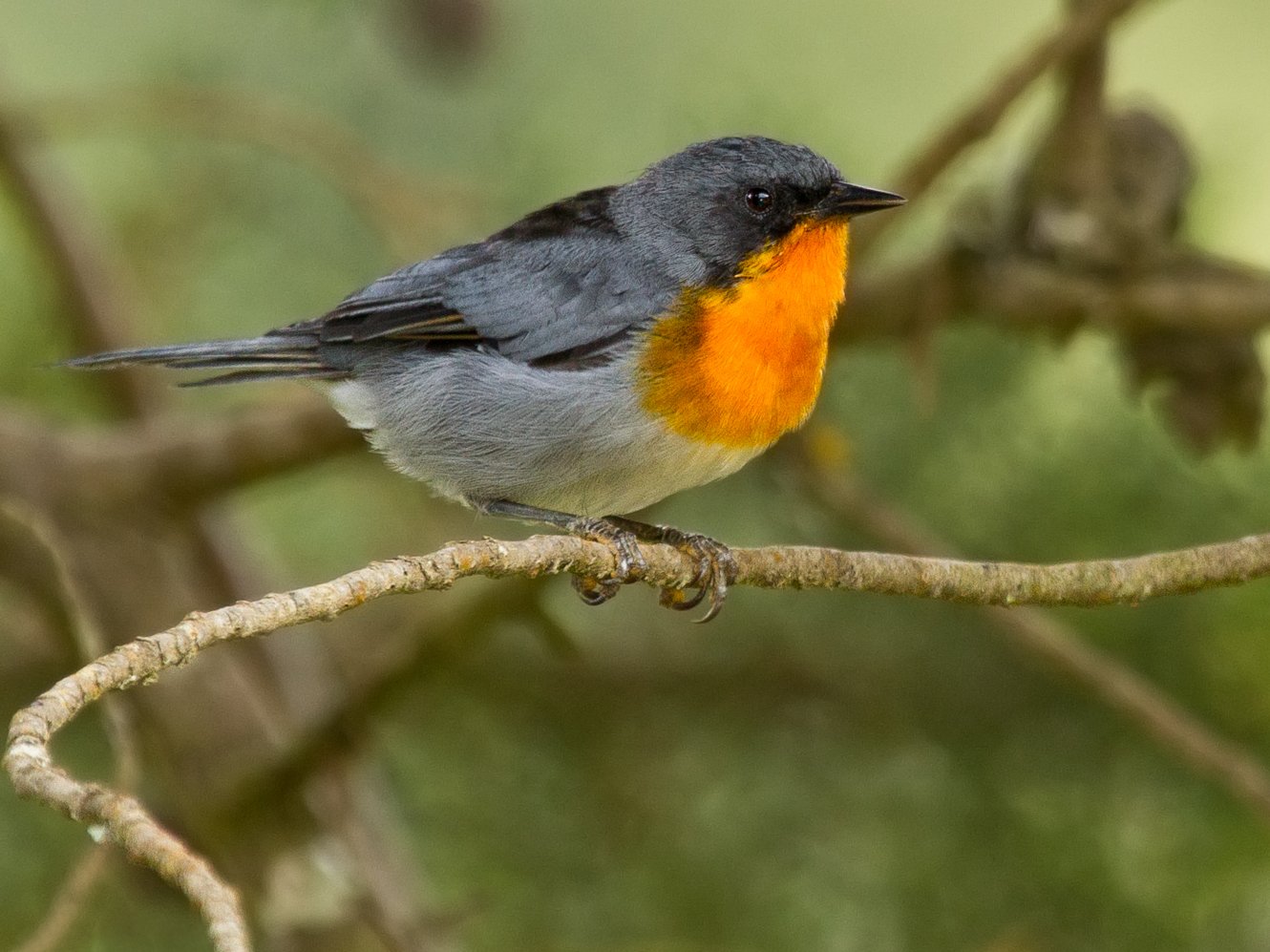
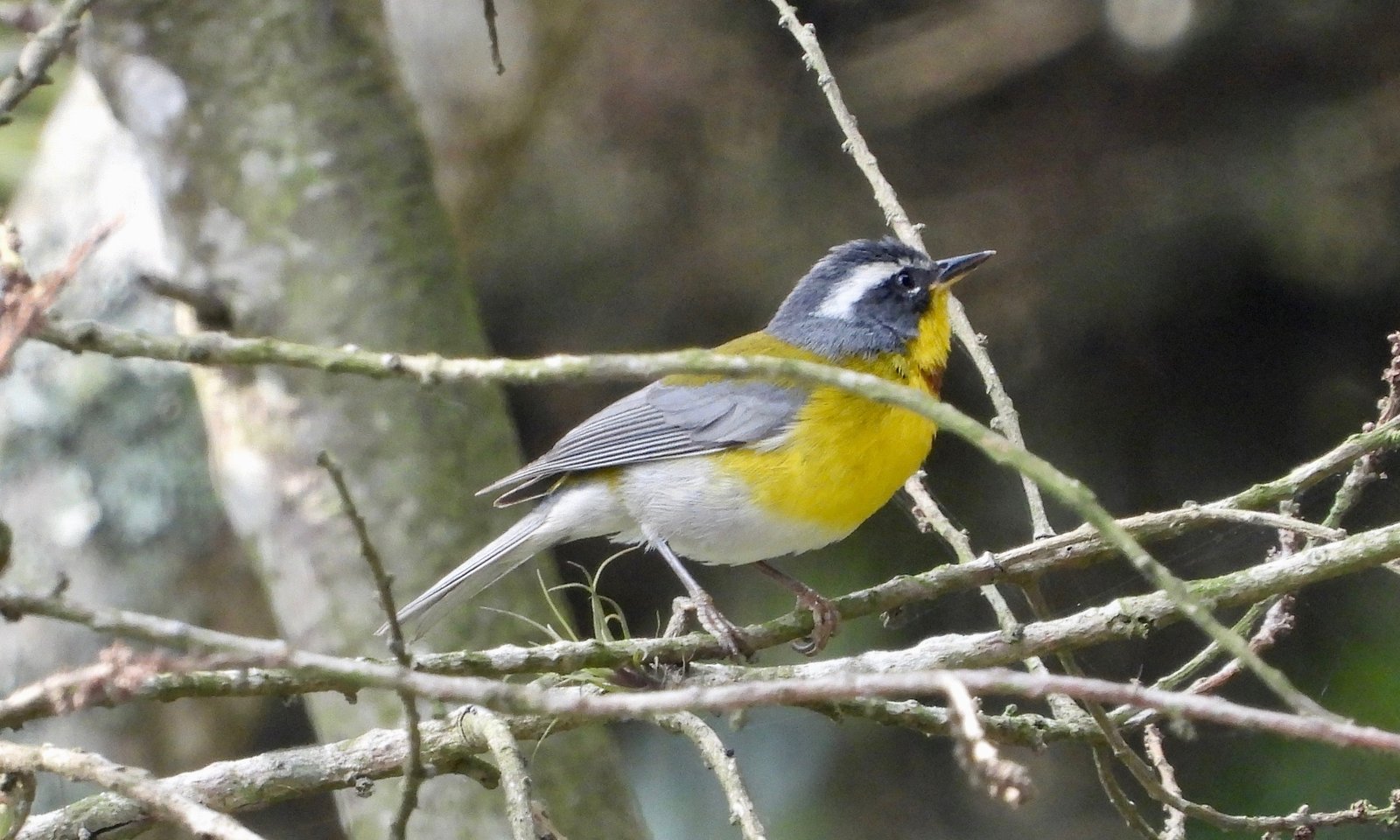
Leiothlypis 6 species
-
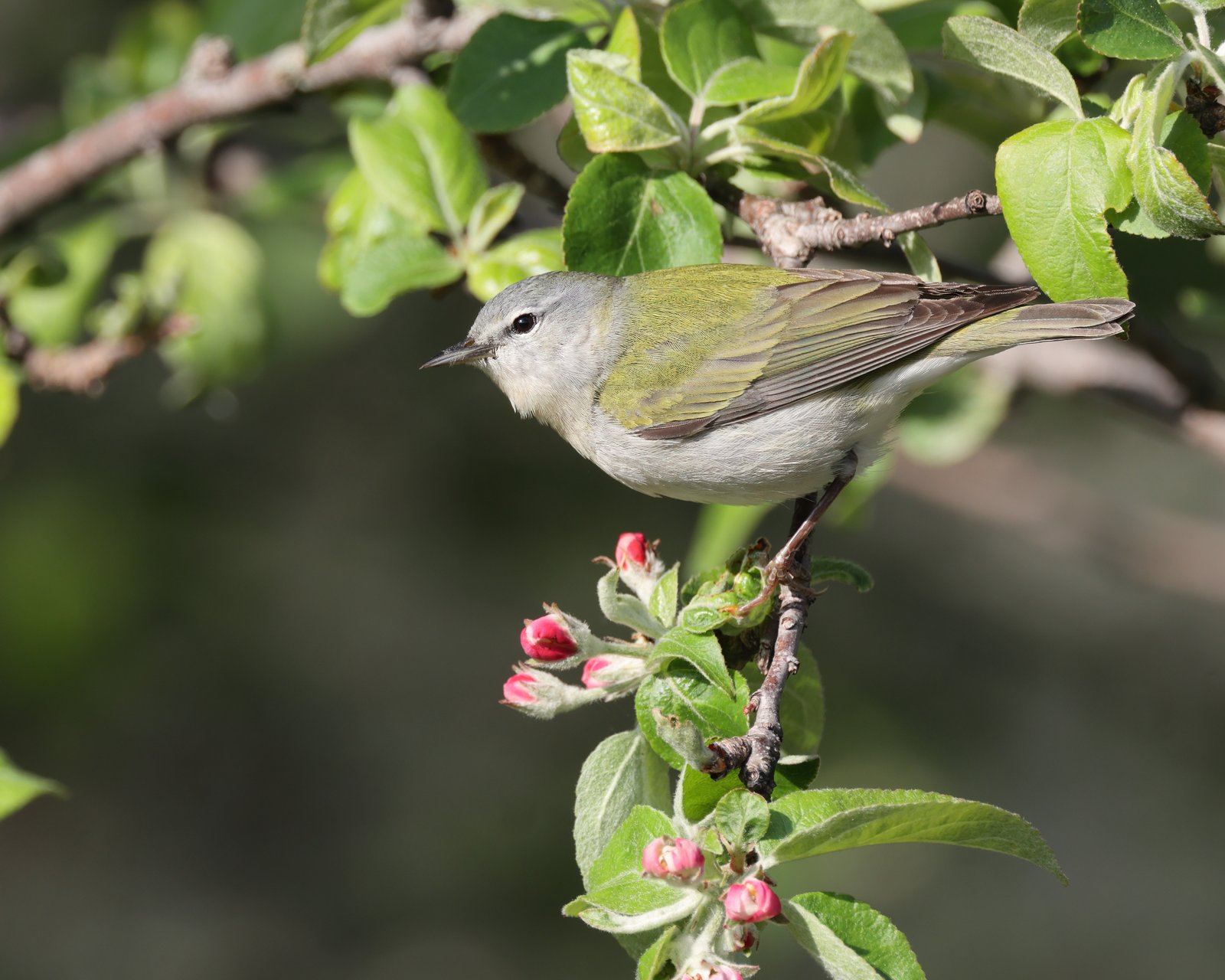
Tennessee Warbler
Leiothlypis peregrina- Secondary forest and forest edge
- Foothill (submontane) forest
- Northern Middle American cloud forest
- Shade coffee, cacao and agroforestry
 Villages, towns, gardens and parks
-
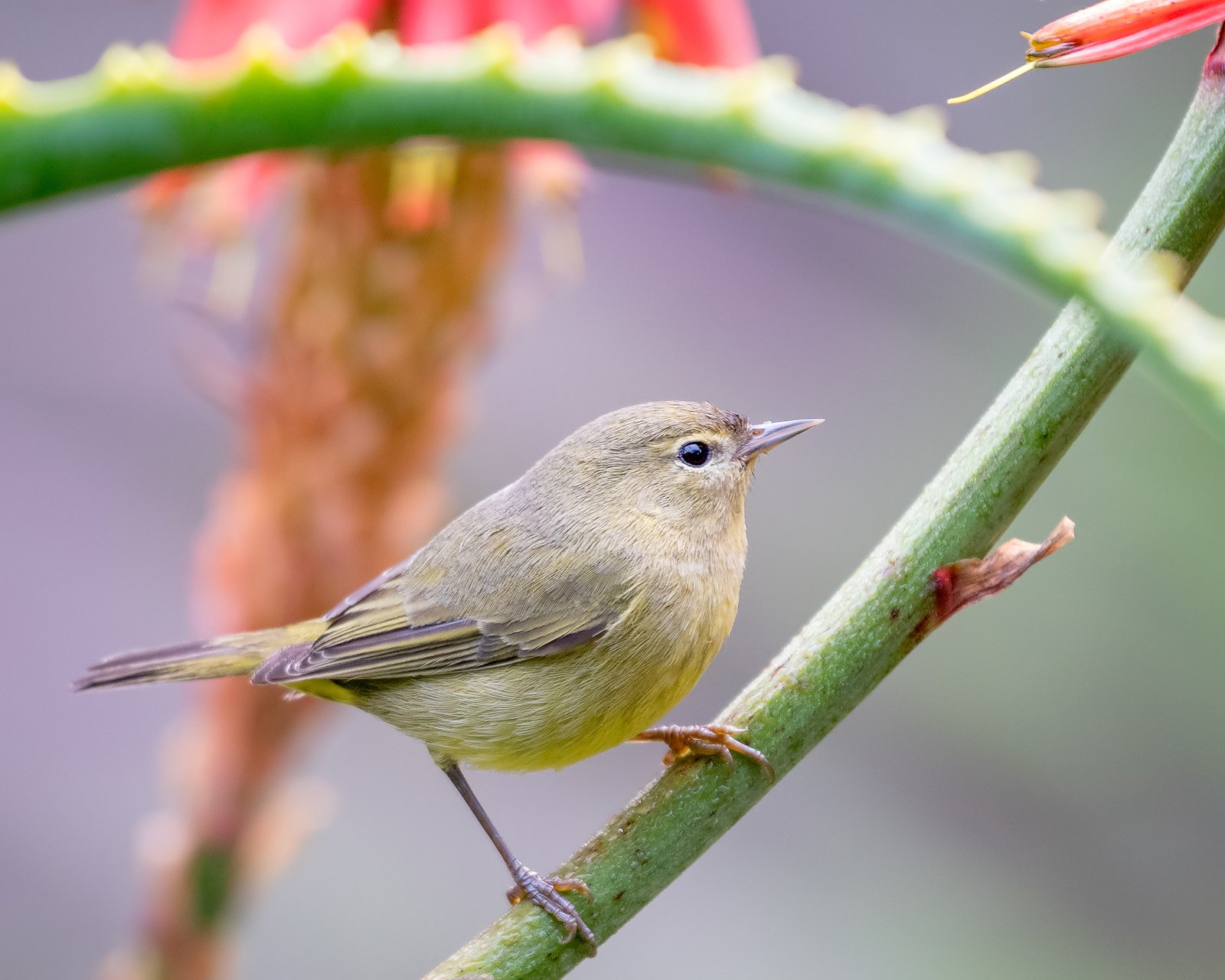
Orange-crowned Warbler
Leiothlypis celata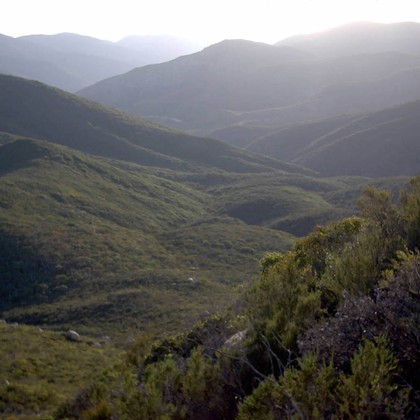 Chaparral and coastal sage scrub
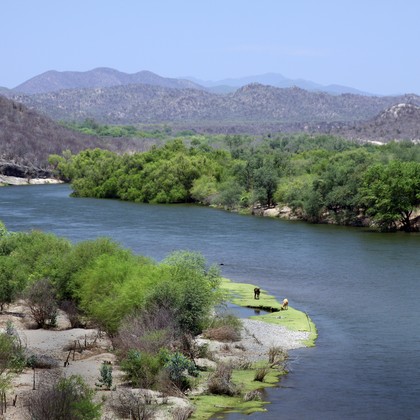 Riparian woodland in arid and temperate regions
 Madrean oak and pine-oak woodland
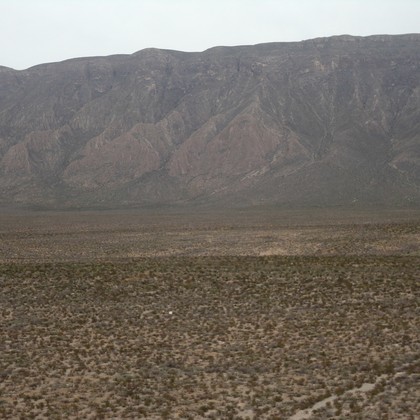 Chihuahuan Desert and plateau scrub
 Thorn scrub and cactus forest
- Villages, towns, gardens and parks
-
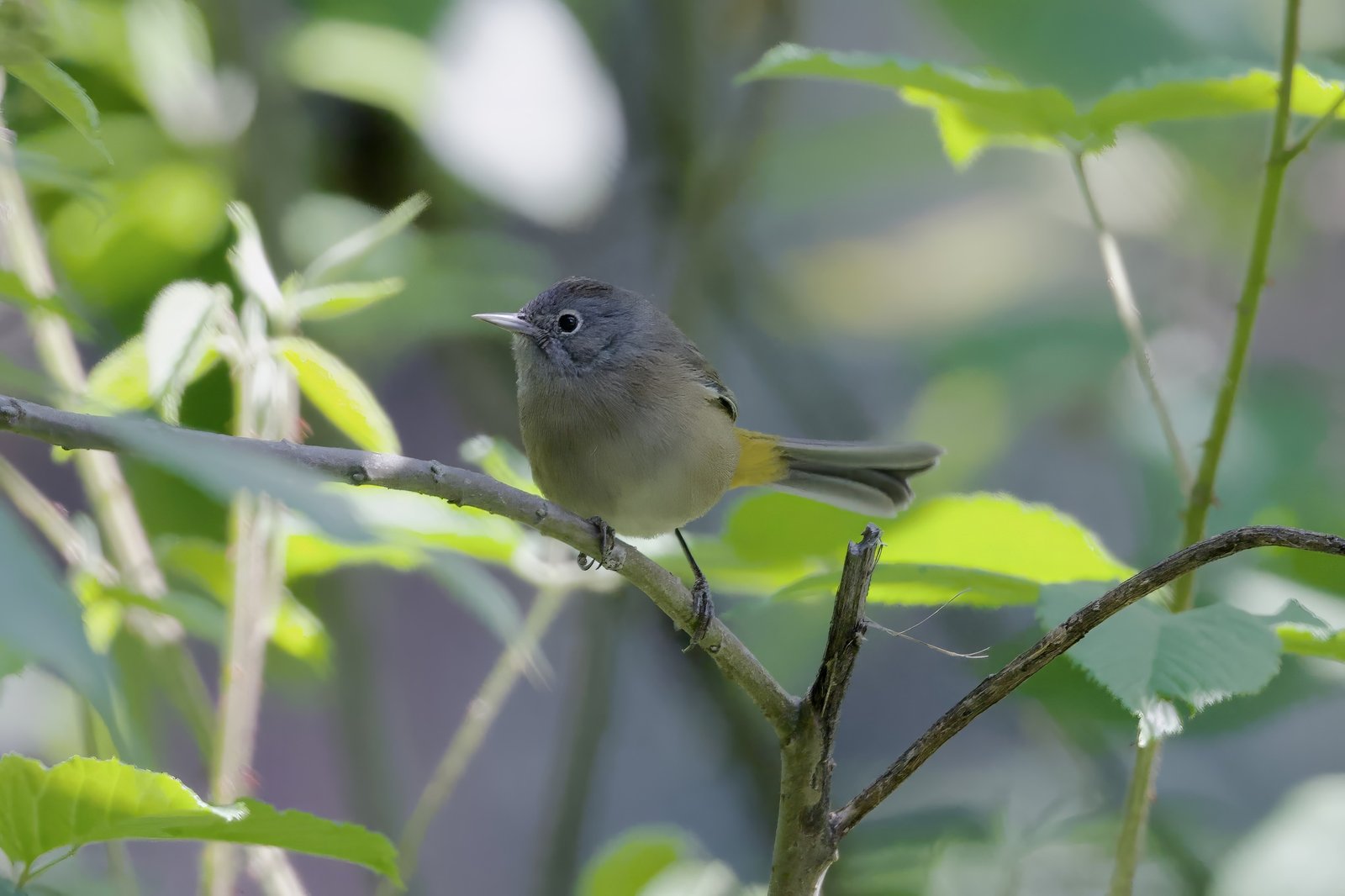
Colima Warbler
Leiothlypis crissalis- Madrean oak and pine-oak woodland
 Tropical highland pine-oak forest
-
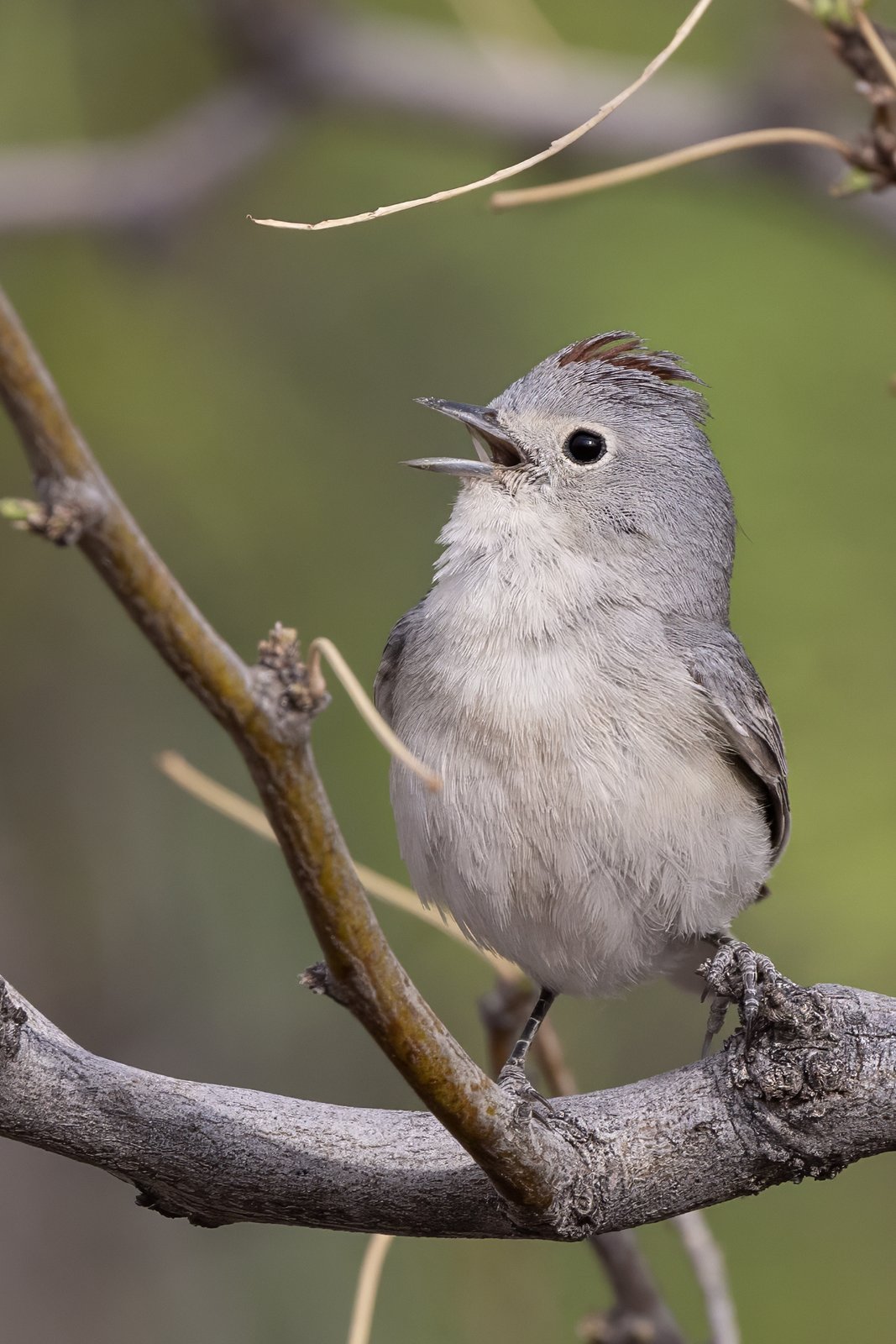
Lucy's Warbler
Leiothlypis luciae- Riparian woodland in arid and temperate regions
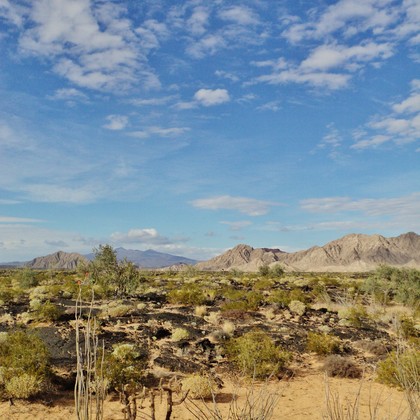 Sonoran Desert
 Pacific tropical dry forest
- Thorn scrub and cactus forest
-
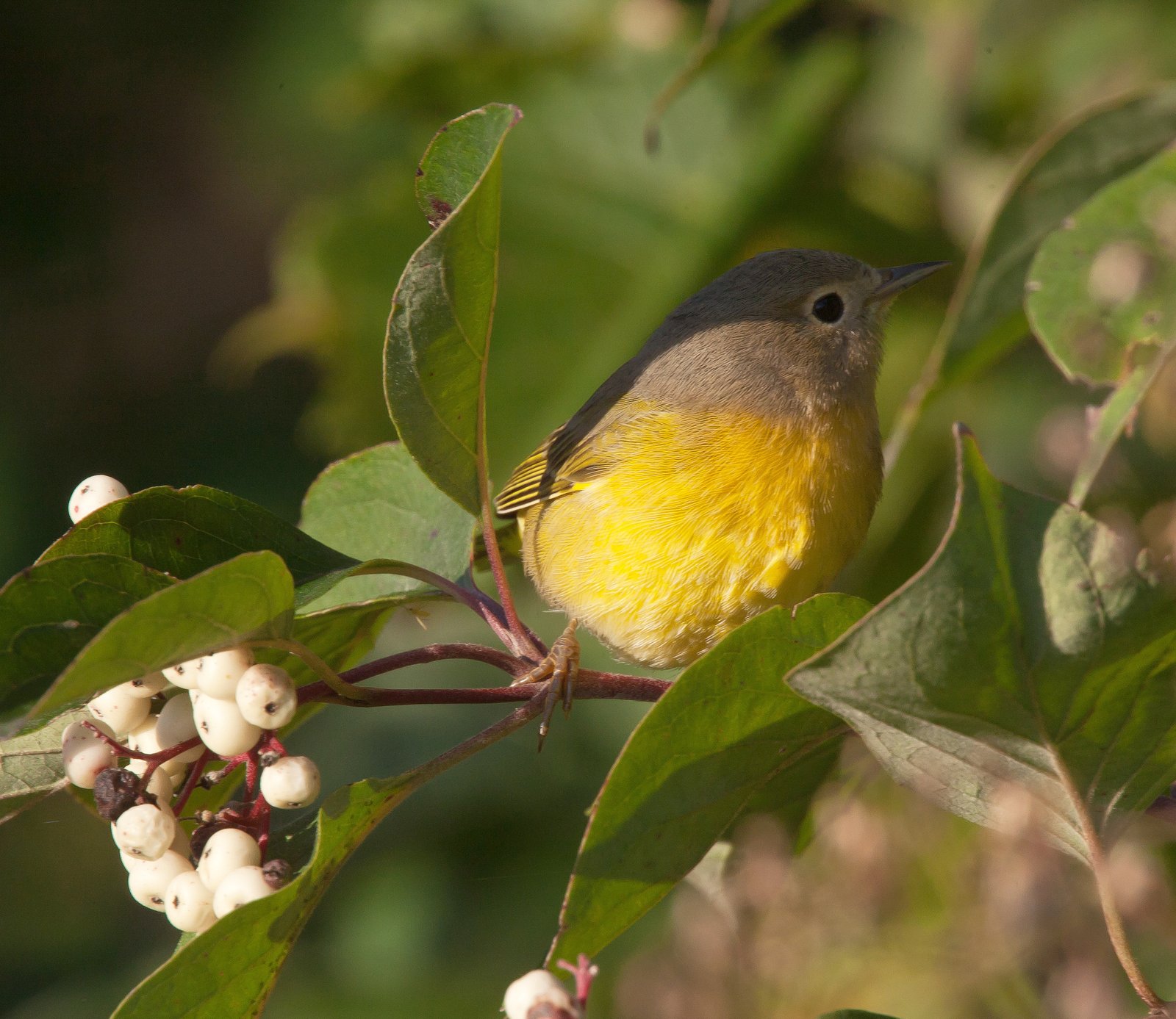
Nashville Warbler
Leiothlypis ruficapilla- Tropical highland pine-oak forest
- Madrean oak and pine-oak woodland
- Pacific tropical dry forest
- Secondary forest and forest edge
- Riparian woodland in arid and temperate regions
- Villages, towns, gardens and parks
-
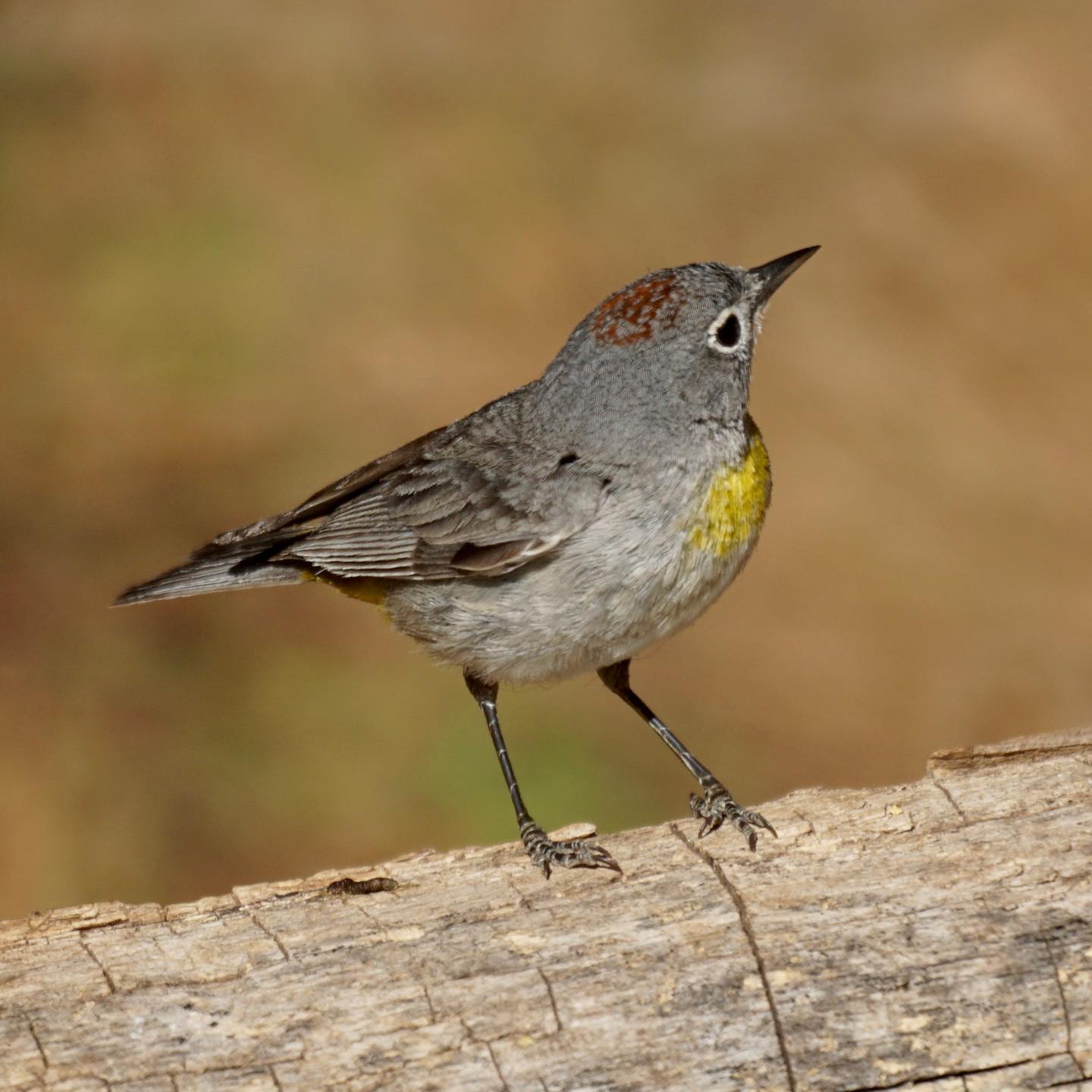
Virginia's Warbler
Leiothlypis virginiae- Pacific tropical dry forest
- Thorn scrub and cactus forest
- Tropical highland pine-oak forest
- Madrean oak and pine-oak woodland
- Chaparral and coastal sage scrub
Geothlypis 10 species
-
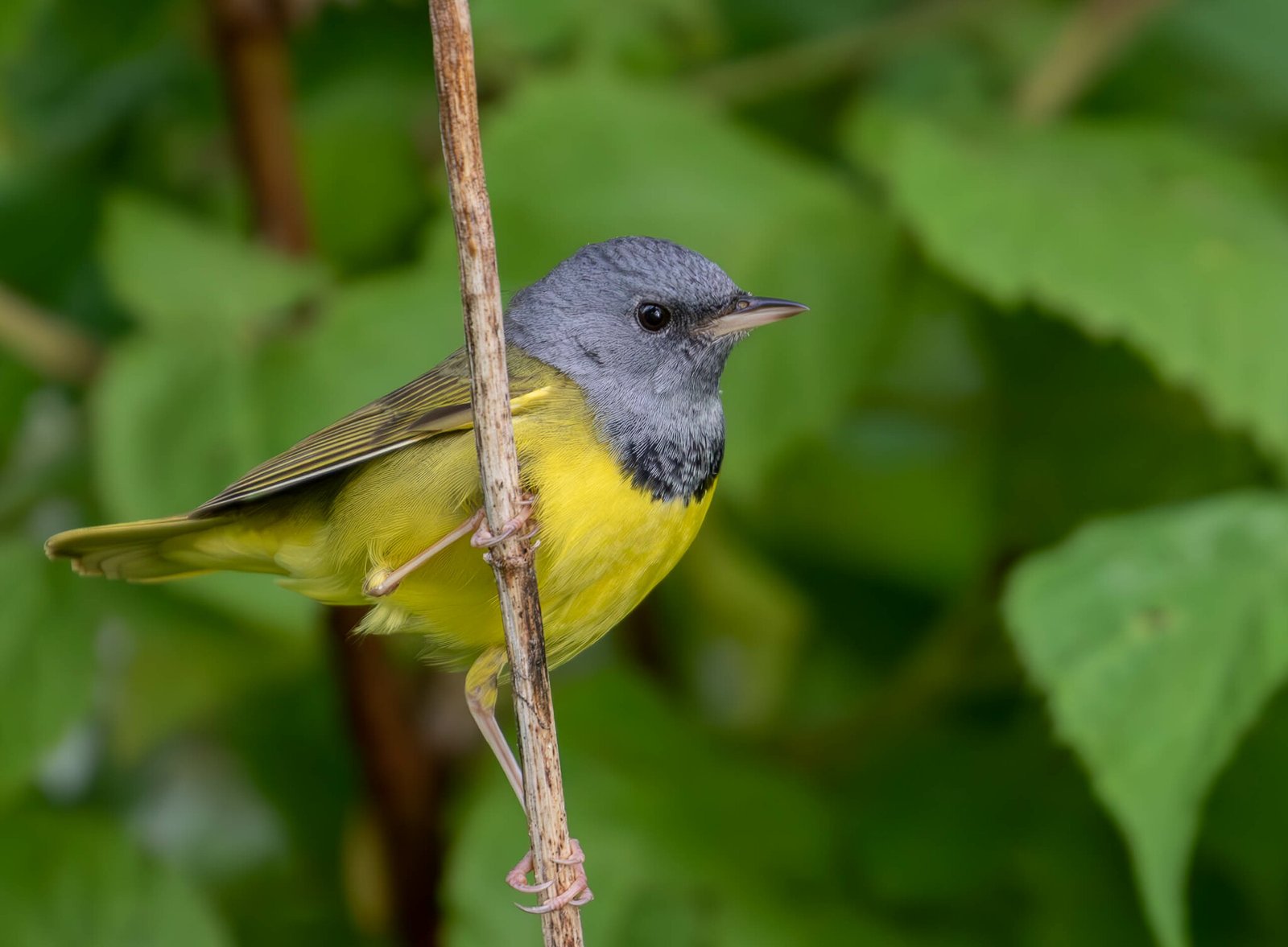
Mourning Warbler
Geothlypis philadelphia- Secondary forest and forest edge
- Foothill (submontane) forest
- Floodplain and gallery forest
- Shade coffee, cacao and agroforestry
 Pasture and grazing land with trees
-
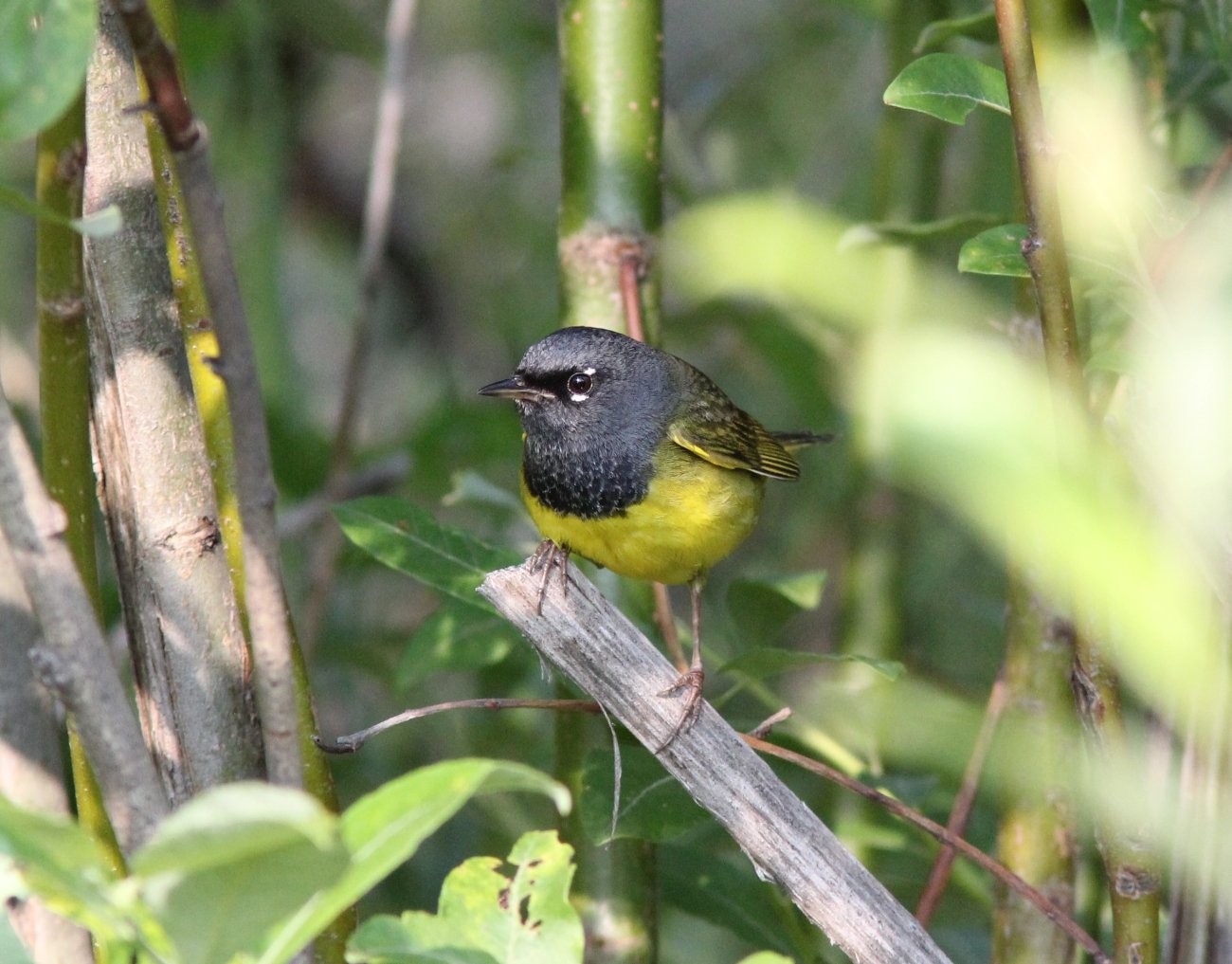
MacGillivray's Warbler
Geothlypis tolmiei- Tropical highland pine-oak forest
- Northern Middle American cloud forest
- Secondary forest and forest edge
- Shade coffee, cacao and agroforestry
- Riparian woodland in arid and temperate regions
- Pacific tropical dry forest
-
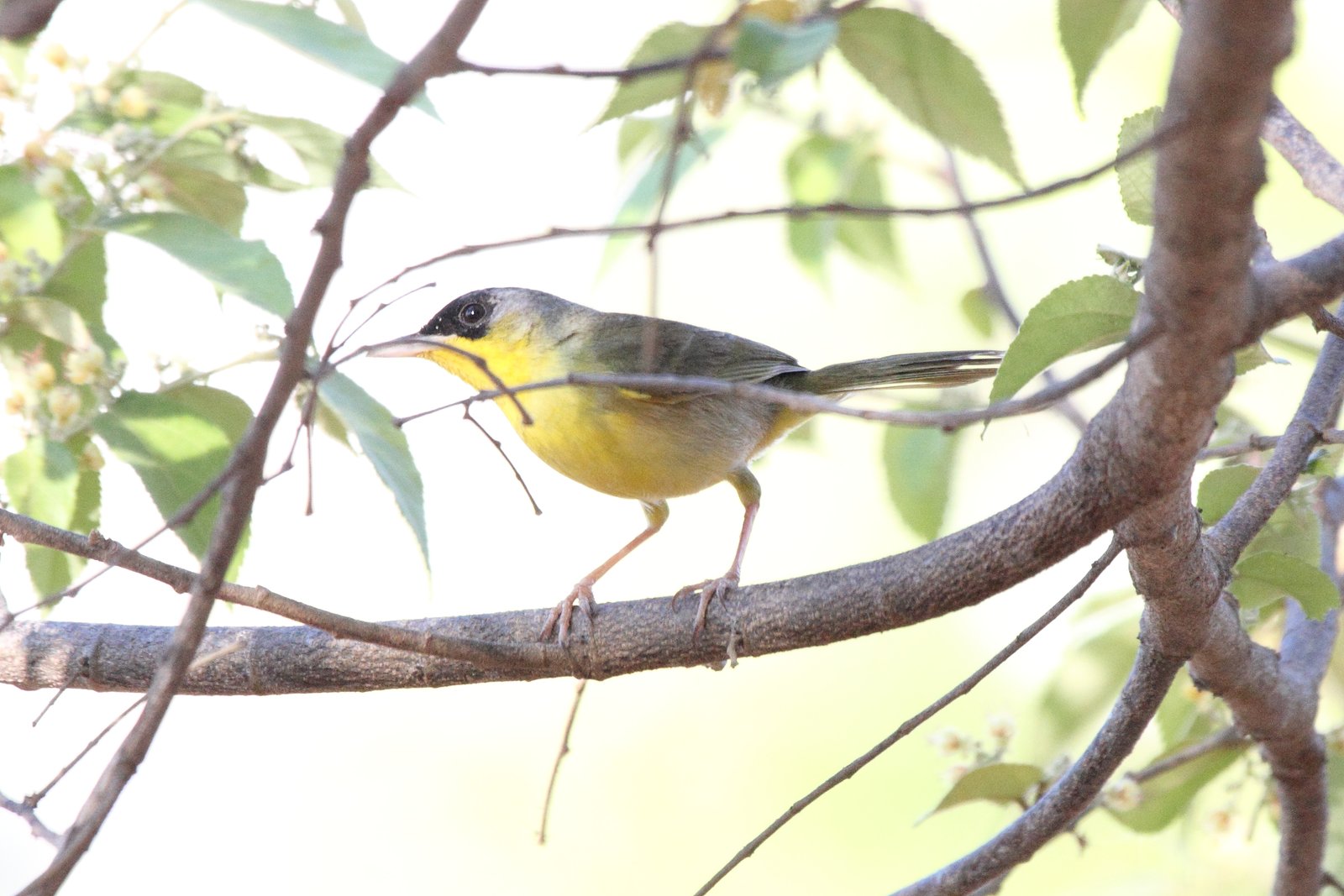
Grey-crowned Yellowthroat
Geothlypis poliocephala Lowland savanna and open grassland
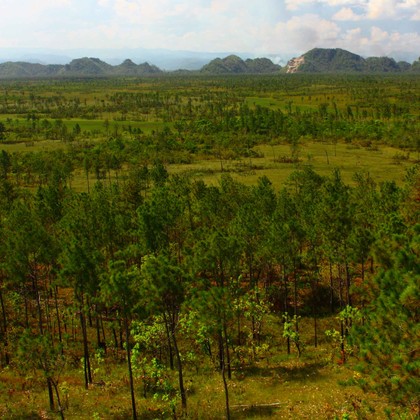 Pine savanna
- Pasture and grazing land with trees
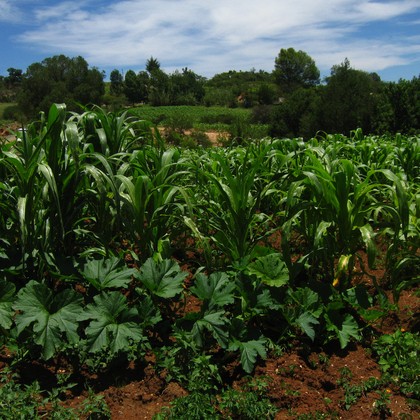 Arable fields and milpa
- Freshwater marsh and wet grassland
- Secondary forest and forest edge
-
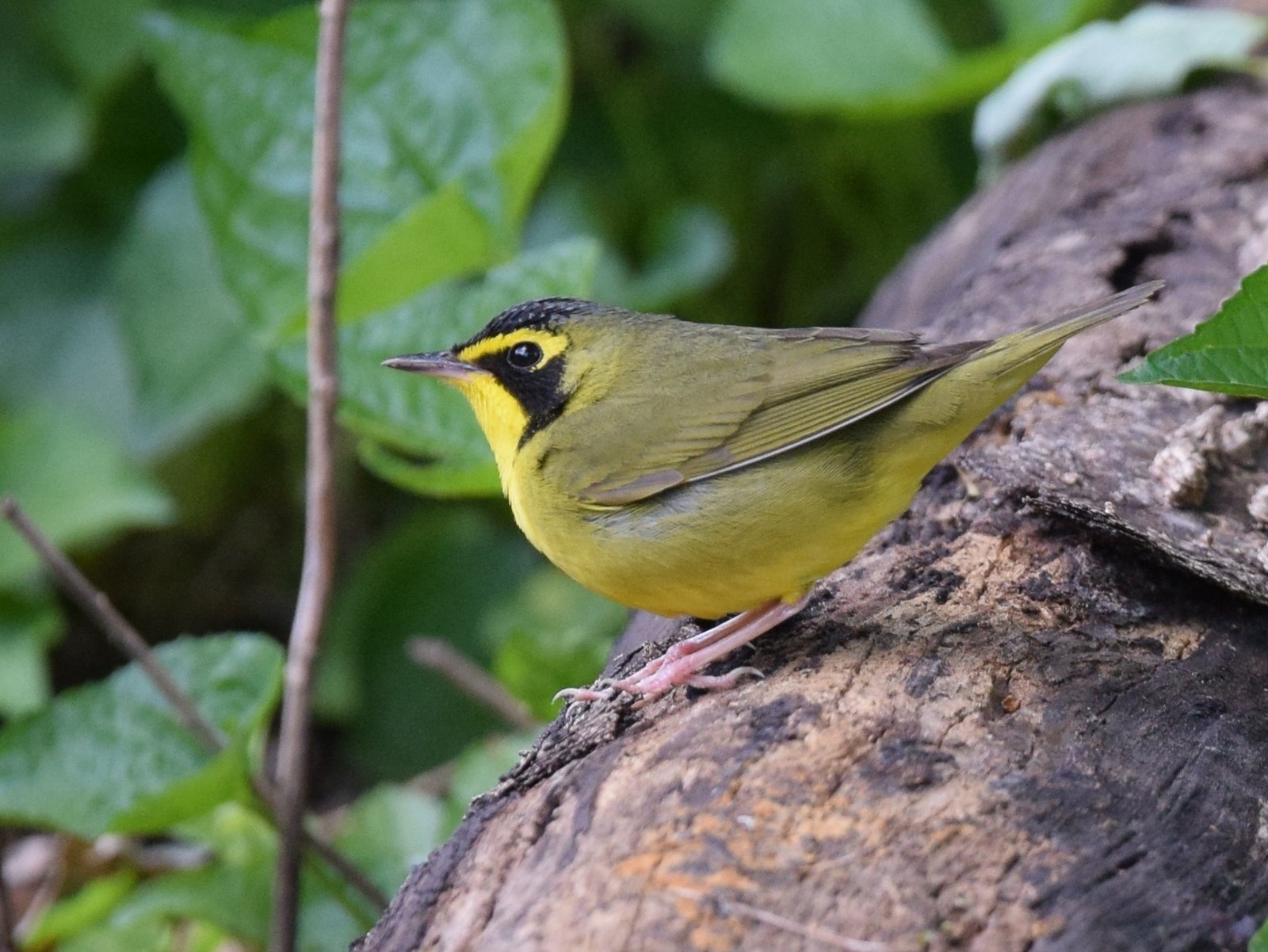
Kentucky Warbler
Geothlypis formosa- Lowland rainforest
- Foothill (submontane) forest
- Secondary forest and forest edge
- Swamp forest and palm swamp
- Shade coffee, cacao and agroforestry
-
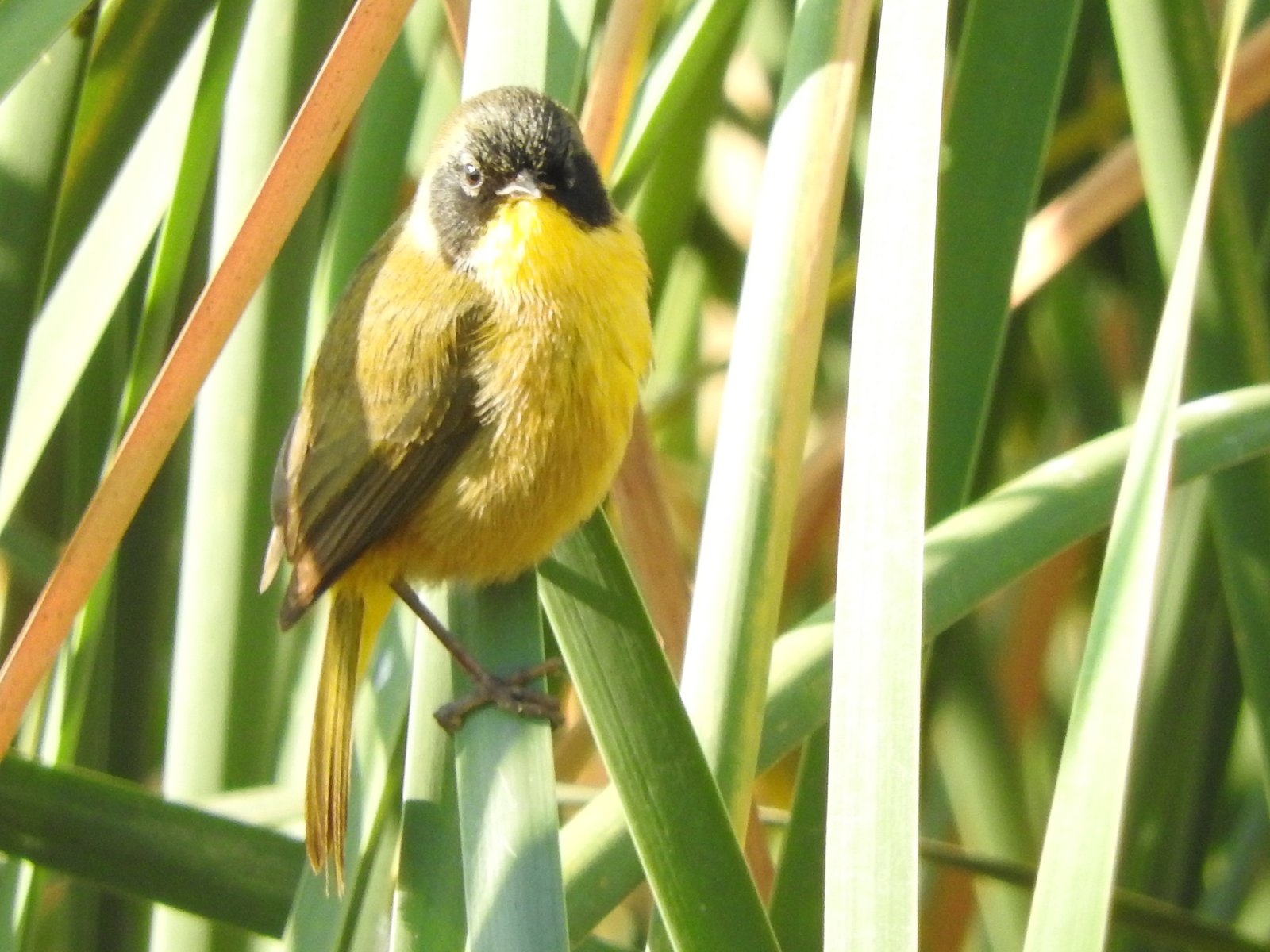
Black-polled Yellowthroat
Geothlypis speciosa- Freshwater marsh and wet grassland
- Lakes, reservoirs and ponds
-
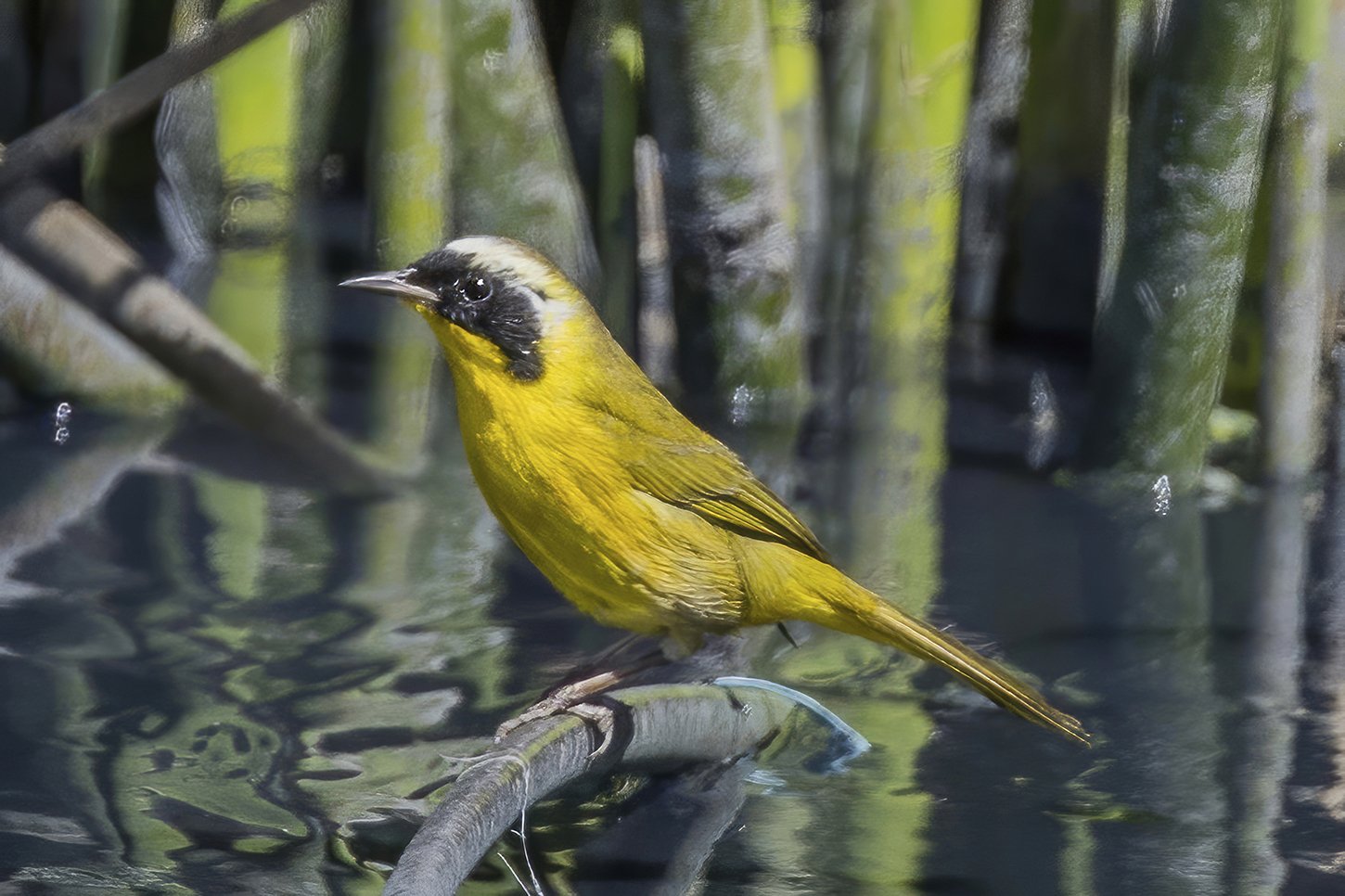
Hooded Yellowthroat
Geothlypis nelsoni- Tropical highland pine-oak forest
- Madrean oak and pine-oak woodland
- Northern Middle American cloud forest
- Chaparral and coastal sage scrub
-
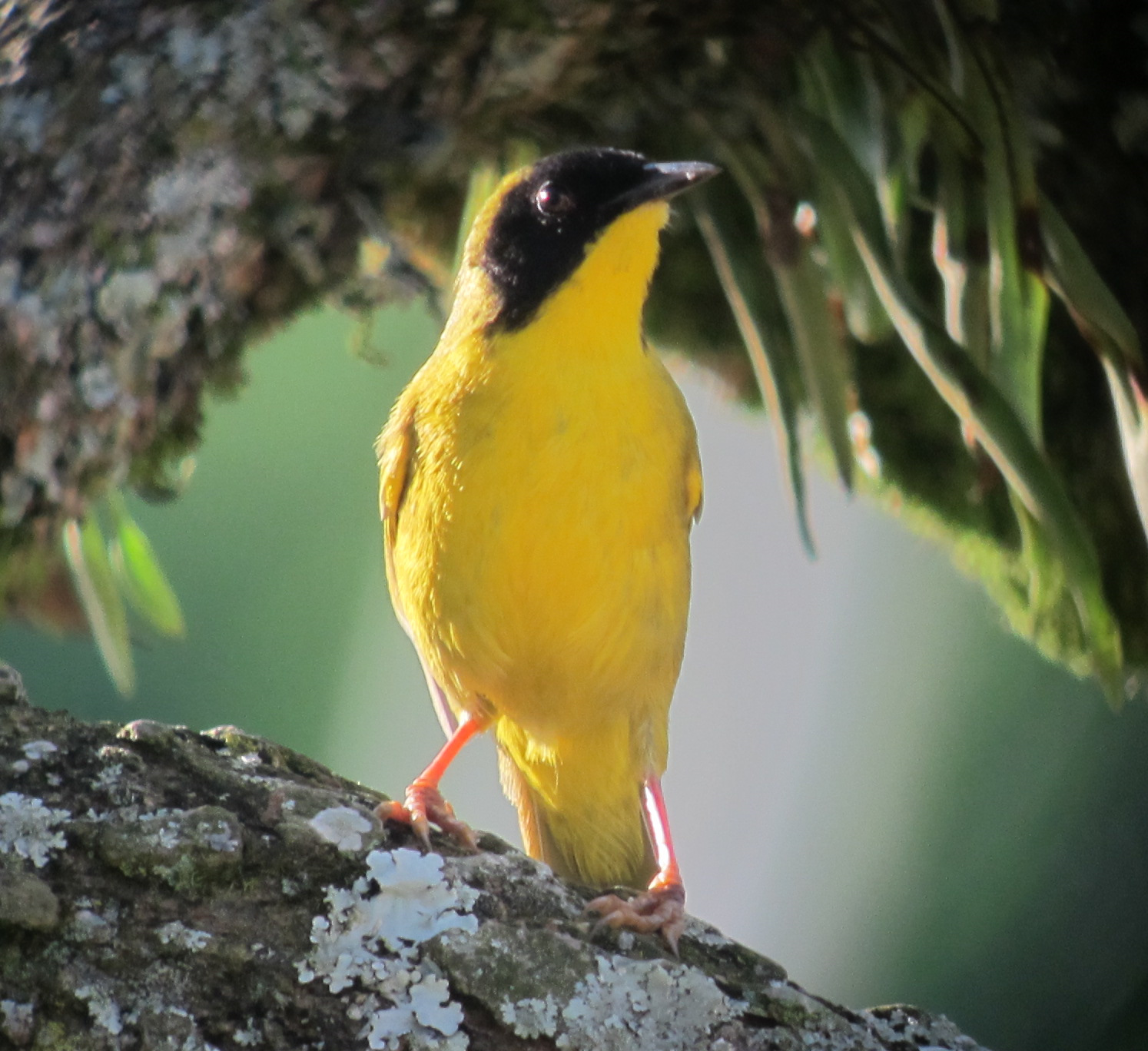
Olive-crowned Yellowthroat
Geothlypis semiflava- Freshwater marsh and wet grassland
- Lowland savanna and open grassland
- Pasture and grazing land with trees
- Arable fields and milpa
- Secondary forest and forest edge
-
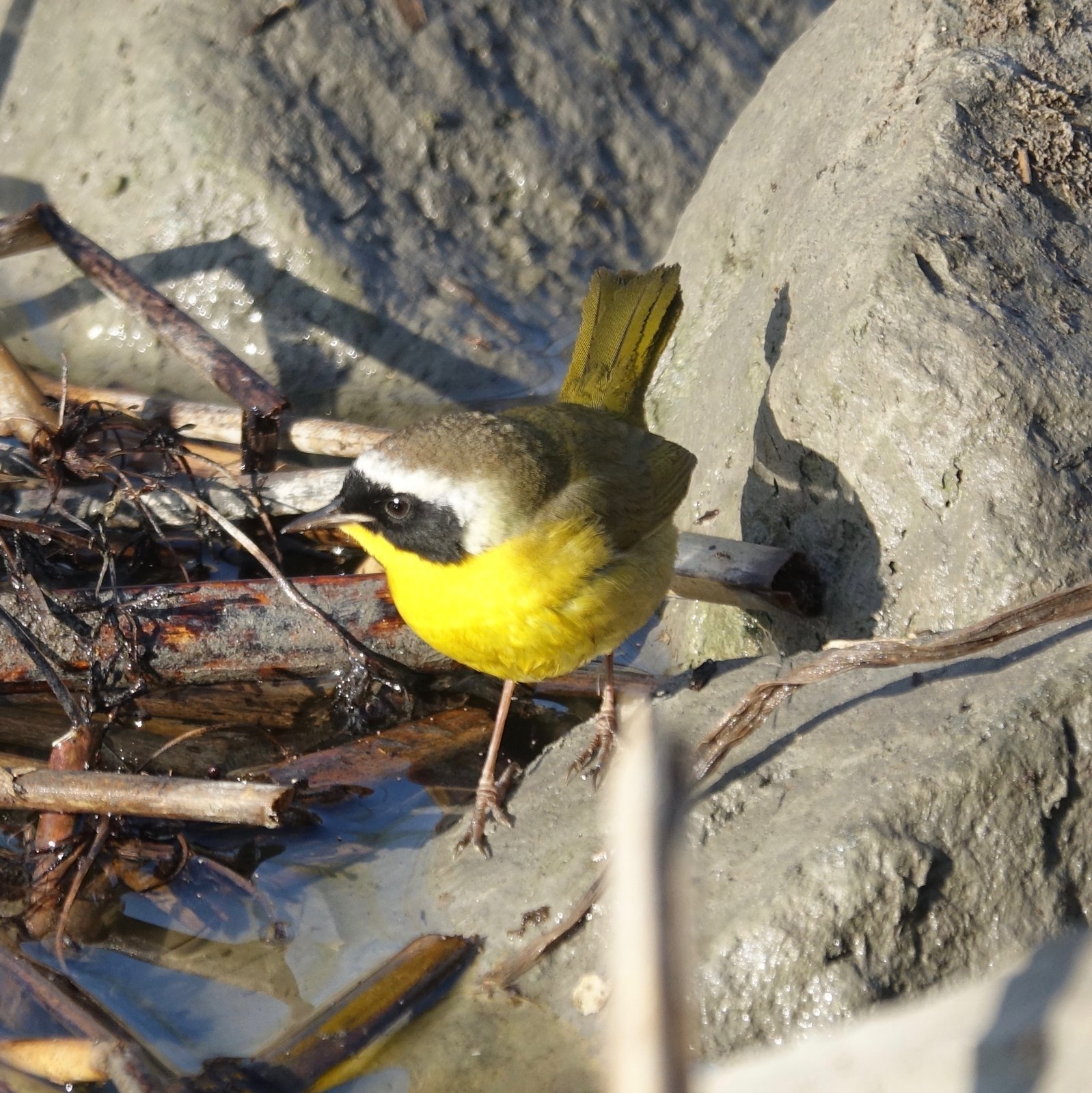
Common Yellowthroat
Geothlypis trichas- Freshwater marsh and wet grassland
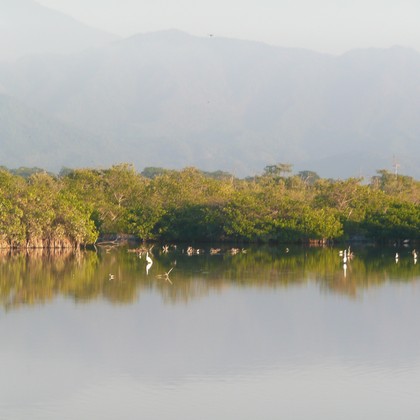 Salt marsh
- Lowland savanna and open grassland
- Secondary forest and forest edge
- Rice fields and fish ponds
-
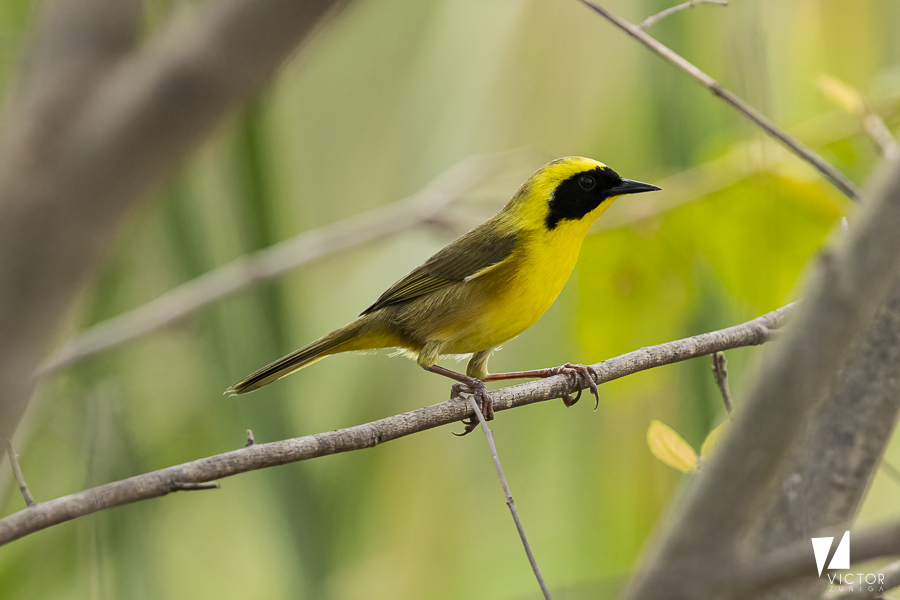
Altamira Yellowthroat
Geothlypis flavovelata- Freshwater marsh and wet grassland
- Salt marsh
-
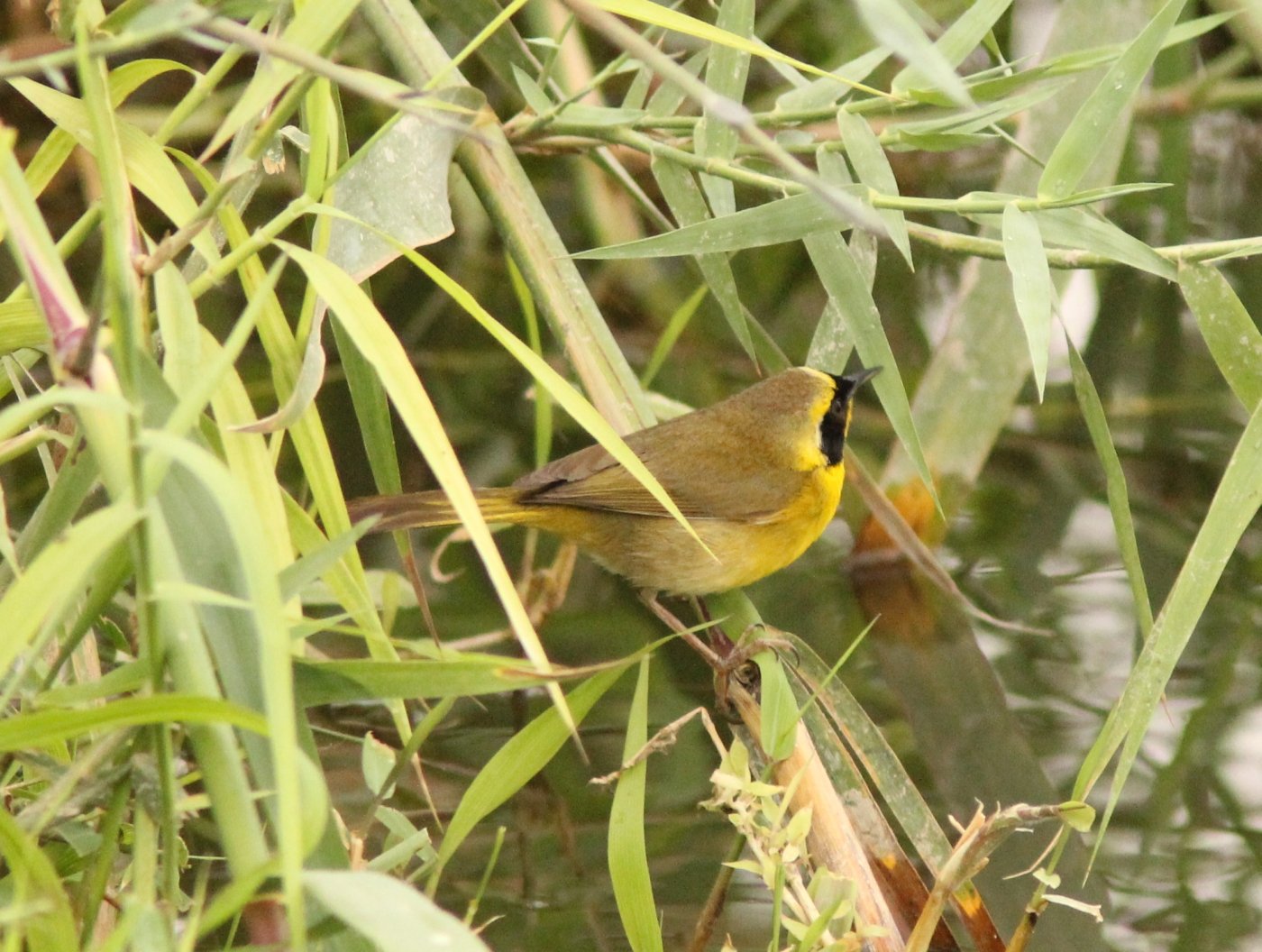
Belding's Yellowthroat
Geothlypis beldingi- Freshwater marsh and wet grassland
- Rivers and streams
- Salt marsh
Setophaga 25 species
-
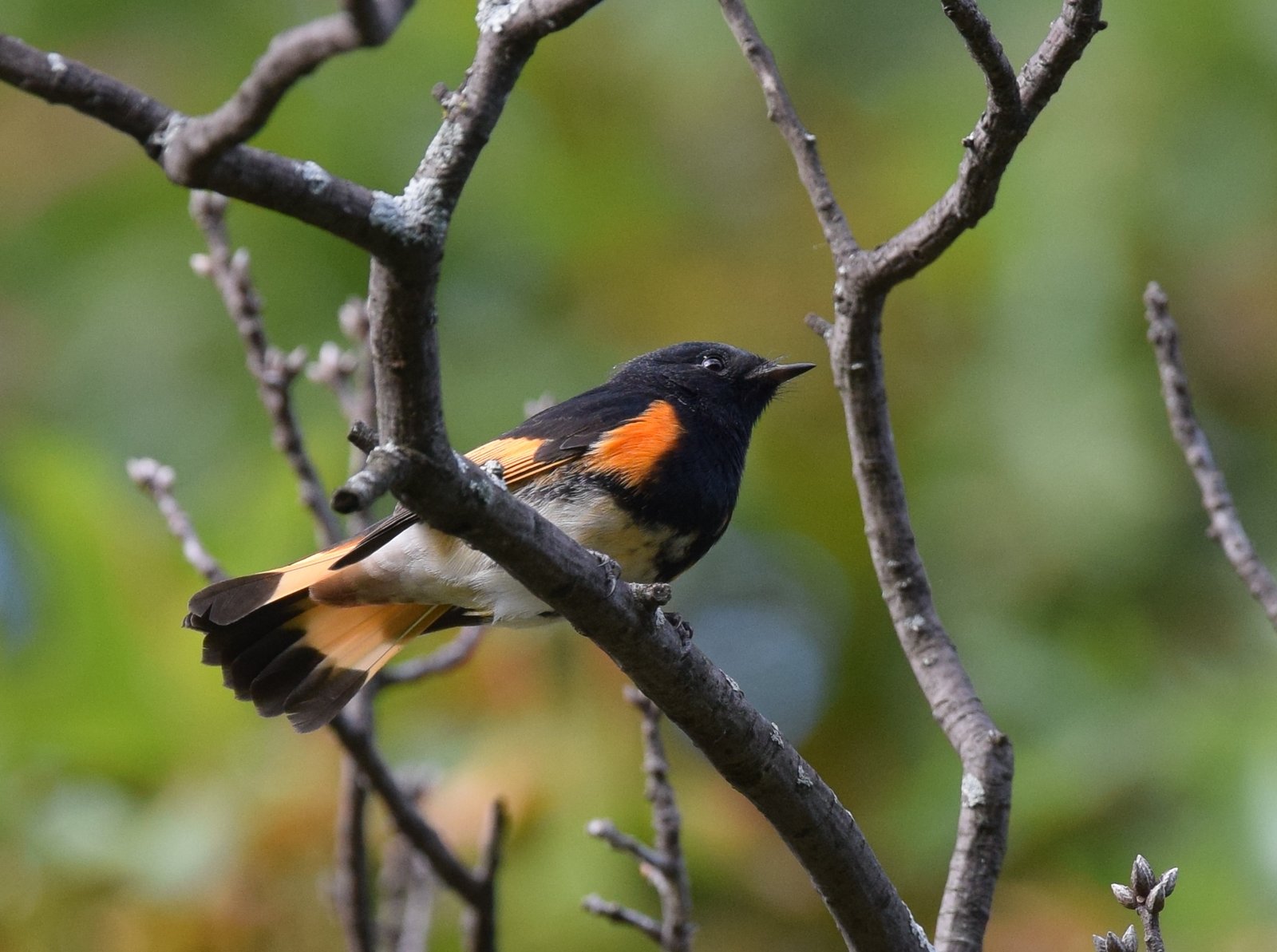
American Redstart
Setophaga ruticilla- Lowland rainforest
- Secondary forest and forest edge
- Mangrove
- Floodplain and gallery forest
- Pacific tropical dry forest
- Shade coffee, cacao and agroforestry
-
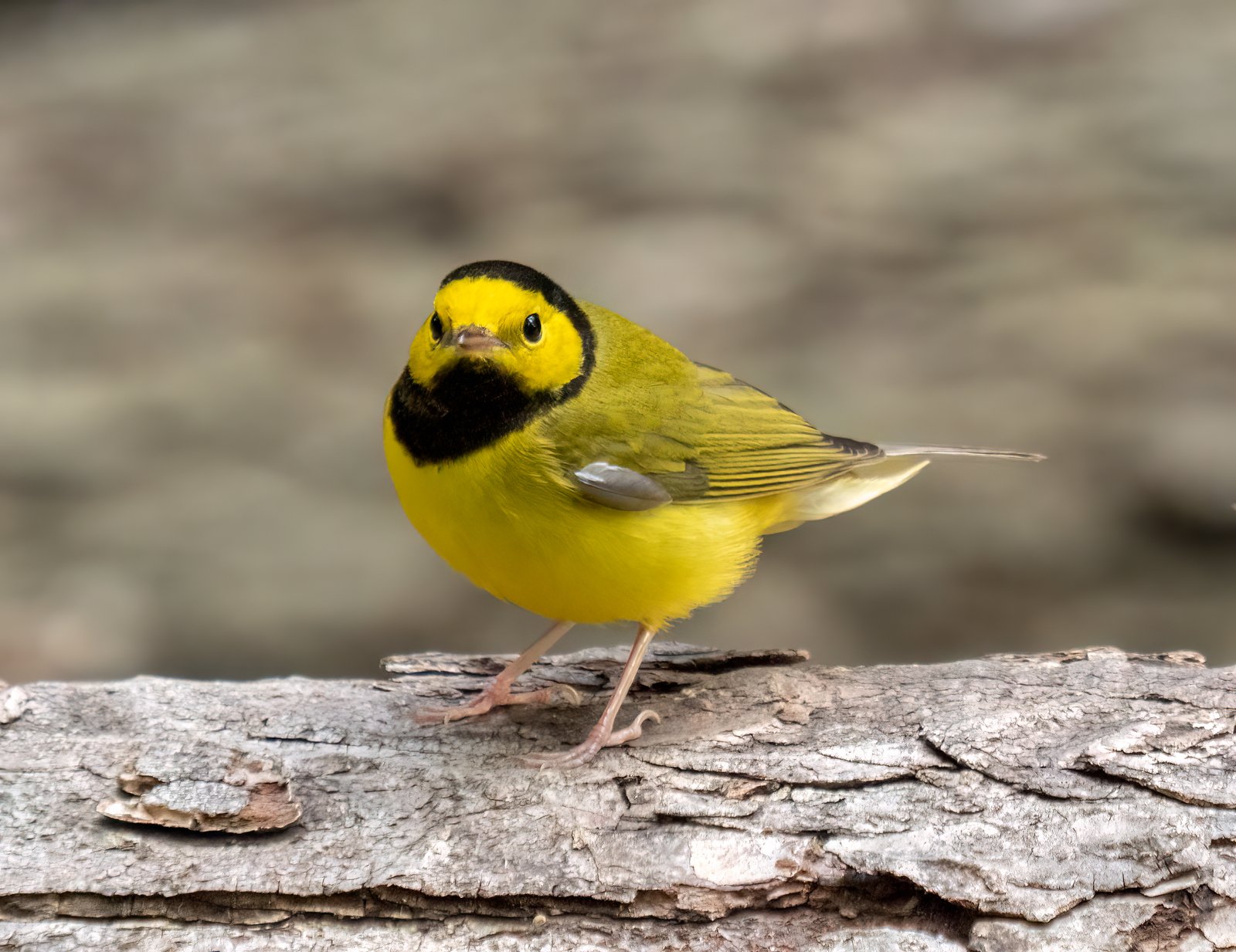
Hooded Warbler
Setophaga citrina- Lowland rainforest
- Foothill (submontane) forest
- Secondary forest and forest edge
- Mangrove
- Shade coffee, cacao and agroforestry
-
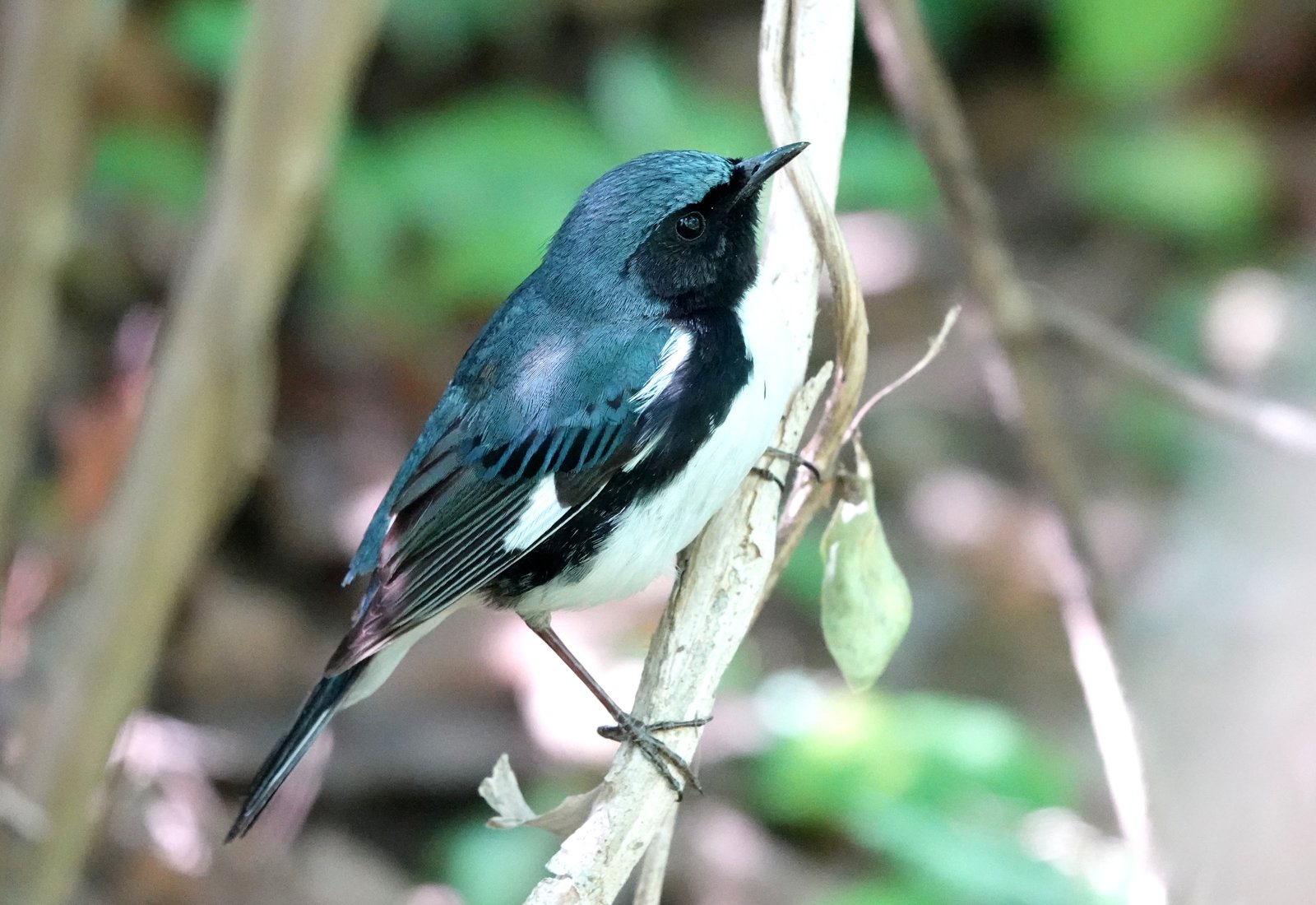
Black-throated Blue Warbler
Setophaga caerulescens Yucatán and Caribbean-interior seasonal forest
- Lowland rainforest
- Secondary forest and forest edge
- Mangrove
-
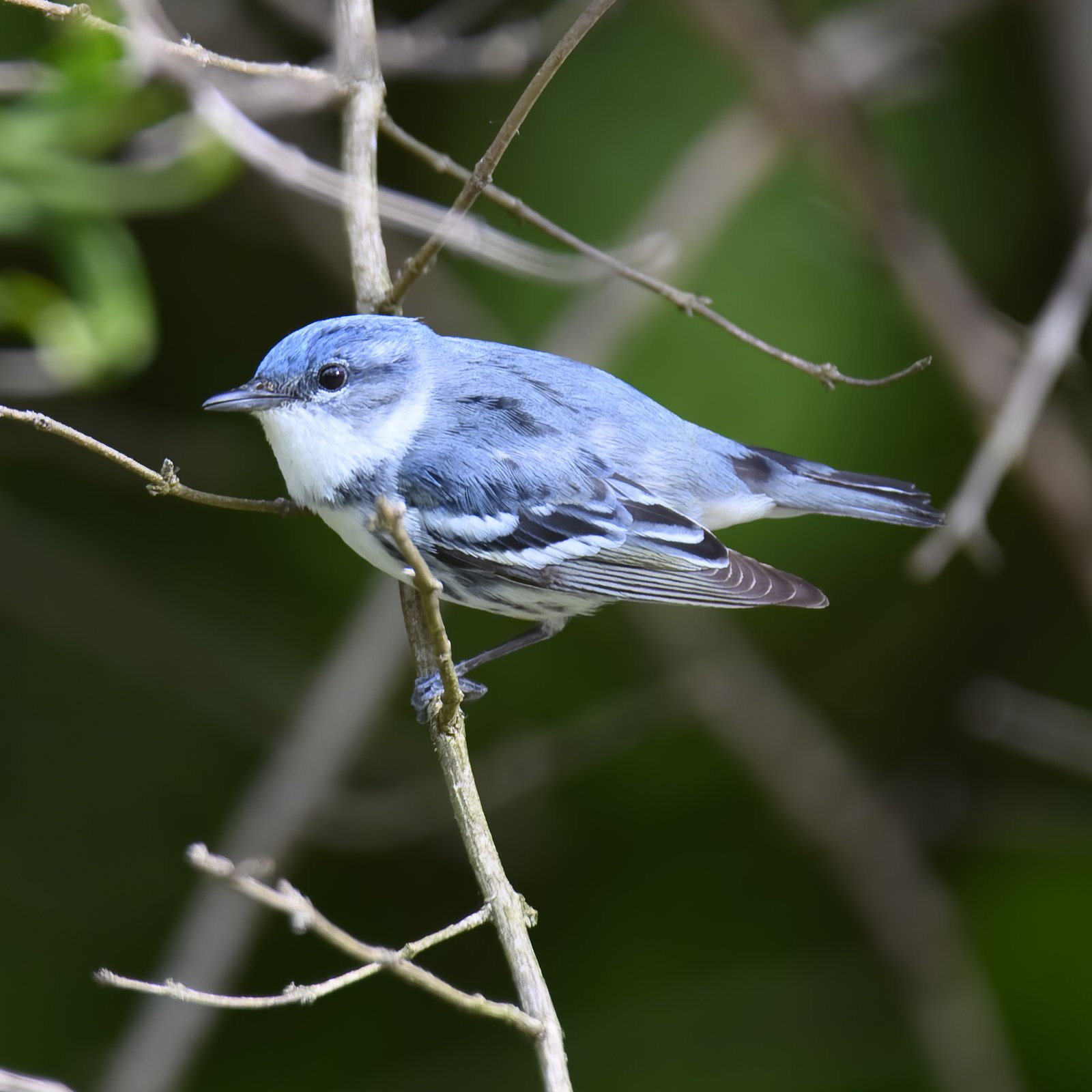
Cerulean Warbler
Setophaga cerulea- Lowland rainforest
- Foothill (submontane) forest
- Northern Middle American cloud forest
- Costa Rica-Panama highland forest
-
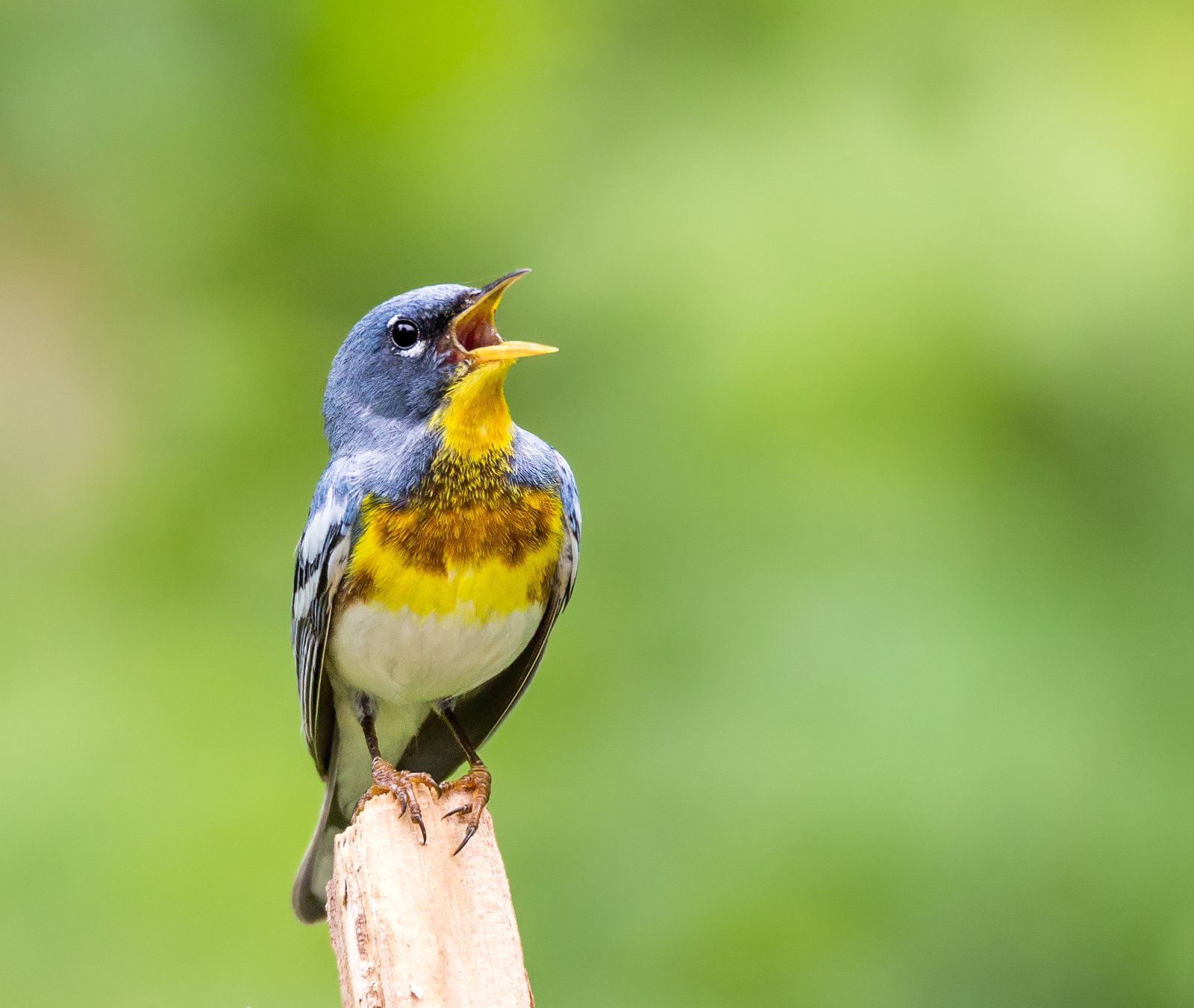
Northern Parula
Setophaga americana- Lowland rainforest
- Secondary forest and forest edge
- Yucatán and Caribbean-interior seasonal forest
- Mangrove
- Shade coffee, cacao and agroforestry
-
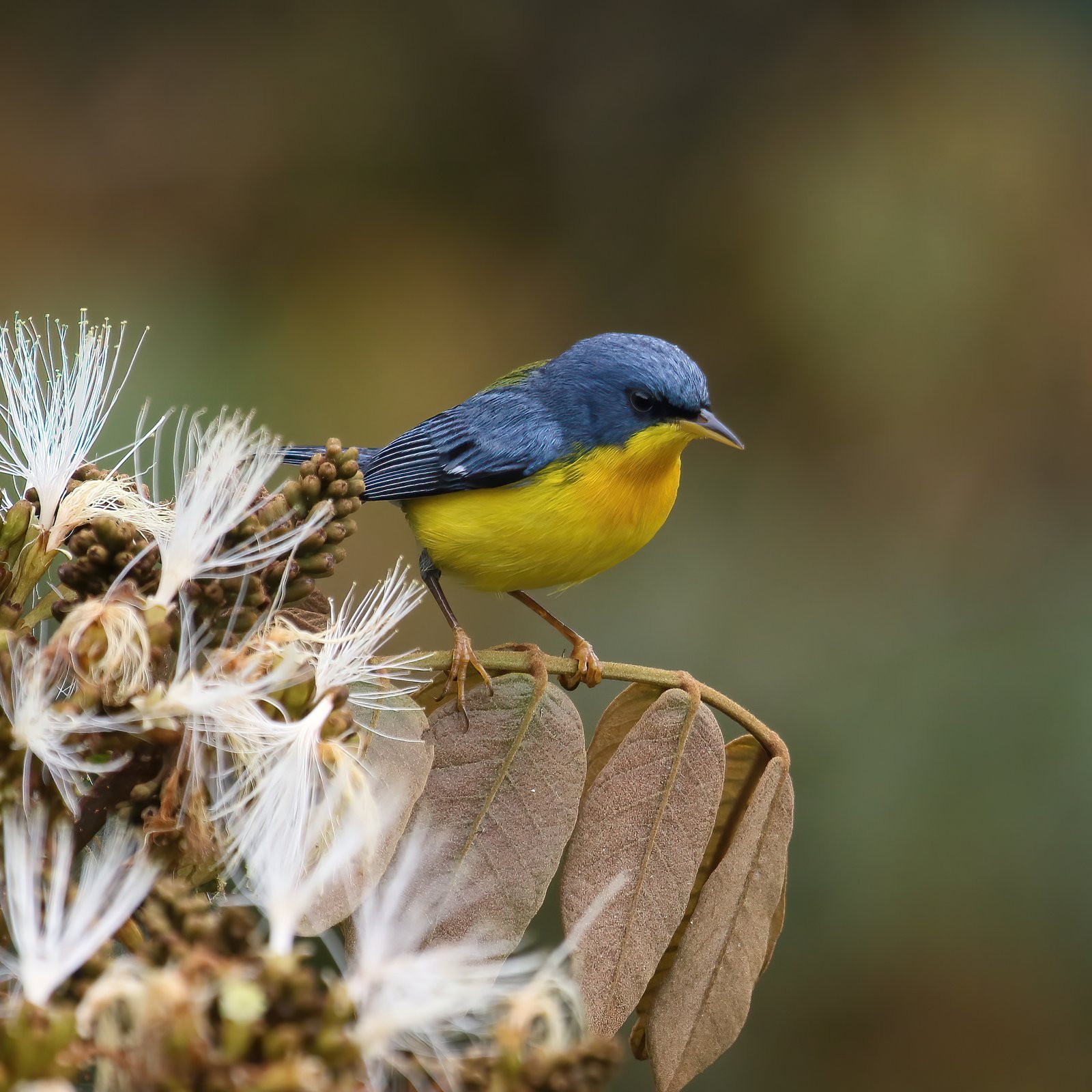
Tropical Parula
Setophaga pitiayumi- Northern Middle American cloud forest
- Foothill (submontane) forest
- Costa Rica-Panama highland forest
- Secondary forest and forest edge
- Pacific tropical dry forest
- Floodplain and gallery forest
- Shade coffee, cacao and agroforestry
-
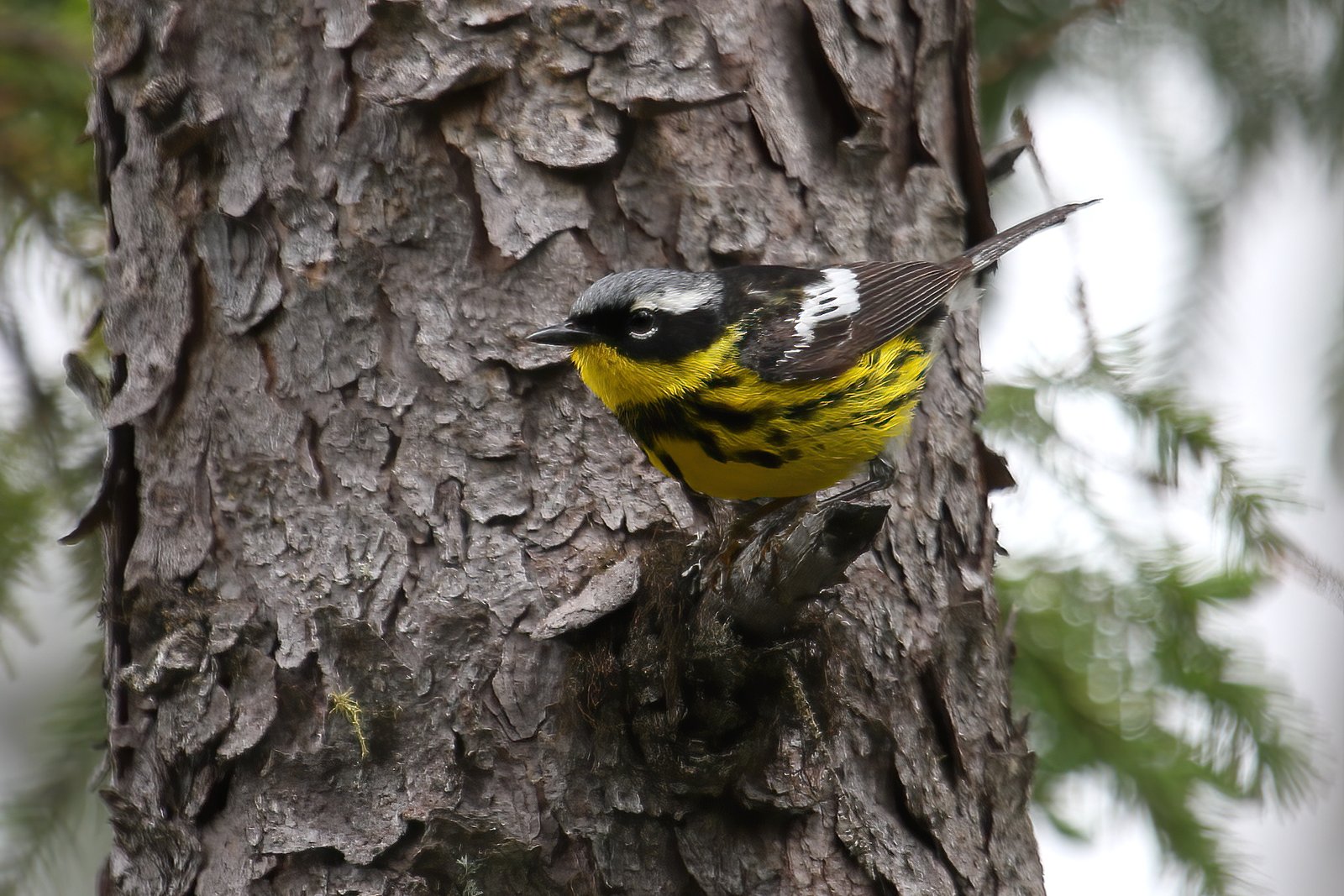
Magnolia Warbler
Setophaga magnolia- Secondary forest and forest edge
- Lowland rainforest
- Foothill (submontane) forest
- Yucatán and Caribbean-interior seasonal forest
- Shade coffee, cacao and agroforestry
- Villages, towns, gardens and parks
- Mangrove
-
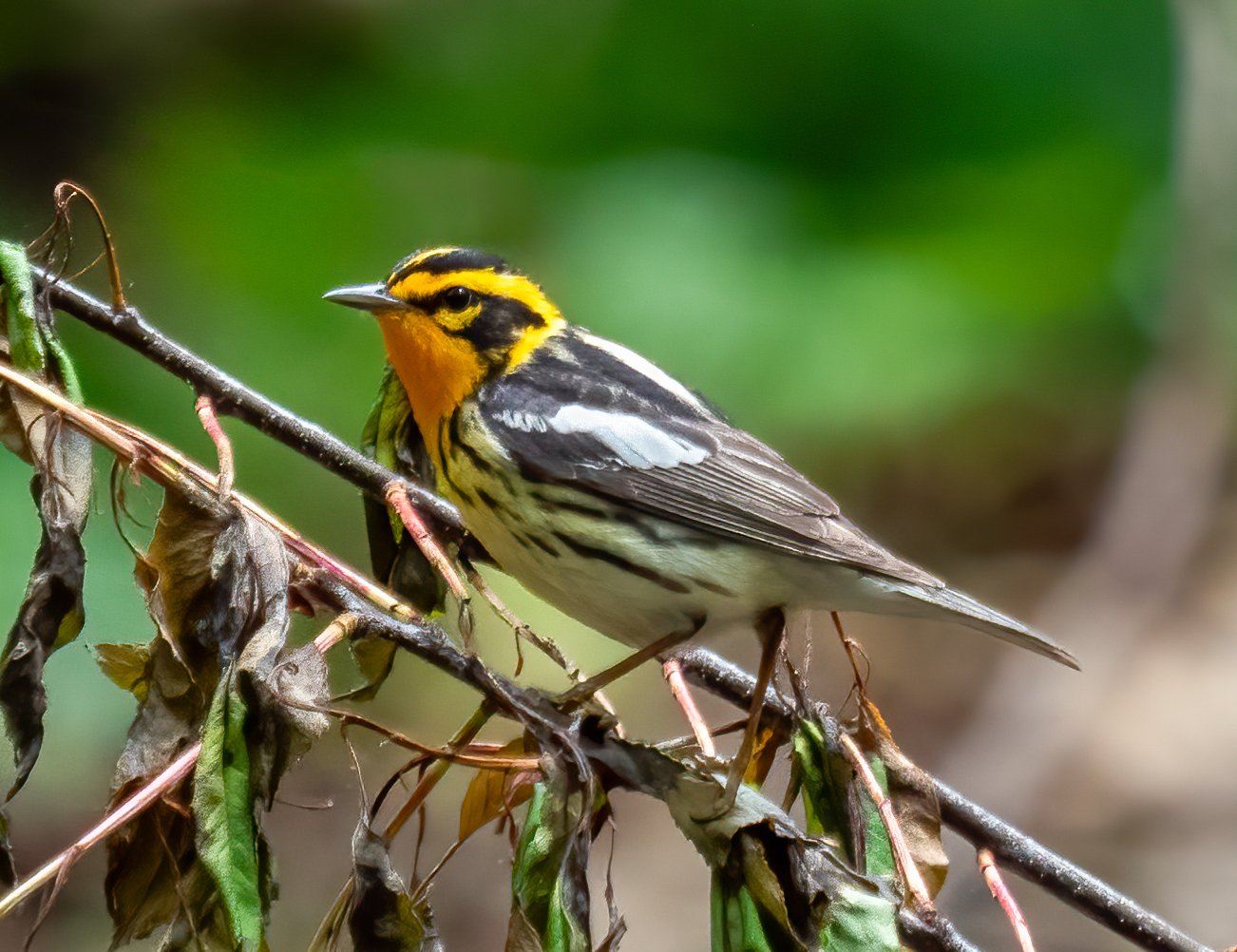
Blackburnian Warbler
Setophaga fusca- Costa Rica-Panama highland forest
- Northern Middle American cloud forest
- Foothill (submontane) forest
- Secondary forest and forest edge
- Shade coffee, cacao and agroforestry
- Tropical highland pine-oak forest
-
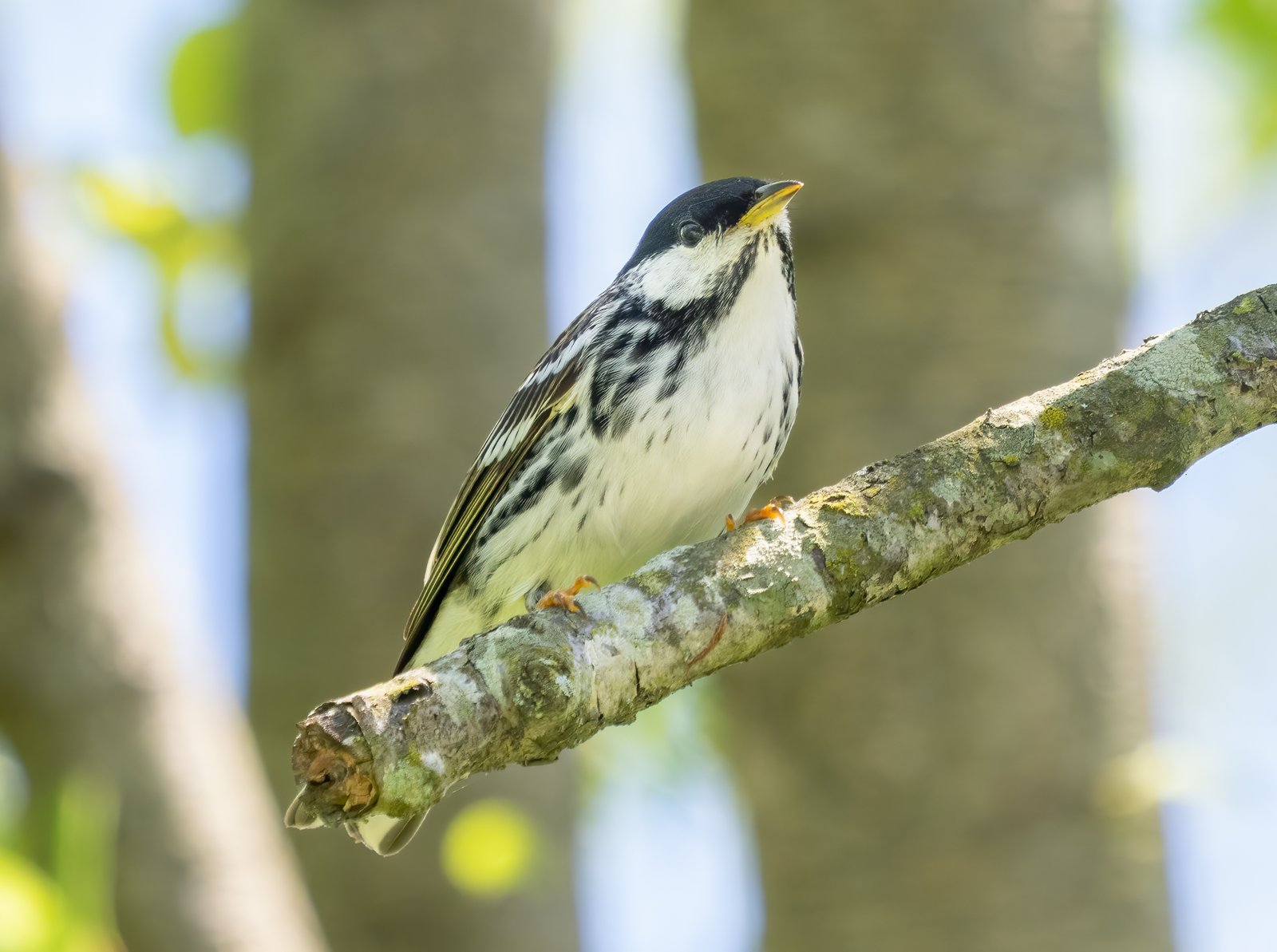
Blackpoll Warbler
Setophaga striata- Secondary forest and forest edge
- Mangrove
- Lowland rainforest
- Villages, towns, gardens and parks
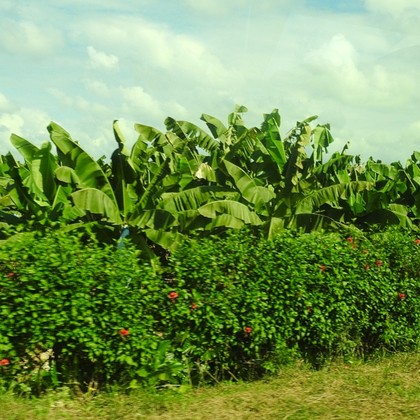 Plantations and orchards
-
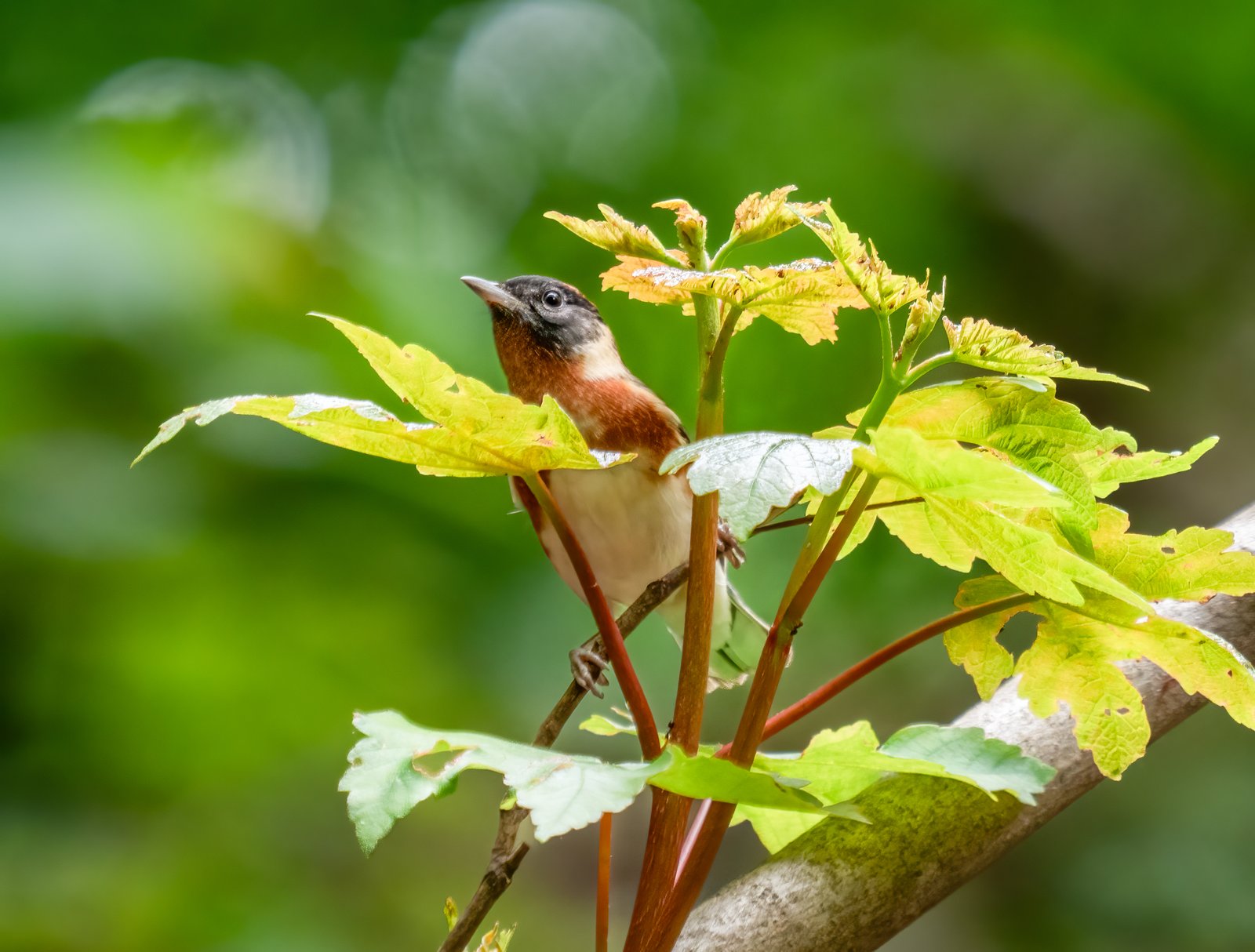
Bay-breasted Warbler
Setophaga castanea- Lowland rainforest
- Secondary forest and forest edge
- Foothill (submontane) forest
- Floodplain and gallery forest
- Shade coffee, cacao and agroforestry
- Mangrove
-
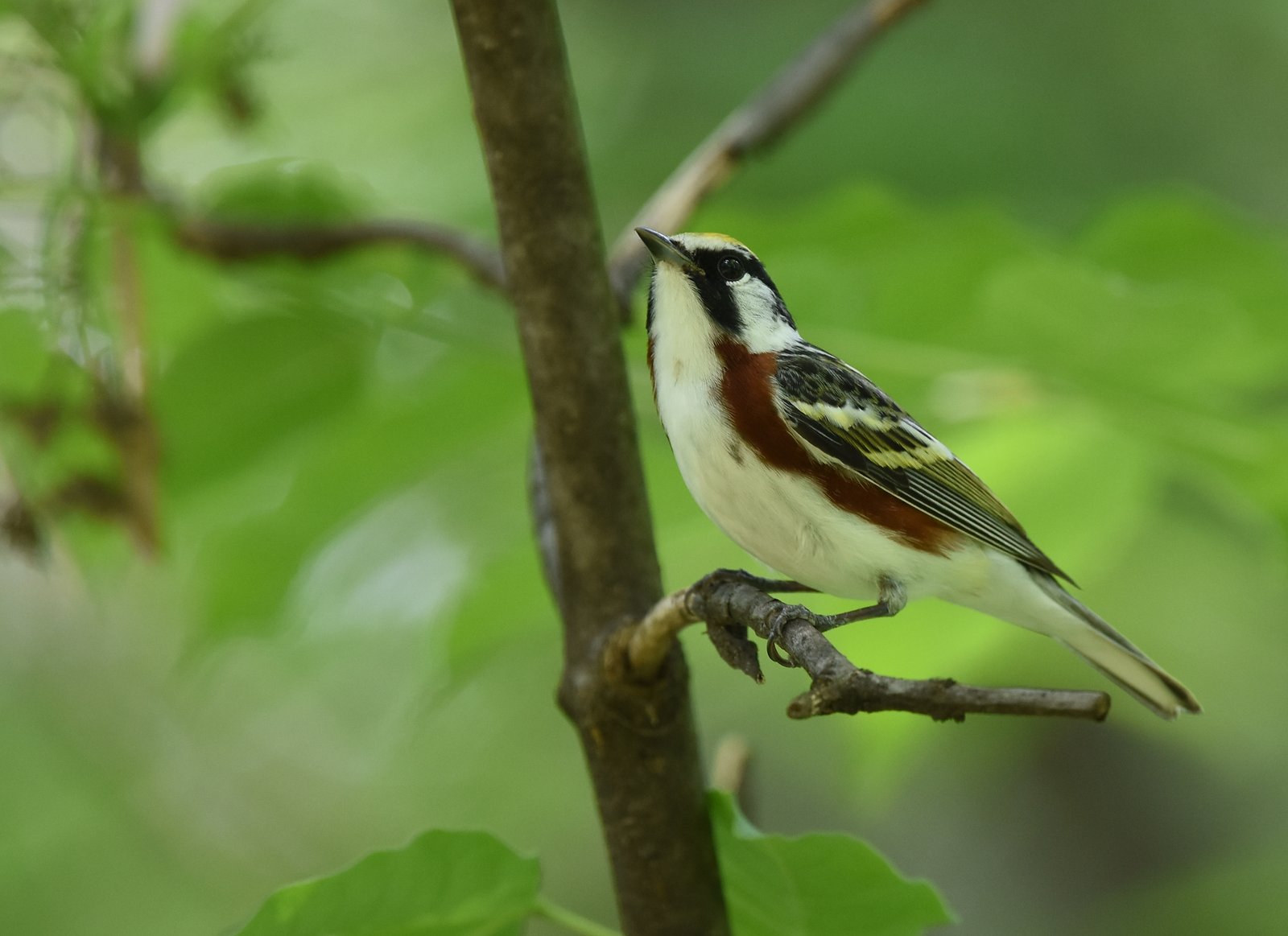
Chestnut-sided Warbler
Setophaga pensylvanica- Secondary forest and forest edge
- Lowland rainforest
- Foothill (submontane) forest
- Costa Rica-Panama highland forest
- Shade coffee, cacao and agroforestry
- Floodplain and gallery forest
-
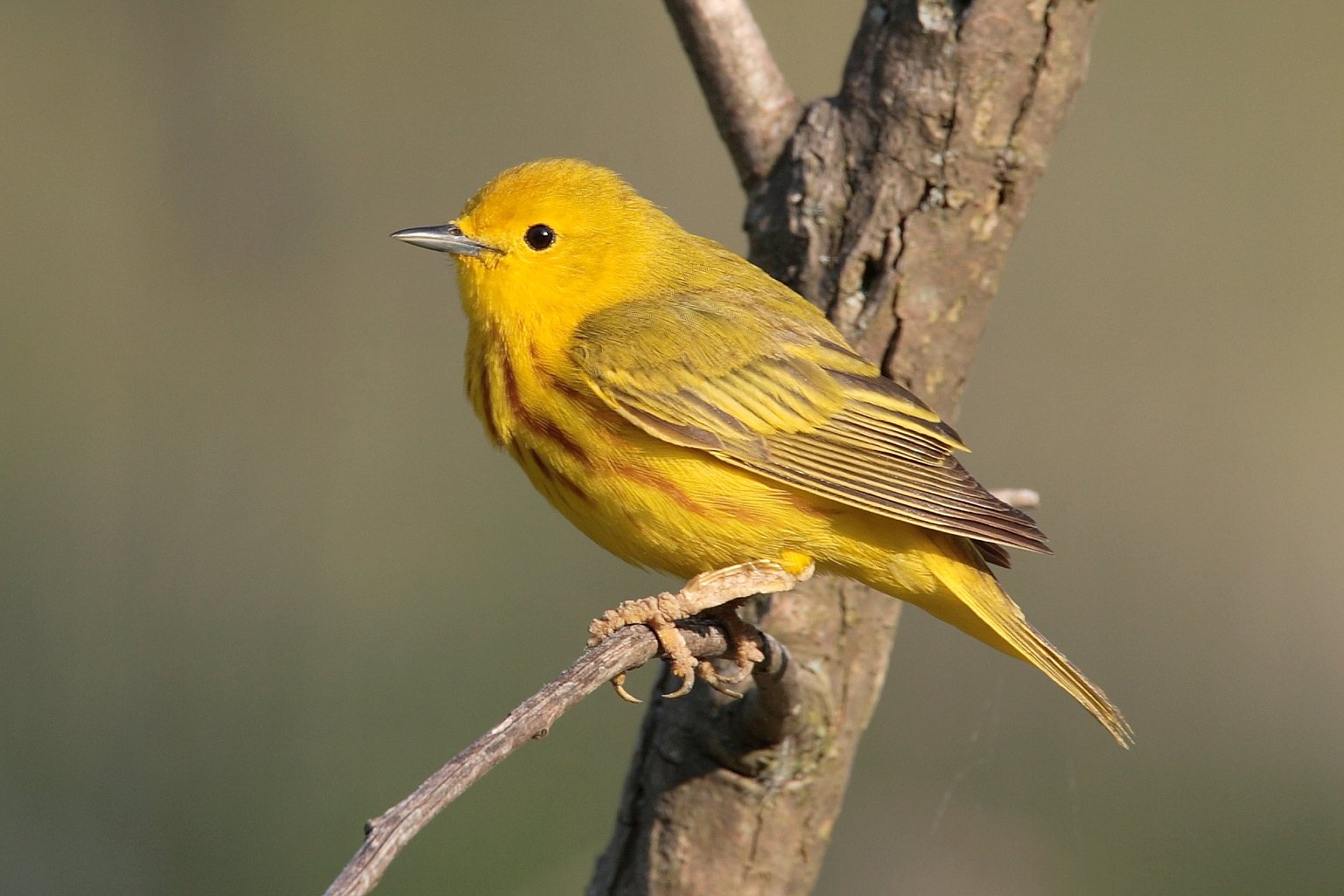
American Yellow Warbler
Setophaga aestiva- Riparian woodland in arid and temperate regions
- Floodplain and gallery forest
- Secondary forest and forest edge
- Pasture and grazing land with trees
- Villages, towns, gardens and parks
- Mangrove
- Freshwater marsh and wet grassland
-
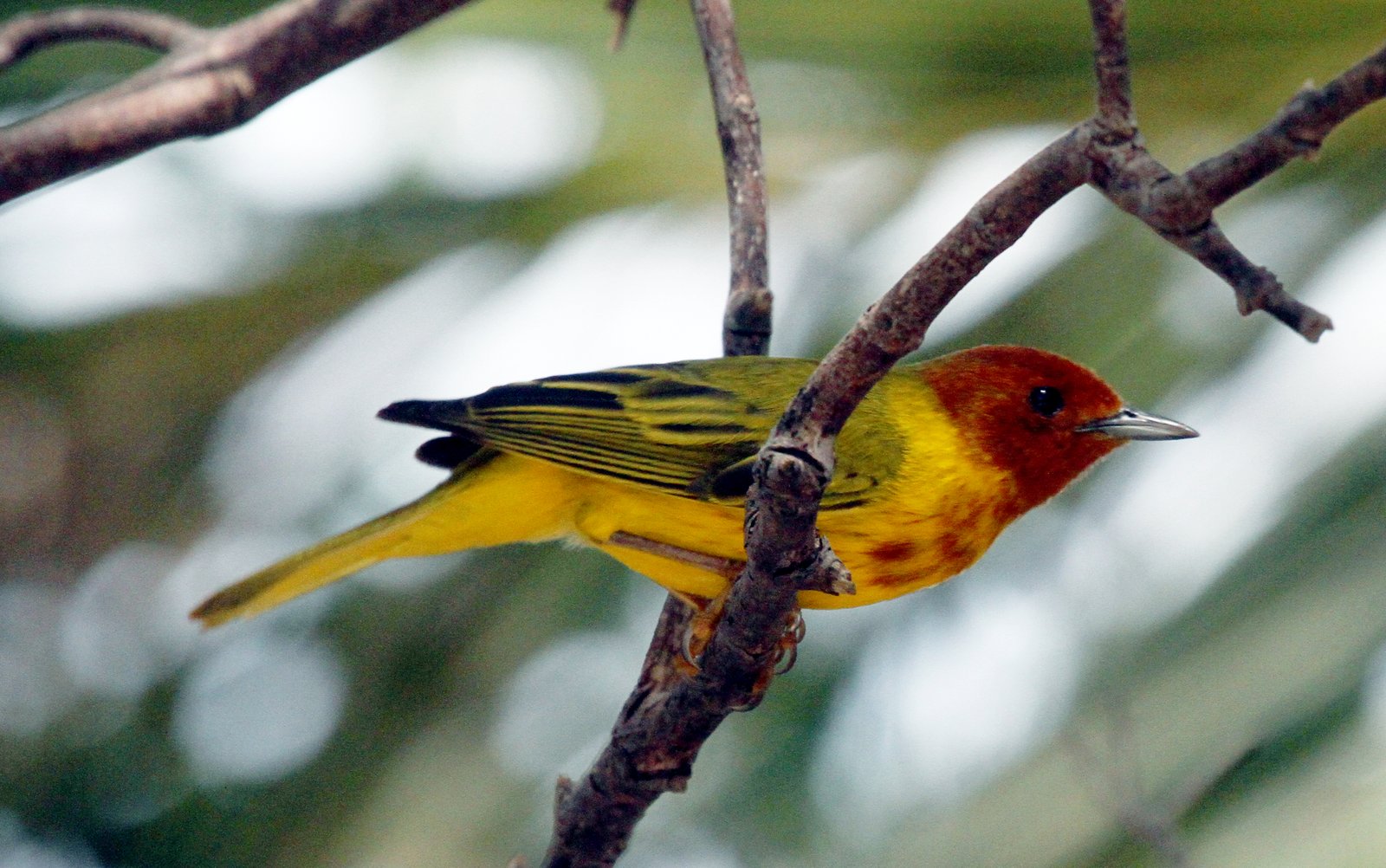
Mangrove Warbler
Setophaga petechia- Mangrove
- Swamp forest and palm swamp
 Lagoon, estuary and salt pan
- Salt marsh
-
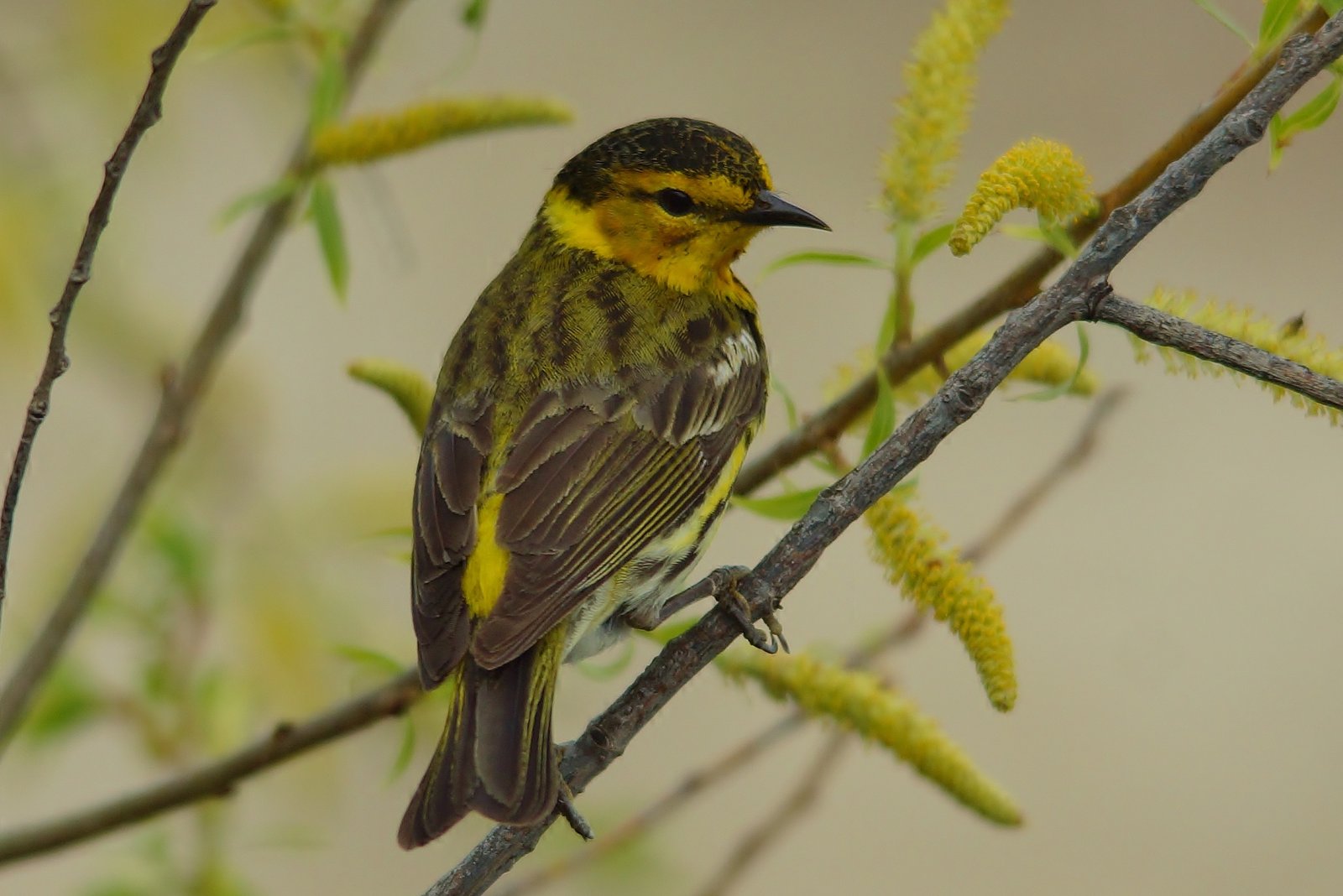
Cape May Warbler
Setophaga tigrina- Yucatán and Caribbean-interior seasonal forest
- Villages, towns, gardens and parks
- Secondary forest and forest edge
- Mangrove
- Shade coffee, cacao and agroforestry
-
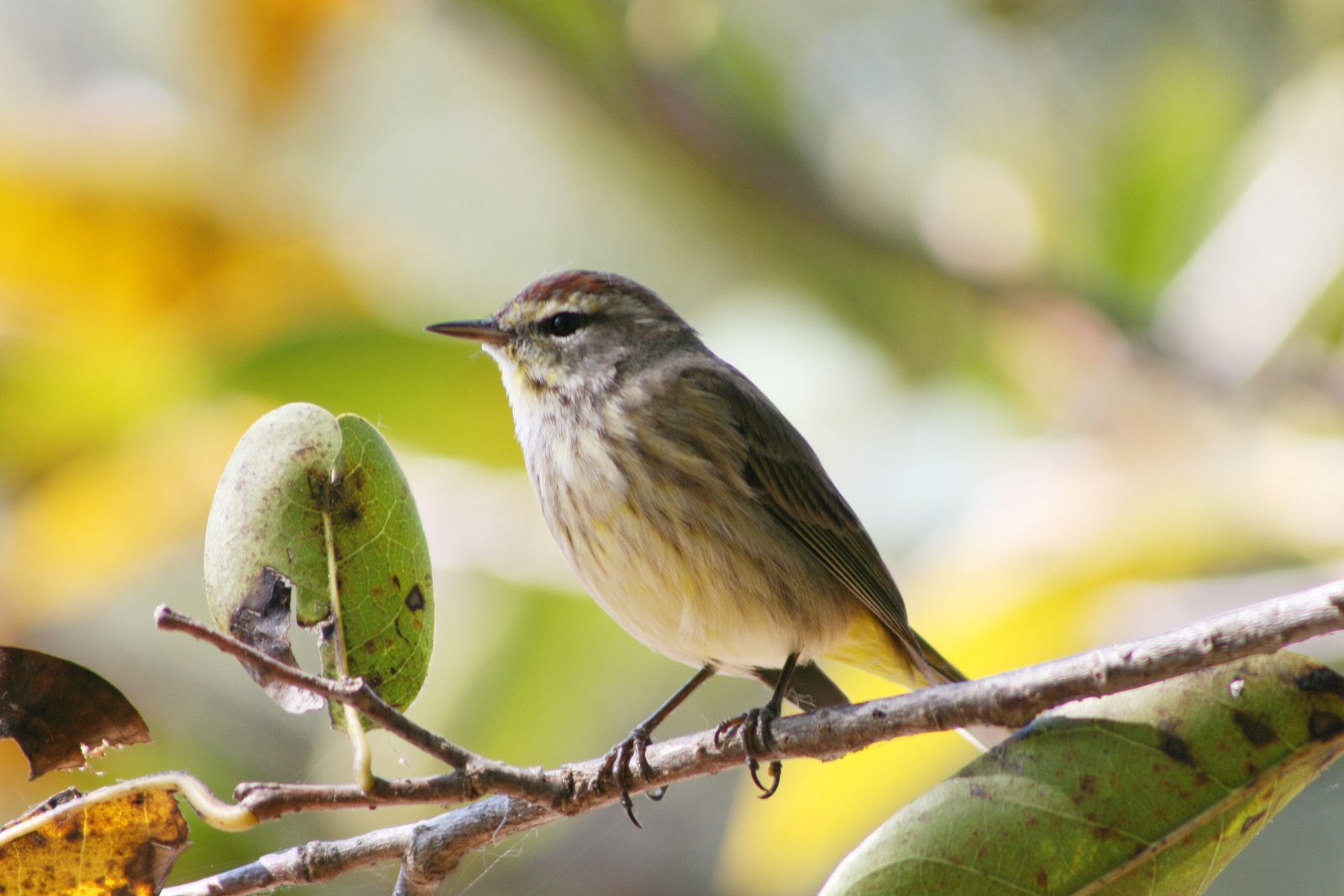
Palm Warbler
Setophaga palmarum- Mangrove
- Villages, towns, gardens and parks
- Yucatán and Caribbean-interior seasonal forest
- Pasture and grazing land with trees
- Pine savanna
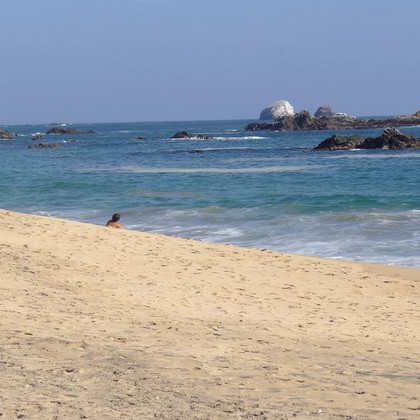 Sandy beach and dunes
-
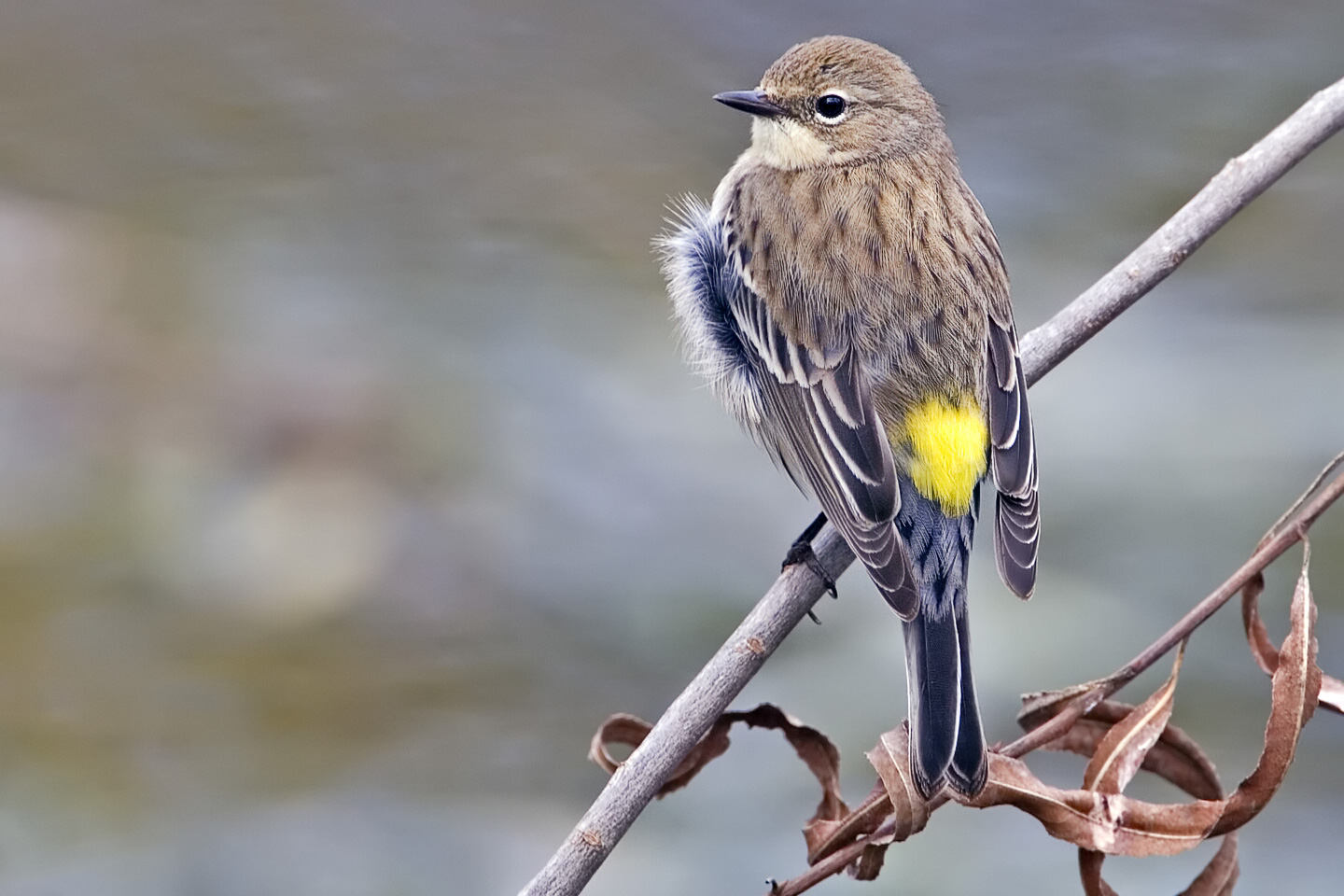
Yellow-rumped Warbler
Setophaga coronata- Tropical highland pine-oak forest
- Madrean oak and pine-oak woodland
- Villages, towns, gardens and parks
- Riparian woodland in arid and temperate regions
- Secondary forest and forest edge
- Pasture and grazing land with trees
- Thorn scrub and cactus forest
-
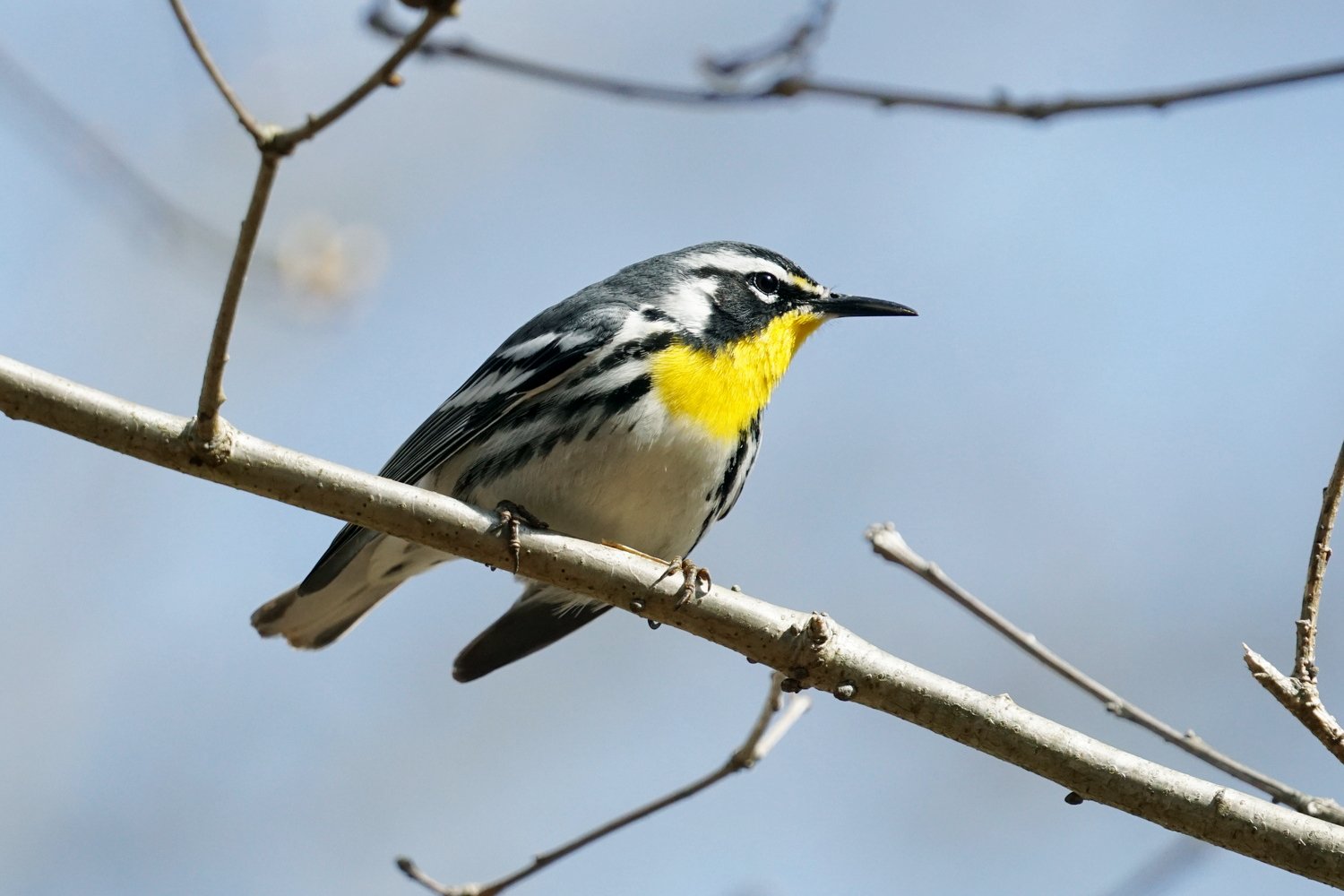
Yellow-throated Warbler
Setophaga dominica- Tropical highland pine-oak forest
- Yucatán and Caribbean-interior seasonal forest
- Villages, towns, gardens and parks
- Pine savanna
- Floodplain and gallery forest
- Pacific tropical dry forest
- Secondary forest and forest edge
-
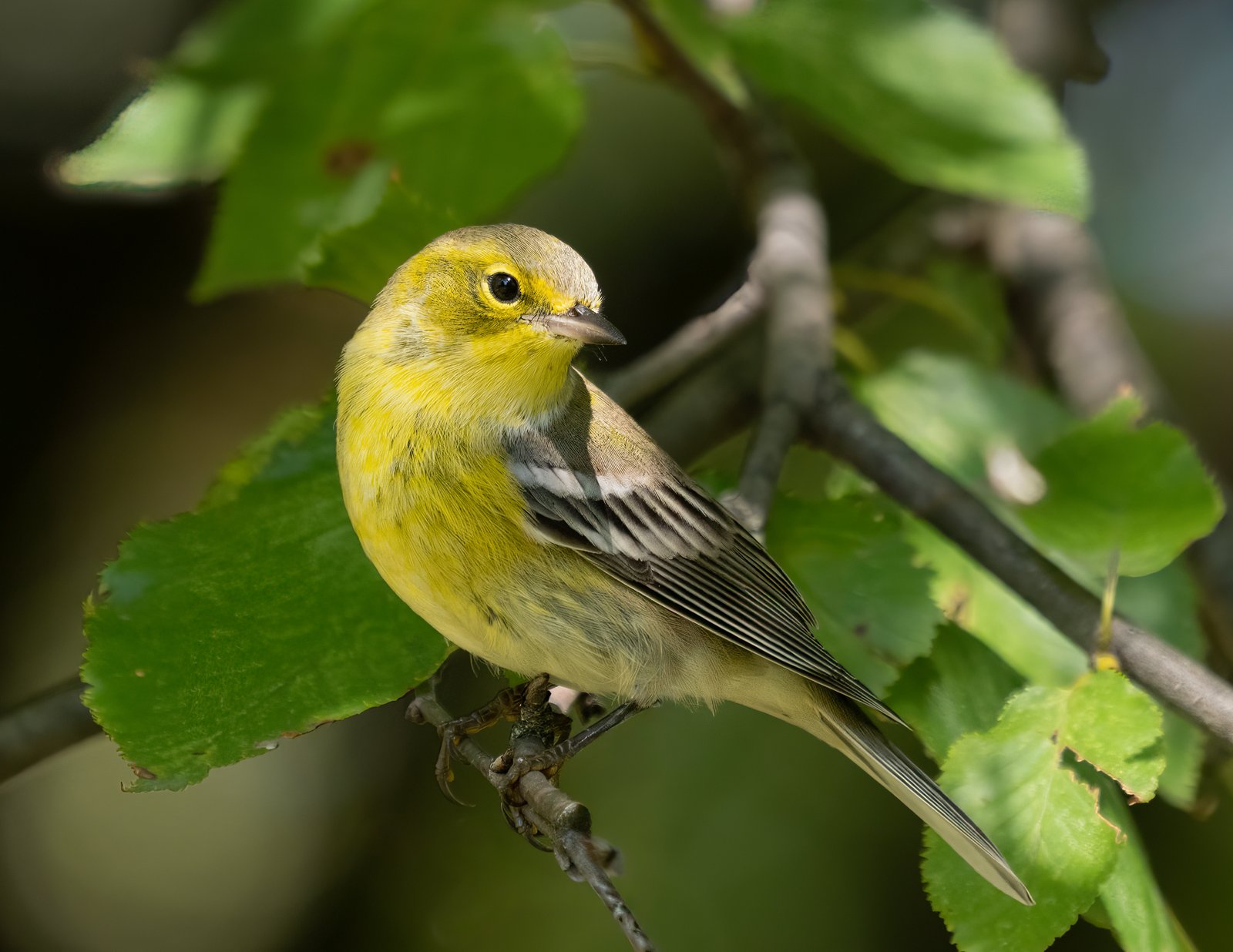
Pine Warbler
Setophaga pinus- Tropical highland pine-oak forest
- Madrean oak and pine-oak woodland
- Riparian woodland in arid and temperate regions
- Villages, towns, gardens and parks
-
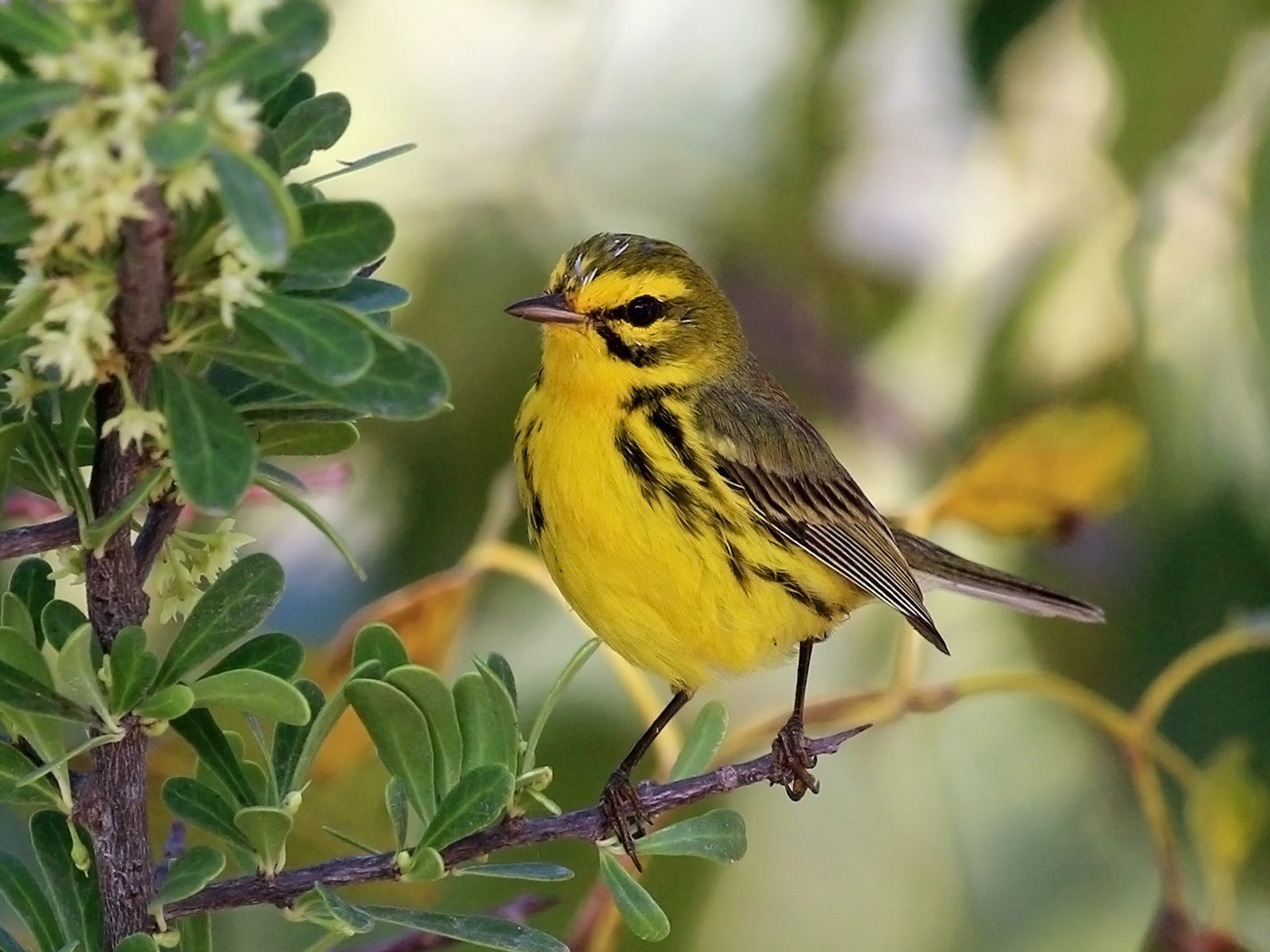
Prairie Warbler
Setophaga discolor- Mangrove
- Yucatán and Caribbean-interior seasonal forest
- Secondary forest and forest edge
- Villages, towns, gardens and parks
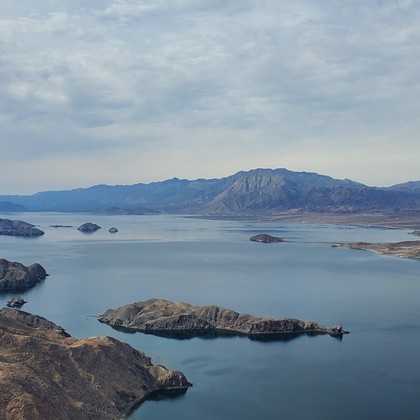 Rocky islets, cays and seabird colonies
- Thorn scrub and cactus forest
-
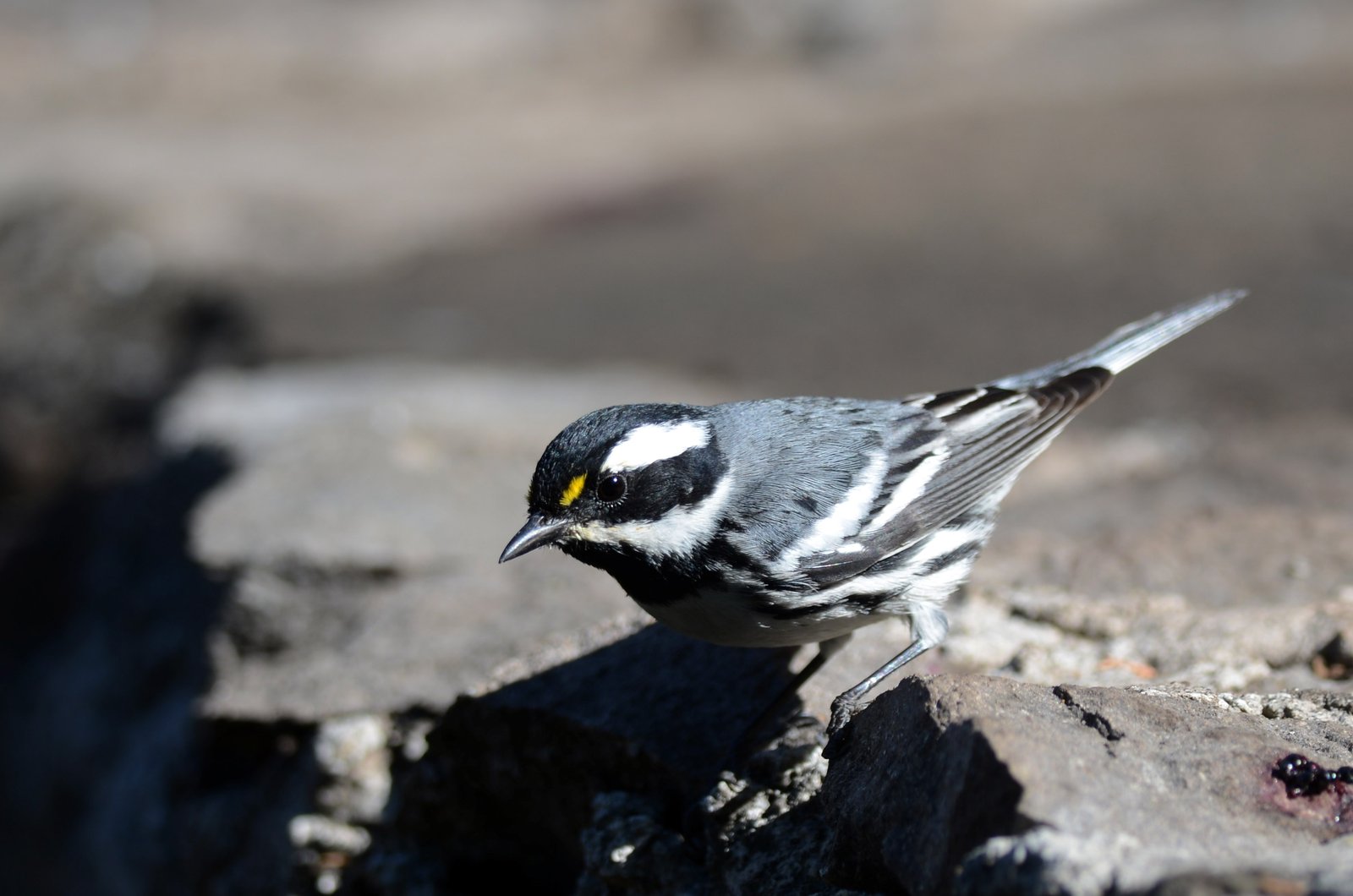
Black-throated Grey Warbler
Setophaga nigrescens- Madrean oak and pine-oak woodland
- Tropical highland pine-oak forest
- Thorn scrub and cactus forest
- Pacific tropical dry forest
- Riparian woodland in arid and temperate regions
- Chaparral and coastal sage scrub
- Villages, towns, gardens and parks
-
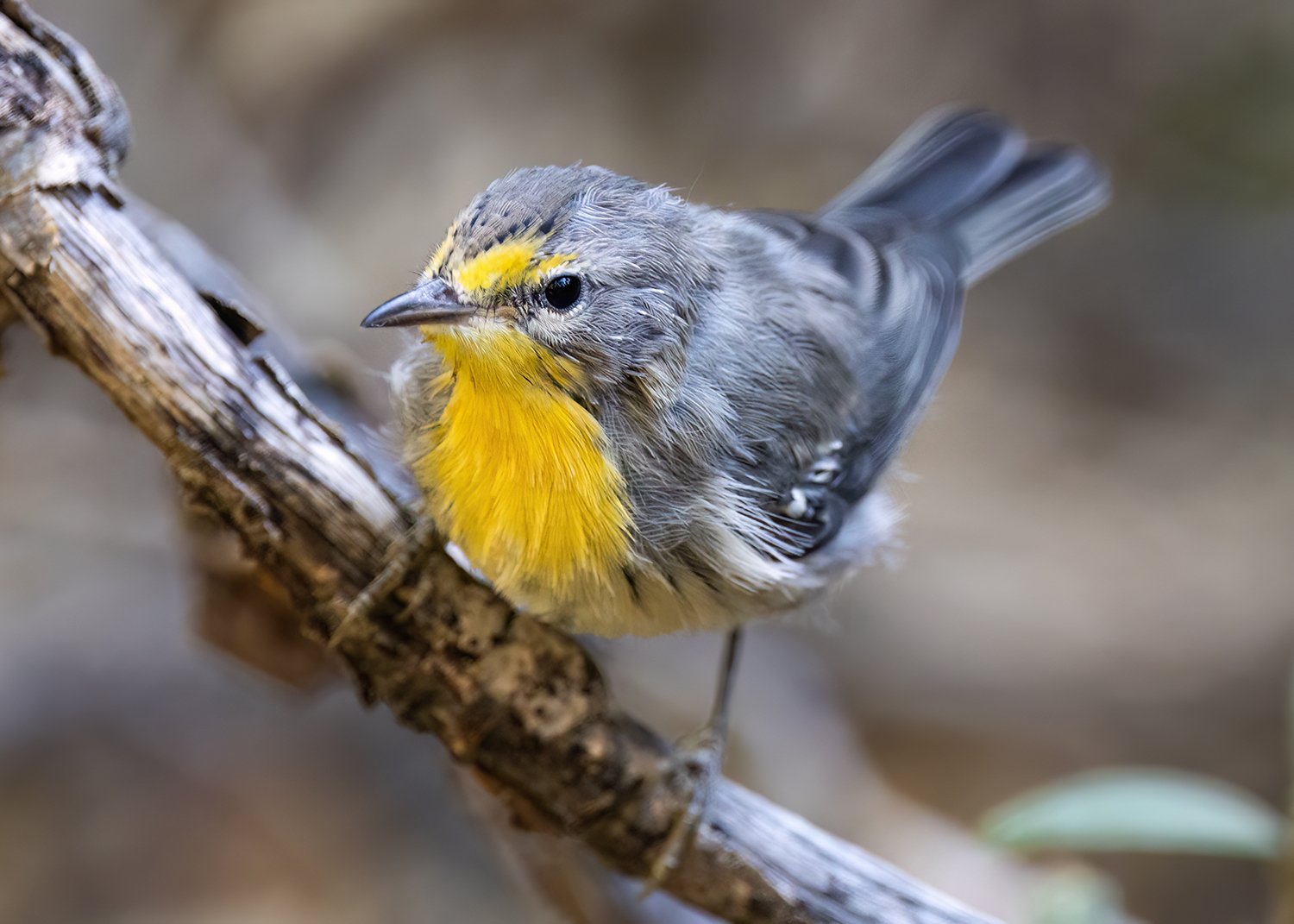
Grace's Warbler
Setophaga graciae- Tropical highland pine-oak forest
- Pine savanna
- Madrean oak and pine-oak woodland
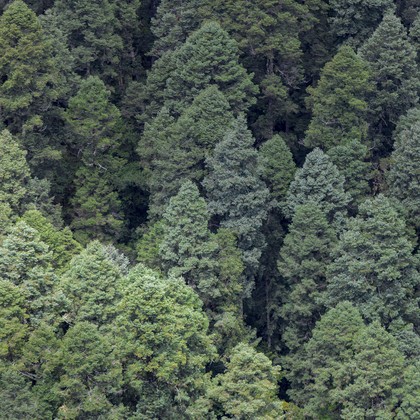 High montane conifer forest
-
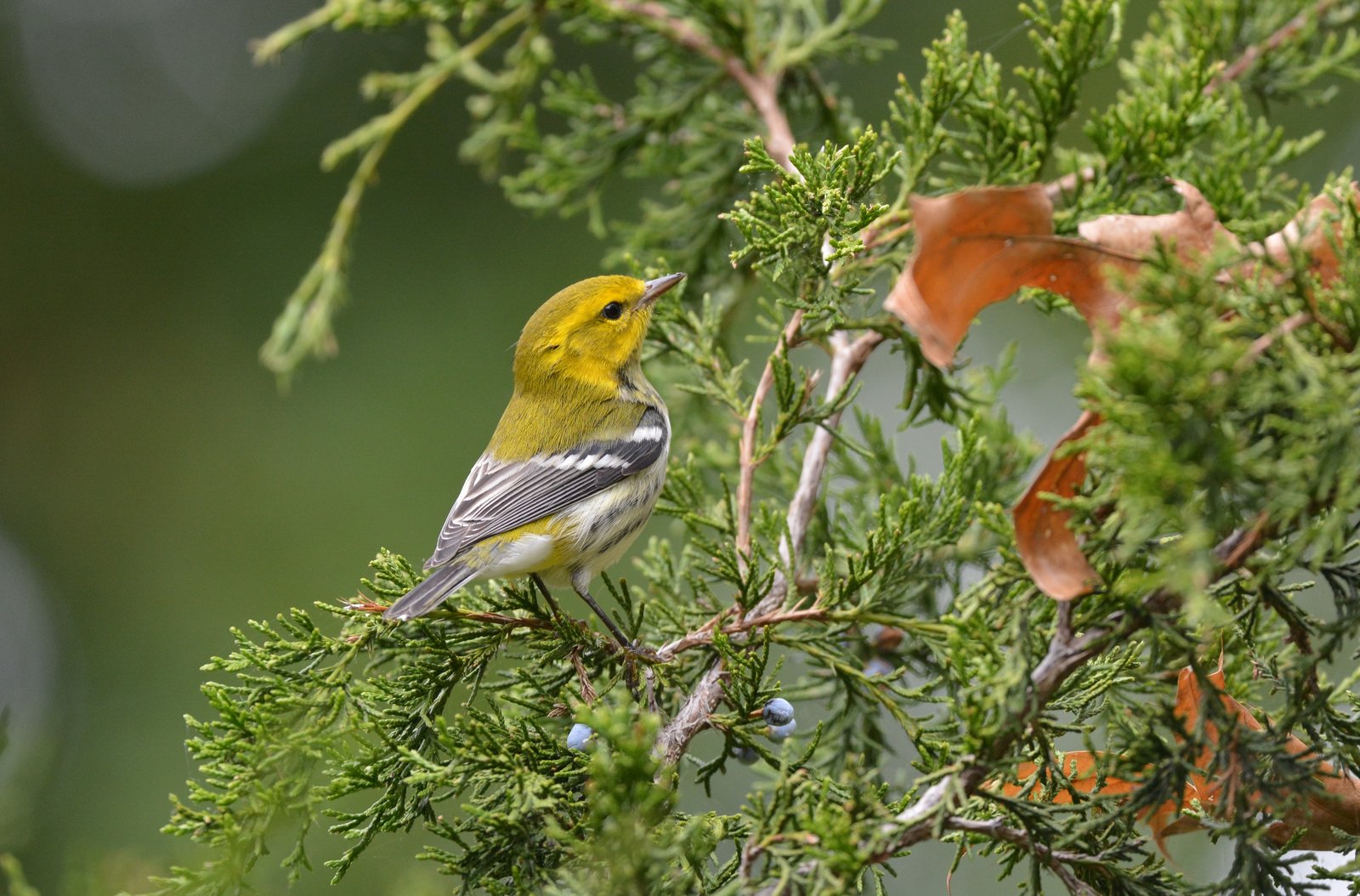
Black-throated Green Warbler
Setophaga virens- Northern Middle American cloud forest
- Tropical highland pine-oak forest
- Foothill (submontane) forest
- Costa Rica-Panama highland forest
- Secondary forest and forest edge
- Shade coffee, cacao and agroforestry
- Lowland rainforest
-
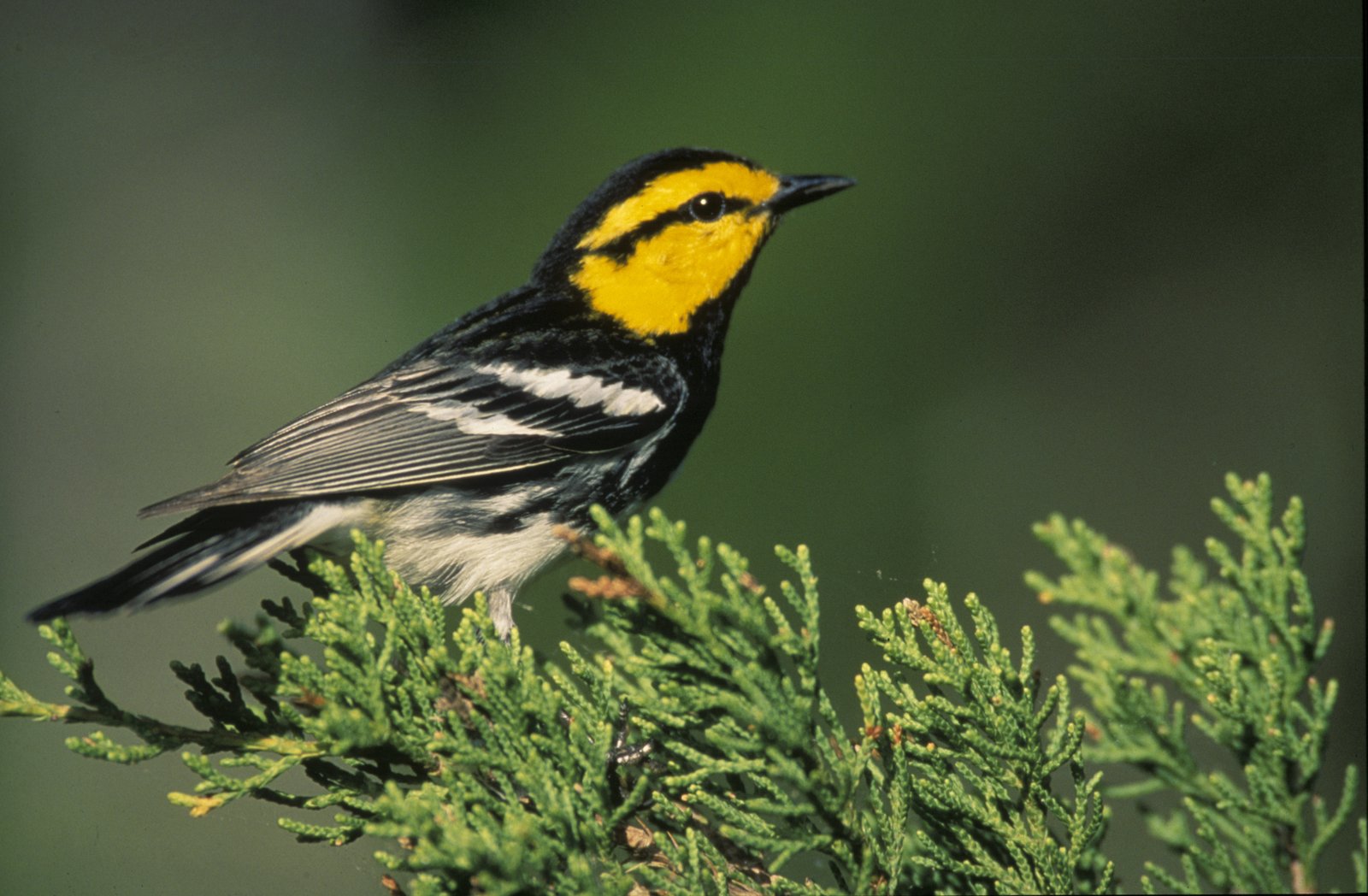
Golden-cheeked Warbler
Setophaga chrysoparia- Tropical highland pine-oak forest
- Northern Middle American cloud forest
-
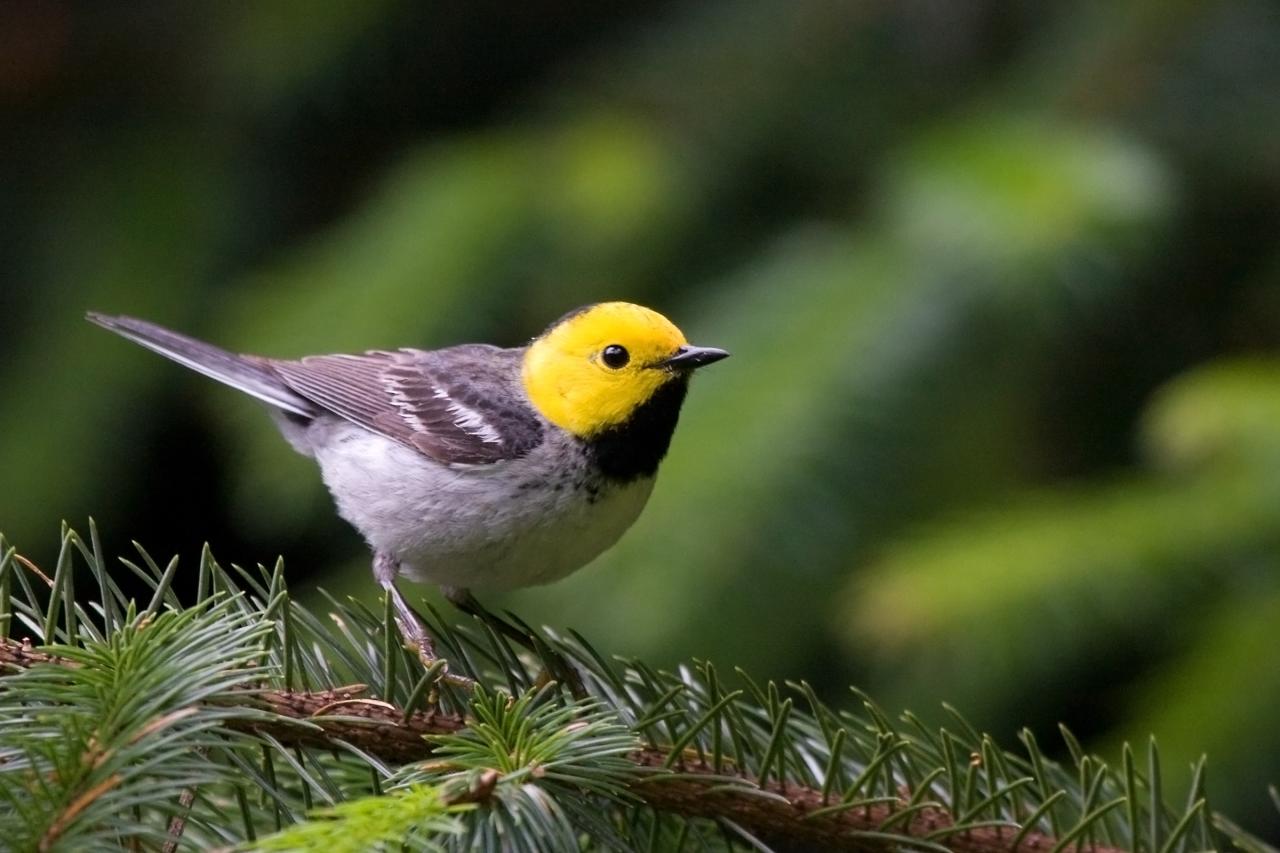
Hermit Warbler
Setophaga occidentalis- Tropical highland pine-oak forest
- Madrean oak and pine-oak woodland
- Northern Middle American cloud forest
- High montane conifer forest
-
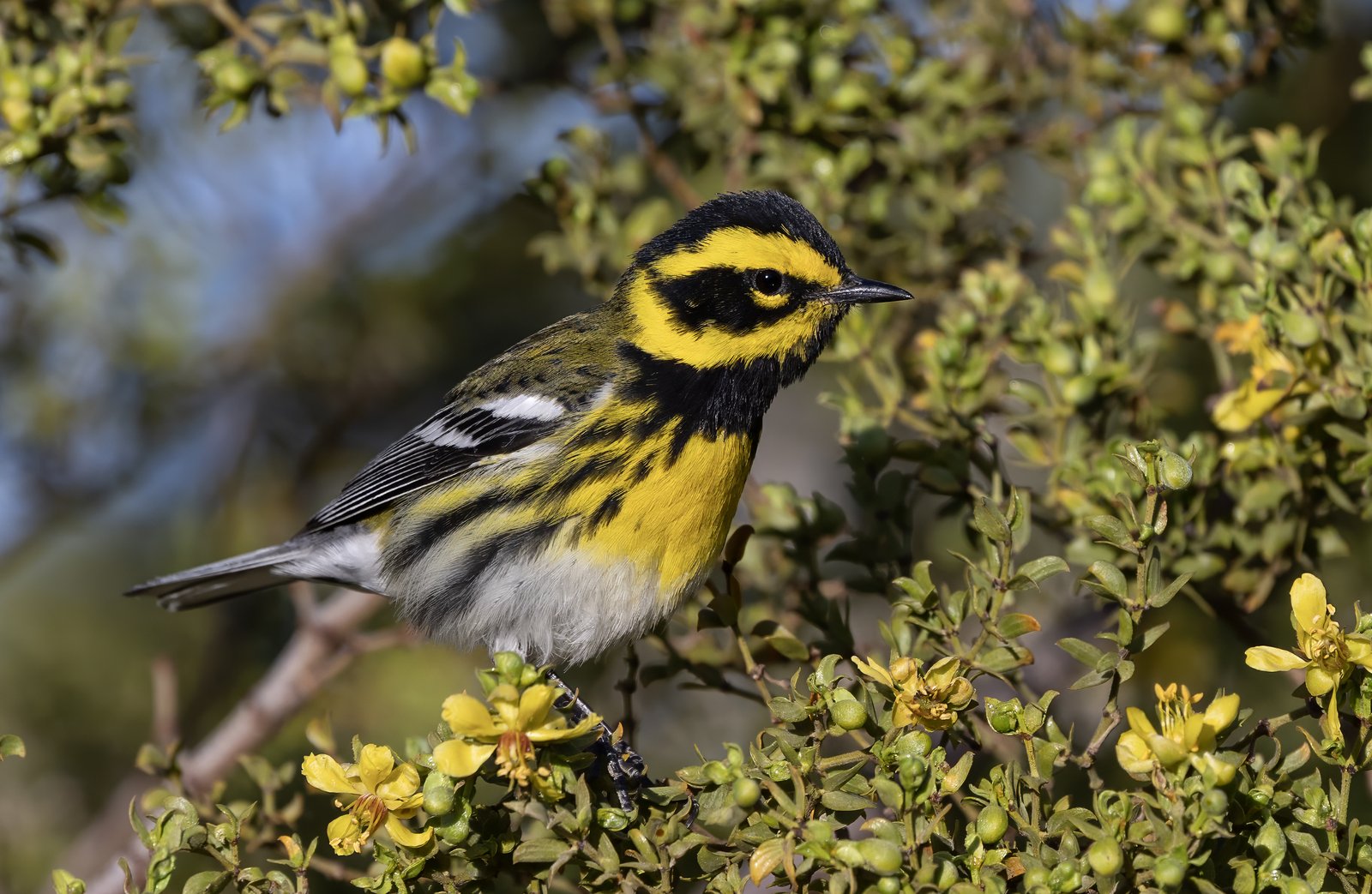
Townsend's Warbler
Setophaga townsendi- Tropical highland pine-oak forest
- Madrean oak and pine-oak woodland
- Northern Middle American cloud forest
- High montane conifer forest
- Chaparral and coastal sage scrub
- Villages, towns, gardens and parks
Myiothlypis 1 species
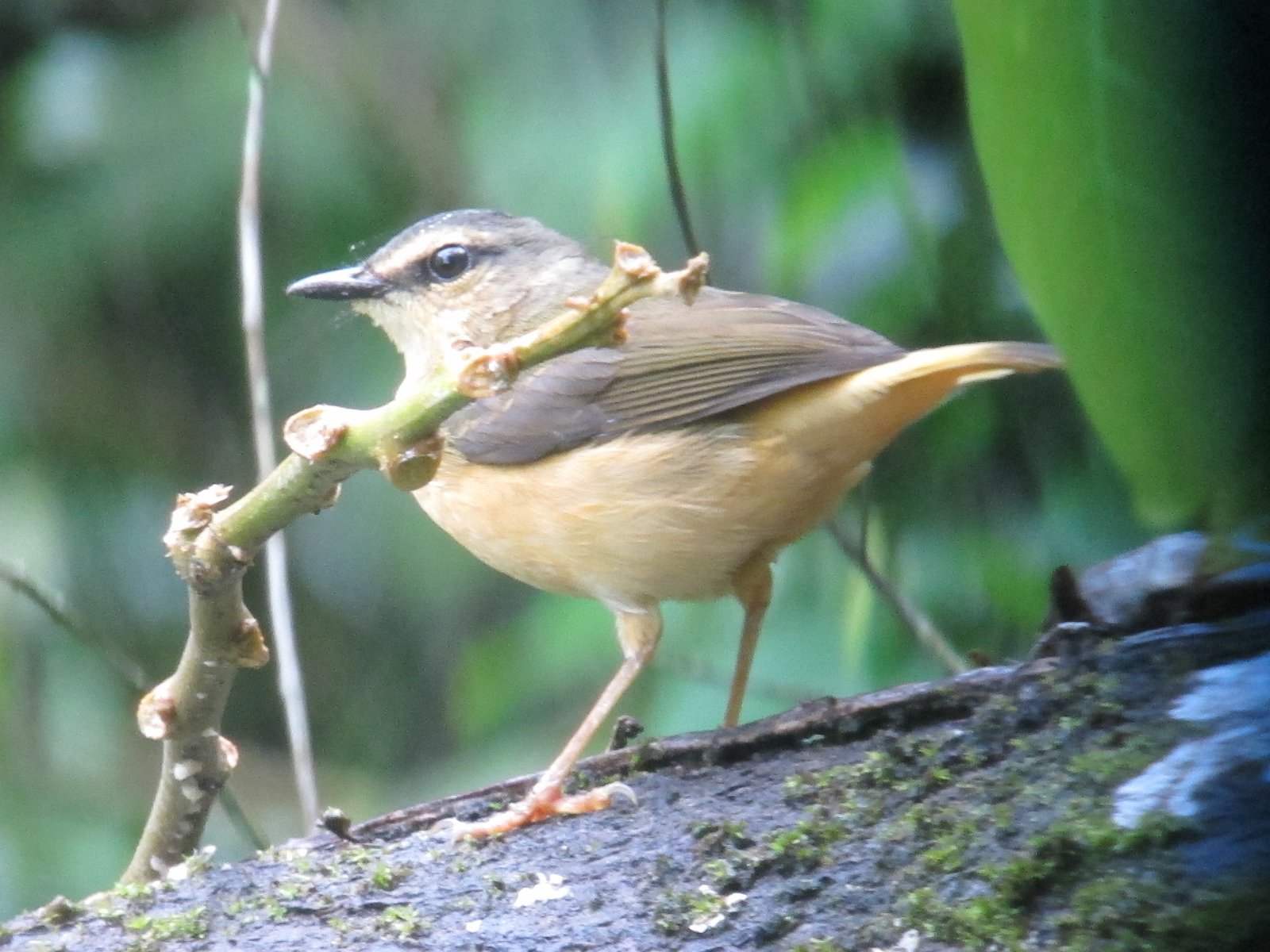
Basileuterus 9 species
-
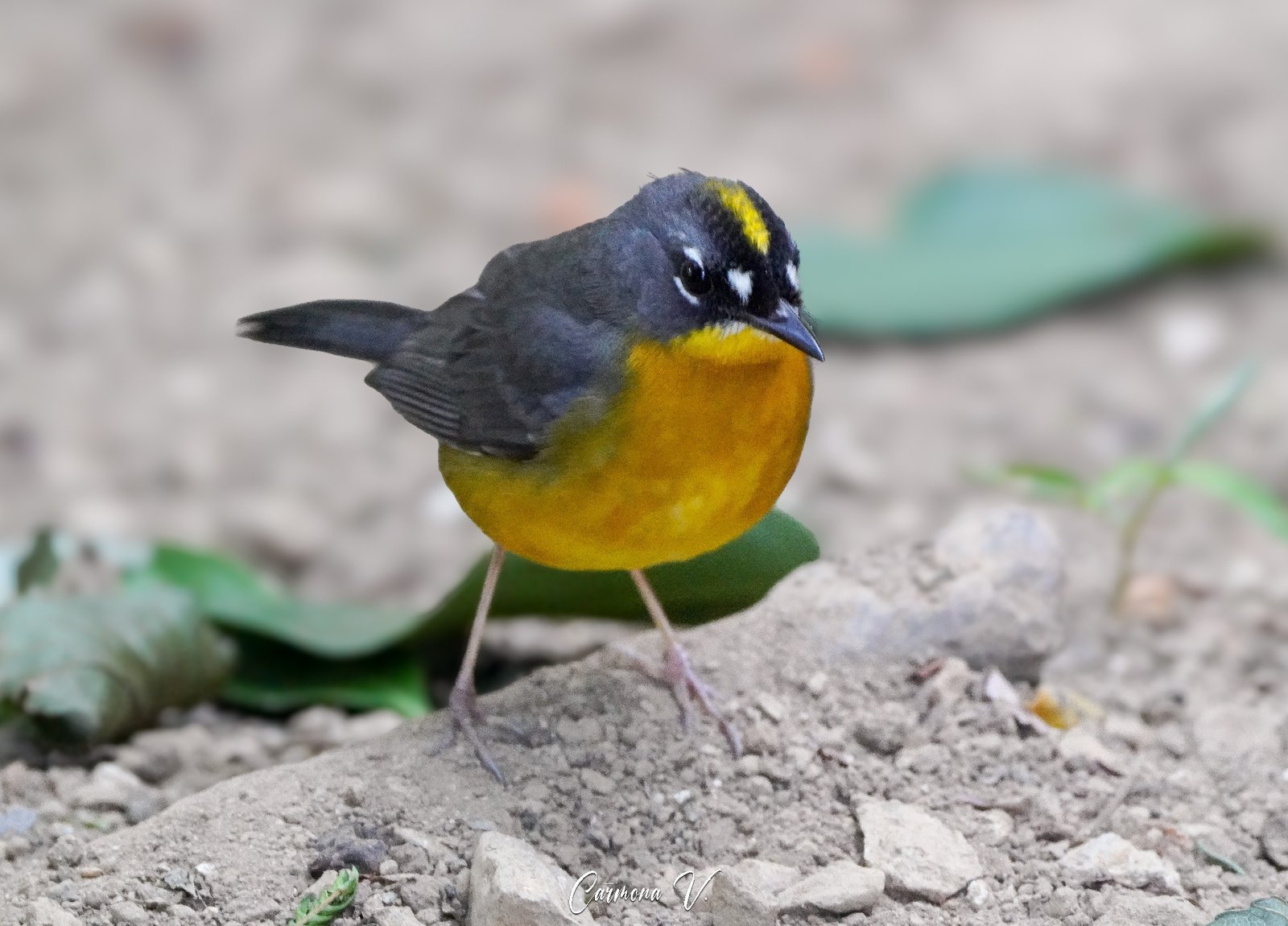
Fan-tailed Warbler
Basileuterus lachrymosus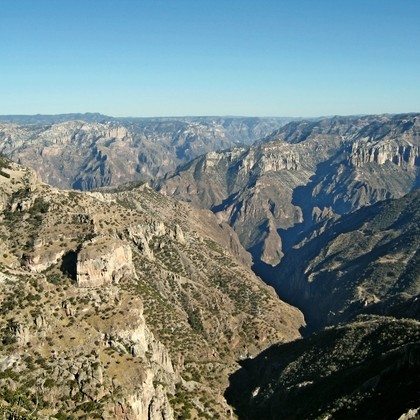 Cliffs, canyons and rocky slopes
- Foothill (submontane) forest
- Pacific tropical dry forest
- Floodplain and gallery forest
- Northern Middle American cloud forest
- Tropical highland pine-oak forest
-
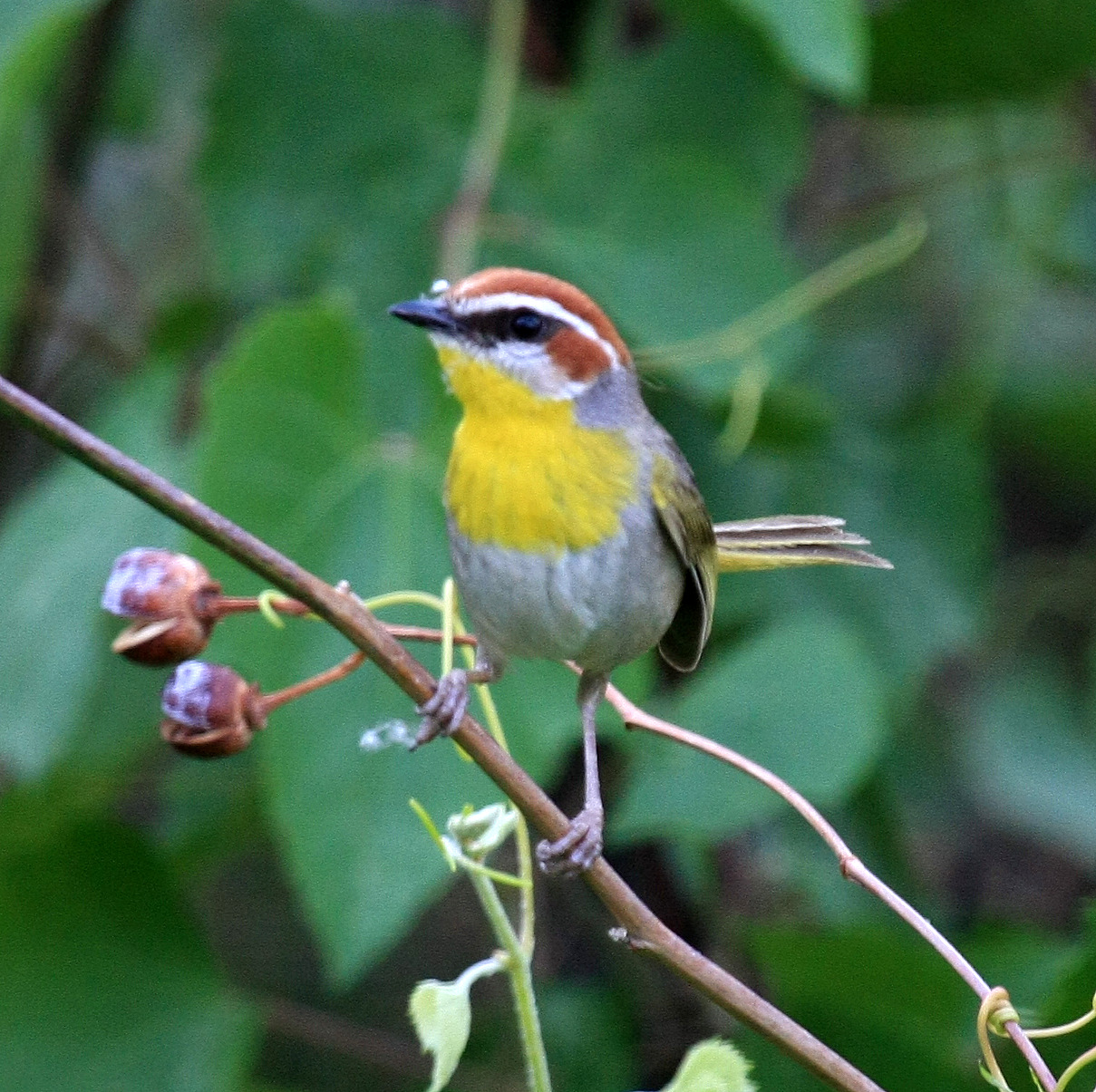
Rufous-capped Warbler
Basileuterus rufifrons- Pacific tropical dry forest
- Thorn scrub and cactus forest
- Tropical highland pine-oak forest
- Madrean oak and pine-oak woodland
- Secondary forest and forest edge
- Riparian woodland in arid and temperate regions
- Shade coffee, cacao and agroforestry
-
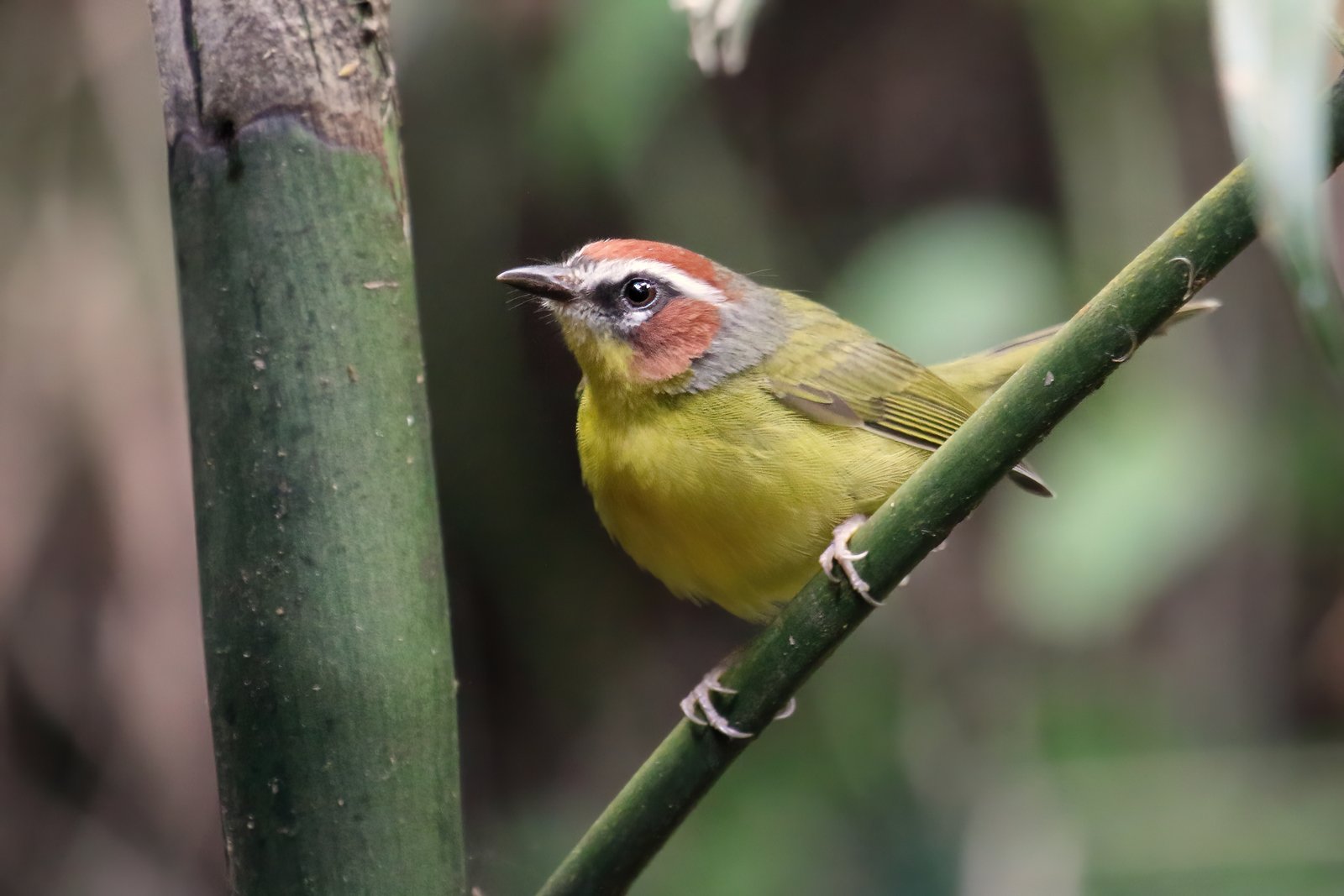
Chestnut-capped Warbler
Basileuterus delattrii- Secondary forest and forest edge
- Pacific tropical dry forest
- Shade coffee, cacao and agroforestry
- Foothill (submontane) forest
- Northern Middle American cloud forest
- Pasture and grazing land with trees
-
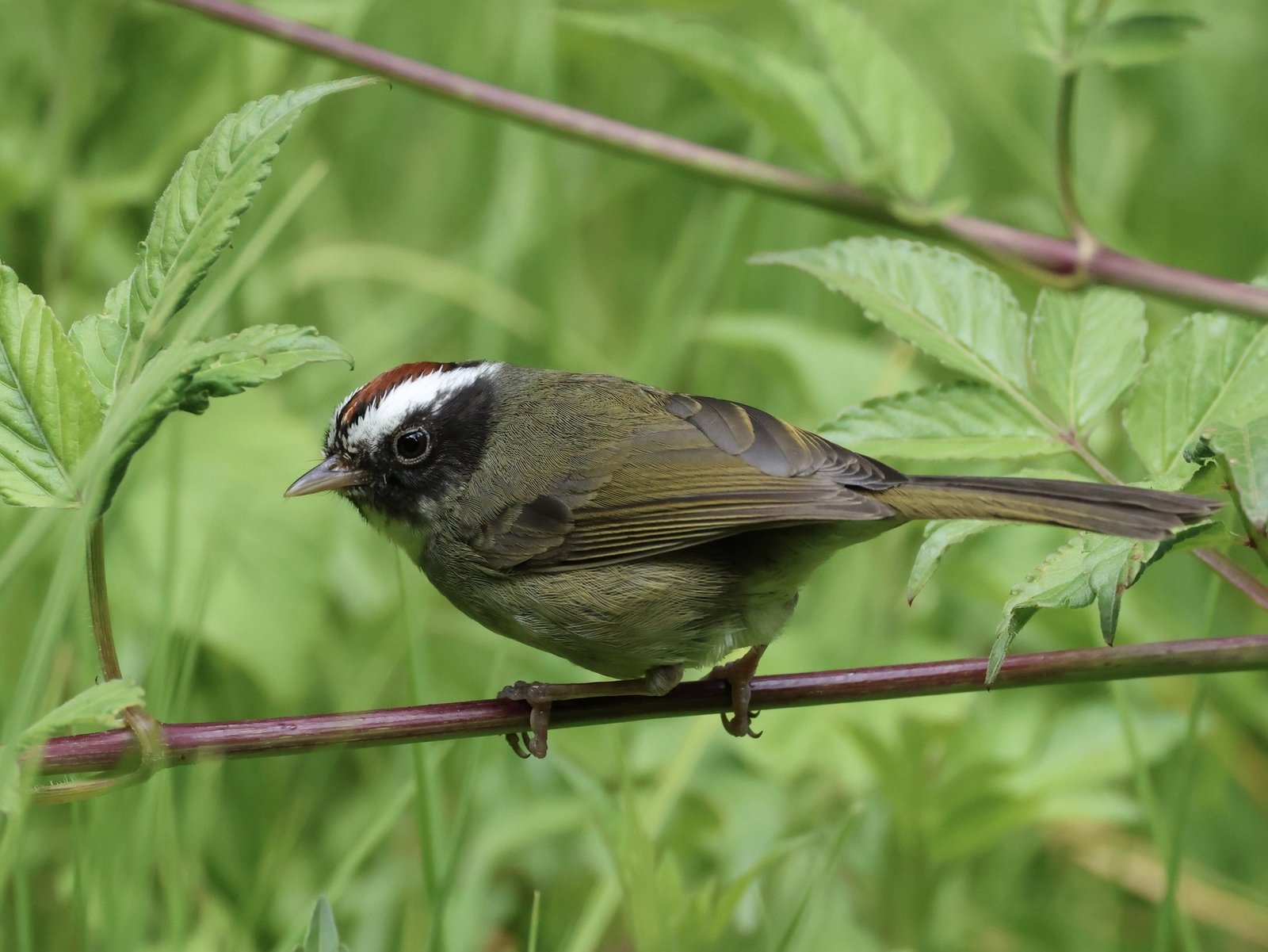
Black-cheeked Warbler
Basileuterus melanogenys- Costa Rica-Panama highland forest
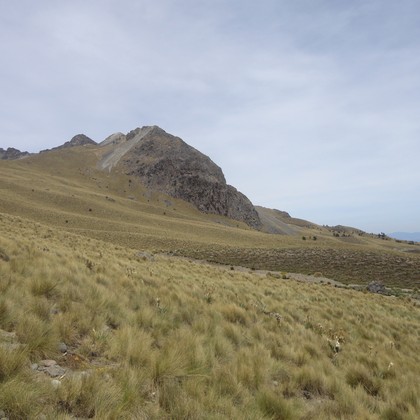 Montane grassland, zacatonal and páramo
-
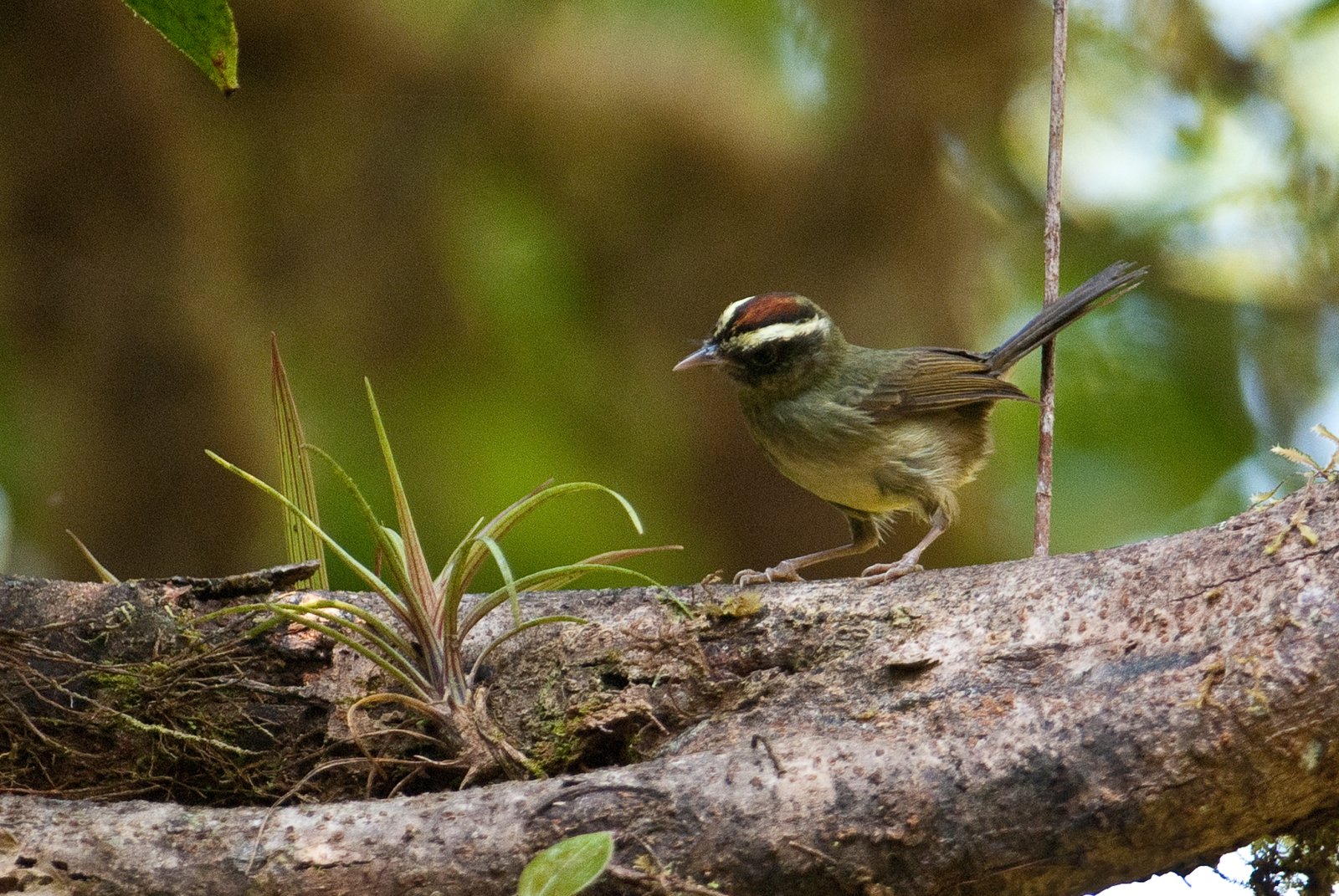
Pirre Warbler
Basileuterus ignotus- Costa Rica-Panama highland forest
-
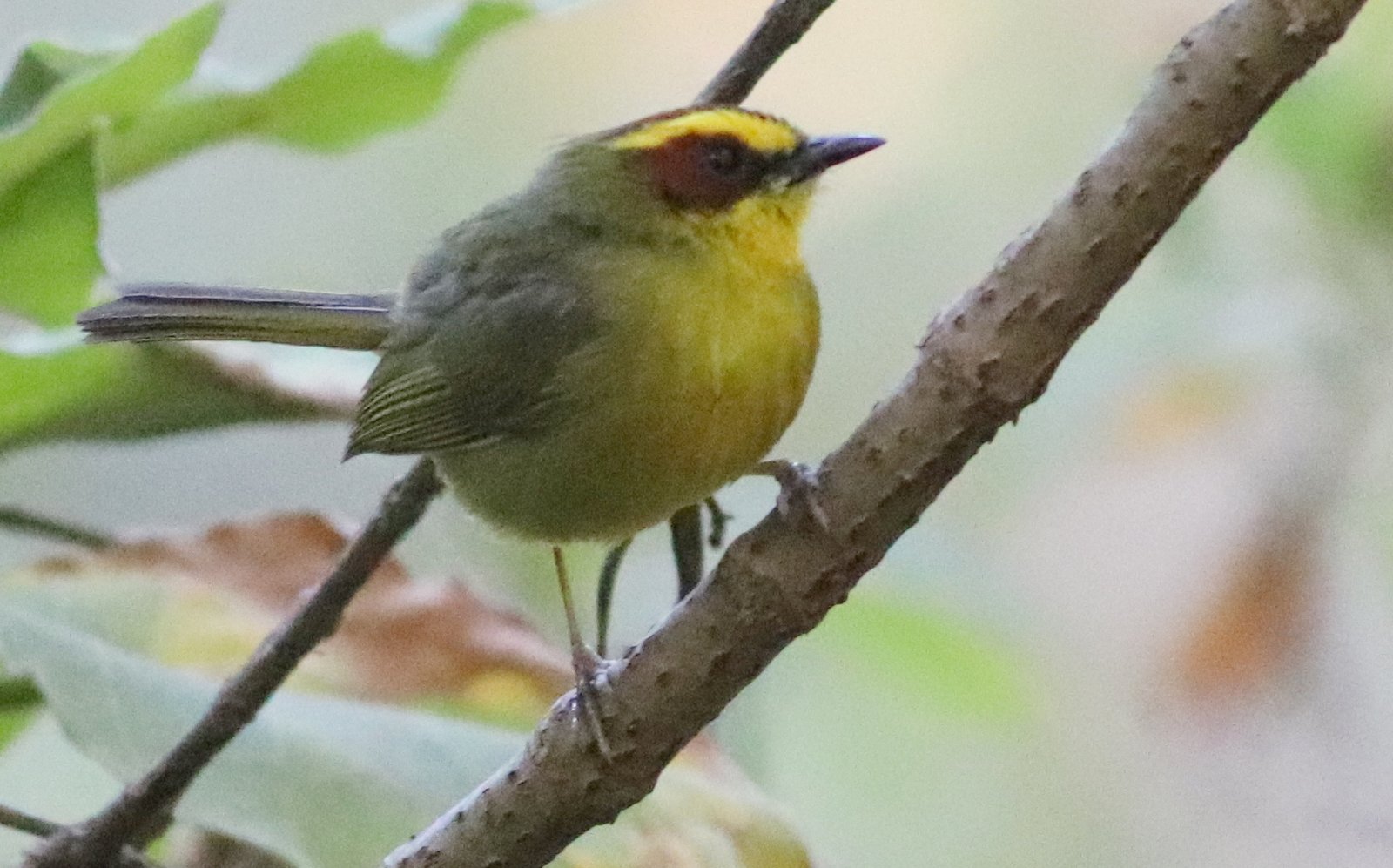
Golden-browed Warbler
Basileuterus belli- Northern Middle American cloud forest
- Tropical highland pine-oak forest
- Madrean oak and pine-oak woodland
- High montane conifer forest
-
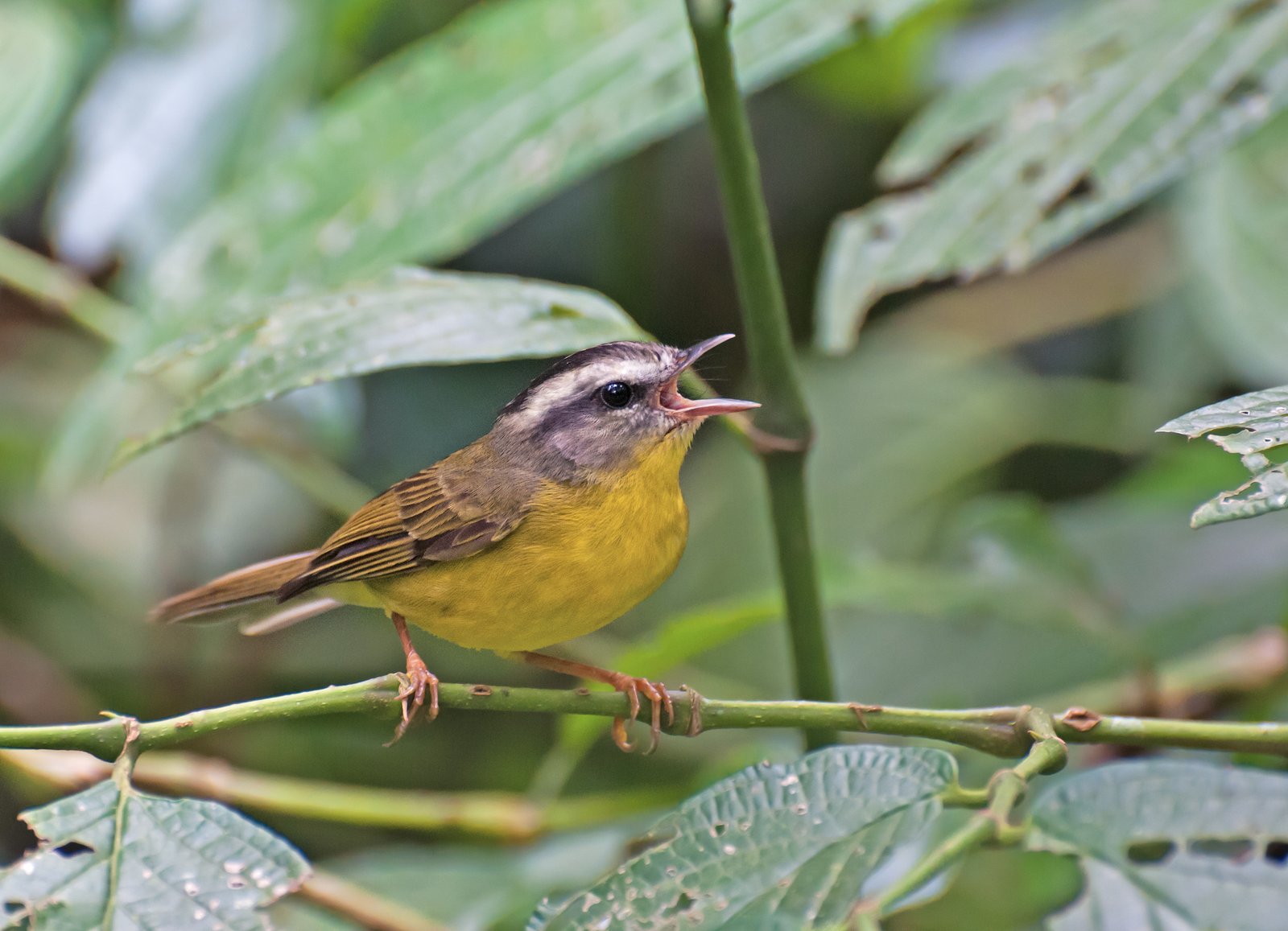
Golden-crowned Warbler
Basileuterus culicivorus- Lowland rainforest
- Foothill (submontane) forest
- Secondary forest and forest edge
- Yucatán and Caribbean-interior seasonal forest
- Northern Middle American cloud forest
- Floodplain and gallery forest
- Shade coffee, cacao and agroforestry
-
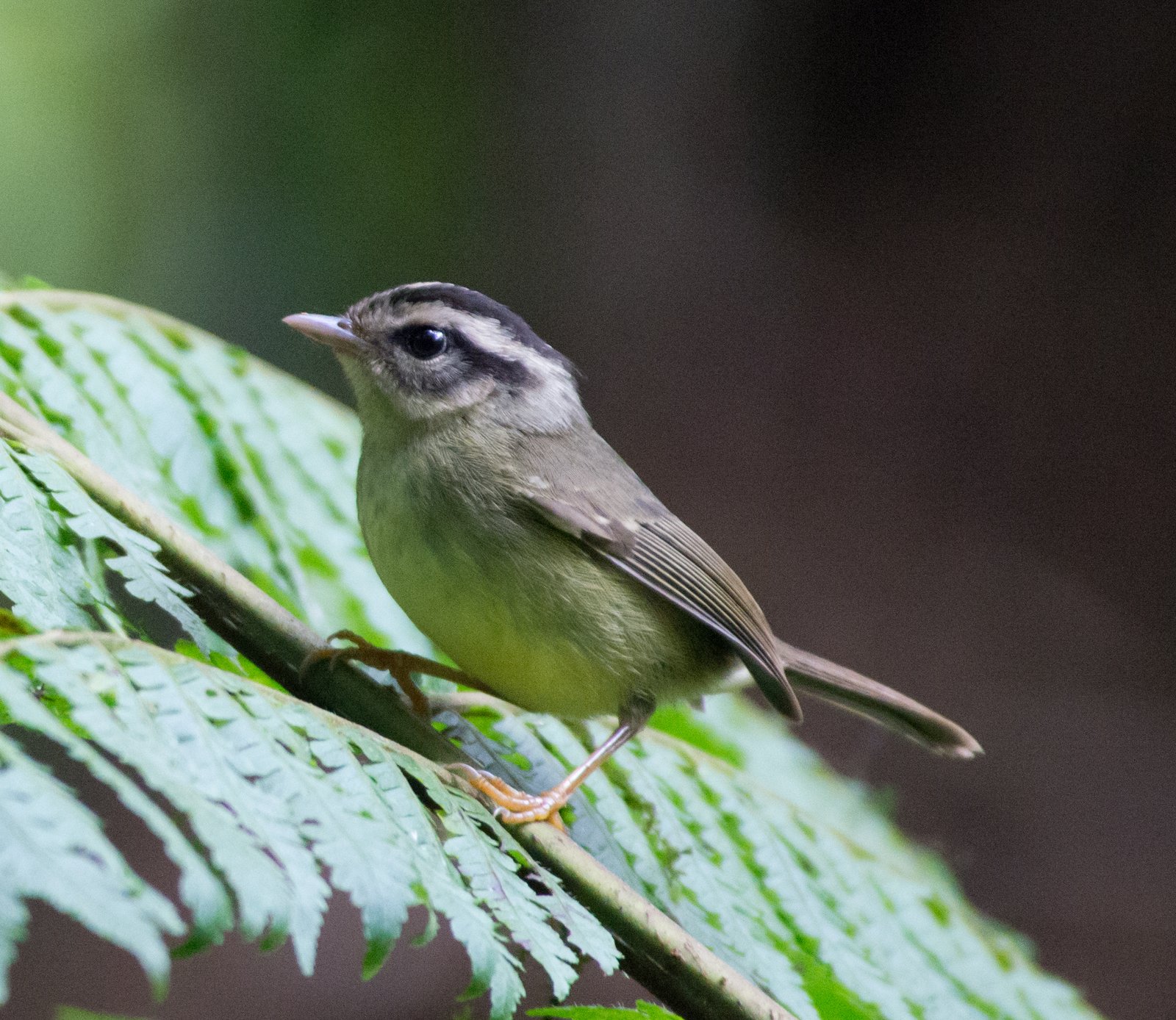
Black-eared Warbler
Basileuterus melanotis- Costa Rica-Panama highland forest
- Foothill (submontane) forest
-
Tacarcuna Warbler
Basileuterus tacarcunae- Costa Rica-Panama highland forest
- Foothill (submontane) forest
Cardellina 5 species
-
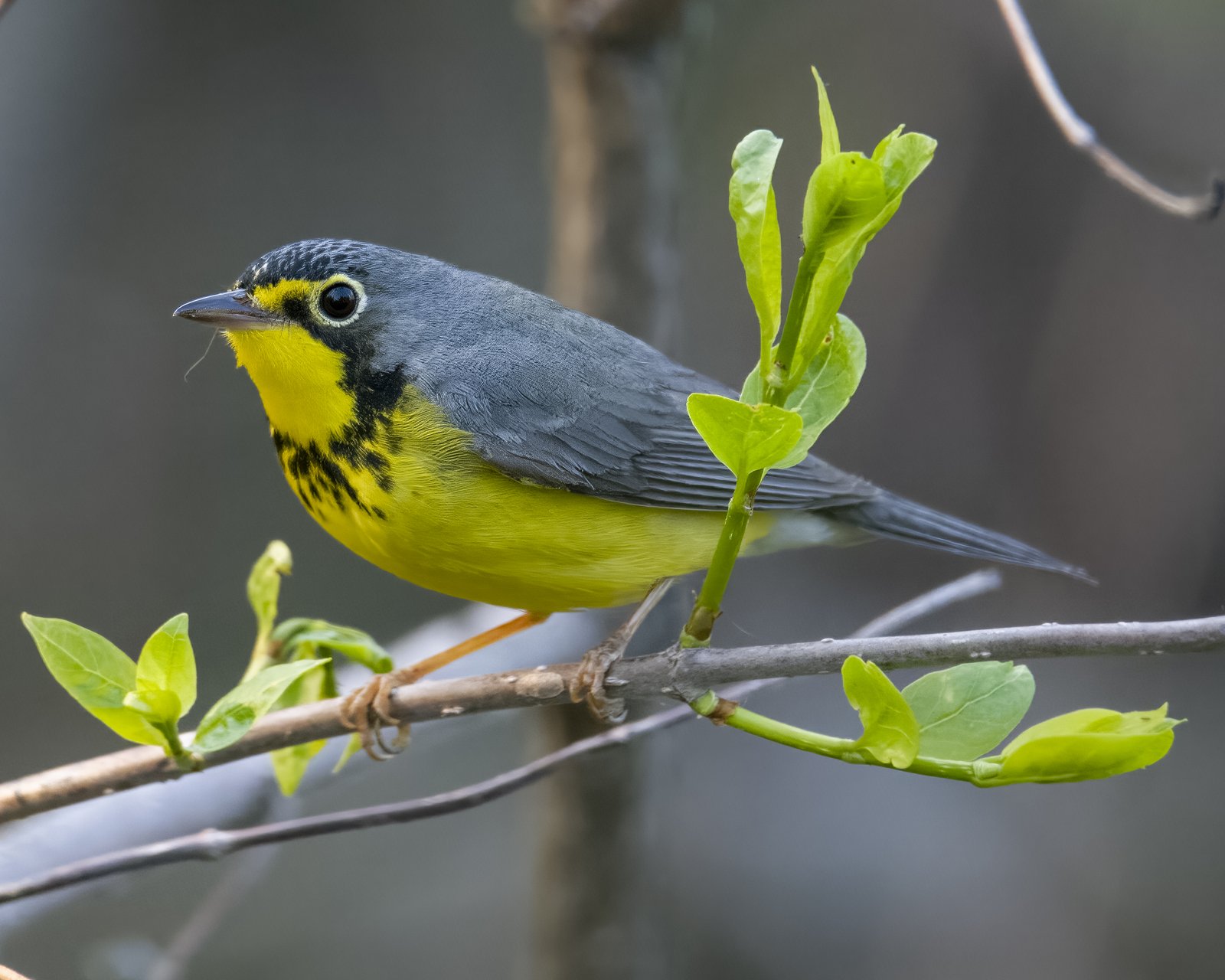
Canada Warbler
Cardellina canadensis- Lowland rainforest
- Foothill (submontane) forest
- Secondary forest and forest edge
- Northern Middle American cloud forest
- Costa Rica-Panama highland forest
- Shade coffee, cacao and agroforestry
-
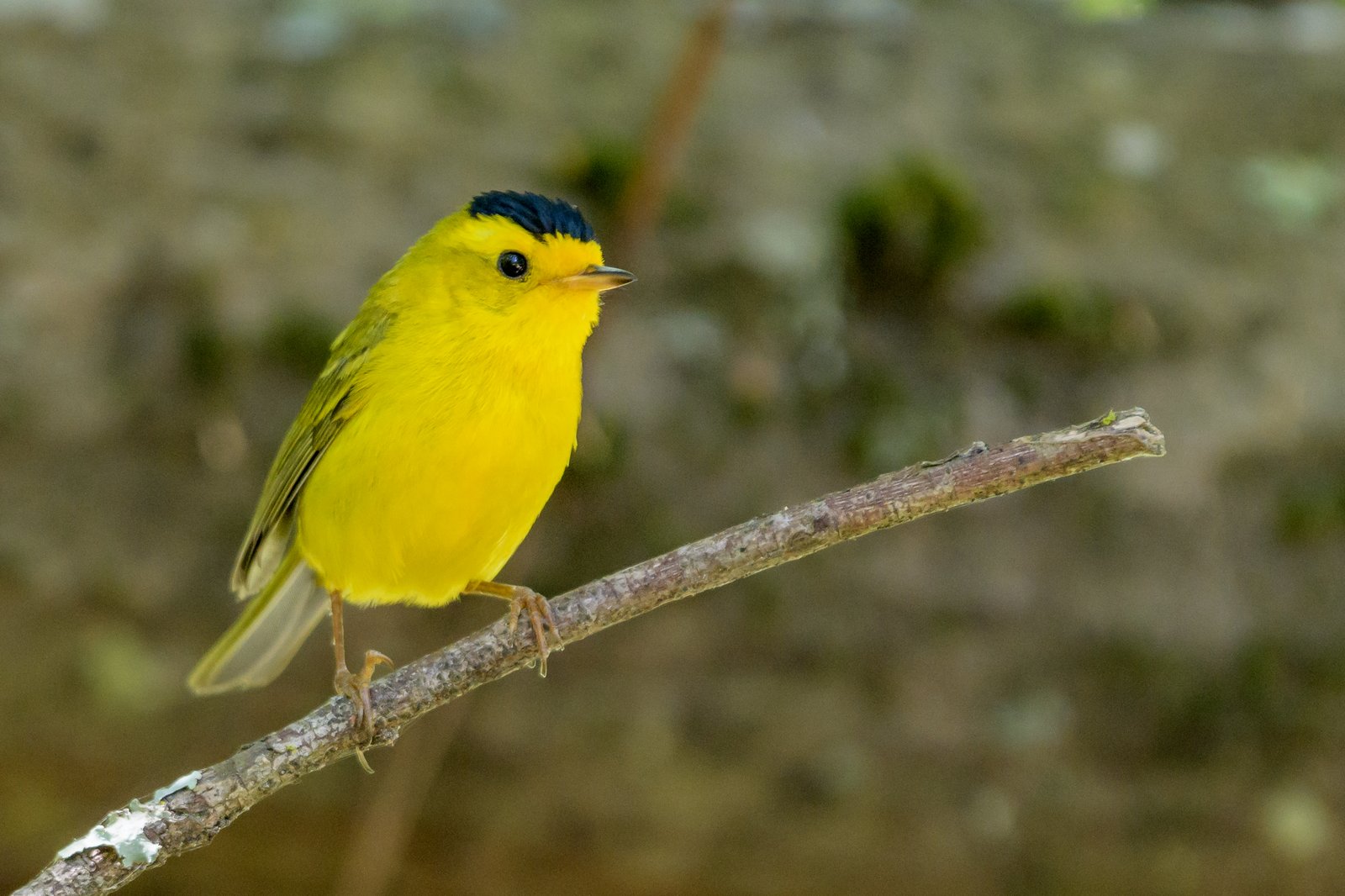
Wilson's Warbler
Cardellina pusilla- Northern Middle American cloud forest
- Tropical highland pine-oak forest
- Madrean oak and pine-oak woodland
- Secondary forest and forest edge
- Riparian woodland in arid and temperate regions
- Shade coffee, cacao and agroforestry
- Villages, towns, gardens and parks
-

Red-faced Warbler
Cardellina rubrifrons- Madrean oak and pine-oak woodland
- Tropical highland pine-oak forest
- High montane conifer forest
- Northern Middle American cloud forest
-
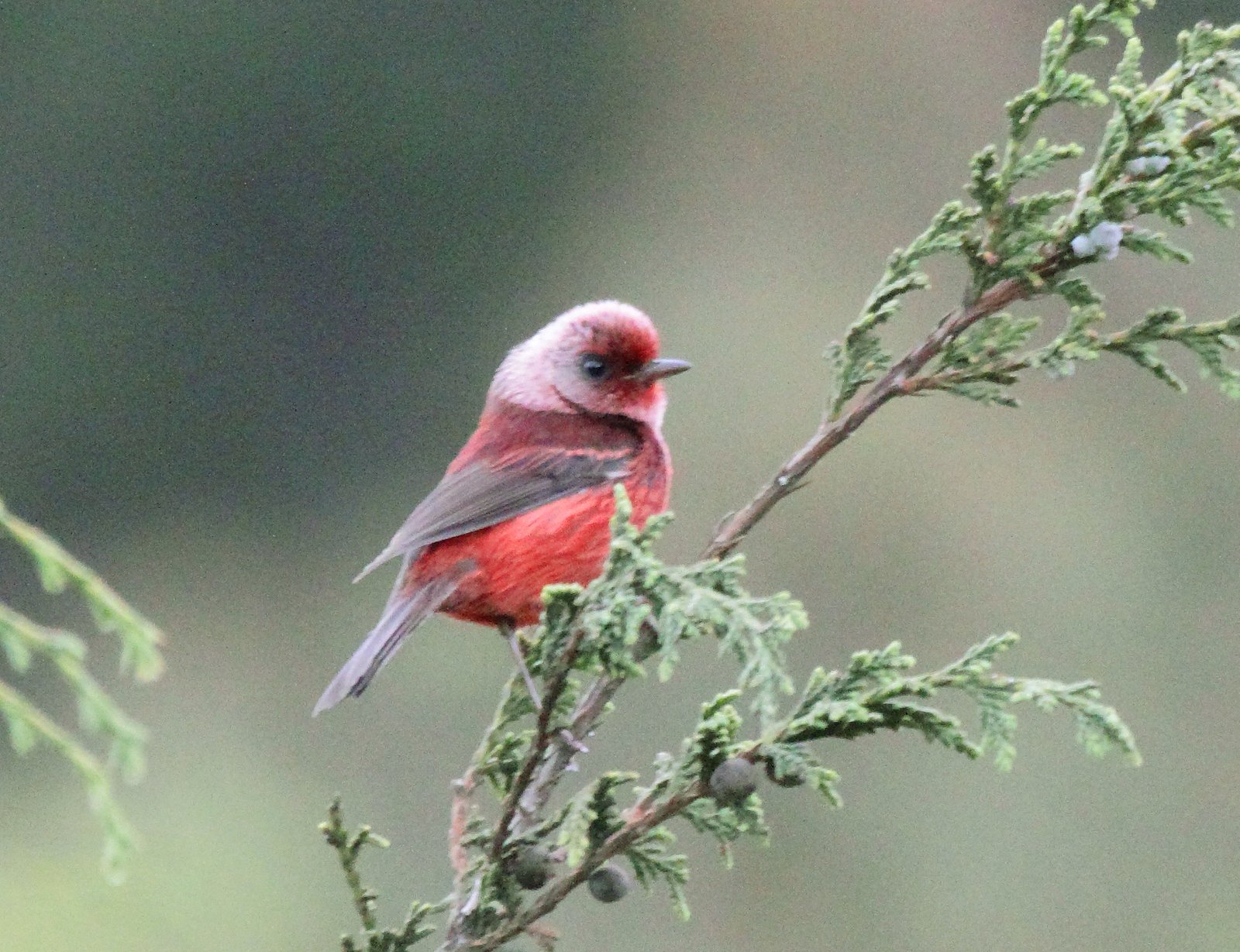
Pink-headed Warbler
Cardellina versicolor- Northern Middle American cloud forest
- Tropical highland pine-oak forest
- High montane conifer forest
-
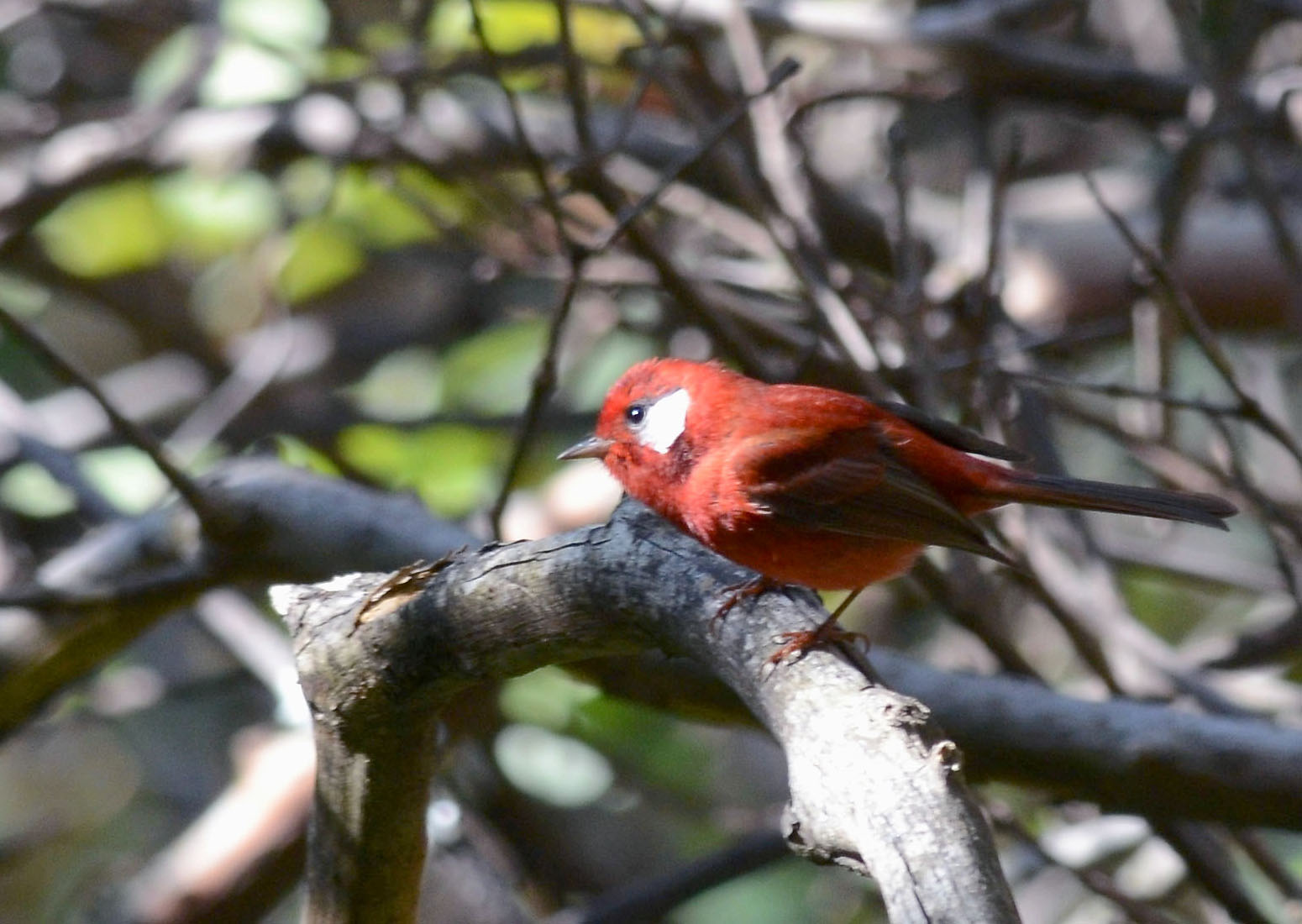
Red Warbler
Cardellina rubra- Madrean oak and pine-oak woodland
- High montane conifer forest
- Tropical highland pine-oak forest
Myioborus 3 species
-
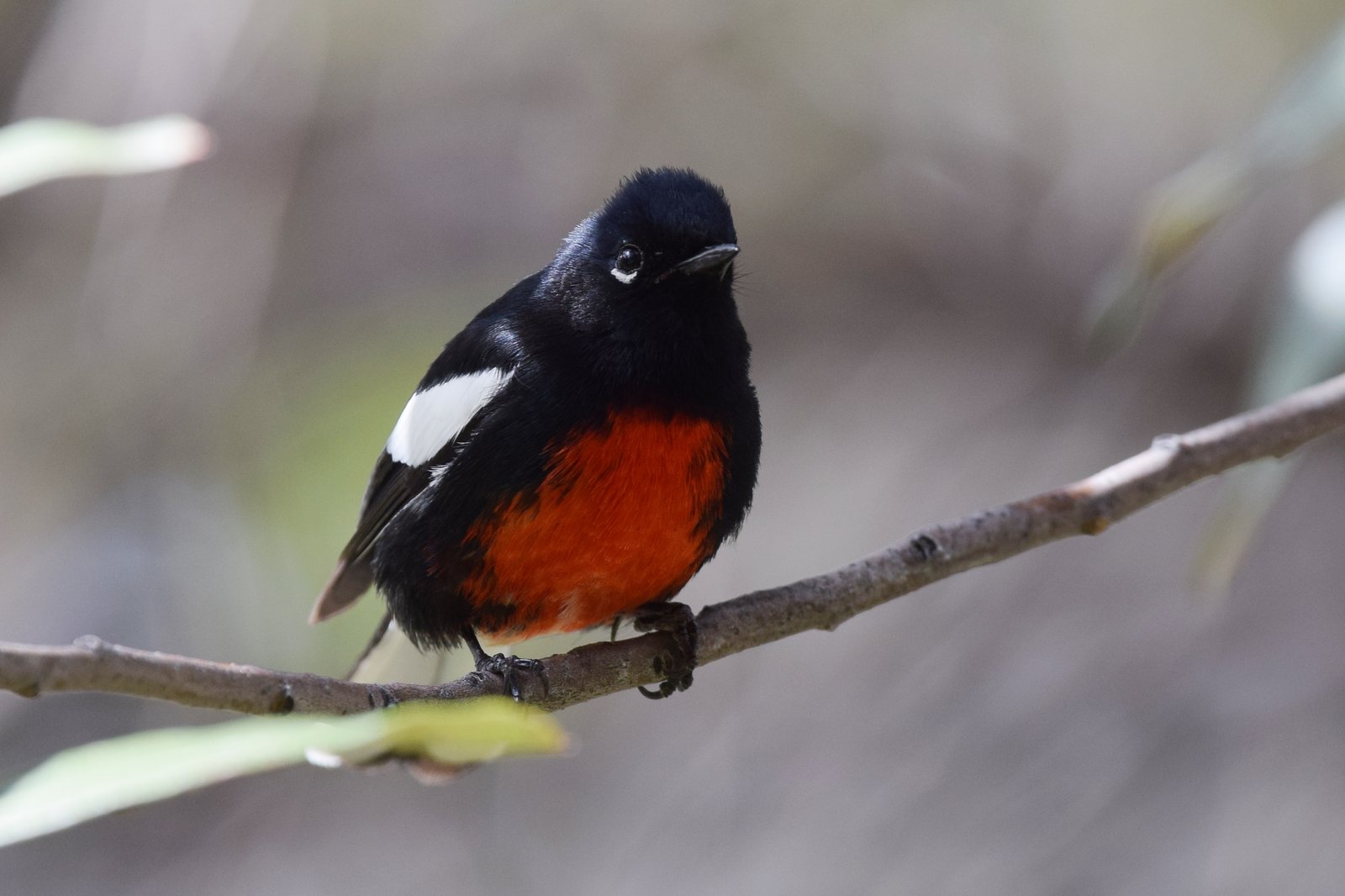
Painted Whitestart
Myioborus pictus- Madrean oak and pine-oak woodland
- Tropical highland pine-oak forest
- Riparian woodland in arid and temperate regions
-
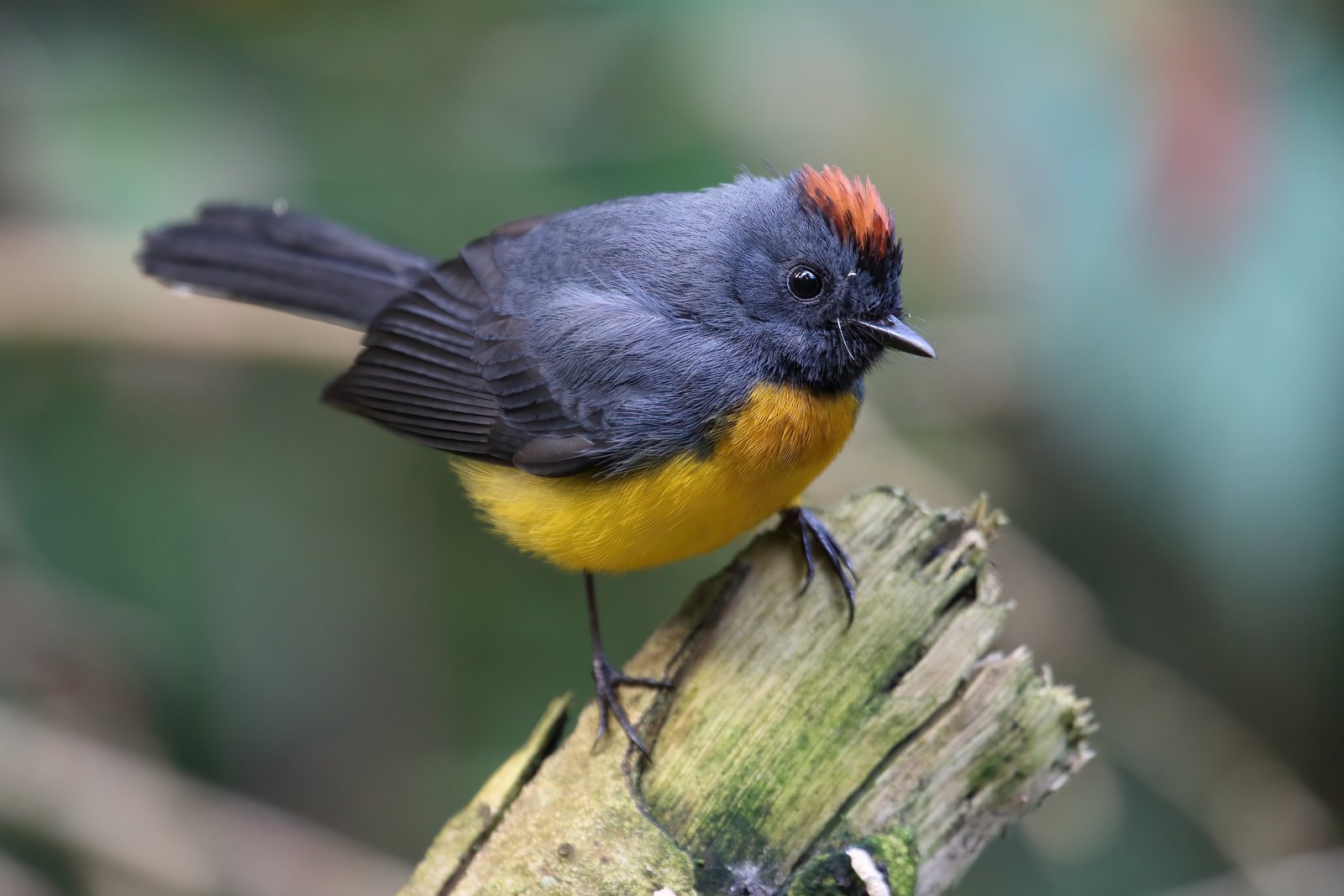
Slate-throated Whitestart
Myioborus miniatus- Northern Middle American cloud forest
- Costa Rica-Panama highland forest
- Tropical highland pine-oak forest
- Foothill (submontane) forest
- Secondary forest and forest edge
-
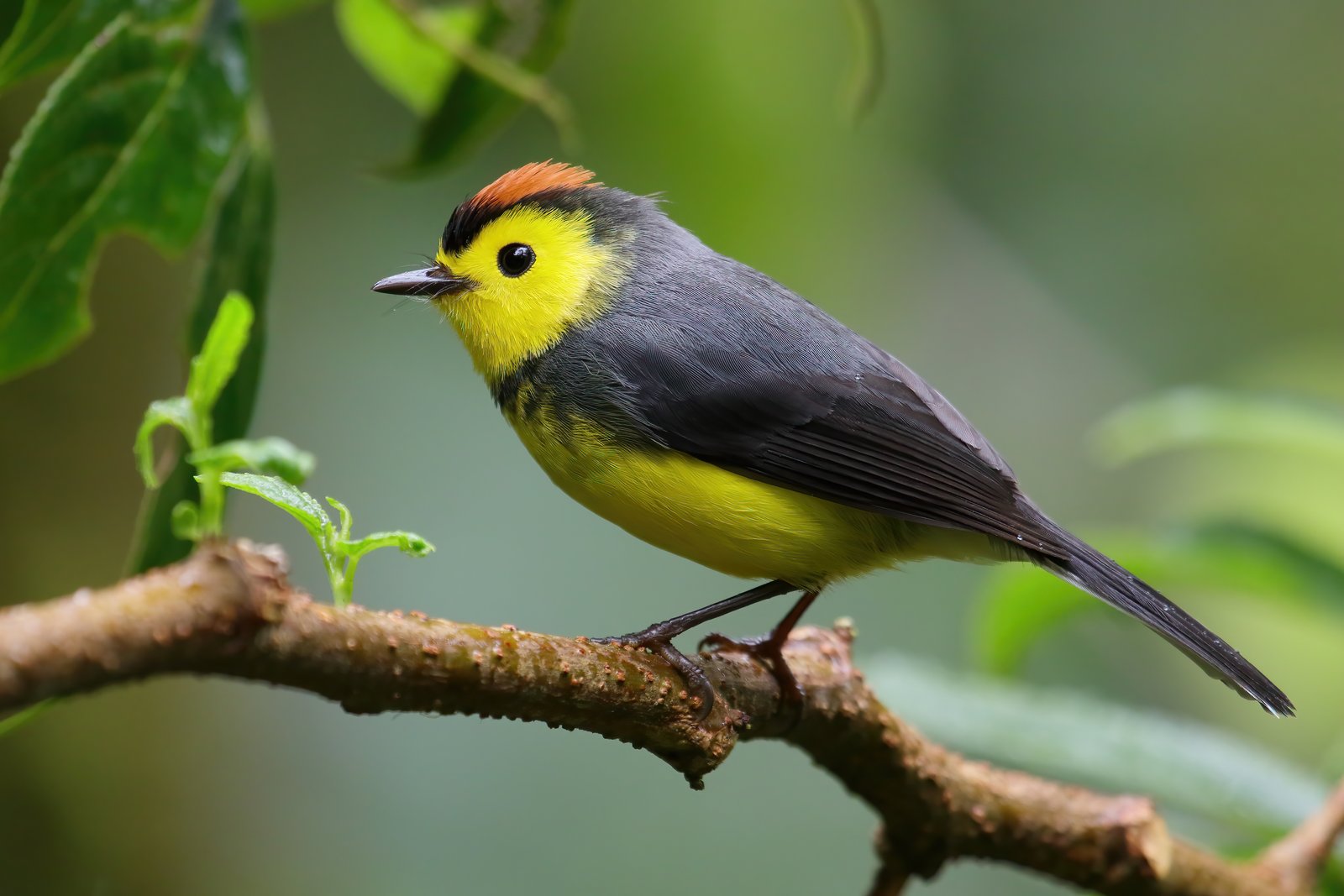
Collared Whitestart
Myioborus torquatus- Costa Rica-Panama highland forest
- Montane grassland, zacatonal and páramo