All species › Passerines › New World warblers › Northern Waterthrush
Position in the tree Birds Aves › Birds with a flexible palate Neognathae › All other modern birds Neoaves › Landbirds Telluraves › Falcons, parrots and passerines Australaves › Falcons and passerines Eufalconimorphae › Parrots and passerines Psittacopasserae
Northern Waterthrush | Parkesia noveboracensis
Noordse waterlijster | Chipe charquero
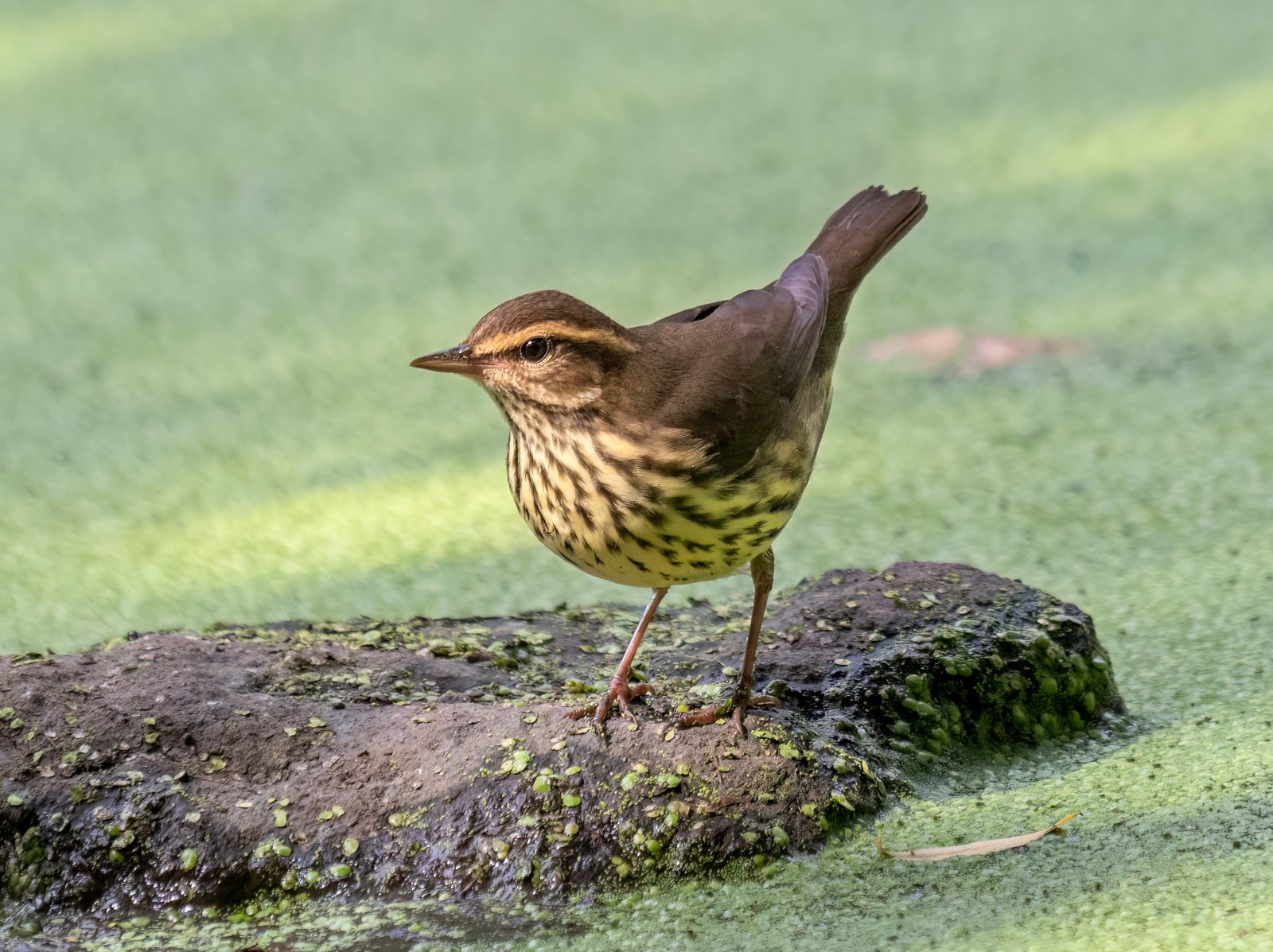
The Northern Waterthrush is a brown, ground-dwelling warbler that bobs its rear body almost constantly. It breeds in swamp forest and along cool, still waters in Canada and the northern United States. In the guide area it is a common winter visitor in mangrove, swamp forest and along pools and ditches, mainly in the lowlands.
Voice
The call is a loud, metallic chink, often the first sign of its presence. The song is a rapid series of loud, clear notes that speeds up and drops towards the end, sweet sweet sweet chew chew chew. In winter mainly the call; in spring also song.
Recording: Cassin Finch — CC BY-NC-SA 4.0 · converted to mono · xeno-canto
Identification
13–15 cm. Upperparts plain dark olive-brown. A long supercilium, yellowish to creamy white, narrowing towards the rear. Underparts pale yellow to dull white, densely marked with dark streaks, including on the throat. Bill fairly short; legs pink. It bobs rear body and tail constantly and rapidly. The sexes are alike.
Confusion species
Louisiana Waterthrush Parkesia motacilla has a pure white supercilium that broadens behind the eye, an unstreaked white throat, sparser streaking and warm buff rear flanks that contrast with the white belly; the bill is longer and the legs brighter pink. It bobs more slowly and with a swaying motion and lives mainly along flowing streams. Ovenbird Seiurus aurocapilla has an orange crown stripe with black borders, a white eye-ring and an olive back, and keeps to dry forest.
Habitat
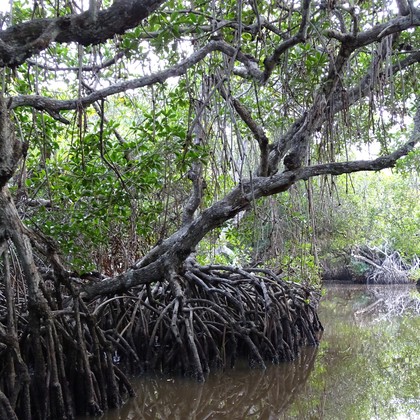
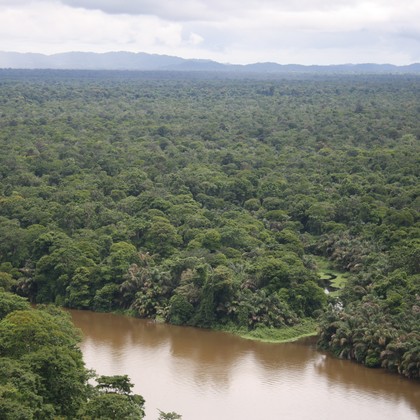
In winter mangrove, swamp forest and flooded forest, banks of still and slow-flowing water, forest pools and also rice fields, wet parks and gardens; mainly in the lowlands, on passage also in the highlands. It searches the water's edge for insects, small crustaceans and molluscs.
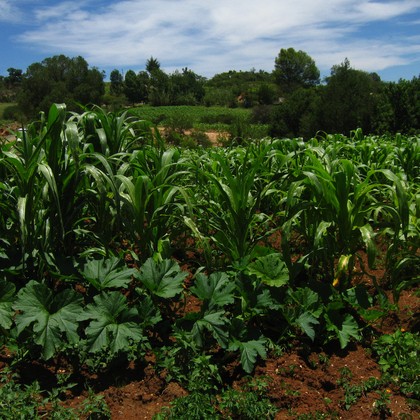
Where the bird is most at home, classified by the vegetation units of Mexico and Central America.



Range and movements
Breeds from Alaska through Canada to the north-eastern United States. Winters from southern Florida and Mexico through Central America and the Caribbean to northern South America. In the guide area widespread in the lowlands of both coasts, from Sinaloa and Tamaulipas south to Panama, and on the Yucatán Peninsula; on passage in almost all of Mexico.
- Winter visitor (c. Oct–Mar)
- dark = core range, pale = thinly spread
How and when to look
In mangrove it can be found along the edges of open water and muddy channels; the metallic call usually gives the bird away before it is seen.
Conservation status
Not threatened (LC). Common and widespread. Clearance of mangrove and swamp forest locally affects the wintering area.
Scientific name
Parkesia noveboracensis | (Gmelin, 1789)
Gmelin described the species in 1789 as Motacilla noveboracensis; because it was later moved to another genus, the author and year stand in brackets. The genus Parkesia was introduced in 2008 by Sangster. Parkesia is named after the American ornithologist Kenneth Carroll Parkes (1922–2007), long-time curator of birds at the Carnegie Museum. noveboracensis means 'of New York', from Noveboracum, the Latin name for New York. The specimen the first description was based on came from Louisiana and New York.