All species › Passerines › New World warblers
New World warblers | Parulidae
Amerikaanse zangers | Reinitas
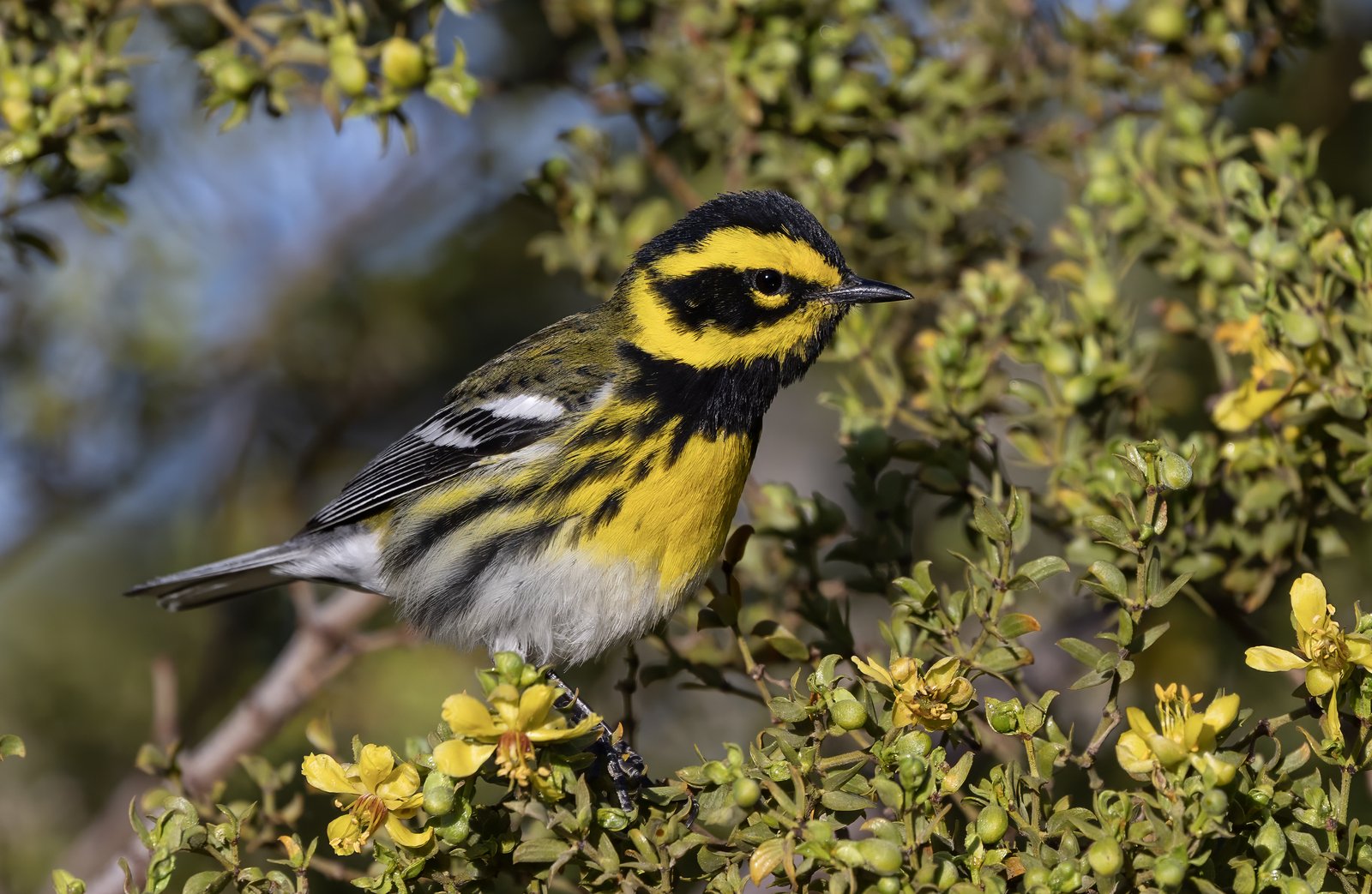
Small, short-billed insect-eaters of the foliage, nine to fifteen centimetres long. They work a crown methodically, picking caterpillars and other insects from the undersides of leaves or taking them in a short sally. With 54 species they are, after the tyrant flycatchers, the largest songbird family in the region. Most are migrants from North America that stay here from autumn to spring or pass through, such as Black-and-white Warbler, American Redstart, Palm Warbler and Cape May Warbler. Their plumage changes strongly with the season, so that a bird in winter plumage often has to be identified on details such as wingbars, tail pattern and undertail coverts. Kirtland's Warbler winters almost entirely in the Bahamas. Many islands also have resident species of their own, such as Arrowhead Warbler of Jamaica, Elfin Woods Warbler of Puerto Rico, St. Lucia Warbler, Plumbeous Warbler of Dominica and Guadeloupe and Whistling Warbler of Saint Vincent. Mangrove Warbler breeds on almost every island.
Native species 52 species
Species that occur here by nature: breeding birds, winter visitors and passage migrants. They are arranged by genus, in the sequence of the list.
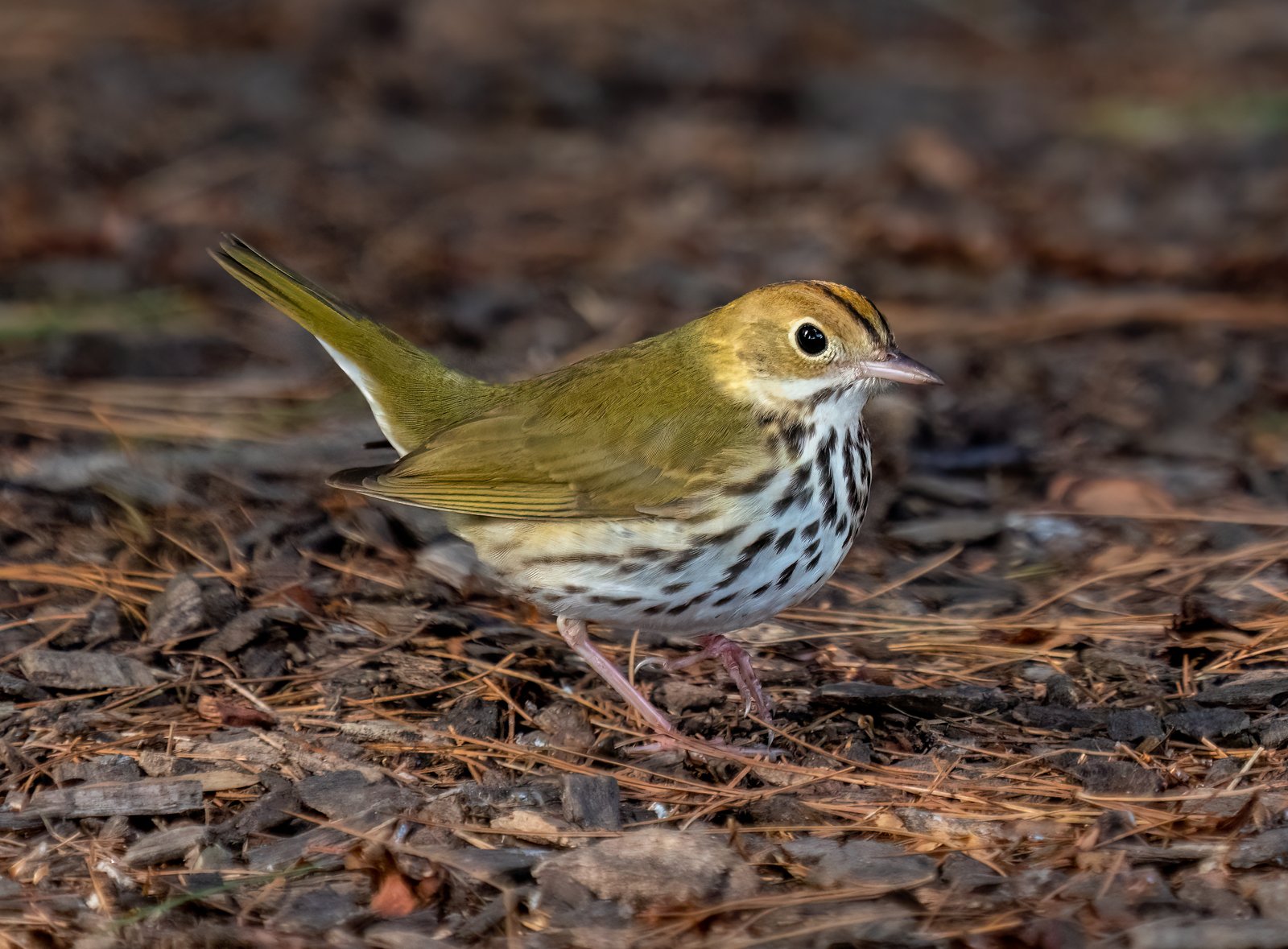
Parkesia 2 species
-
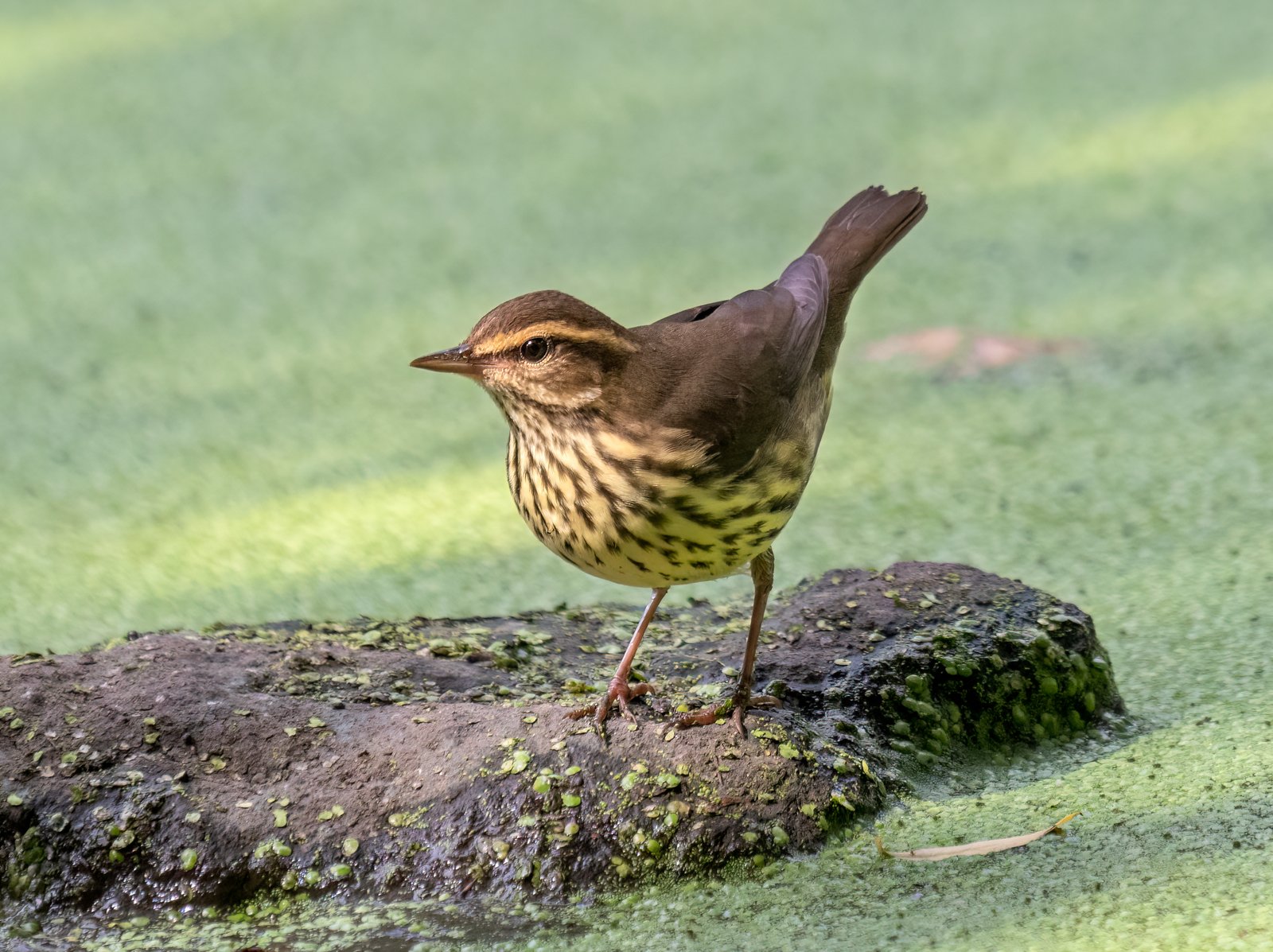
Northern Waterthrush
Parkesia noveboracensis Mangrove
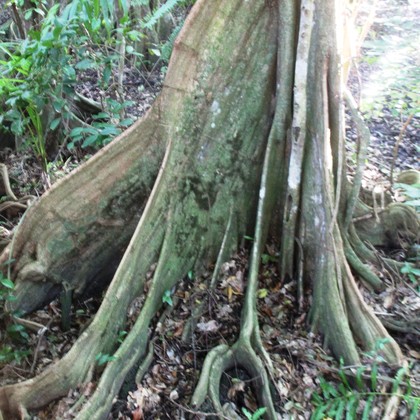 Swamp forest and palm swamp
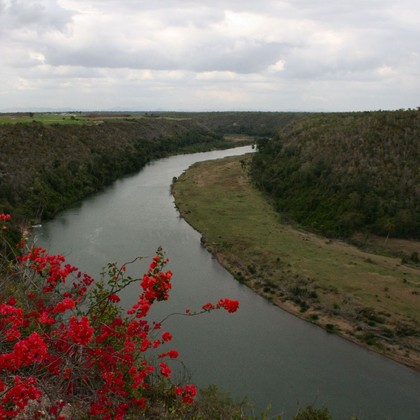 Rivers and streams
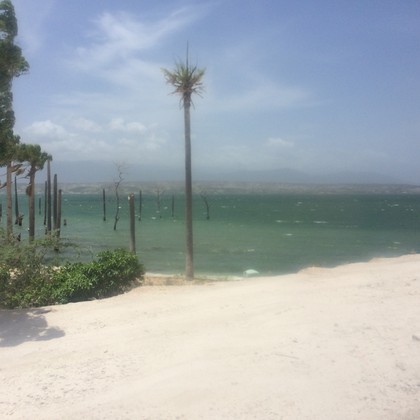 Lakes and ponds
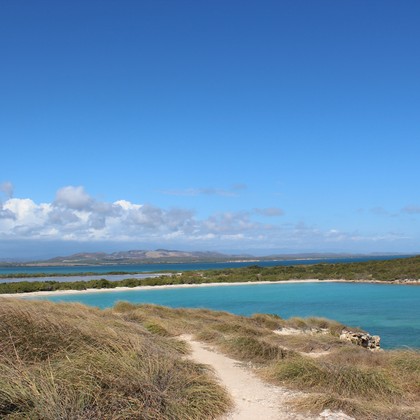 Coastal and beach scrub
 Coastal woodland
-
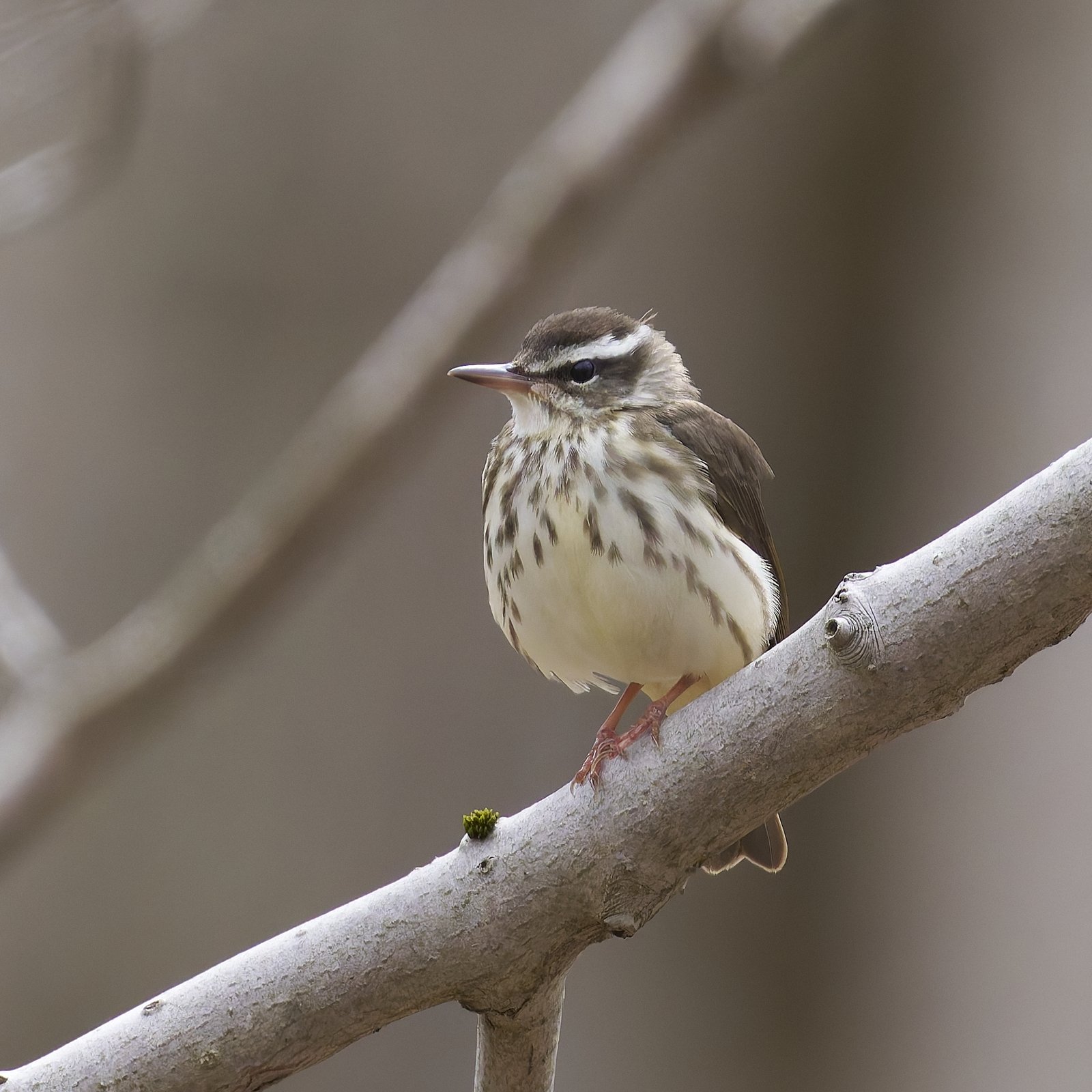
Louisiana Waterthrush
Parkesia motacilla- Rivers and streams
 Montane rainforest
 Semi-evergreen and moist forest
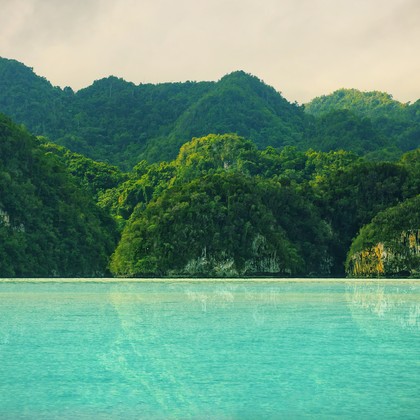 Limestone karst forest
- Swamp forest and palm swamp
Helmitheros 1 species
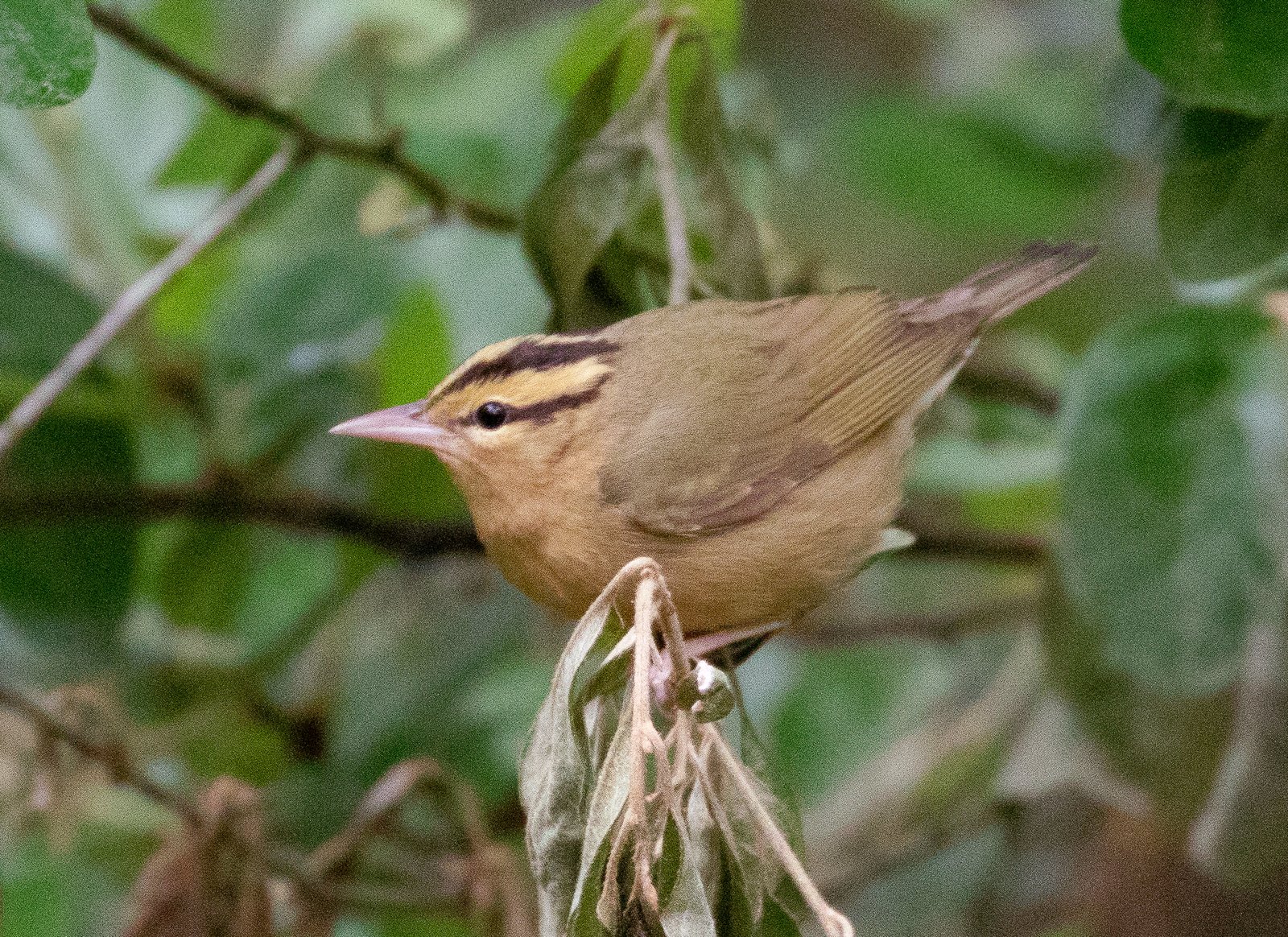
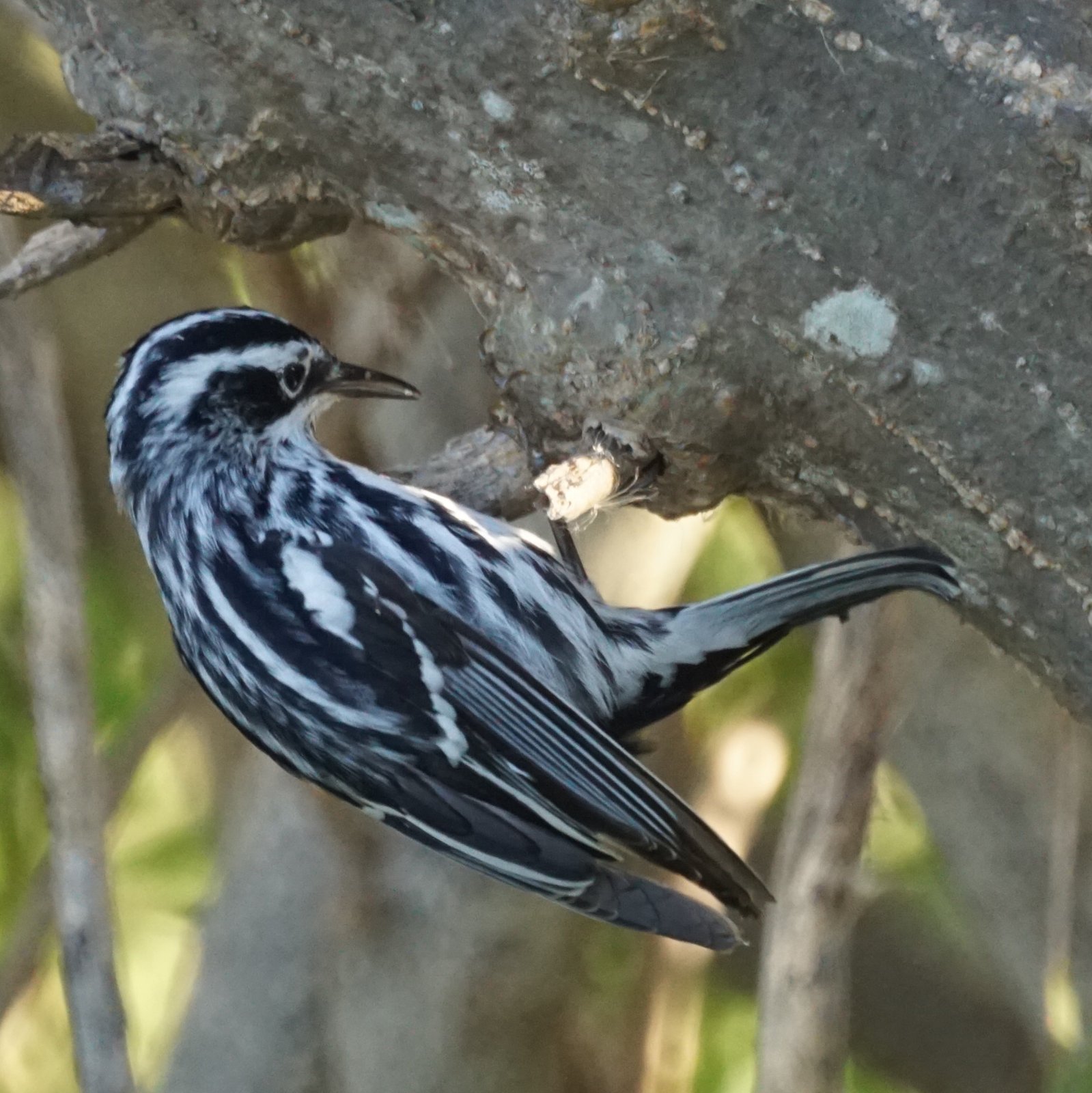
Protonotaria 1 species
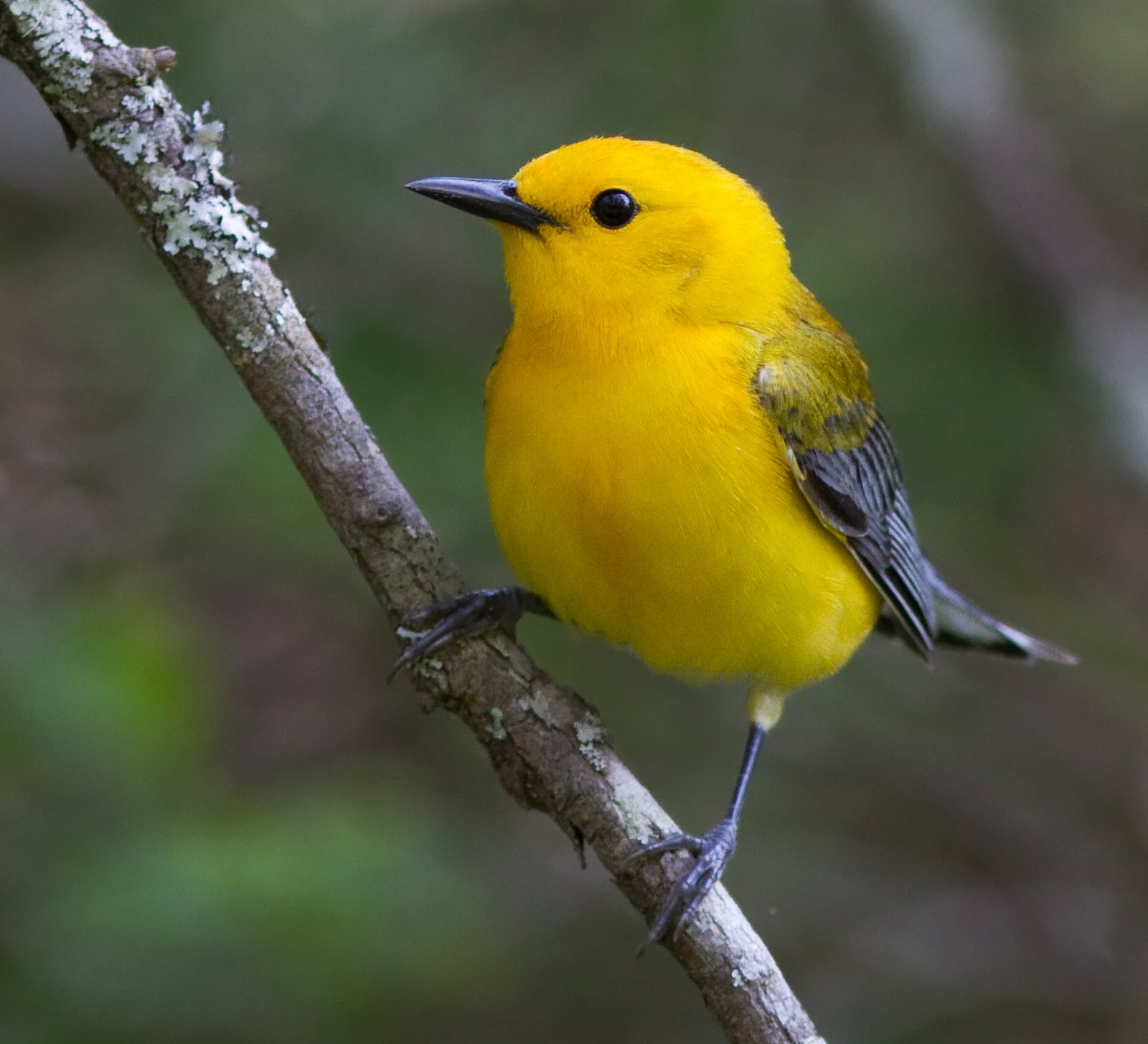
Limnothlypis 1 species
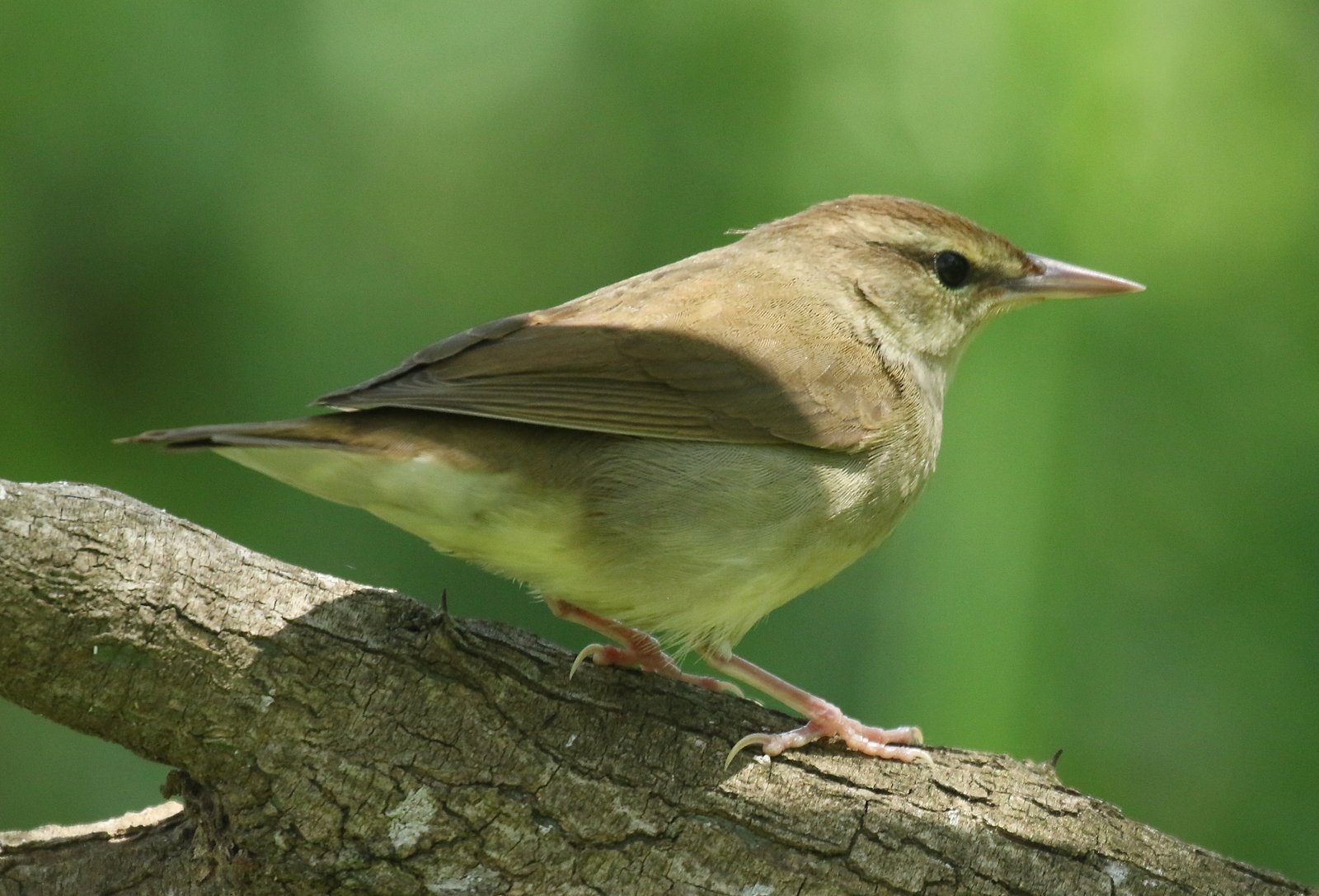
Vermivora 2 species
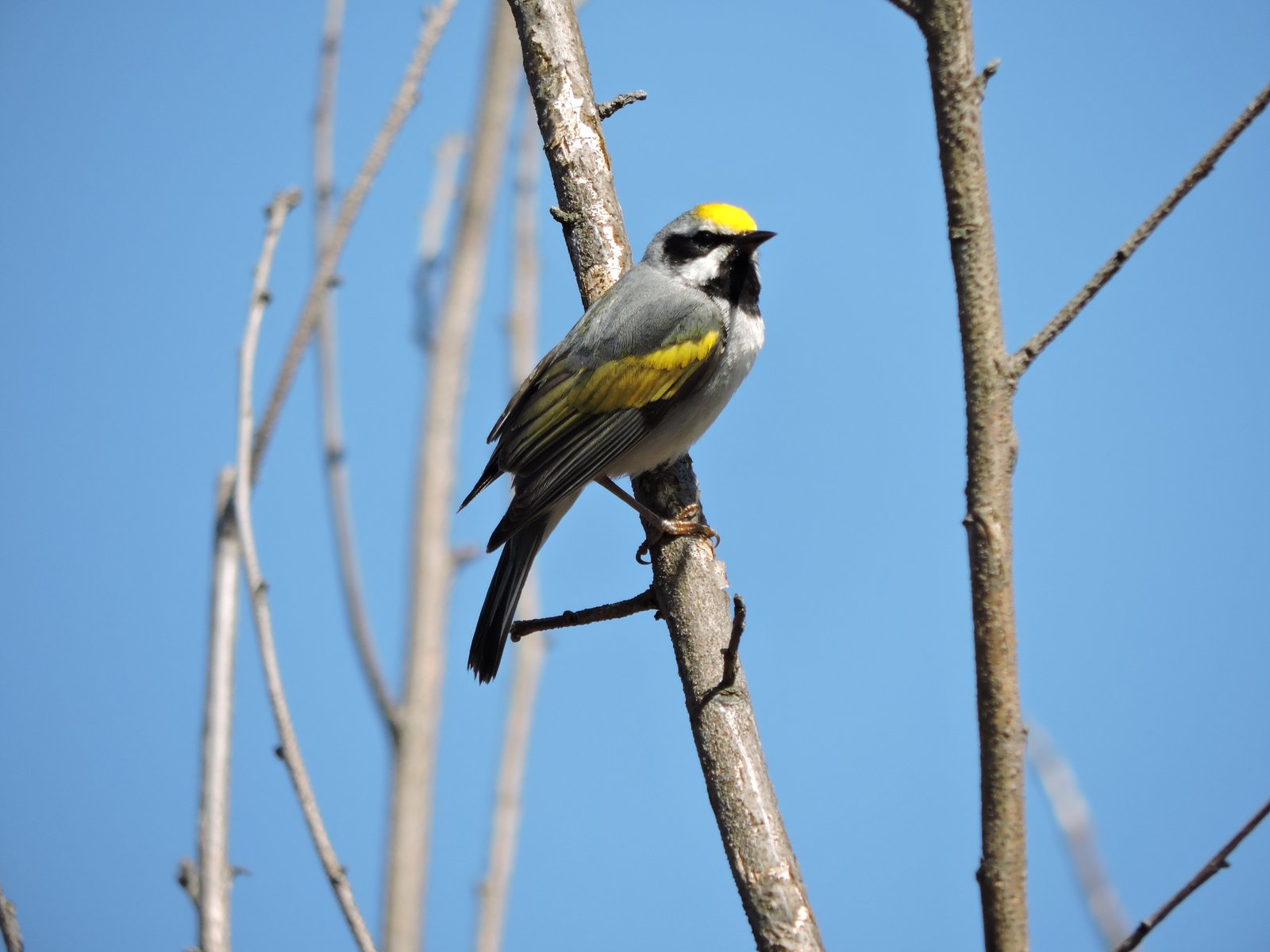
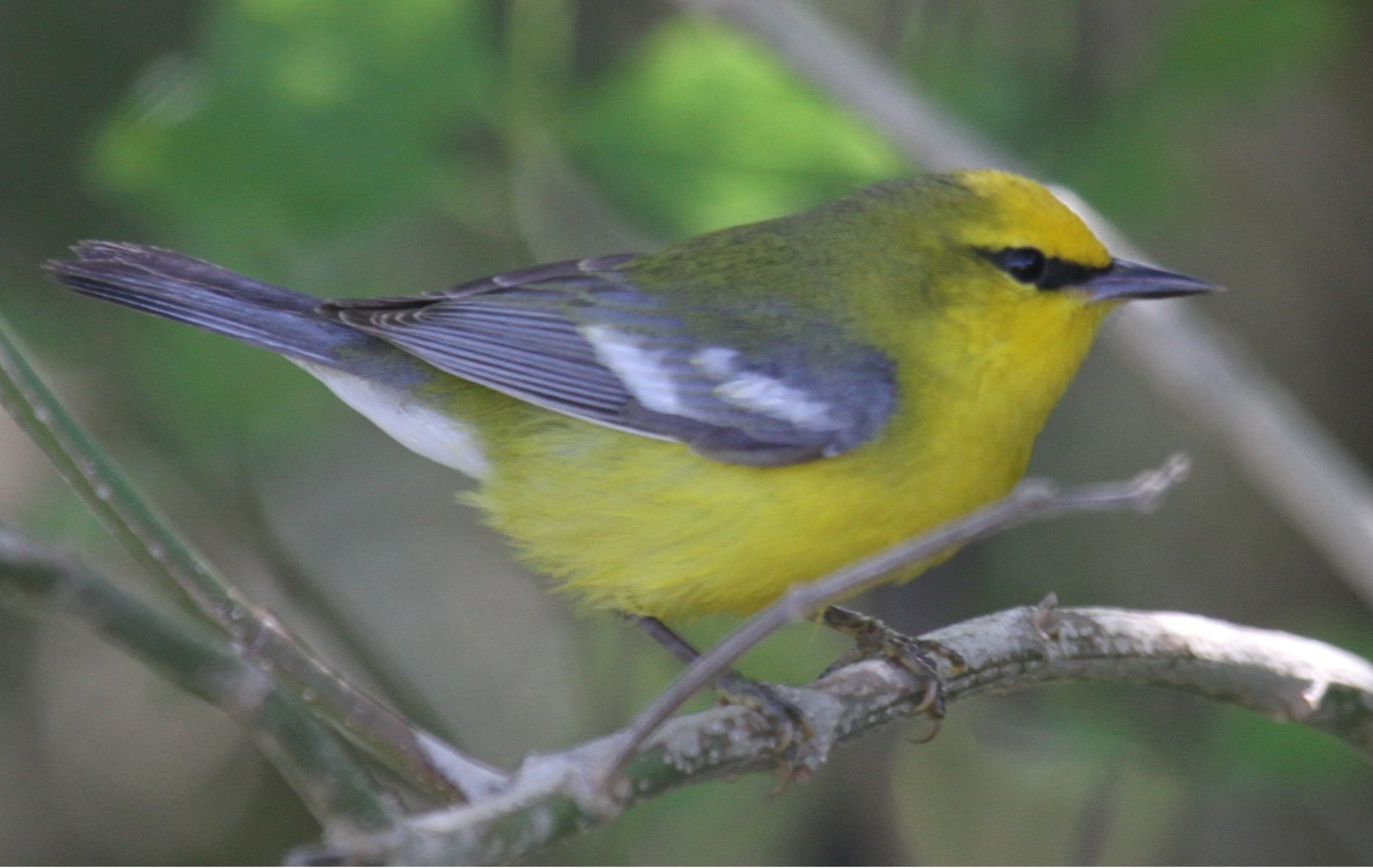
Leiothlypis 3 species
-
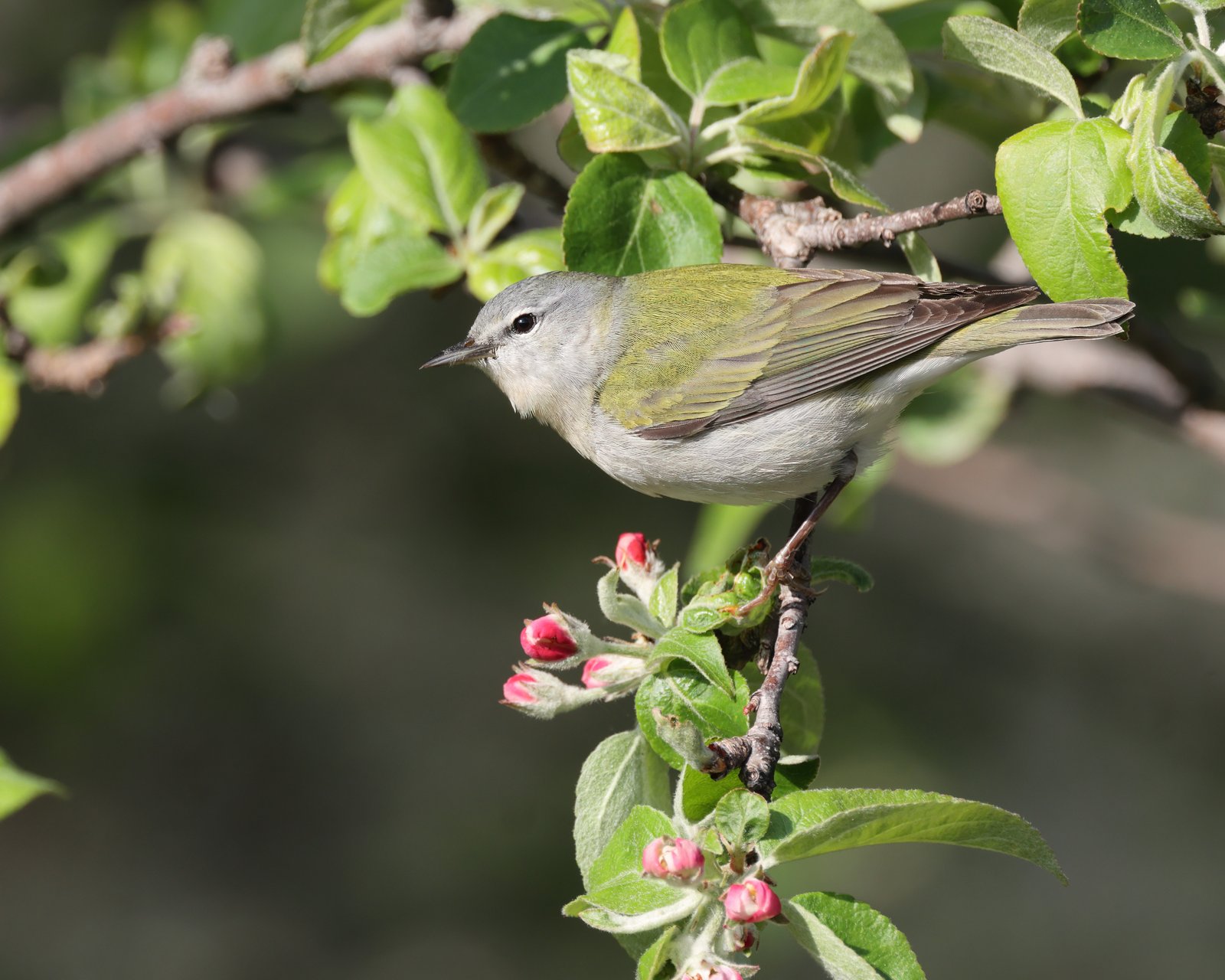
Tennessee Warbler
Leiothlypis peregrina- Semi-evergreen and moist forest
 Dry deciduous forest
- Coastal woodland
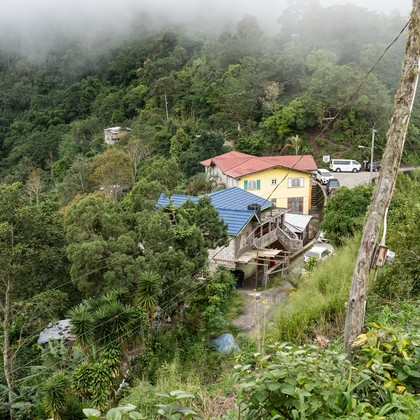 Coffee and cacao plantations
 Villages, towns and gardens
-
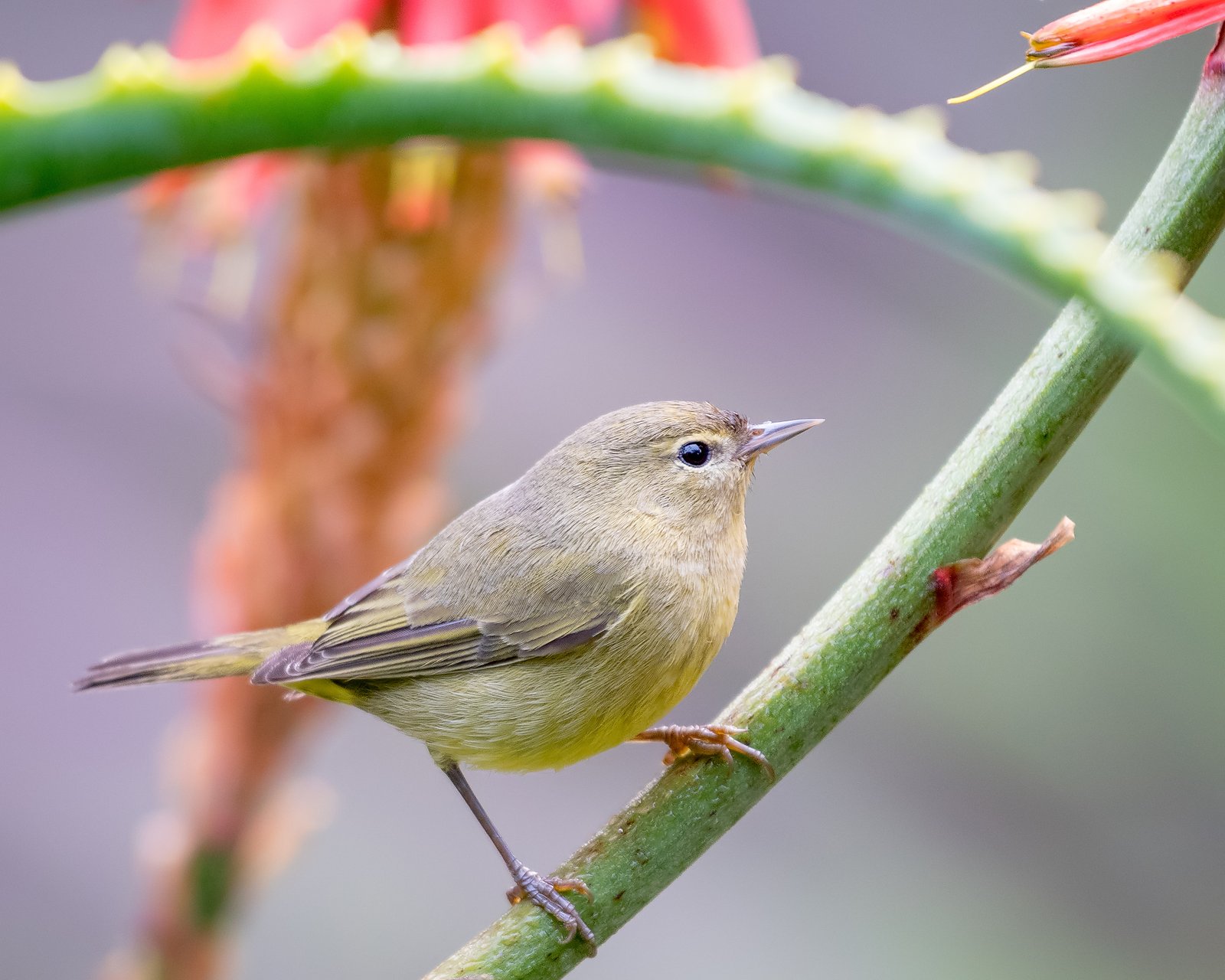
Orange-crowned Warbler
Leiothlypis celata- Coastal and beach scrub
- Coastal woodland
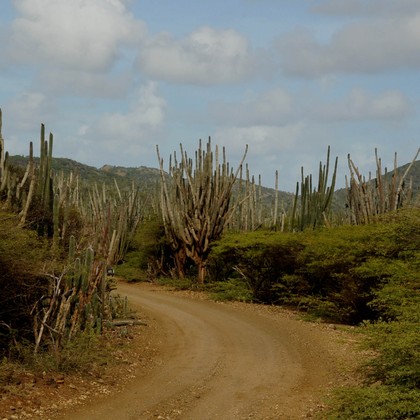 Thorn scrub and cactus scrub
- Dry deciduous forest
- Villages, towns and gardens
-
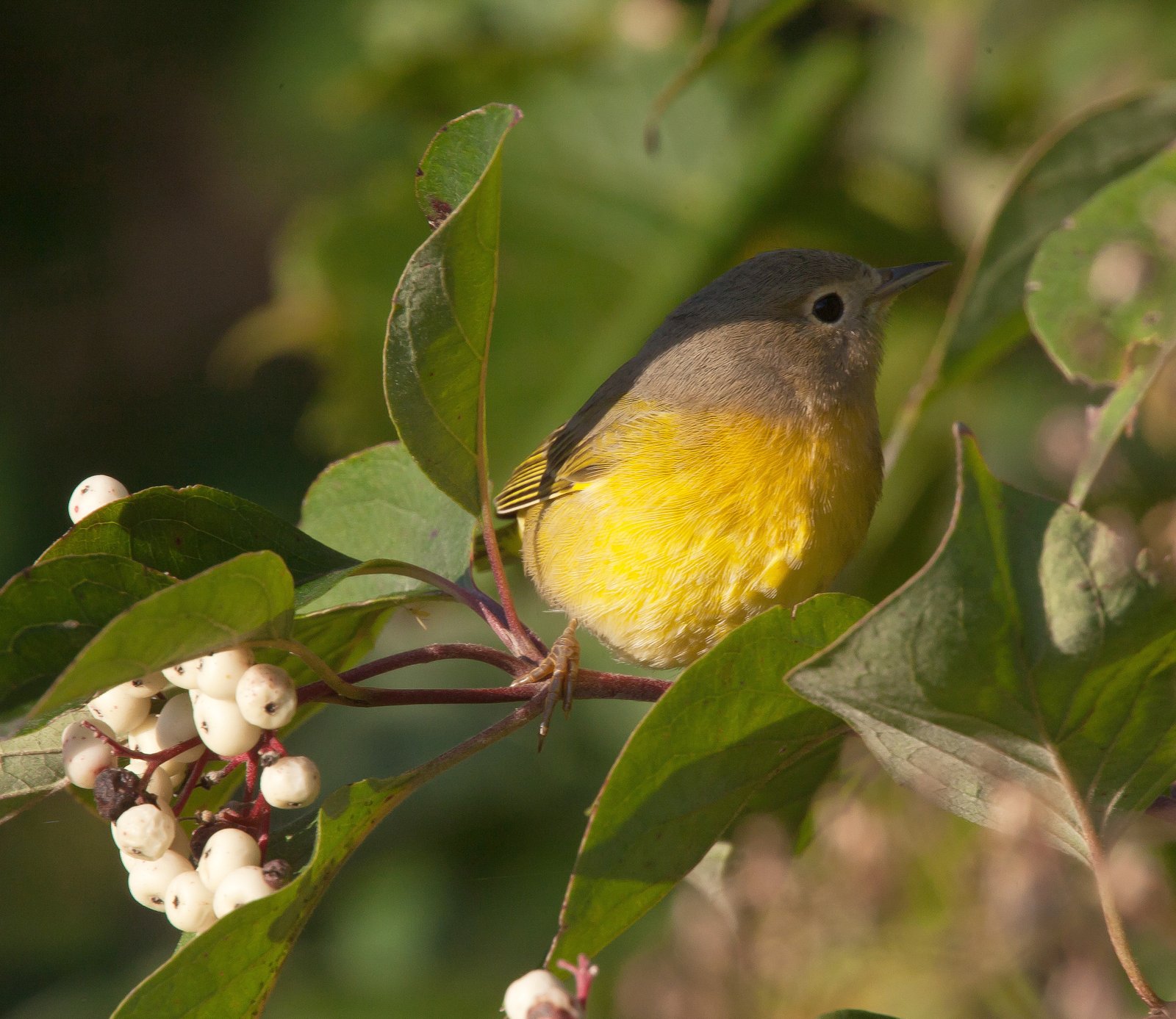
Nashville Warbler
Leiothlypis ruficapilla- Dry deciduous forest
- Semi-evergreen and moist forest
- Coastal woodland
- Coastal and beach scrub
- Villages, towns and gardens
Leucopeza 1 species
Geothlypis 5 species
-
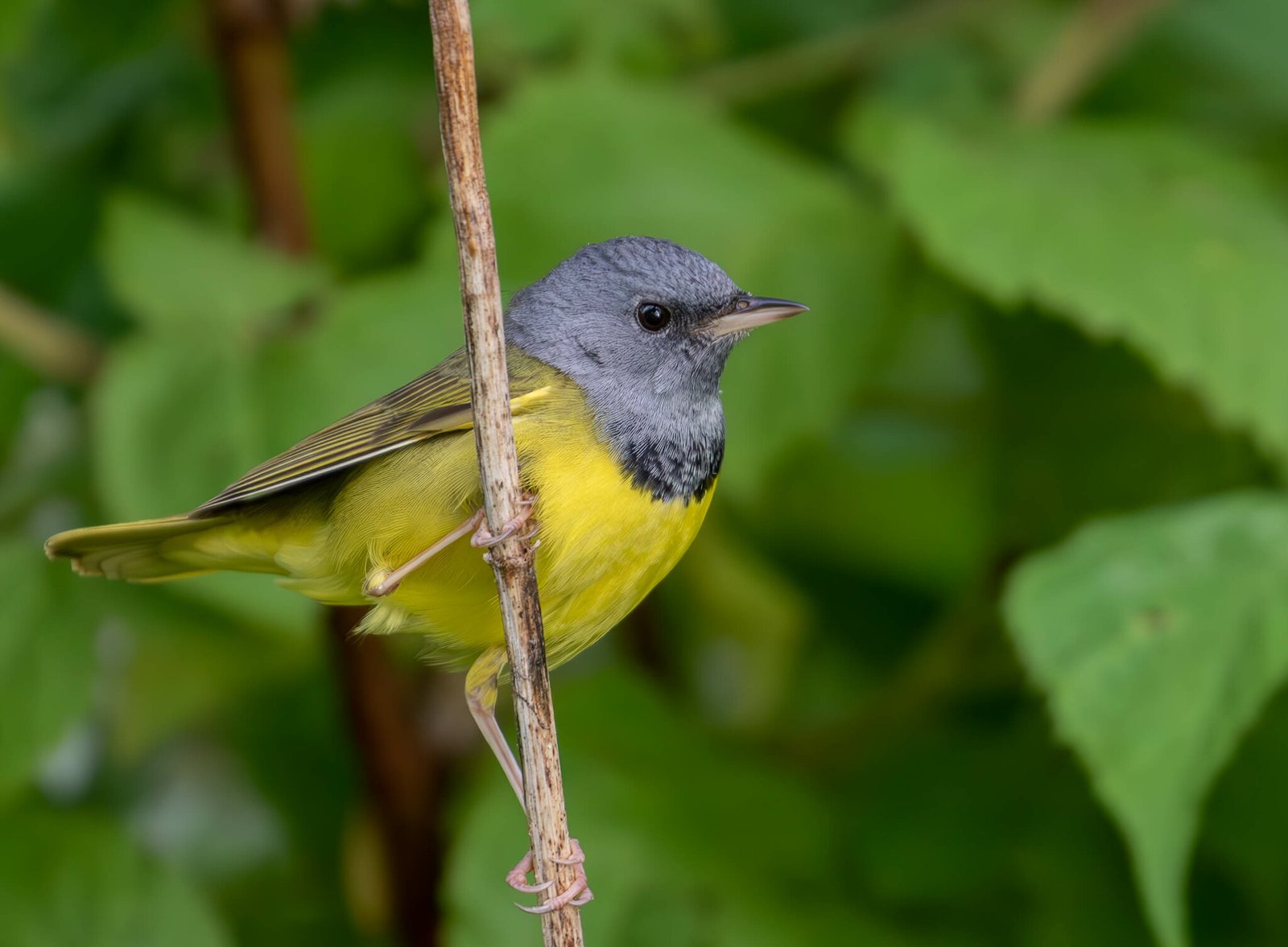
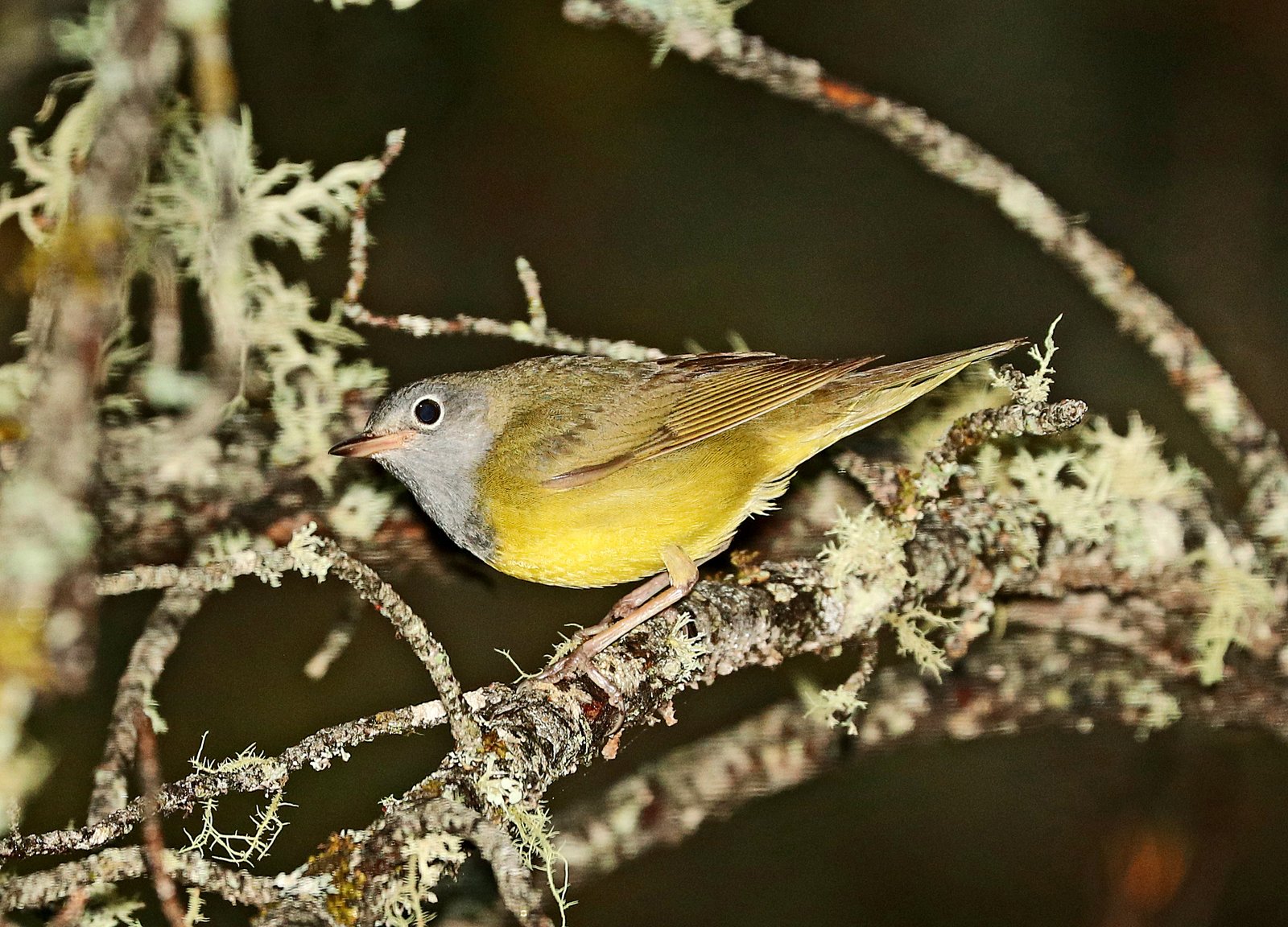
Mourning Warbler
Geothlypis philadelphia- Semi-evergreen and moist forest
- Limestone karst forest
 Pasture and small-scale farm mosaic
-
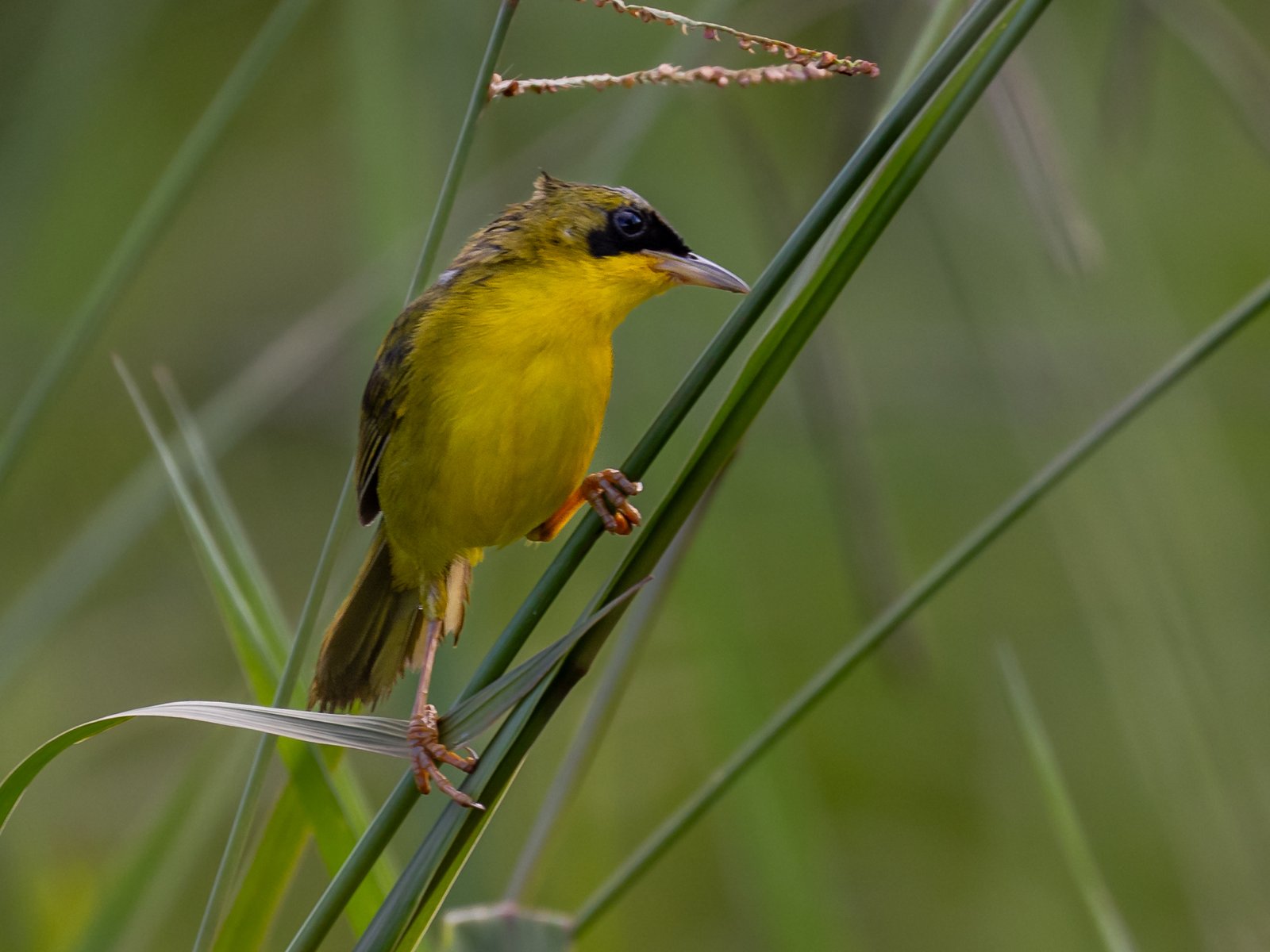
Masked Yellowthroat
Geothlypis aequinoctialis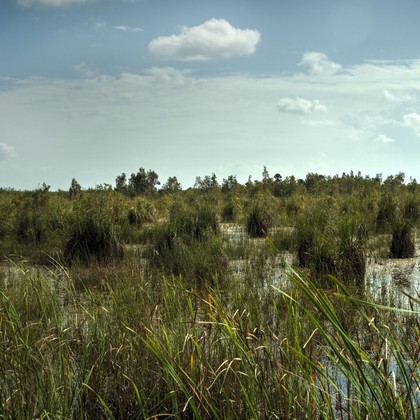 Freshwater marsh with reeds and sedges
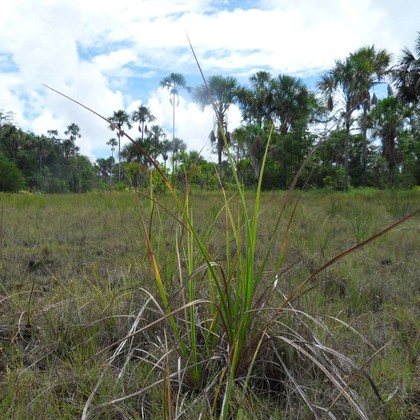 Seasonally flooded savanna
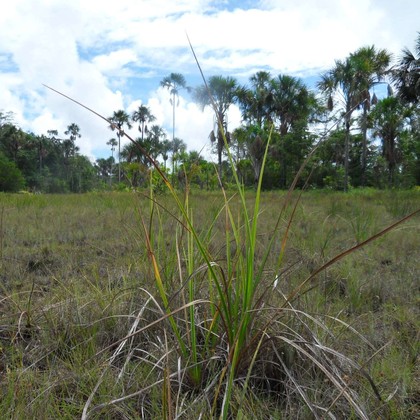 Savanna and open grassland
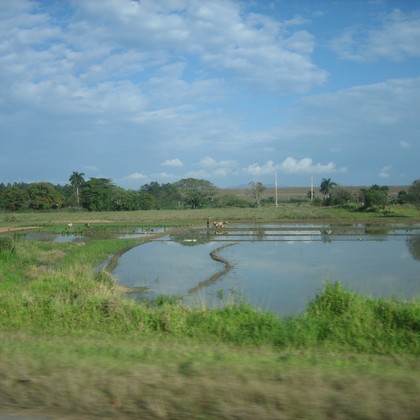 Rice fields and fish ponds
- Pasture and small-scale farm mosaic
-
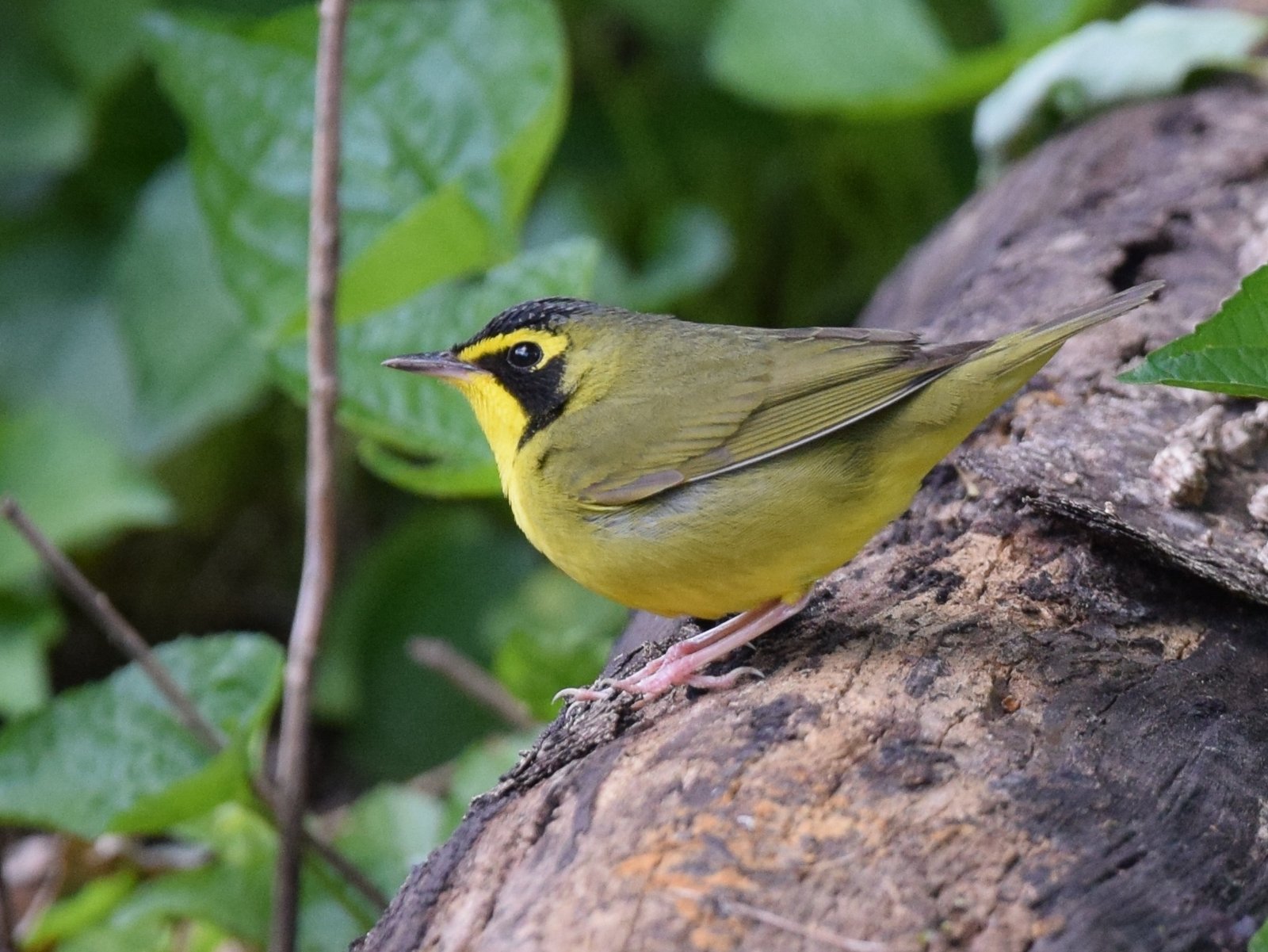
Kentucky Warbler
Geothlypis formosa- Semi-evergreen and moist forest
- Montane rainforest
- Limestone karst forest
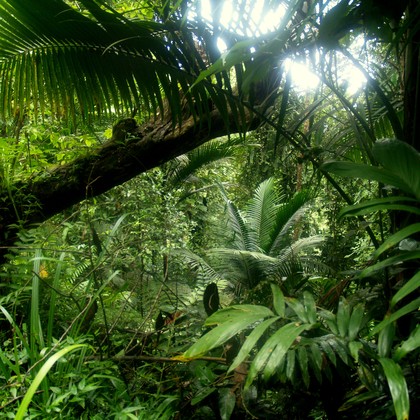 Lowland rainforest
-
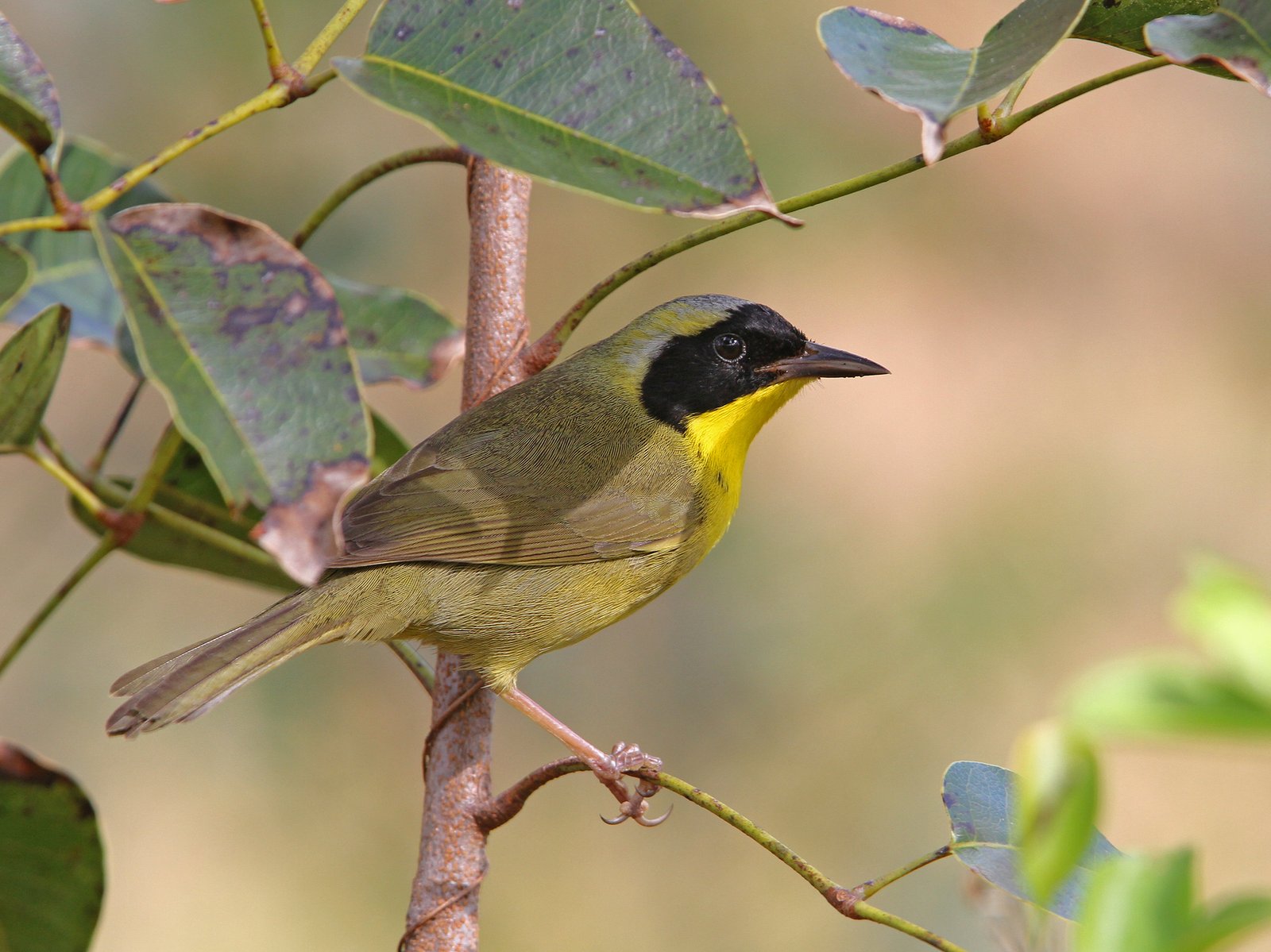
Bahama Yellowthroat
Geothlypis rostrata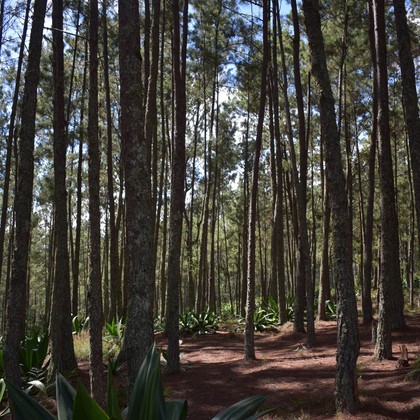 Pine forest
- Coastal woodland
- Coastal and beach scrub
- Dry deciduous forest
-
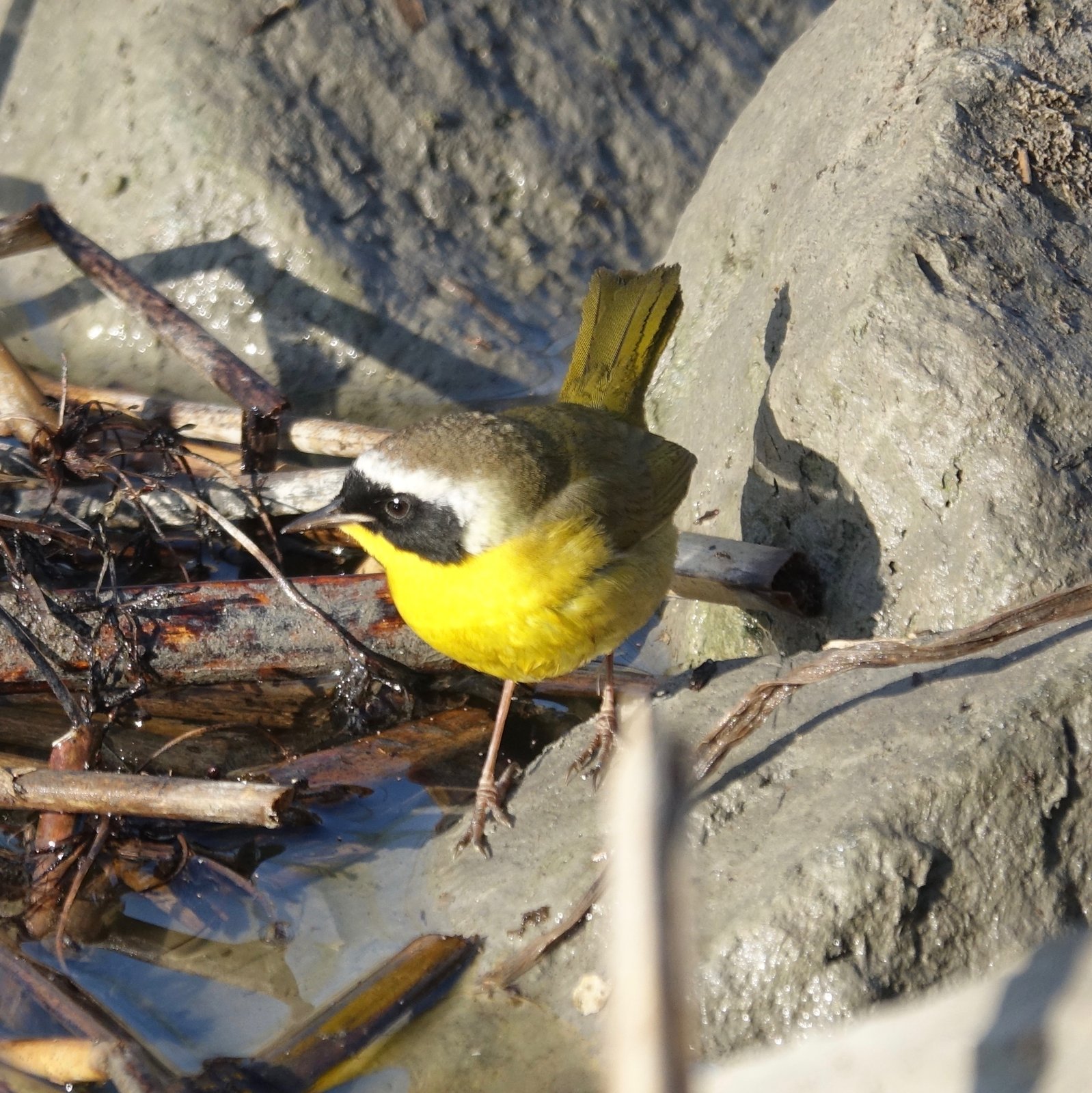
Common Yellowthroat
Geothlypis trichas- Freshwater marsh with reeds and sedges
- Swamp forest and palm swamp
- Mangrove
- Coastal and beach scrub
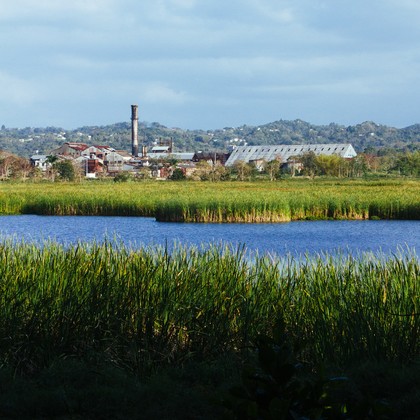 Sugarcane and arable fields
- Pasture and small-scale farm mosaic
Catharopeza 1 species
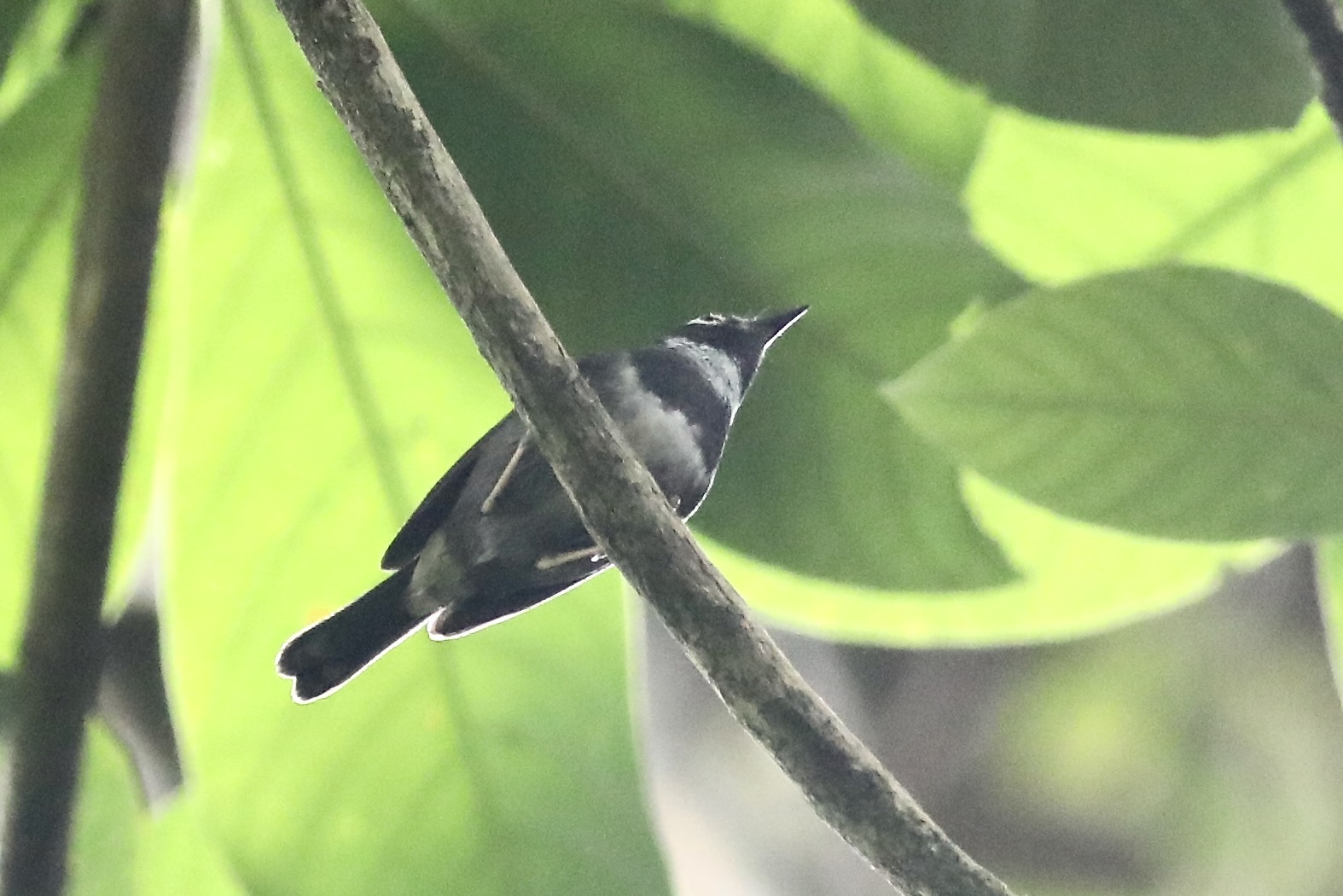
Setophaga 30 species
-
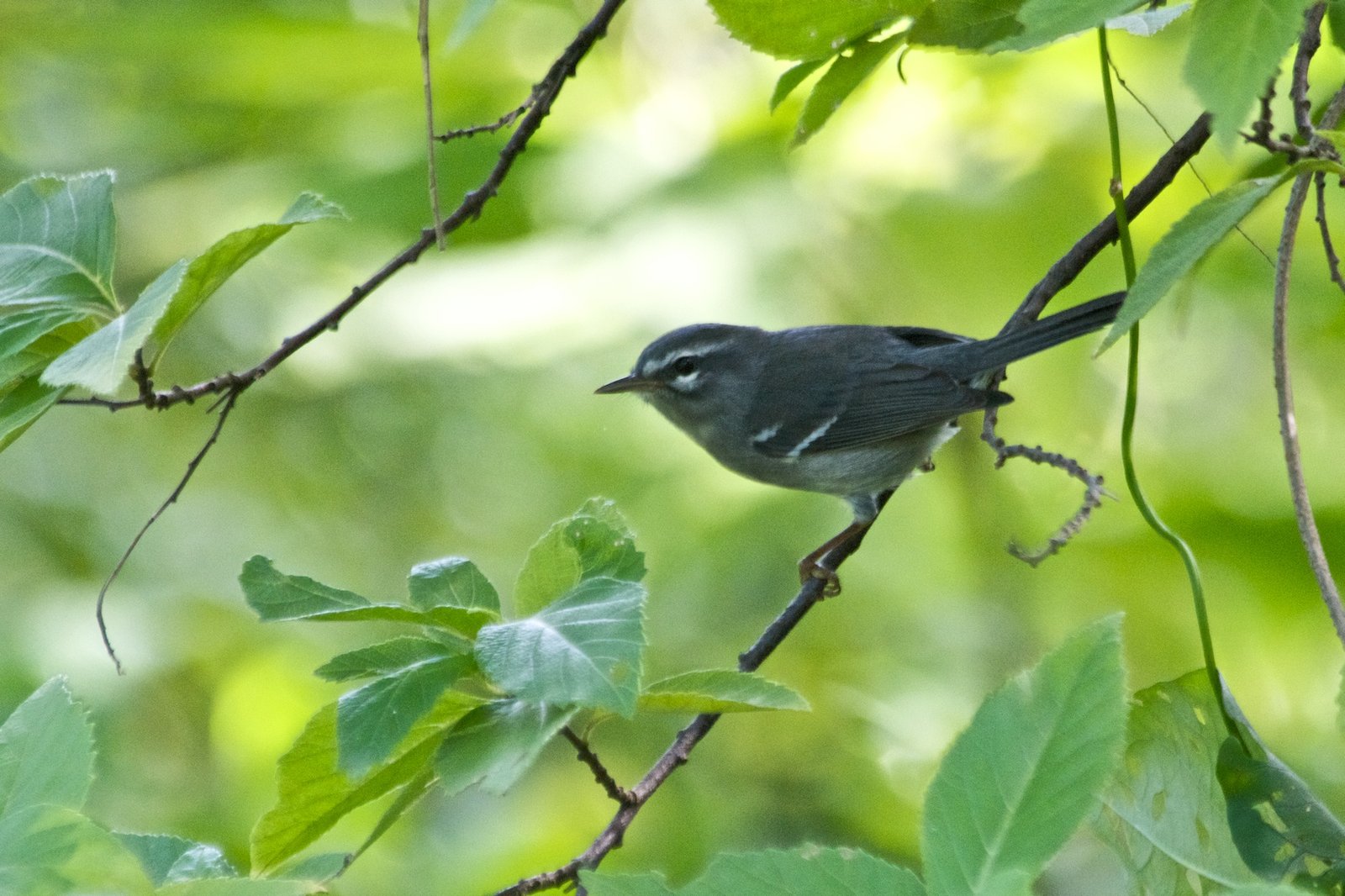
Plumbeous Warbler
Setophaga plumbea- Montane rainforest
- Semi-evergreen and moist forest
- Dry deciduous forest
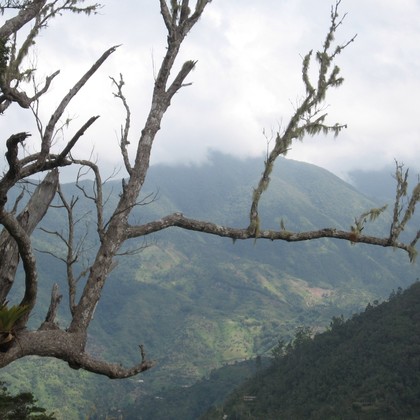 Cloud forest and elfin woodland
- Mangrove
-
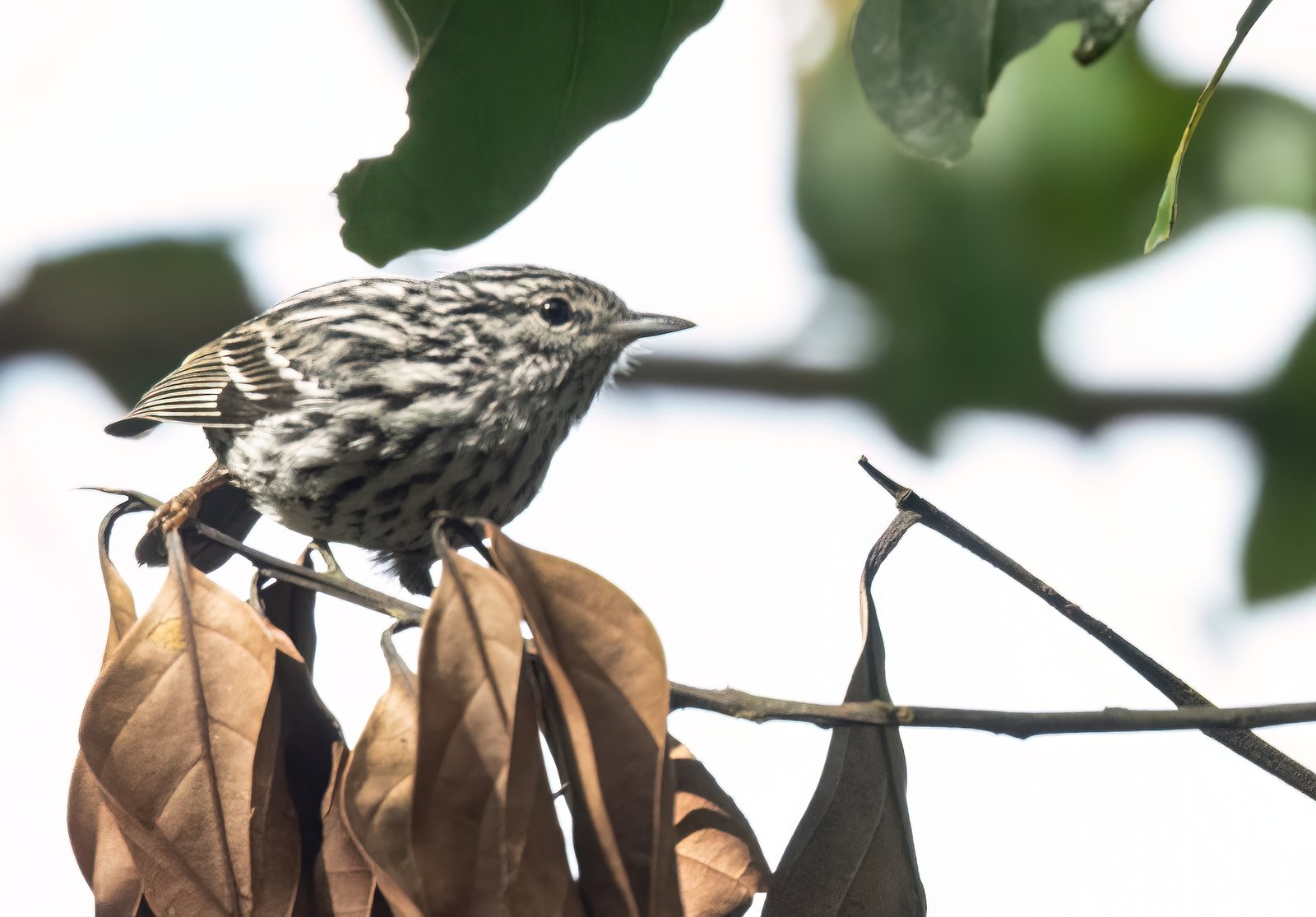
Arrowhead Warbler
Setophaga pharetra- Montane rainforest
- Cloud forest and elfin woodland
- Semi-evergreen and moist forest
- Limestone karst forest
-
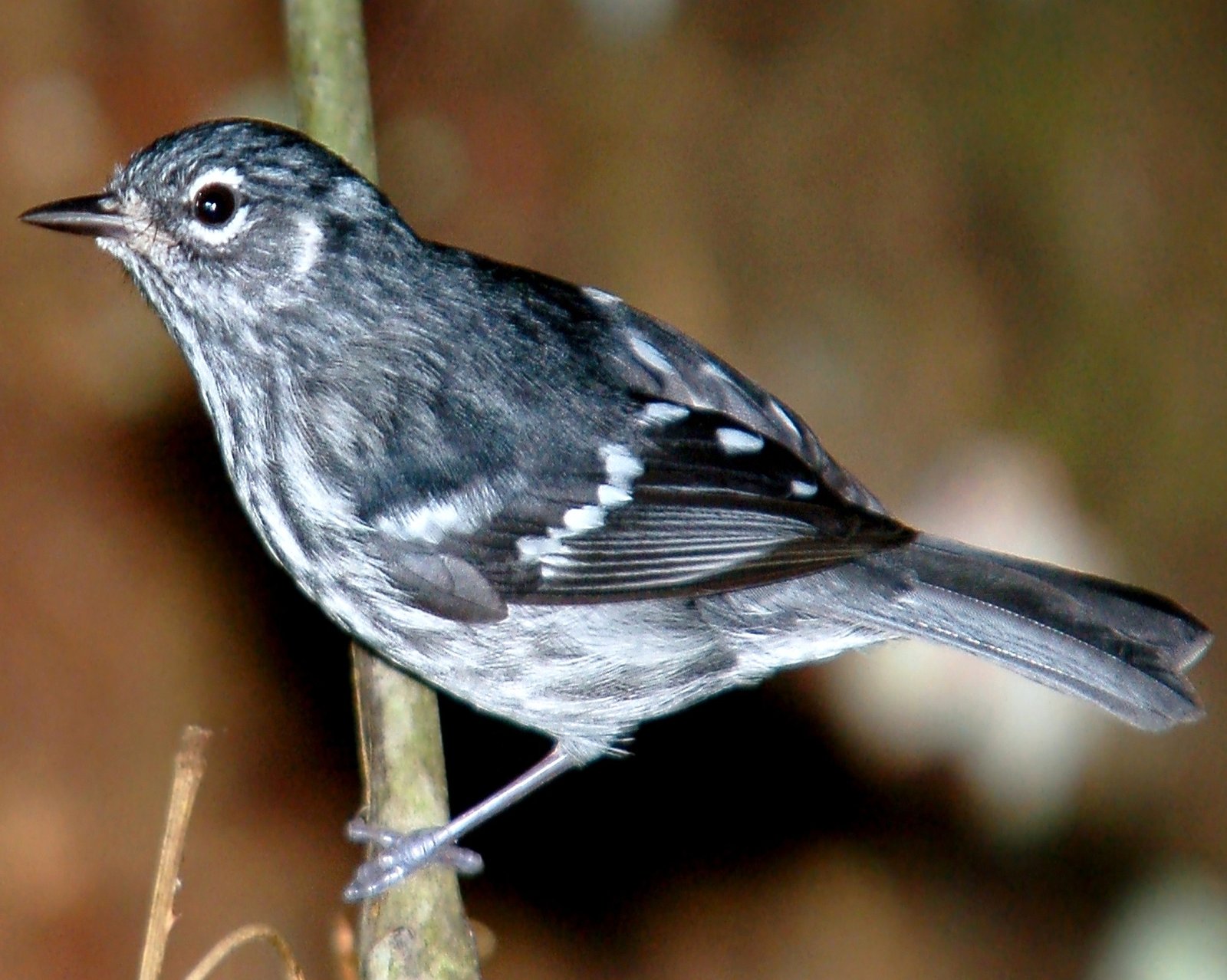
Elfin Woods Warbler
Setophaga angelae- Cloud forest and elfin woodland
- Montane rainforest
- Semi-evergreen and moist forest
- Coffee and cacao plantations
-
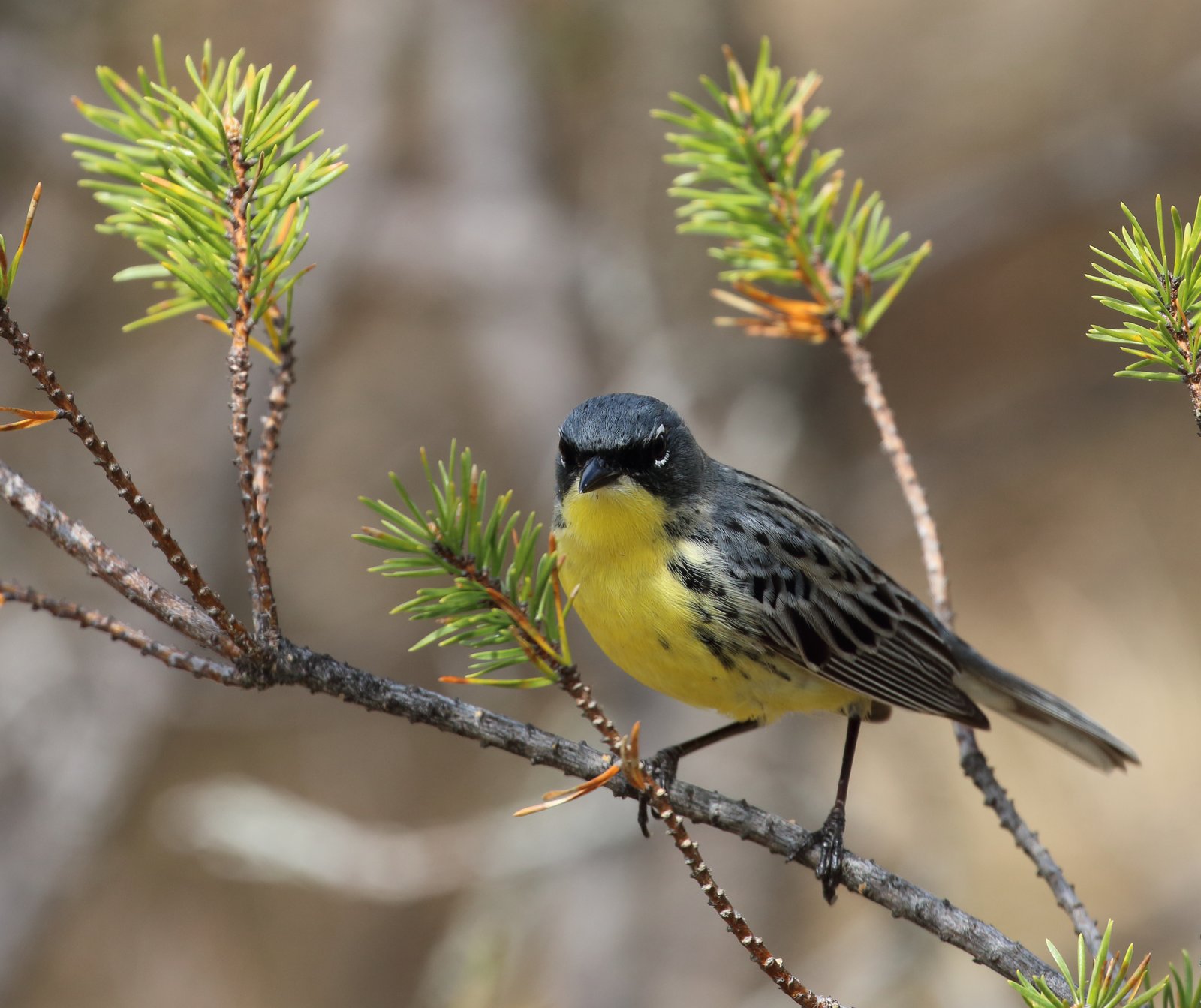
Kirtland's Warbler
Setophaga kirtlandii- Coastal and beach scrub
- Coastal woodland
- Thorn scrub and cactus scrub
-
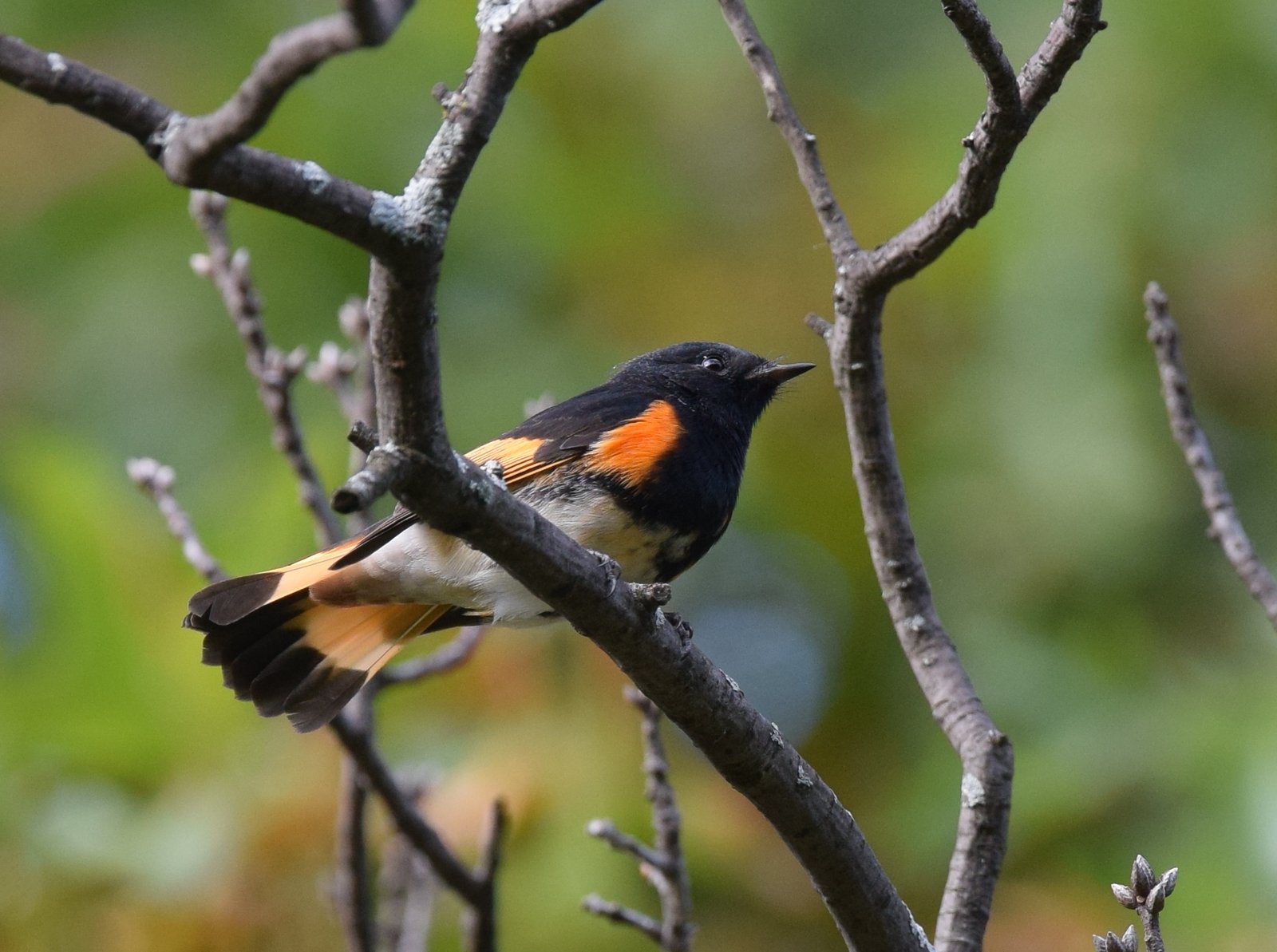
American Redstart
Setophaga ruticilla- Semi-evergreen and moist forest
- Dry deciduous forest
- Coastal woodland
- Mangrove
- Montane rainforest
- Coffee and cacao plantations
- Villages, towns and gardens
-
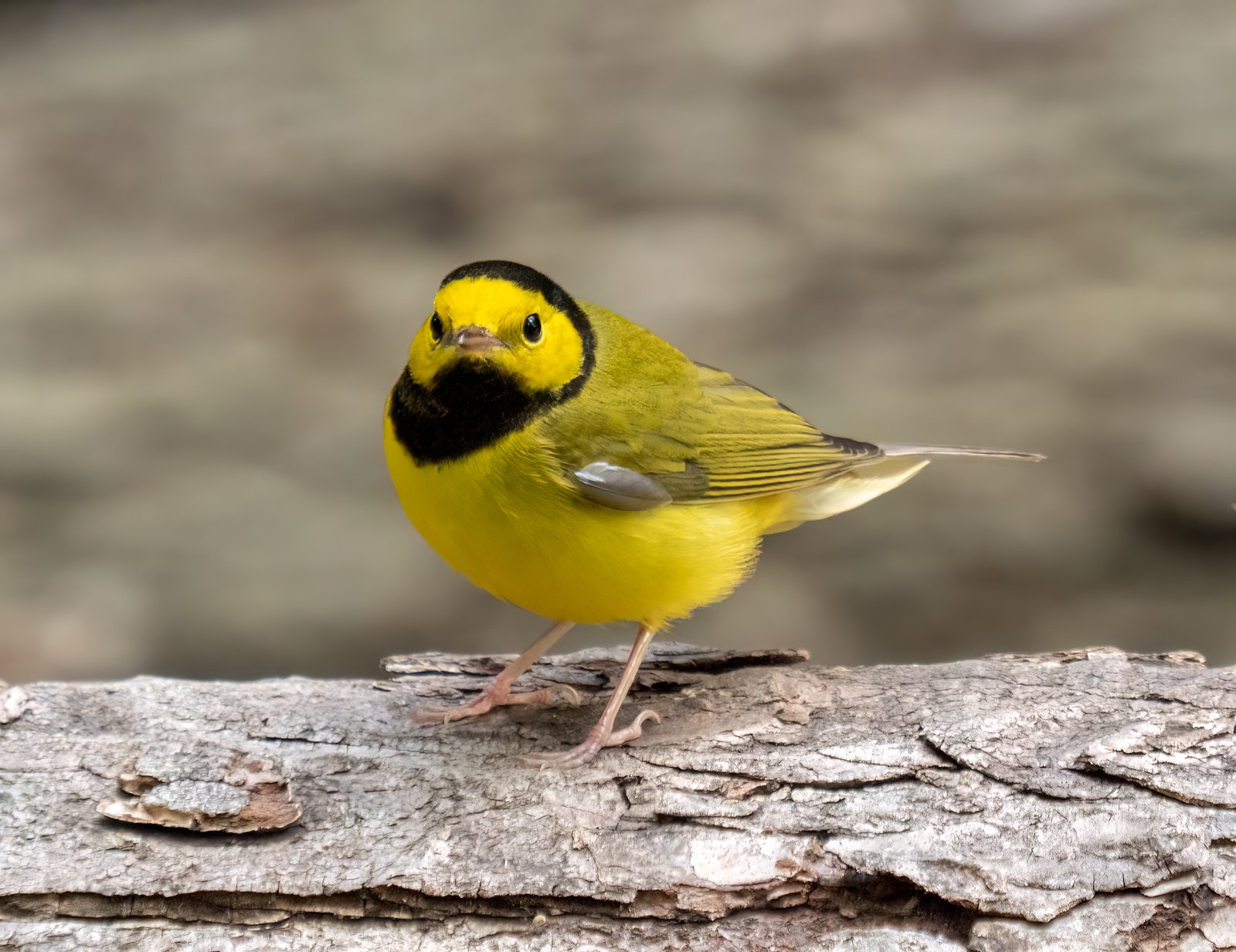
Hooded Warbler
Setophaga citrina- Semi-evergreen and moist forest
- Coastal woodland
- Dry deciduous forest
- Coffee and cacao plantations
-
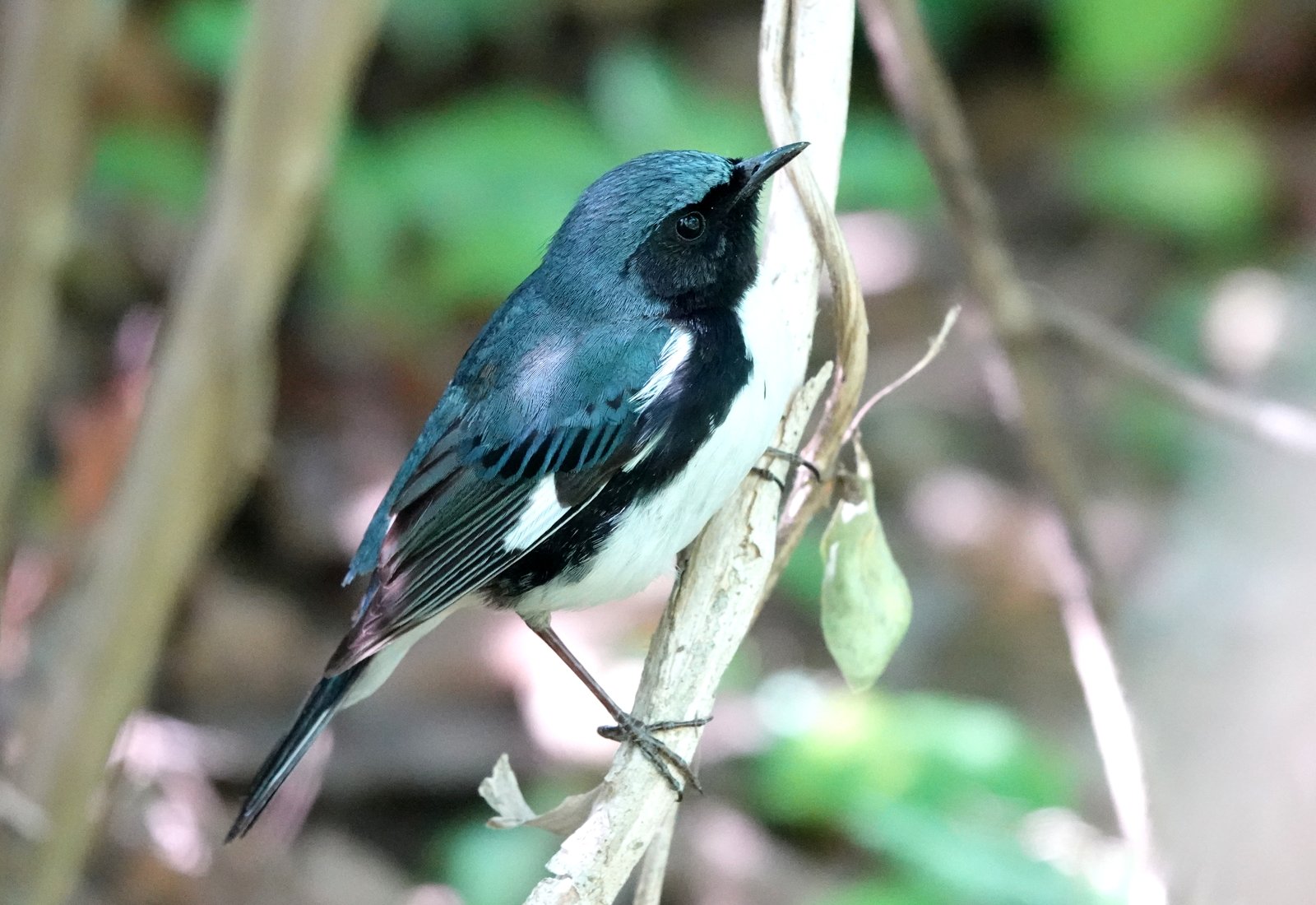
Black-throated Blue Warbler
Setophaga caerulescens- Semi-evergreen and moist forest
- Montane rainforest
- Cloud forest and elfin woodland
- Limestone karst forest
- Dry deciduous forest
- Coffee and cacao plantations
-
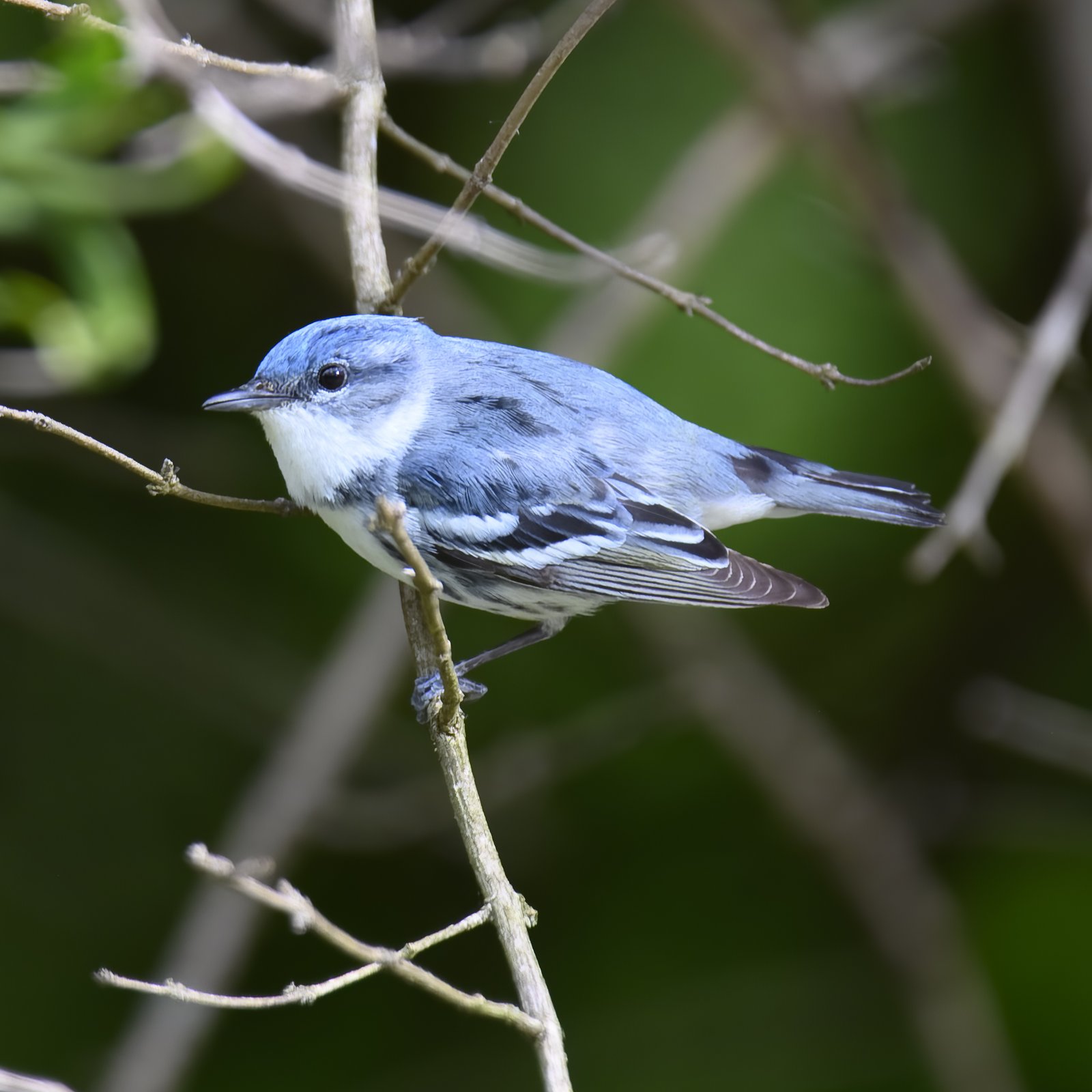
Cerulean Warbler
Setophaga cerulea- Semi-evergreen and moist forest
- Dry deciduous forest
- Coastal woodland
- Montane rainforest
-
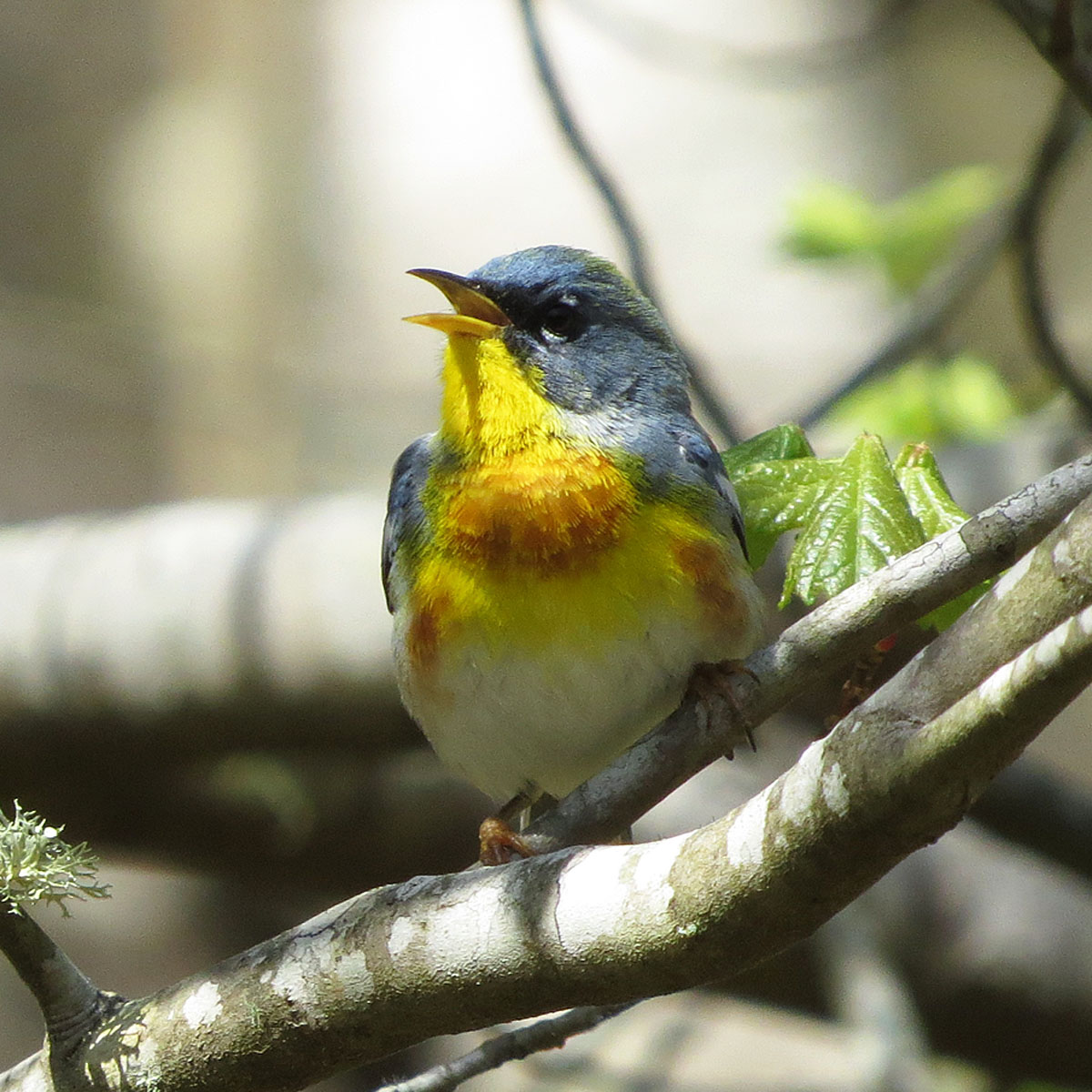
Northern Parula
Setophaga americana- Semi-evergreen and moist forest
- Dry deciduous forest
- Coastal woodland
- Mangrove
- Pine forest
- Coffee and cacao plantations
- Villages, towns and gardens
-
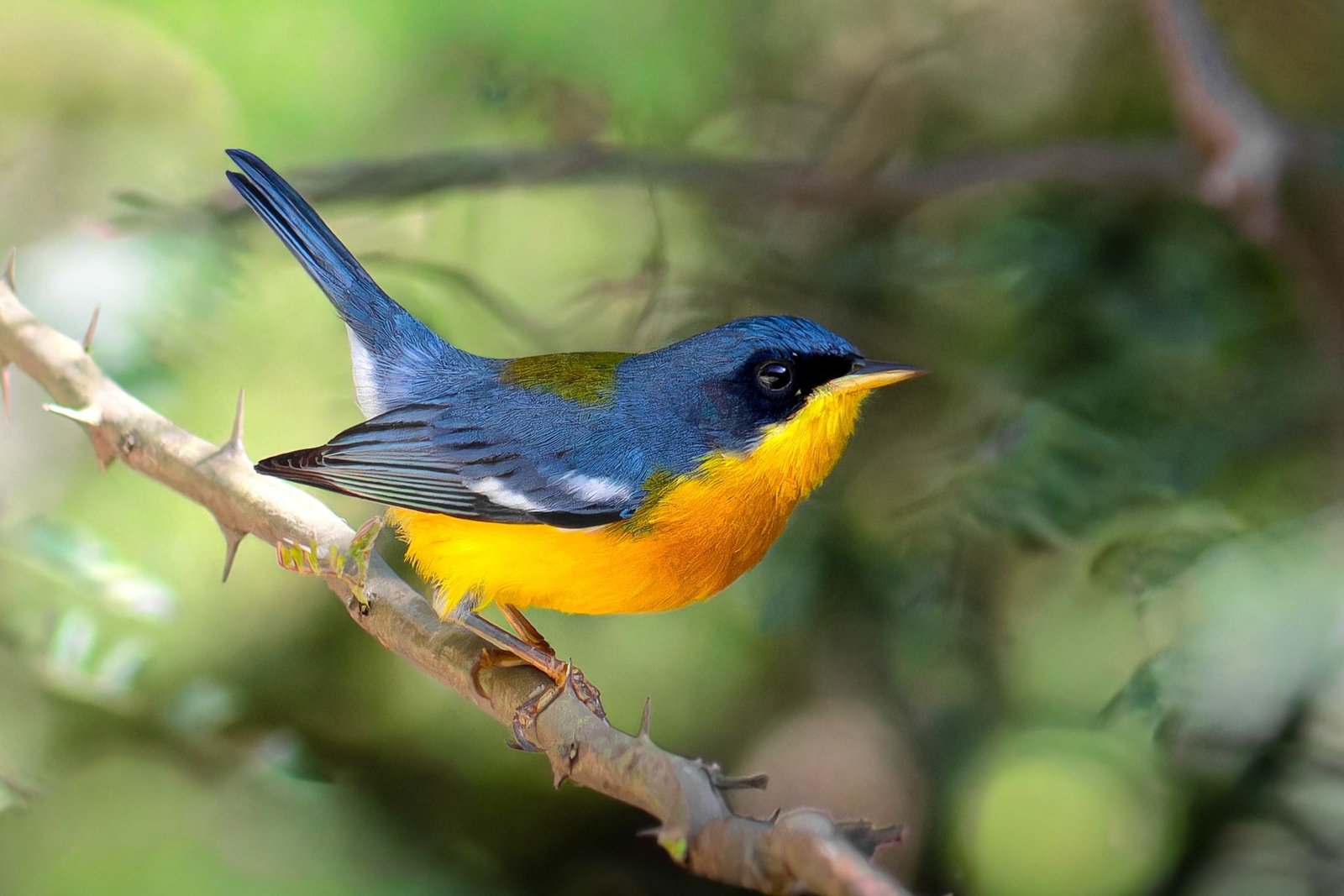
Tropical Parula
Setophaga pitiayumi- Semi-evergreen and moist forest
- Lowland rainforest
- Montane rainforest
- Coffee and cacao plantations
-
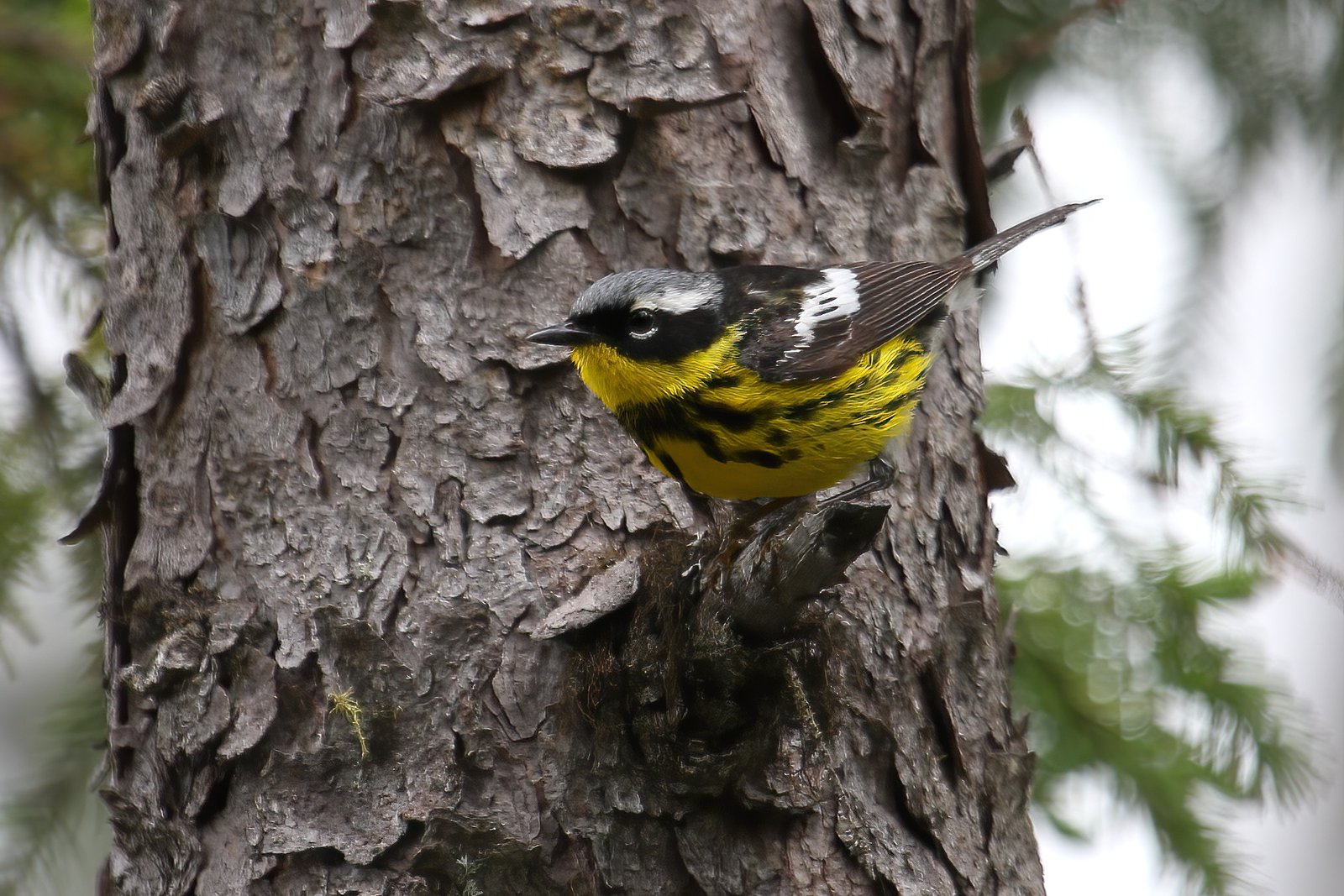
Magnolia Warbler
Setophaga magnolia- Dry deciduous forest
- Semi-evergreen and moist forest
- Coastal woodland
- Coastal and beach scrub
- Mangrove
- Villages, towns and gardens
-
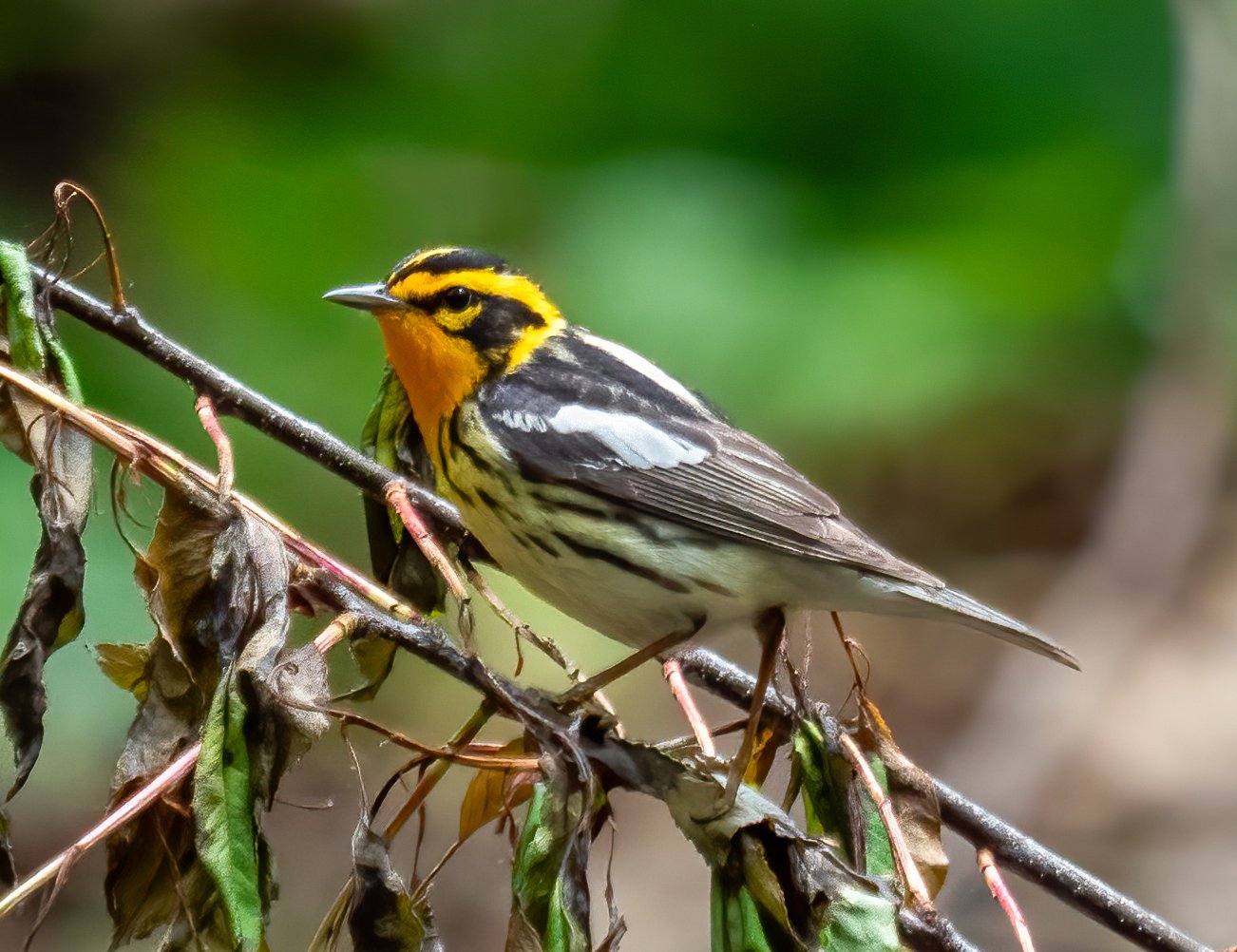
Blackburnian Warbler
Setophaga fusca- Semi-evergreen and moist forest
- Montane rainforest
- Pine forest
- Coastal woodland
- Dry deciduous forest
-
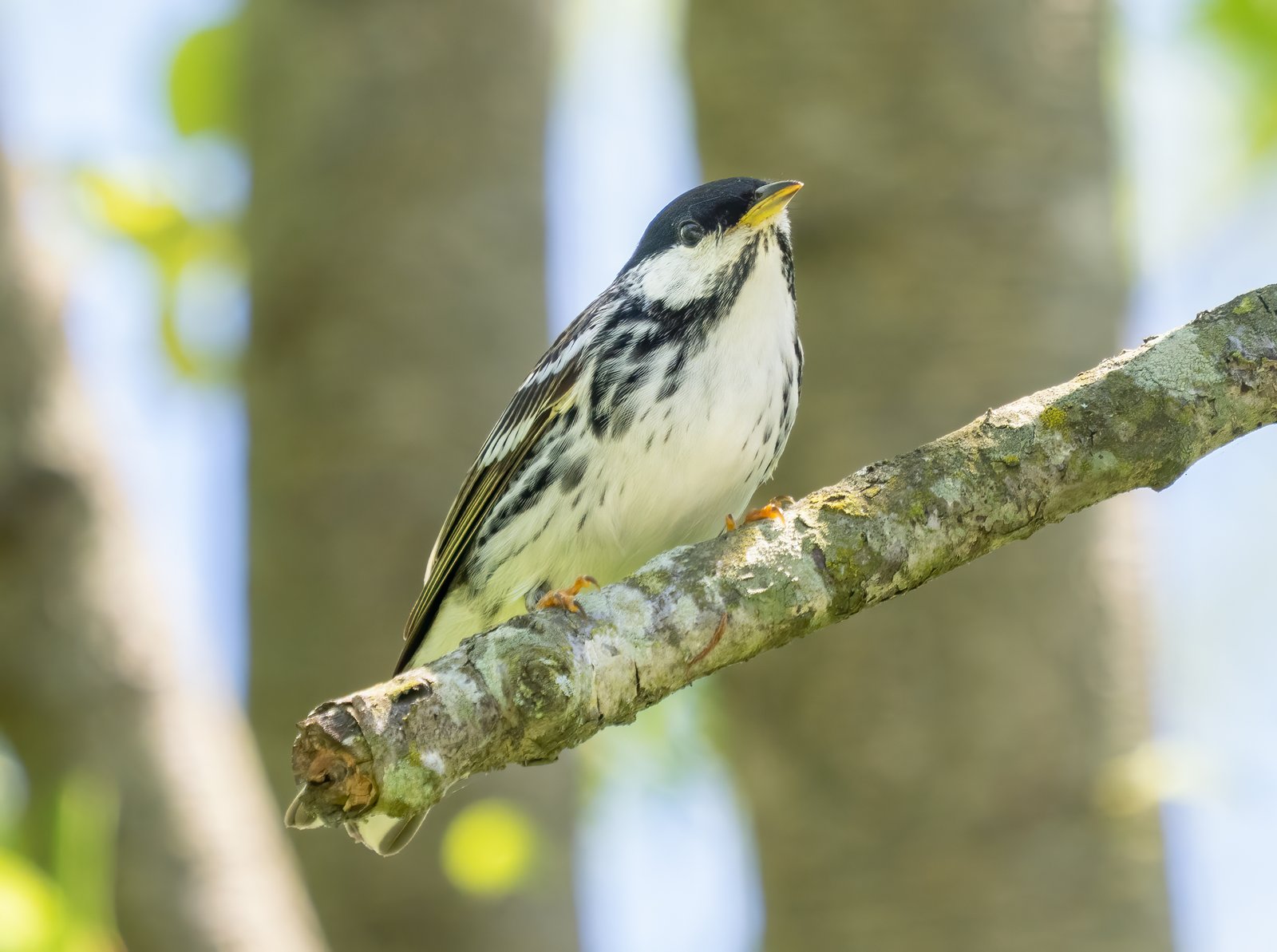
Blackpoll Warbler
Setophaga striata- Semi-evergreen and moist forest
- Coastal woodland
- Dry deciduous forest
- Mangrove
- Coastal and beach scrub
- Villages, towns and gardens
-
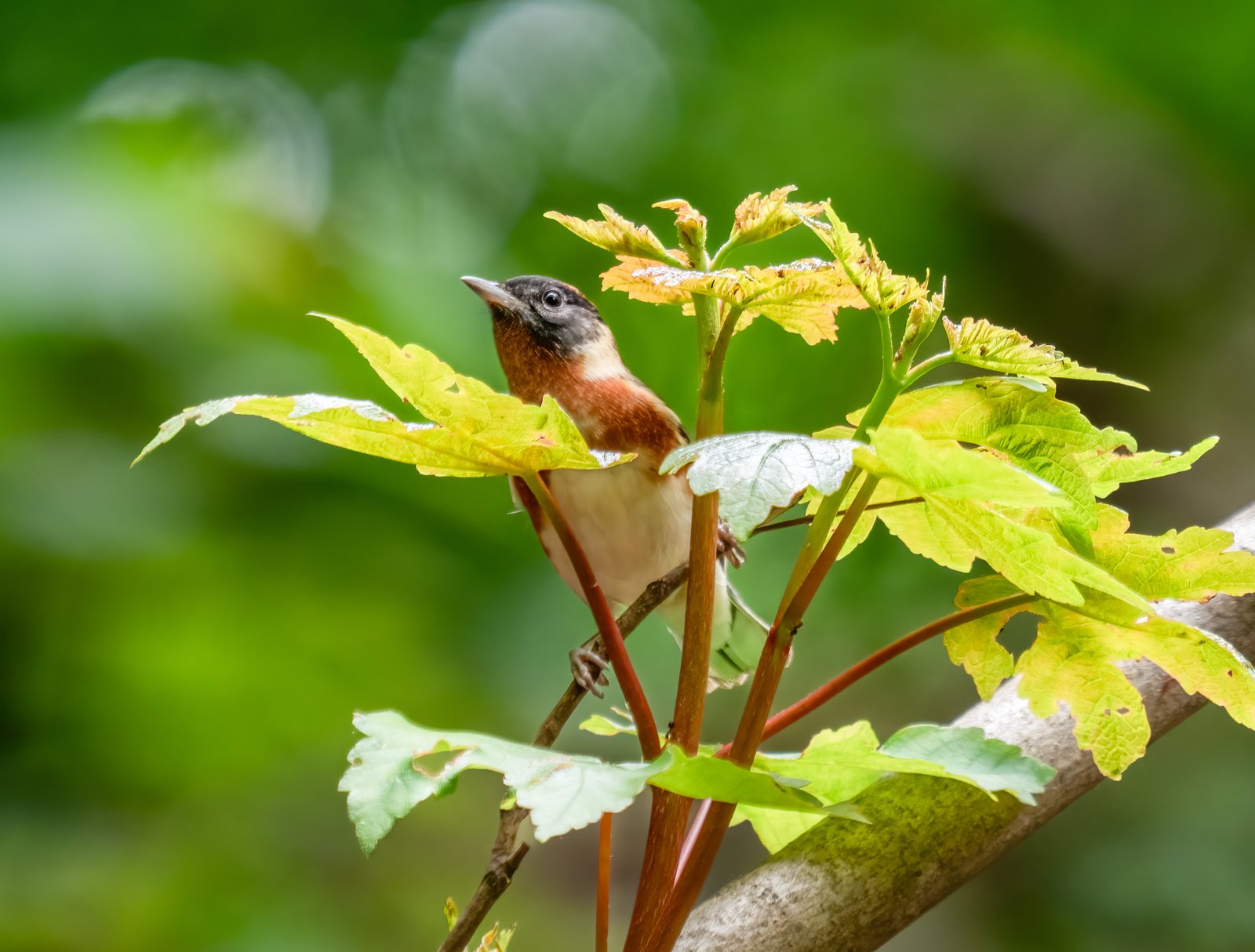
Bay-breasted Warbler
Setophaga castanea- Semi-evergreen and moist forest
- Coastal woodland
- Dry deciduous forest
- Villages, towns and gardens
-
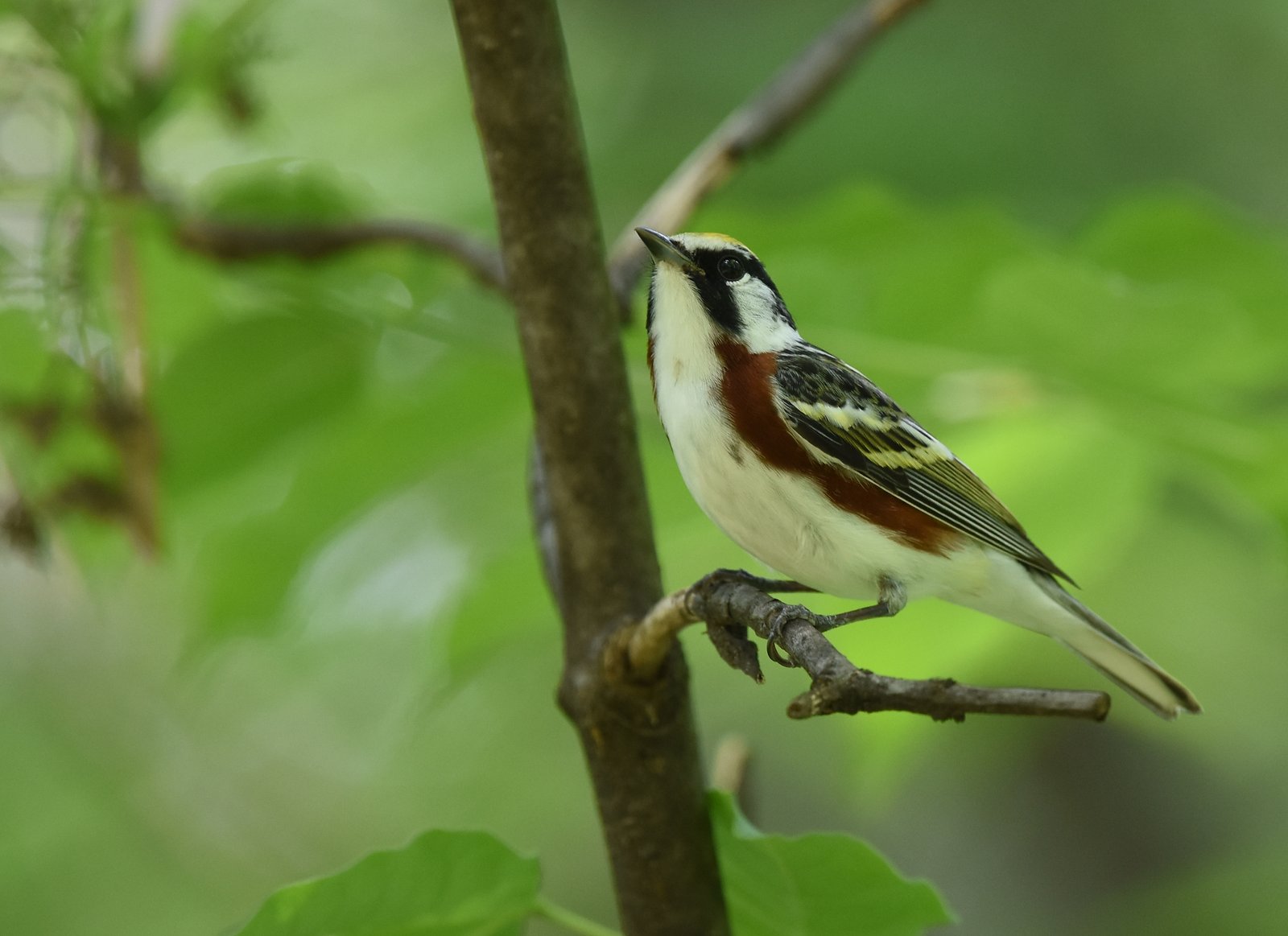
Chestnut-sided Warbler
Setophaga pensylvanica- Semi-evergreen and moist forest
- Dry deciduous forest
- Coastal woodland
- Villages, towns and gardens
-
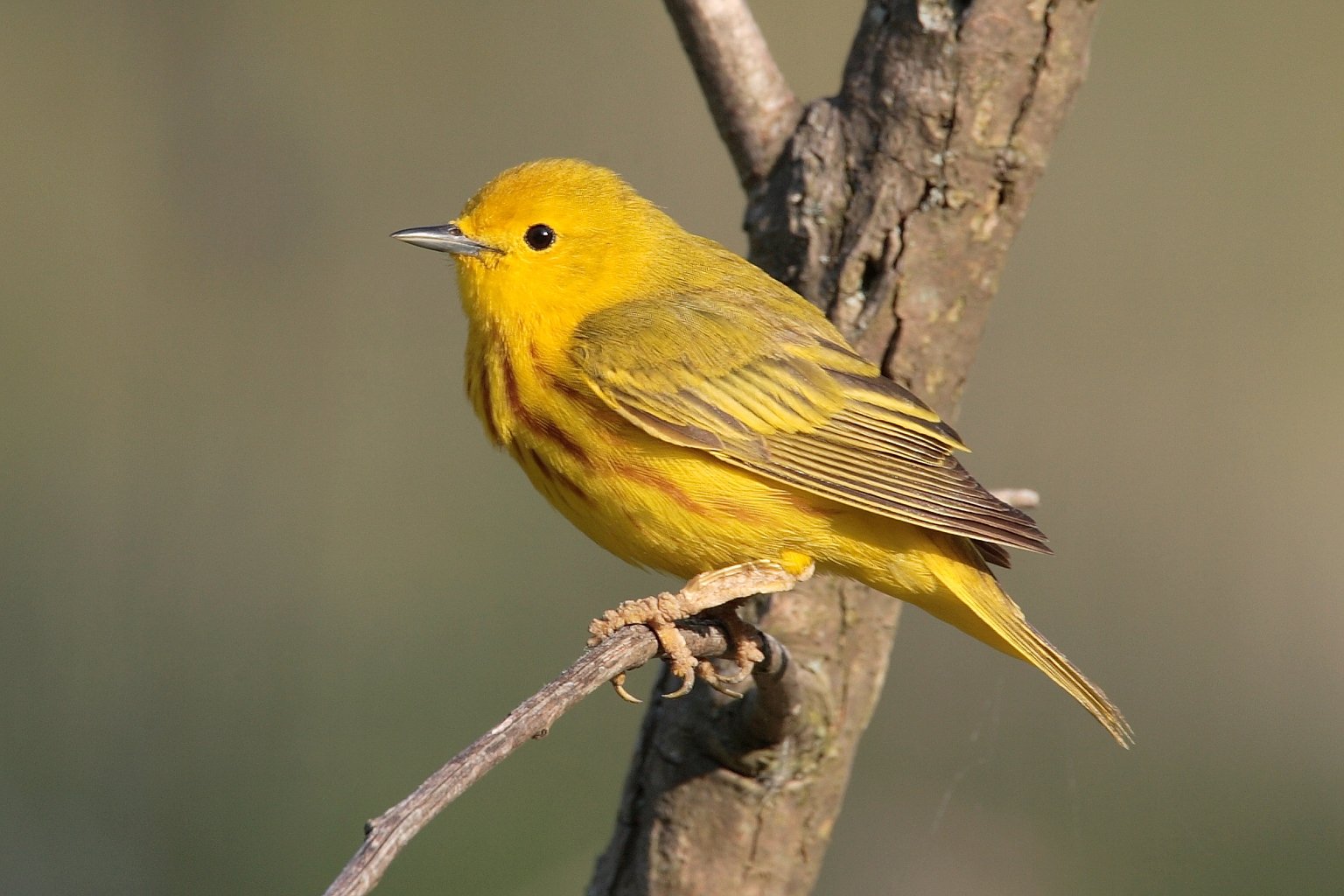
American Yellow Warbler
Setophaga aestiva- Mangrove
- Coastal and beach scrub
- Thorn scrub and cactus scrub
- Coastal woodland
- Villages, towns and gardens
-
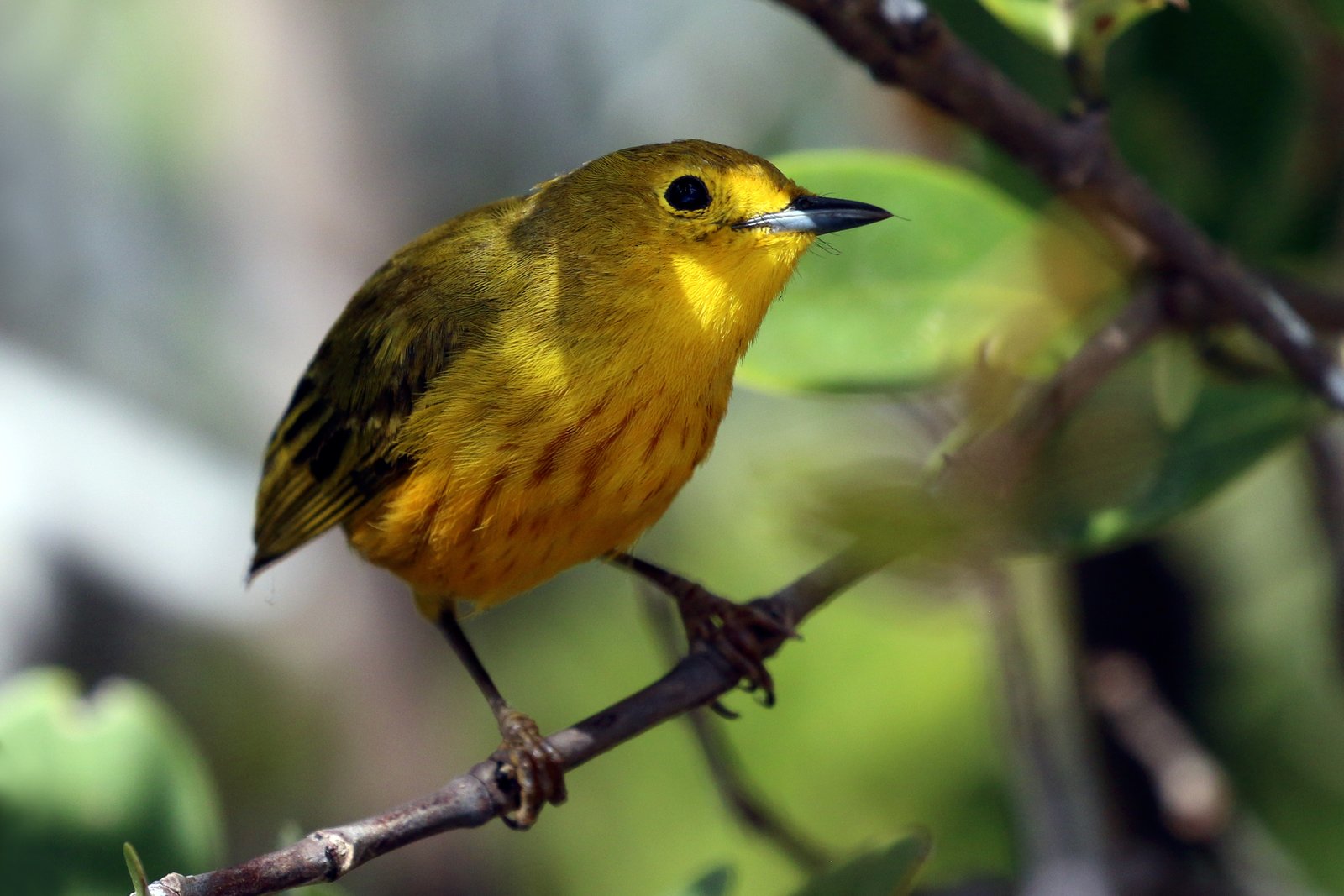
Mangrove Warbler
Setophaga petechia- Mangrove
- Coastal woodland
- Coastal and beach scrub
- Thorn scrub and cactus scrub
- Villages, towns and gardens
-
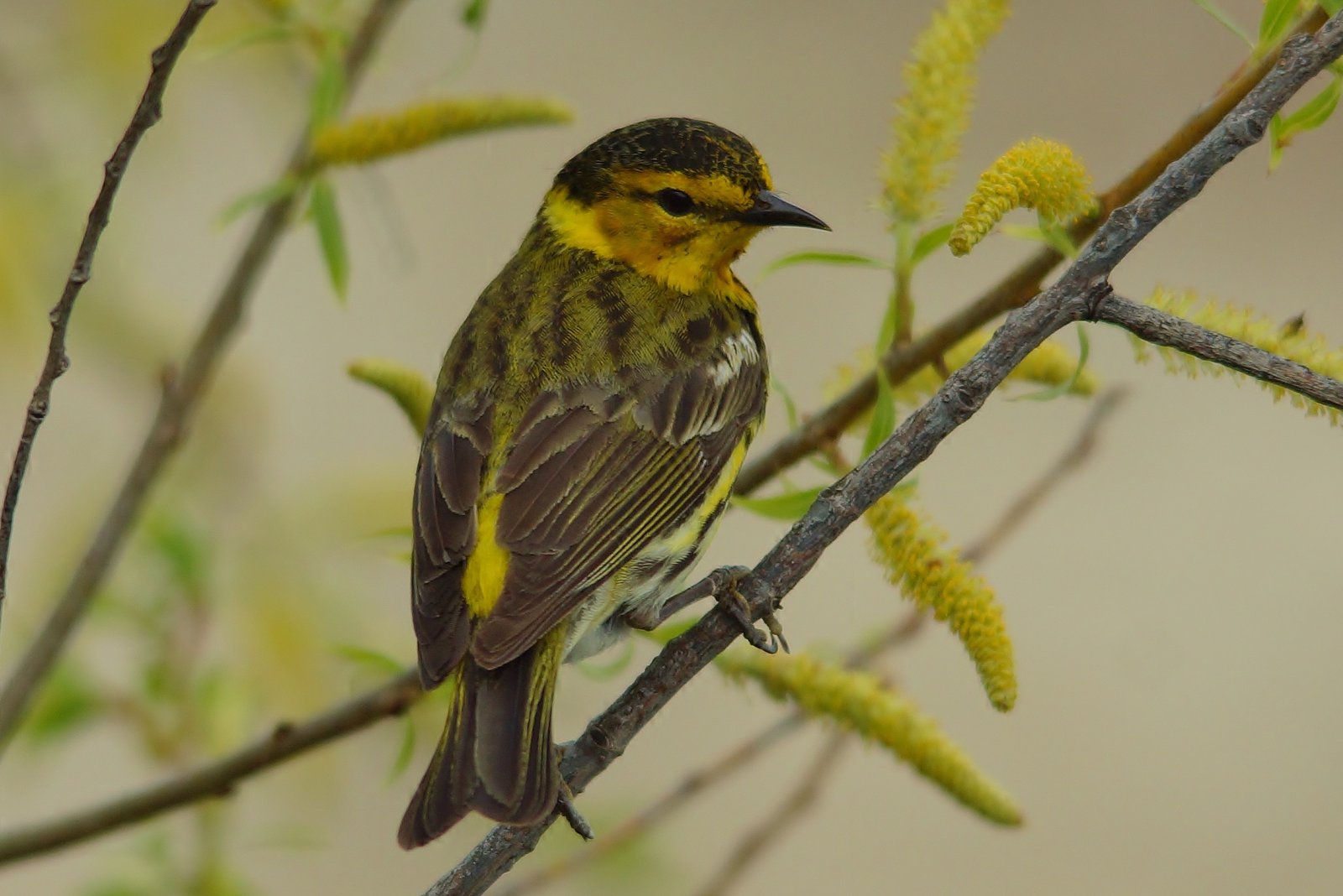
Cape May Warbler
Setophaga tigrina- Semi-evergreen and moist forest
- Dry deciduous forest
- Pine forest
- Coastal woodland
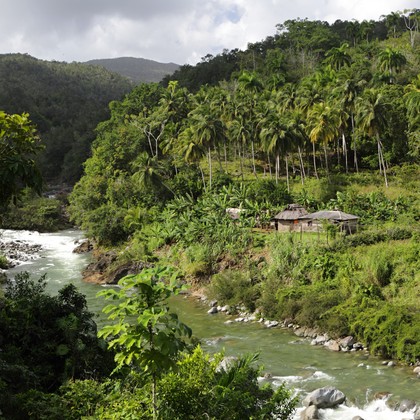 Coconut, citrus and fruit plantations
- Villages, towns and gardens
-
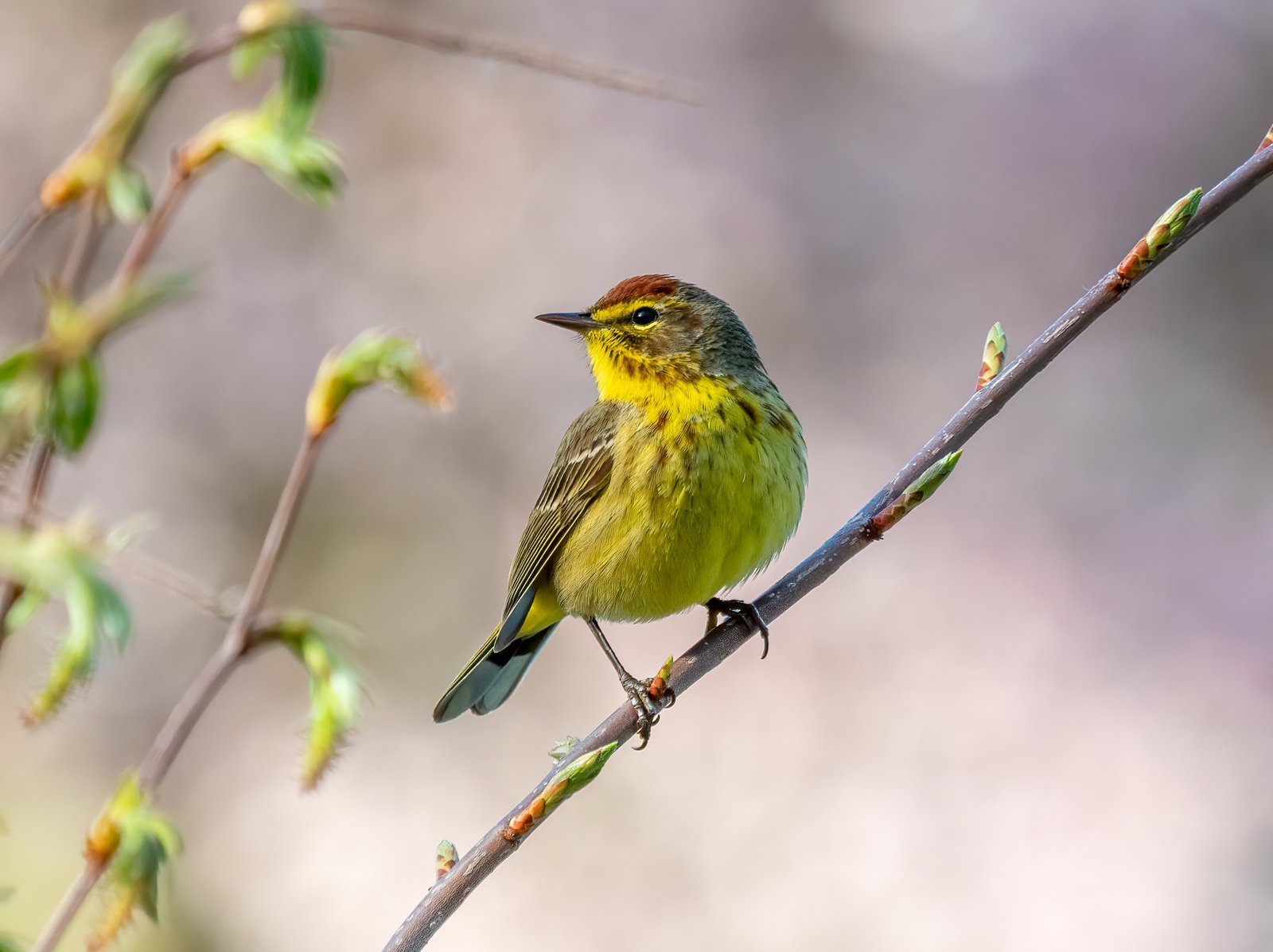
Palm Warbler
Setophaga palmarum- Savanna and open grassland
- Pasture and small-scale farm mosaic
- Coastal and beach scrub
- Thorn scrub and cactus scrub
- Coastal woodland
- Villages, towns and gardens
-
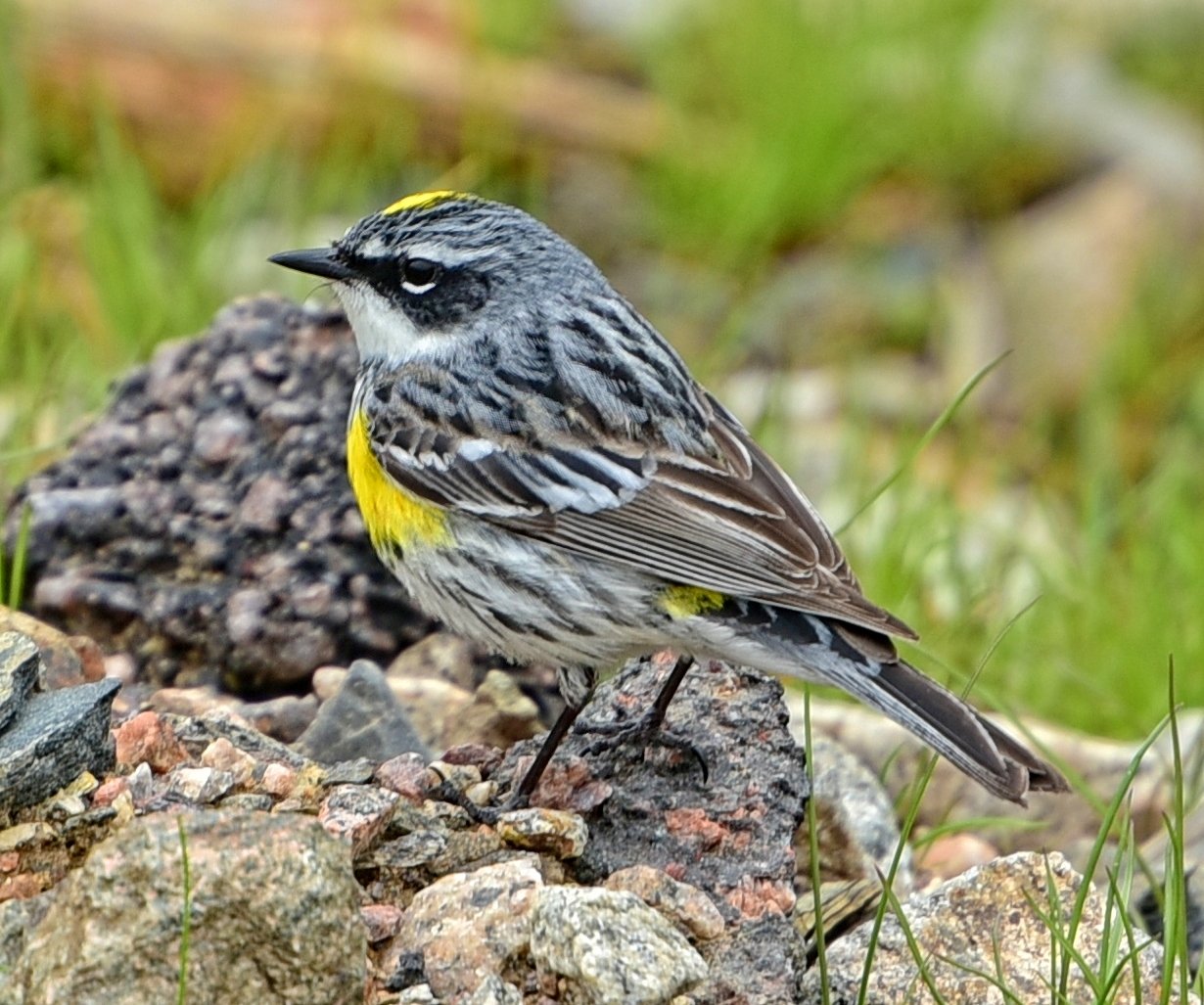
Yellow-rumped Warbler
Setophaga coronata- Pine forest
- Coastal woodland
- Dry deciduous forest
- Coastal and beach scrub
- Mangrove
- Villages, towns and gardens
-
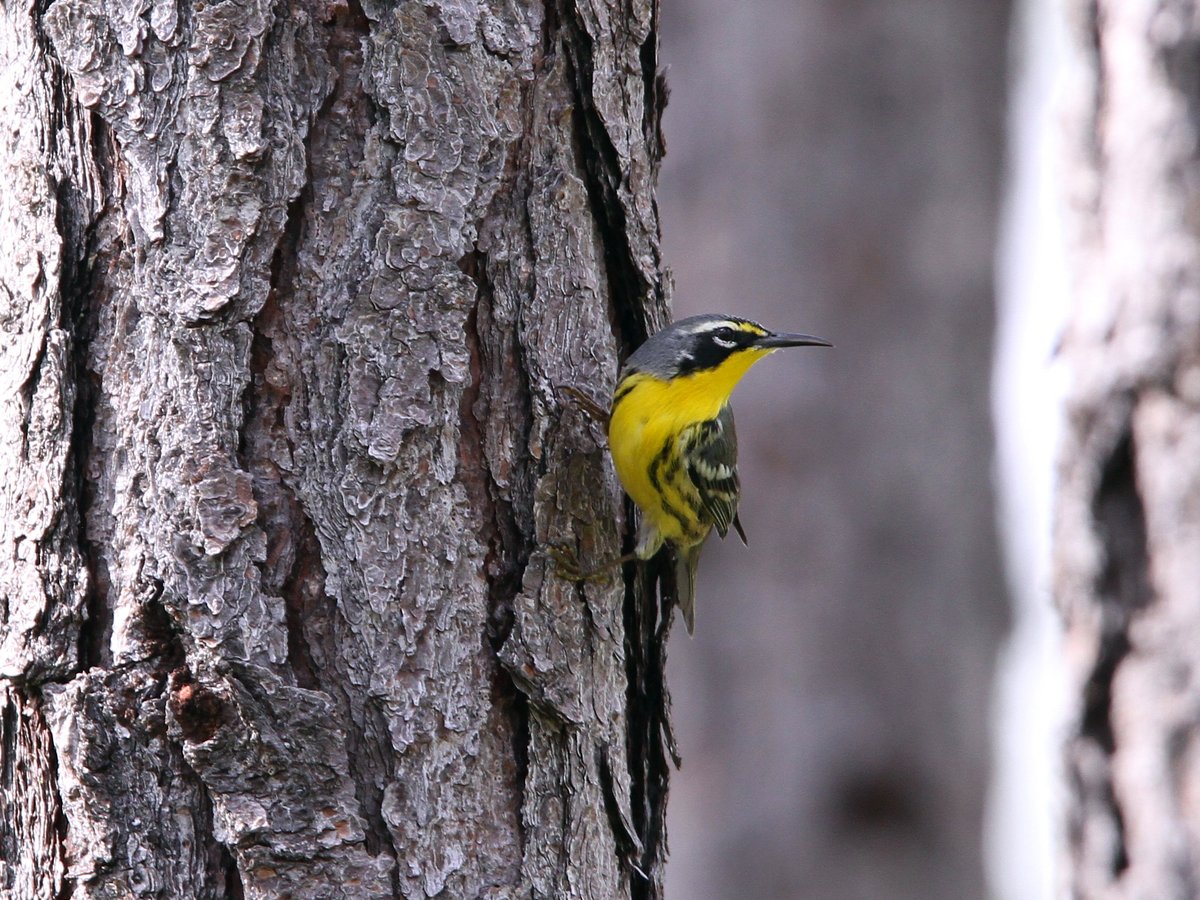
Bahama Warbler
Setophaga flavescens- Pine forest
-
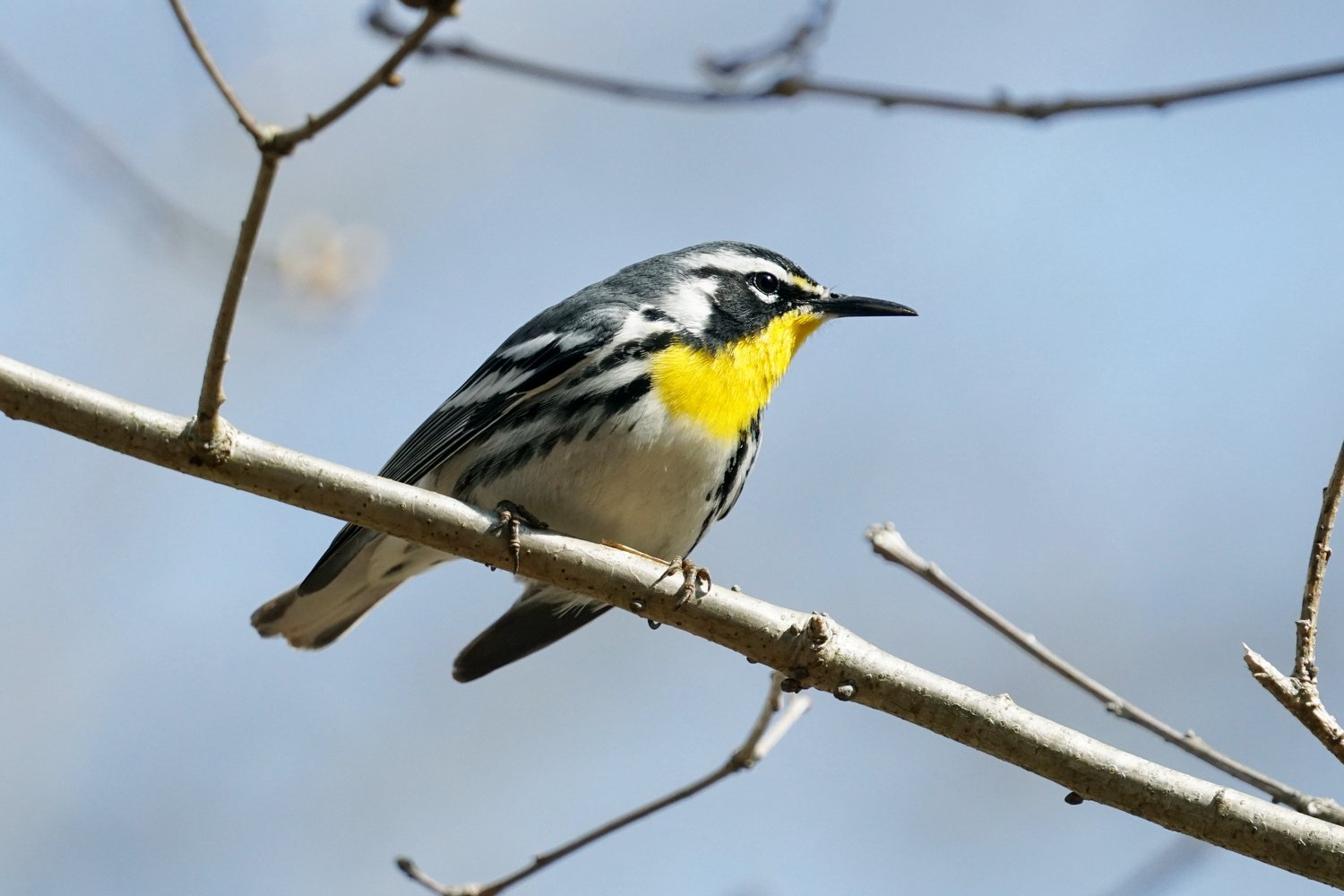
Yellow-throated Warbler
Setophaga dominica- Pine forest
- Coastal woodland
- Semi-evergreen and moist forest
- Mangrove
- Villages, towns and gardens
- Coconut, citrus and fruit plantations
-
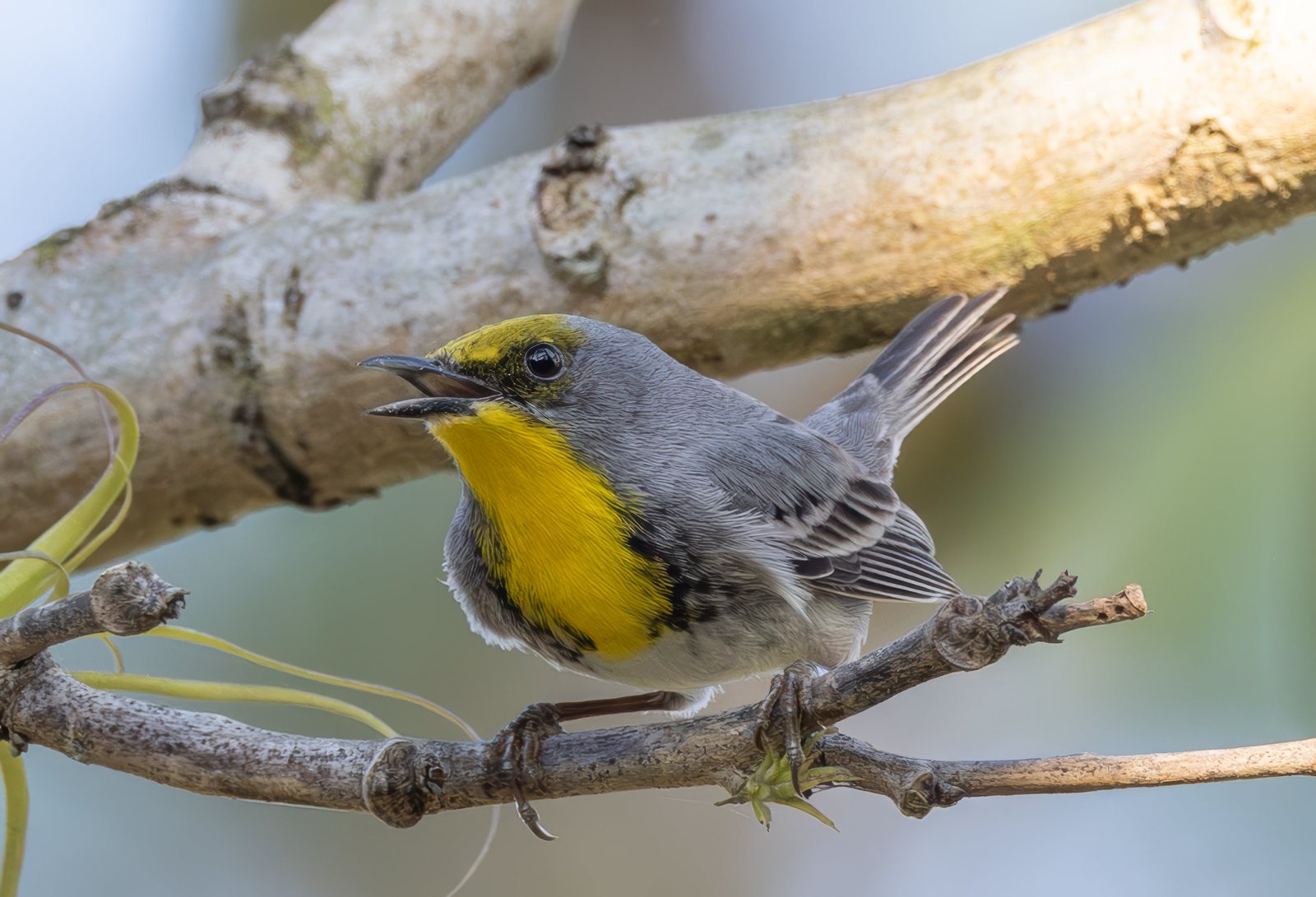
Olive-capped Warbler
Setophaga pityophila- Pine forest
-
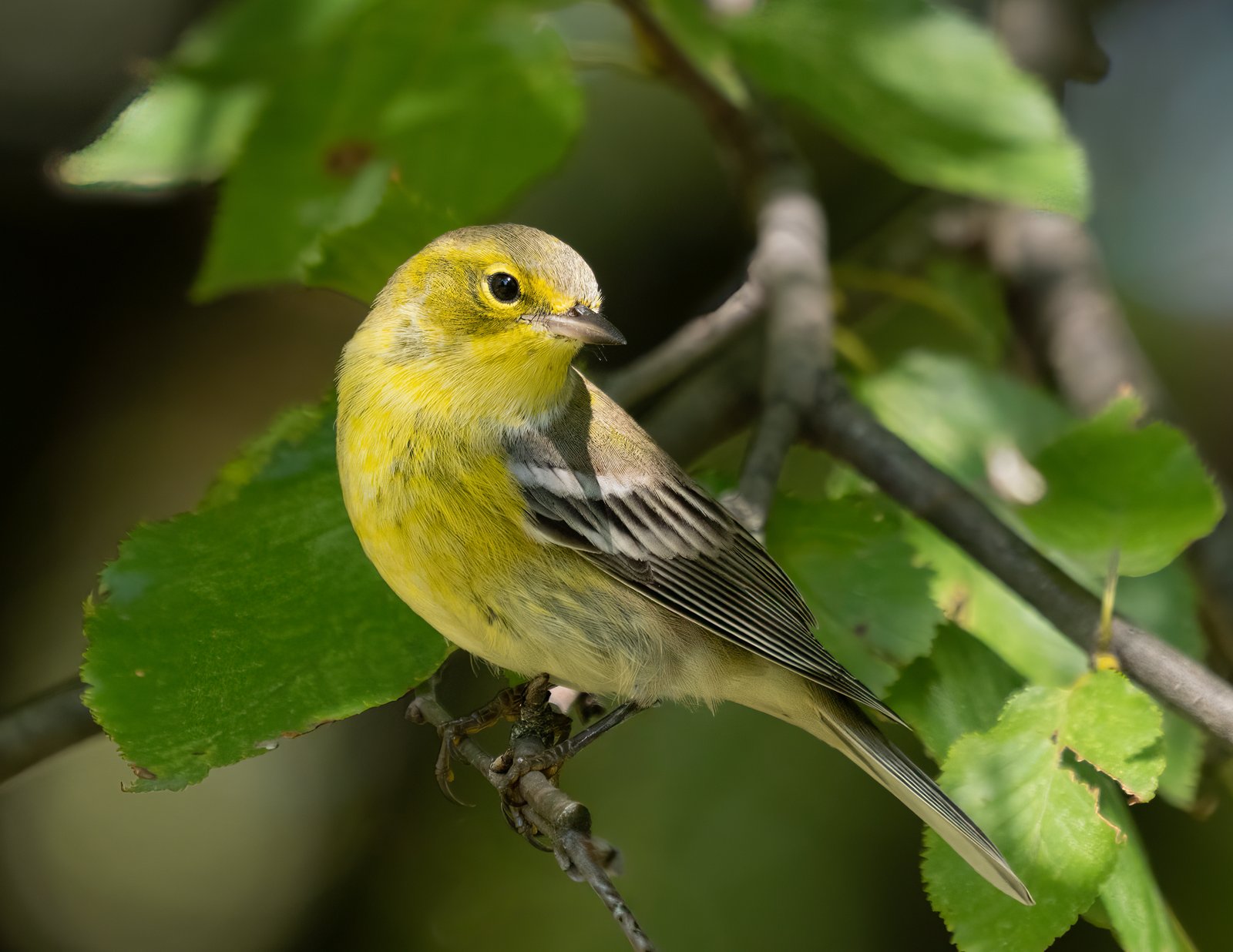
Pine Warbler
Setophaga pinus- Pine forest
-
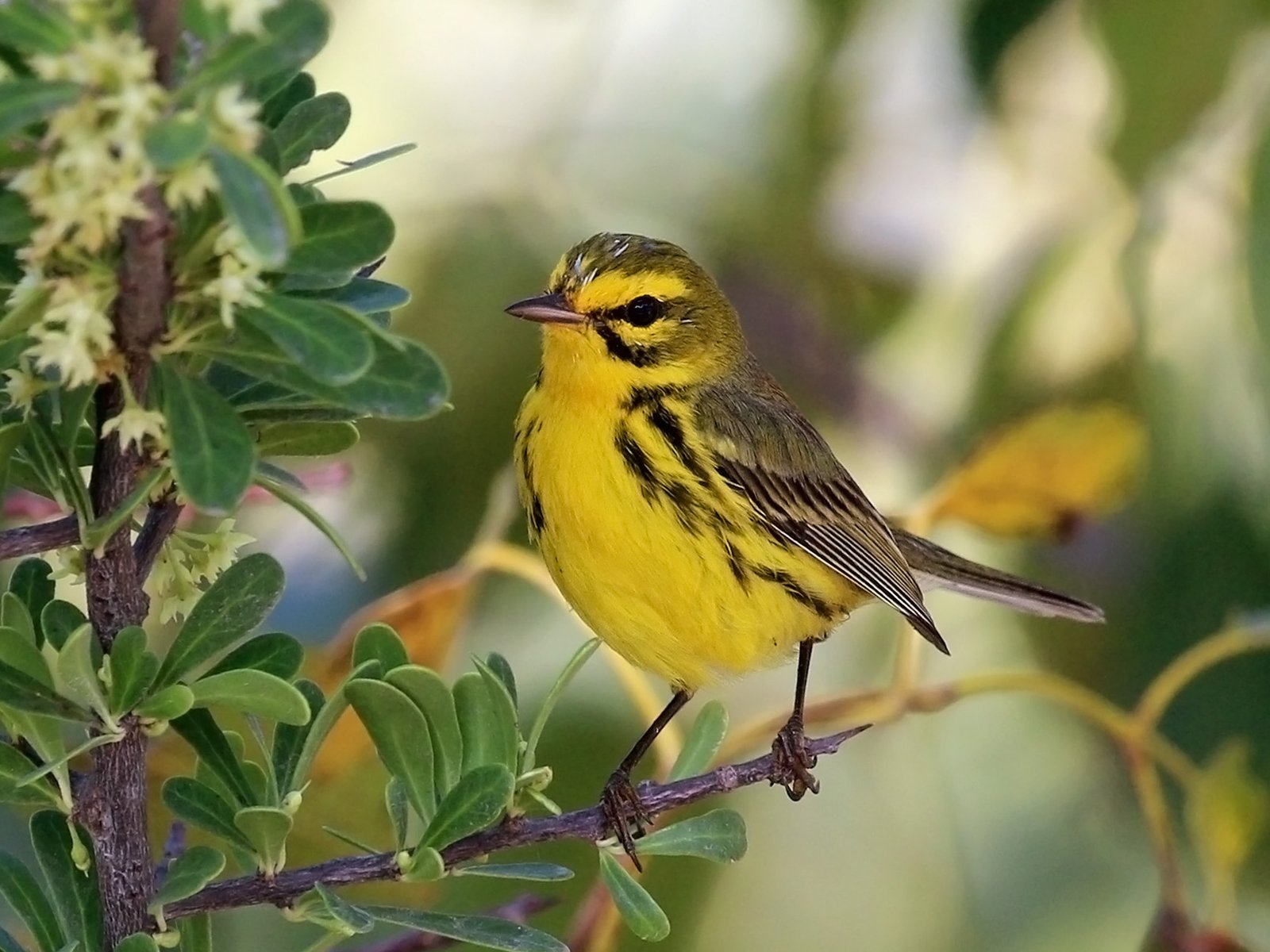
Prairie Warbler
Setophaga discolor- Coastal and beach scrub
- Thorn scrub and cactus scrub
- Mangrove
- Dry deciduous forest
- Coastal woodland
- Pasture and small-scale farm mosaic
- Villages, towns and gardens
-
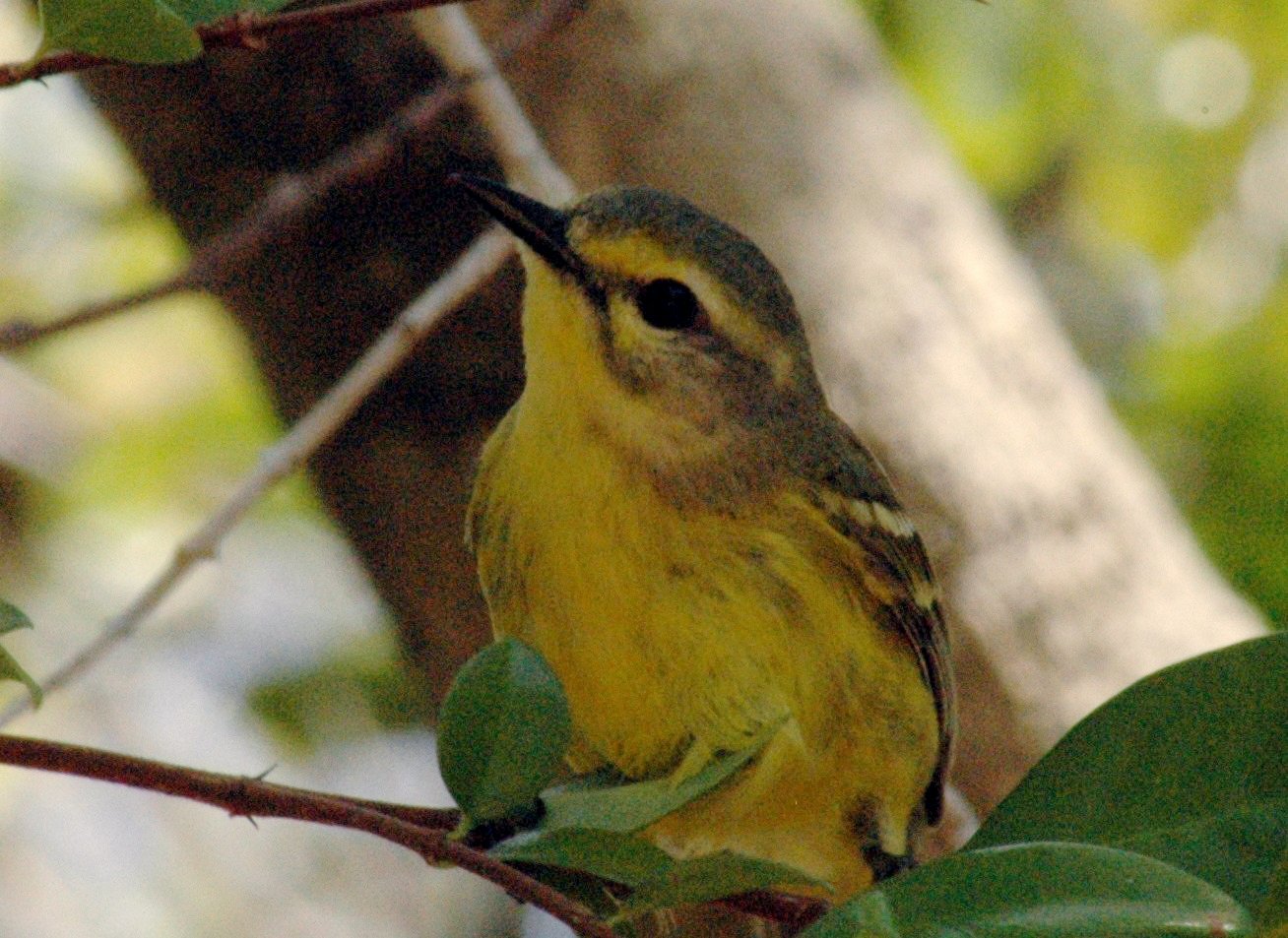
Vitelline Warbler
Setophaga vitellina- Dry deciduous forest
- Thorn scrub and cactus scrub
- Coastal and beach scrub
- Coastal woodland
- Villages, towns and gardens
-
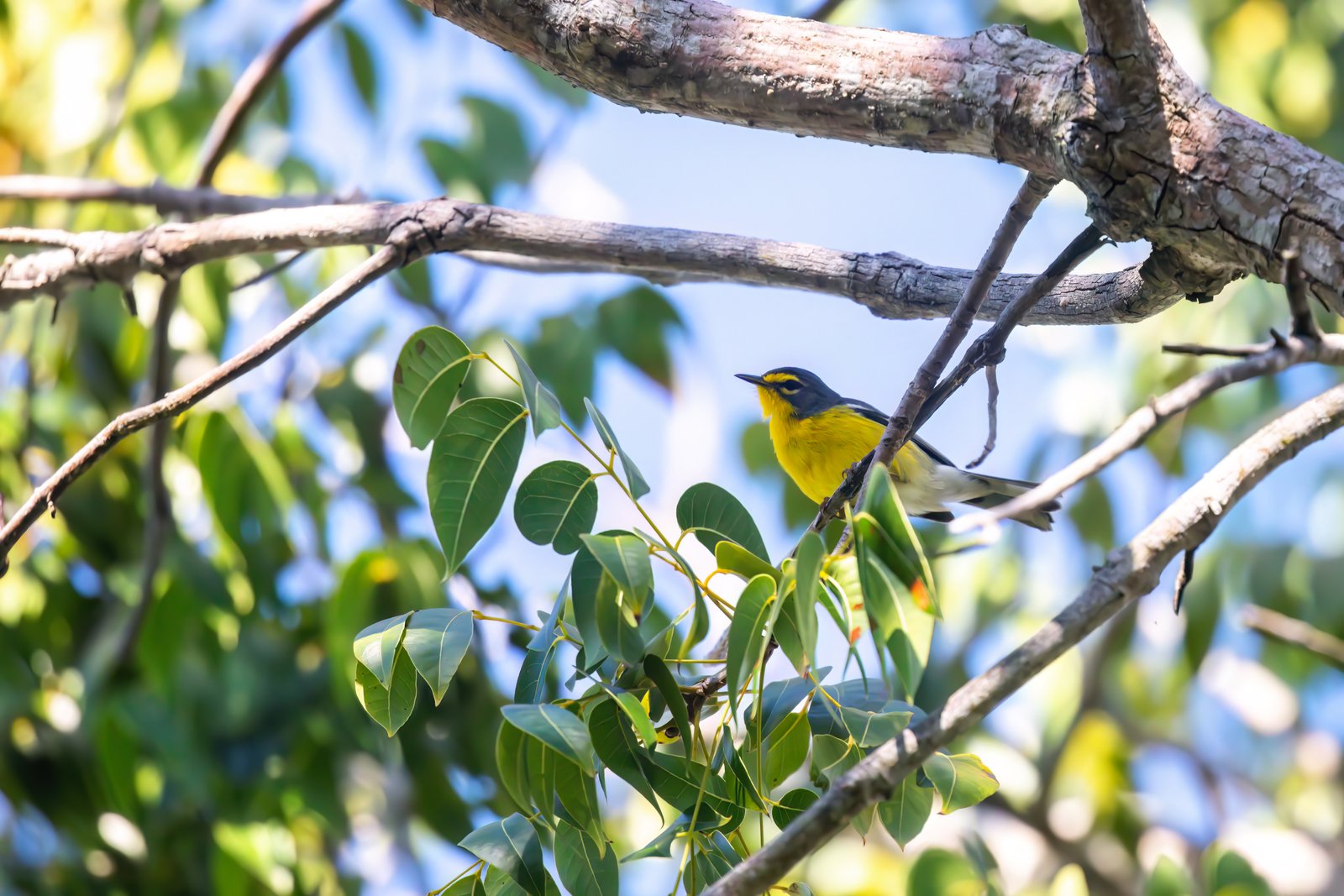
Adelaide's Warbler
Setophaga adelaidae- Dry deciduous forest
- Thorn scrub and cactus scrub
- Coastal and beach scrub
- Semi-evergreen and moist forest
-
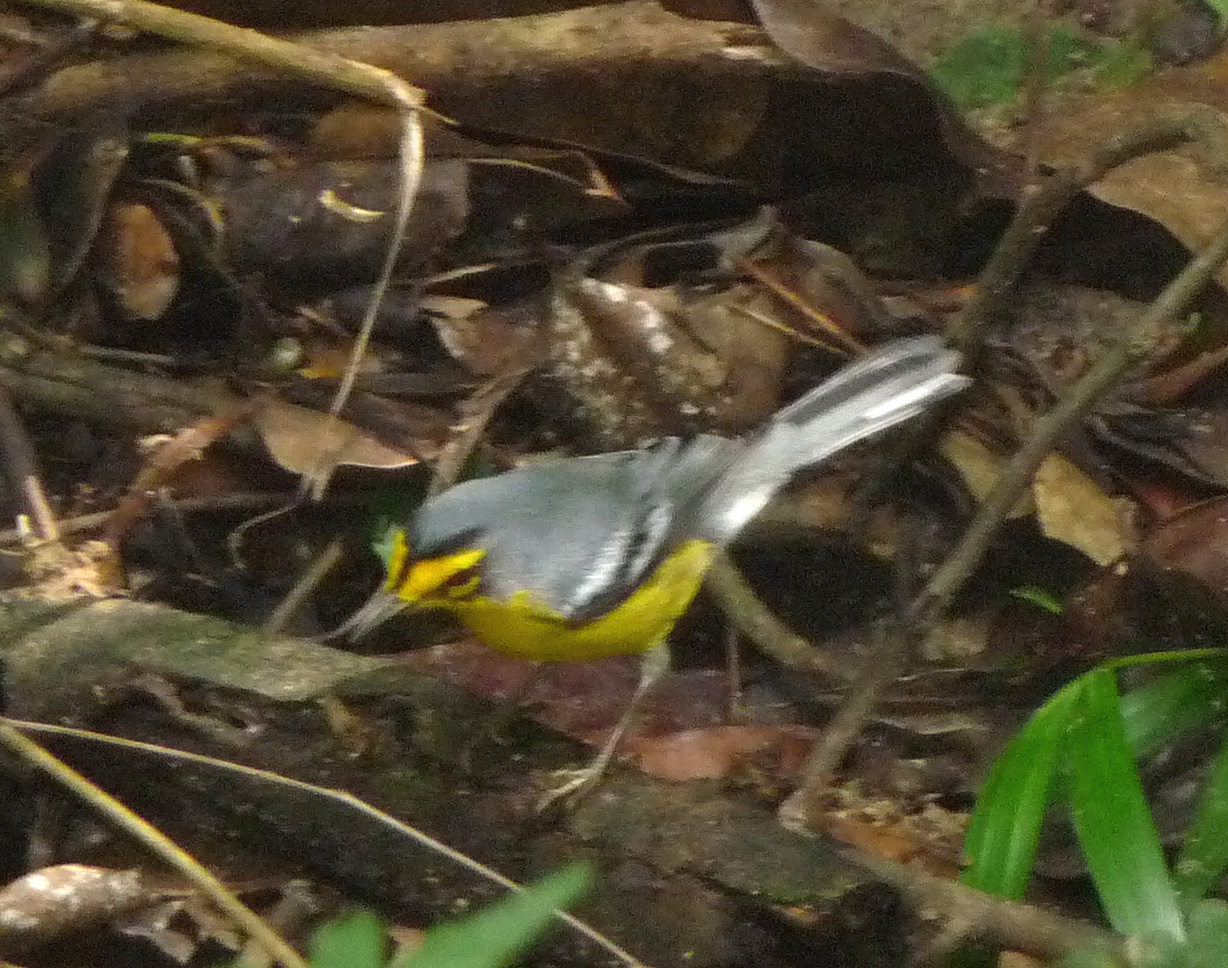
St. Lucia Warbler
Setophaga delicata- Montane rainforest
- Semi-evergreen and moist forest
- Dry deciduous forest
- Thorn scrub and cactus scrub
- Coastal and beach scrub
- Villages, towns and gardens
-
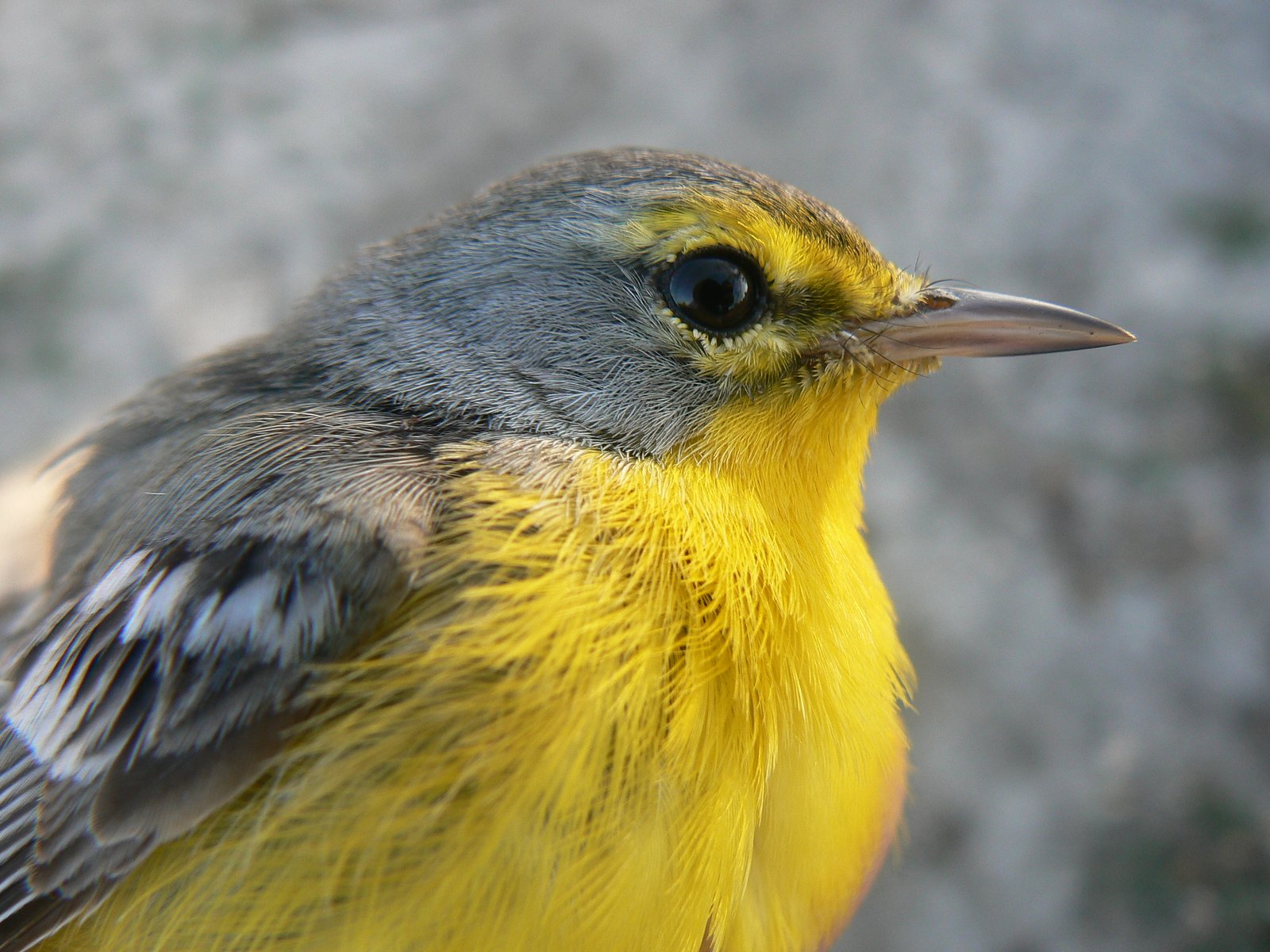
Barbuda Warbler
Setophaga subita- Thorn scrub and cactus scrub
- Coastal and beach scrub
- Dry deciduous forest
- Mangrove
-
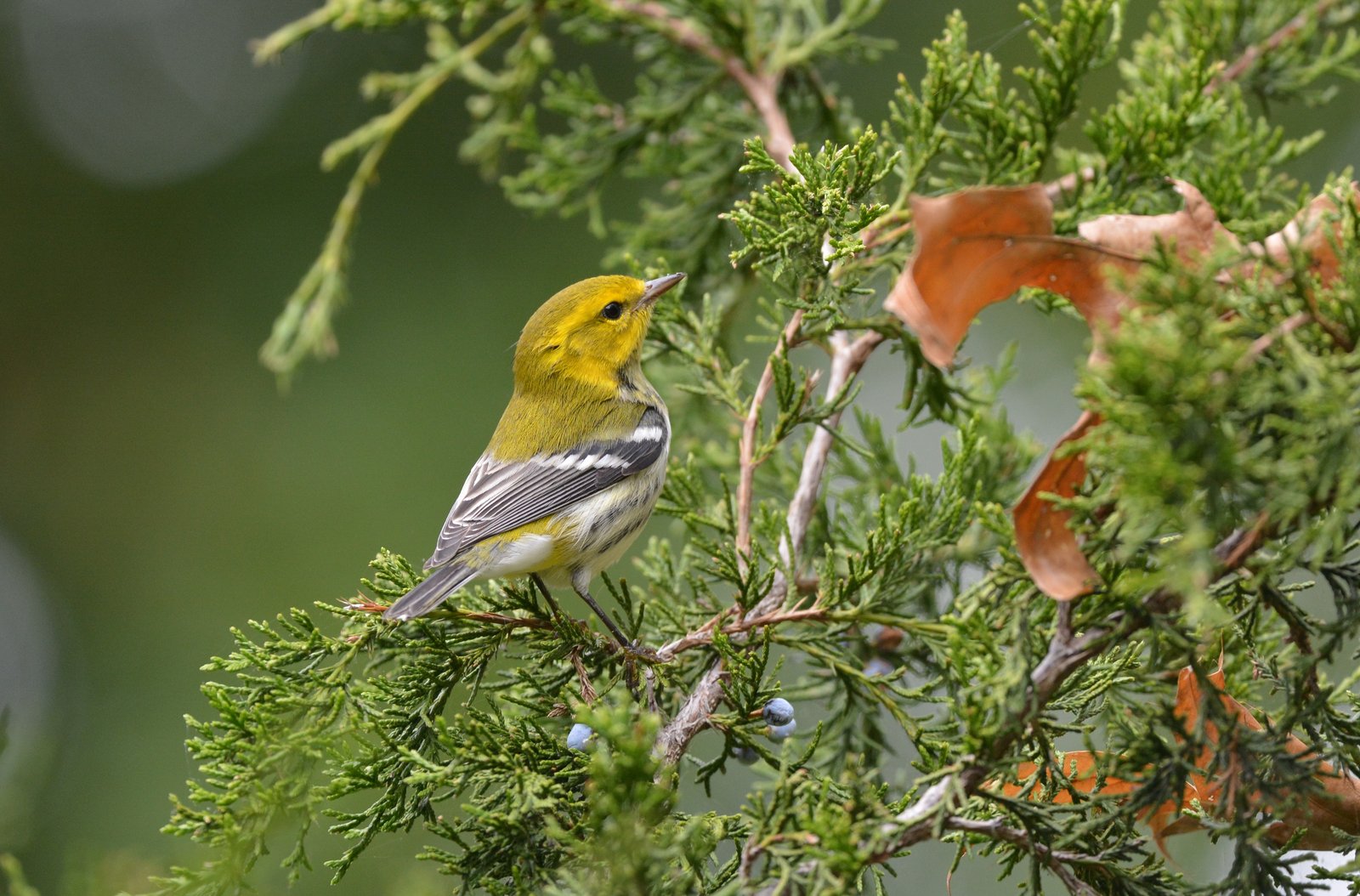
Black-throated Green Warbler
Setophaga virens- Semi-evergreen and moist forest
- Montane rainforest
- Cloud forest and elfin woodland
- Pine forest
- Limestone karst forest
- Dry deciduous forest
- Coffee and cacao plantations
Basileuterus 1 species
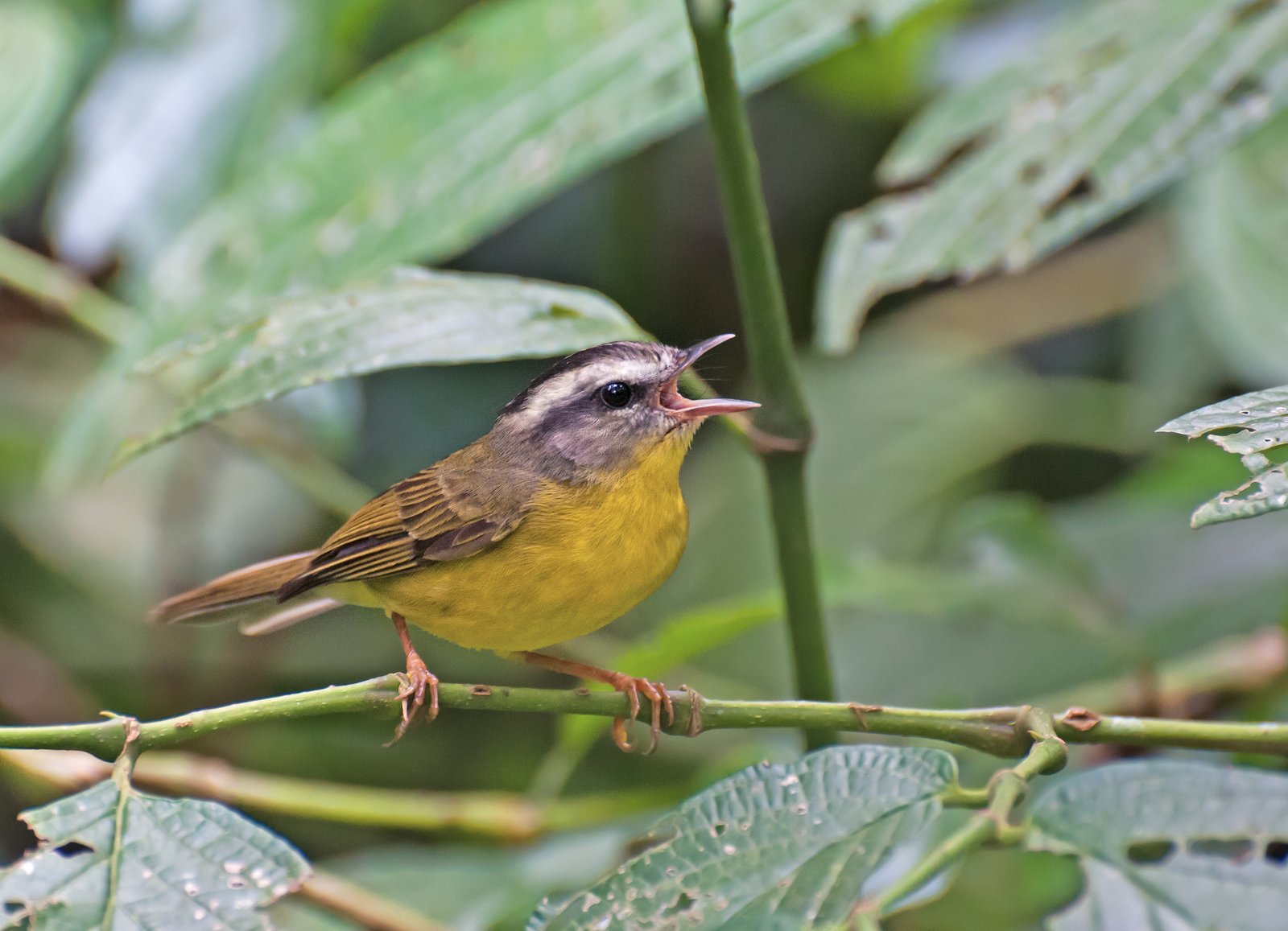
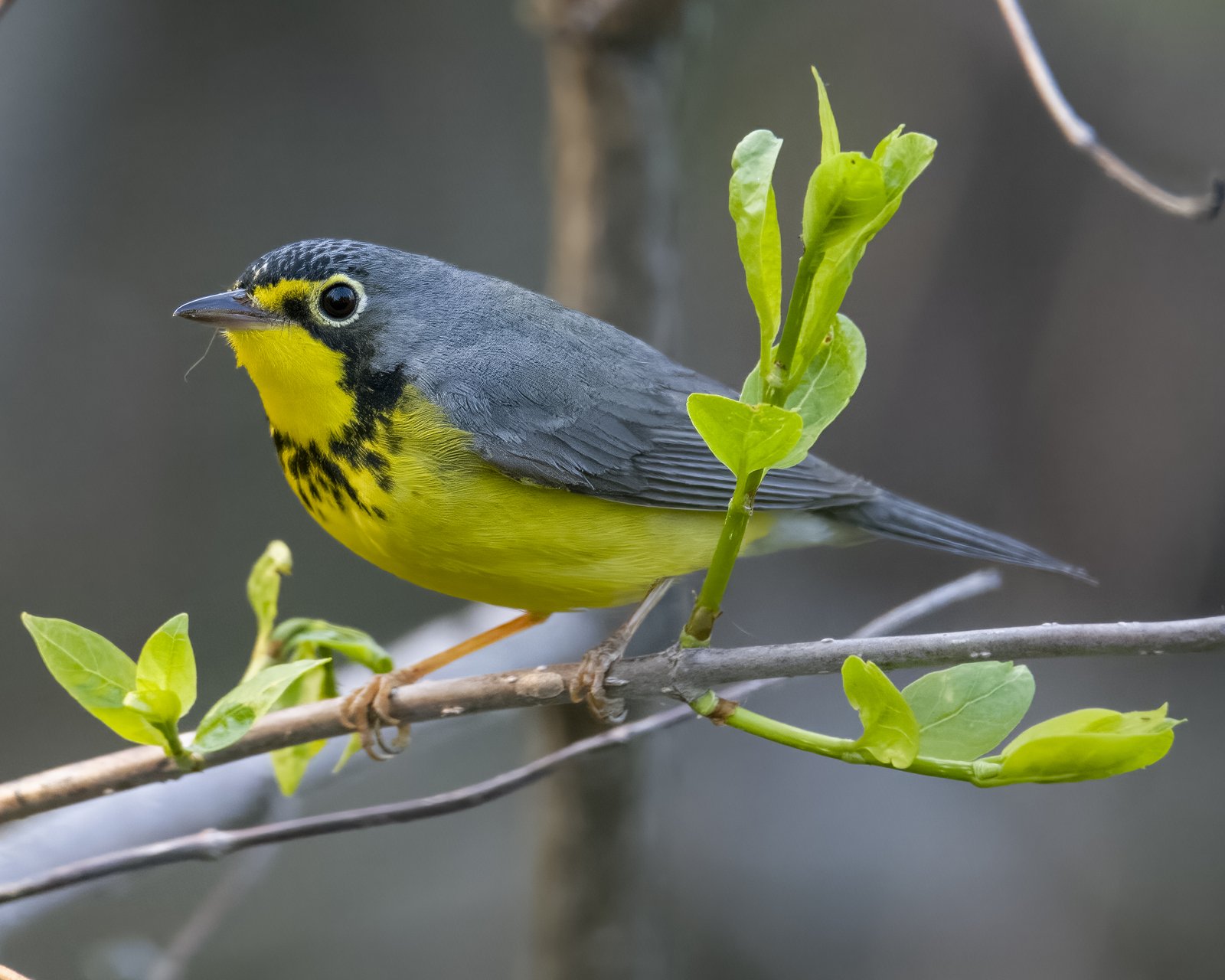
Vagrants 2 species
Birds blown in from other continents. They have no range here, and so no distribution map.