All species › Passerines › New World warblers › Common Yellowthroat
Common Yellowthroat | Geothlypis trichas
Gewone maskerzanger | Mascarita común
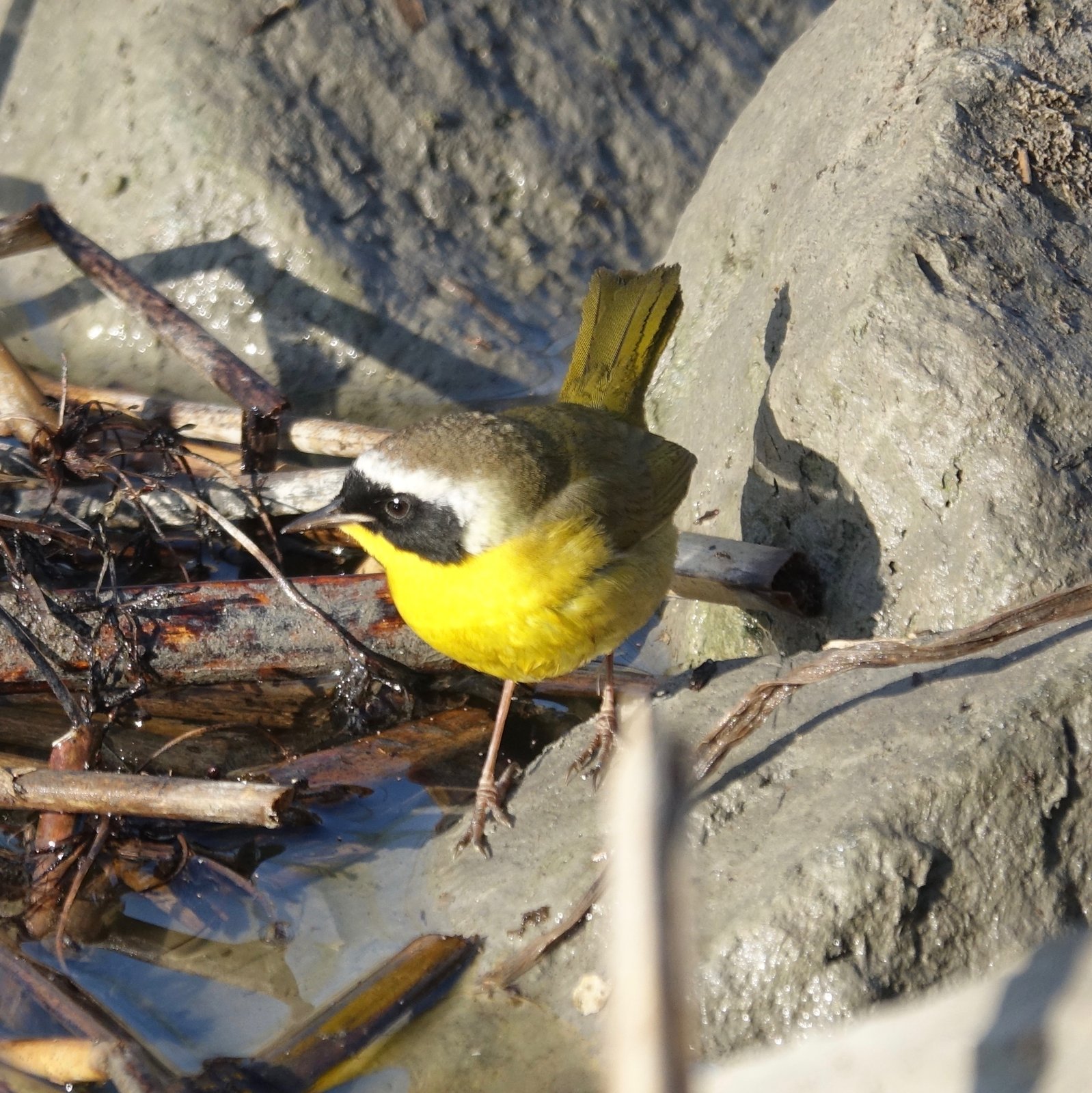
The Common Yellowthroat is one of the most numerous wintering North American warblers in the northern Caribbean. It lives low in dense, often wet vegetation and is heard more often than seen. The male's black mask is also present in winter.
Voice
The song is a loud, rolling wichety-wichety-wichety, in the region heard mainly in spring. The call is a dry, husky tchep, often repeated from dense cover and the most useful feature in winter.
Recording: Jeff Stewart — CC BY-NC-SA 4.0 · converted to mono · xeno-canto
Identification
11–13 cm, small, with a fairly long, often cocked tail. Upperparts are olive-brown, throat and breast yellow, the belly whitish and the flanks brownish; the undertail is yellow. The male has a black mask across forehead, eye and cheek, bordered above by a white to grey band. The female lacks the mask and has an olive-brown head with a faint pale eye-ring; her yellow throat contrasts with the pale belly. Young males in autumn show the beginnings of a mask; young females are the dullest, sometimes with hardly any yellow on the throat.
Confusion species
Bahama Yellowthroat Geothlypis rostrata is larger, with a clearly heavier bill and more evenly yellow underparts, and lives in drier terrain. Mourning Warbler Geothlypis philadelphia and Connecticut Warbler Oporornis agilis are larger, with a grey or grey-brown hood and entirely yellow underparts. Kentucky Warbler Geothlypis formosa has yellow spectacles and all-yellow underparts.
Habitat
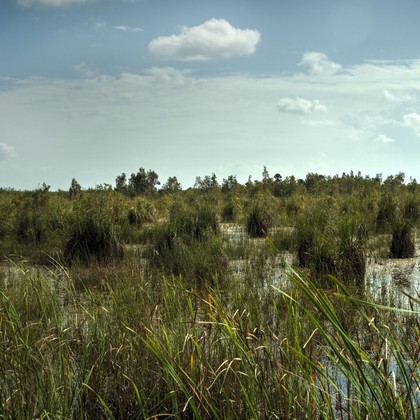
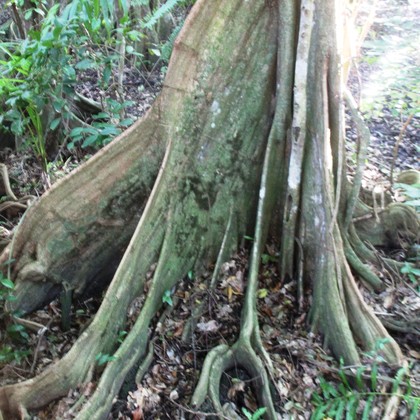
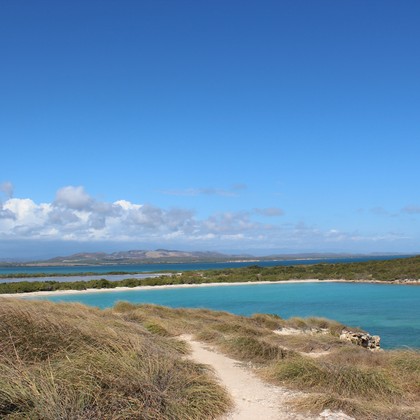
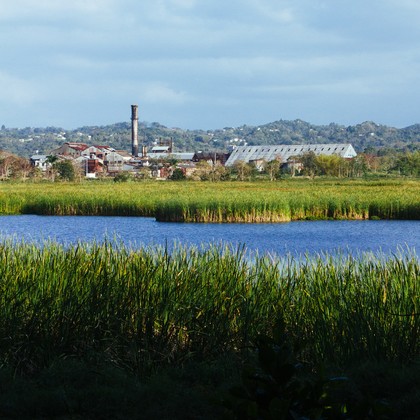
Freshwater marshes with reeds, sedges and cattails, wet grassland, banks, the edges of mangrove and swamp forest, also sugarcane fields, rank growth, dense shrubbery and coastal scrub. It forages low in vegetation and on the ground for insects and spiders.
Where the bird is most at home, classified by the vegetation types of the Caribbean.


Range and movements
Common winter visitor in the Bahamas, the Turks and Caicos Islands, Cuba, the Cayman Islands, Jamaica, Hispaniola (Haiti and the Dominican Republic), Puerto Rico and the Virgin Islands. Rare to very rare in the Lesser Antilles, Trinidad and Tobago and the ABC Islands. Outside the region it breeds from Alaska and Canada to Mexico and winters from the southern United States to Panama.
- Resident
- Summer visitor (c. Oct–Mar)
- Winter visitor (c. Apr–Sep)
- Passage (Mar–Apr, Oct–Nov)
- dark = core range, pale = thinly spread
How and when to look
Almost any small marsh, reedbed or overgrown ditch on the Greater Antilles and the Bahamas may hold yellowthroats in winter. The repeated husky tchep gives the bird away; standing still at the edge of the vegetation often brings it briefly into view.
Conservation status
Not threatened. One of North America's most numerous warblers, although a gradual decline has been measured over recent decades. In the wintering areas the draining of marshes and the loss of rank vegetation may play a role locally.
Scientific name
Geothlypis trichas | (Linnaeus, 1766)
Linnaeus described the species in 1766 as Turdus Trichas; because it was later moved to another genus, the author and year stand in brackets. The genus Geothlypis was introduced in 1847 by Cabanis. Geothlypis is Greek, from gē 'ground' and thlupis, an unidentified small bird: 'ground warbler', after its life low in dense cover. trichas is Greek, trikhas, the name of a thrush-like bird in Aristotle, transferred to this species by Linnaeus. The specimen the first description was based on came from Maryland (USA).