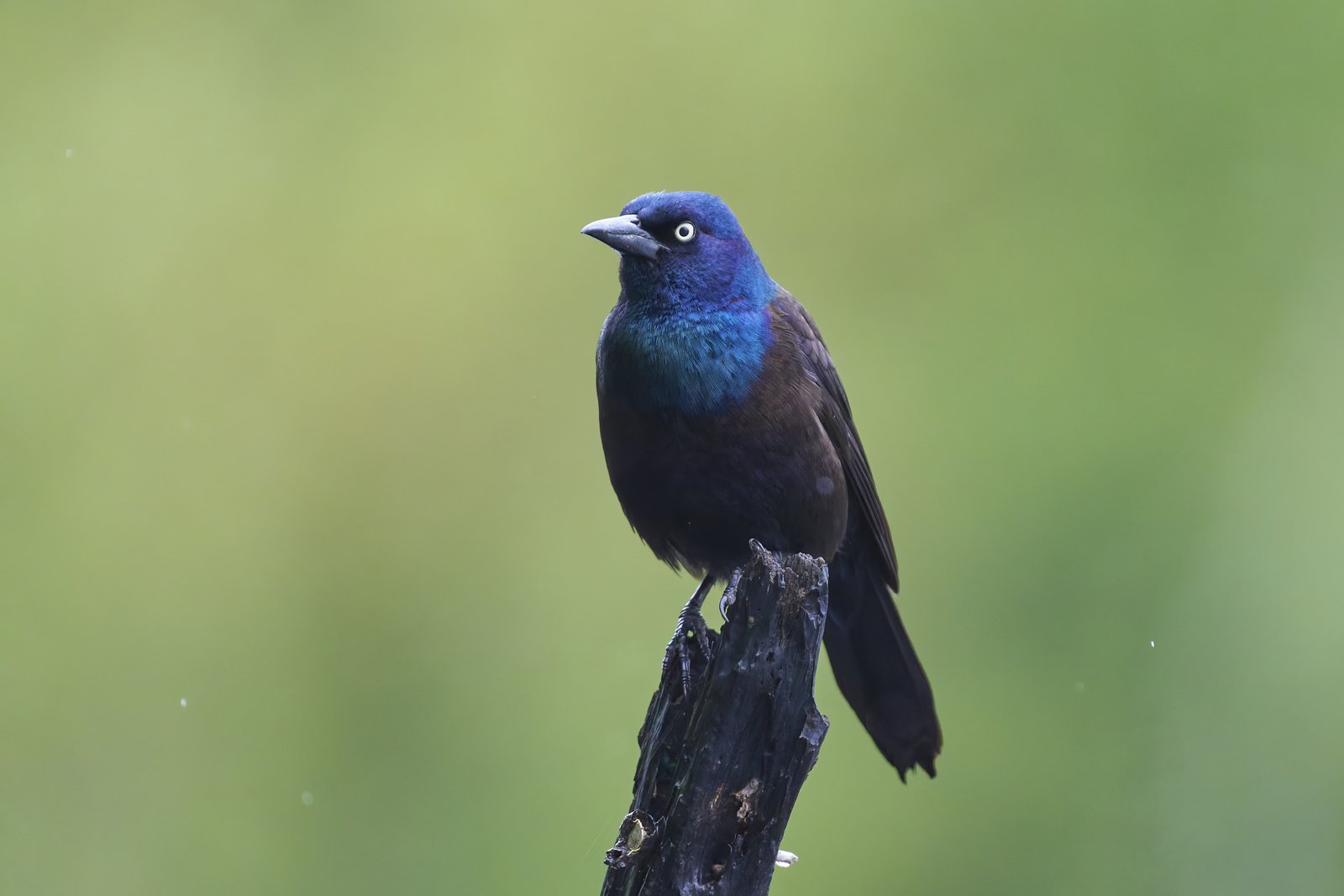
All species › Passerines › New World blackbirds, troupials and allies
New World blackbirds, troupials and allies | Icteridae
Troepialen | Ictéridos
An exclusively American family that does something different from other songbirds with its bill. The bill is straight, sharp and unhooked, and is used not to pinch things shut but to prise them open: the bird pushes the closed tip into a leaf sheath, a fruit or a crack in the bark and then forces the mandibles apart, exposing the food. In Mexico and Central America the family numbers 45 species, from oropendolas and caciques through the orioles (Icterus) to meadowlarks, grackles and cowbirds. In many species the males are boldly patterned in yellow, orange or red against black, while the females stay duller. The oropendolas, such as Montezuma Oropendola, nest in colonies and weave hanging nests up to a metre long at the branch tips of an isolated tree; the orioles weave smaller pouch nests, and other species build a cup in reeds or a bush. Cowbirds lay their eggs in the nests of other birds; Giant Cowbird does so with oropendolas and caciques. Great-tailed Grackle is one of the most conspicuous birds in towns and villages, and in winter orioles such as Baltimore Oriole and other species arrive from the north.
Native species 44 species
Species that occur here by nature: breeding birds, winter visitors and passage migrants. They are arranged by genus, in the sequence of the list.
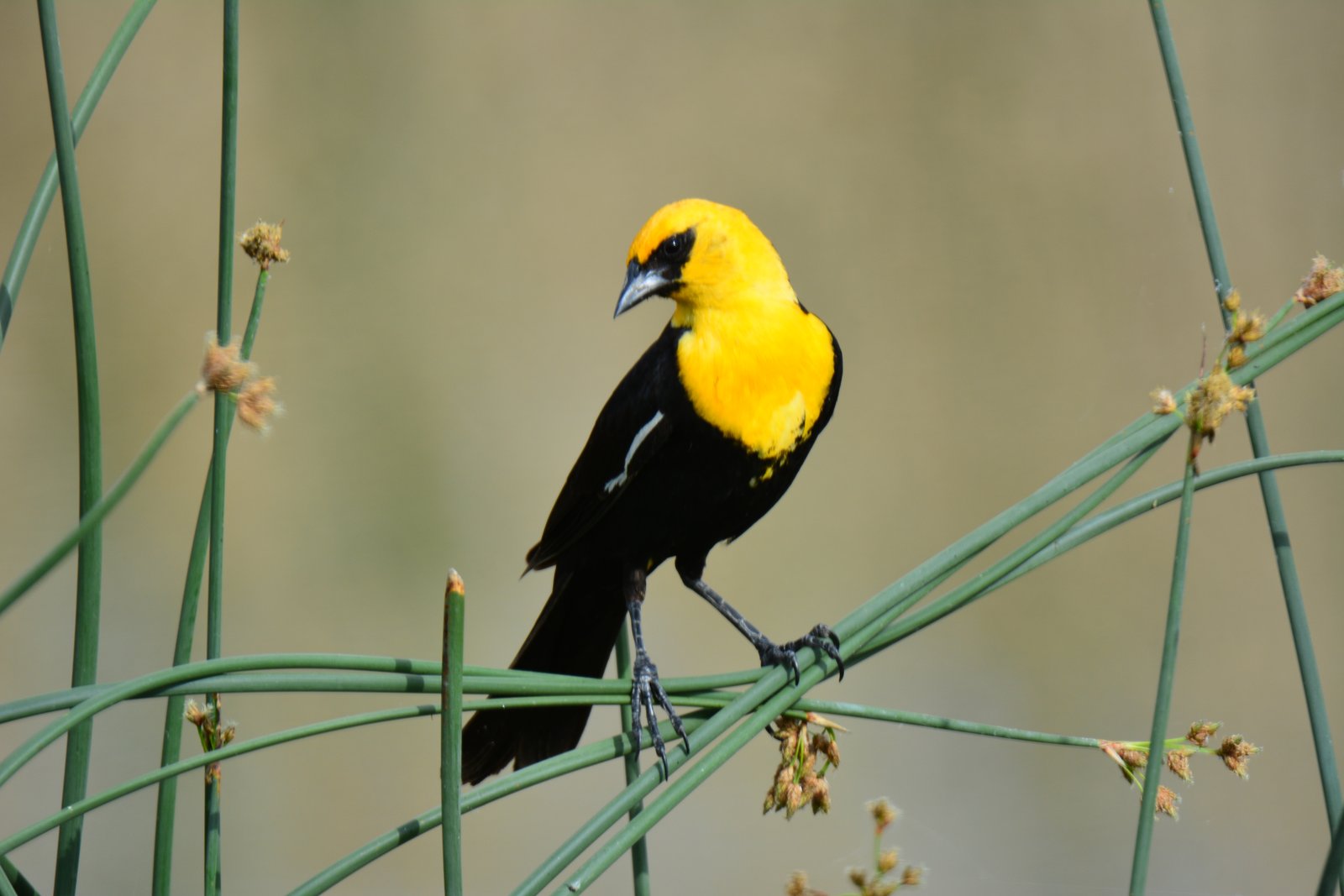
Xanthocephalus 1 species
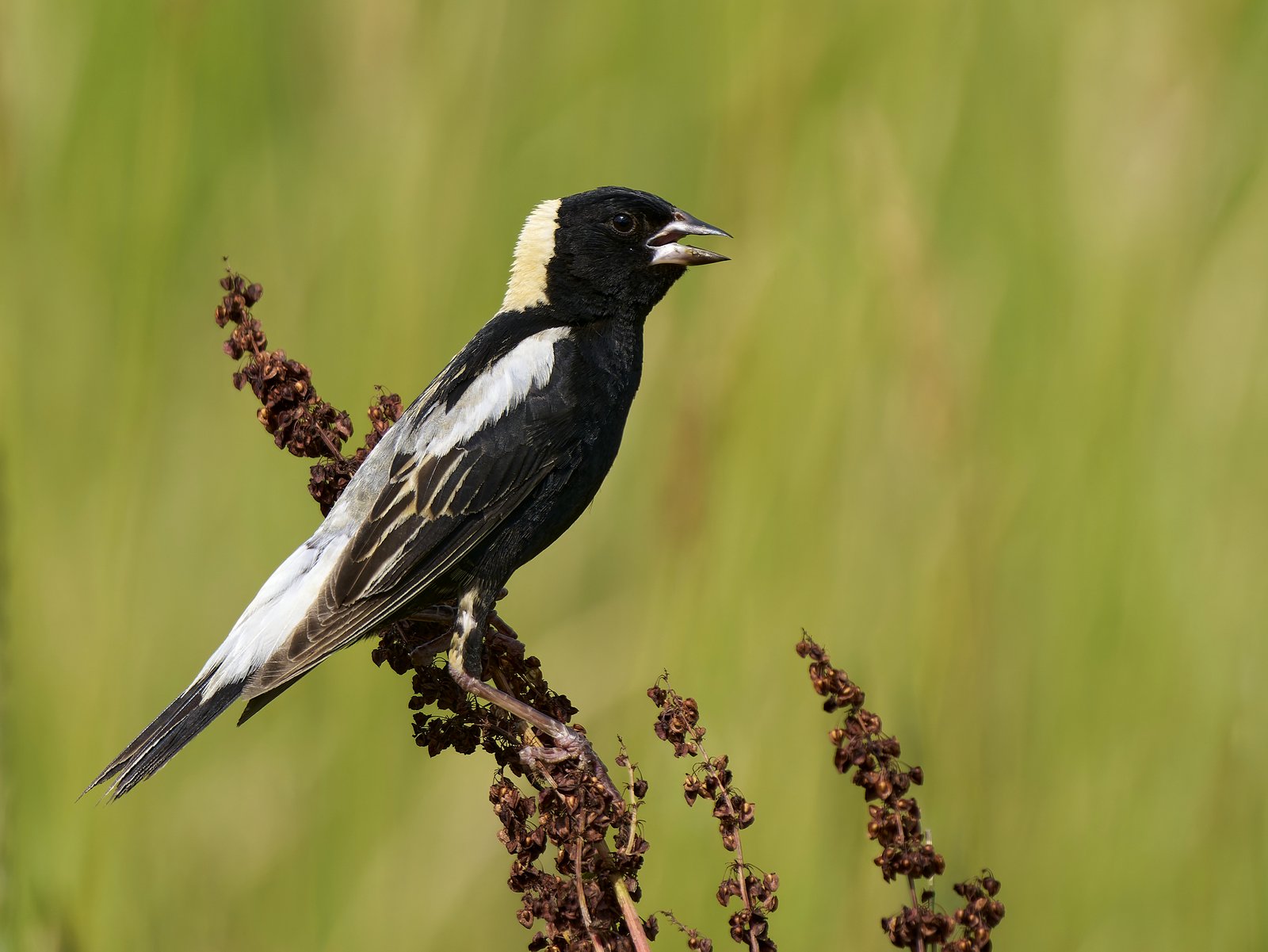
Dolichonyx 1 species
Sturnella 3 species
-
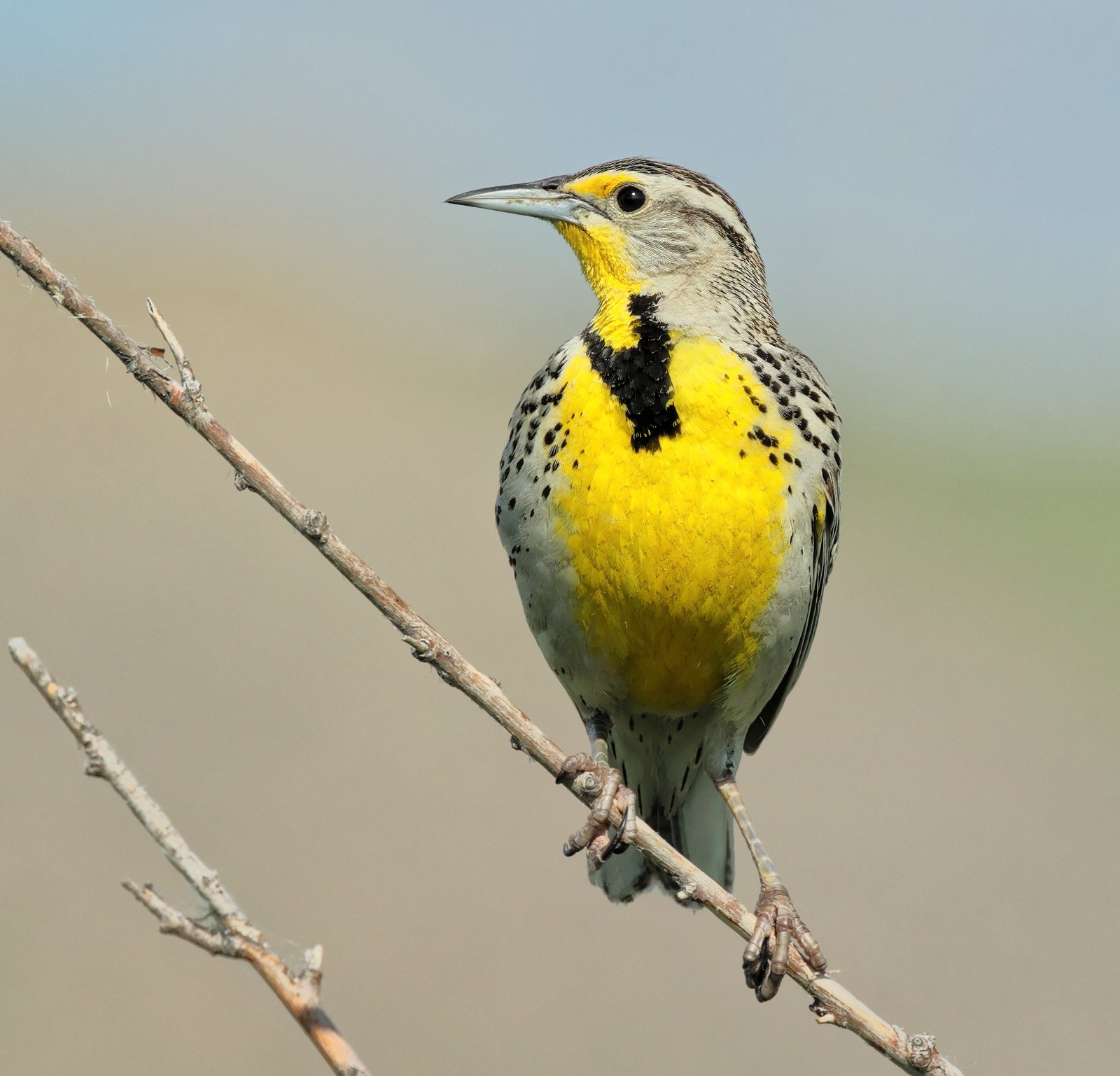
Western Meadowlark
Sturnella neglecta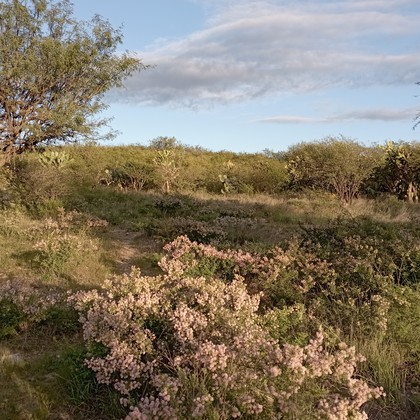 Semi-desert grassland
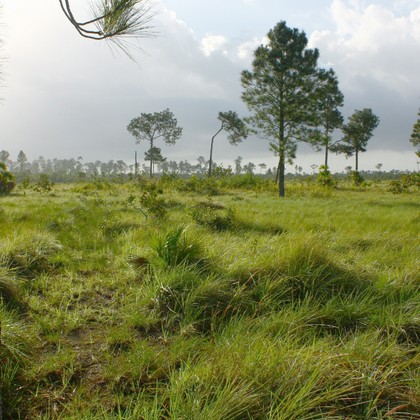 Lowland savanna and open grassland
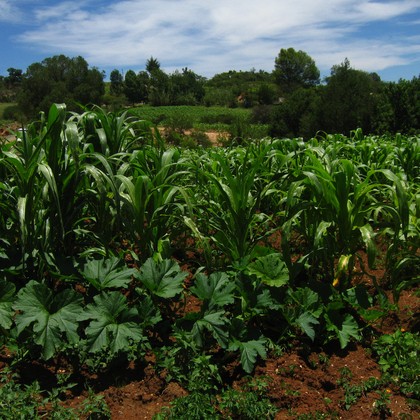 Arable fields and milpa
 Pasture and grazing land with trees
-
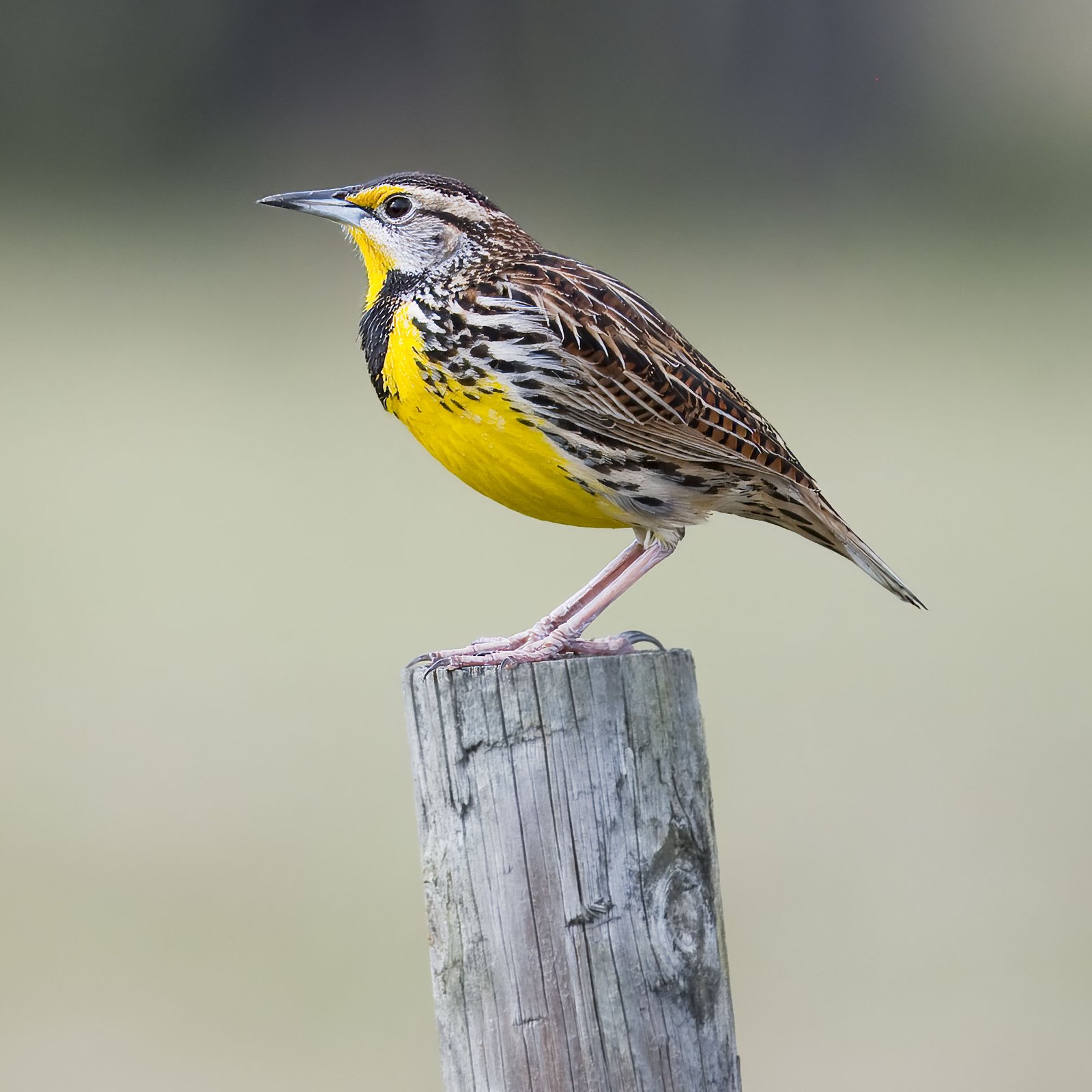
Eastern Meadowlark
Sturnella magna- Lowland savanna and open grassland
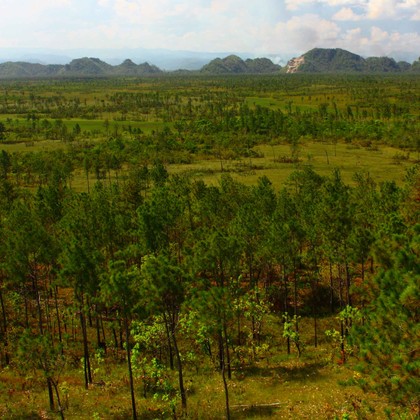 Pine savanna
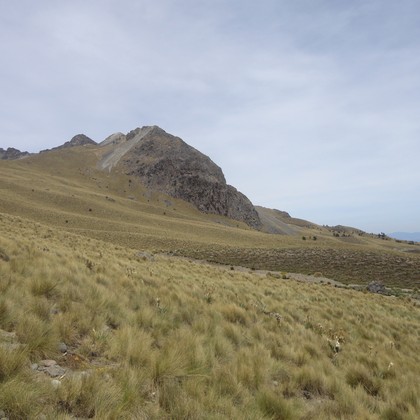 Montane grassland, zacatonal and páramo
- Pasture and grazing land with trees
- Arable fields and milpa
-
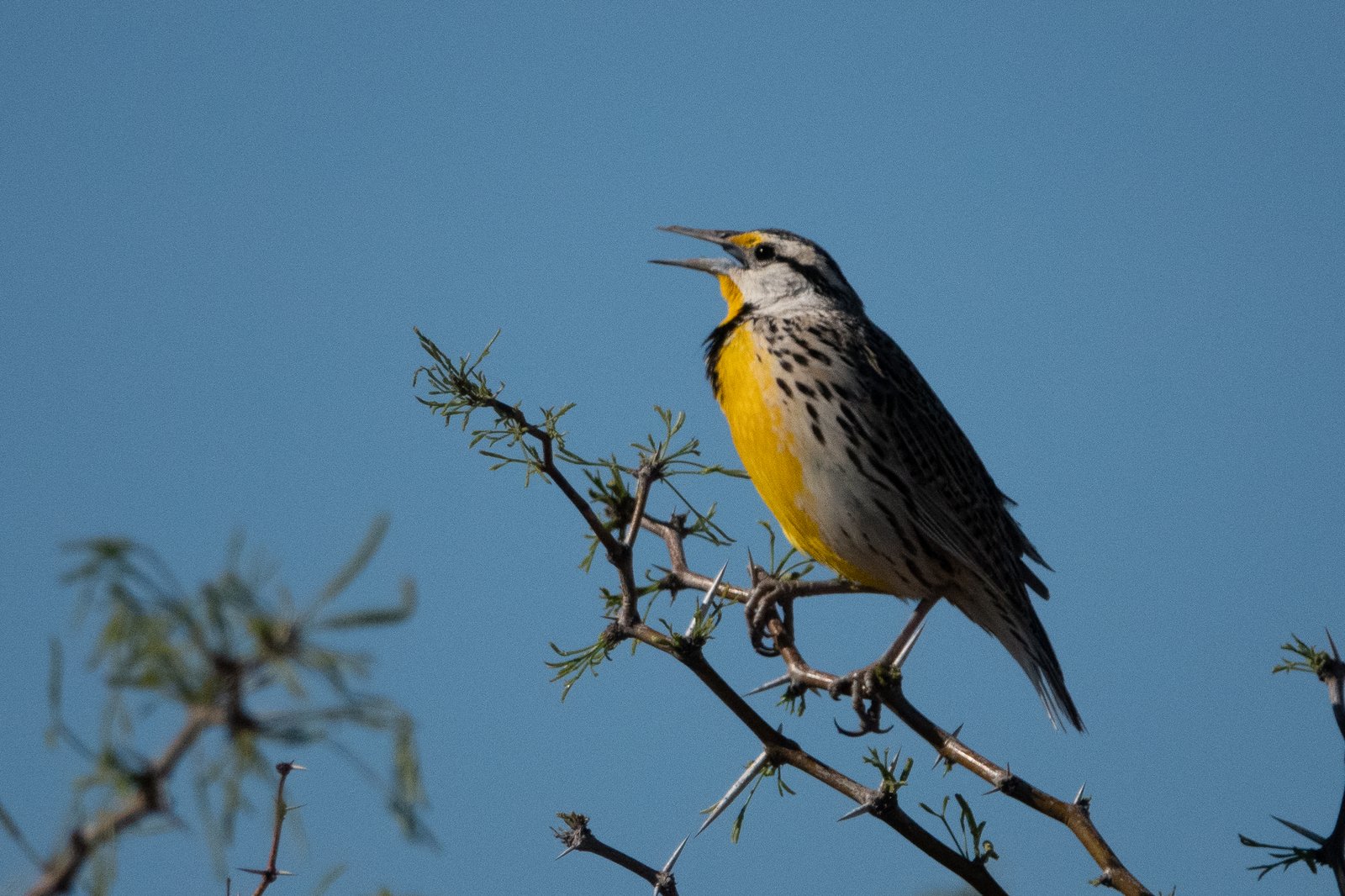
Chihuahuan Meadowlark
Sturnella lilianae- Semi-desert grassland
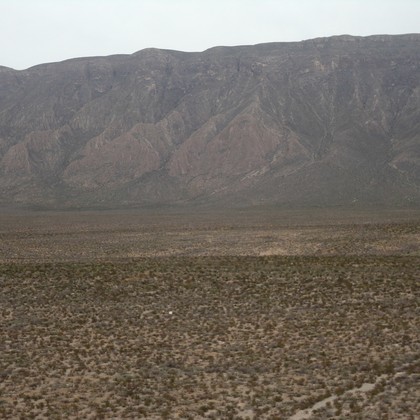 Chihuahuan Desert and plateau scrub
- Montane grassland, zacatonal and páramo
- Pasture and grazing land with trees
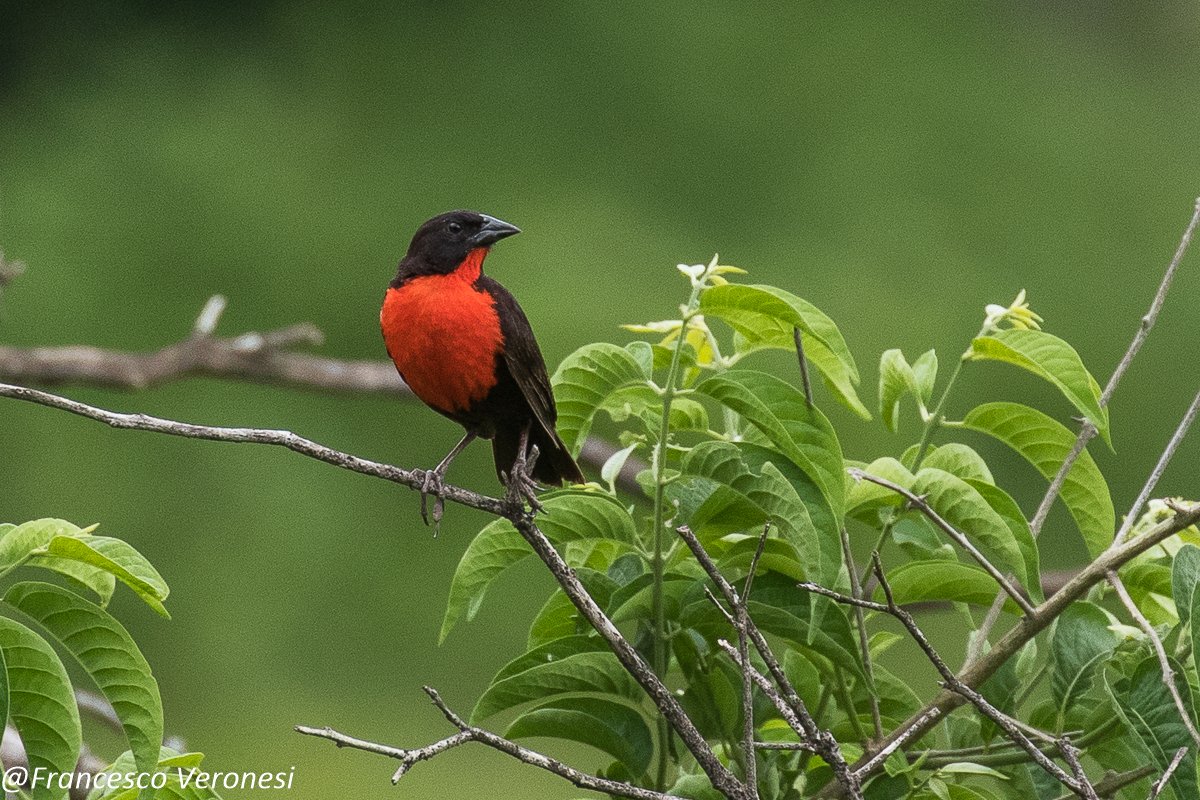
Amblycercus 1 species
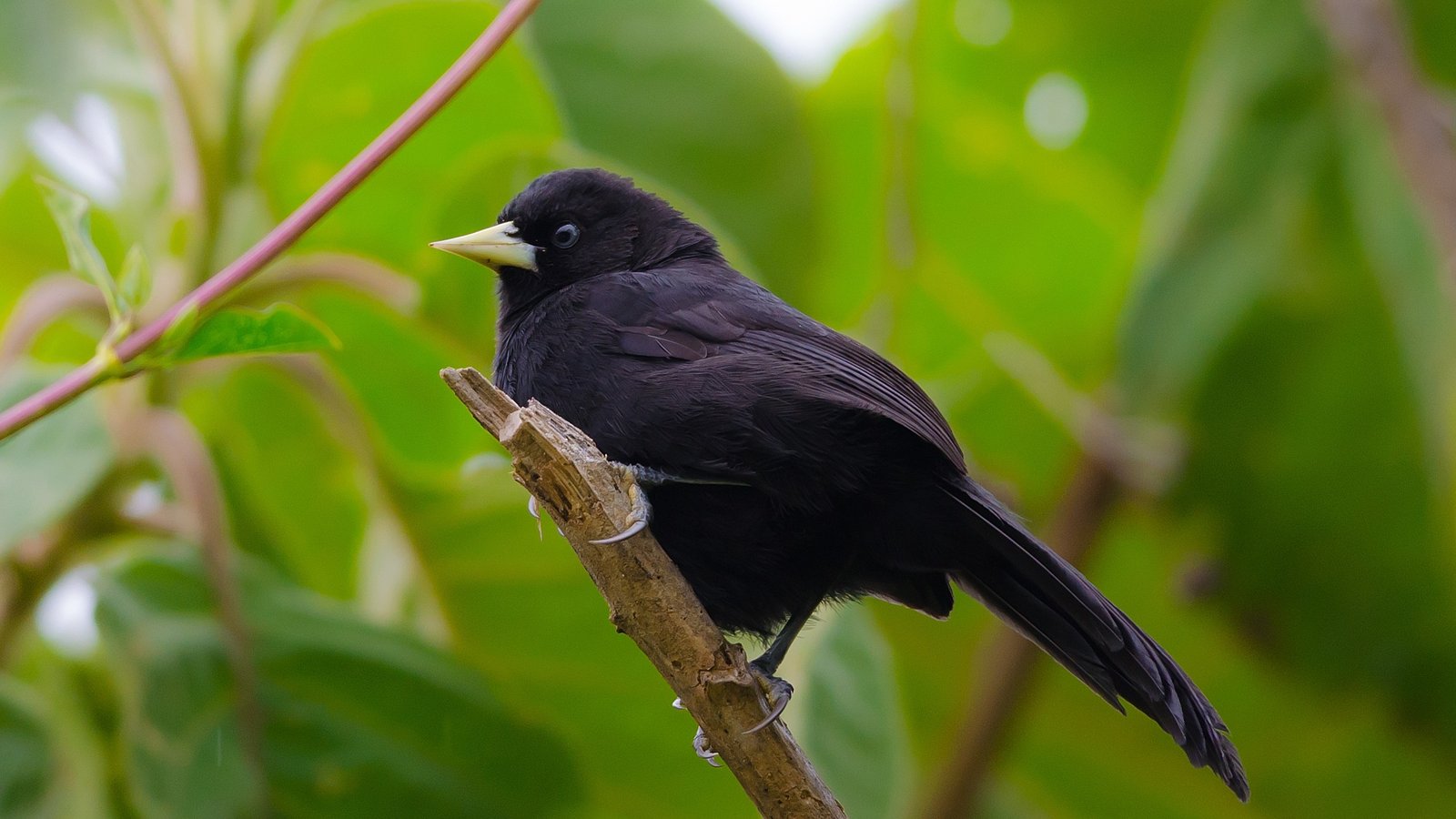
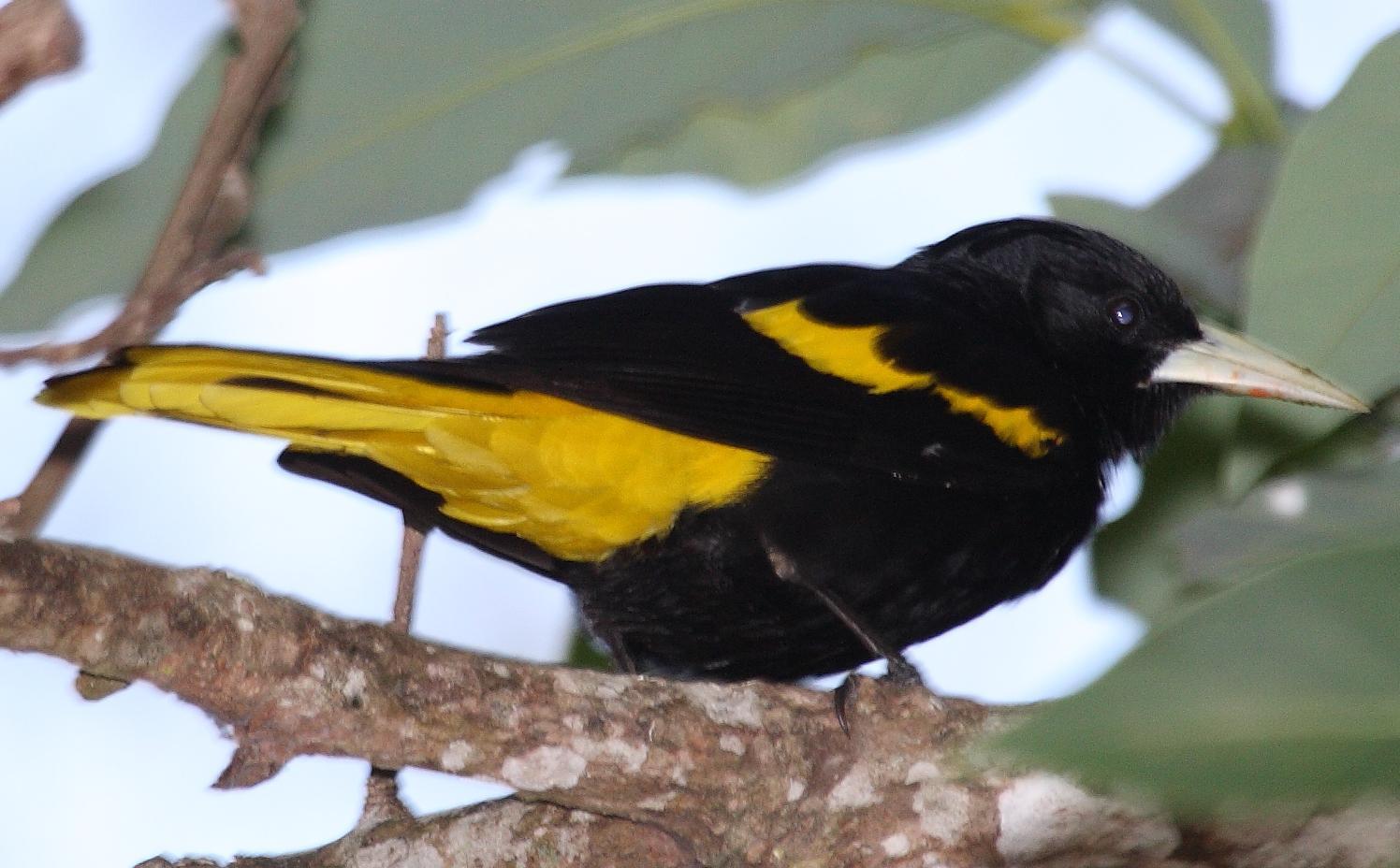
Psarocolius 4 species
-
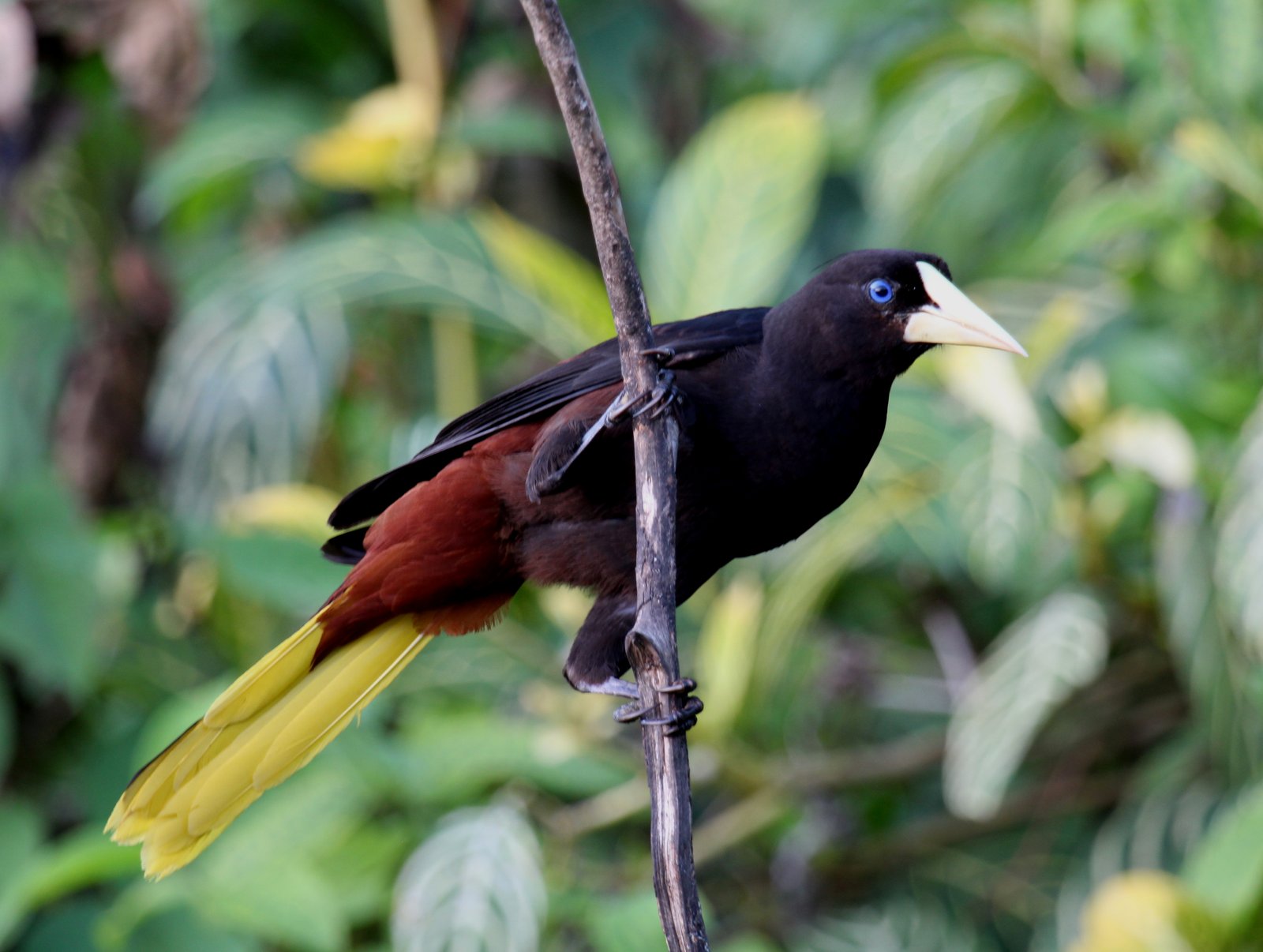
Crested Oropendola
Psarocolius decumanus Lowland rainforest
 Secondary forest and forest edge
 Floodplain and gallery forest
- Pasture and grazing land with trees
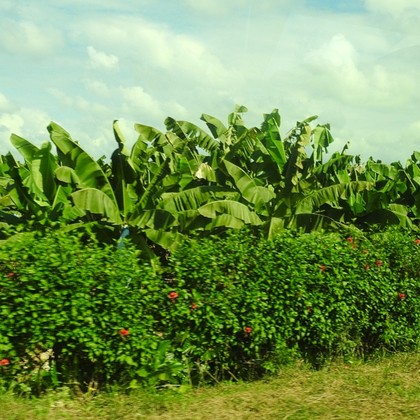 Plantations and orchards
-
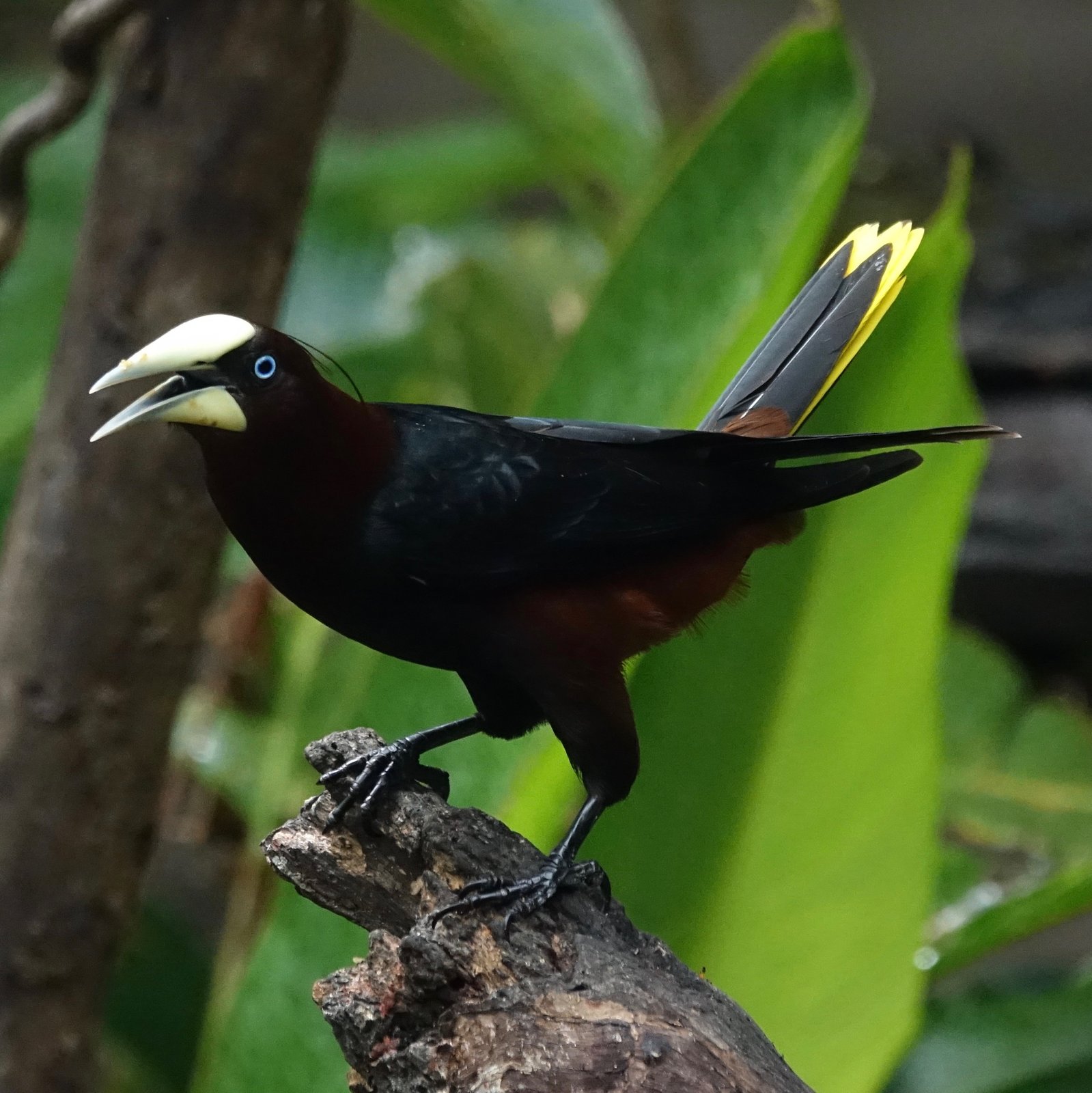
Chestnut-headed Oropendola
Psarocolius wagleri- Lowland rainforest
 Foothill (submontane) forest
- Secondary forest and forest edge
- Pasture and grazing land with trees
 Shade coffee, cacao and agroforestry
-
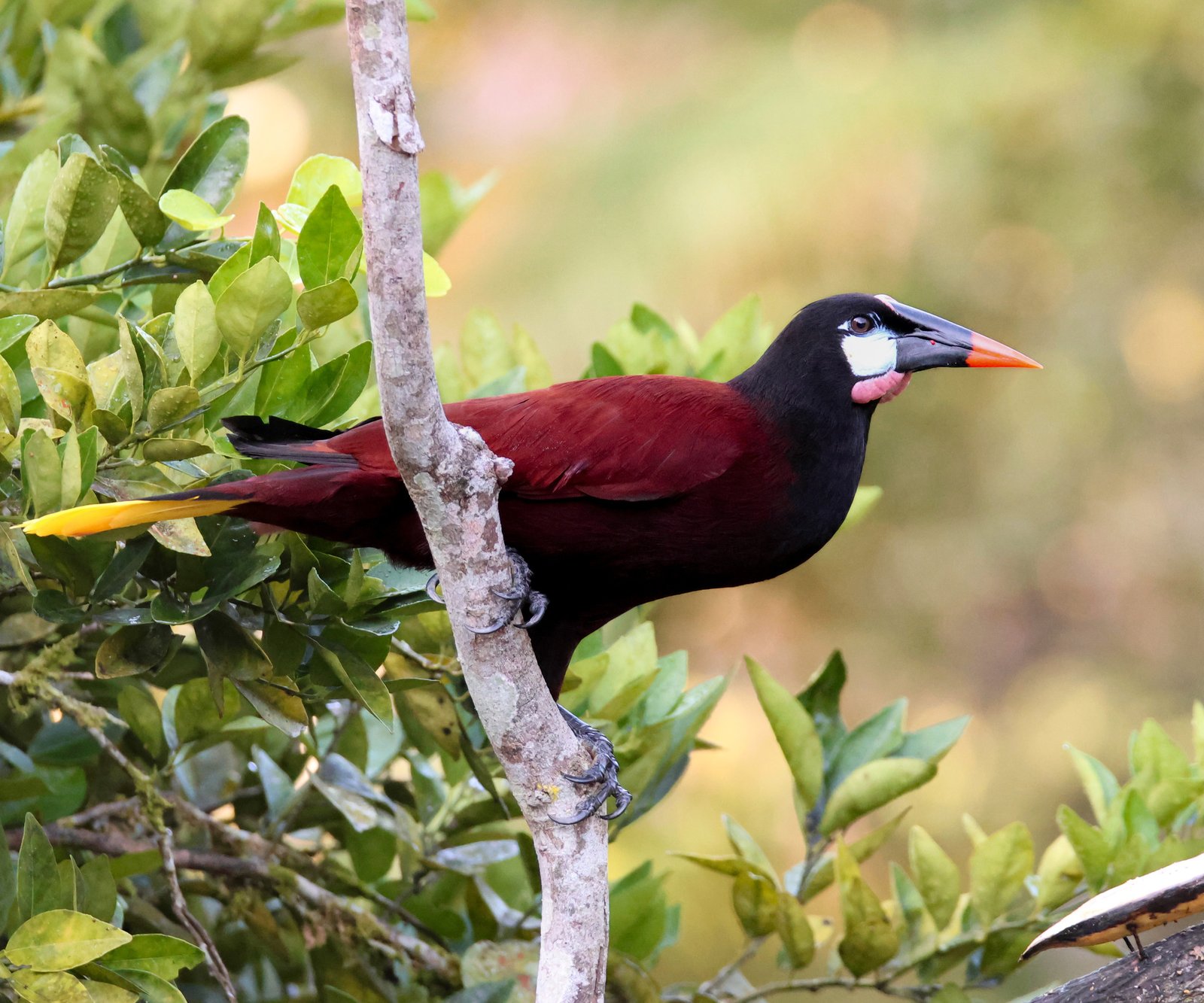
Montezuma Oropendola
Psarocolius montezuma- Lowland rainforest
- Foothill (submontane) forest
- Secondary forest and forest edge
 Yucatán and Caribbean-interior seasonal forest
- Pasture and grazing land with trees
- Shade coffee, cacao and agroforestry
-
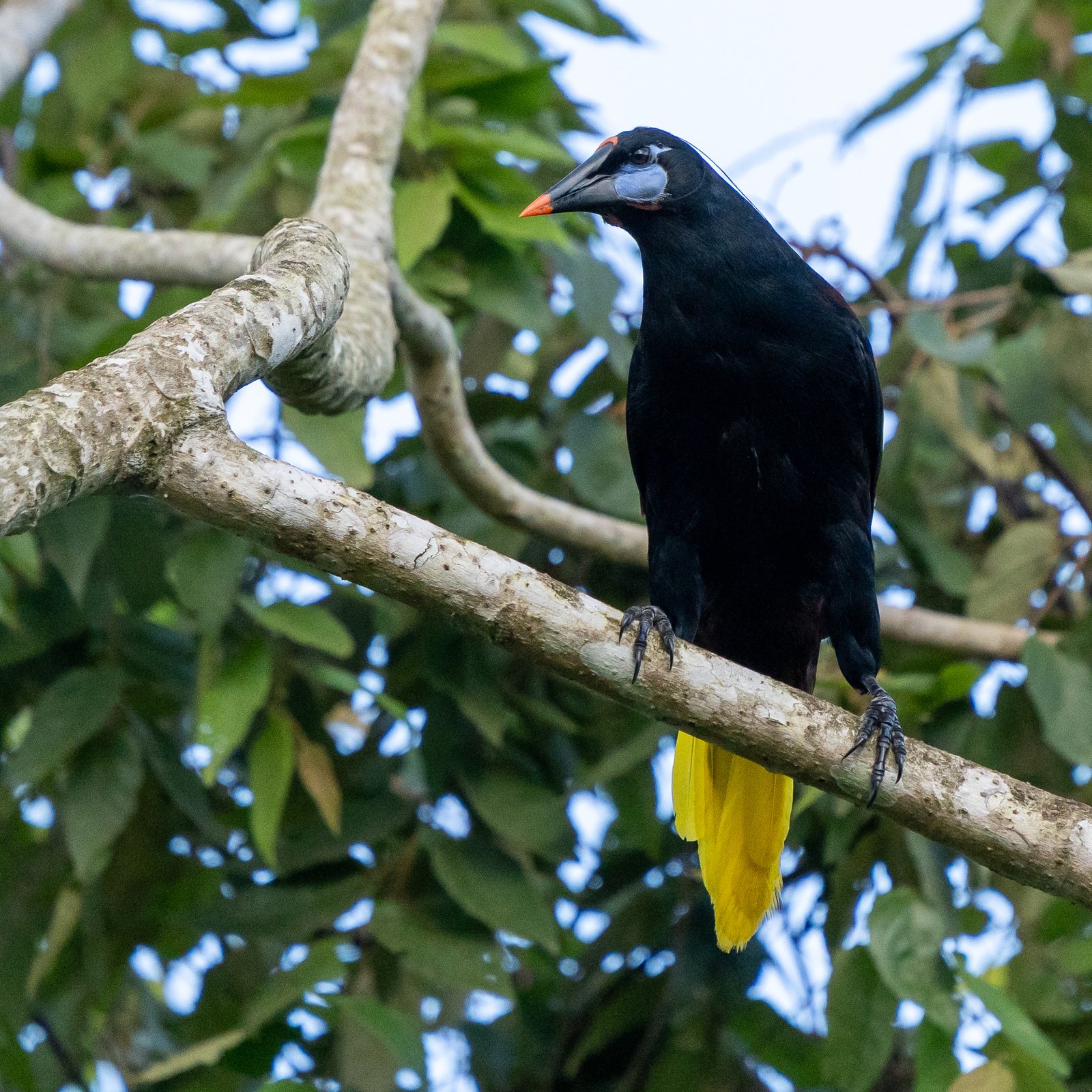
Black Oropendola
Psarocolius guatimozinus- Lowland rainforest
 Chocó-Darién rainforest
- Secondary forest and forest edge
- Floodplain and gallery forest
Cacicus 2 species
-
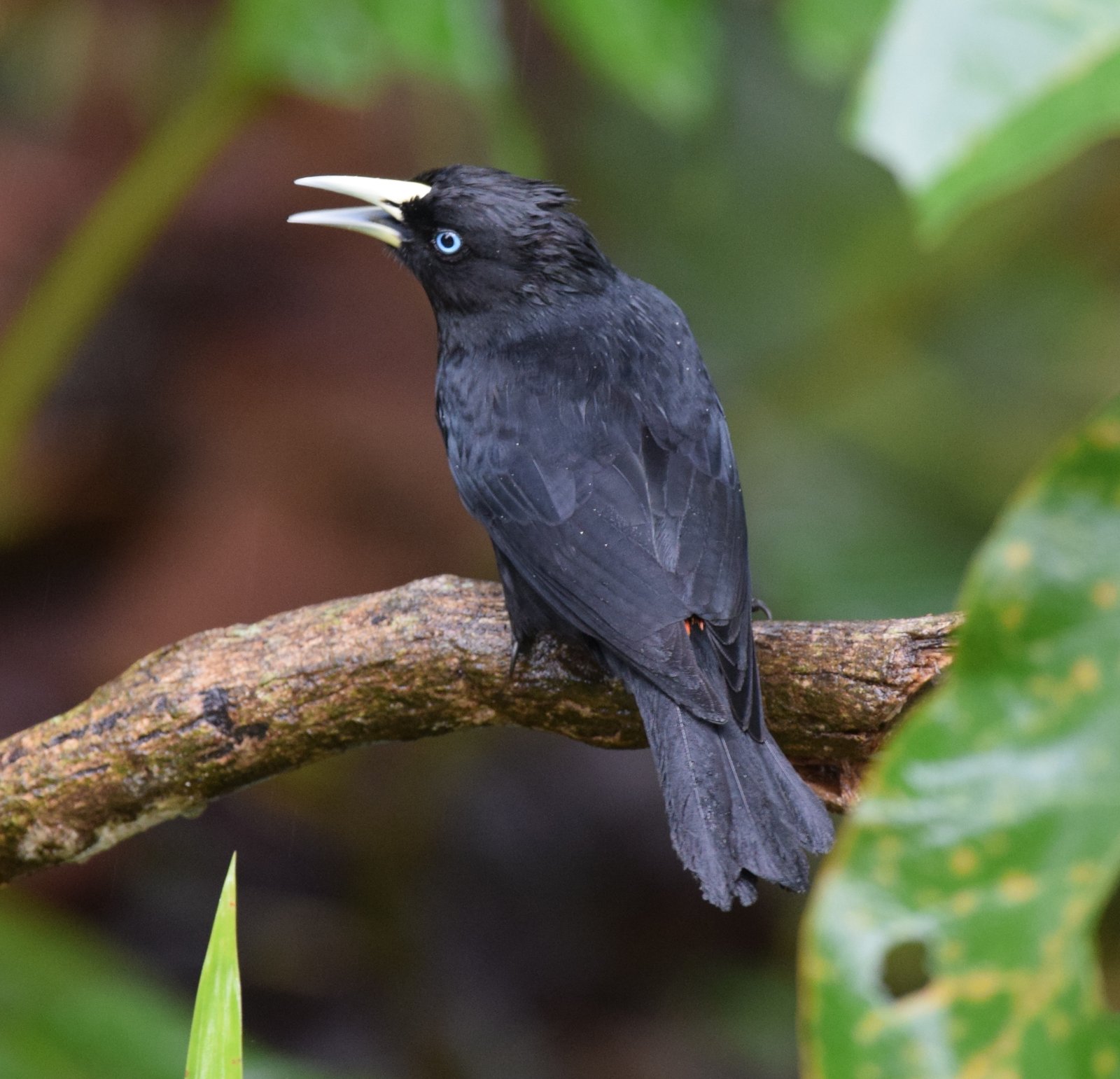
Scarlet-rumped Cacique
Cacicus uropygialis- Lowland rainforest
- Foothill (submontane) forest
- Chocó-Darién rainforest
- Secondary forest and forest edge
-
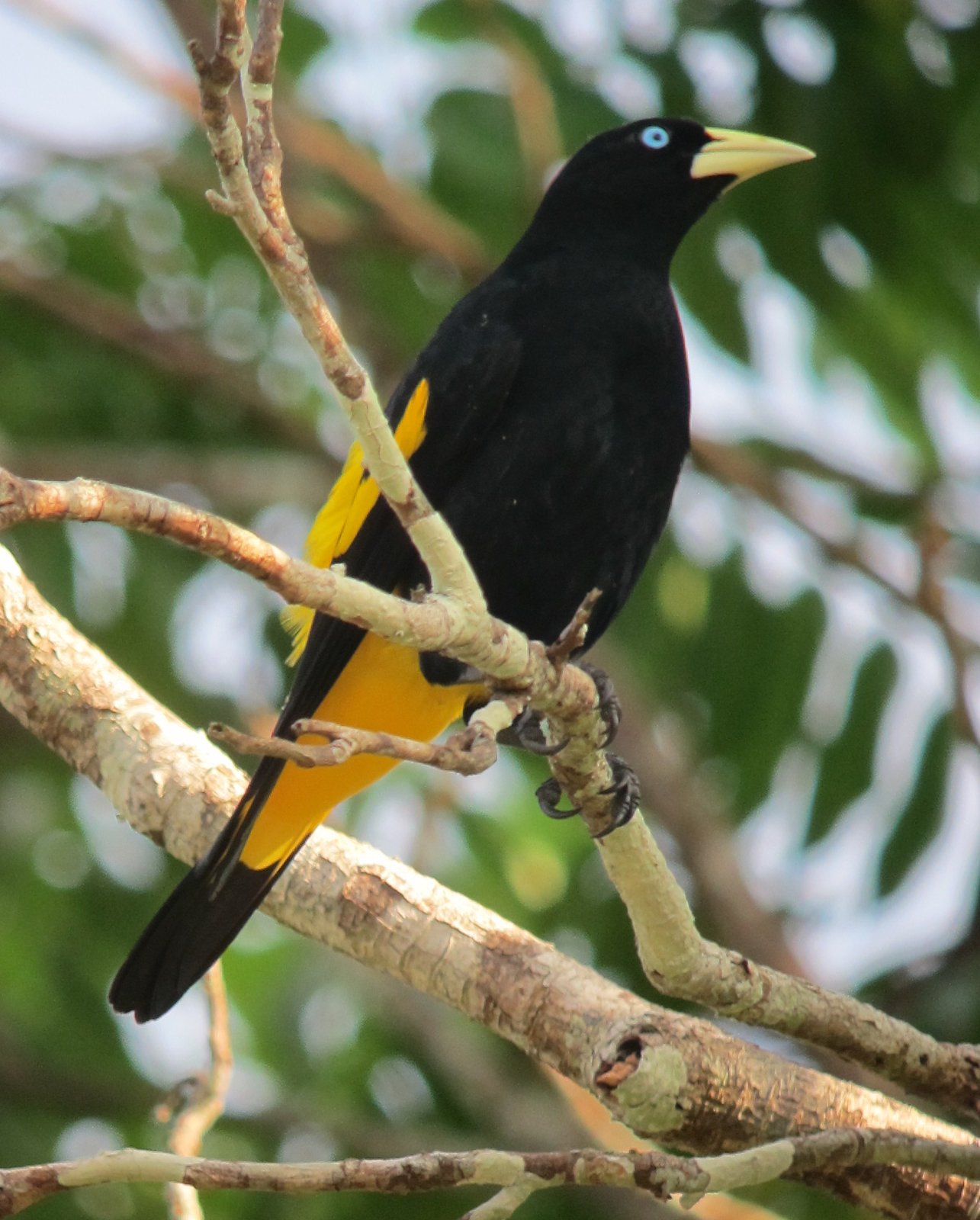
Yellow-rumped Cacique
Cacicus cela- Lowland rainforest
- Secondary forest and forest edge
- Floodplain and gallery forest
- Pasture and grazing land with trees
- Plantations and orchards
Icterus 17 species
-
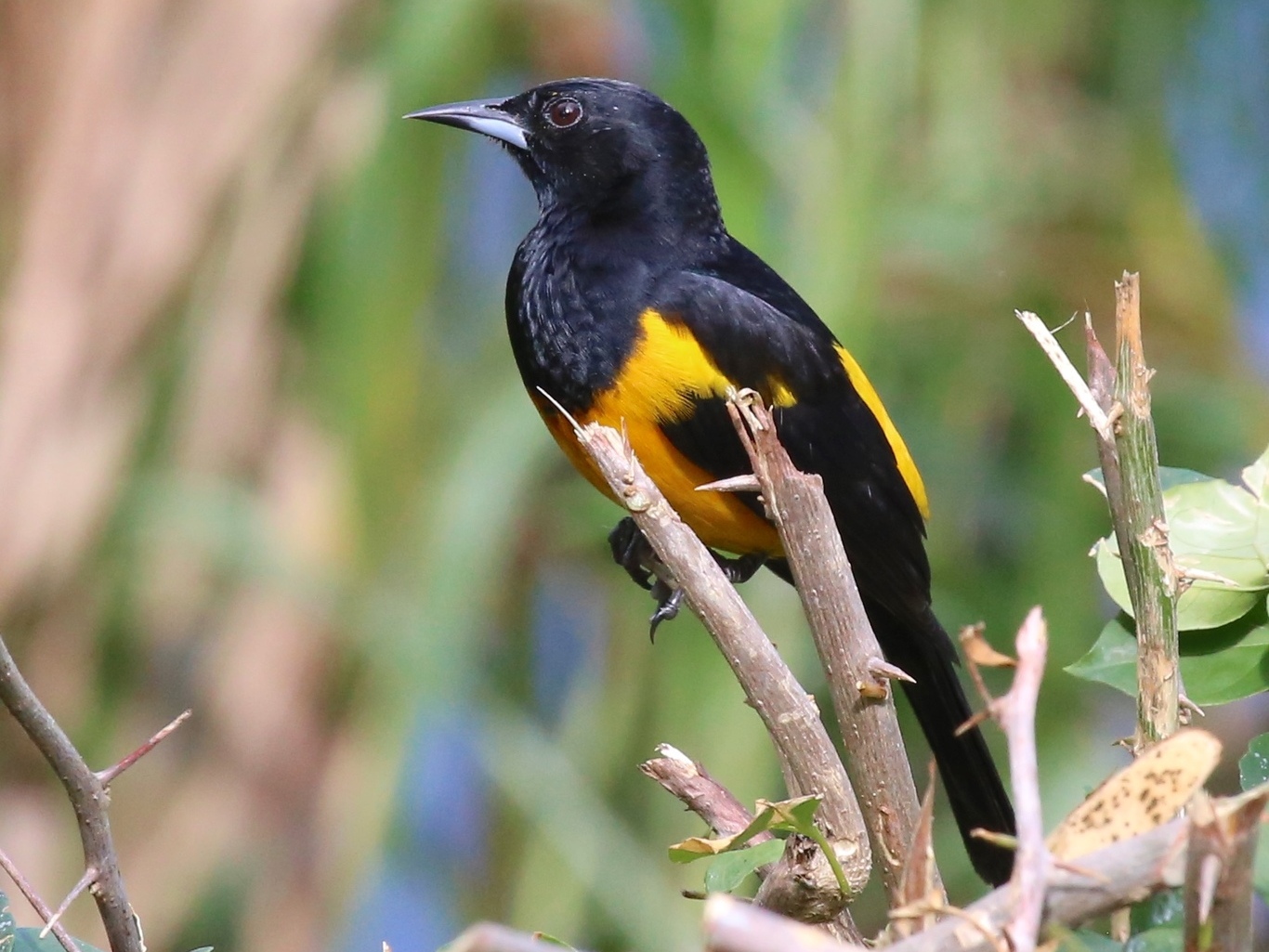
Black-vented Oriole
Icterus wagleri Pacific tropical dry forest
 Thorn scrub and cactus forest
 Tropical highland pine-oak forest
 Madrean oak and pine-oak woodland
 Riparian woodland in arid and temperate regions
 Villages, towns, gardens and parks
-
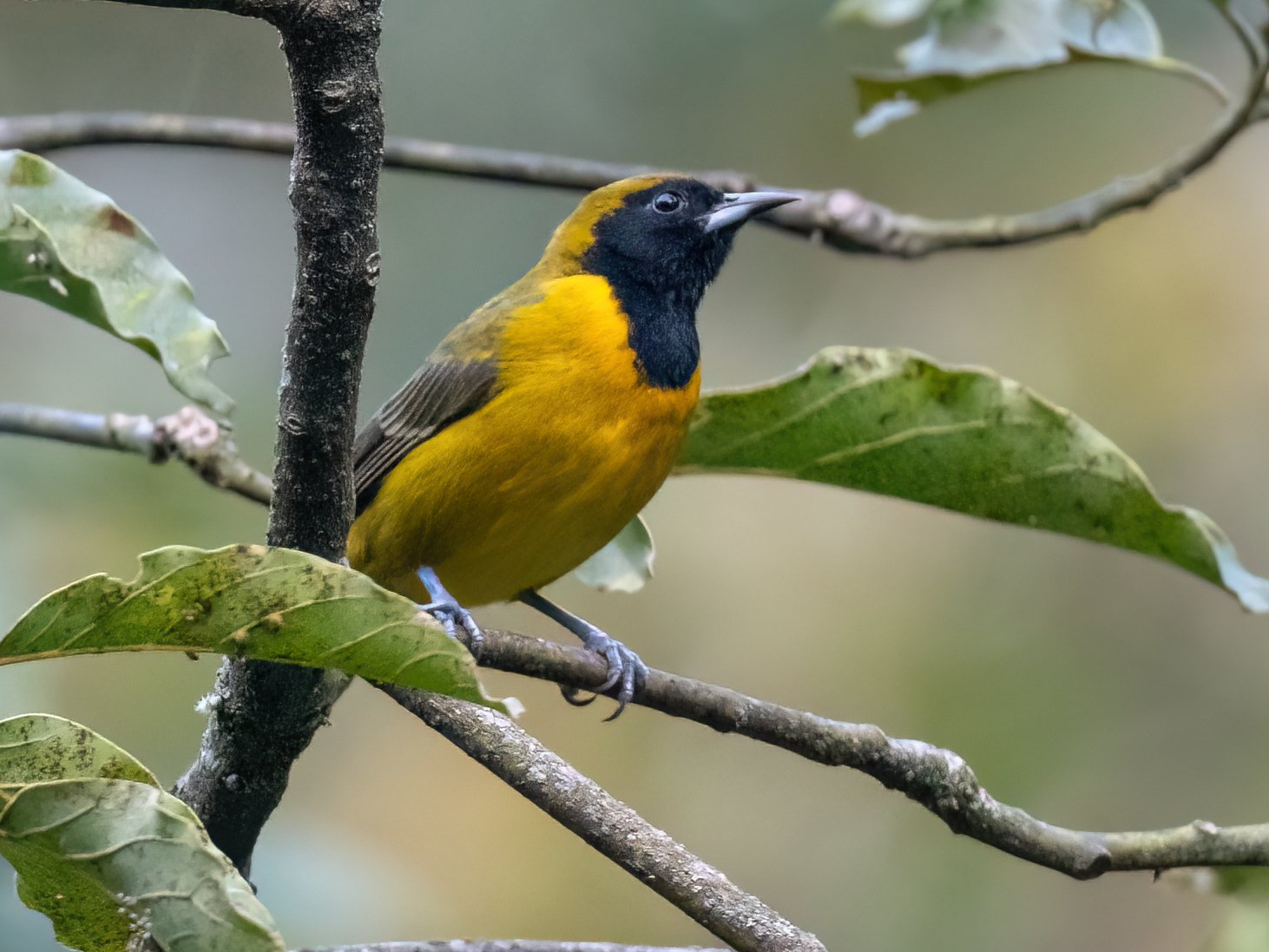
Bar-winged Oriole
Icterus maculialatus- Tropical highland pine-oak forest
- Foothill (submontane) forest
- Pacific tropical dry forest
- Shade coffee, cacao and agroforestry
-
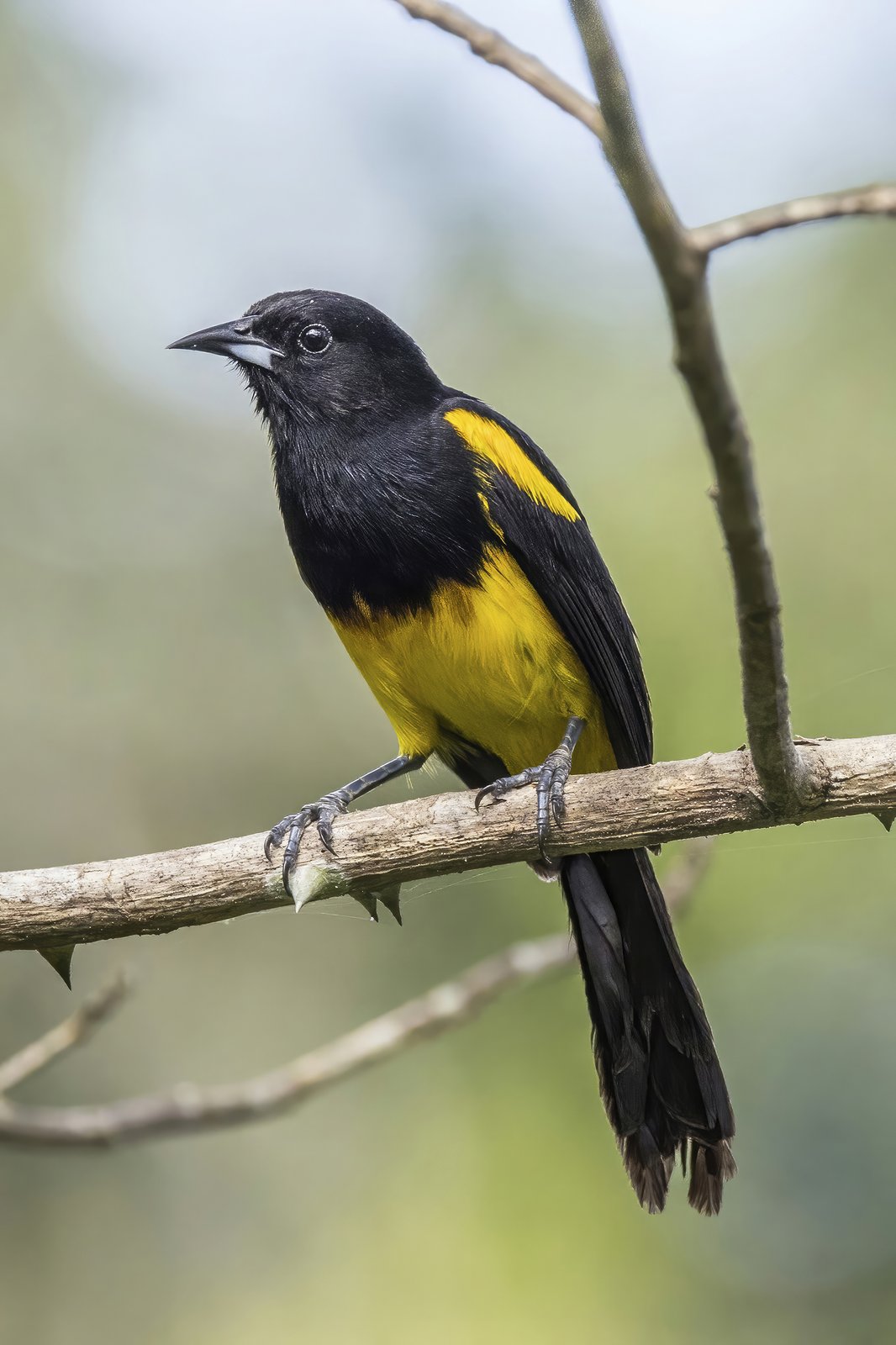
Black-cowled Oriole
Icterus prosthemelas- Lowland rainforest
- Foothill (submontane) forest
- Secondary forest and forest edge
- Plantations and orchards
- Villages, towns, gardens and parks
-
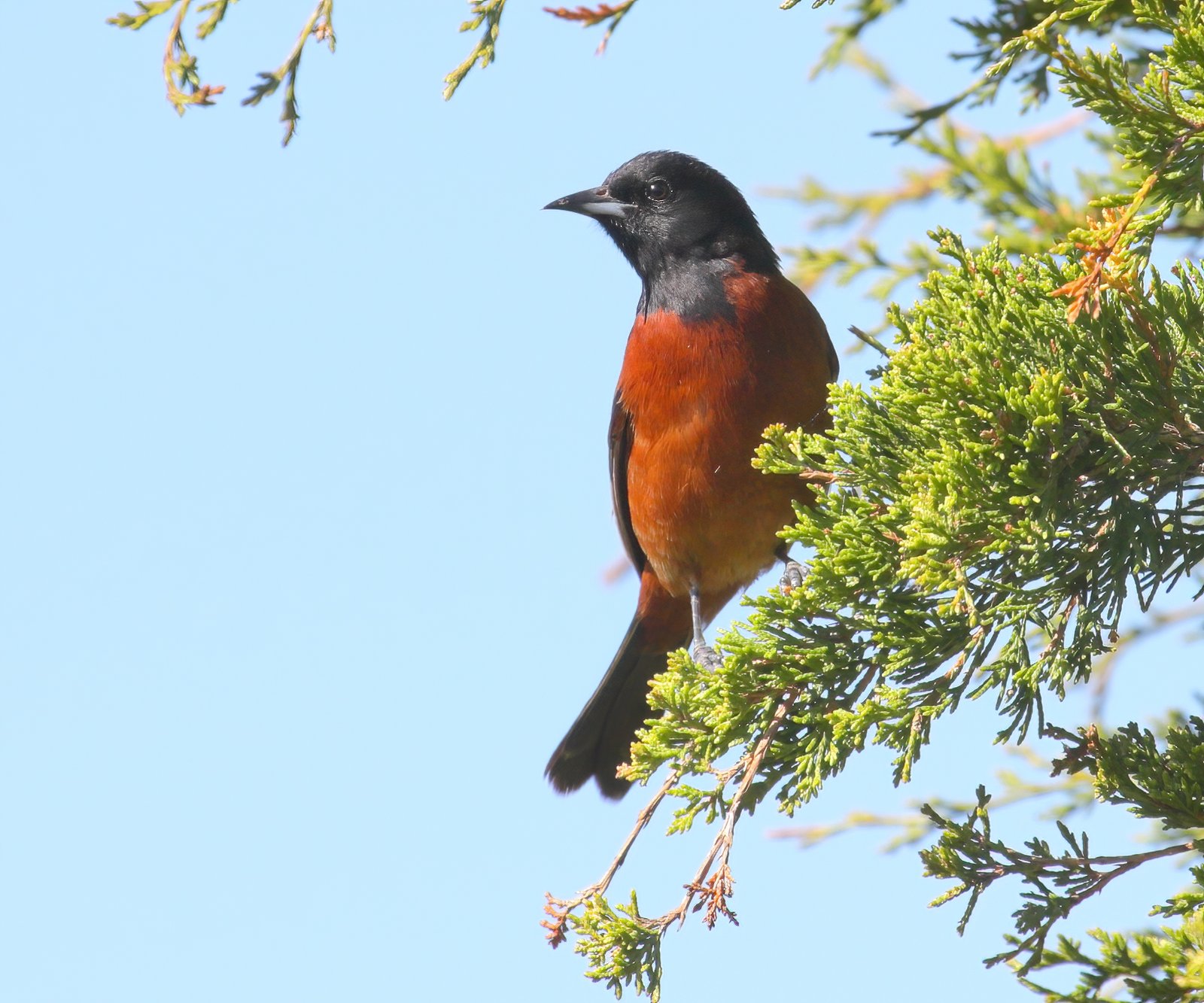
Orchard Oriole
Icterus spurius- Riparian woodland in arid and temperate regions
- Pacific tropical dry forest
- Secondary forest and forest edge
- Pasture and grazing land with trees
- Plantations and orchards
- Villages, towns, gardens and parks
-
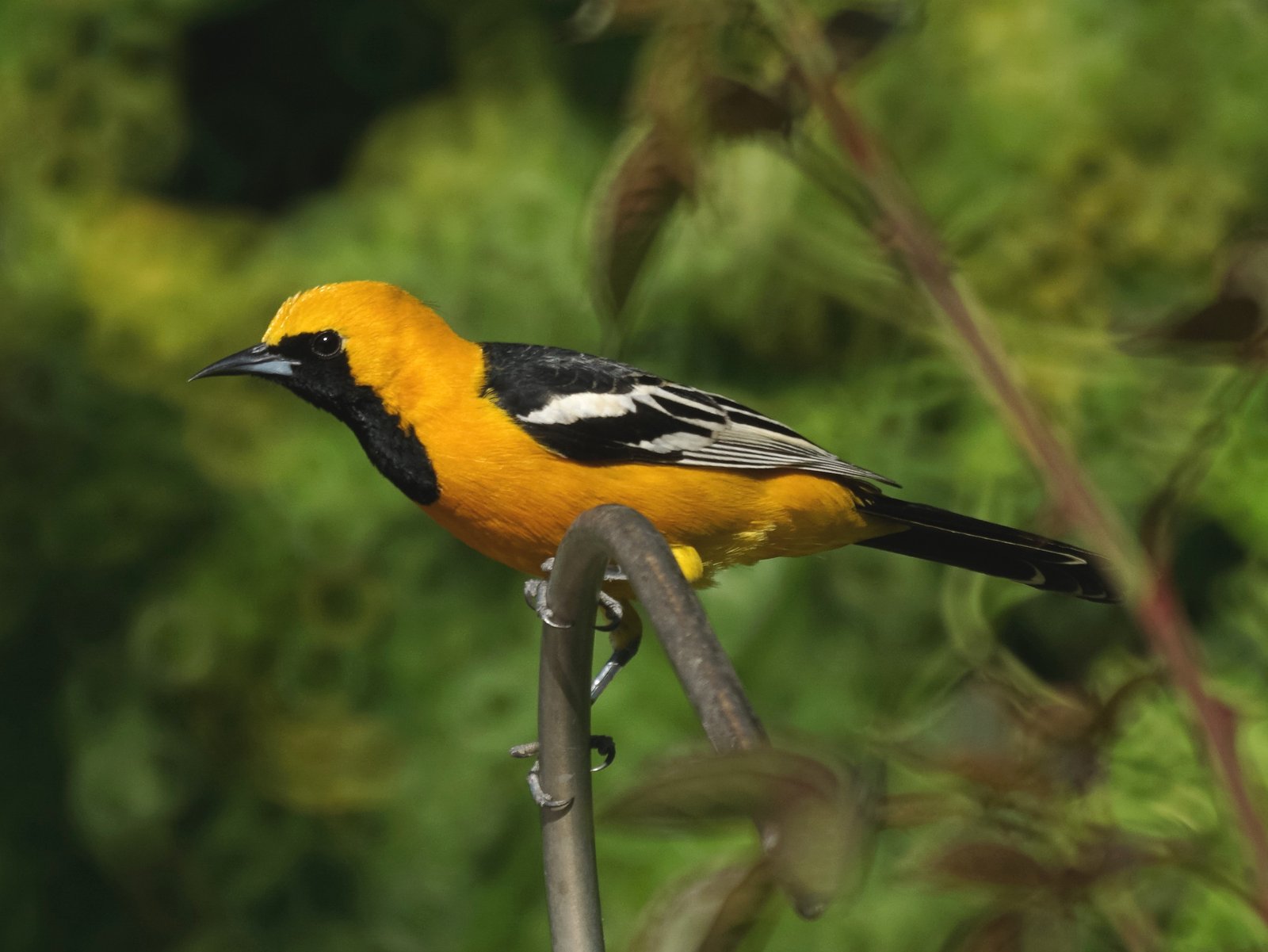
Hooded Oriole
Icterus cucullatus- Riparian woodland in arid and temperate regions
- Thorn scrub and cactus forest
- Yucatán and Caribbean-interior seasonal forest
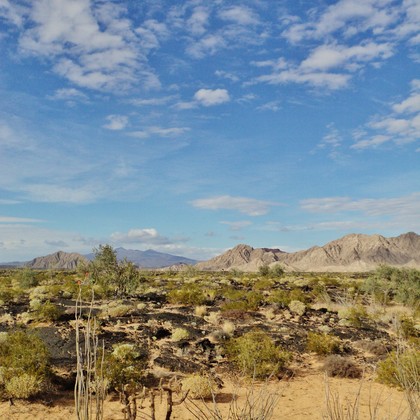 Sonoran Desert
- Plantations and orchards
- Villages, towns, gardens and parks
-
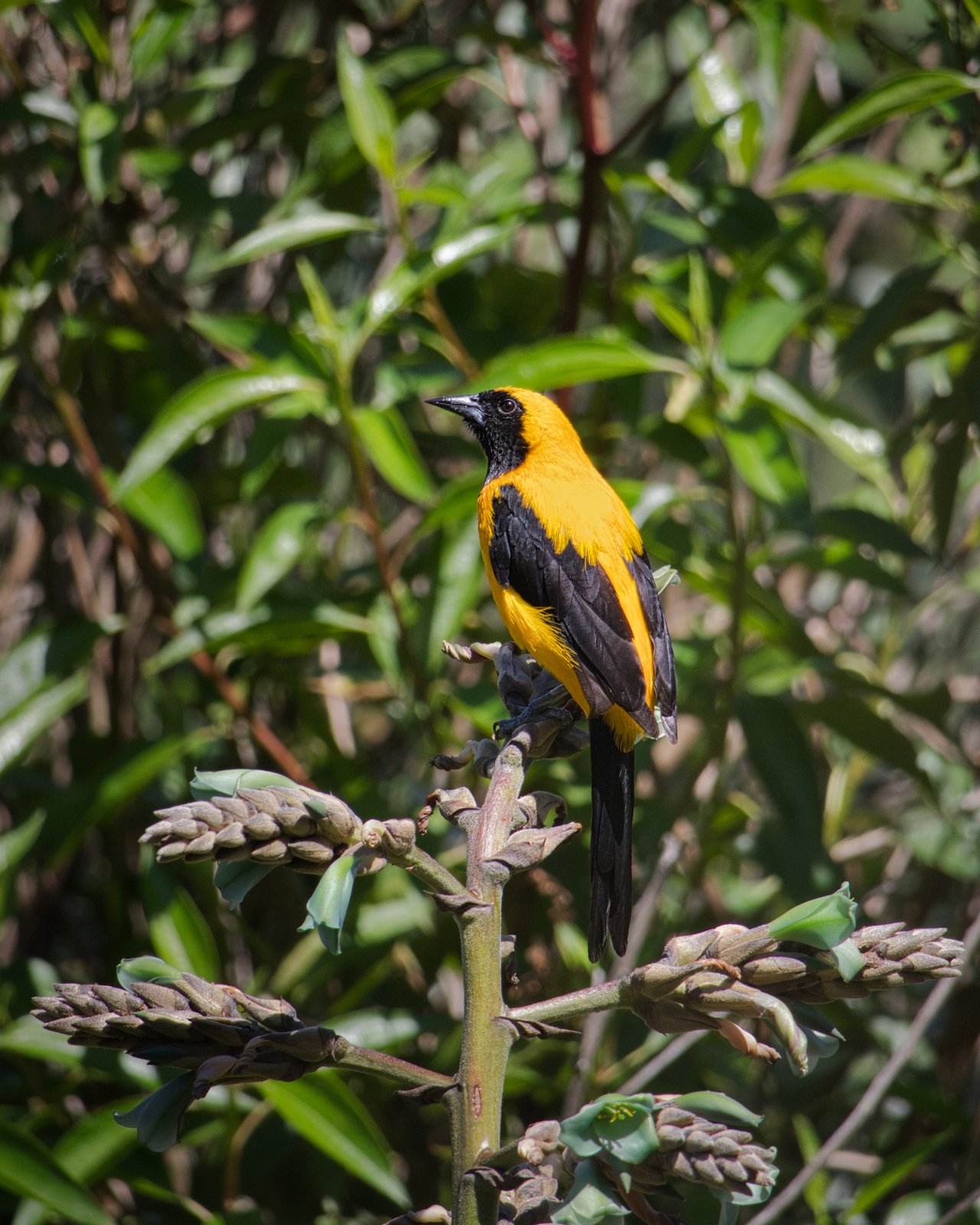
Yellow-backed Oriole
Icterus chrysater- Tropical highland pine-oak forest
- Pine savanna
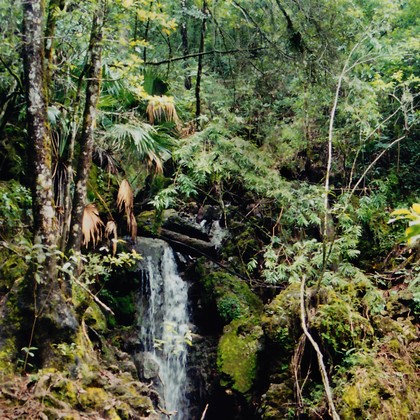 Northern Middle American cloud forest
- Secondary forest and forest edge
- Yucatán and Caribbean-interior seasonal forest
- Shade coffee, cacao and agroforestry
-
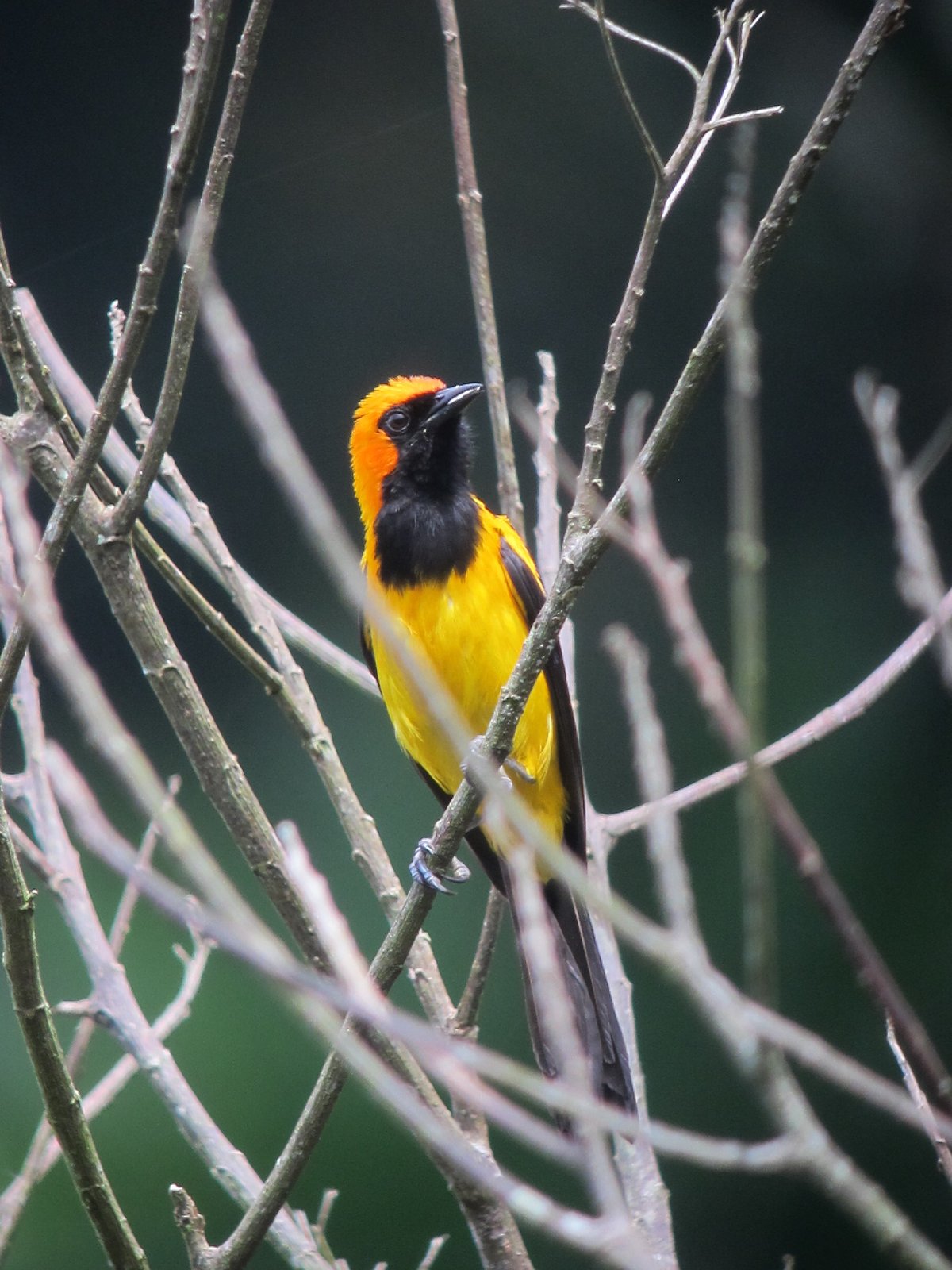
Orange-crowned Oriole
Icterus auricapillus- Lowland rainforest
- Chocó-Darién rainforest
- Secondary forest and forest edge
- Floodplain and gallery forest
- Pasture and grazing land with trees
-
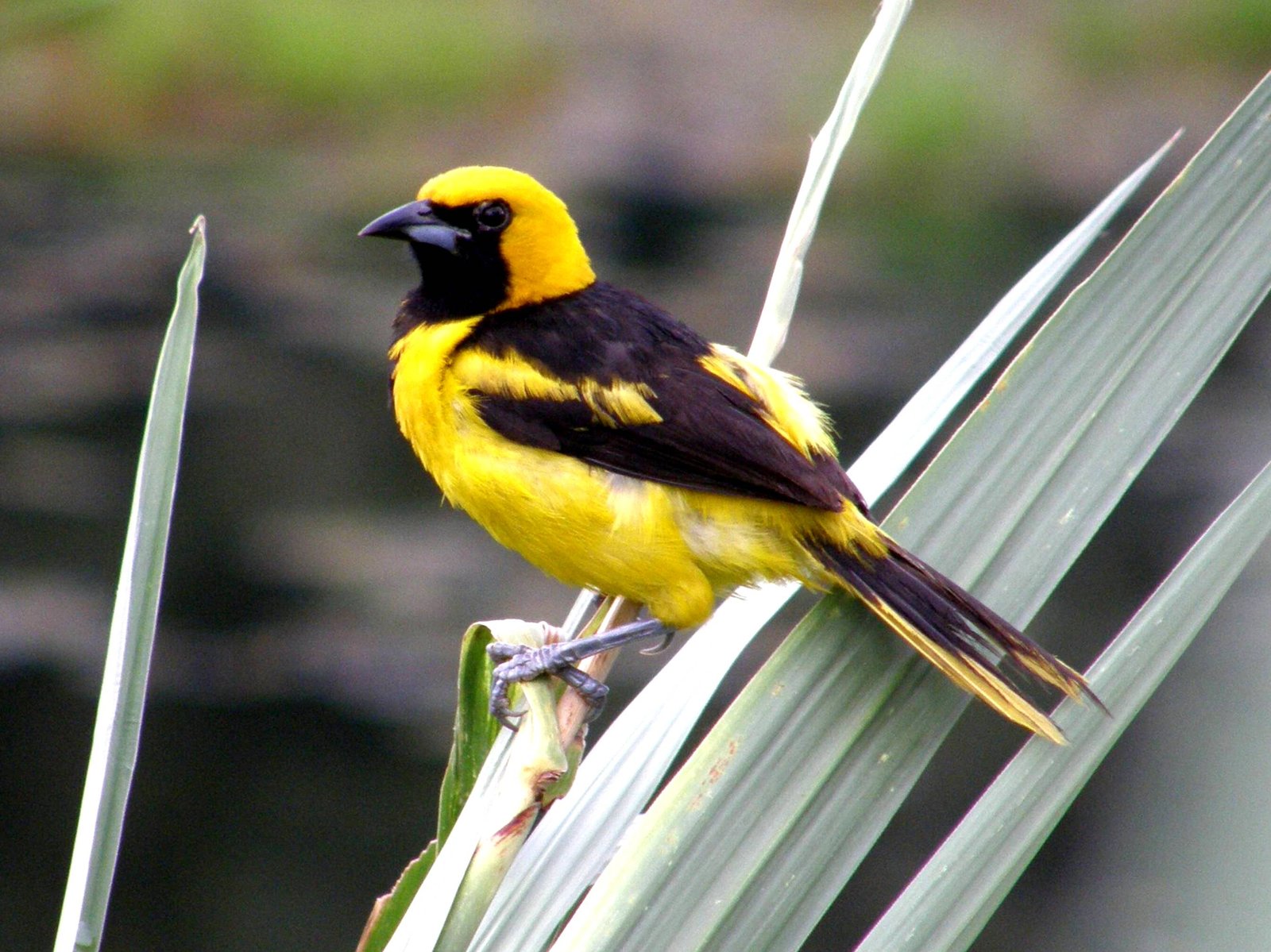
Yellow-tailed Oriole
Icterus mesomelas Freshwater marsh and wet grassland
- Floodplain and gallery forest
- Secondary forest and forest edge
- Lowland rainforest
- Plantations and orchards
- Pasture and grazing land with trees
-
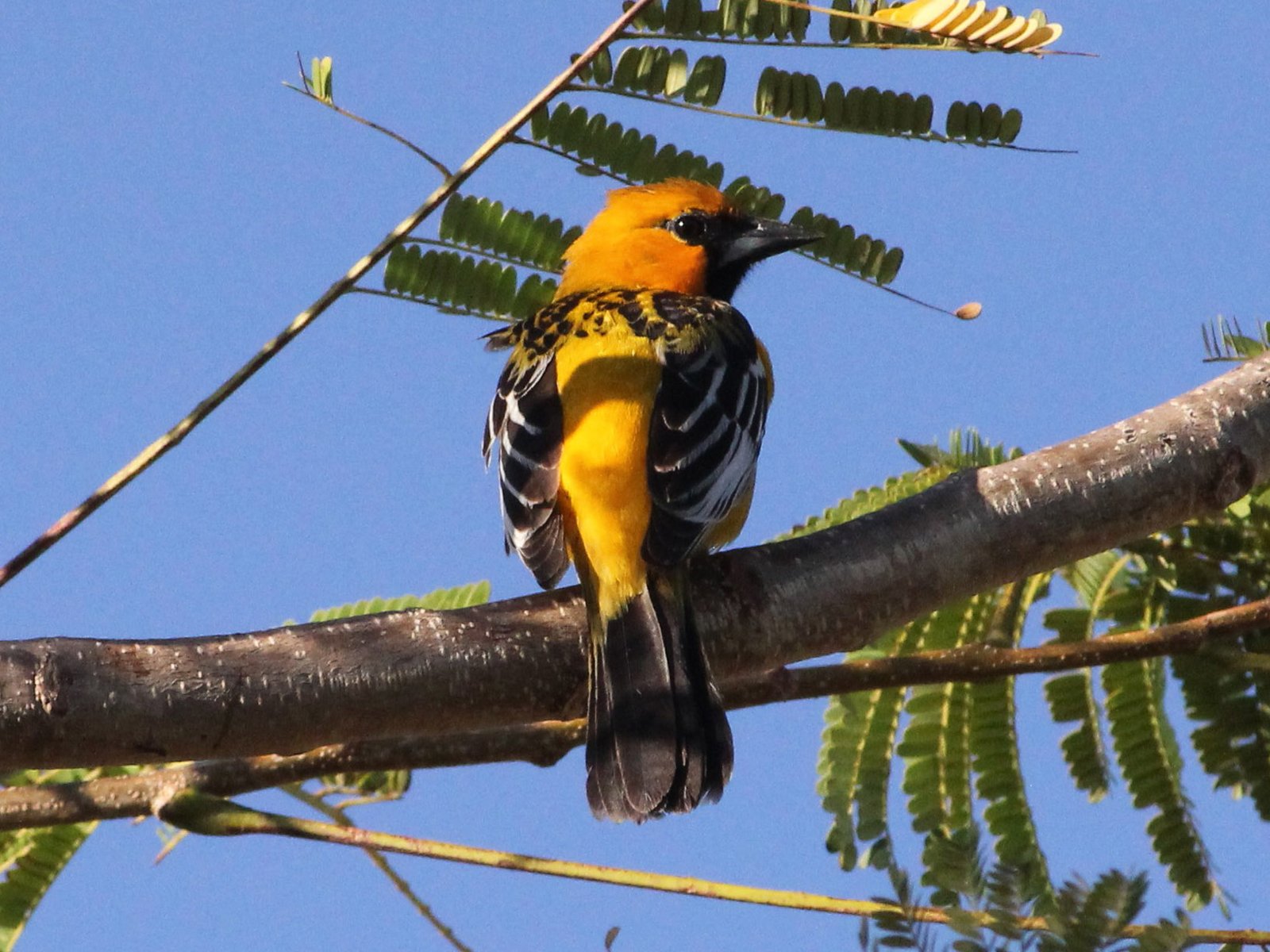
Streak-backed Oriole
Icterus pustulatus- Pacific tropical dry forest
- Thorn scrub and cactus forest
- Riparian woodland in arid and temperate regions
- Pasture and grazing land with trees
- Villages, towns, gardens and parks
-
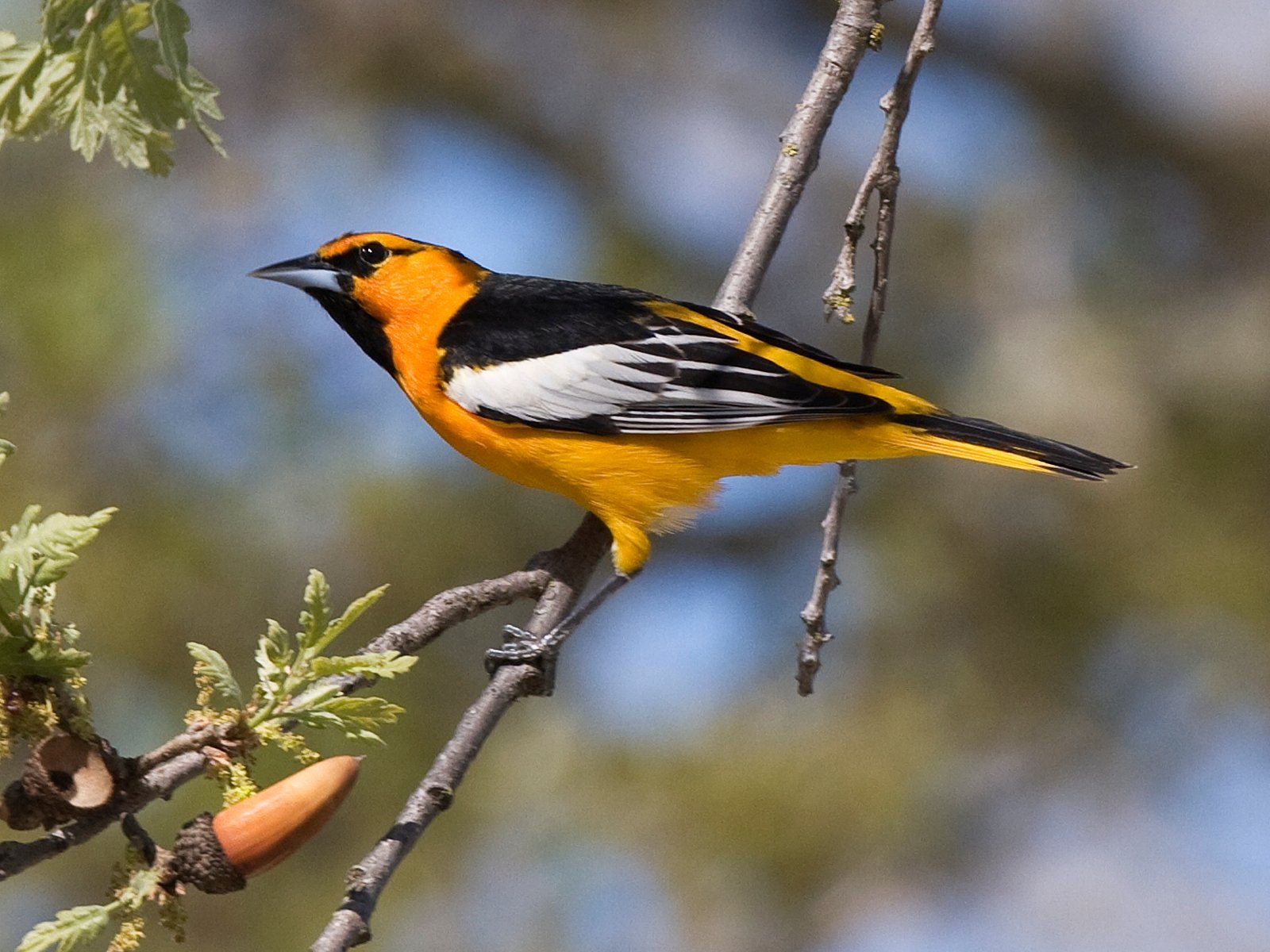
Bullock's Oriole
Icterus bullockiorum- Riparian woodland in arid and temperate regions
- Madrean oak and pine-oak woodland
- Pacific tropical dry forest
- Pasture and grazing land with trees
- Villages, towns, gardens and parks
-
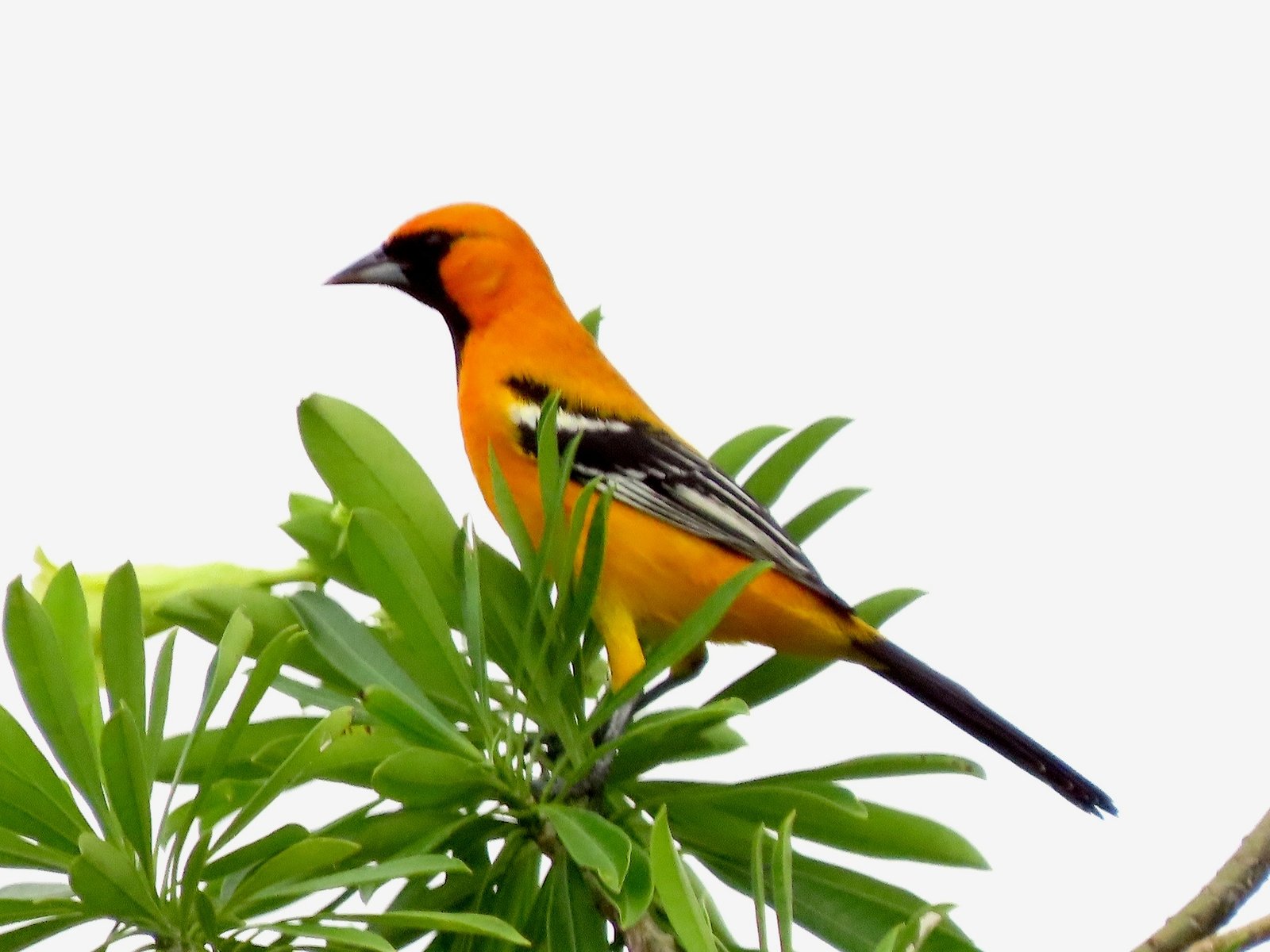
Orange Oriole
Icterus auratus- Yucatán and Caribbean-interior seasonal forest
- Secondary forest and forest edge
 Mangrove
- Villages, towns, gardens and parks
-
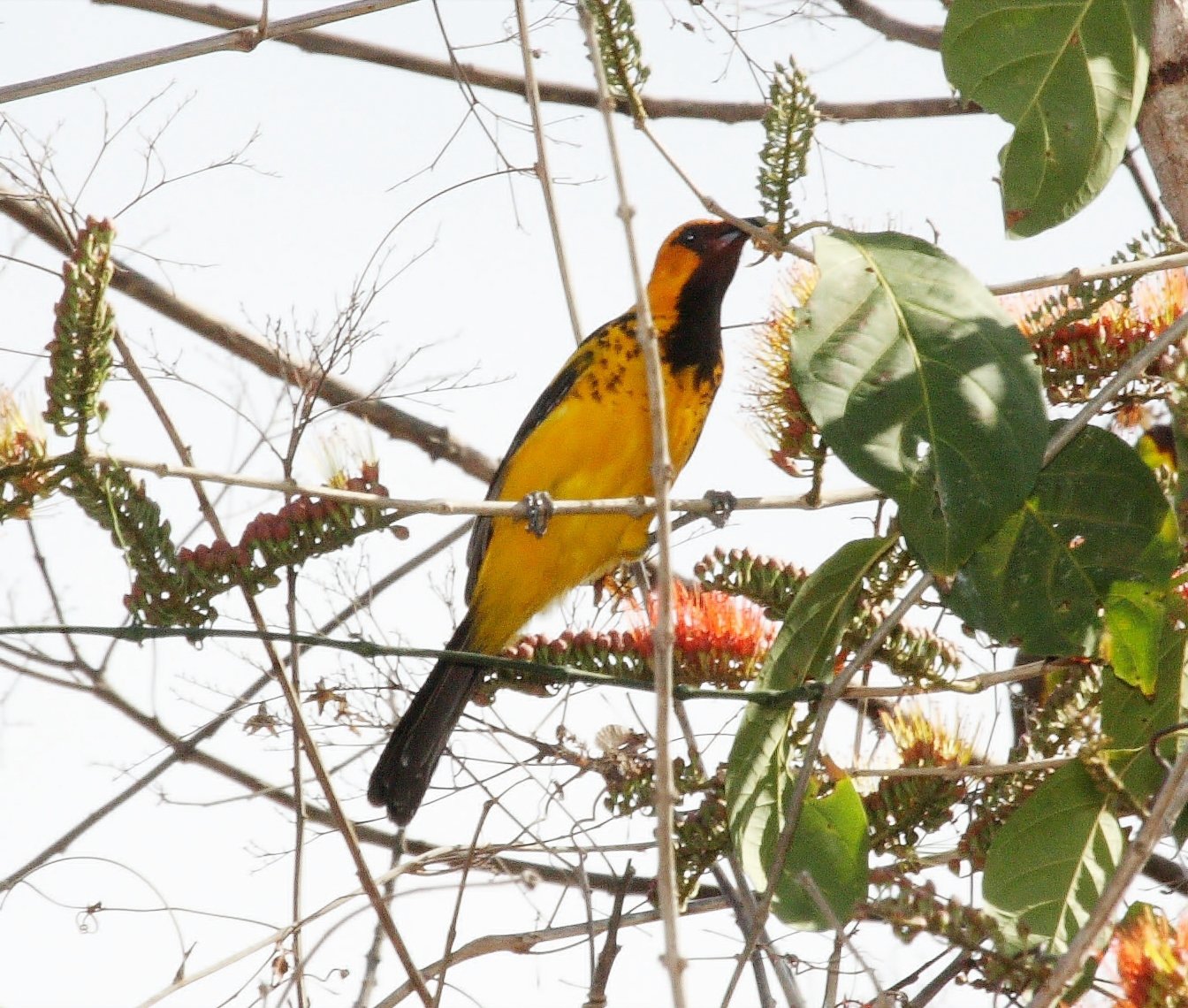
Spot-breasted Oriole
Icterus pectoralis- Pacific tropical dry forest
- Thorn scrub and cactus forest
- Riparian woodland in arid and temperate regions
- Secondary forest and forest edge
- Pasture and grazing land with trees
- Villages, towns, gardens and parks
-
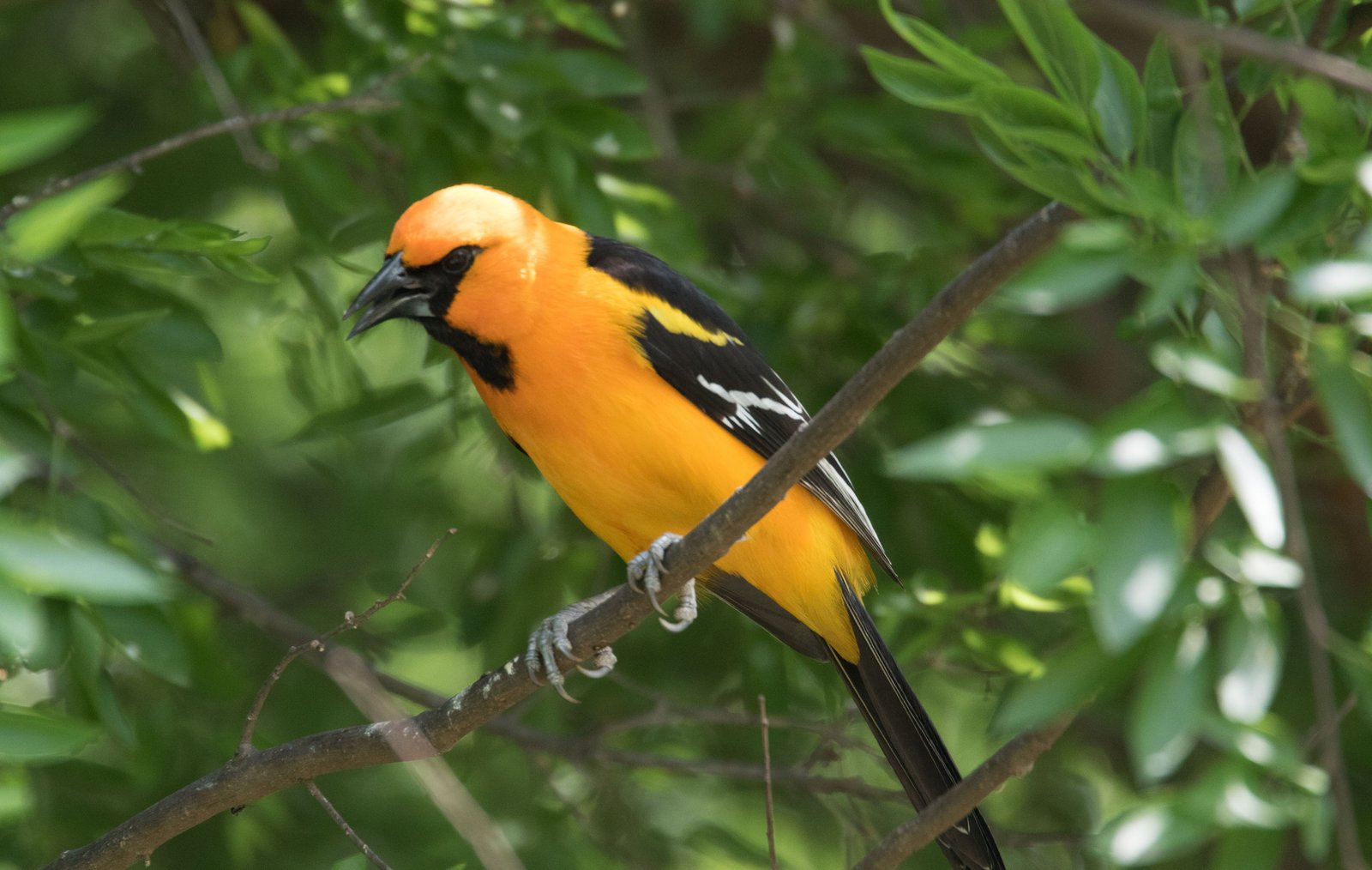
Altamira Oriole
Icterus gularis- Pacific tropical dry forest
- Yucatán and Caribbean-interior seasonal forest
- Thorn scrub and cactus forest
- Floodplain and gallery forest
- Riparian woodland in arid and temperate regions
- Secondary forest and forest edge
- Villages, towns, gardens and parks
-
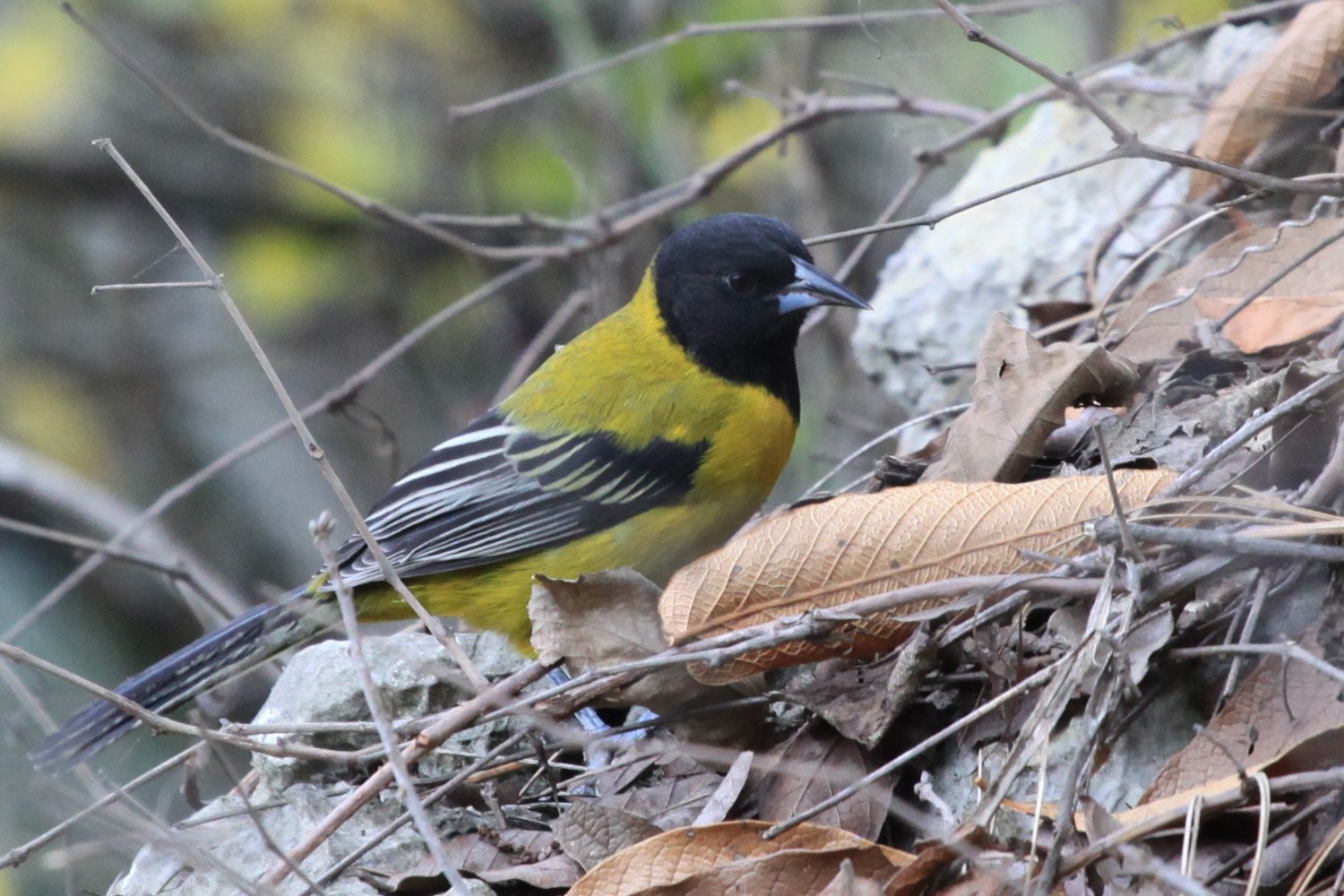
Audubon's Oriole
Icterus graduacauda- Foothill (submontane) forest
- Northern Middle American cloud forest
- Tropical highland pine-oak forest
- Madrean oak and pine-oak woodland
- Riparian woodland in arid and temperate regions
- Secondary forest and forest edge
-
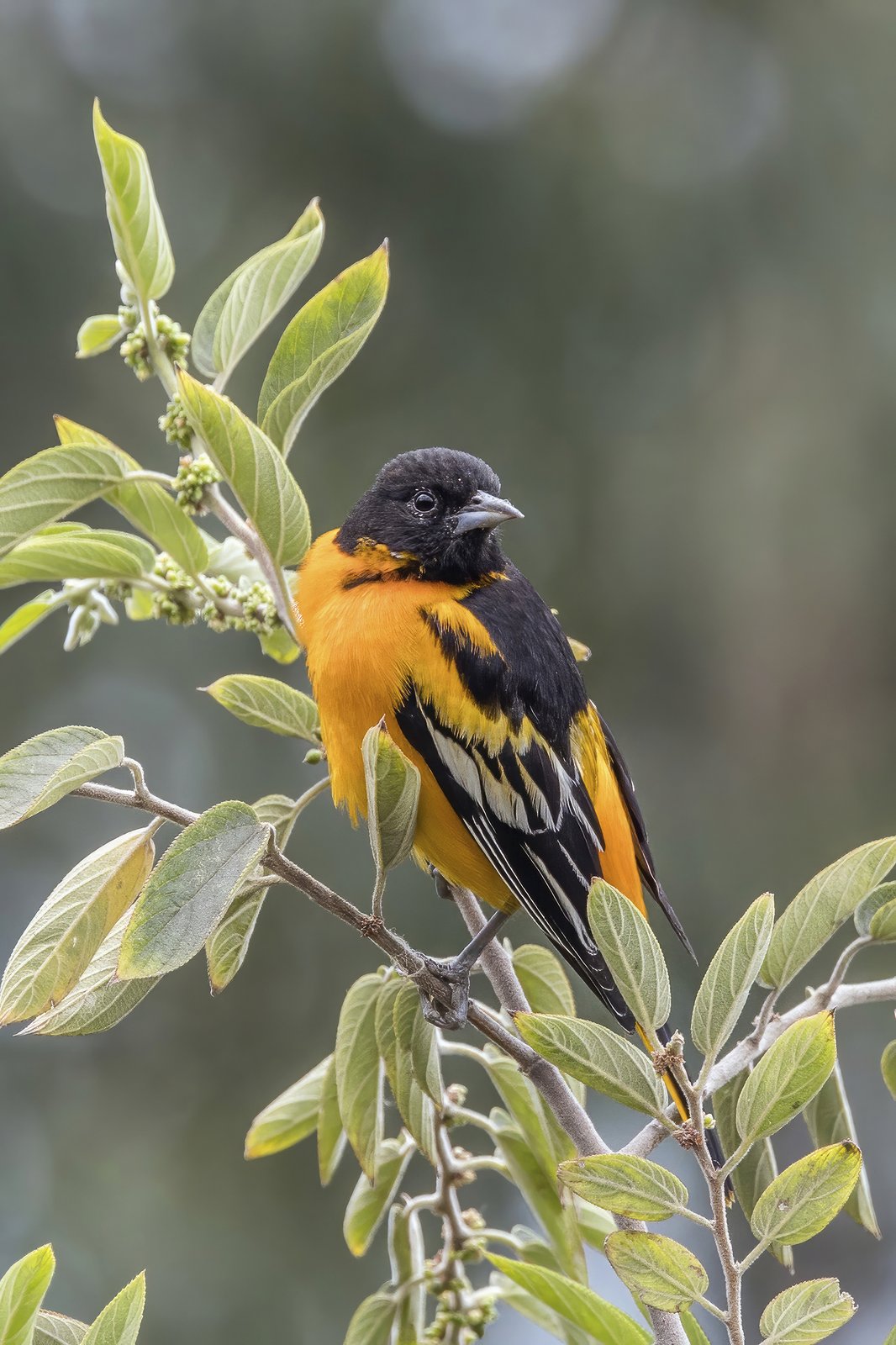
Baltimore Oriole
Icterus galbula- Secondary forest and forest edge
- Floodplain and gallery forest
- Yucatán and Caribbean-interior seasonal forest
- Shade coffee, cacao and agroforestry
- Villages, towns, gardens and parks
-
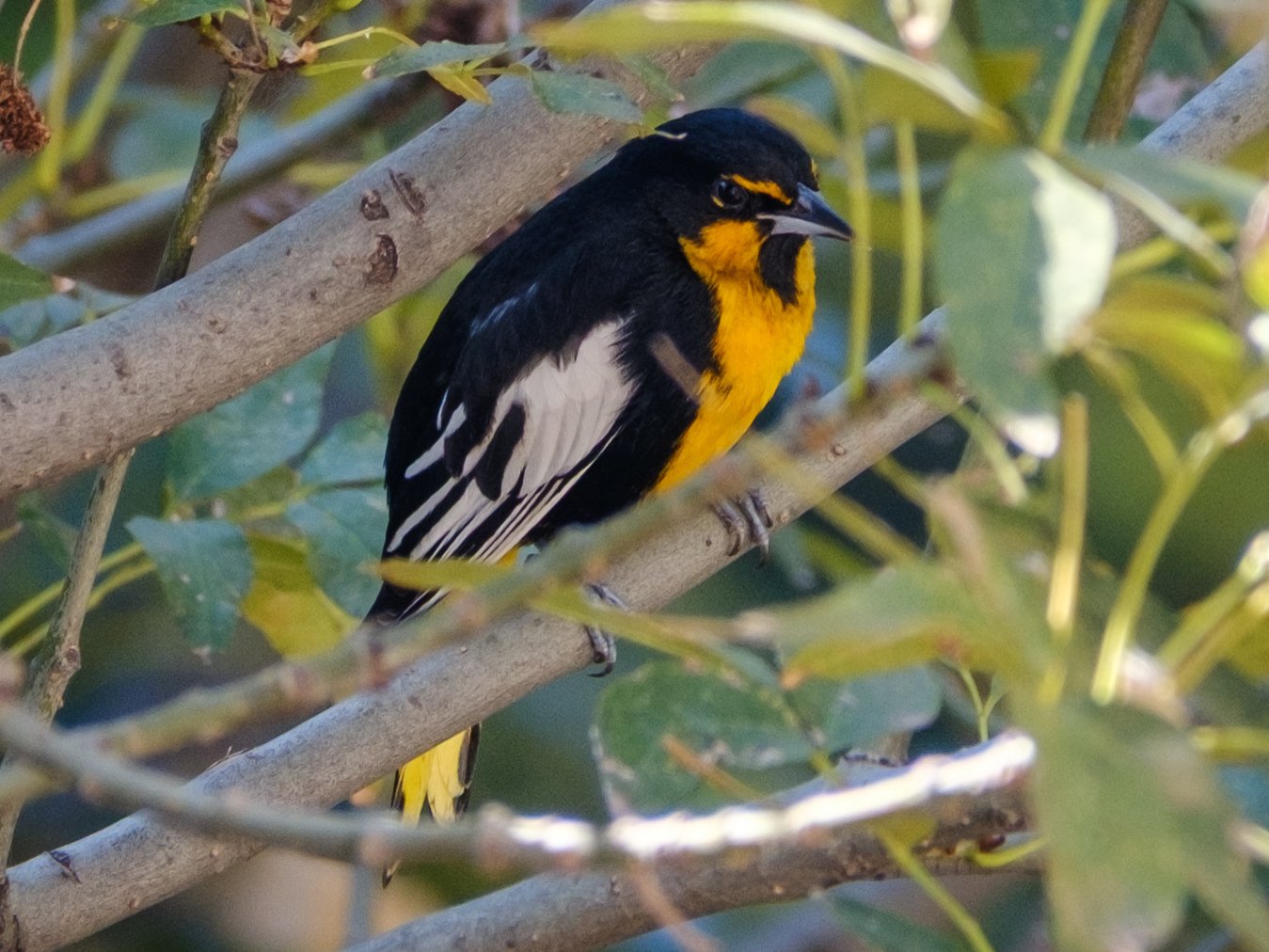
Black-backed Oriole
Icterus abeillei- Tropical highland pine-oak forest
- Madrean oak and pine-oak woodland
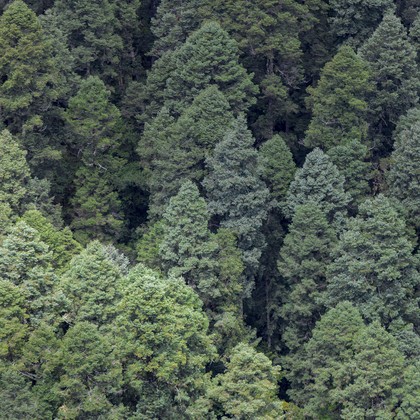 High montane conifer forest
- Riparian woodland in arid and temperate regions
- Villages, towns, gardens and parks
-
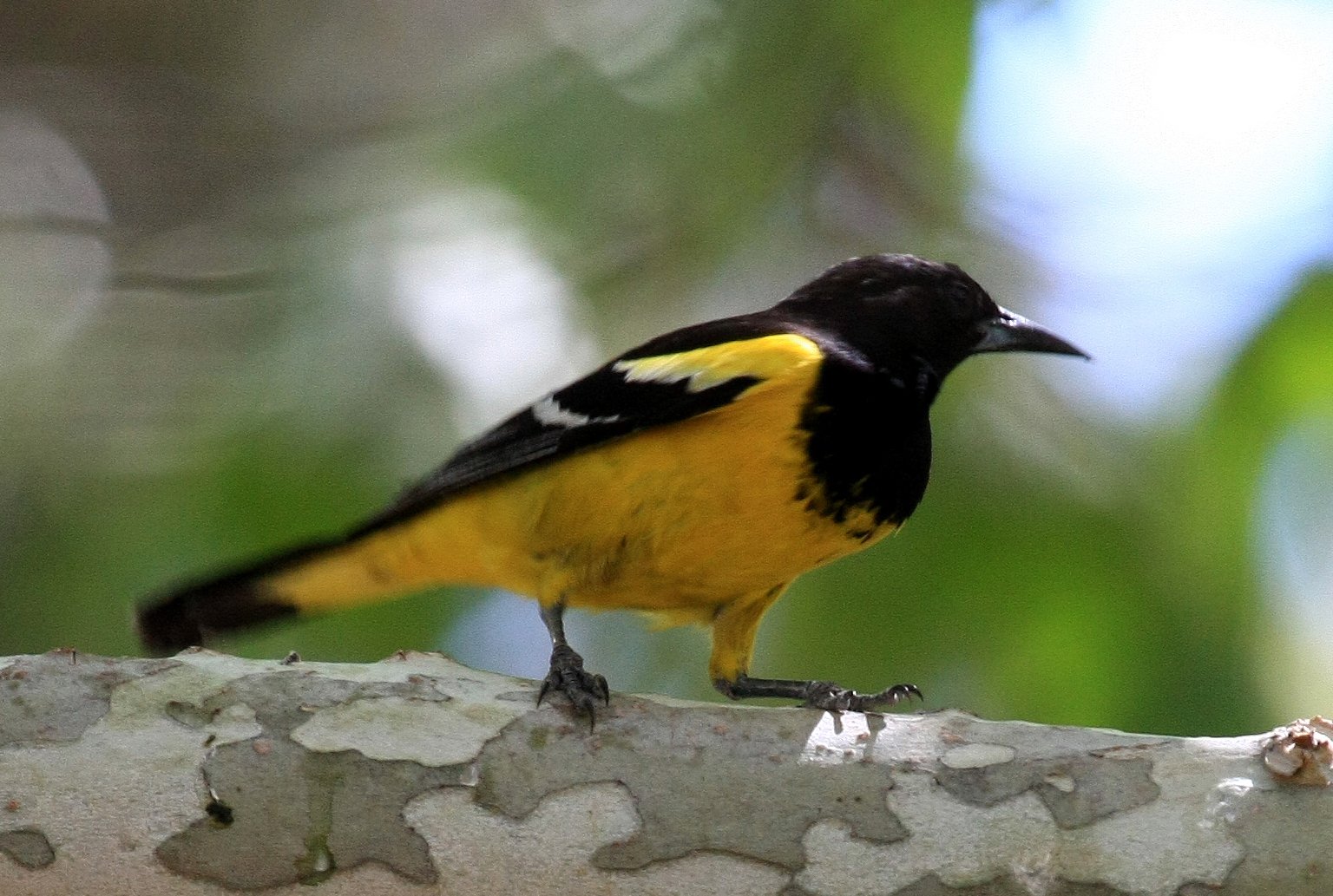
Scott's Oriole
Icterus parisorum- Chihuahuan Desert and plateau scrub
- Semi-desert grassland
- Sonoran Desert
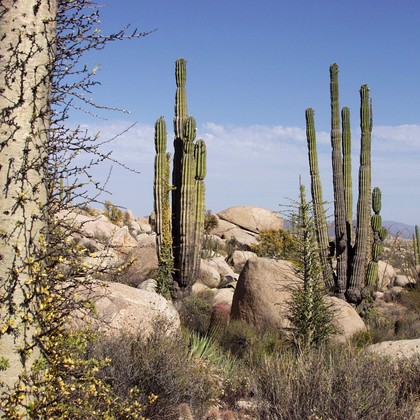 Baja California desert
- Madrean oak and pine-oak woodland
- Thorn scrub and cactus forest
Agelaius 2 species
-
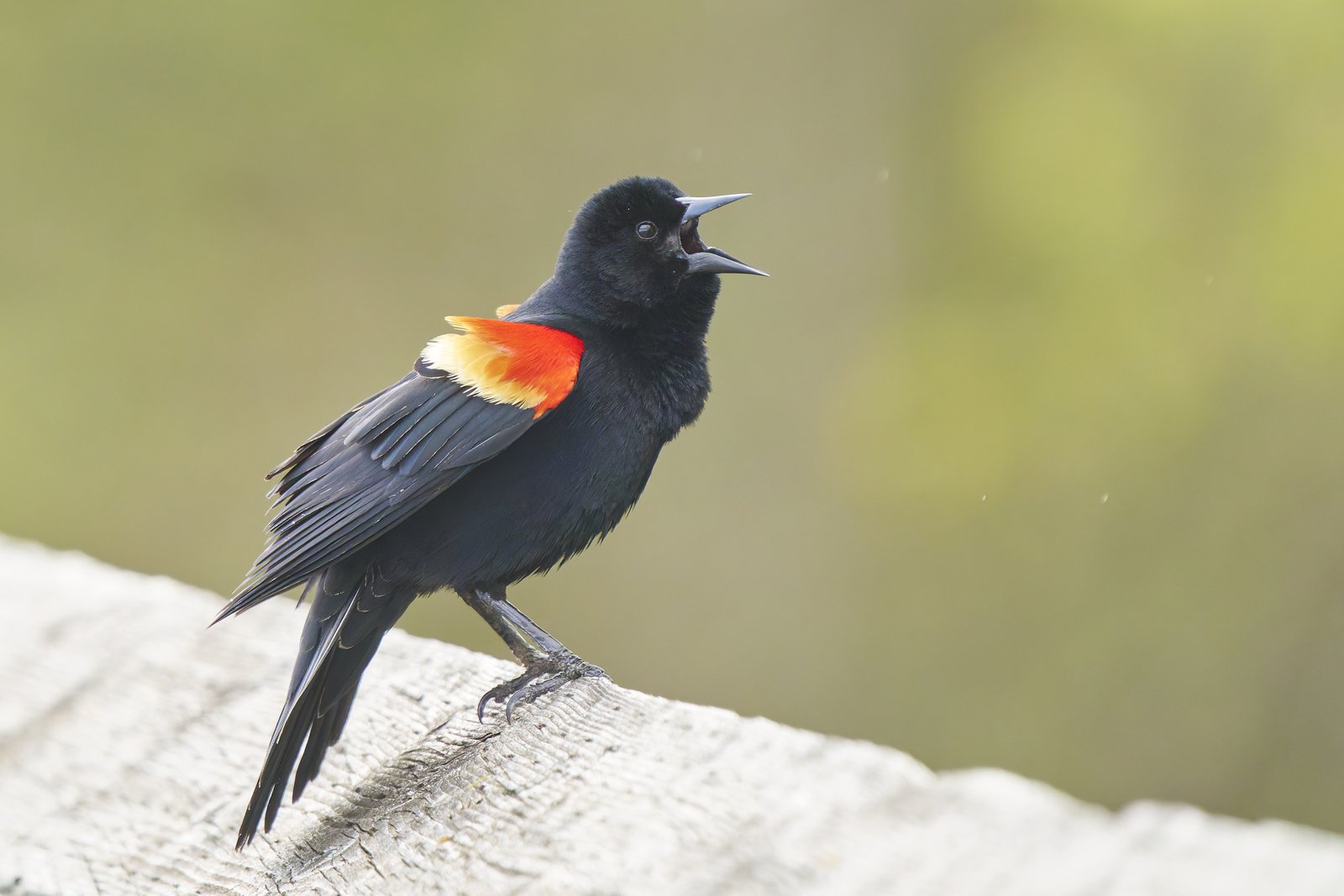
Red-winged Blackbird
Agelaius phoeniceus- Freshwater marsh and wet grassland
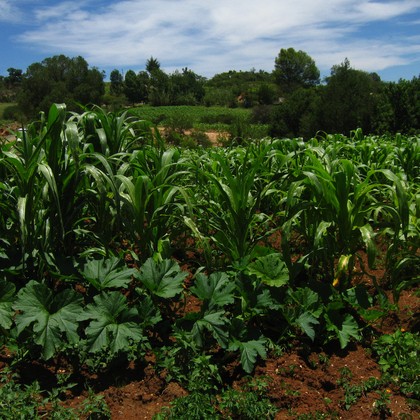 Rice fields and fish ponds
- Arable fields and milpa
- Pasture and grazing land with trees
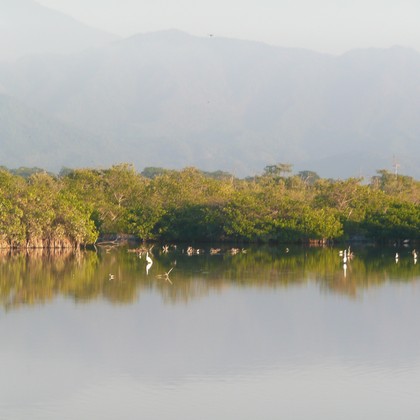 Salt marsh
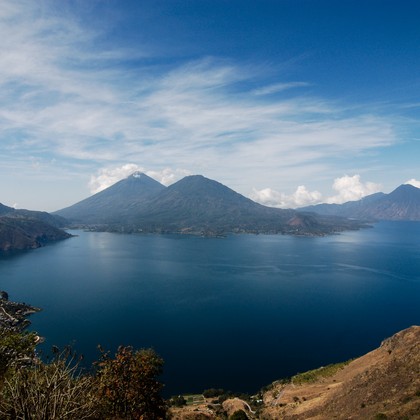 Lakes, reservoirs and ponds
-
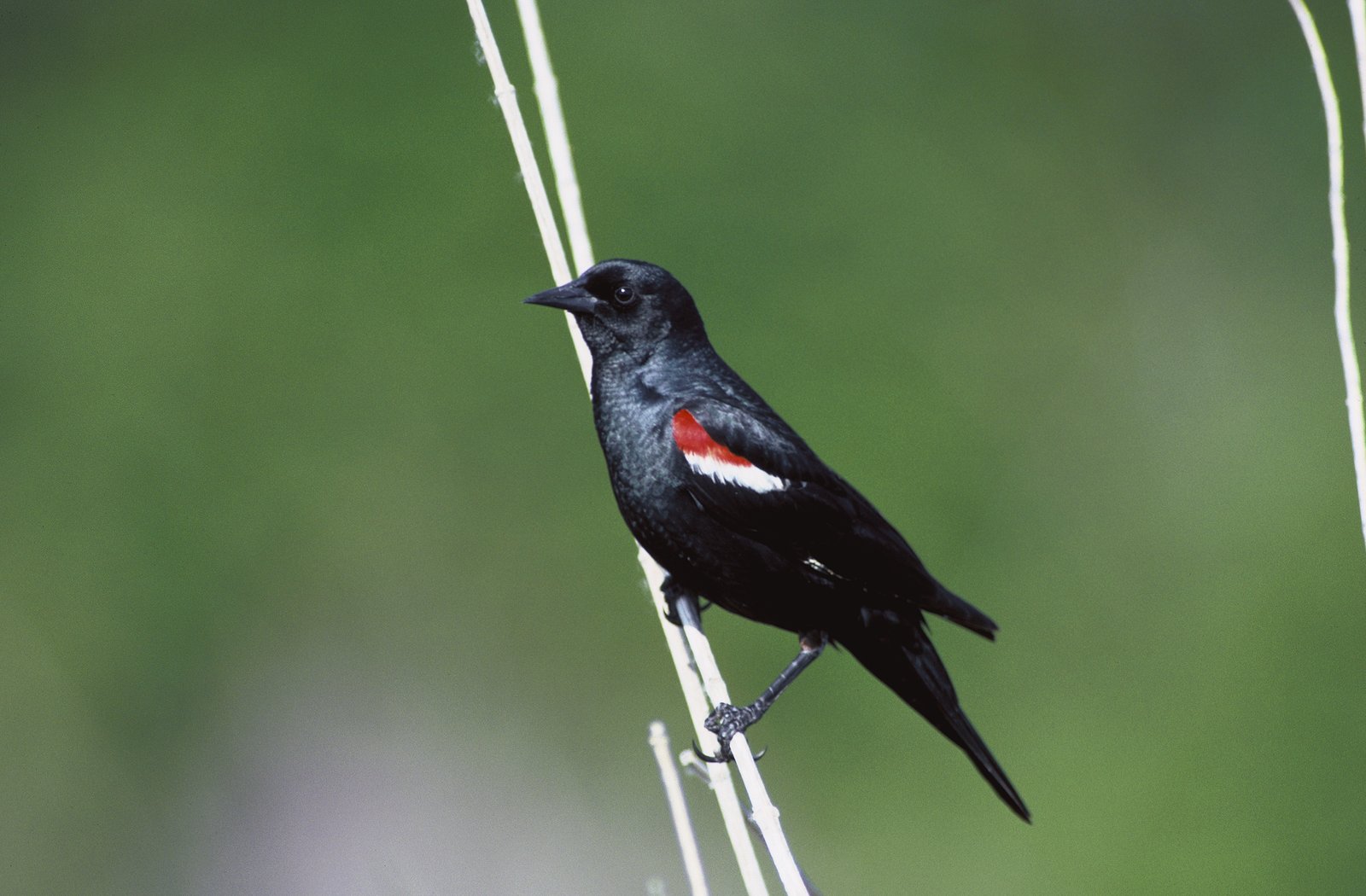
Tricolored Blackbird
Agelaius tricolor- Freshwater marsh and wet grassland
- Arable fields and milpa
- Pasture and grazing land with trees
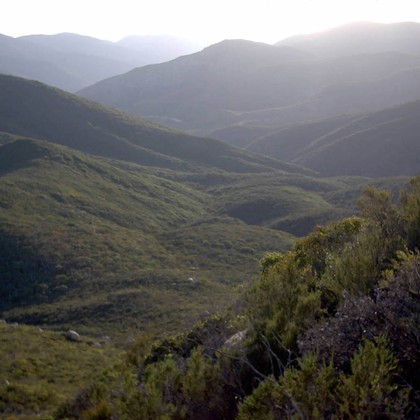 Chaparral and coastal sage scrub
Molothrus 4 species
-
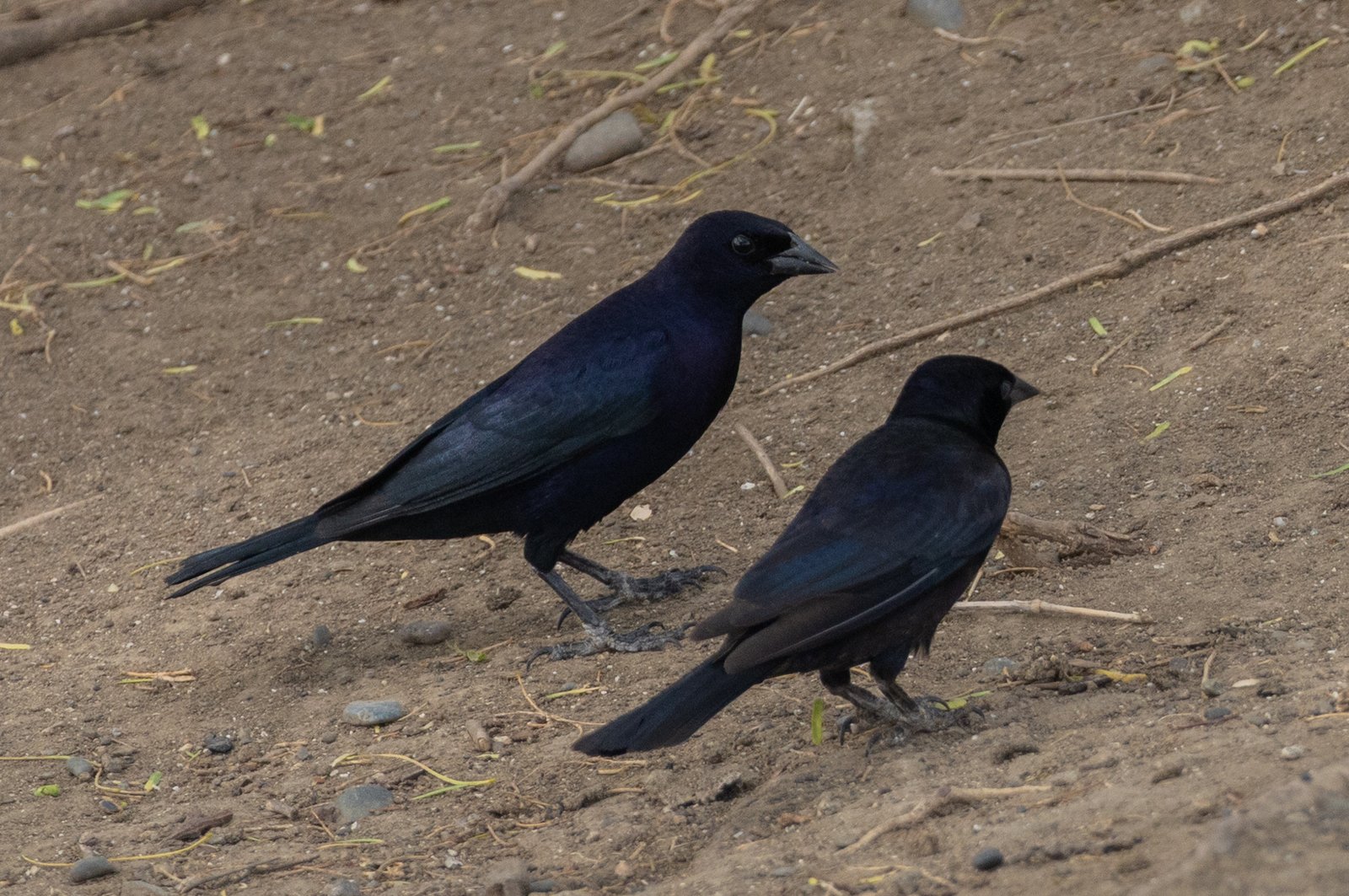
Shiny Cowbird
Molothrus bonariensis- Pasture and grazing land with trees
- Arable fields and milpa
- Villages, towns, gardens and parks
- Lowland savanna and open grassland
- Freshwater marsh and wet grassland
-
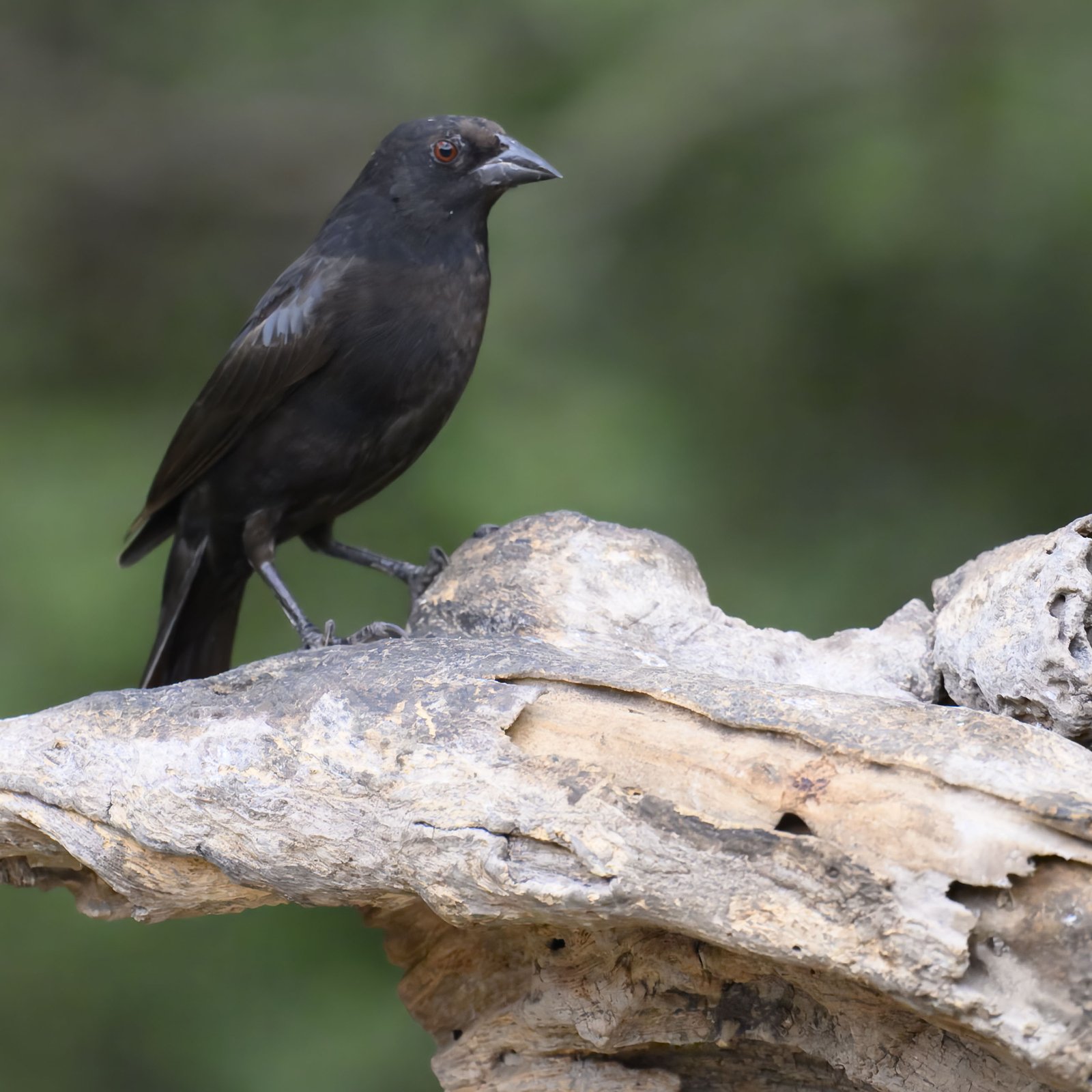
Bronzed Cowbird
Molothrus aeneus- Pasture and grazing land with trees
- Arable fields and milpa
- Villages, towns, gardens and parks
- Secondary forest and forest edge
- Pacific tropical dry forest
- Semi-desert grassland
-
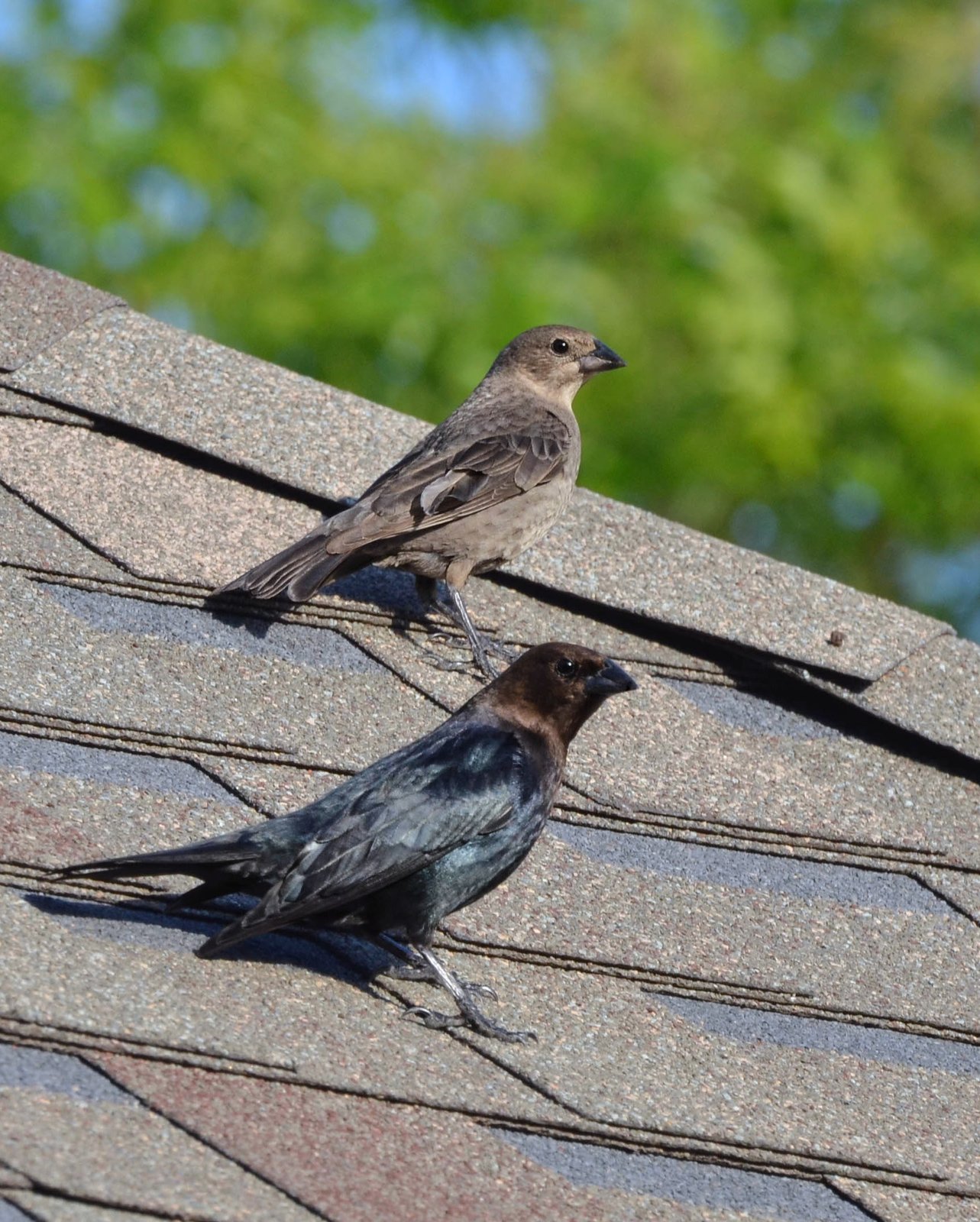
Brown-headed Cowbird
Molothrus ater- Pasture and grazing land with trees
- Arable fields and milpa
- Villages, towns, gardens and parks
- Semi-desert grassland
- Madrean oak and pine-oak woodland
-
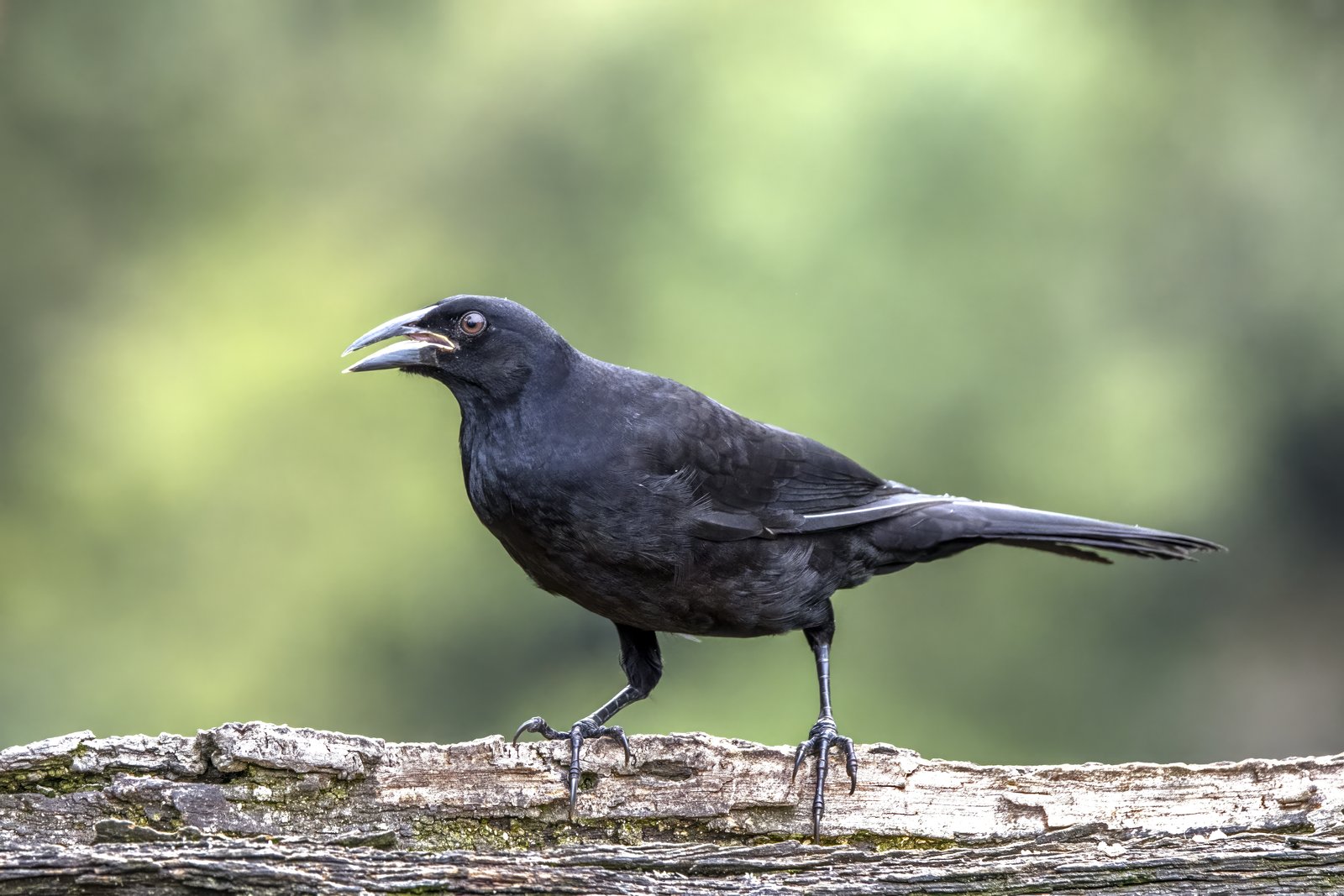
Giant Cowbird
Molothrus oryzivorus- Secondary forest and forest edge
- Lowland rainforest
- Floodplain and gallery forest
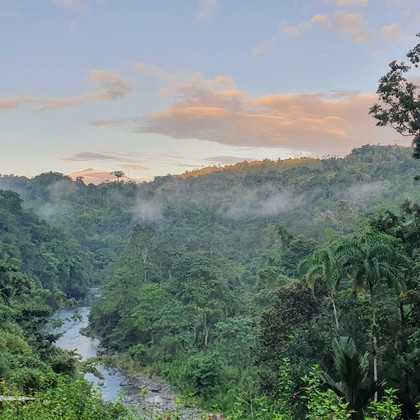 Rivers and streams
- Pasture and grazing land with trees
- Arable fields and milpa
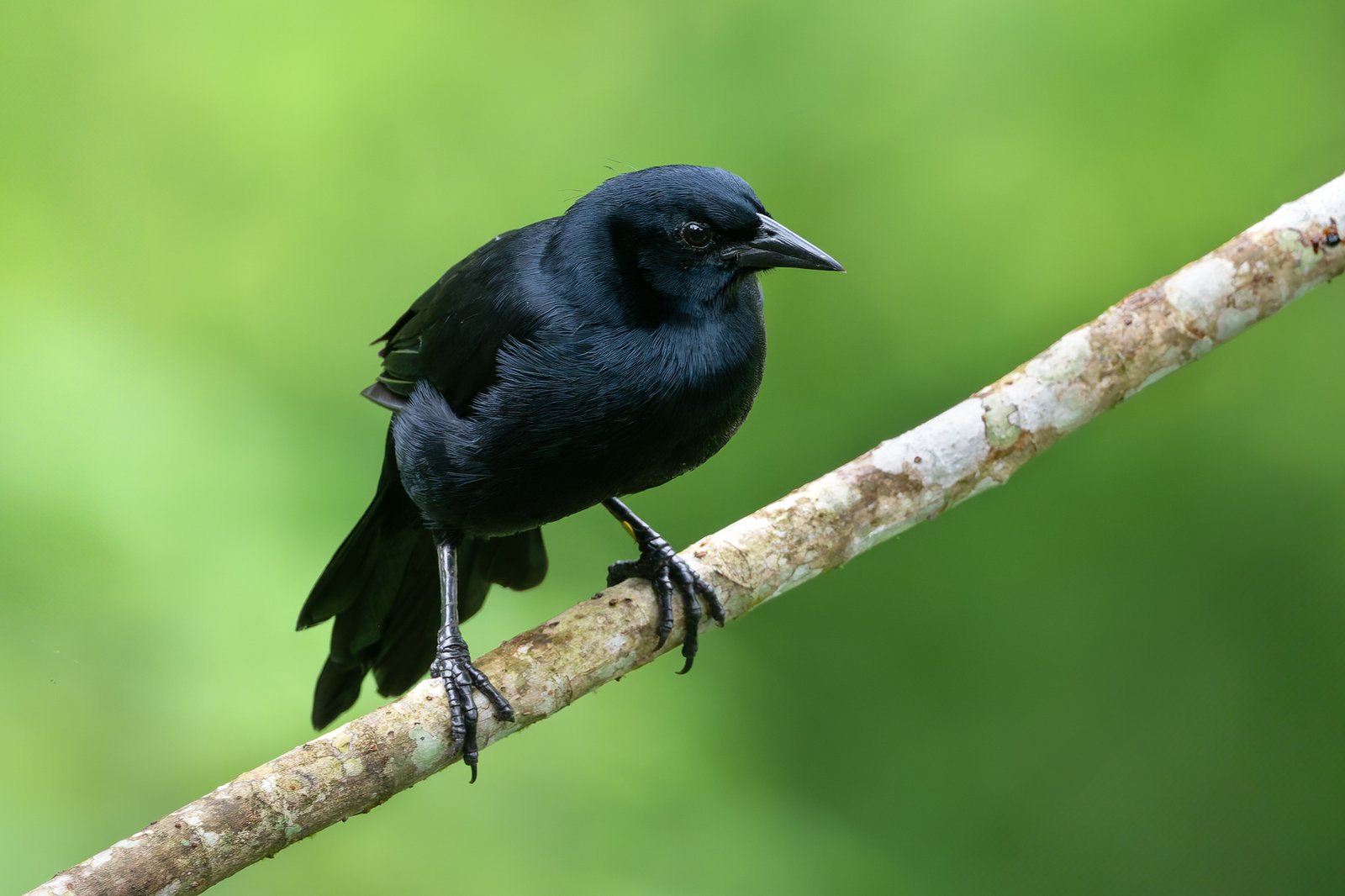
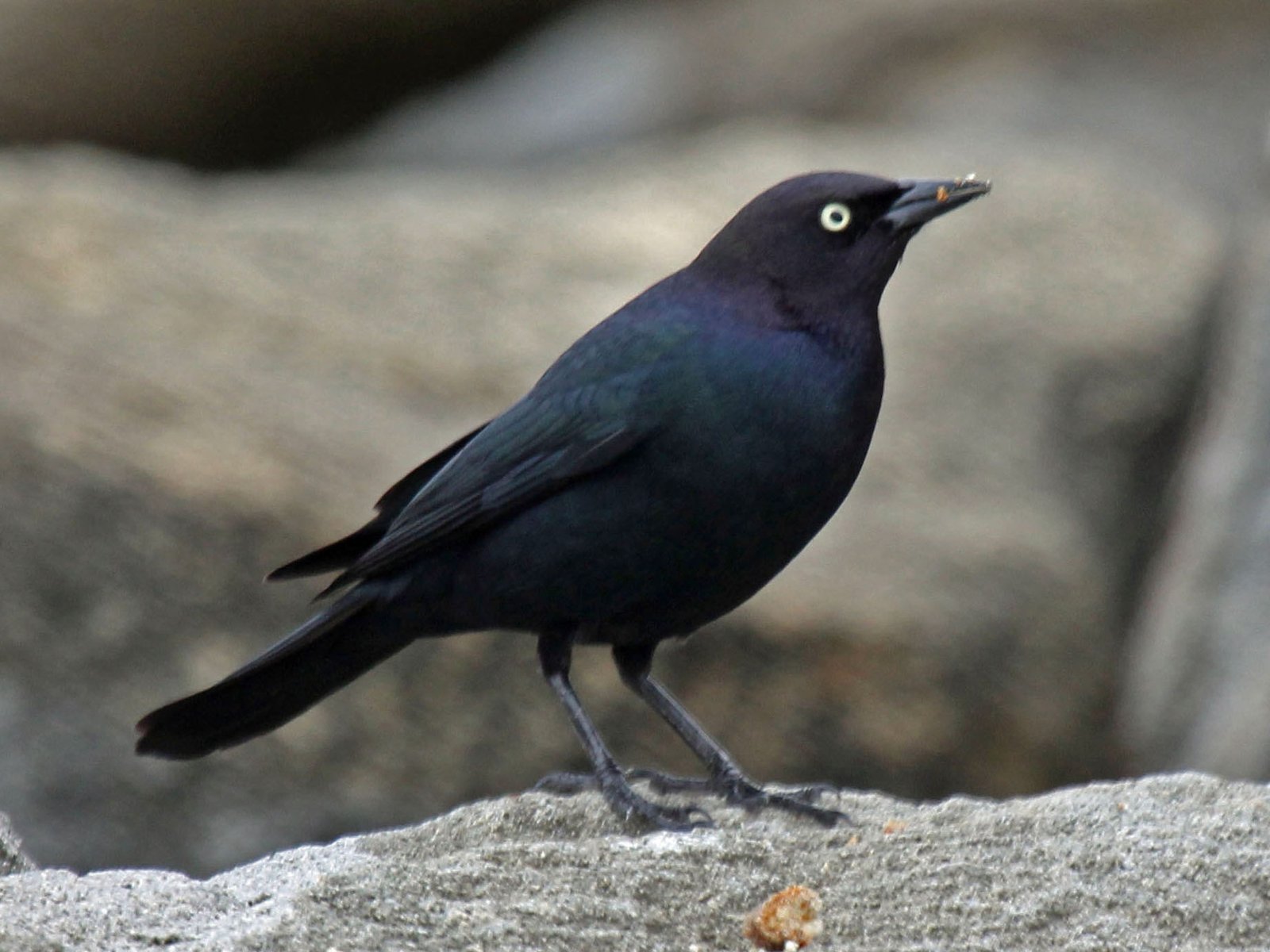
Quiscalus 3 species
-
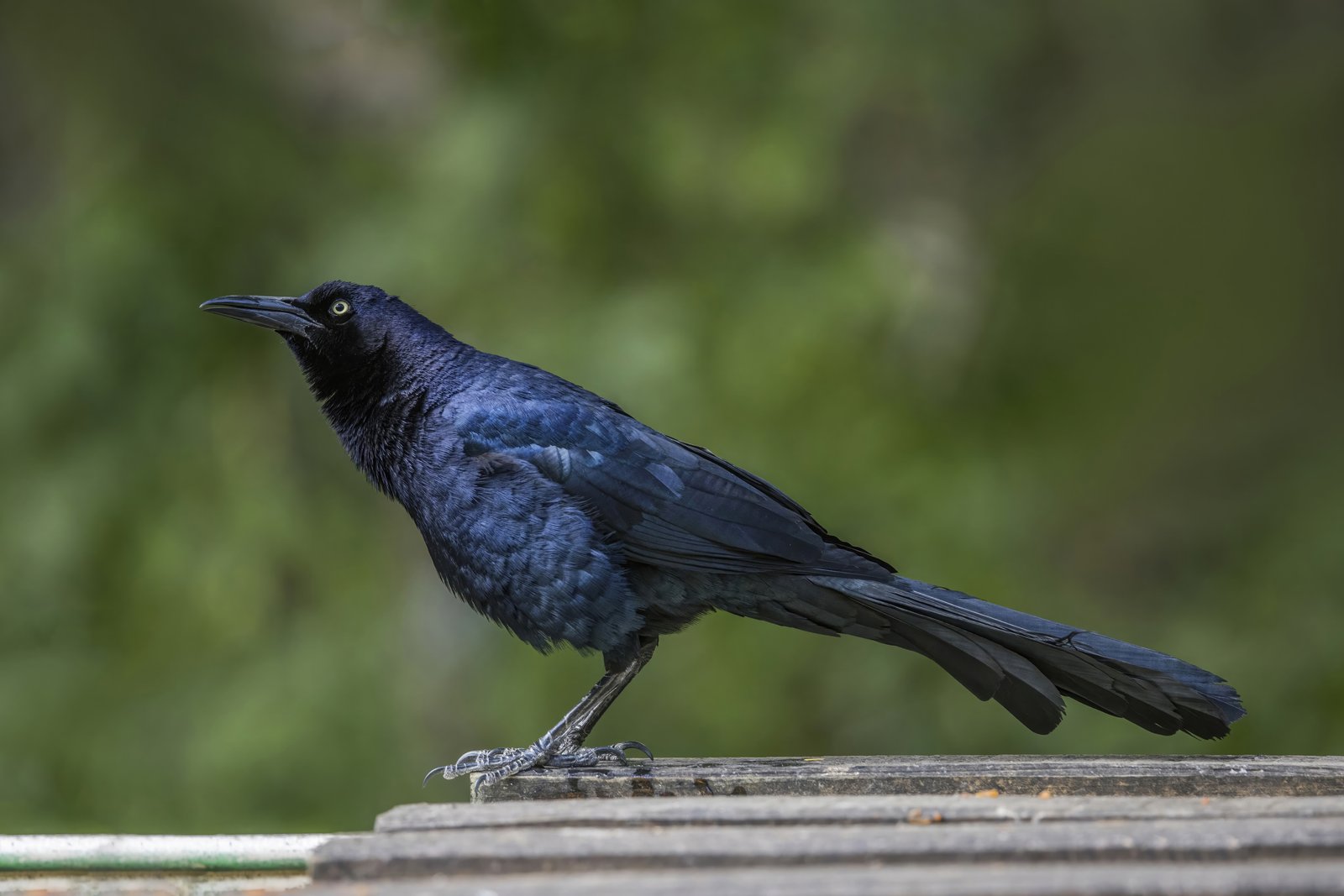
Great-tailed Grackle
Quiscalus mexicanus- Villages, towns, gardens and parks
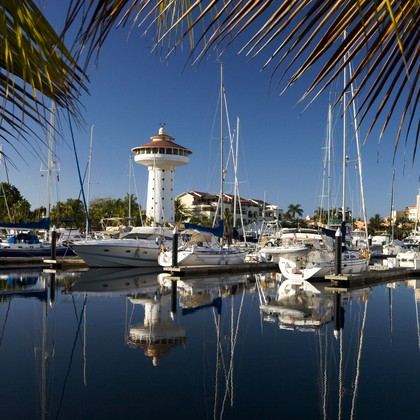 Harbours, dumps and industrial sites
- Pasture and grazing land with trees
- Freshwater marsh and wet grassland
- Mangrove
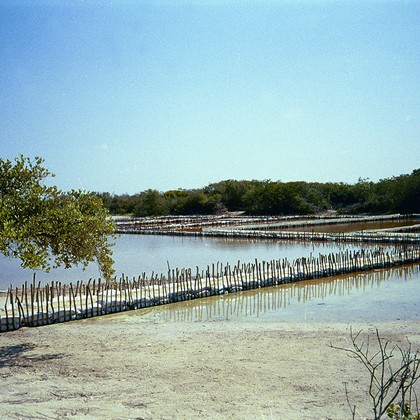 Lagoon, estuary and salt pan
- Arable fields and milpa
-
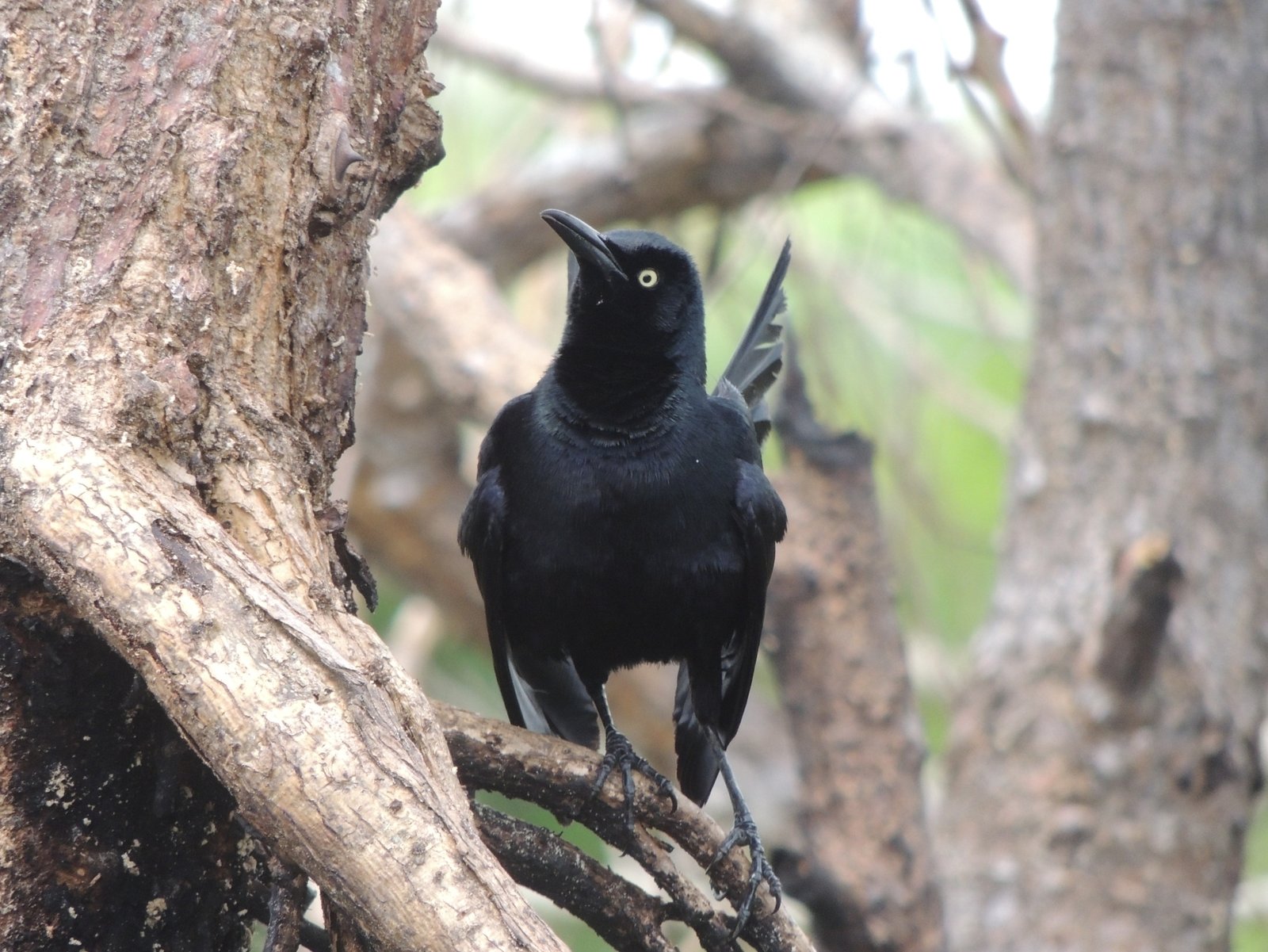
Nicaraguan Grackle
Quiscalus nicaraguensis- Freshwater marsh and wet grassland
- Lakes, reservoirs and ponds
- Pasture and grazing land with trees
- Rice fields and fish ponds
-
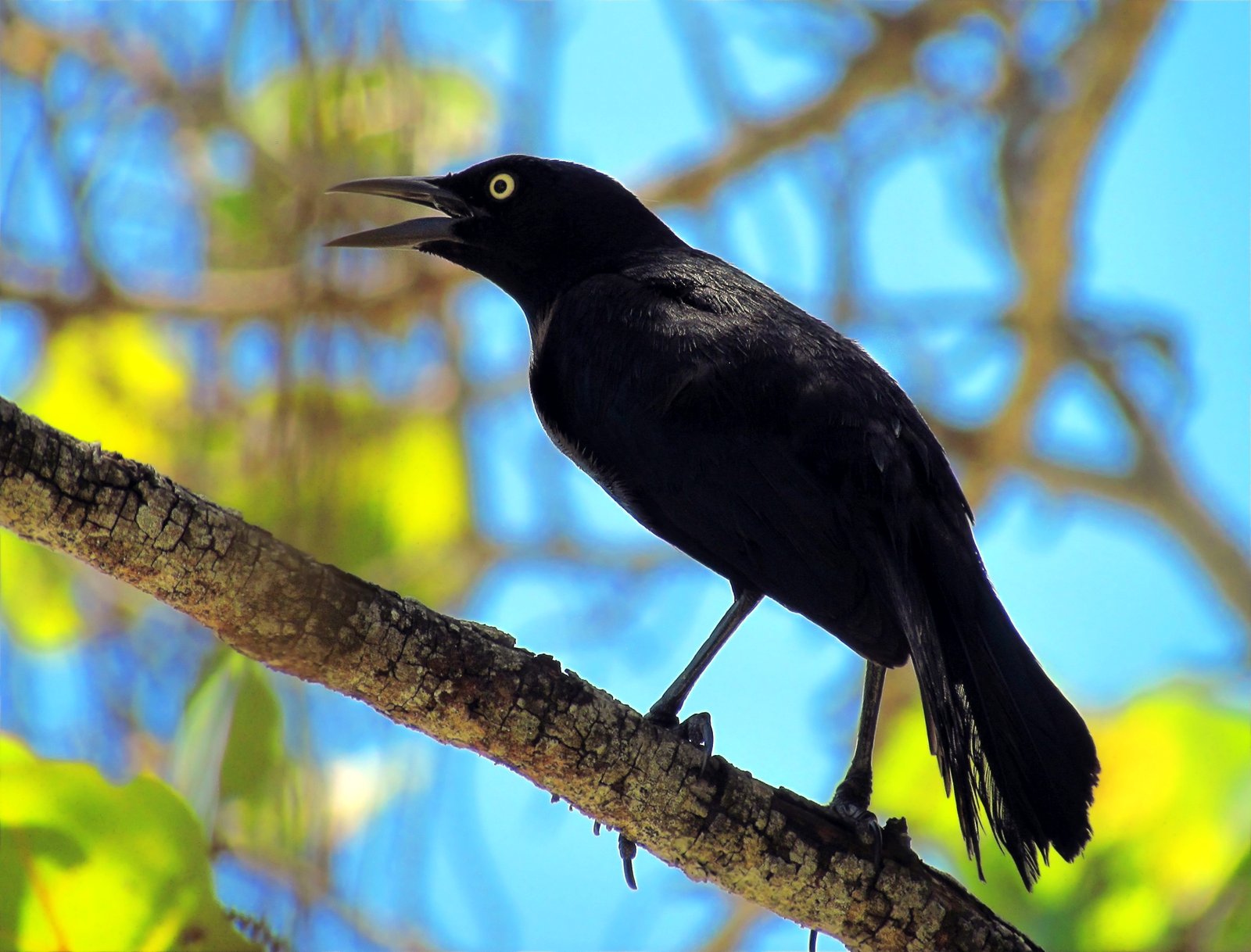
Carib Grackle
Quiscalus lugubris- Villages, towns, gardens and parks
- Pasture and grazing land with trees
- Arable fields and milpa
- Freshwater marsh and wet grassland
- Mangrove
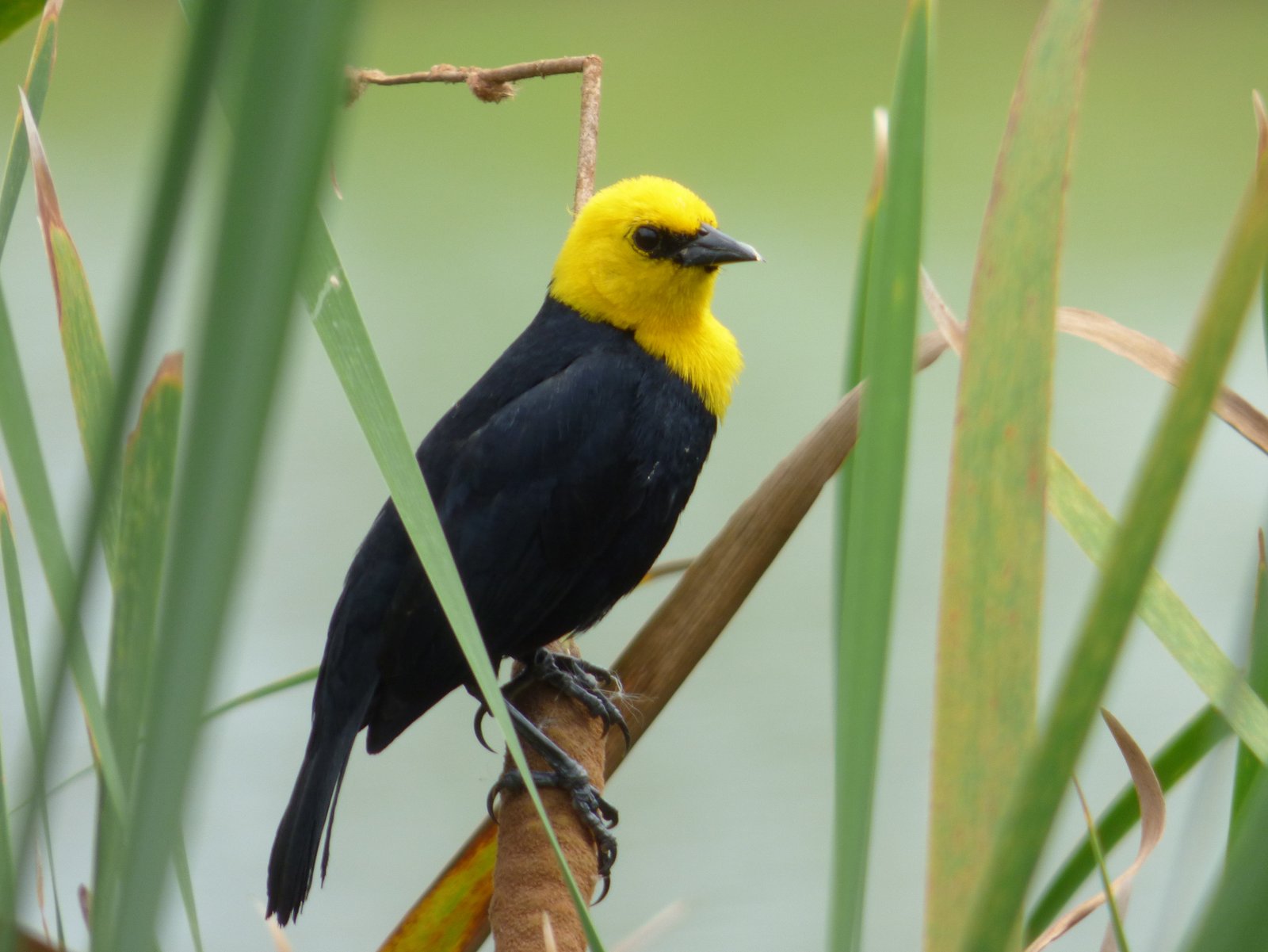
Vagrants 1 species
Birds blown in from other continents. They have no range here, and so no distribution map.