All species › Parrots › African and New World parrots
African and New World parrots | Psittacidae
Papegaaien | Loros
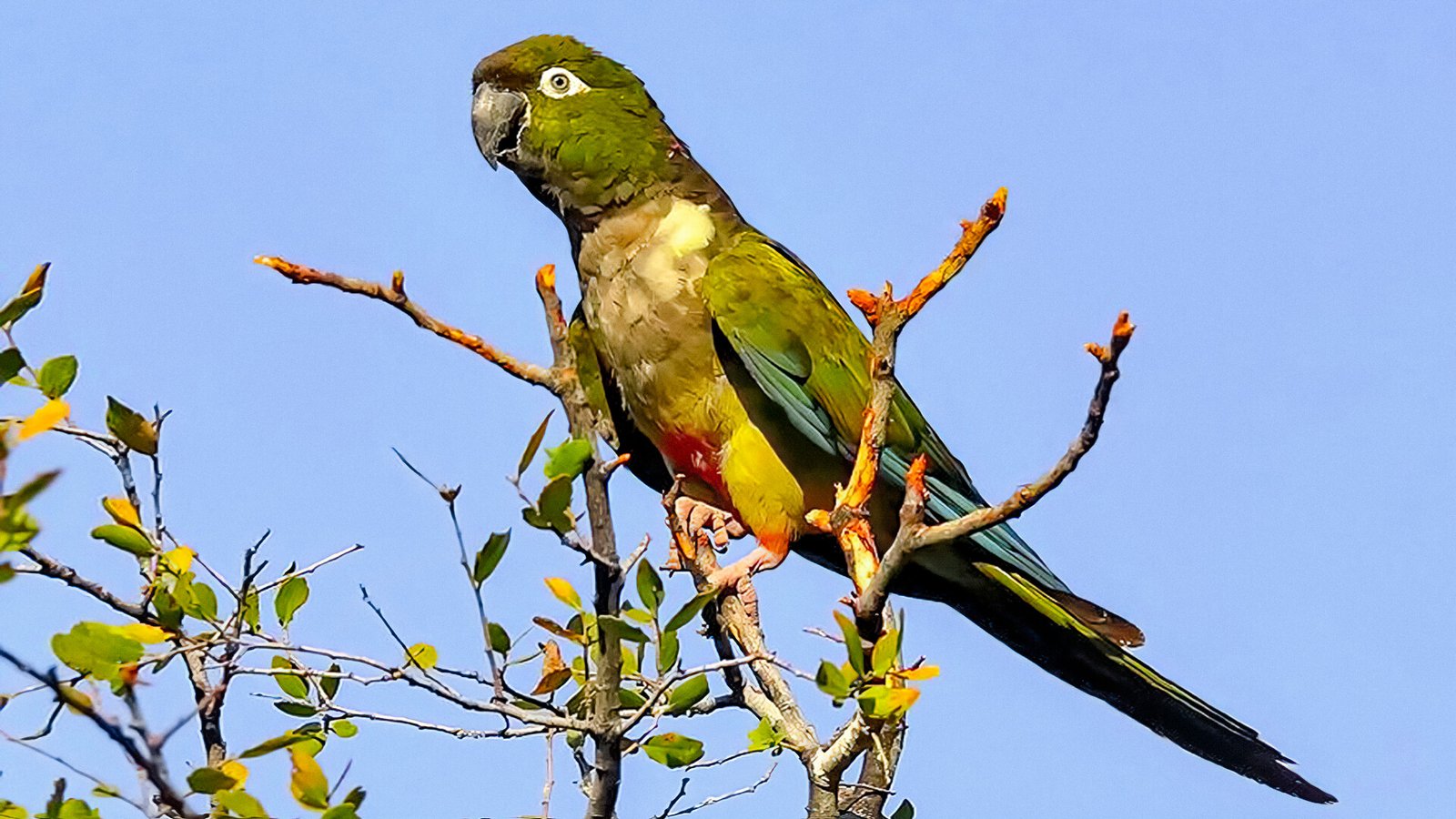
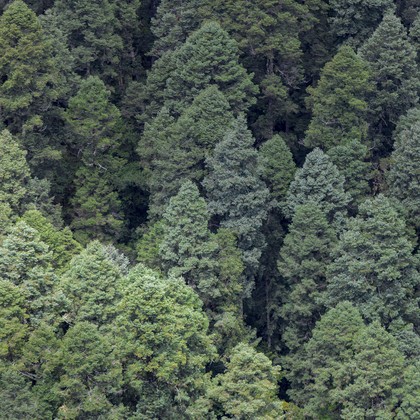
The parrots of Africa and those of the New World together form this family; in Mexico and Central America it numbers 38 species in fourteen genera, from small parakeets (Brotogeris, Forpus) through the amazons (Amazona) to the large macaws (Ara), such as Scarlet Macaw and Great Green Macaw. The plumage is mainly green, with red, yellow, blue or white on the head, wing or tail; the sexes usually look much alike. In the pine forests of the mountains of northern Mexico live two parrots of the genus Rhynchopsitta that feed mainly on pine seeds. The strong, hooked bill cracks hard seeds and stones, often still unripe, and fruit, blossom and nectar are taken as well; the foot serves as a hand to hold food. The flight is fast and direct, with shallow beats, and comes with shrill, far-carrying calls that nearly always give the birds away before they can be seen. They live in pairs within flocks that move morning and evening between communal roosts and feeding trees, and nest in a tree hole, a few parakeets in a termite nest; usually the female alone incubates and is fed by the male. Several species are threatened by deforestation and capture for the cage-bird trade.
Native species 36 species
Species that occur here by nature: breeding birds, winter visitors and passage migrants. They are arranged by genus, in the sequence of the list.
Bolborhynchus 1 species
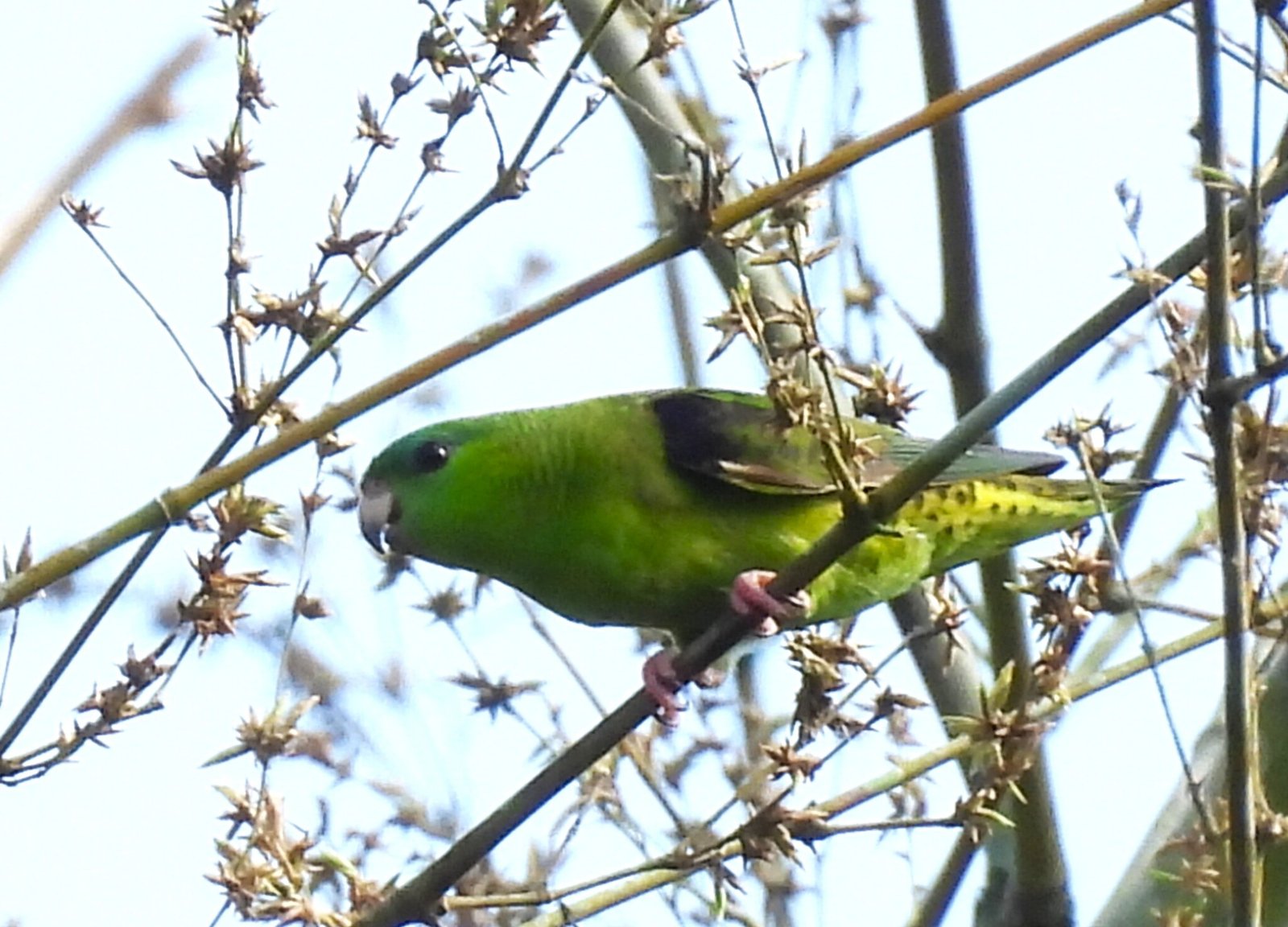
Touit 2 species
-
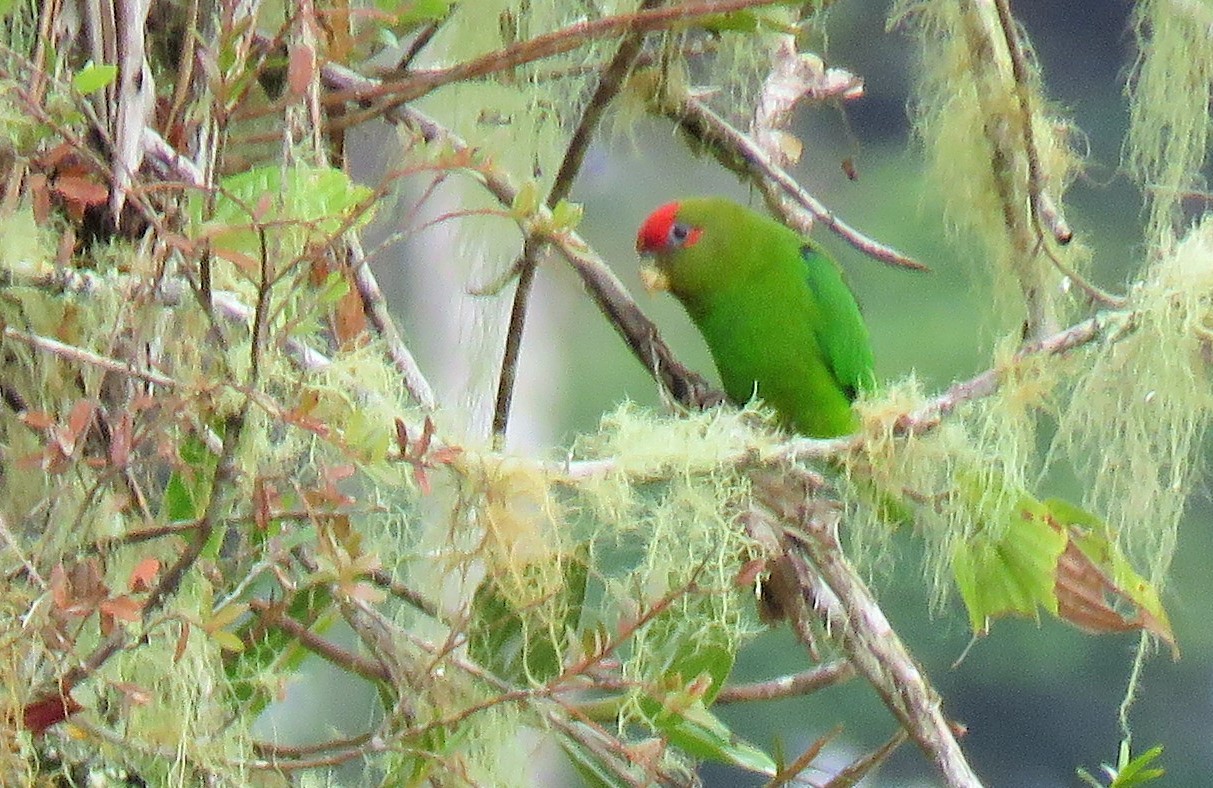
Red-fronted Parrotlet
Touit costaricensis Costa Rica-Panama highland forest
 Foothill (submontane) forest
 Lowland rainforest
 Secondary forest and forest edge
-
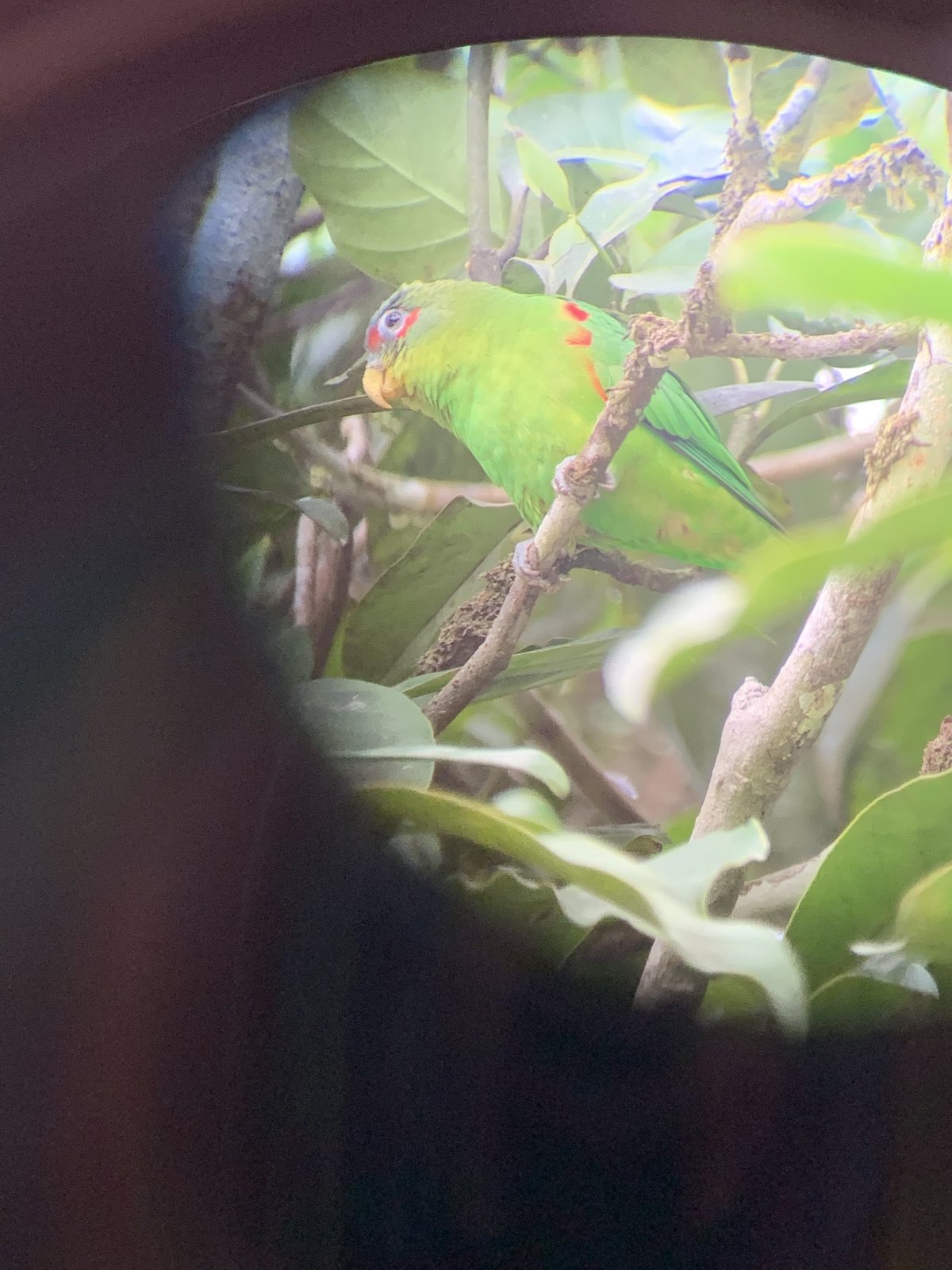
Blue-fronted Parrotlet
Touit dilectissimus- Foothill (submontane) forest
- Lowland rainforest
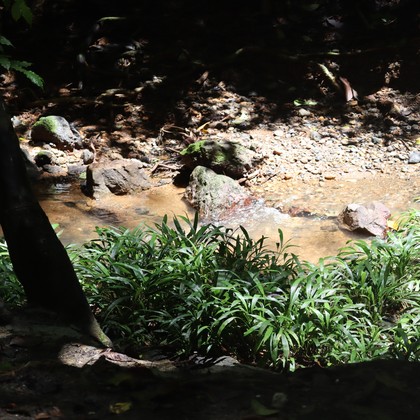 Chocó-Darién rainforest
- Costa Rica-Panama highland forest
- Secondary forest and forest edge
Forpus 2 species
-
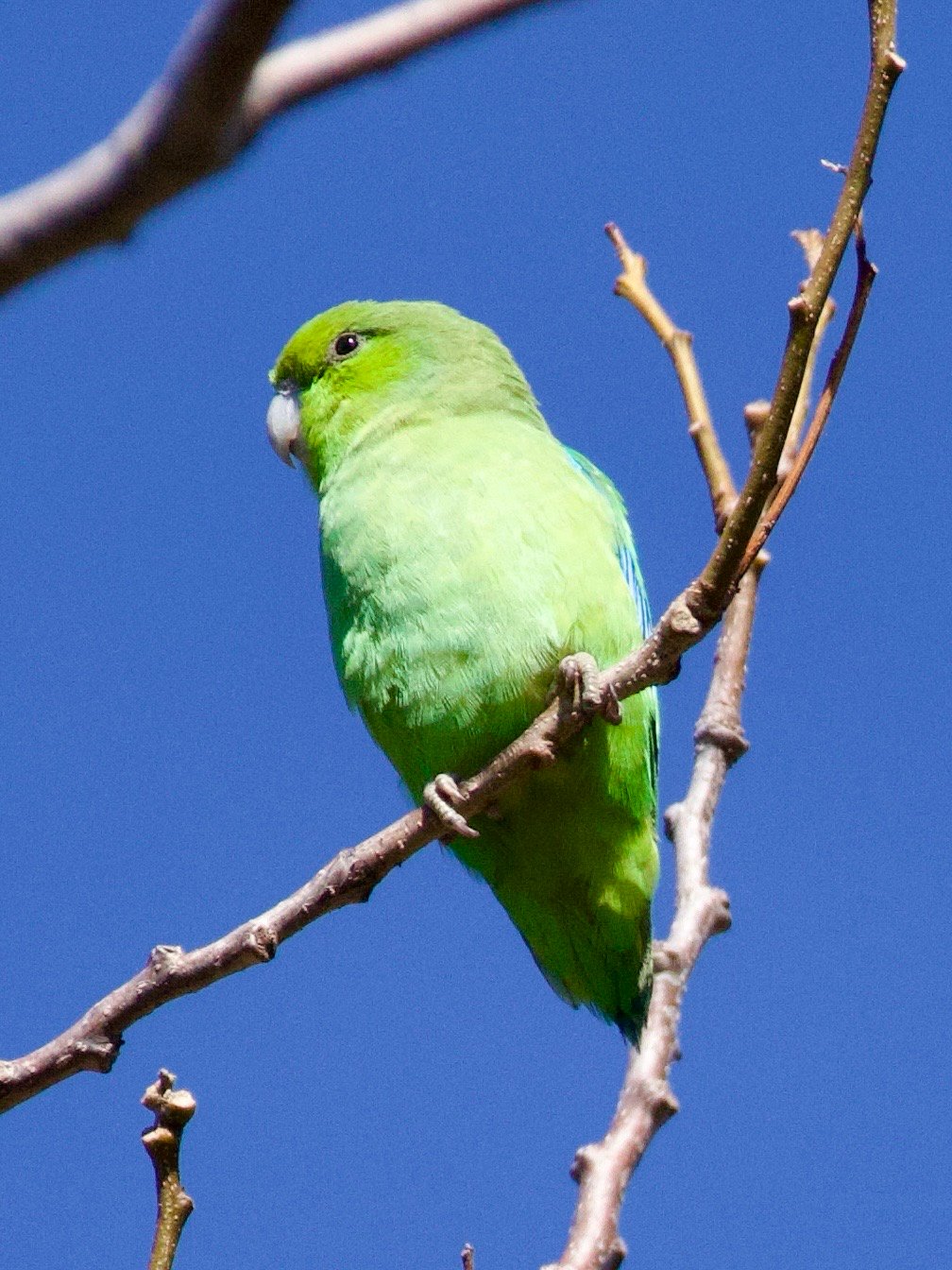
Mexican Parrotlet
Forpus cyanopygius Pacific tropical dry forest
 Thorn scrub and cactus forest
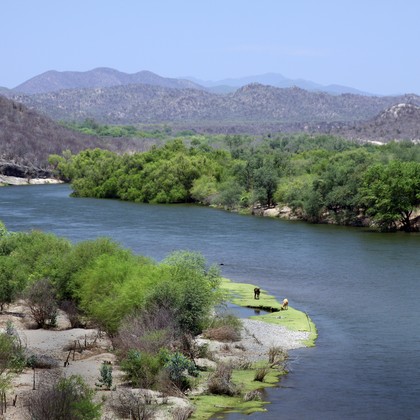 Riparian woodland in arid and temperate regions
 Floodplain and gallery forest
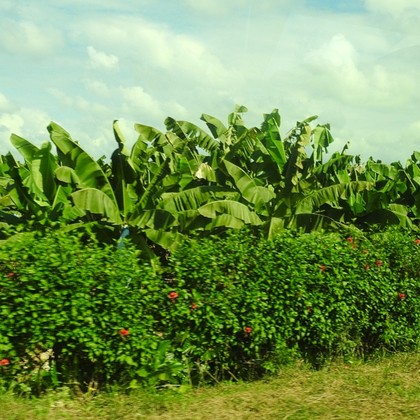 Plantations and orchards
 Pasture and grazing land with trees
-
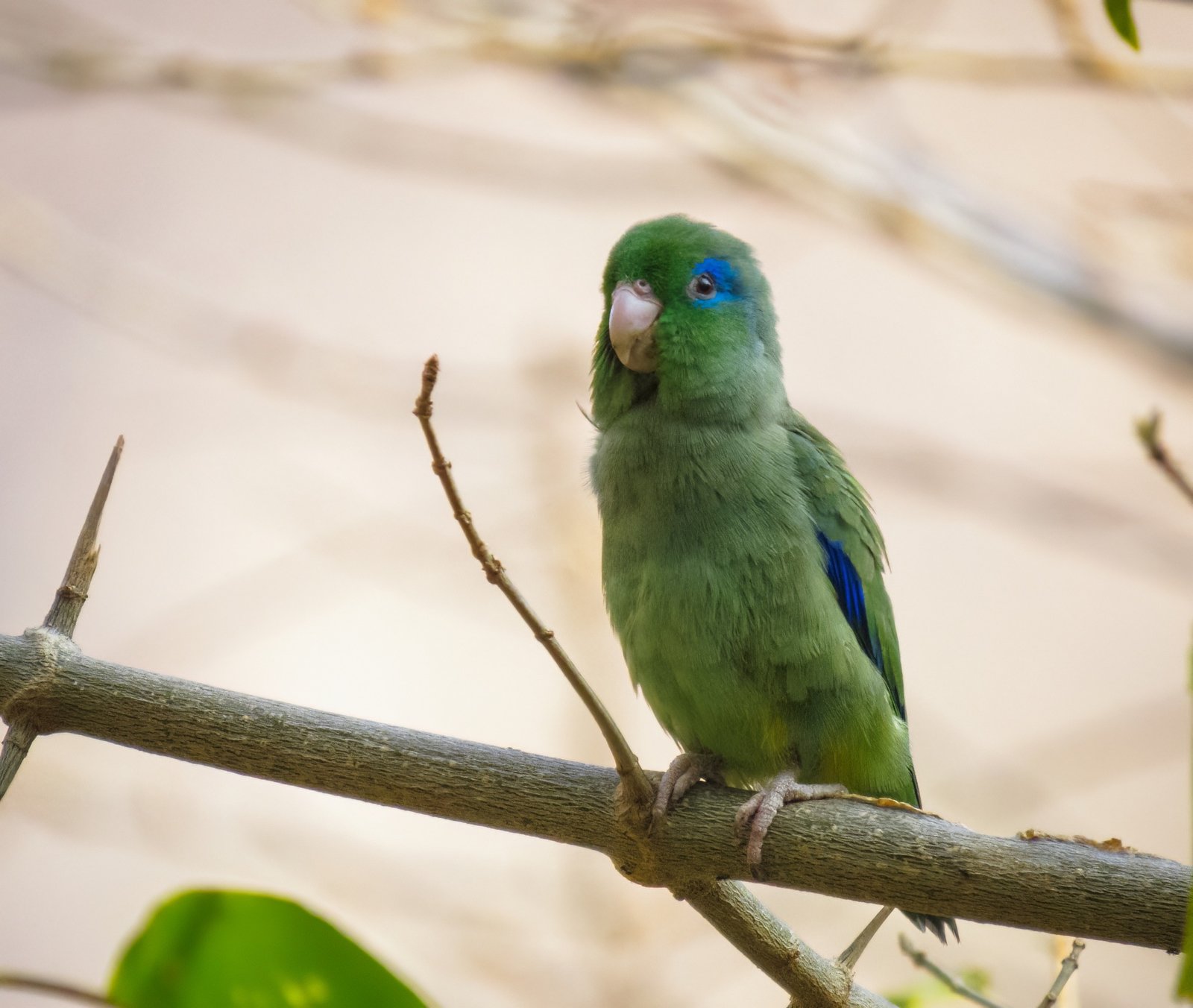
Spectacled Parrotlet
Forpus conspicillatus- Pasture and grazing land with trees
- Secondary forest and forest edge
 Lowland savanna and open grassland
- Floodplain and gallery forest
 Villages, towns, gardens and parks
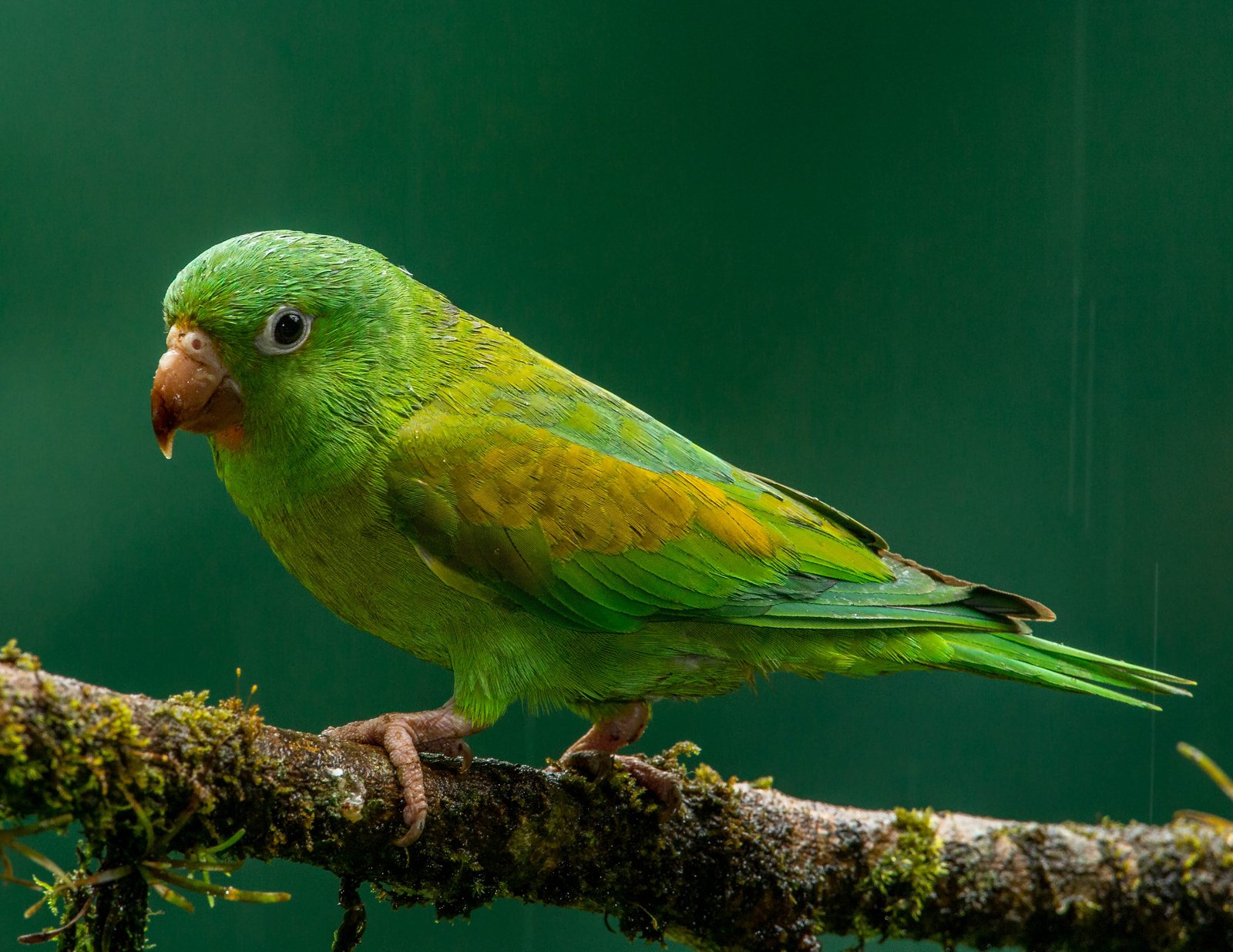
Pyrilia 2 species
-
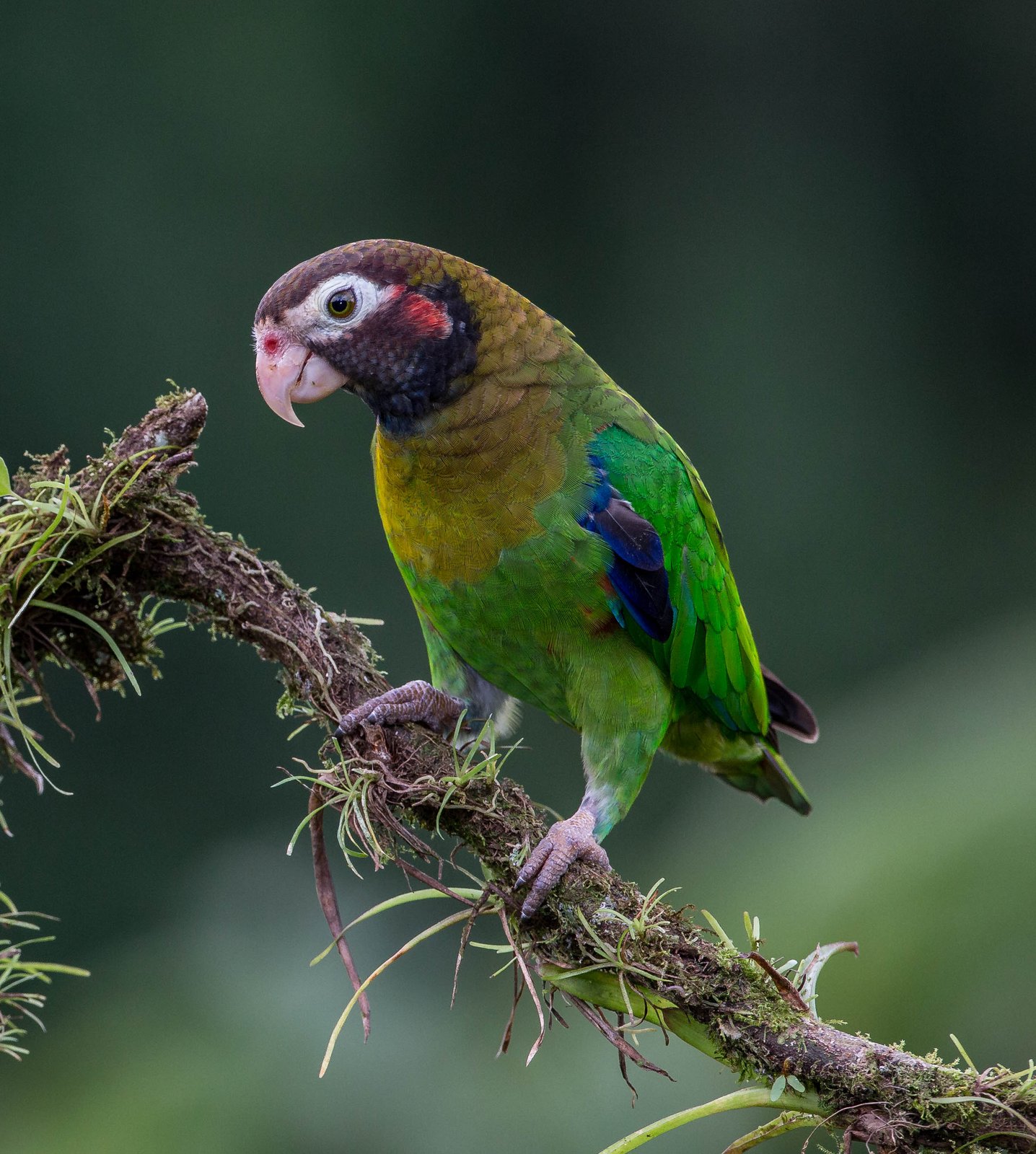
Brown-hooded Parrot
Pyrilia haematotis- Lowland rainforest
- Foothill (submontane) forest
- Secondary forest and forest edge
 Northern Middle American cloud forest
- Costa Rica-Panama highland forest
 Shade coffee, cacao and agroforestry
-
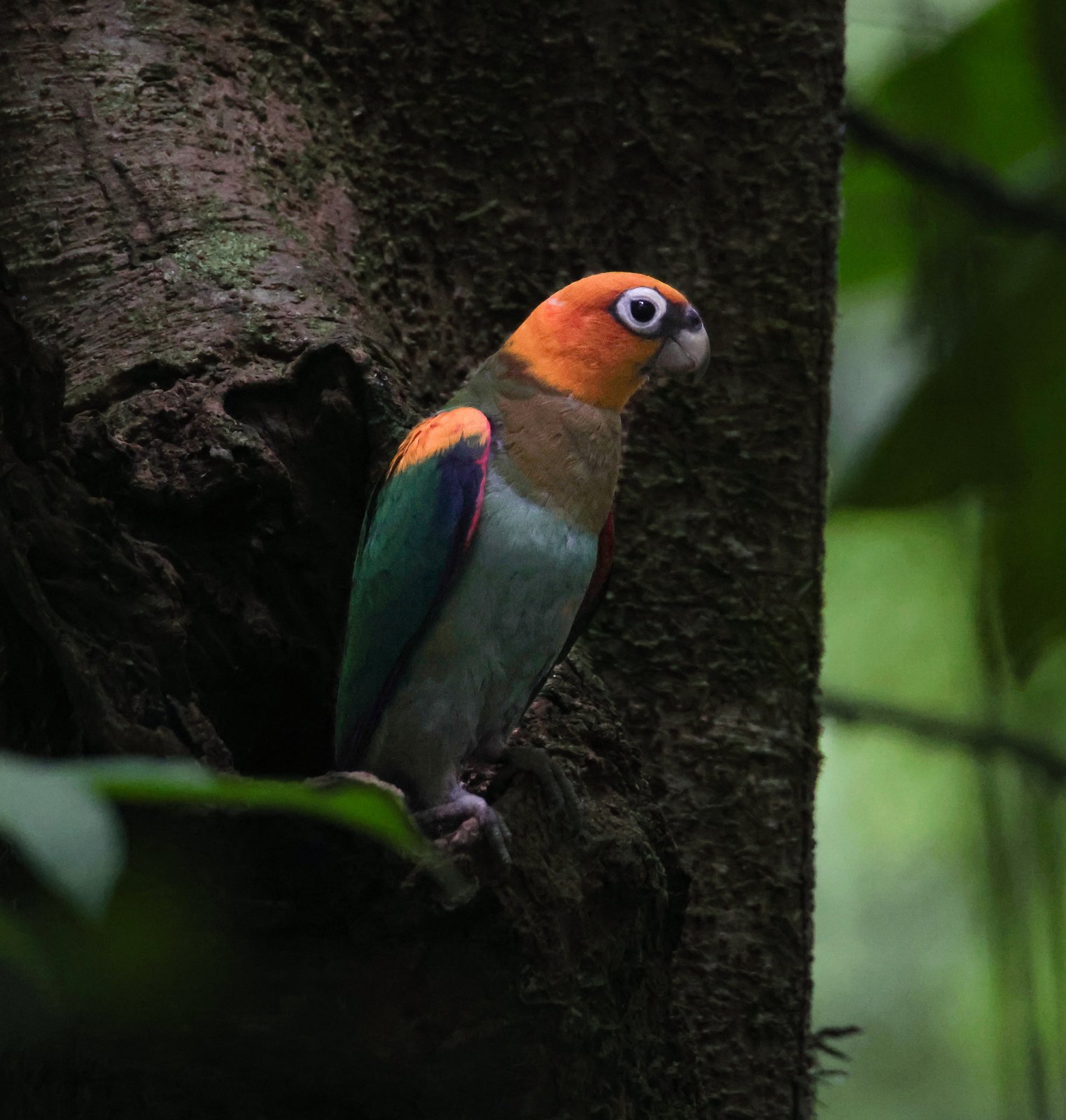
Saffron-headed Parrot
Pyrilia pyrilia- Chocó-Darién rainforest
- Foothill (submontane) forest
- Lowland rainforest
- Costa Rica-Panama highland forest
- Secondary forest and forest edge
Pionus 2 species
-
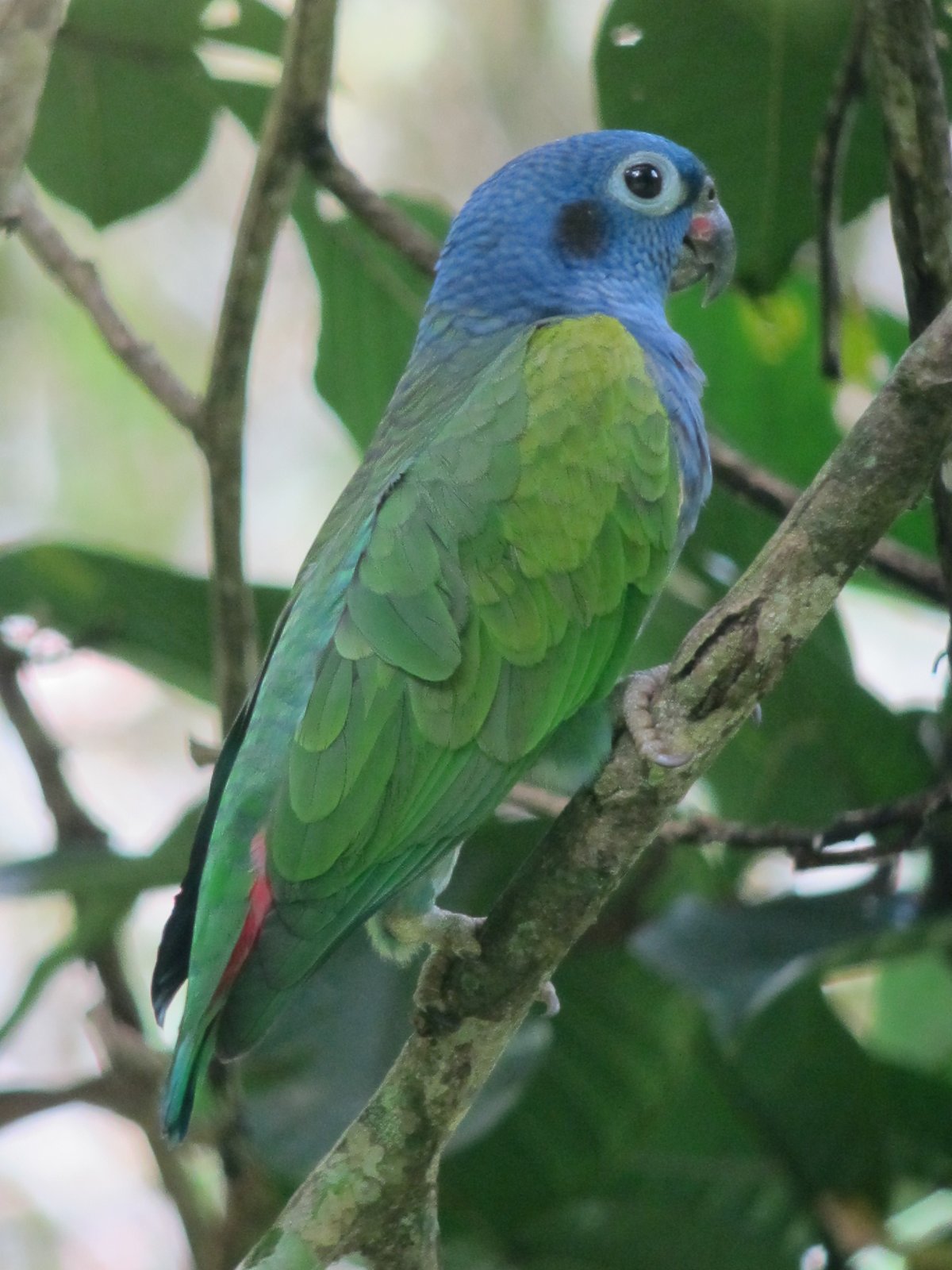
Blue-headed Parrot
Pionus menstruus- Lowland rainforest
- Foothill (submontane) forest
- Chocó-Darién rainforest
- Secondary forest and forest edge
- Floodplain and gallery forest
- Shade coffee, cacao and agroforestry
- Pasture and grazing land with trees
-
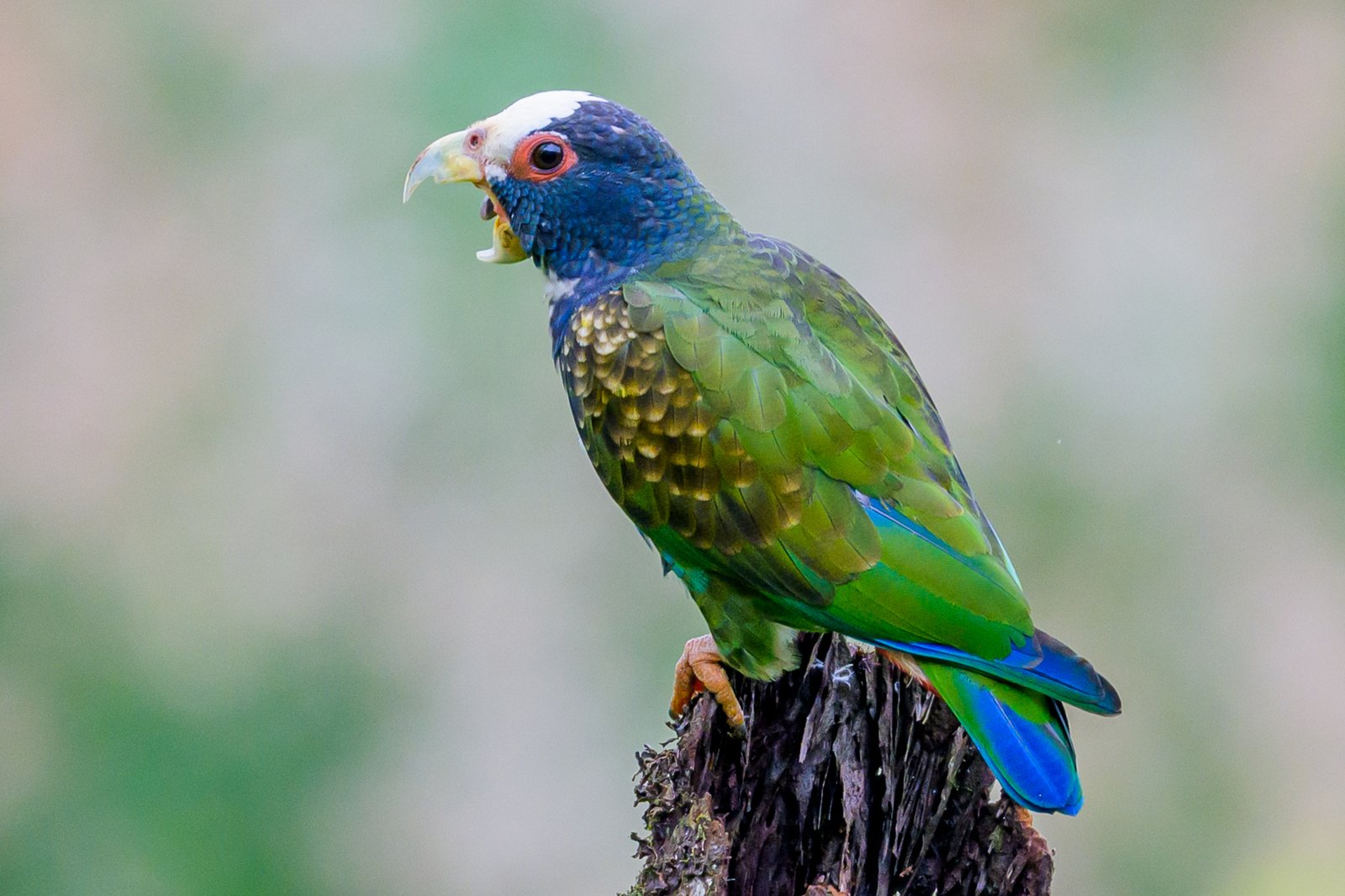
White-crowned Parrot
Pionus senilis- Lowland rainforest
- Foothill (submontane) forest
- Secondary forest and forest edge
 Yucatán and Caribbean-interior seasonal forest
- Northern Middle American cloud forest
- Shade coffee, cacao and agroforestry
- Pasture and grazing land with trees
Amazona 9 species
-
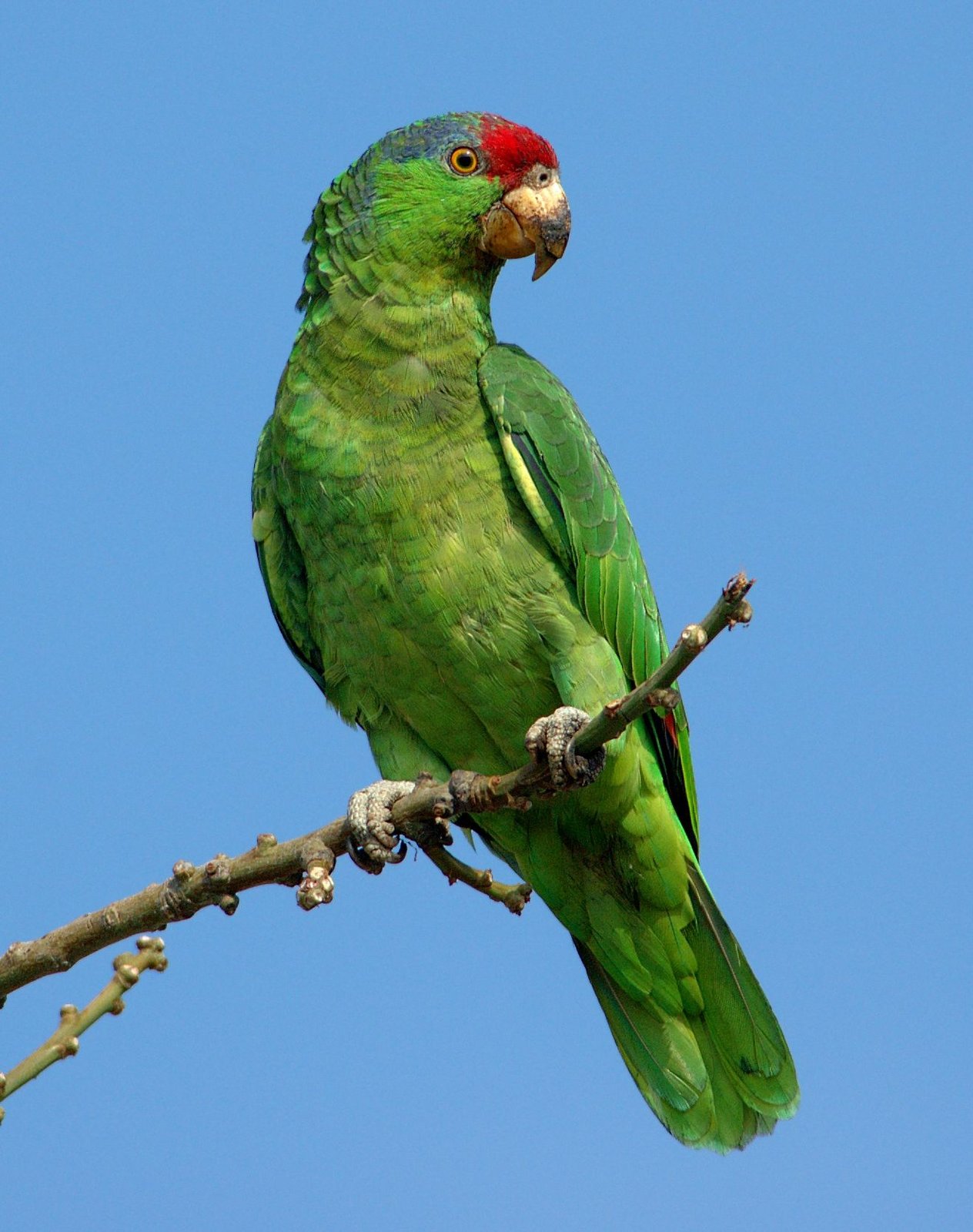
Red-crowned Amazon
Amazona viridigenalis- Floodplain and gallery forest
- Foothill (submontane) forest
- Secondary forest and forest edge
 Tropical highland pine-oak forest
- Thorn scrub and cactus forest
- Pasture and grazing land with trees
- Villages, towns, gardens and parks
-
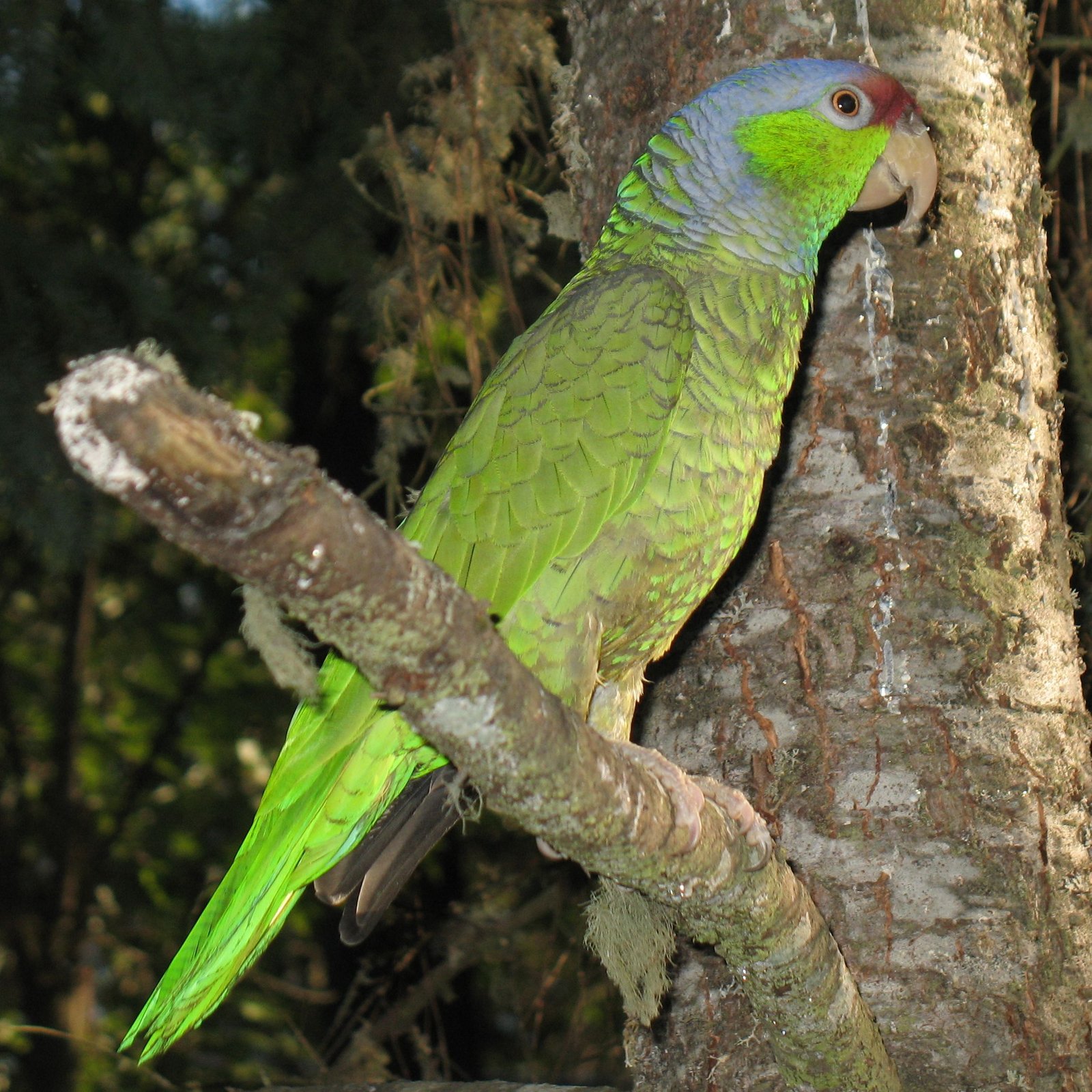
Lilac-crowned Amazon
Amazona finschi- Pacific tropical dry forest
- Floodplain and gallery forest
- Riparian woodland in arid and temperate regions
- Thorn scrub and cactus forest
- Tropical highland pine-oak forest
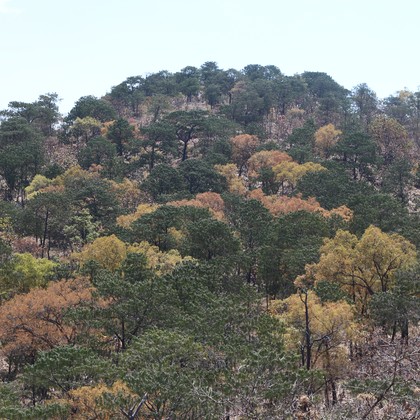 Madrean oak and pine-oak woodland
- Pasture and grazing land with trees
-
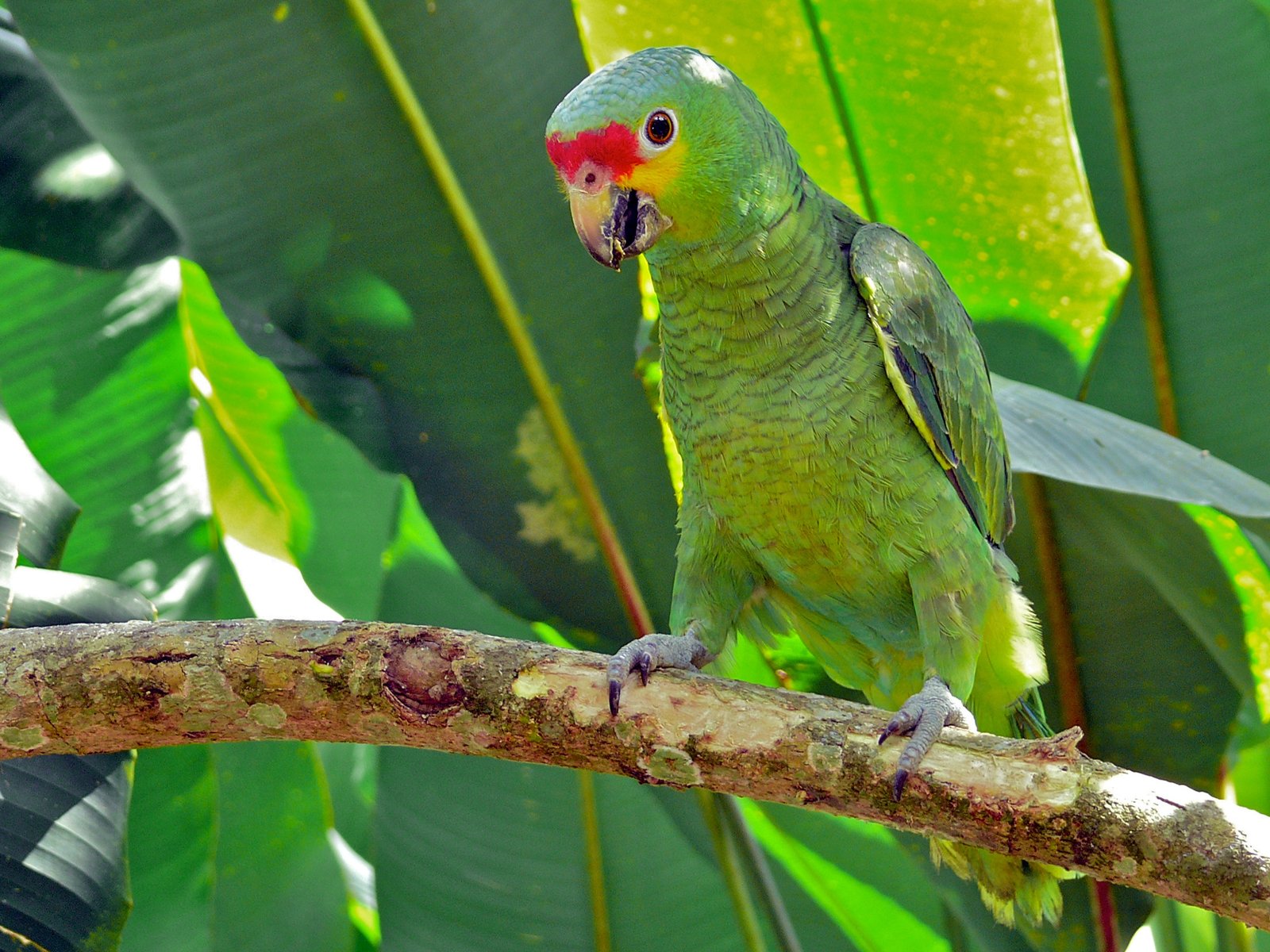
Red-lored Amazon
Amazona autumnalis- Lowland rainforest
- Foothill (submontane) forest
- Secondary forest and forest edge
- Floodplain and gallery forest
- Yucatán and Caribbean-interior seasonal forest
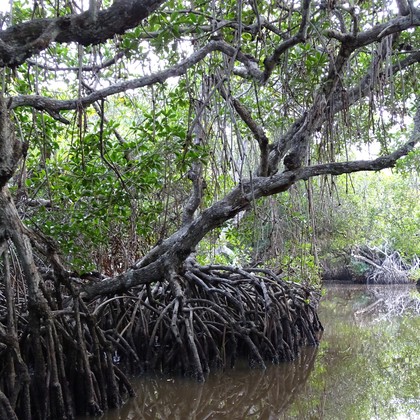 Mangrove
- Pasture and grazing land with trees
-
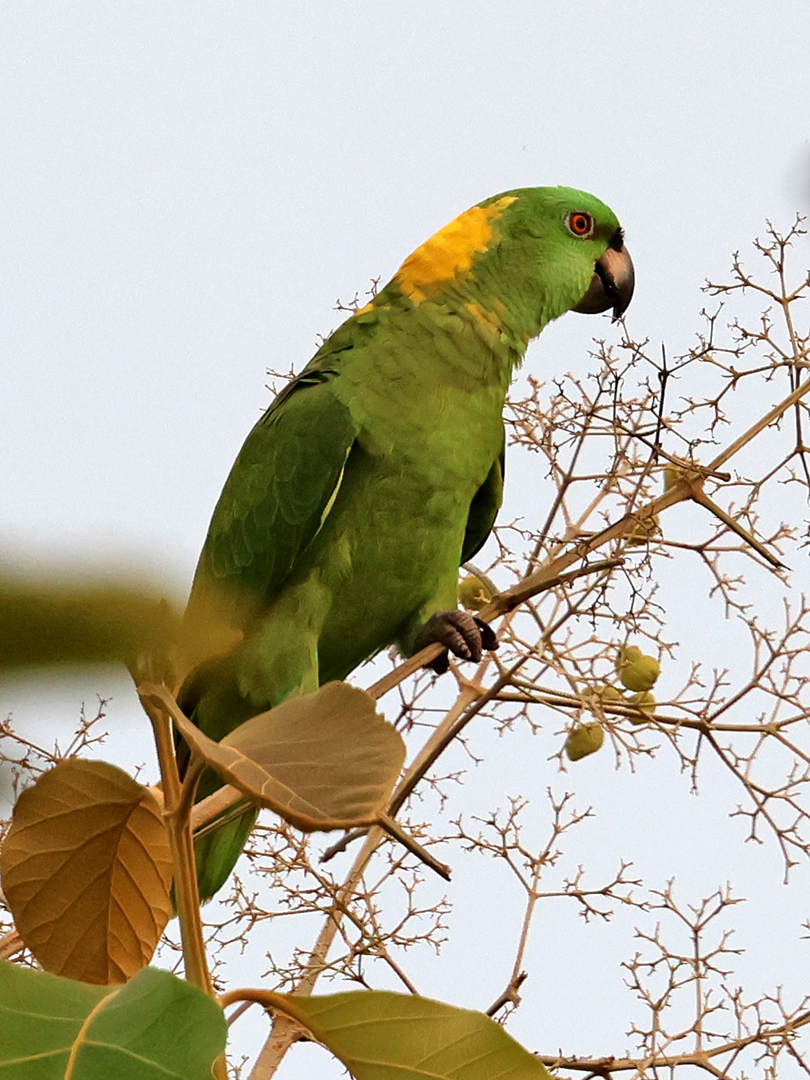
Yellow-naped Amazon
Amazona auropalliata- Pacific tropical dry forest
- Floodplain and gallery forest
- Mangrove
- Lowland savanna and open grassland
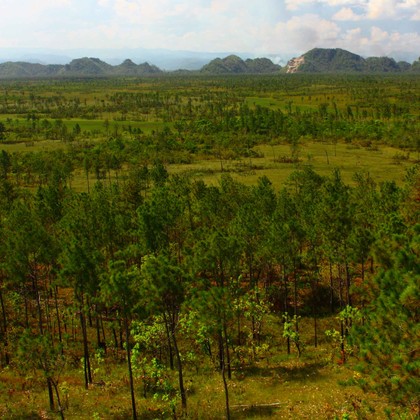 Pine savanna
- Pasture and grazing land with trees
-
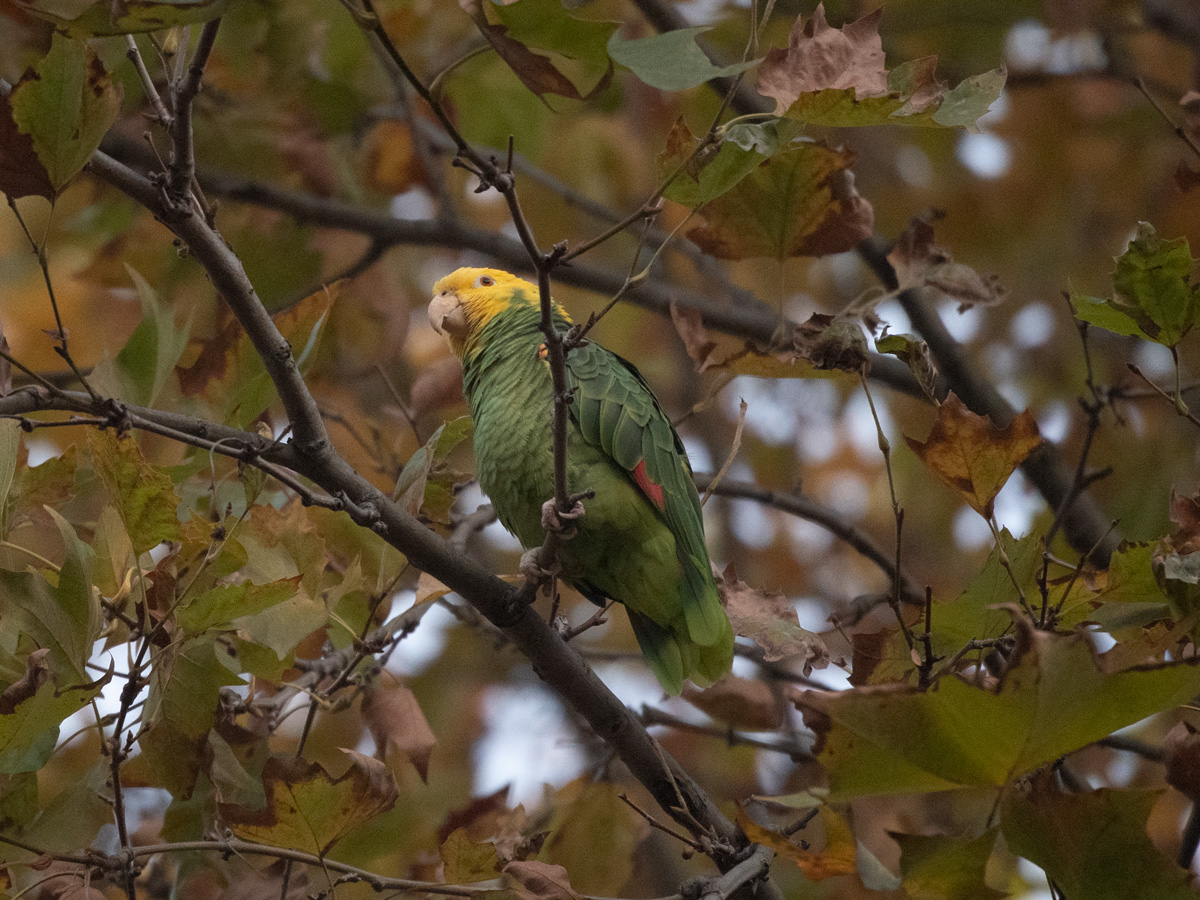
Yellow-headed Amazon
Amazona oratrix- Floodplain and gallery forest
- Pacific tropical dry forest
- Mangrove
- Pine savanna
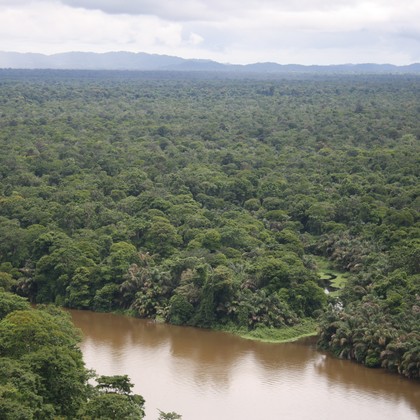 Swamp forest and palm swamp
- Lowland savanna and open grassland
- Pasture and grazing land with trees
-
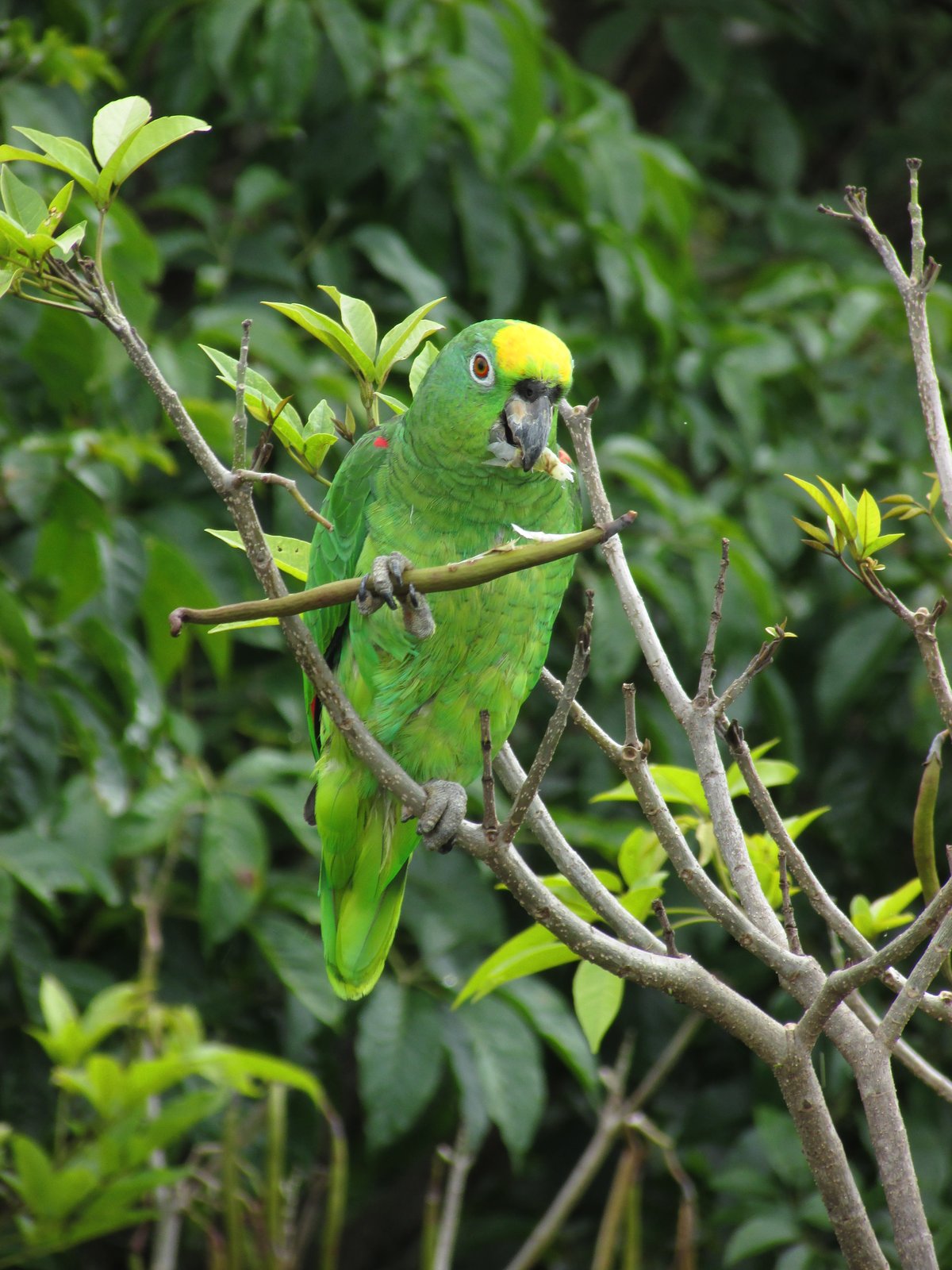
Yellow-crowned Amazon
Amazona ochrocephala- Lowland rainforest
- Secondary forest and forest edge
- Pacific tropical dry forest
- Floodplain and gallery forest
- Mangrove
- Pasture and grazing land with trees
- Villages, towns, gardens and parks
-
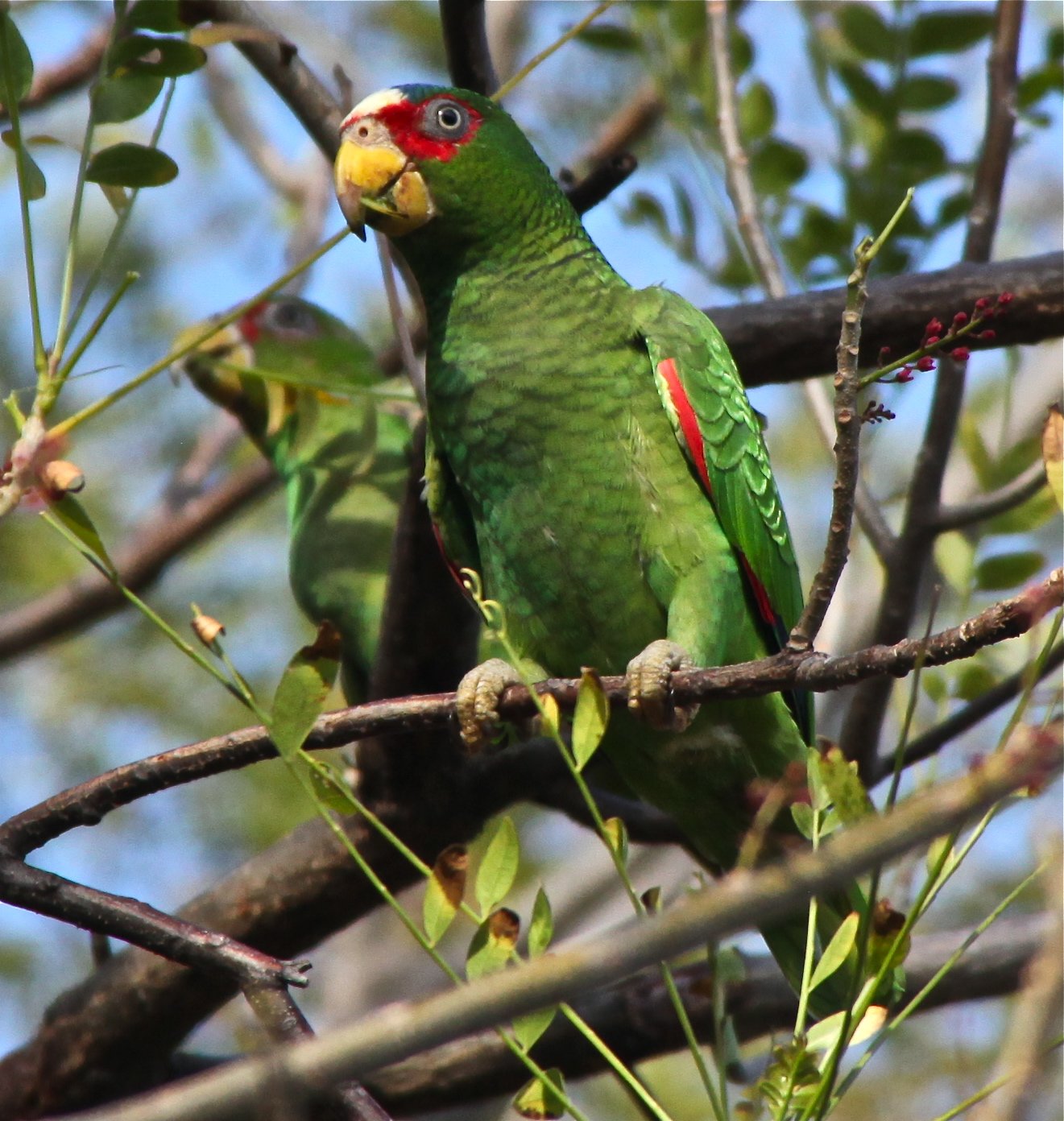
White-fronted Amazon
Amazona albifrons- Pacific tropical dry forest
- Yucatán and Caribbean-interior seasonal forest
- Thorn scrub and cactus forest
- Lowland savanna and open grassland
- Pine savanna
- Mangrove
- Pasture and grazing land with trees
-
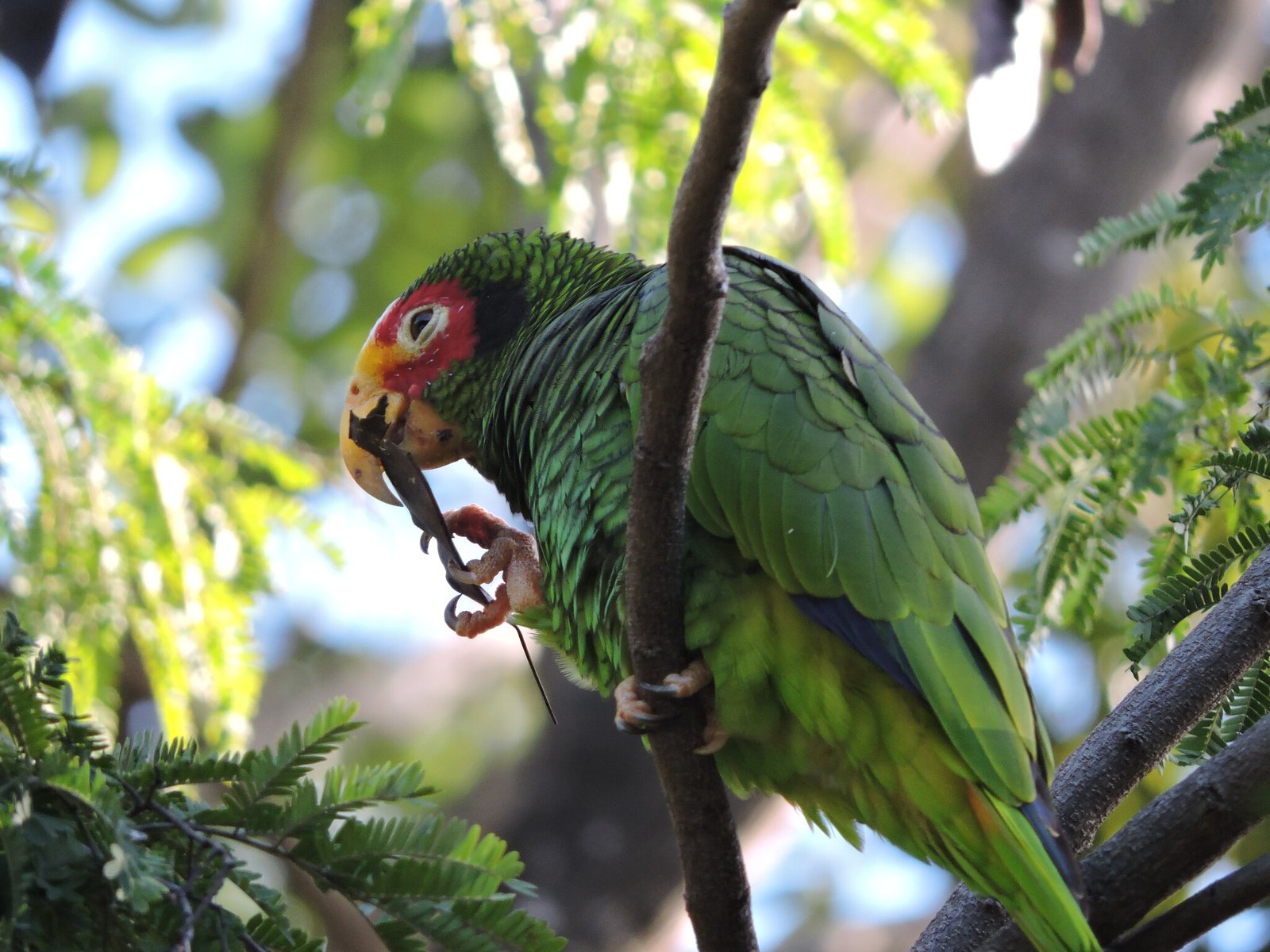
Yucatan Amazon
Amazona xantholora- Yucatán and Caribbean-interior seasonal forest
- Thorn scrub and cactus forest
- Secondary forest and forest edge
- Pine savanna
- Mangrove
- Pasture and grazing land with trees
-
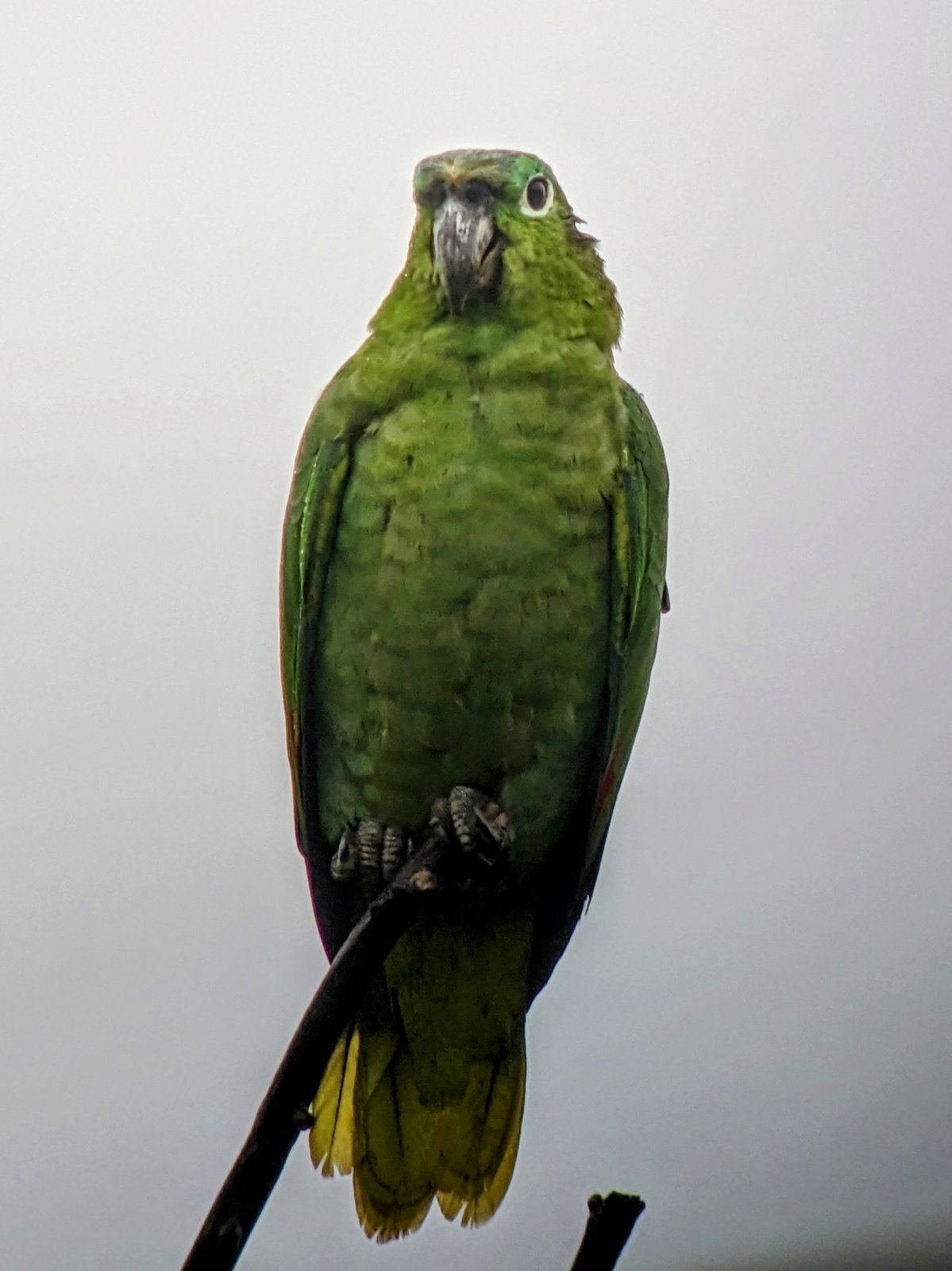
Mealy Amazon
Amazona farinosa- Lowland rainforest
- Foothill (submontane) forest
- Chocó-Darién rainforest
- Secondary forest and forest edge
- Floodplain and gallery forest
- Shade coffee, cacao and agroforestry
Rhynchopsitta 2 species
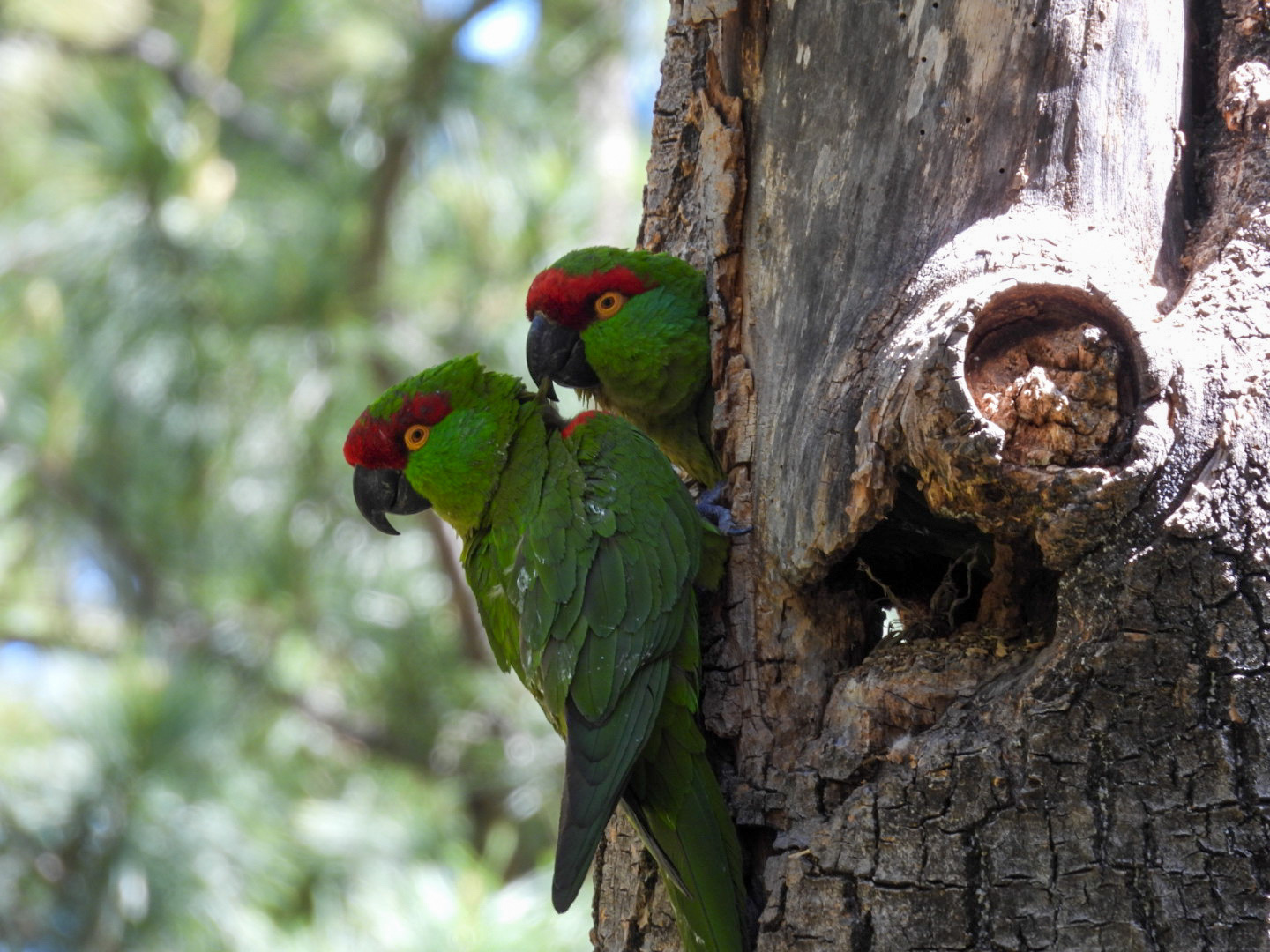
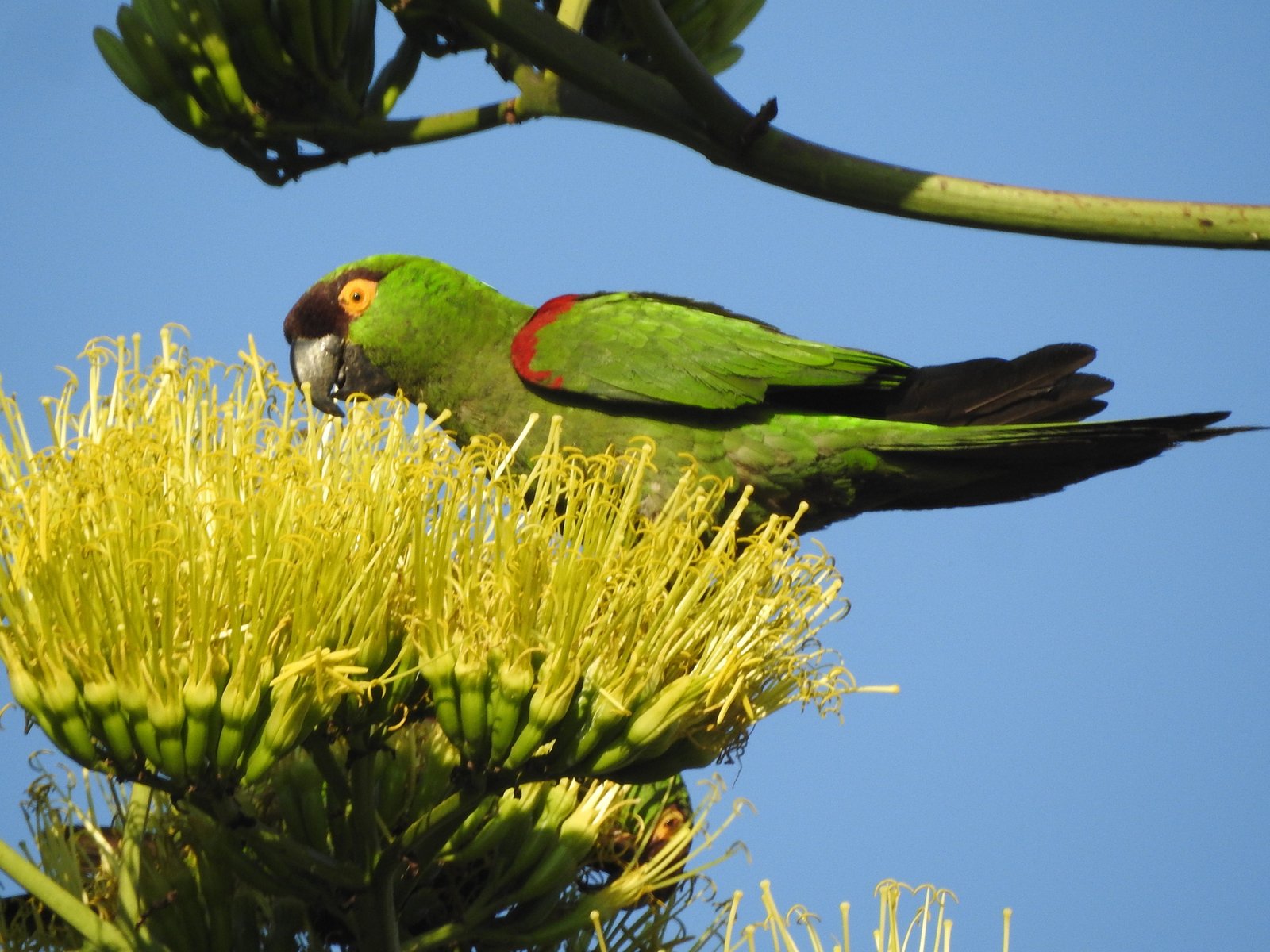
Pyrrhura 2 species
-
Subandean Parakeet
Pyrrhura subandina- Foothill (submontane) forest
- Costa Rica-Panama highland forest
- Secondary forest and forest edge
-
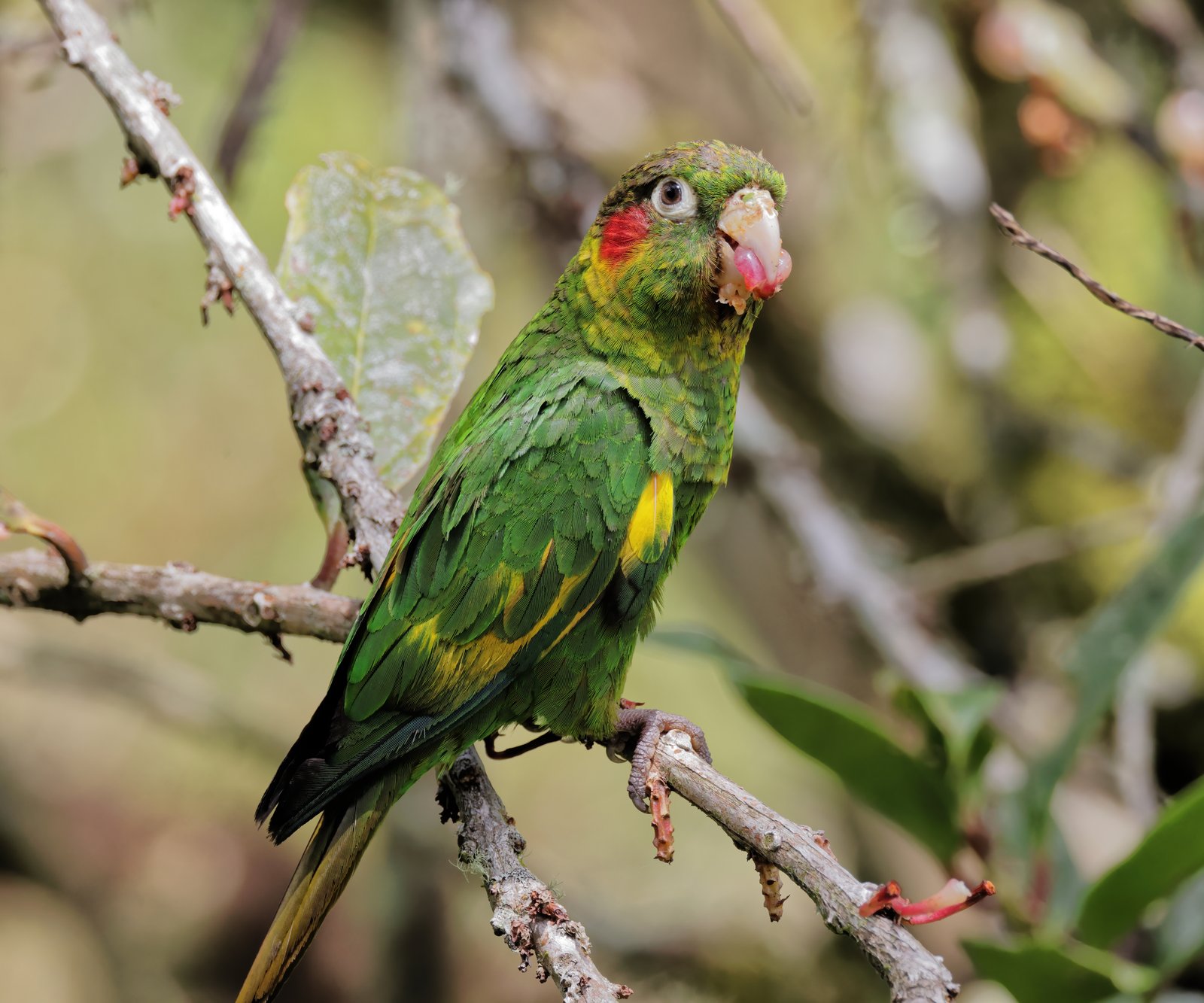
Sulphur-winged Parakeet
Pyrrhura hoffmanni- Costa Rica-Panama highland forest
- Foothill (submontane) forest
- Secondary forest and forest edge
- Shade coffee, cacao and agroforestry
- Pasture and grazing land with trees
Ara 6 species
-
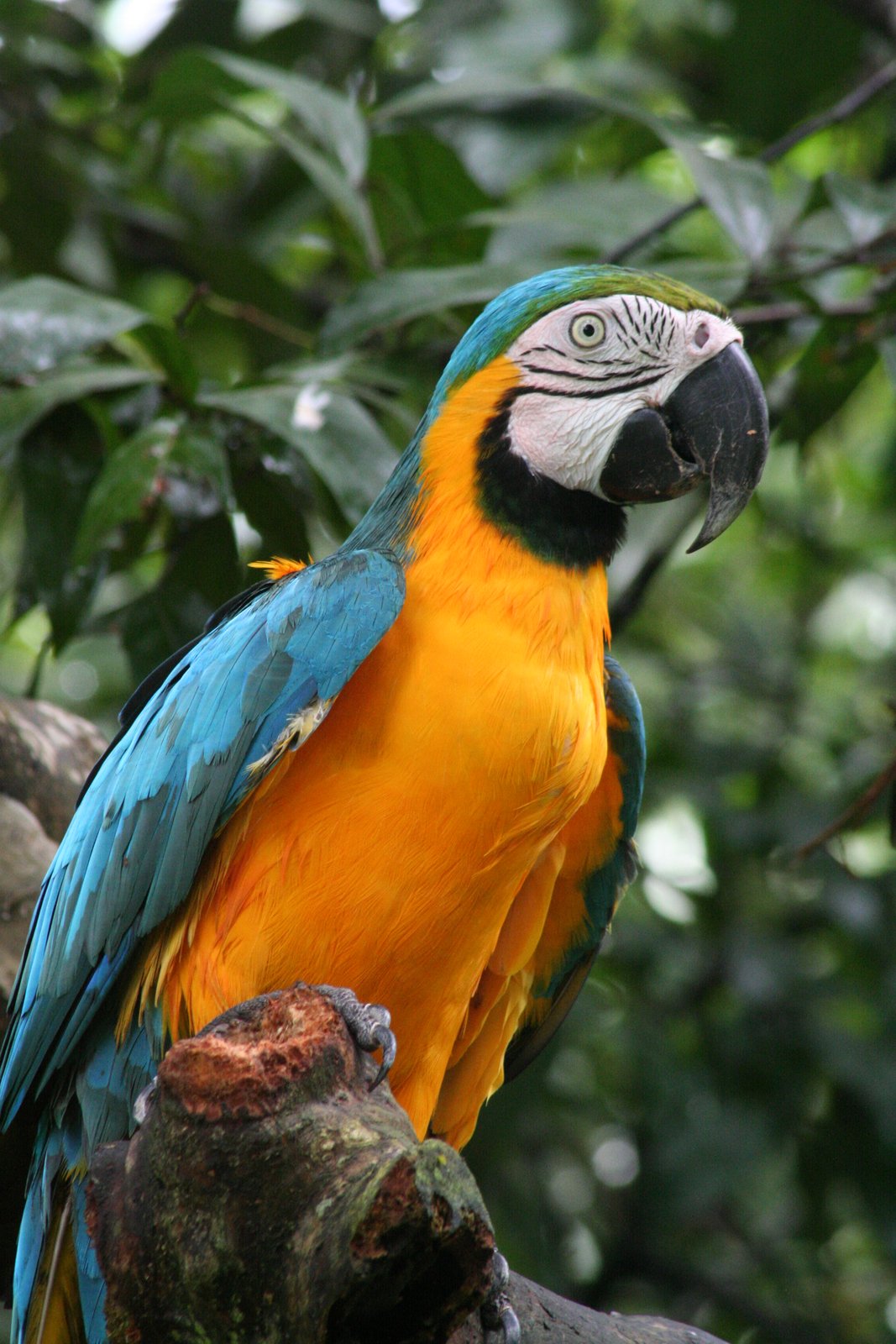
Blue-and-yellow Macaw
Ara ararauna- Lowland rainforest
- Chocó-Darién rainforest
- Floodplain and gallery forest
- Swamp forest and palm swamp
- Secondary forest and forest edge
-
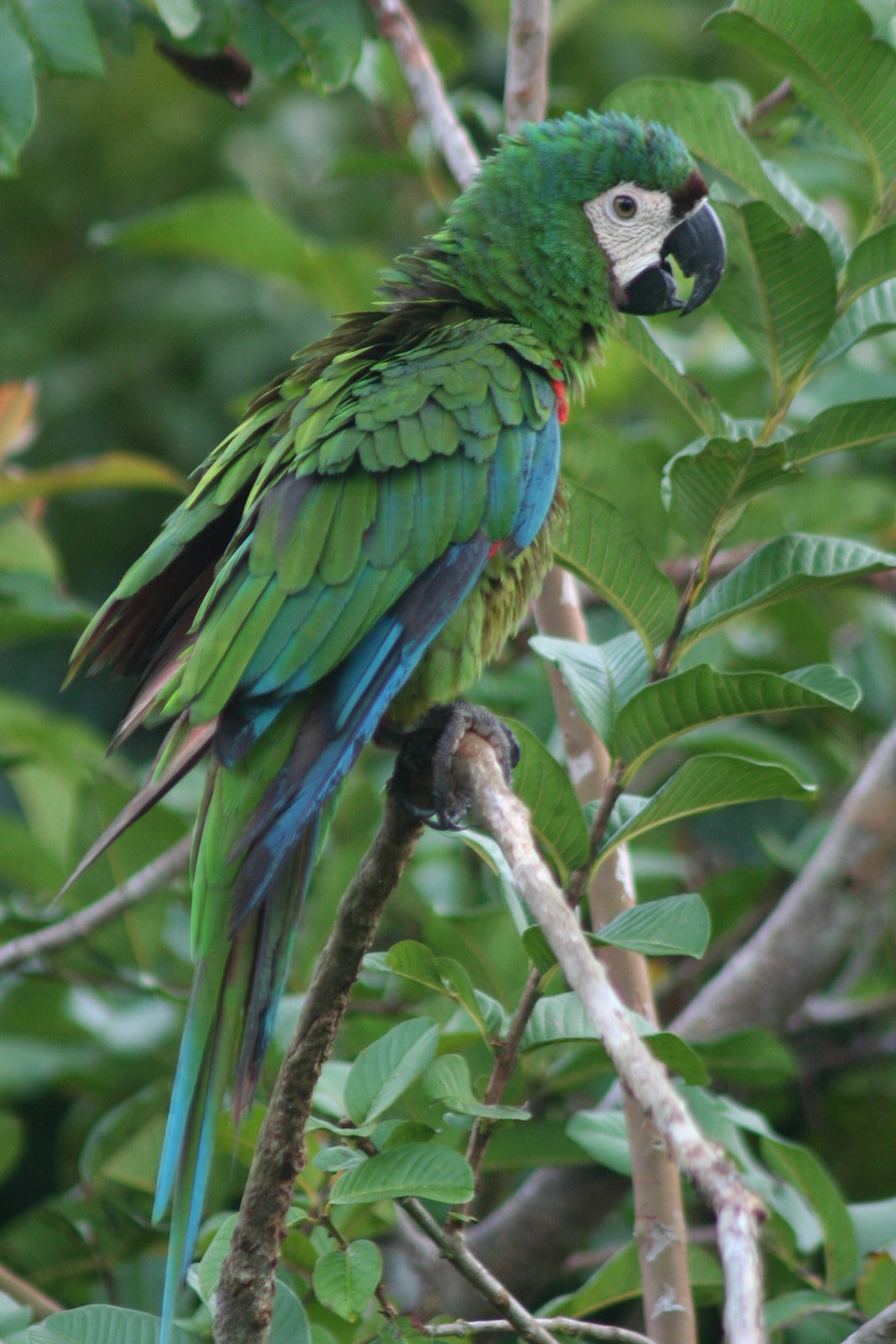
Chestnut-fronted Macaw
Ara severus- Lowland rainforest
- Chocó-Darién rainforest
- Secondary forest and forest edge
- Floodplain and gallery forest
- Swamp forest and palm swamp
- Pasture and grazing land with trees
-
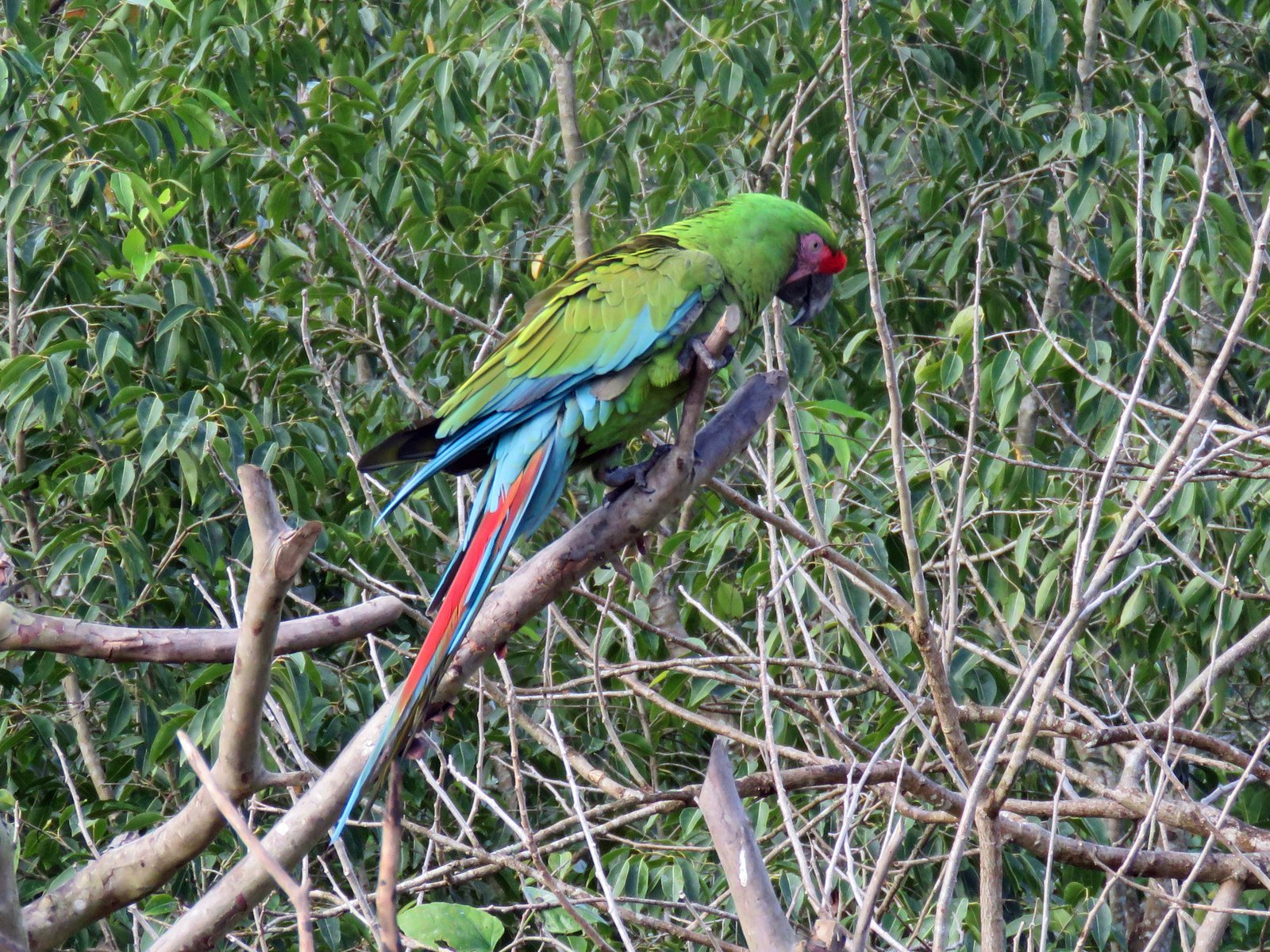
Military Macaw
Ara militaris- Pacific tropical dry forest
- Tropical highland pine-oak forest
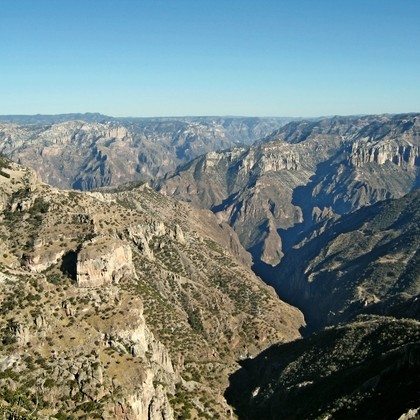 Cliffs, canyons and rocky slopes
- Riparian woodland in arid and temperate regions
- Madrean oak and pine-oak woodland
- Thorn scrub and cactus forest
-
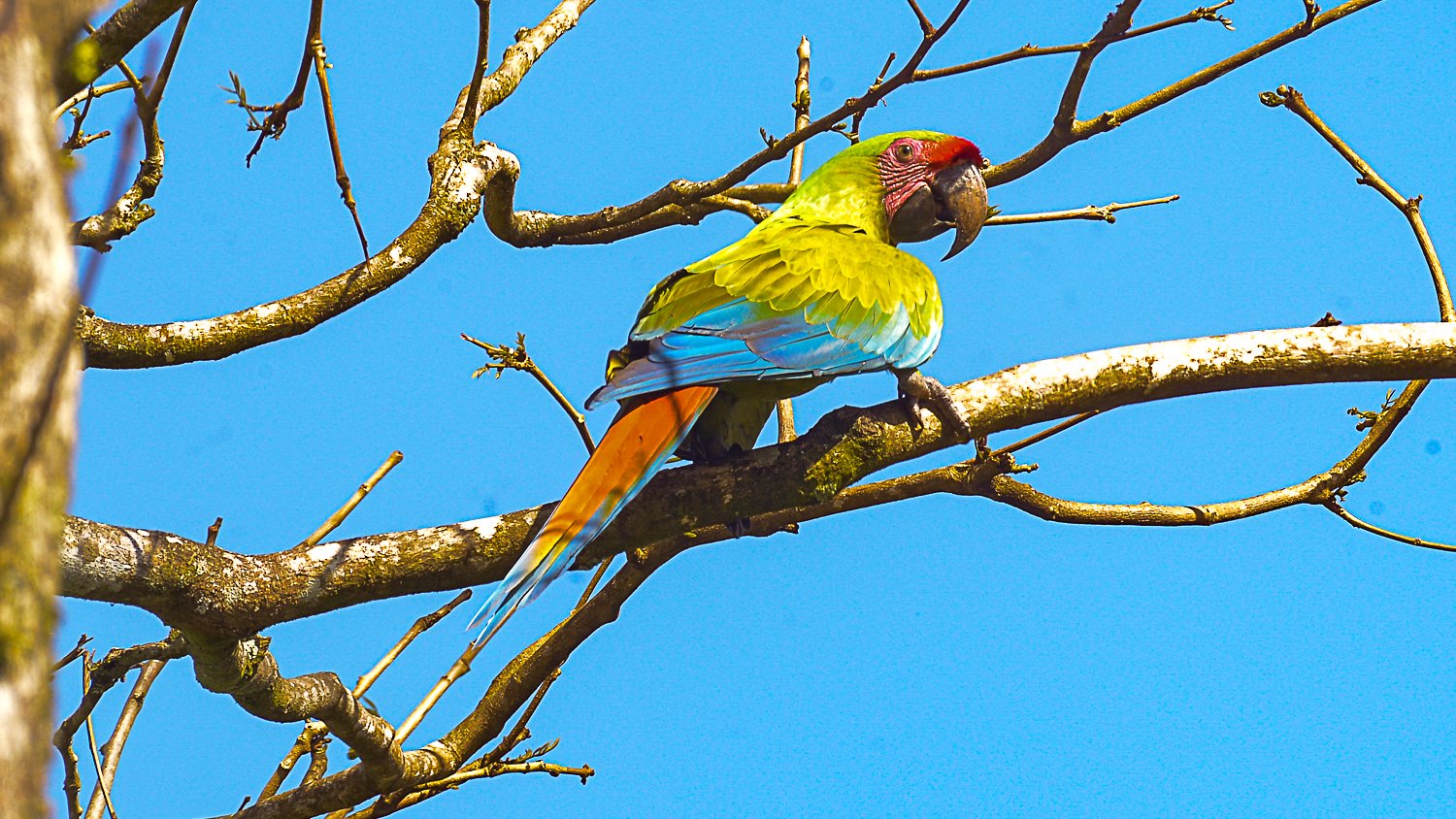
Great Green Macaw
Ara ambiguus- Lowland rainforest
- Foothill (submontane) forest
- Chocó-Darién rainforest
- Secondary forest and forest edge
- Pasture and grazing land with trees
-
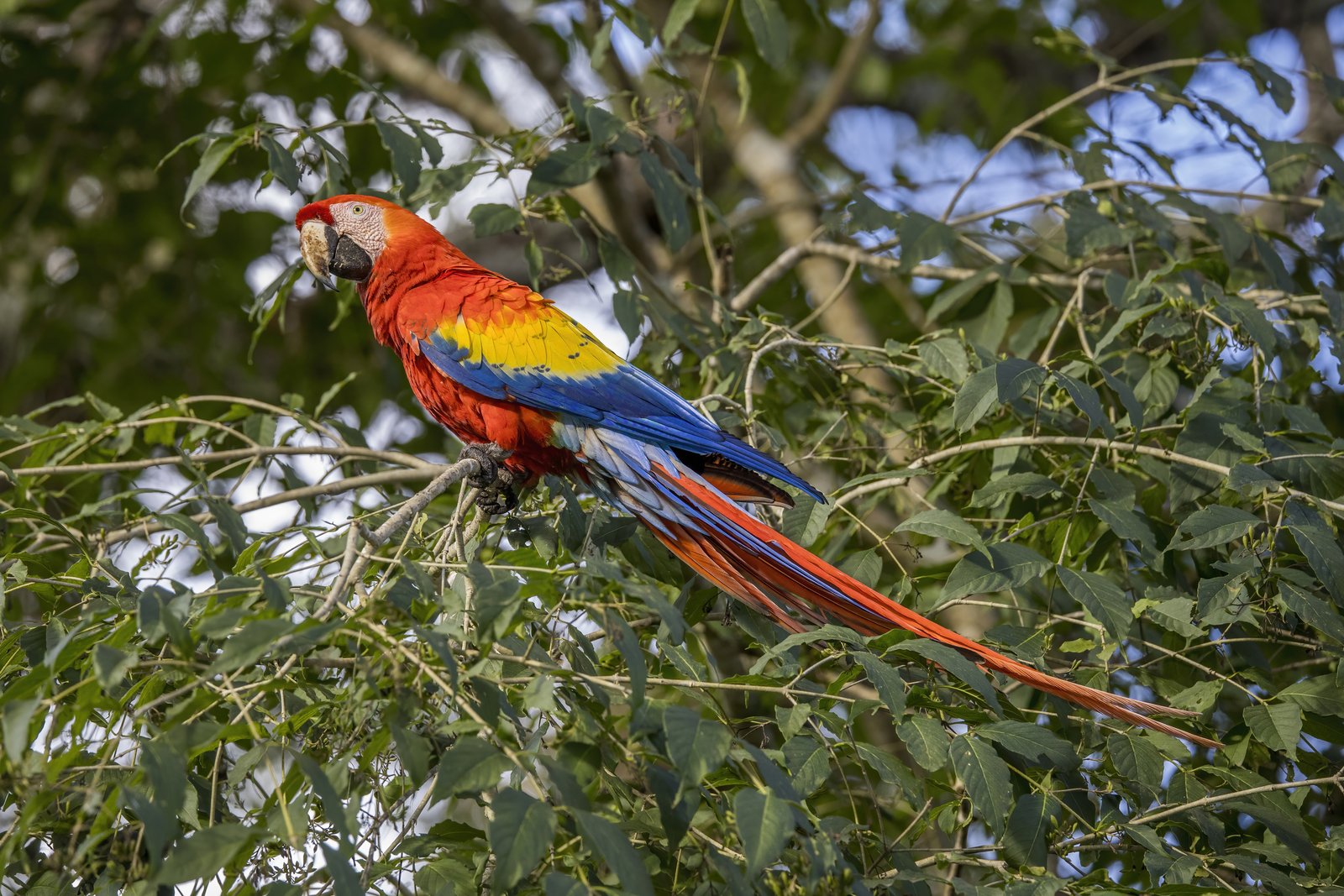
Scarlet Macaw
Ara macao- Lowland rainforest
- Foothill (submontane) forest
- Floodplain and gallery forest
- Pacific tropical dry forest
- Secondary forest and forest edge
- Pasture and grazing land with trees
-
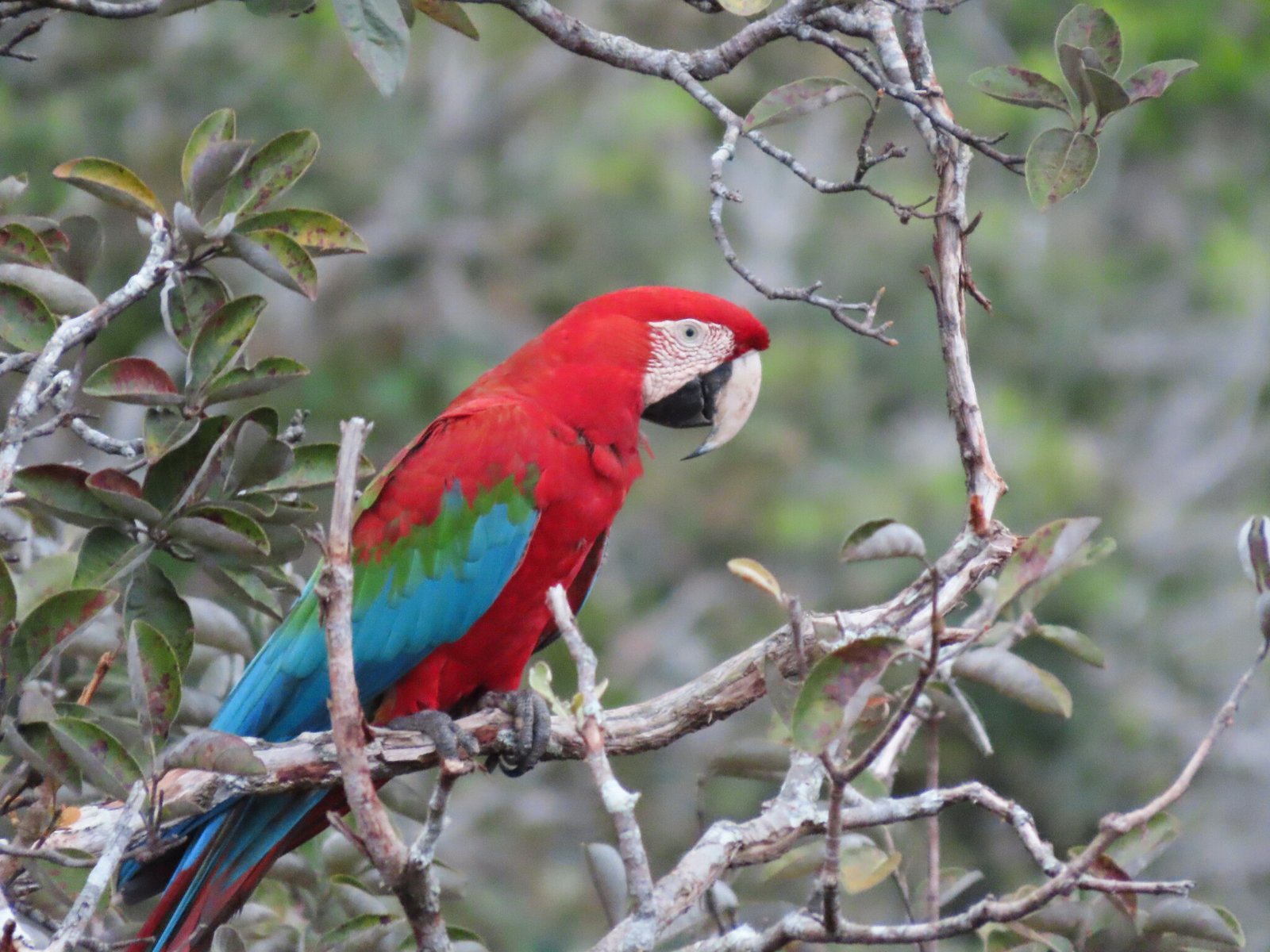
Red-and-green Macaw
Ara chloropterus- Lowland rainforest
- Chocó-Darién rainforest
- Foothill (submontane) forest
- Floodplain and gallery forest
Eupsittula 3 species
-
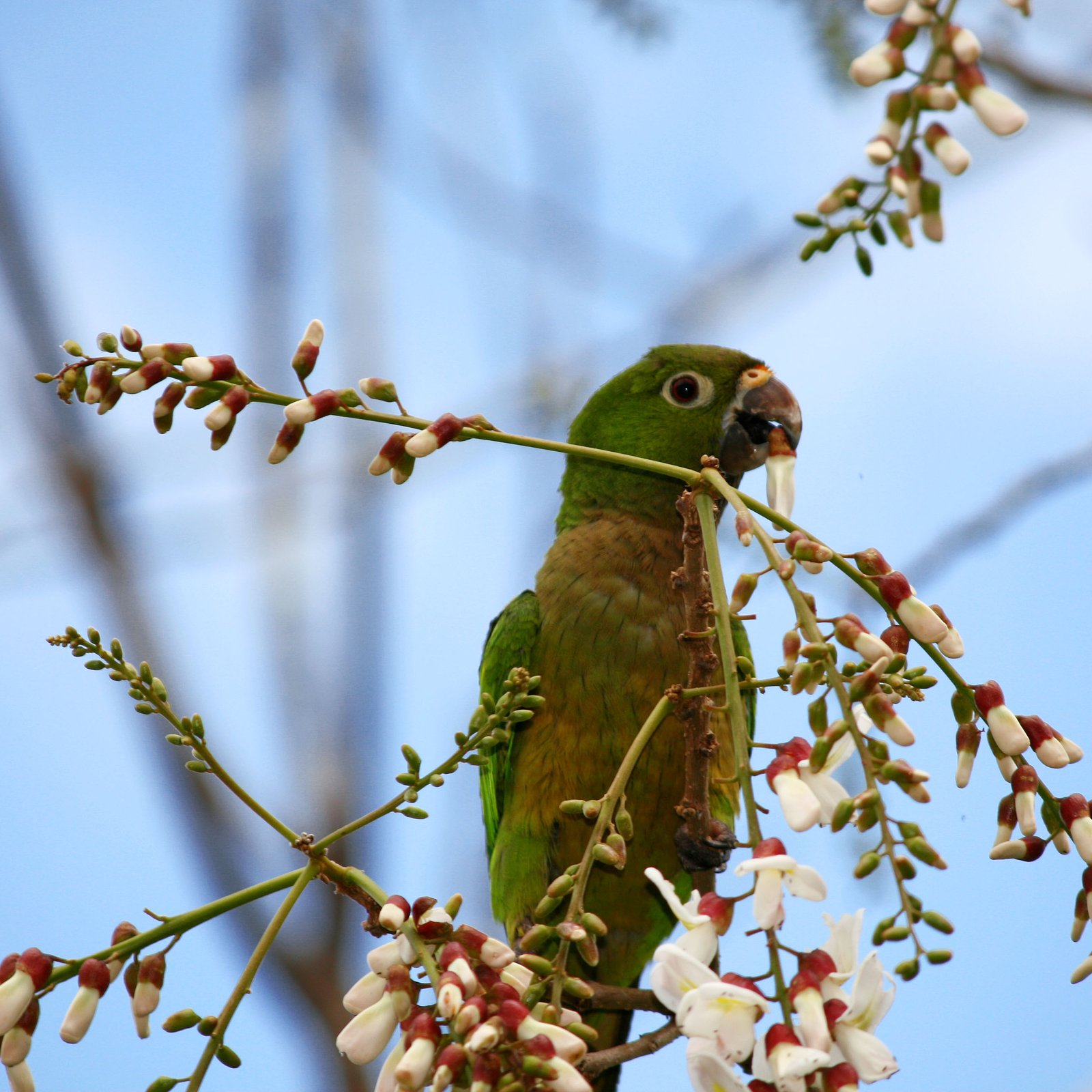
Olive-throated Parakeet
Eupsittula nana- Lowland rainforest
- Yucatán and Caribbean-interior seasonal forest
- Secondary forest and forest edge
- Pasture and grazing land with trees
- Plantations and orchards
- Shade coffee, cacao and agroforestry
-
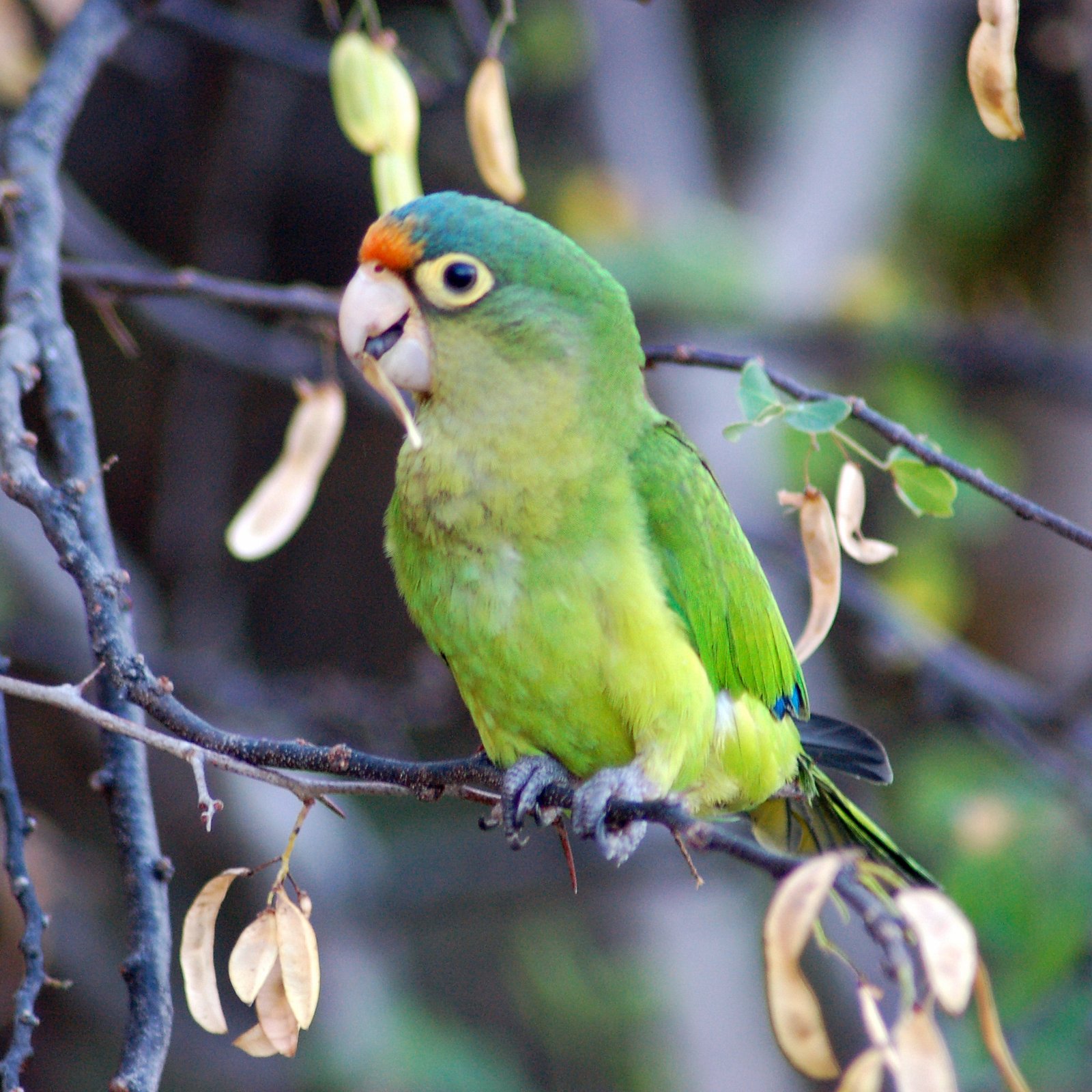
Orange-fronted Parakeet
Eupsittula canicularis- Pacific tropical dry forest
- Thorn scrub and cactus forest
- Secondary forest and forest edge
- Floodplain and gallery forest
- Mangrove
- Pasture and grazing land with trees
- Villages, towns, gardens and parks
-
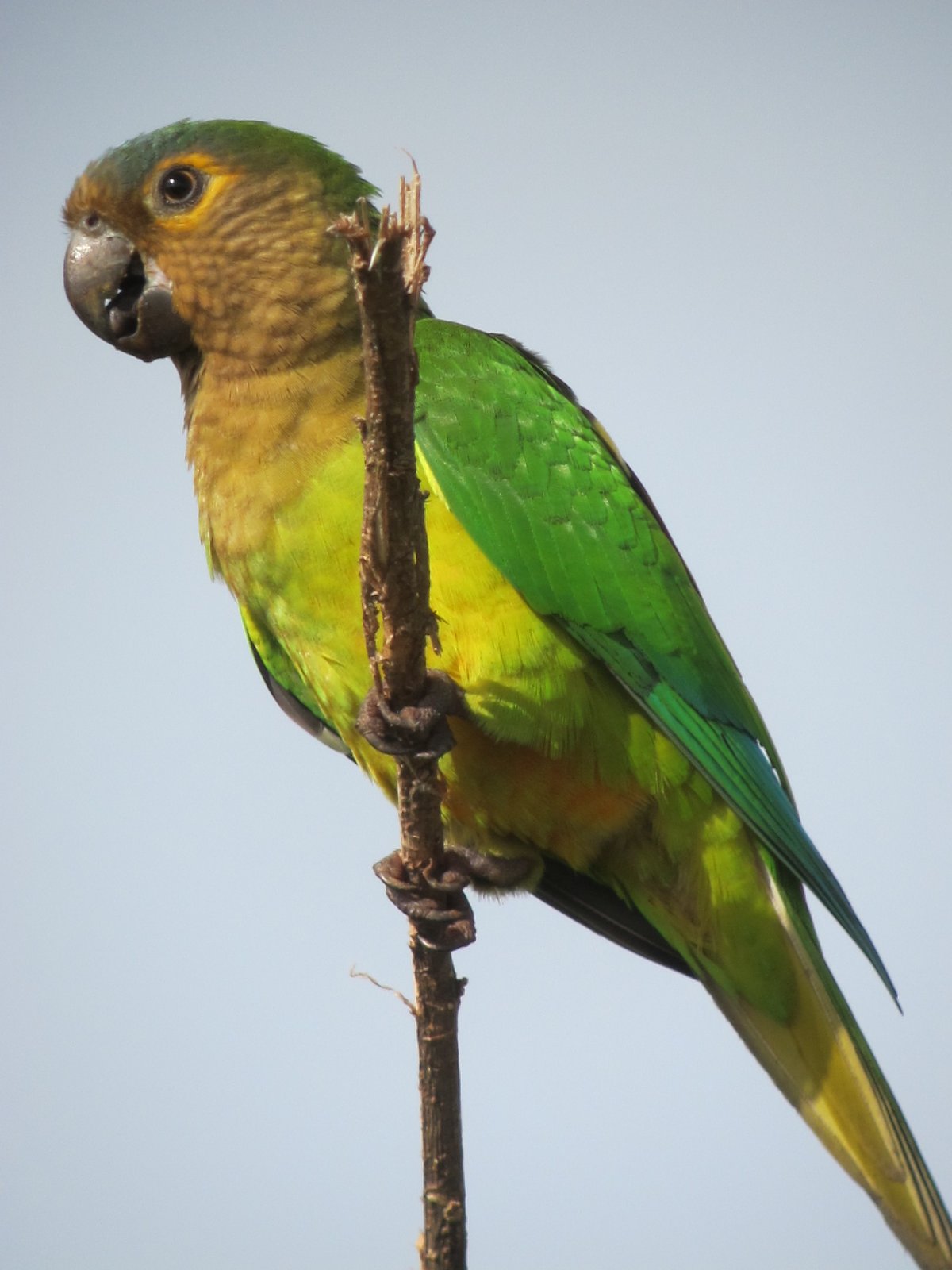
Brown-throated Parakeet
Eupsittula pertinax- Lowland savanna and open grassland
- Pasture and grazing land with trees
- Secondary forest and forest edge
- Pacific tropical dry forest
- Mangrove
- Villages, towns, gardens and parks
Psittacara 4 species
-
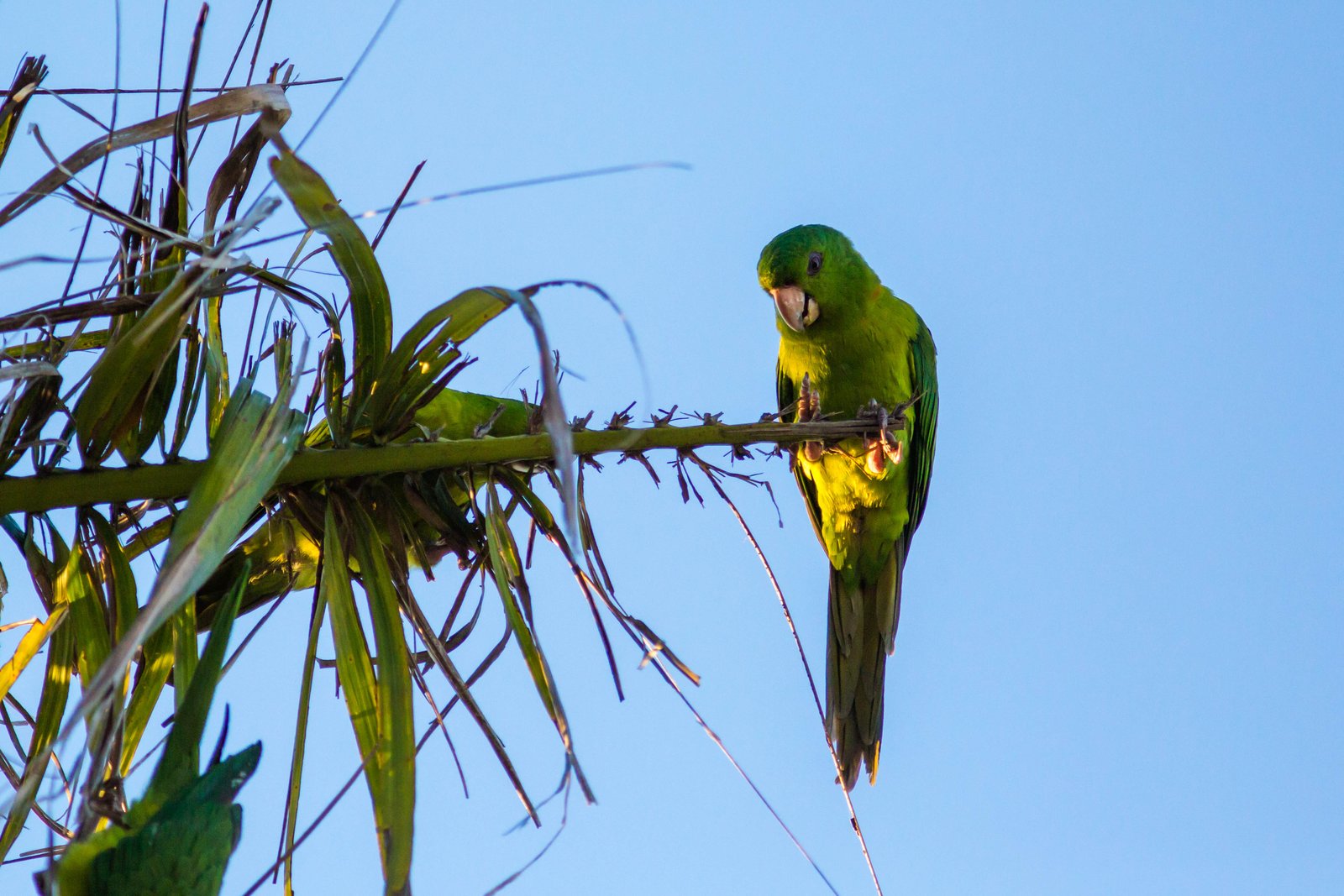
Green Parakeet
Psittacara holochlorus- Floodplain and gallery forest
- Foothill (submontane) forest
- Yucatán and Caribbean-interior seasonal forest
- Tropical highland pine-oak forest
- Madrean oak and pine-oak woodland
- Secondary forest and forest edge
- Villages, towns, gardens and parks
-
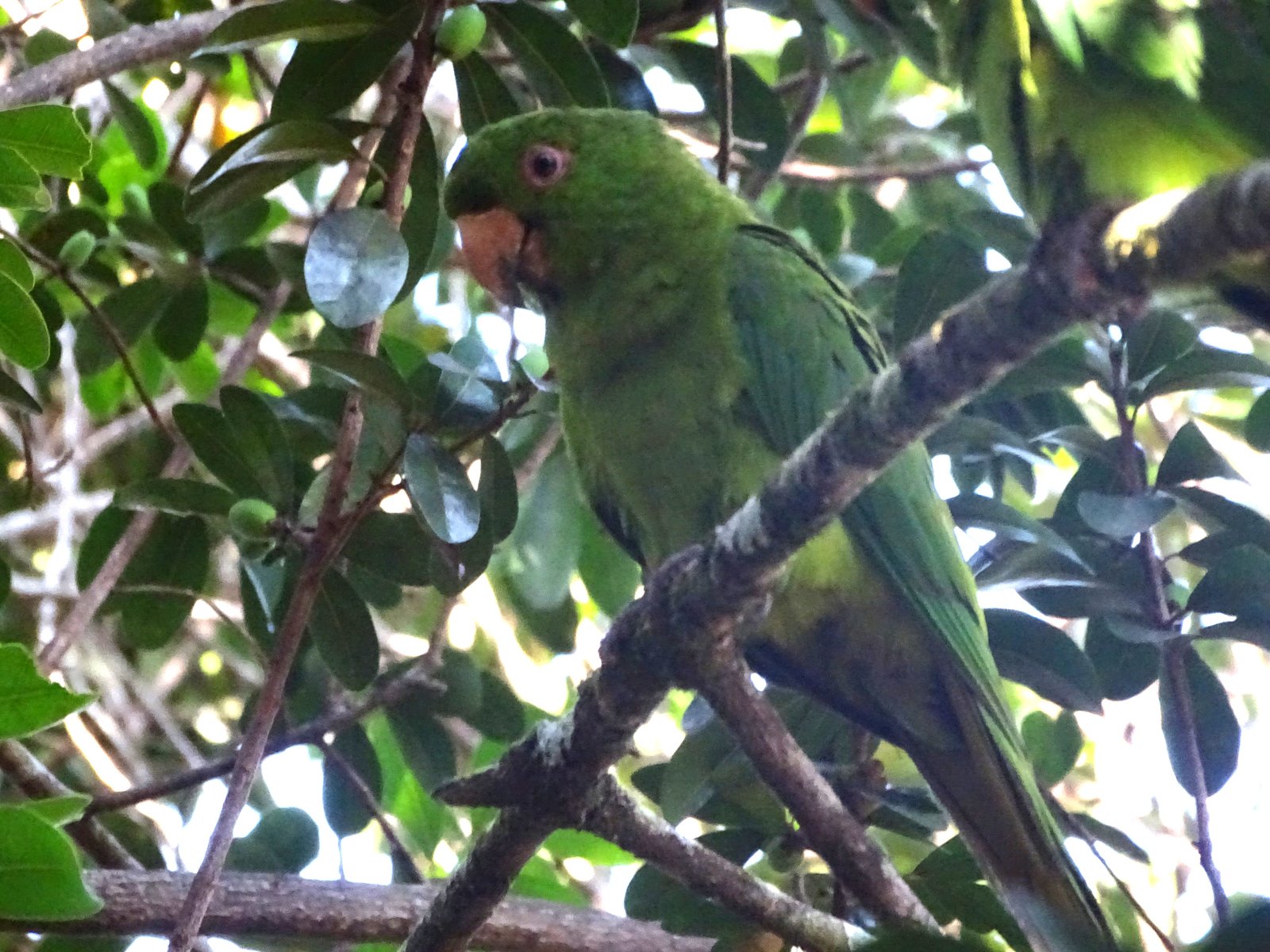
Socorro Parakeet
Psittacara brevipes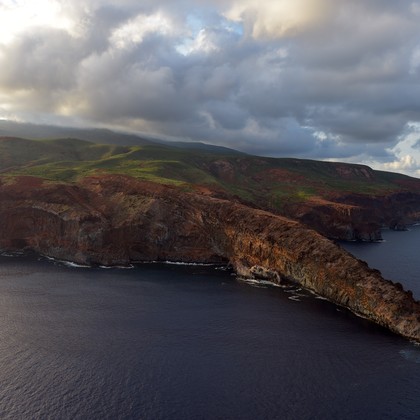 Oceanic islands
- Foothill (submontane) forest
- Thorn scrub and cactus forest
-
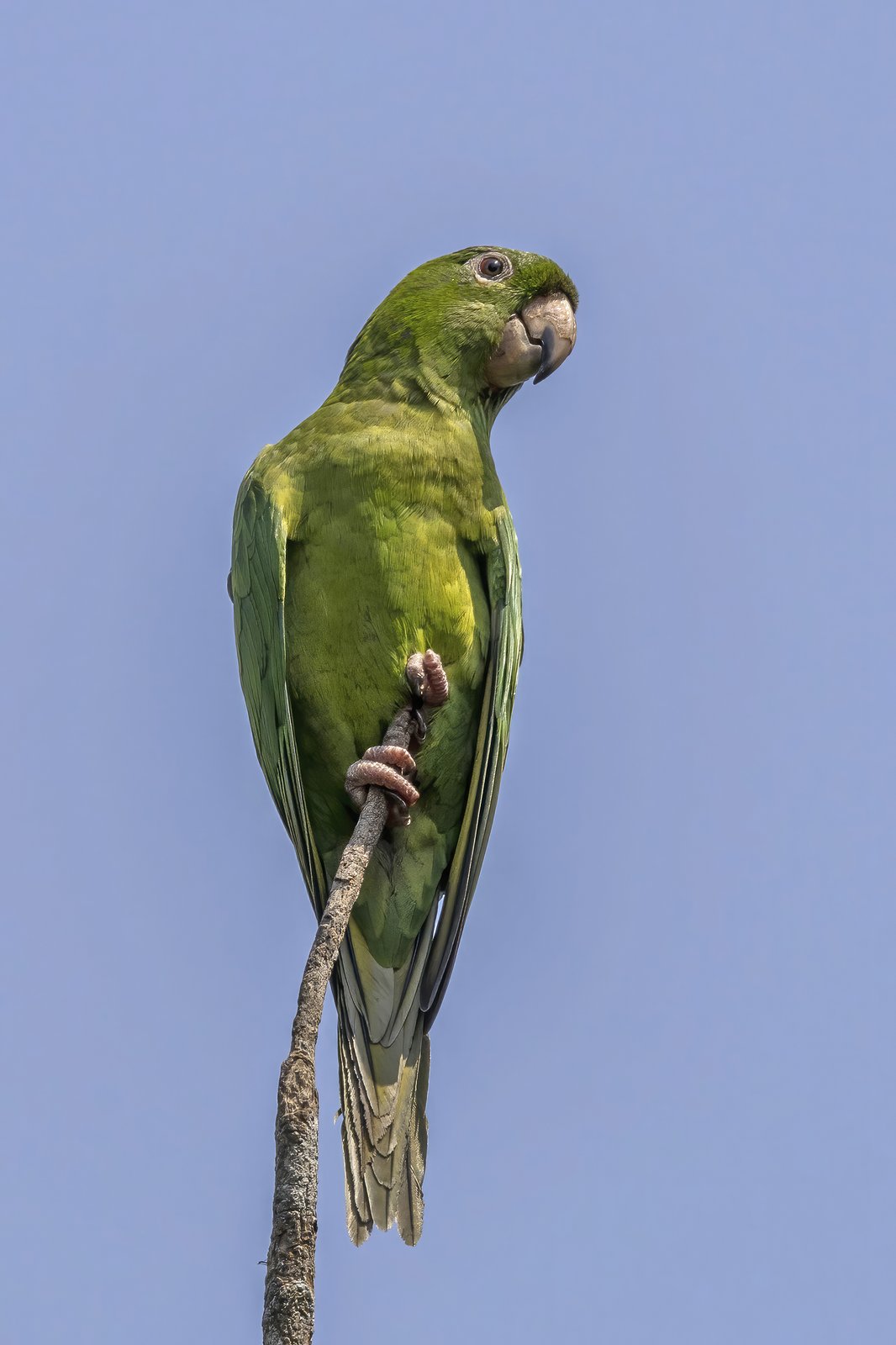
Pacific Parakeet
Psittacara strenuus- Pacific tropical dry forest
- Floodplain and gallery forest
- Secondary forest and forest edge
- Tropical highland pine-oak forest
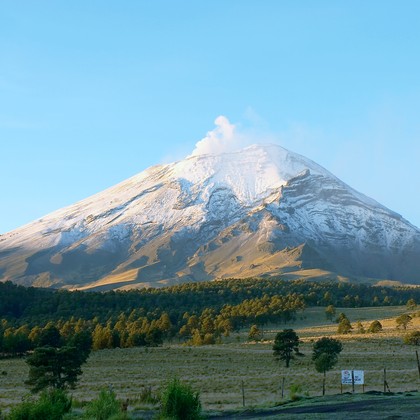 Volcanoes and lava fields
- Pasture and grazing land with trees
- Villages, towns, gardens and parks
-
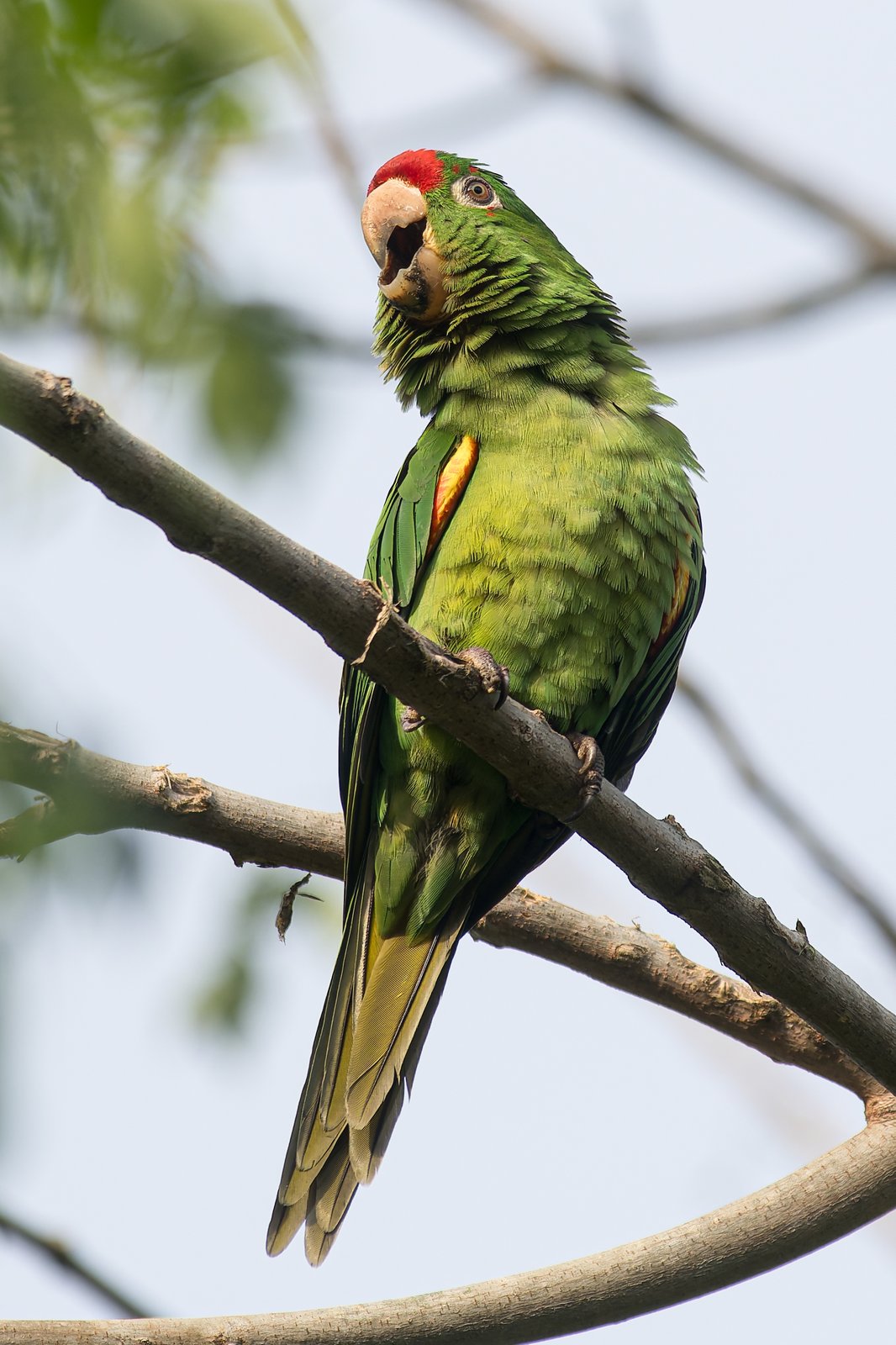
Finsch's Parakeet
Psittacara finschi- Lowland rainforest
- Foothill (submontane) forest
- Secondary forest and forest edge
- Costa Rica-Panama highland forest
- Pasture and grazing land with trees
- Shade coffee, cacao and agroforestry
- Villages, towns, gardens and parks
Introduced species 1 species
Species that do not occur here by nature but were brought in or escaped and have held on since. They follow the sequence of the list, not the genera.
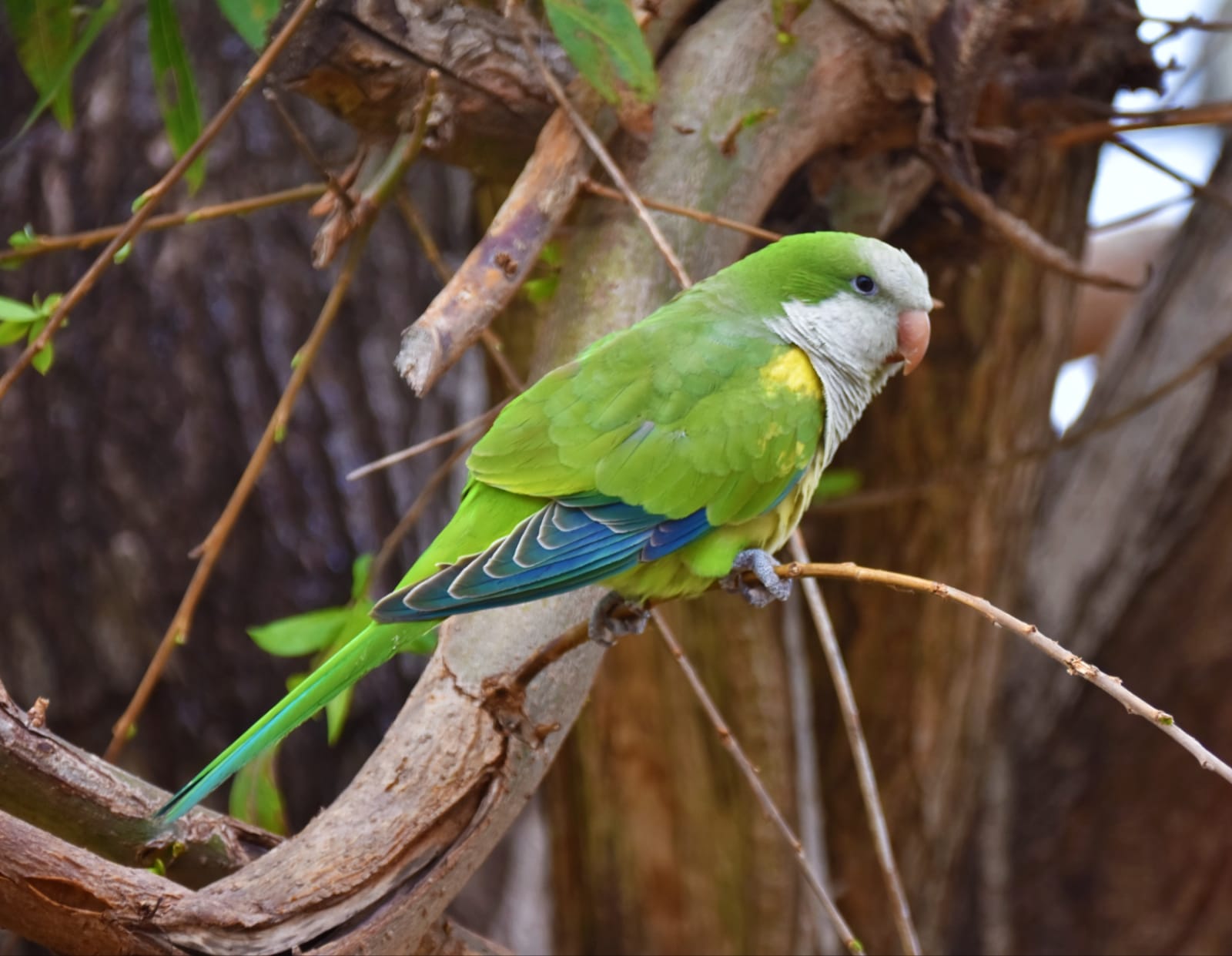
Vagrants 1 species
Birds blown in from other continents. They have no range here, and so no distribution map.