All species › Bats › Vesper bats
Vesper bats | Vespertilionidae
Gladneuzen | Vespertiliónidos
By far the largest and least specialised family of bats: a smooth face with no noseleaf, a tragus in the ear, and a tail wholly enclosed in the tail membrane, whose tip is curled forward in the hunt into a scoop in which an insect is caught. The call goes out through the open mouth and consists of short pulses sweeping from high to low. Wing shape follows the manner of hunting: broad and rounded in species that pick prey off a surface among leaves and over water, long and narrow in those that fly high in open air. Mating takes place in autumn, but the sperm is stored over winter in the female's body and fertilisation follows only in spring, when the insects begin to appear. One young is born, rarely two. With forty-two species this is the largest mammal family in the area, and several of them can be separated in the field only by their calls.
Native species 42 species
Species that occur here by nature, including those released to bring back a population that had gone. They are arranged by genus, in the sequence of the list.
Pipistrelles, serotines and long-eared bats | Vespertilioninae
24 species
Cnephaeus 4 species
-
Anatolian Serotine
Cnephaeus anatolicus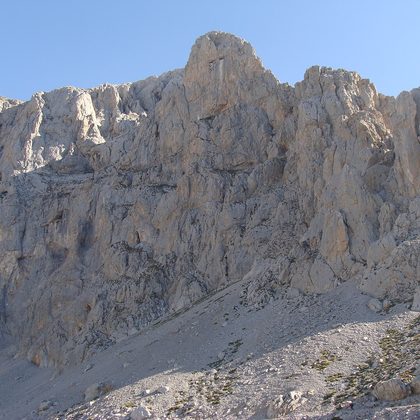 Inland cliffs, rock pavements and outcrops
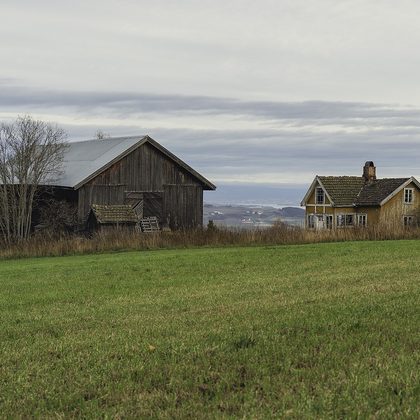 Low density buildings
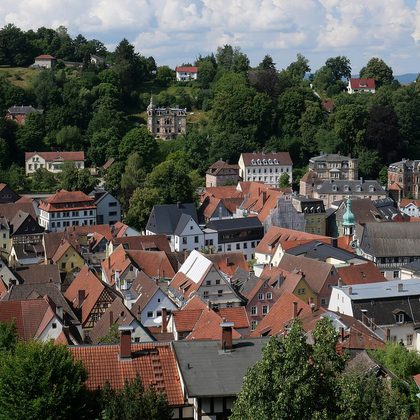 Buildings of cities, towns and villages
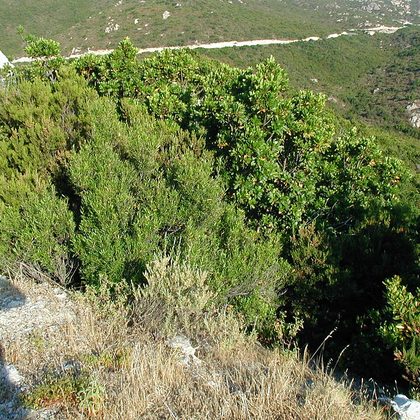 Maquis, arborescent matorral and thermo-Mediterranean brush
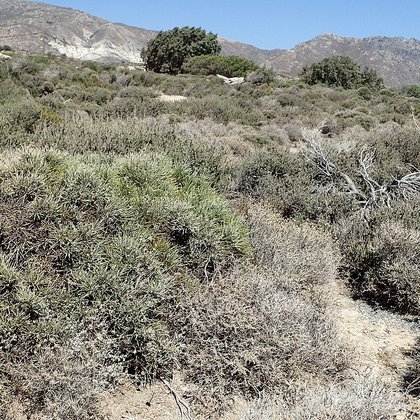 Spiny Mediterranean heaths
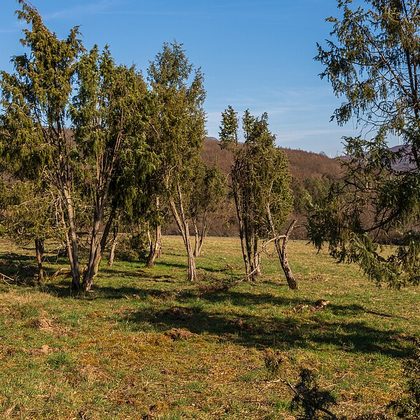 Dry grasslands
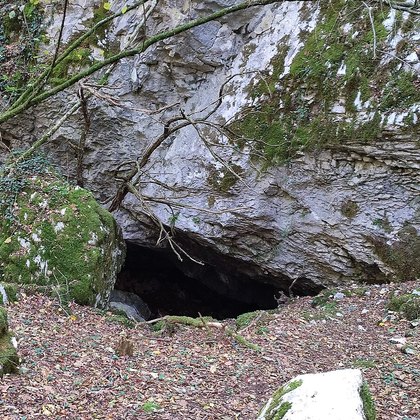 Terrestrial underground caves and cave systems
-
Meridional Serotine
Cnephaeus isabellinus- Buildings of cities, towns and villages
- Low density buildings
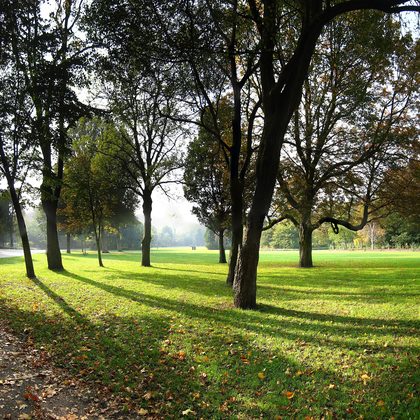 Cultivated areas of gardens and parks
- Maquis, arborescent matorral and thermo-Mediterranean brush
- Inland cliffs, rock pavements and outcrops
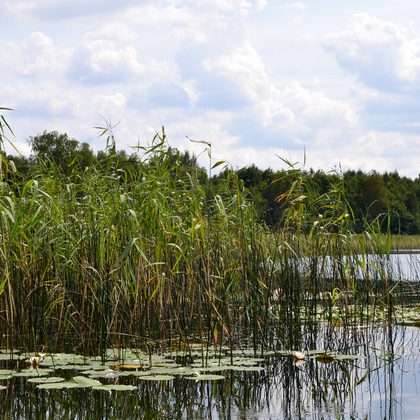 Littoral zone of inland surface waterbodies
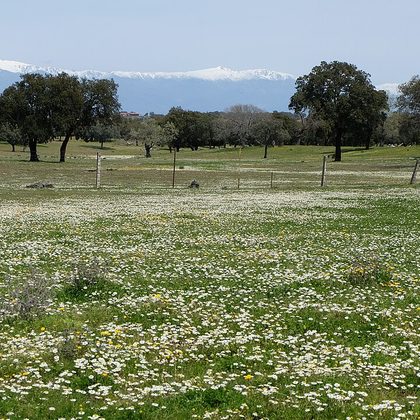 Sparsely wooded grasslands
-
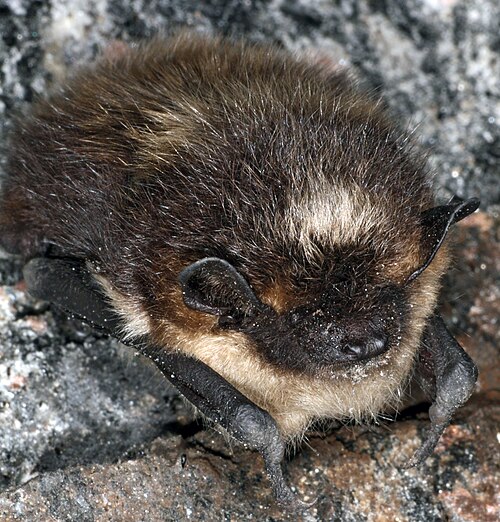
Northern Serotine
Cnephaeus nilssonii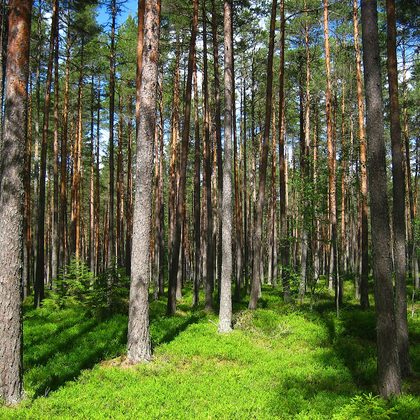 Coniferous woodland
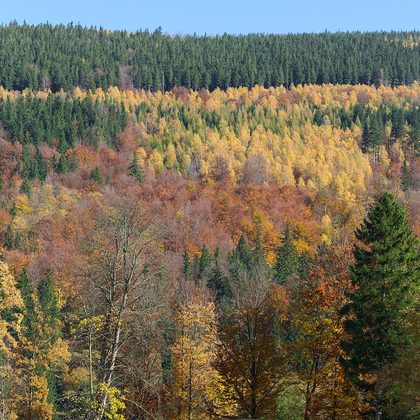 Mixed deciduous and coniferous woodland
- Buildings of cities, towns and villages
- Low density buildings
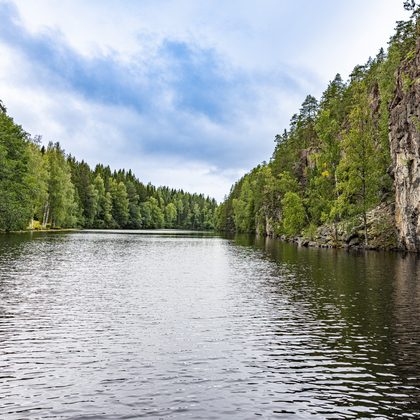 Surface standing waters
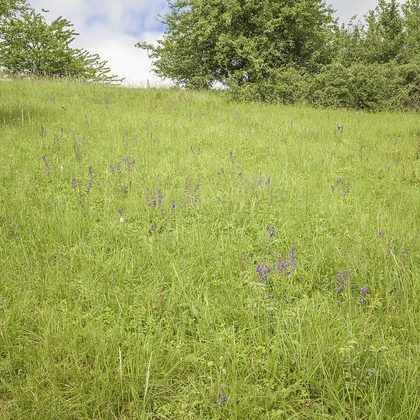 Mesic grasslands
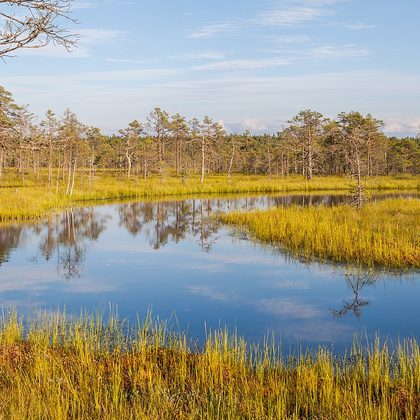 Raised and blanket bogs
-
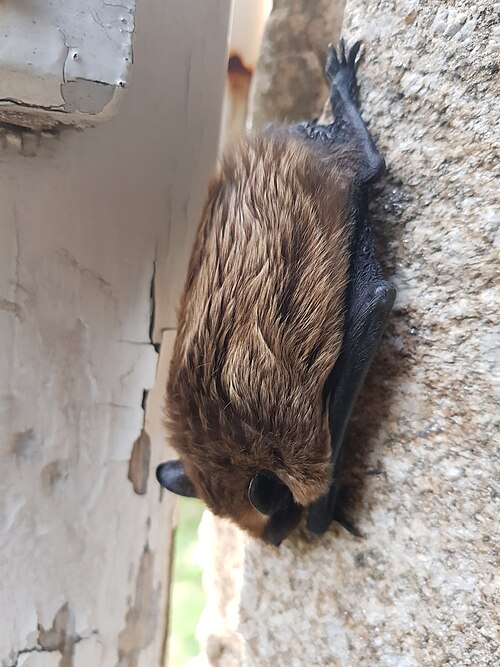
Eurasian Serotine
Cnephaeus serotinus- Buildings of cities, towns and villages
- Low density buildings
- Cultivated areas of gardens and parks
- Mesic grasslands
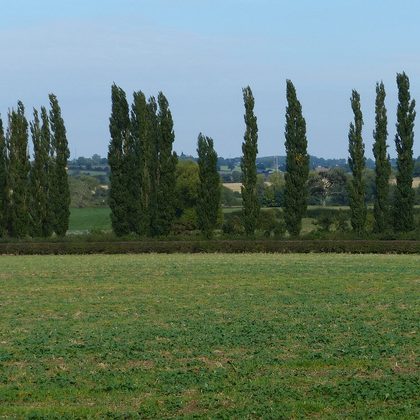 Lines of trees, small woods, felled and early-stage woodland
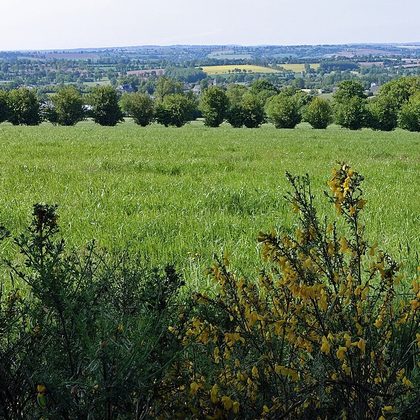 Hedgerows
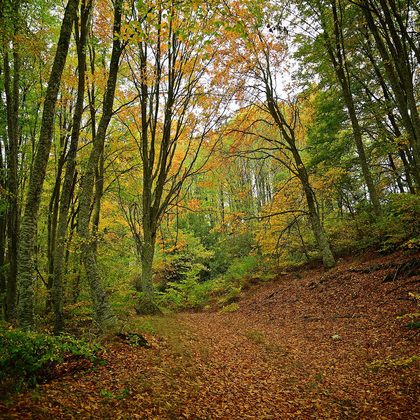 Broadleaved deciduous woodland
Nyctalus 3 species
-
Giant noctule
Nyctalus lasiopterus- Broadleaved deciduous woodland
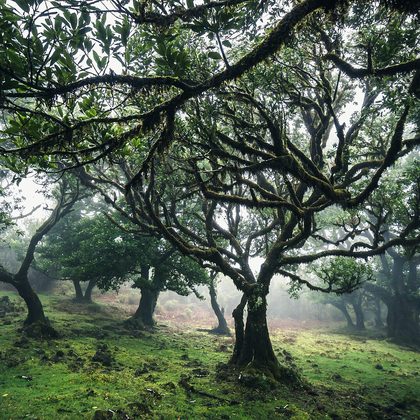 Broadleaved evergreen woodland
- Coniferous woodland
- Mixed deciduous and coniferous woodland
- Lines of trees, small woods, felled and early-stage woodland
- Cultivated areas of gardens and parks
-
Leisler's bat
Nyctalus leisleri- Broadleaved deciduous woodland
- Coniferous woodland
- Mixed deciduous and coniferous woodland
- Lines of trees, small woods, felled and early-stage woodland
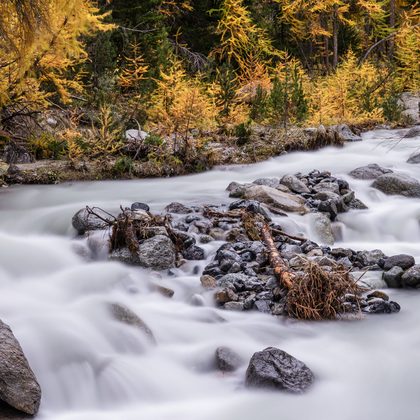 Surface running waters
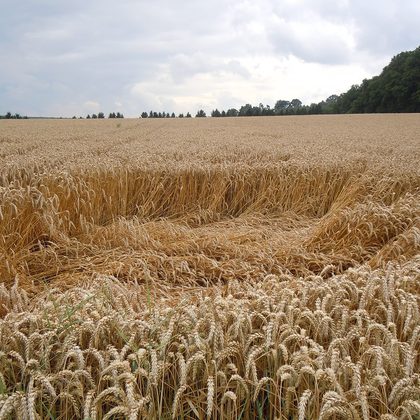 Arable land and market gardens
- Low density buildings
-
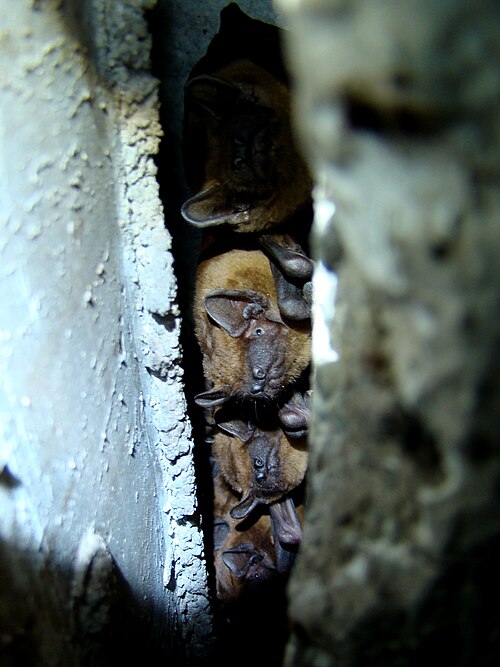
Noctule bat
Nyctalus noctula- Broadleaved deciduous woodland
- Lines of trees, small woods, felled and early-stage woodland
- Surface standing waters
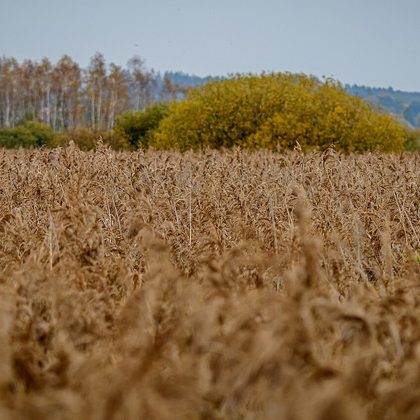 Sedge and reedbeds without free-standing water
- Mesic grasslands
- Arable land and market gardens
- Buildings of cities, towns and villages
Pipistrellus 5 species
-
Crete Pipistrelle
Pipistrellus creticus- Broadleaved deciduous woodland
- Broadleaved evergreen woodland
- Coniferous woodland
-
Kuhl’s pipistrelle
Pipistrellus kuhlii- Buildings of cities, towns and villages
- Low density buildings
- Arable land and market gardens
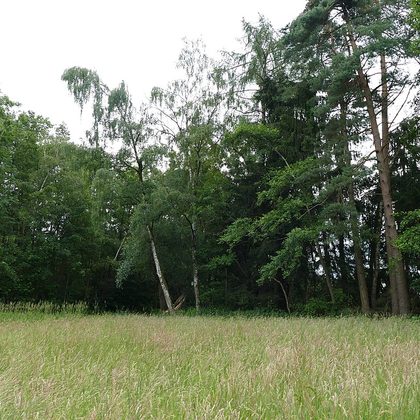 Woodland fringes, clearings and tall forb stands
- Littoral zone of inland surface waterbodies
- Maquis, arborescent matorral and thermo-Mediterranean brush
- Mesic grasslands
-
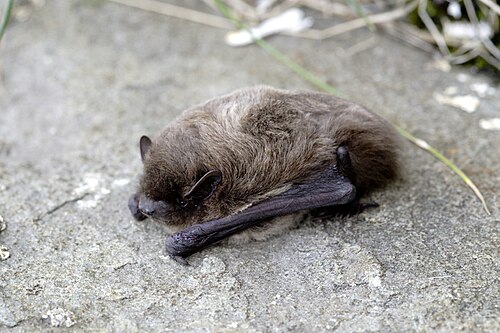
Nathusius's pipistrelle
Pipistrellus nathusii- Broadleaved deciduous woodland
- Coniferous woodland
- Lines of trees, small woods, felled and early-stage woodland
- Surface standing waters
- Sedge and reedbeds without free-standing water
- Mesic grasslands
- Cultivated areas of gardens and parks
-
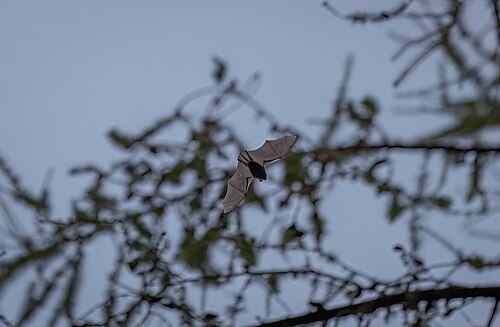
Common Pipistrelle
Pipistrellus pipistrellus- Broadleaved deciduous woodland
- Lines of trees, small woods, felled and early-stage woodland
- Hedgerows
- Surface standing waters
- Cultivated areas of gardens and parks
- Buildings of cities, towns and villages
- Low density buildings
-
Soprano Pipistrelle
Pipistrellus pygmaeus- Buildings of cities, towns and villages
- Surface standing waters
- Sedge and reedbeds without free-standing water
- Broadleaved deciduous woodland
- Lines of trees, small woods, felled and early-stage woodland
- Mesic grasslands
- Arable land and market gardens
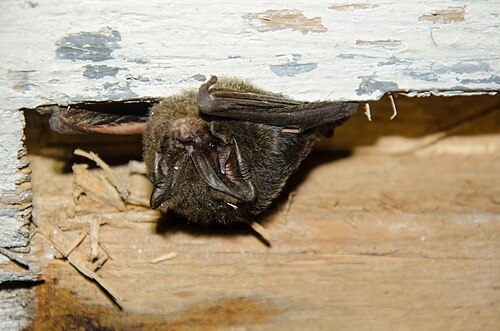
Plecotus 7 species
-
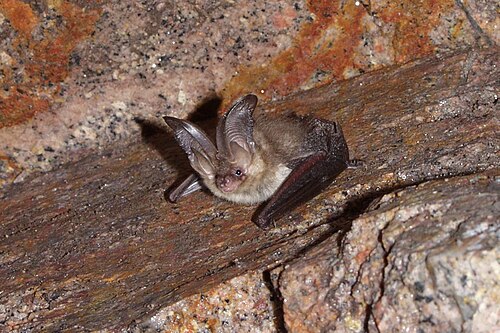
Brown long-eared bat
Plecotus auritus- Broadleaved deciduous woodland
- Coniferous woodland
- Mixed deciduous and coniferous woodland
- Hedgerows
- Cultivated areas of gardens and parks
- Low density buildings
- Terrestrial underground caves and cave systems
-
Grey long-eared bat
Plecotus austriacus- Low density buildings
- Buildings of cities, towns and villages
- Arable land and market gardens
- Mesic grasslands
- Hedgerows
- Inland cliffs, rock pavements and outcrops
- Terrestrial underground caves and cave systems
-
Christie's Long-eared Bat
Plecotus christii- Terrestrial underground caves and cave systems
- Inland cliffs, rock pavements and outcrops
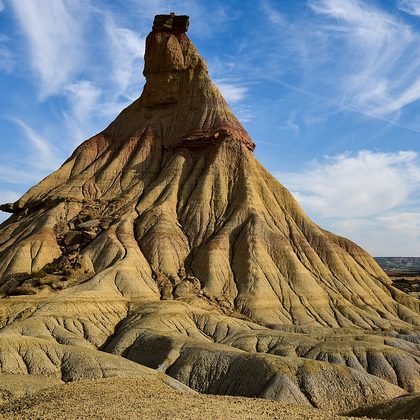 Miscellaneous inland habitats with sparse or no vegetation
- Surface running waters
- Low density buildings
- Cultivated areas of gardens and parks
-
Gaisler's Long-eared Bat
Plecotus gaisleri- Inland cliffs, rock pavements and outcrops
- Terrestrial underground caves and cave systems
- Maquis, arborescent matorral and thermo-Mediterranean brush
- Surface standing waters
- Miscellaneous inland habitats with sparse or no vegetation
- Low density buildings
-
Kolombatovic's Long-eared Bat
Plecotus kolombatovici- Maquis, arborescent matorral and thermo-Mediterranean brush
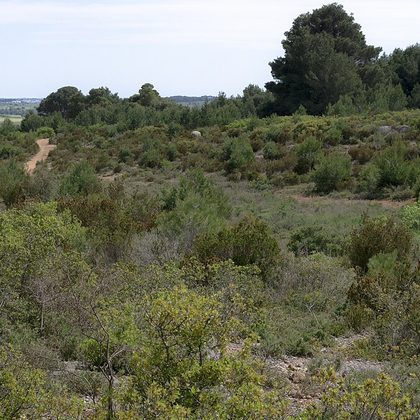 Garrigue
- Broadleaved evergreen woodland
- Dry grasslands
- Inland cliffs, rock pavements and outcrops
- Terrestrial underground caves and cave systems
- Low density buildings
-
Mountain Long-eared Bat
Plecotus macrobullaris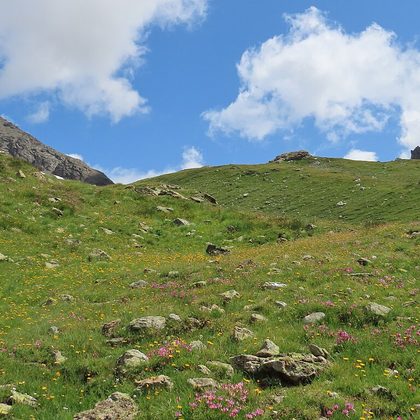 Alpine and subalpine grasslands
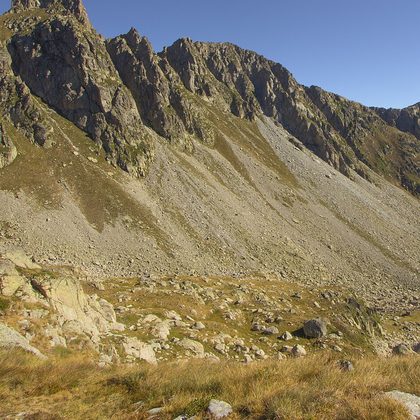 Screes
- Inland cliffs, rock pavements and outcrops
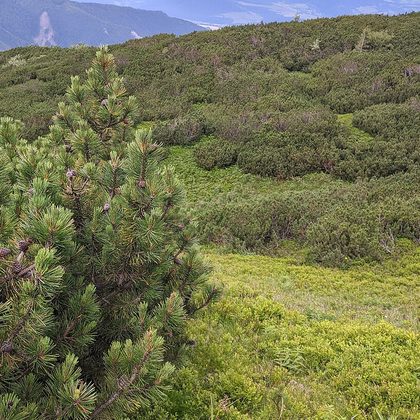 Arctic, alpine and subalpine scrub
- Coniferous woodland
- Low density buildings
- Terrestrial underground caves and cave systems
-
Sardinian long-eared bat
Plecotus sardus- Broadleaved evergreen woodland
- Broadleaved deciduous woodland
- Terrestrial underground caves and cave systems
- Inland cliffs, rock pavements and outcrops
- Low density buildings
- Surface standing waters
Hypsugo 2 species
-
Fairy Pipistrelle
Hypsugo ariel- Inland cliffs, rock pavements and outcrops
- Miscellaneous inland habitats with sparse or no vegetation
- Littoral zone of inland surface waterbodies
- Arable land and market gardens
- Low density buildings
-
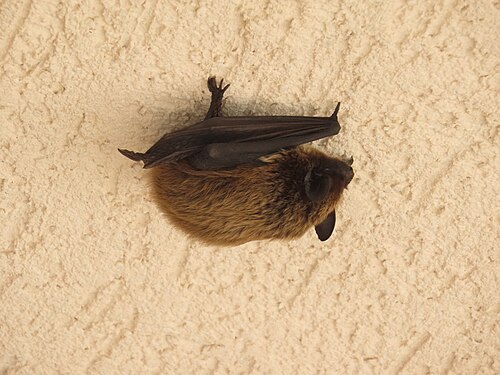
Savi's pipistrelle
Hypsugo savii- Inland cliffs, rock pavements and outcrops
- Buildings of cities, towns and villages
- Low density buildings
- Littoral zone of inland surface waterbodies
- Maquis, arborescent matorral and thermo-Mediterranean brush
- Garrigue
- Cultivated areas of gardens and parks
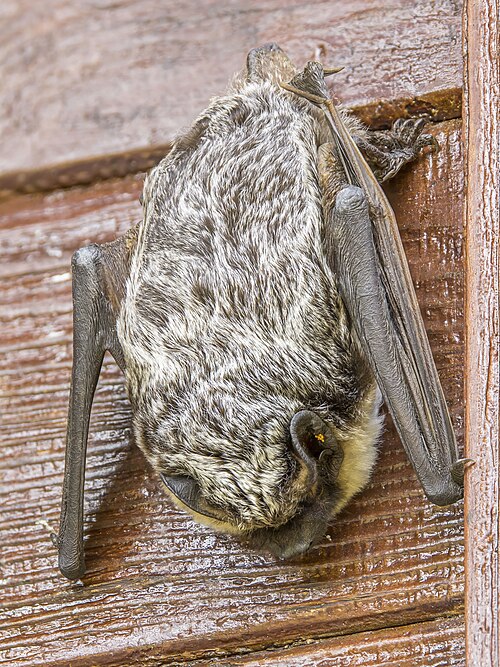
Mouse-eared bats | Myotinae
18 species
Myotis 18 species
-
Alcathoe Myotis
Myotis alcathoe- Broadleaved deciduous woodland
- Mixed deciduous and coniferous woodland
- Surface running waters
- Lines of trees, small woods, felled and early-stage woodland
- Terrestrial underground caves and cave systems
-
Bechstein's bat
Myotis bechsteinii- Broadleaved deciduous woodland
- Mixed deciduous and coniferous woodland
- Coniferous woodland
- Lines of trees, small woods, felled and early-stage woodland
- Terrestrial underground caves and cave systems
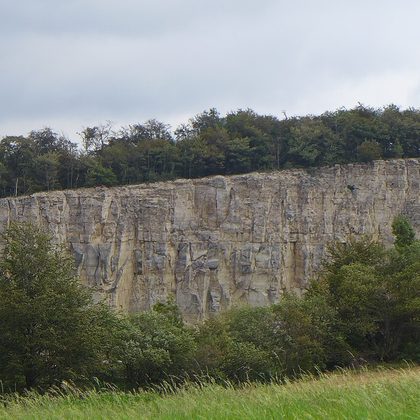 Extractive industrial sites
-
Lesser mouse-eared myotis
Myotis blythii- Dry grasslands
- Mesic grasslands
- Sparsely wooded grasslands
- Garrigue
- Arable land and market gardens
- Terrestrial underground caves and cave systems
- Buildings of cities, towns and villages
-
Brandt's Bat
Myotis brandtii- Broadleaved deciduous woodland
- Coniferous woodland
- Mixed deciduous and coniferous woodland
- Surface standing waters
- Littoral zone of inland surface waterbodies
- Low density buildings
- Terrestrial underground caves and cave systems
-
Long-fingered bat
Myotis capaccinii- Surface running waters
- Surface standing waters
- Littoral zone of inland surface waterbodies
- Terrestrial underground caves and cave systems
- Extractive industrial sites
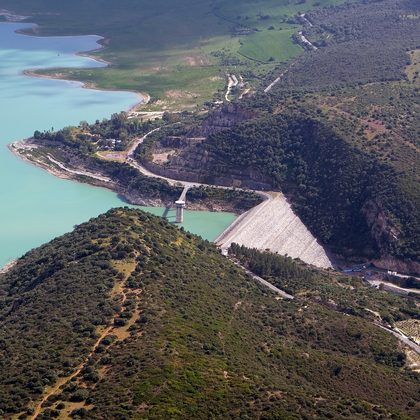 Highly artificial man-made waters
- Maquis, arborescent matorral and thermo-Mediterranean brush
-
Cryptic Myotis
Myotis crypticus- Broadleaved deciduous woodland
- Coniferous woodland
- Mixed deciduous and coniferous woodland
- Mesic grasslands
- Alpine and subalpine grasslands
- Terrestrial underground caves and cave systems
- Low density buildings
-
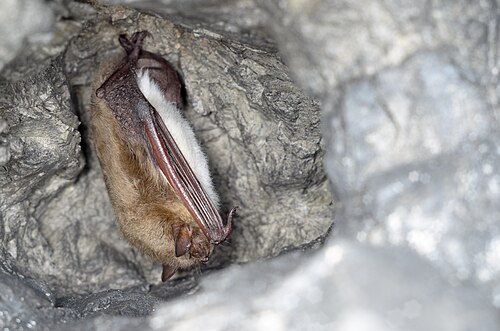
Pond bat
Myotis dasycneme- Surface standing waters
- Surface running waters
- Littoral zone of inland surface waterbodies
- Sedge and reedbeds without free-standing water
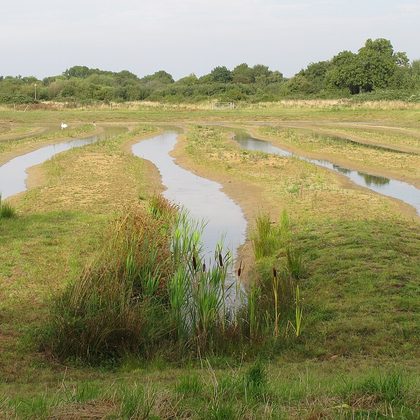 Seasonally wet and wet grasslands
- Buildings of cities, towns and villages
- Terrestrial underground caves and cave systems
-
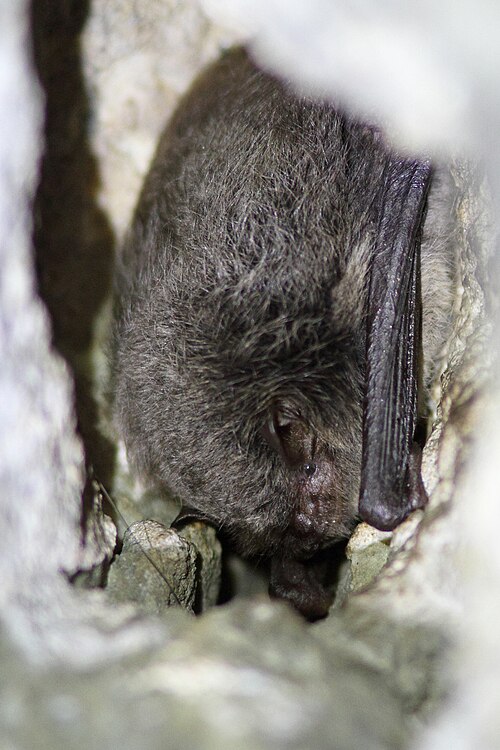
Daubenton's bat
Myotis daubentonii- Surface standing waters
- Surface running waters
- Littoral zone of inland surface waterbodies
- Broadleaved deciduous woodland
- Mixed deciduous and coniferous woodland
- Cultivated areas of gardens and parks
- Terrestrial underground caves and cave systems
-
David's Myotis
Myotis davidii- Maquis, arborescent matorral and thermo-Mediterranean brush
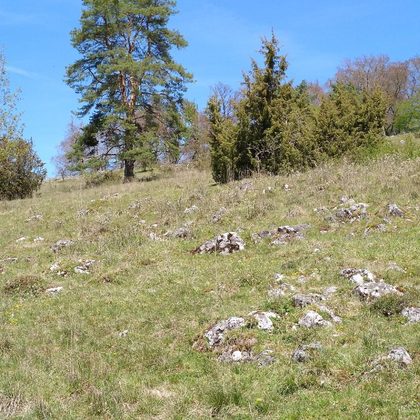 Temperate and mediterranean-montane scrub
- Broadleaved deciduous woodland
- Dry grasslands
- Terrestrial underground caves and cave systems
- Inland cliffs, rock pavements and outcrops
- Surface running waters
-
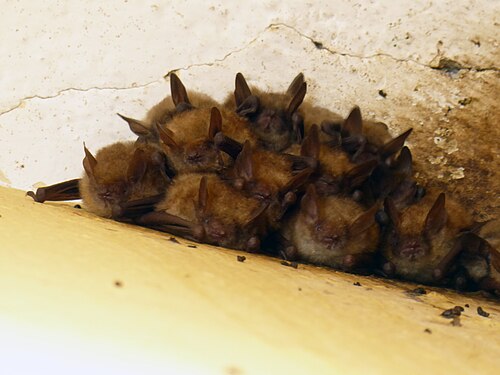
Geoffroy’s bat
Myotis emarginatus- Broadleaved deciduous woodland
- Hedgerows
- Maquis, arborescent matorral and thermo-Mediterranean brush
- Low density buildings
- Cultivated areas of gardens and parks
- Terrestrial underground caves and cave systems
- Extractive industrial sites
-
Escalera's Myotis
Myotis escalerai- Terrestrial underground caves and cave systems
- Broadleaved deciduous woodland
- Broadleaved evergreen woodland
- Coniferous woodland
- Maquis, arborescent matorral and thermo-Mediterranean brush
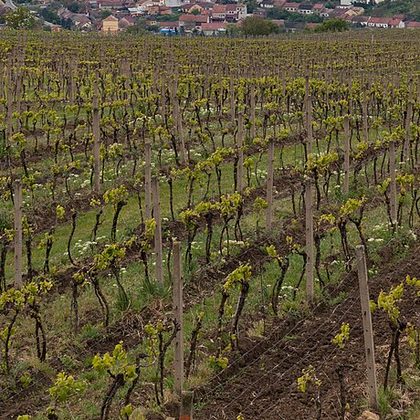 Shrub plantations
- Surface running waters
-
Hovel's Myotis
Myotis hoveli- Broadleaved deciduous woodland
- Broadleaved evergreen woodland
- Coniferous woodland
- Maquis, arborescent matorral and thermo-Mediterranean brush
-
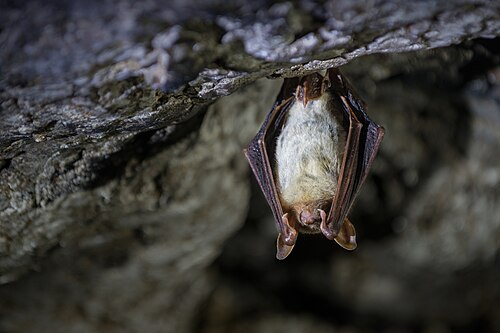
Greater mouse-eared bat
Myotis myotis- Terrestrial underground caves and cave systems
- Broadleaved deciduous woodland
- Mixed deciduous and coniferous woodland
- Mesic grasslands
- Buildings of cities, towns and villages
- Low density buildings
- Extractive industrial sites
-
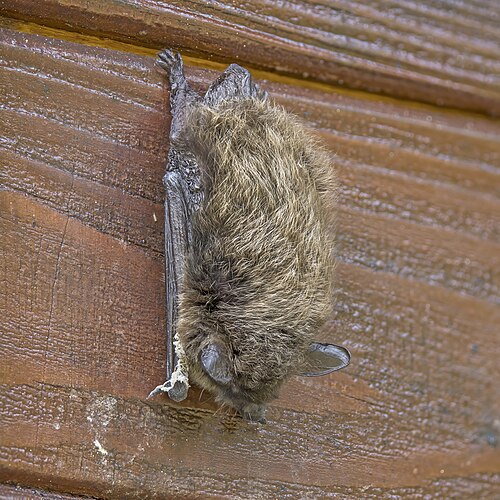
Whiskered bat
Myotis mystacinus- Broadleaved deciduous woodland
- Mixed deciduous and coniferous woodland
- Woodland fringes, clearings and tall forb stands
- Cultivated areas of gardens and parks
- Buildings of cities, towns and villages
- Surface running waters
- Terrestrial underground caves and cave systems
-
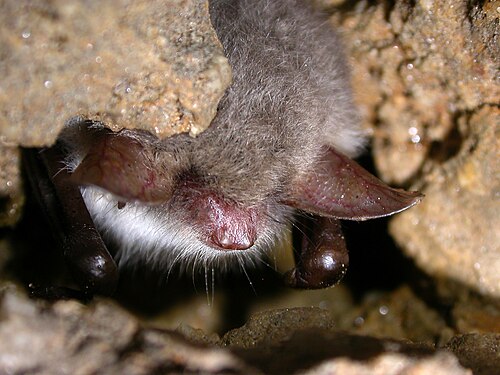
Natterer's bat
Myotis nattereri- Broadleaved deciduous woodland
- Mixed deciduous and coniferous woodland
- Coniferous woodland
- Cultivated areas of gardens and parks
- Mesic grasslands
- Littoral zone of inland surface waterbodies
- Terrestrial underground caves and cave systems
-
Corsican Myotis
Myotis nustrale- Maquis, arborescent matorral and thermo-Mediterranean brush
- Broadleaved evergreen woodland
- Coniferous woodland
- Inland cliffs, rock pavements and outcrops
-
Felten's Myotis
Myotis punicus- Dry grasslands
- Mesic grasslands
- Arable land and market gardens
- Garrigue
- Terrestrial underground caves and cave systems
- Miscellaneous inland habitats with sparse or no vegetation
- Extractive industrial sites
-
Tschuli Myotis
Myotis tschuliensis- Broadleaved deciduous woodland
- Mixed deciduous and coniferous woodland