All species › Passerines › Manakins
Manakins | Pipridae
Manakins | Saltarines
Eleven species in seven genera live in Mexico and Central America, mainly in humid lowland and foothill forest from southern Mexico to Panama, with the Long-tailed Manakin also in drier forest on the Pacific side. Manakins are small, compact songbirds with a large head, a short, broad bill and in most species a short tail. The sexes differ strongly: males are black or green with bright red, yellow, white or blue areas, females plain olive green. They eat mainly small fruits, plucked from the branch in a short flight, together with insects. They are known for their display at traditional sites in the forest, where males, in a group or alone, keep a patch of ground or a branch clear and show off there: some species produce snapping or buzzing sounds with modified wing feathers, others jump to and fro, or two males perform a dance together. The female chooses a mate and does everything else alone: she builds a shallow cup slung in a horizontal fork of a twig, usually low above the ground, incubates the clutch of usually two spotted eggs and feeds the young. The male plays no further part.
Native species 11 species
Species that occur here by nature: breeding birds, winter visitors and passage migrants. They are arranged by genus, in the sequence of the list.
Corapipo 1 species
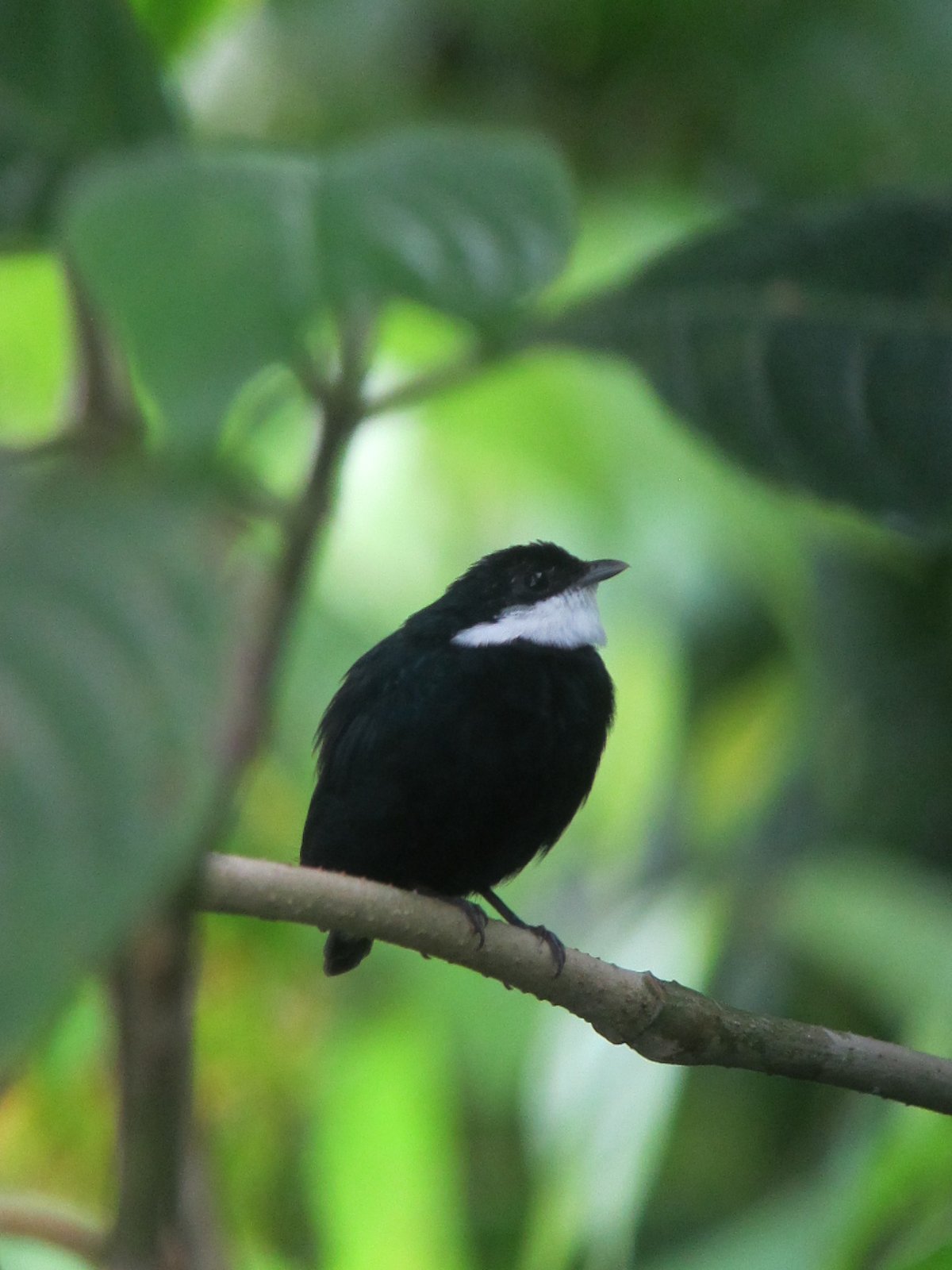

Chiroxiphia 2 species
-
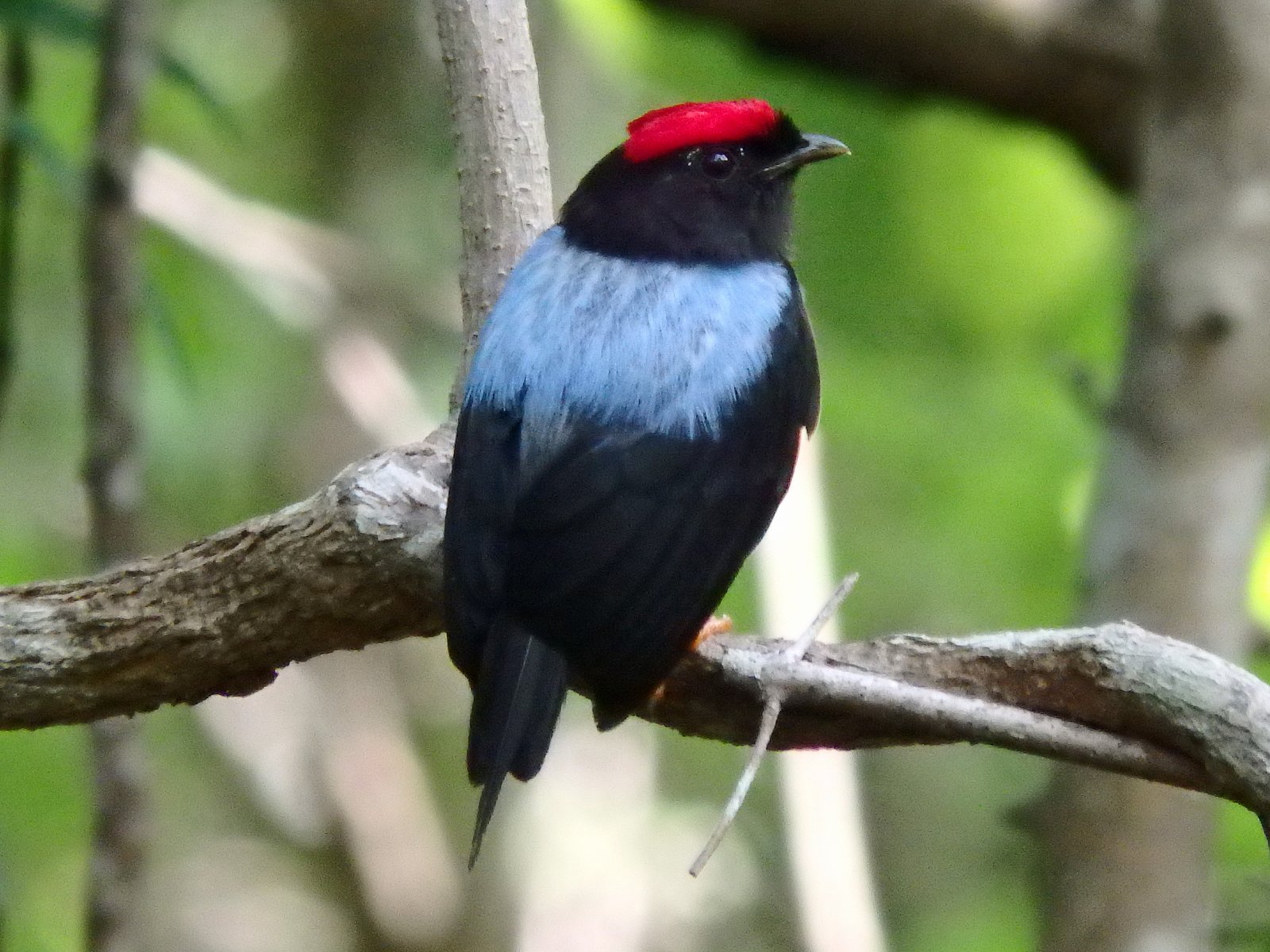
Lance-tailed Manakin
Chiroxiphia lanceolata Pacific tropical dry forest
 Secondary forest and forest edge
 Floodplain and gallery forest
 Lowland rainforest
 Foothill (submontane) forest
-
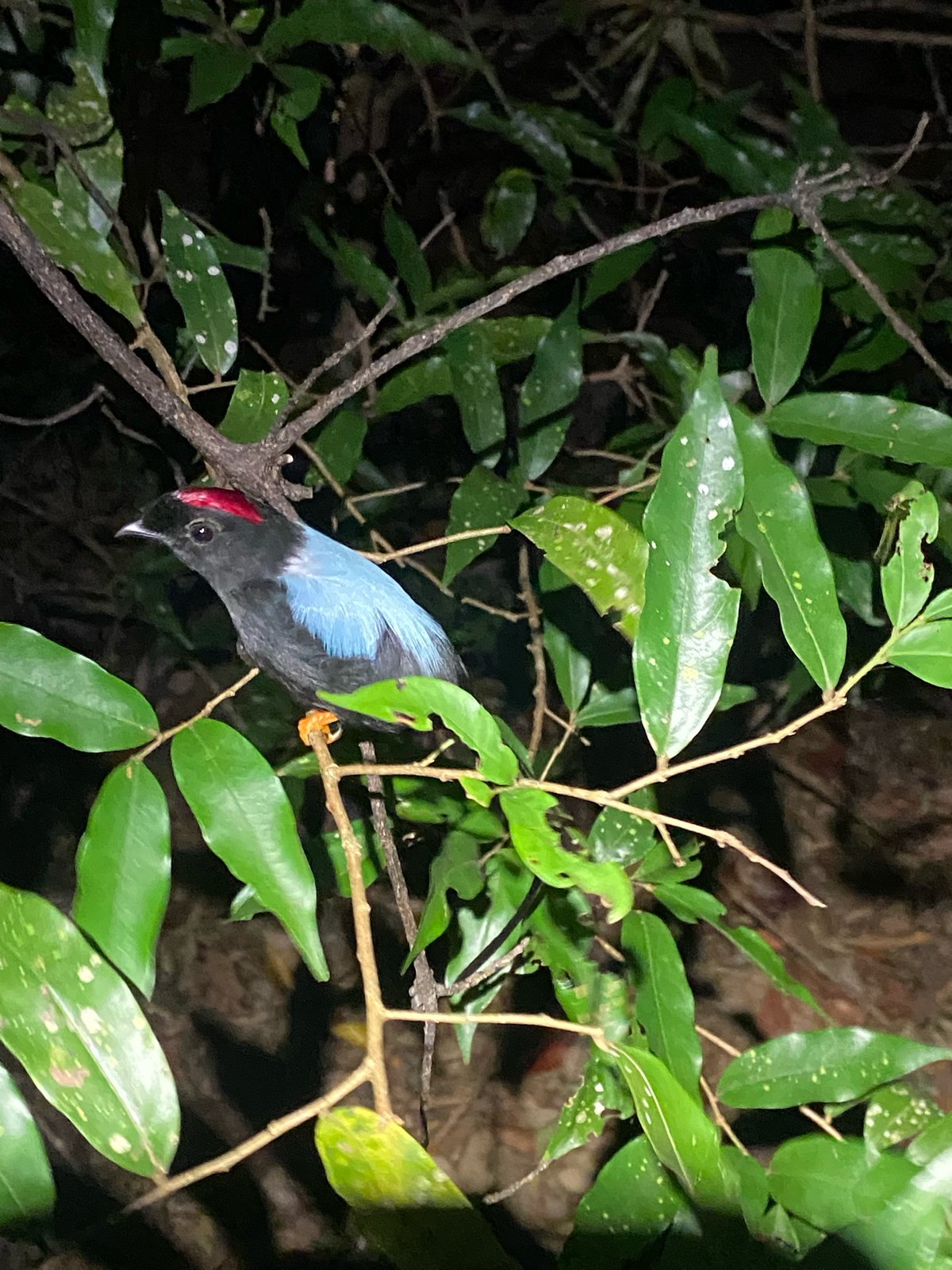
Long-tailed Manakin
Chiroxiphia linearis- Pacific tropical dry forest
- Floodplain and gallery forest
 Riparian woodland in arid and temperate regions
- Secondary forest and forest edge
 Shade coffee, cacao and agroforestry
Cryptopipo 1 species
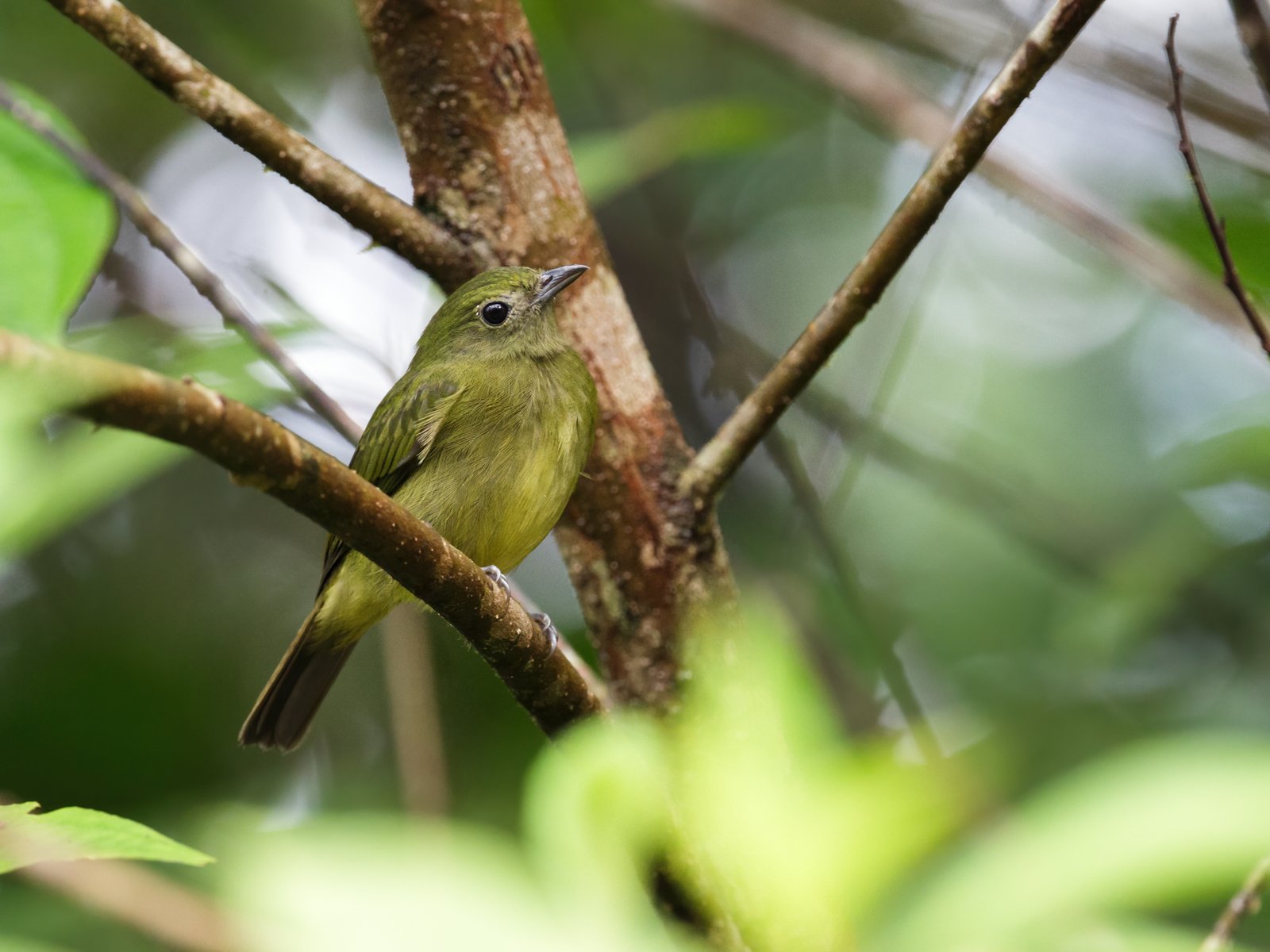
Lepidothrix 1 species
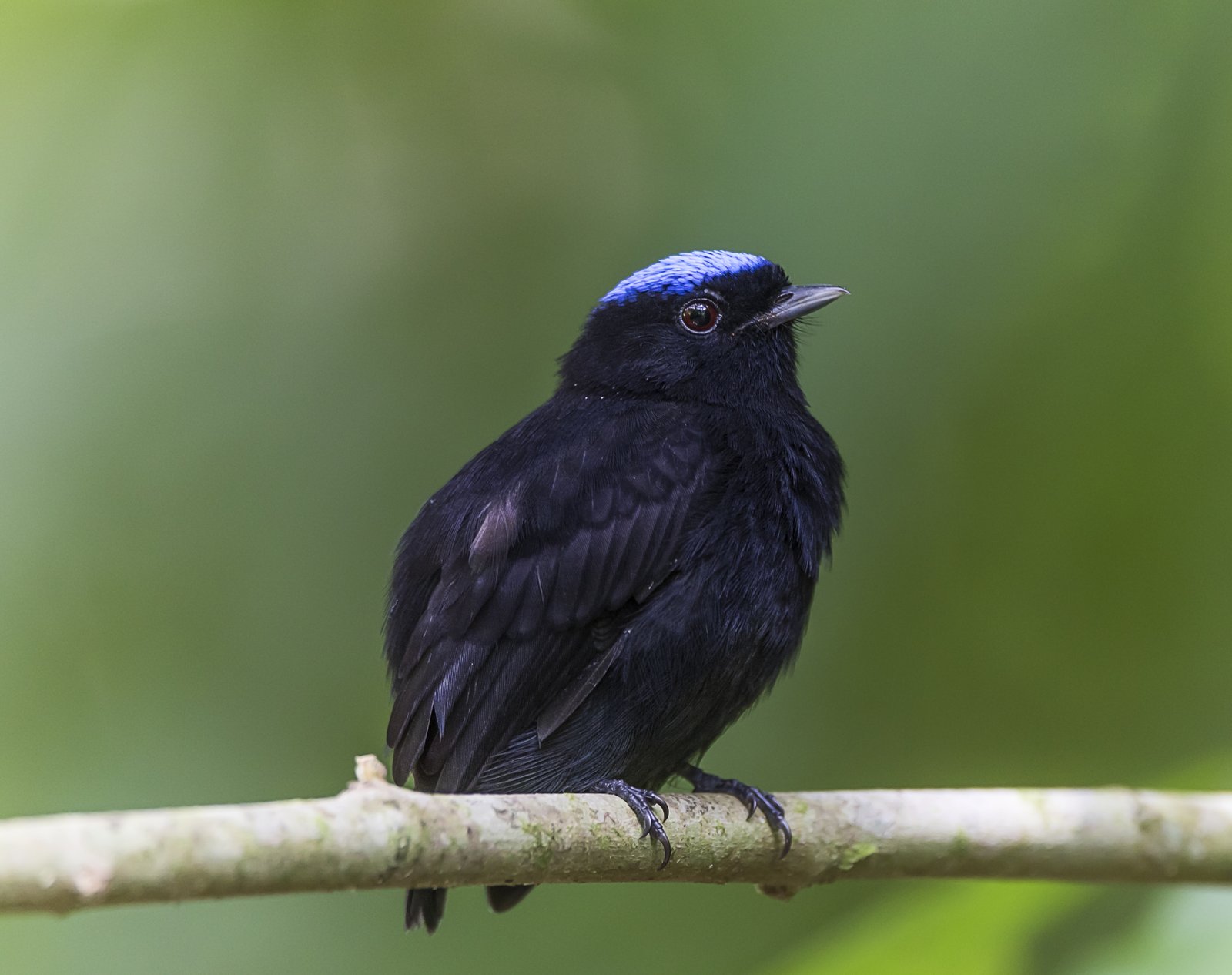
Manacus 3 species
-
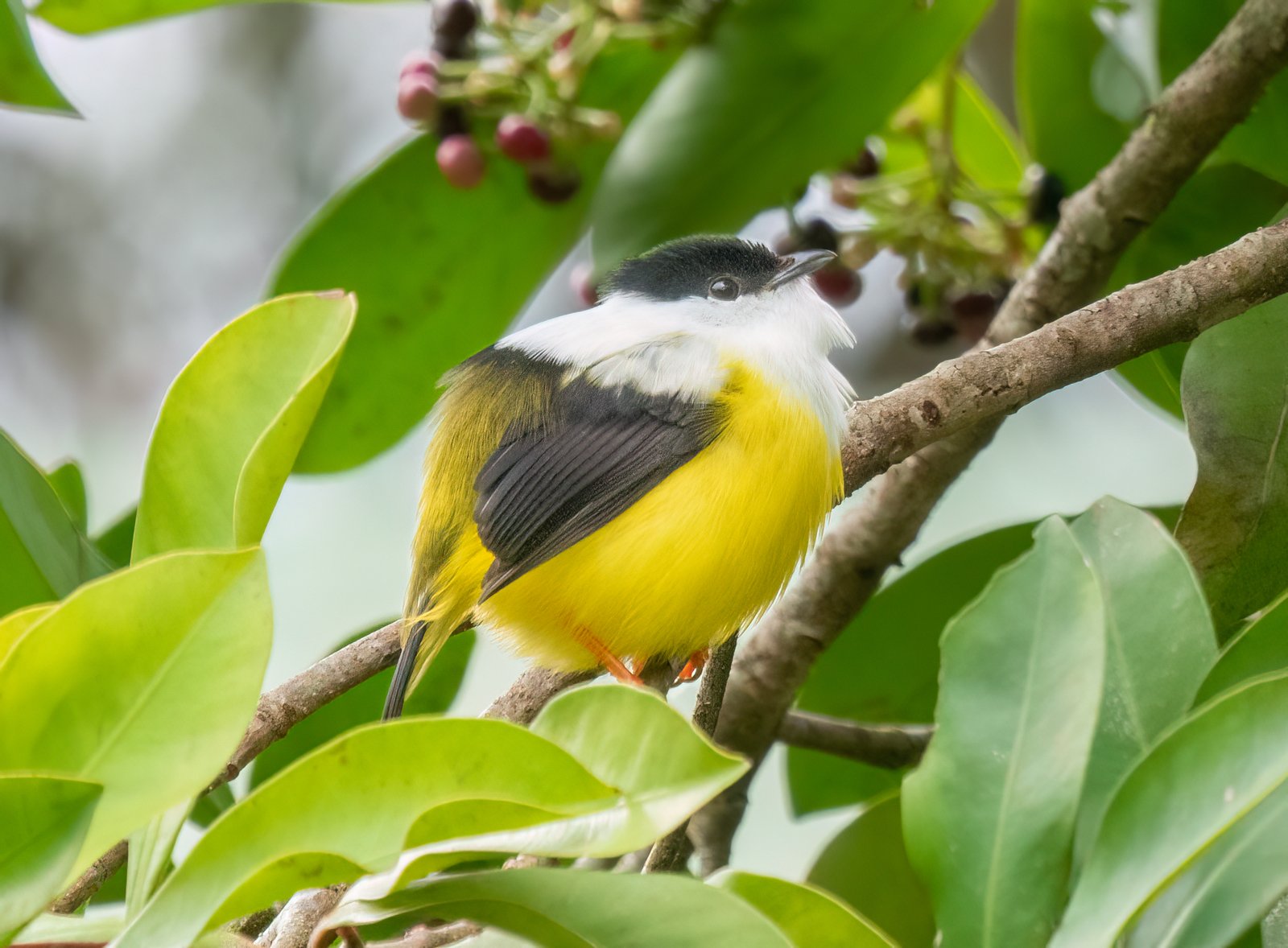
White-collared Manakin
Manacus candei- Secondary forest and forest edge
- Lowland rainforest
- Foothill (submontane) forest
- Floodplain and gallery forest
- Shade coffee, cacao and agroforestry
-
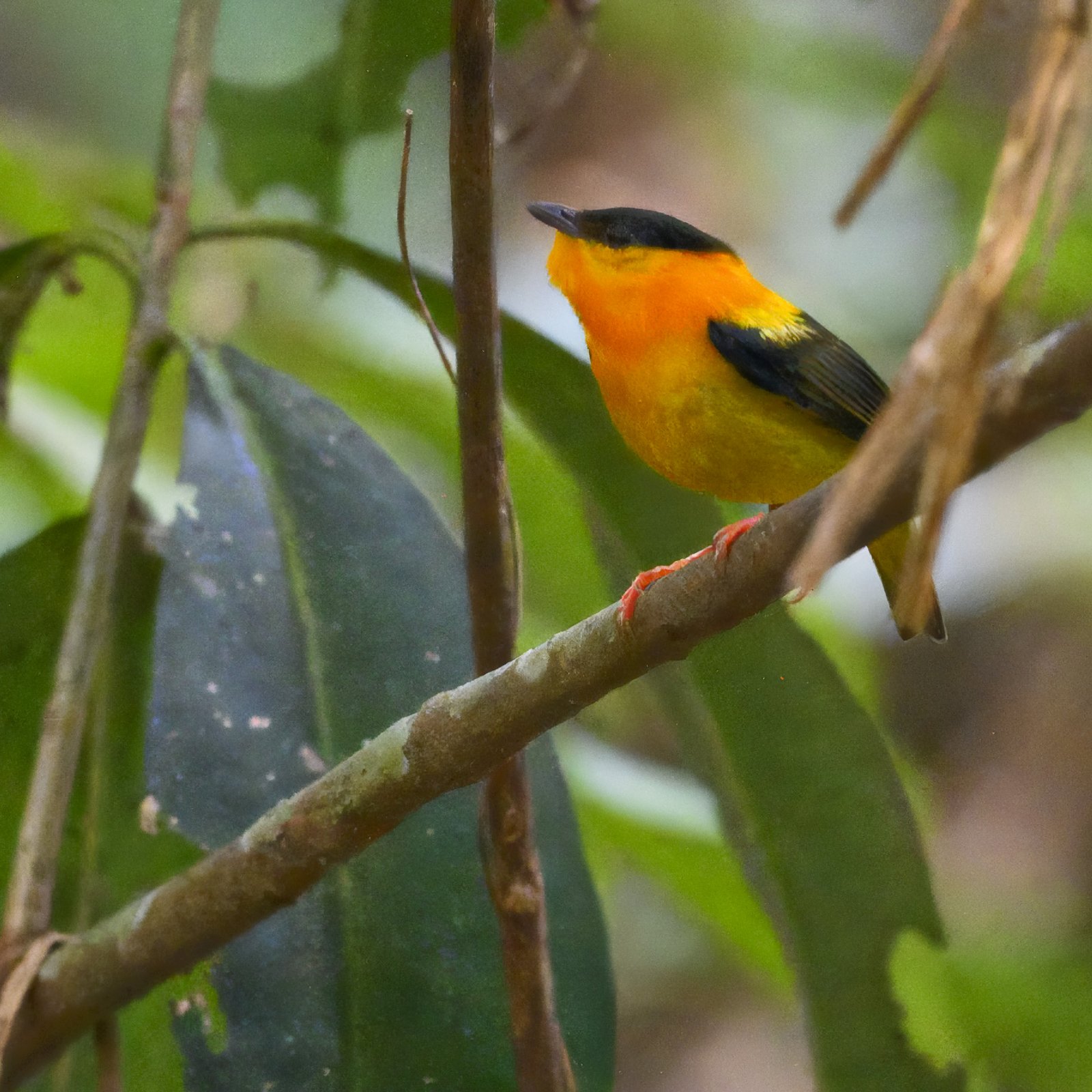
Orange-collared Manakin
Manacus aurantiacus- Lowland rainforest
- Foothill (submontane) forest
- Secondary forest and forest edge
-
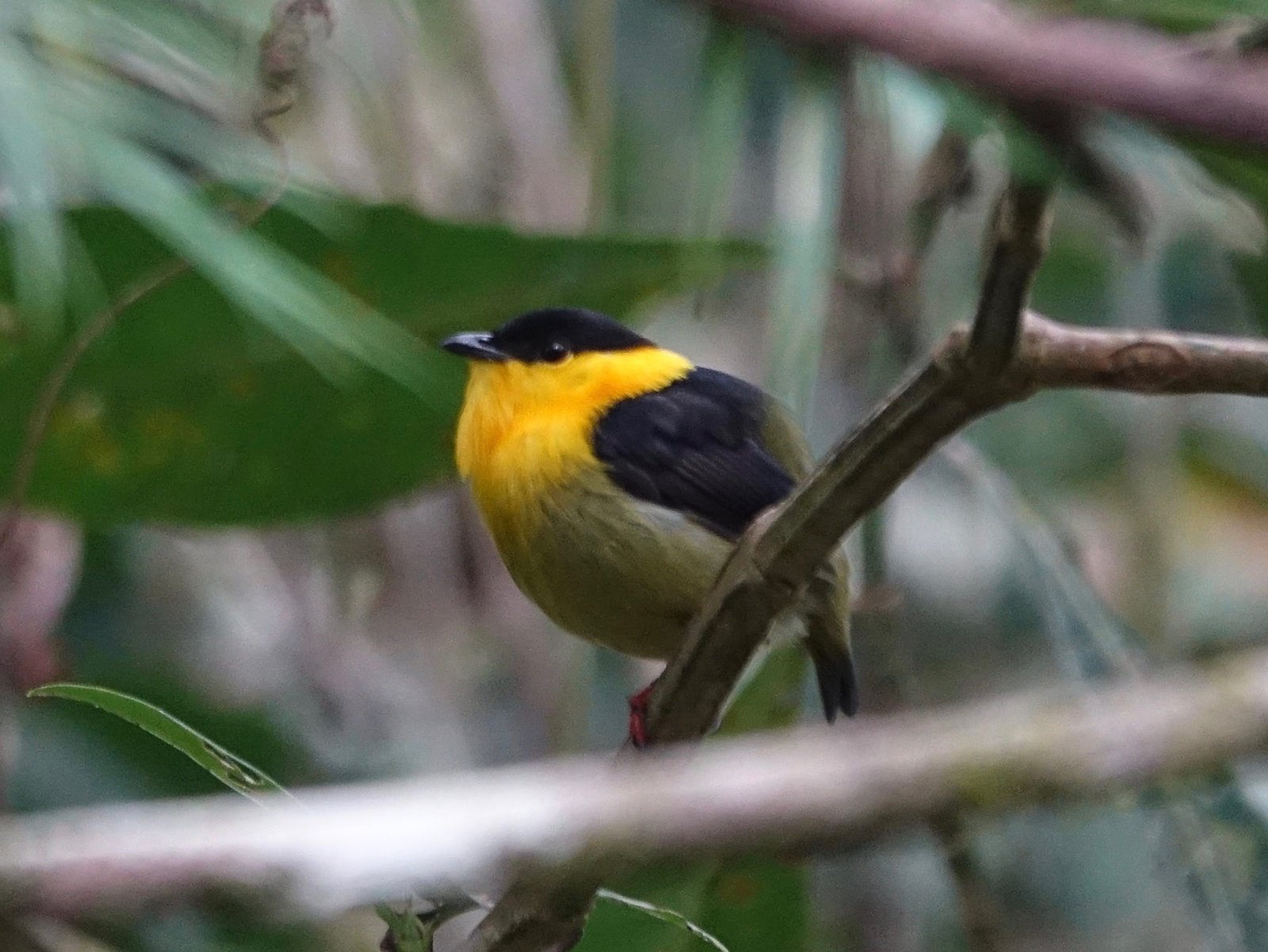
Golden-collared Manakin
Manacus vitellinus- Lowland rainforest
- Foothill (submontane) forest
 Chocó-Darién rainforest
- Secondary forest and forest edge
Pseudopipra 1 species
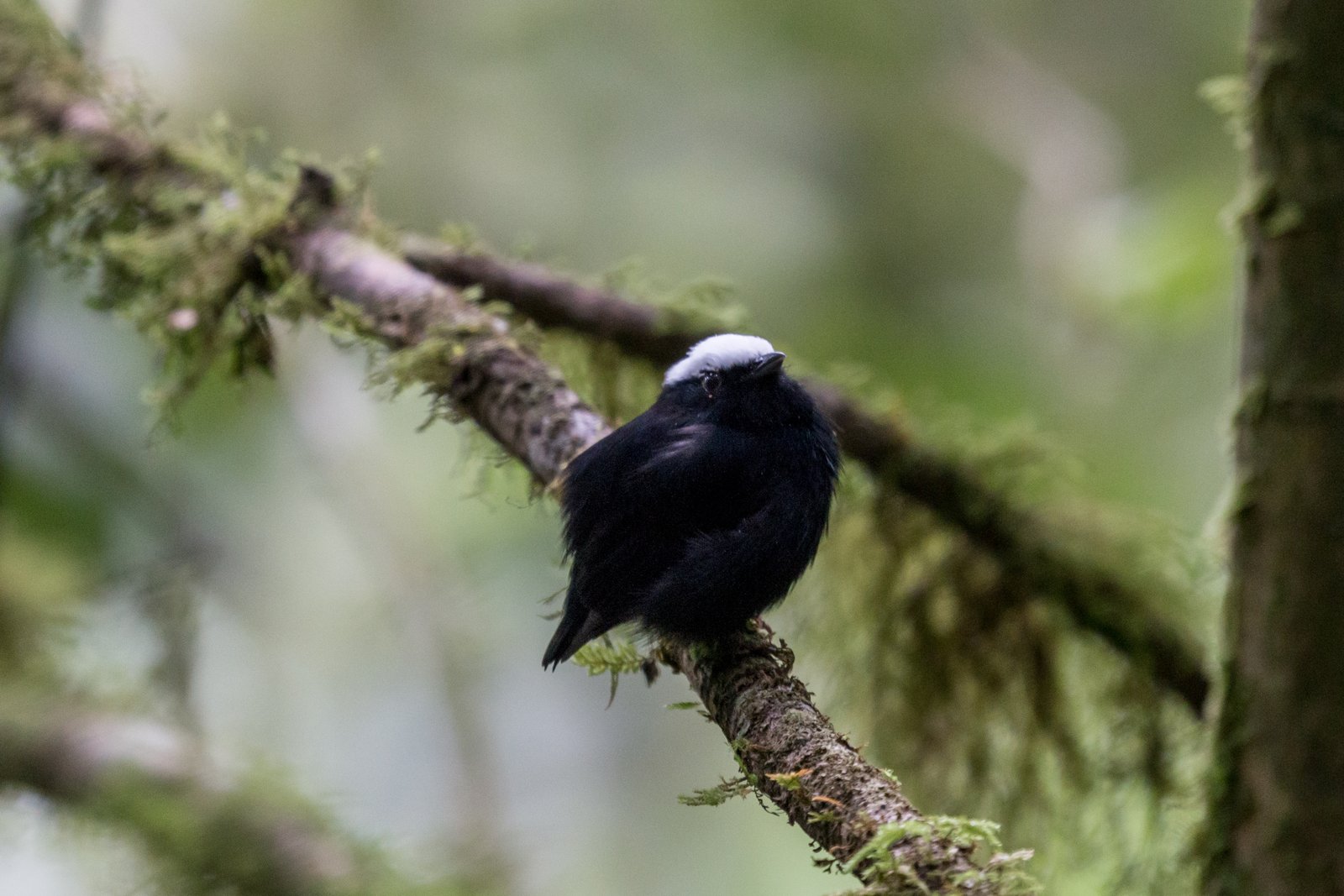
Ceratopipra 2 species
-
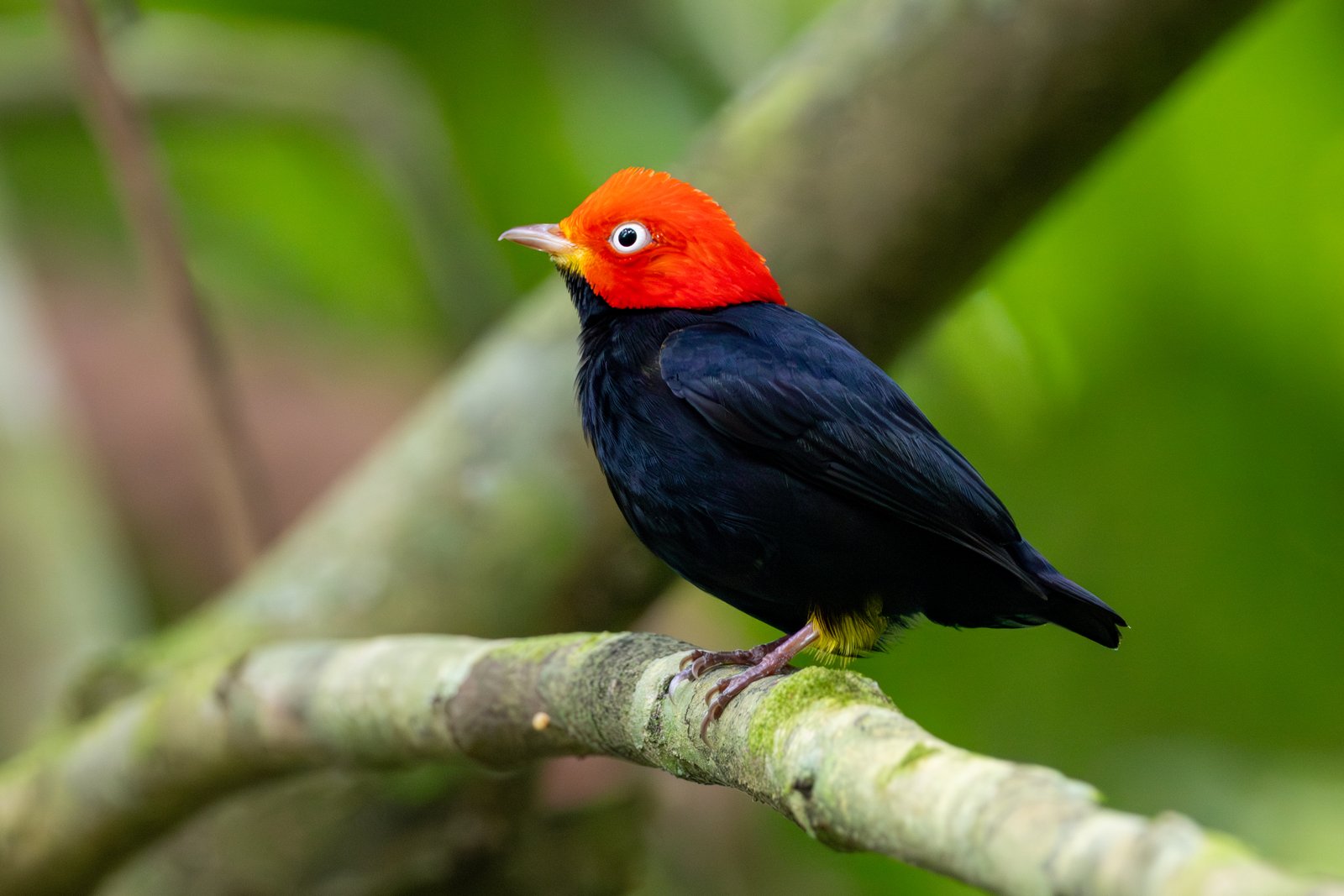
Red-capped Manakin
Ceratopipra mentalis- Lowland rainforest
- Foothill (submontane) forest
- Chocó-Darién rainforest
- Secondary forest and forest edge
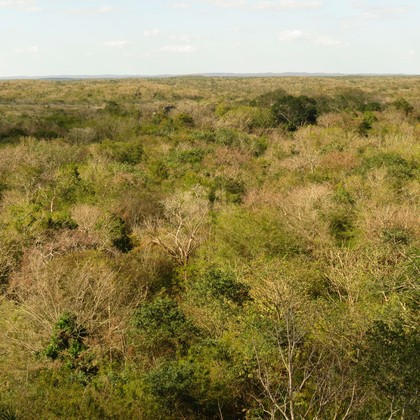 Yucatán and Caribbean-interior seasonal forest
-
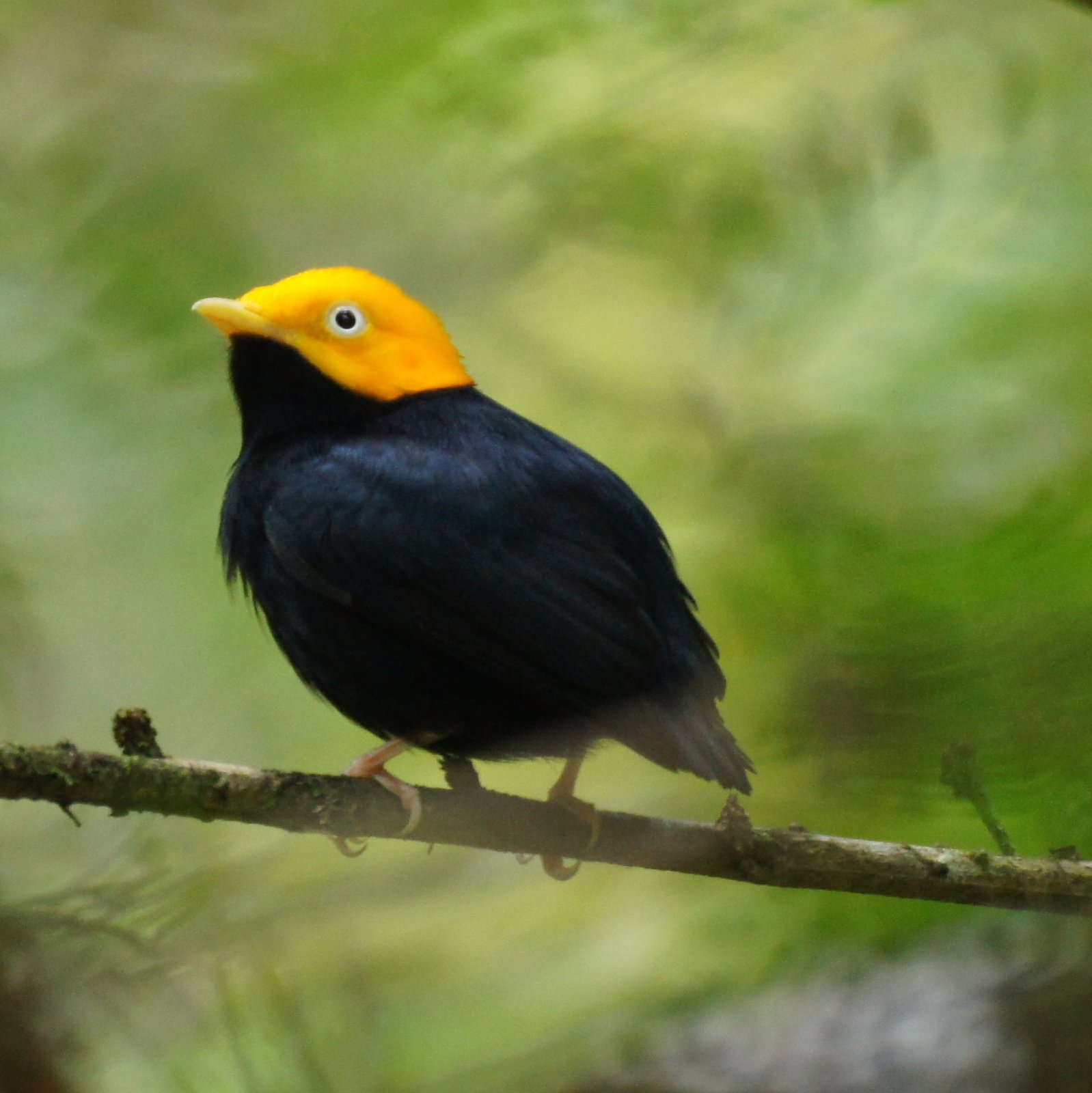
Golden-headed Manakin
Ceratopipra erythrocephala- Lowland rainforest
- Foothill (submontane) forest
- Chocó-Darién rainforest
- Secondary forest and forest edge