All species › Tinamous › Tinamous
Tinamous | Tinamidae
Tinamoes | Tinamúes
Six species in three genera occur in Mexico and Central America: Tinamus and Crypturellus in humid and dry lowland forest, Nothocercus in the montane forest of Costa Rica and Panama. Tinamous look like a cross between a partridge and a rail: a rounded body, a thin neck, a small head with a slender, slightly curved bill and a very short tail hidden beneath the body feathers. The plumage is brown, grey or rufous, often finely barred, and the sexes are alike. They walk quietly over the forest floor picking up fruit, seeds and invertebrates; when threatened they crouch or run off, and only at the last moment burst into flight on loudly whirring wings. Their voice consists of pure, tremulous or descending whistles, heard mainly at dusk and among the characteristic sounds of the rainforest. The male incubates the eggs on bare ground among roots or leaf litter and alone cares for the young, which can walk almost at once. The eggs are unmarked and glossy as porcelain, turquoise in the Great Tinamou and purplish or chocolate brown in other species.
Native species 6 species
Species that occur here by nature: breeding birds, winter visitors and passage migrants. They are arranged by genus, in the sequence of the list.
Nothocercus 1 species
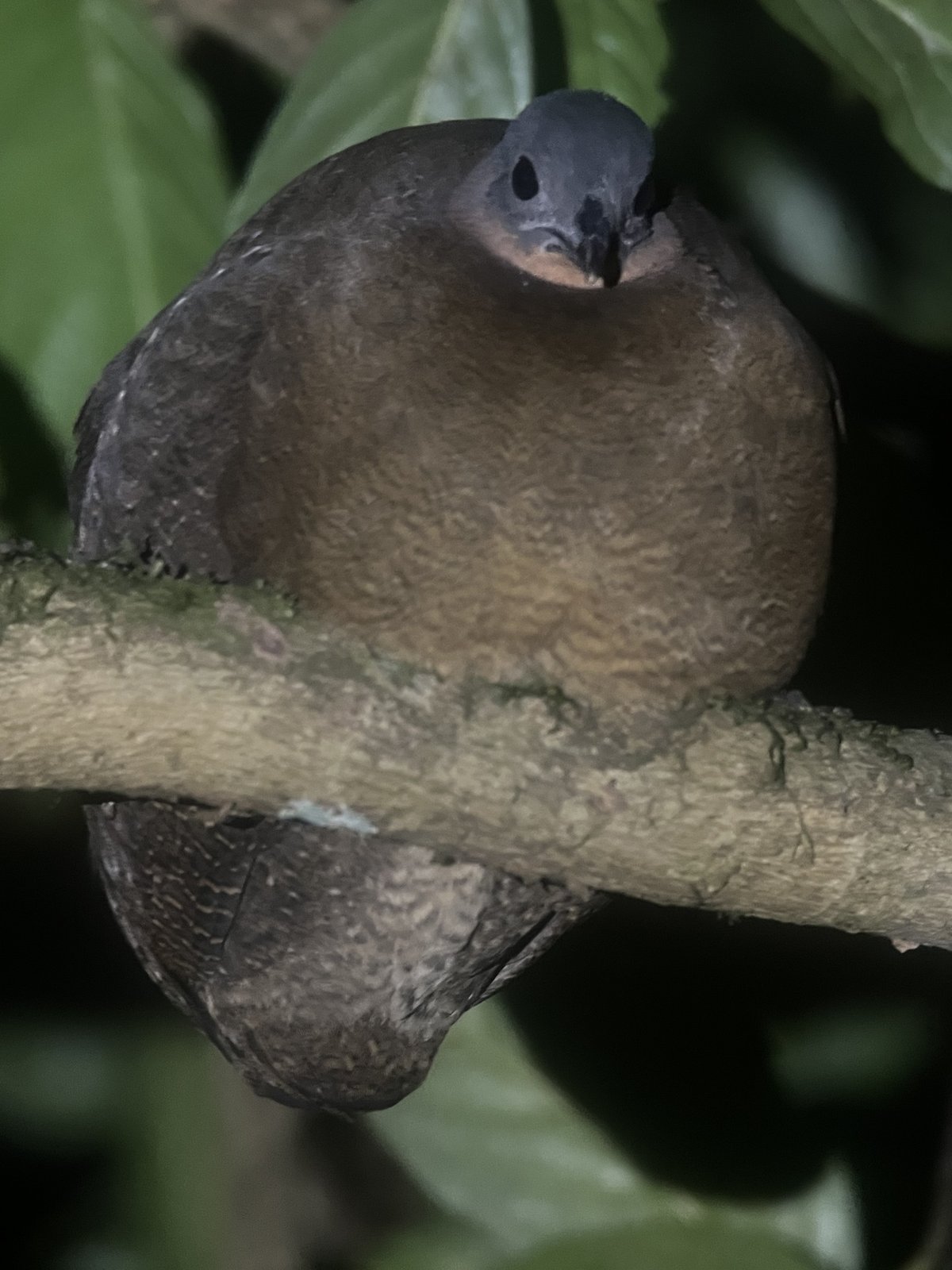

Tinamus 1 species
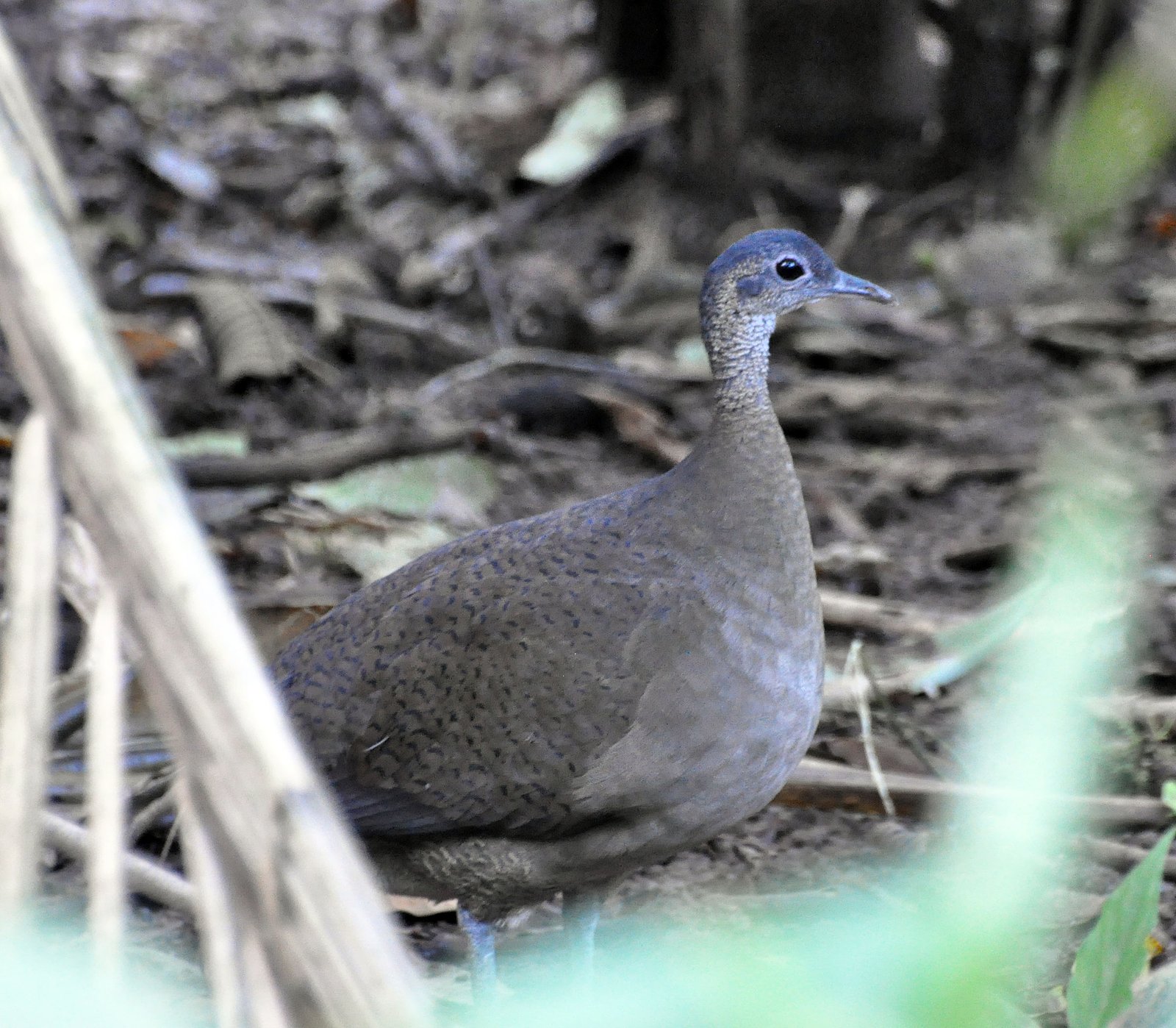
Crypturellus 4 species
-
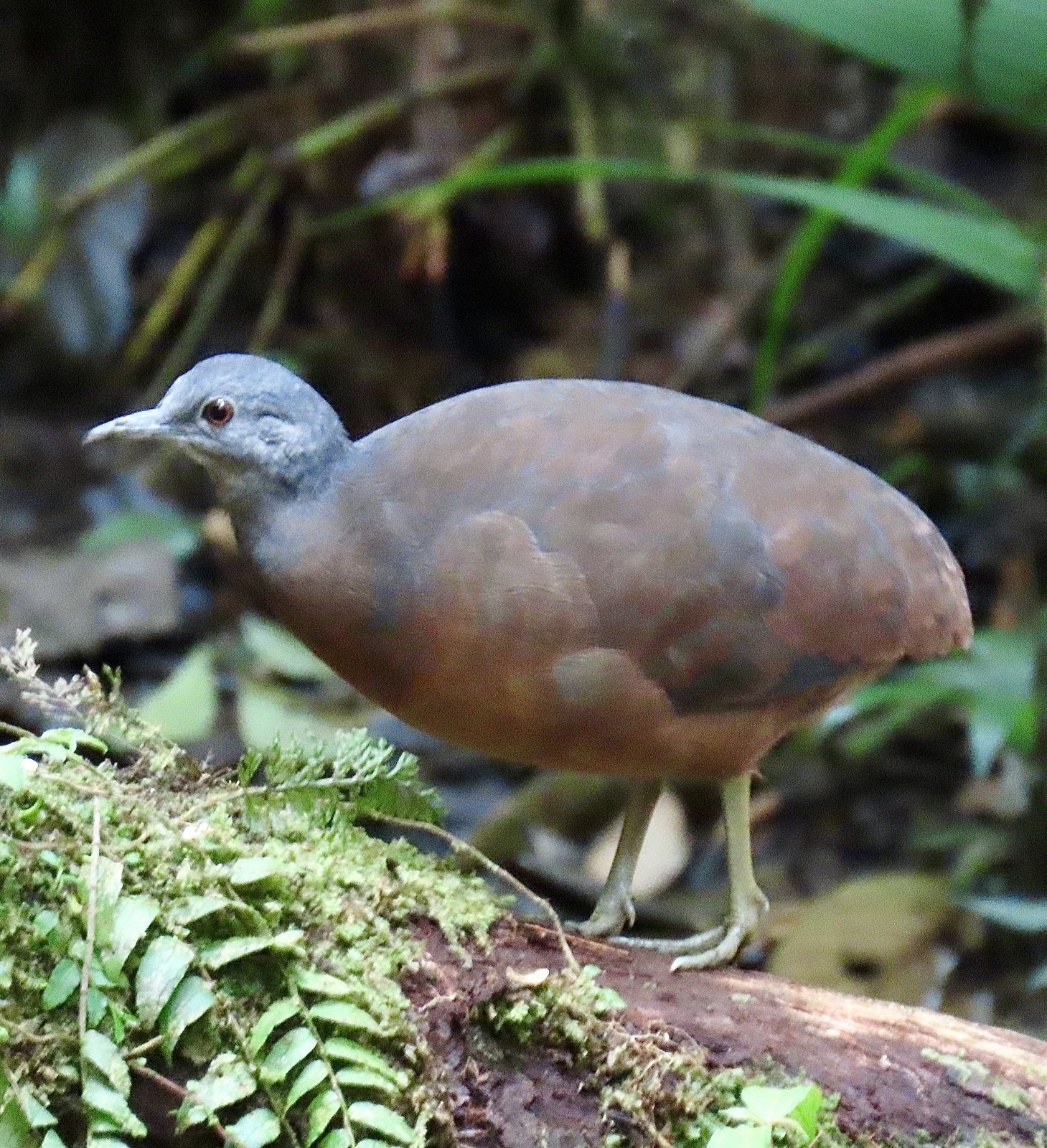
Little Tinamou
Crypturellus soui Lowland rainforest
 Foothill (submontane) forest
 Chocó-Darién rainforest
 Secondary forest and forest edge
 Shade coffee, cacao and agroforestry
-
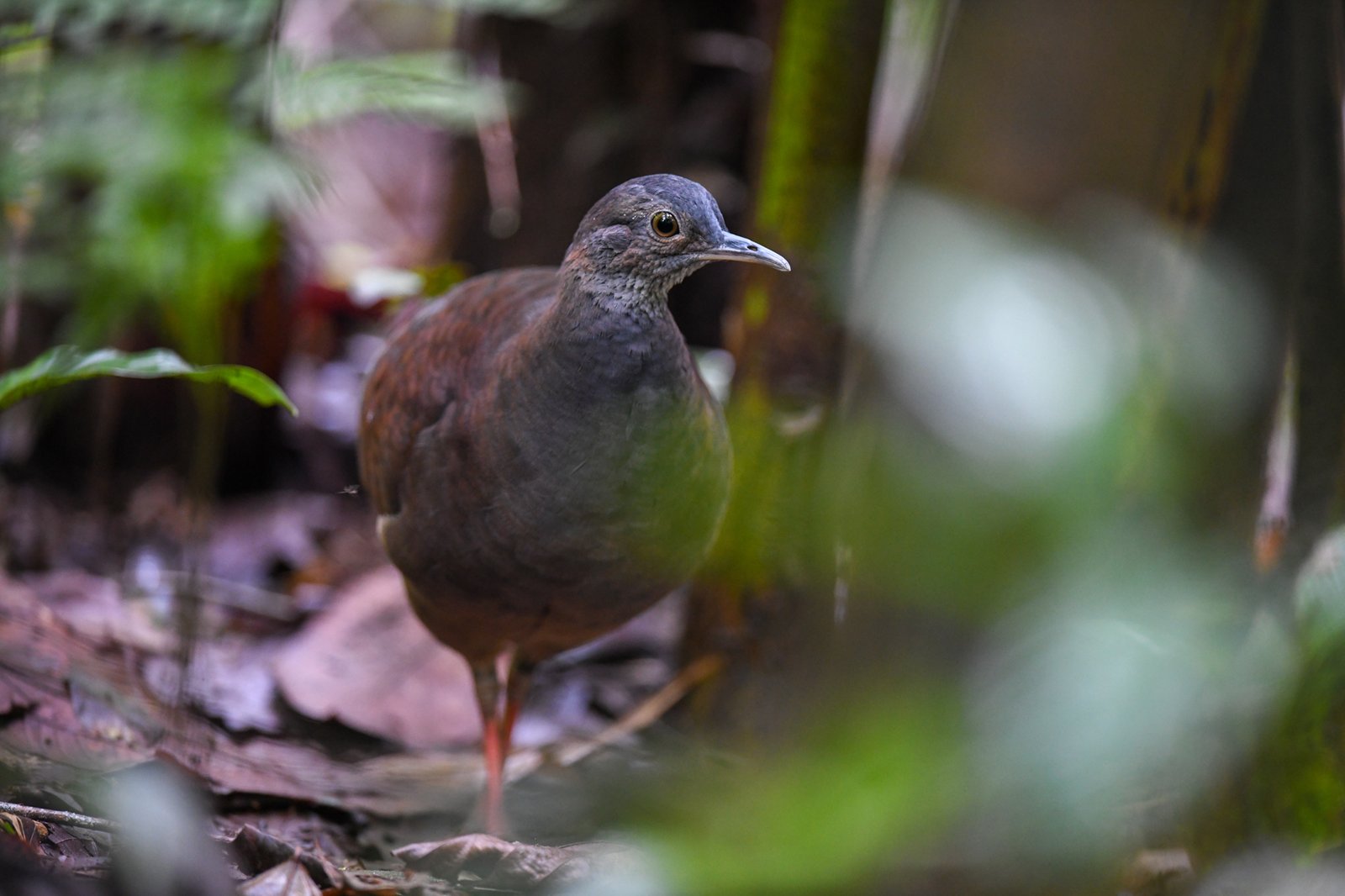
Slaty-breasted Tinamou
Crypturellus boucardi- Lowland rainforest
- Foothill (submontane) forest
- Secondary forest and forest edge
 Floodplain and gallery forest
-
Choco Tinamou
Crypturellus kerriae- Chocó-Darién rainforest
- Foothill (submontane) forest
-
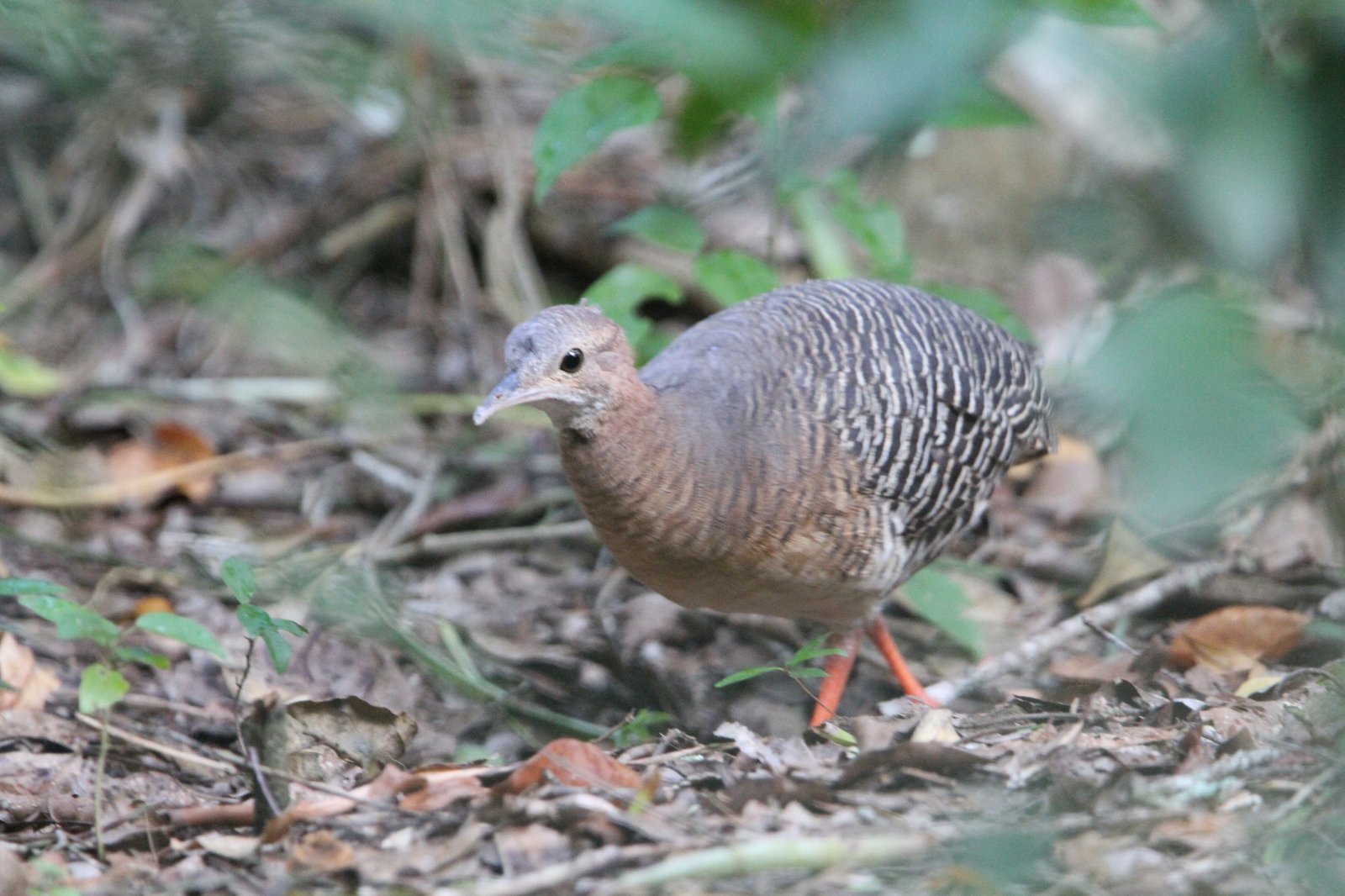
Thicket Tinamou
Crypturellus cinnamomeus Pacific tropical dry forest
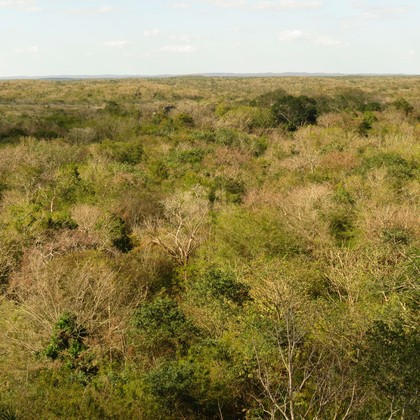 Yucatán and Caribbean-interior seasonal forest
 Thorn scrub and cactus forest
- Secondary forest and forest edge
- Floodplain and gallery forest
- Lowland rainforest