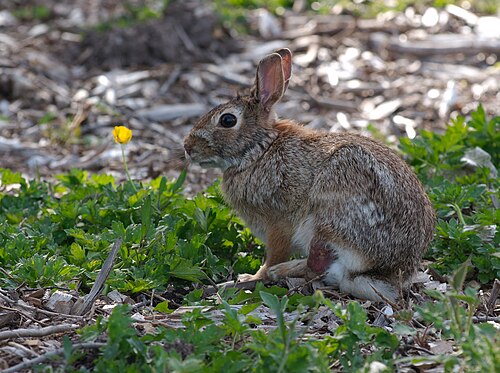
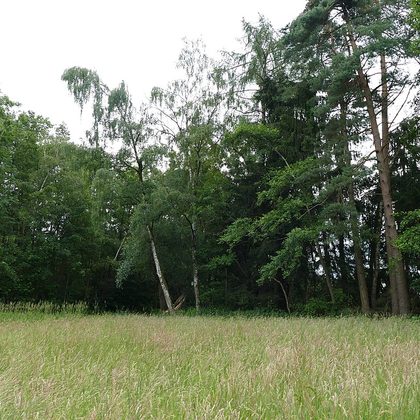
All species › Lagomorphs › Hares and rabbits
Hares and rabbits | Leporidae
Hazen en konijnen | Liebres y conejos
The ears are long and thin and richly veined, so that they not only hear but shed heat — the warmer the country, the larger the ear. The eyes sit high and so far to the side that the animal can see behind it. The hind legs are far longer than the front pair and, at speed, land outside the forefeet; the soles are furred rather than padded, which grips on snow and loose sand. Within the family two ways of life diverge. Hares do not dig: they give birth in a shallow form above ground, and the young arrive furred, seeing and with muscle enough to move. Rabbits dig an extensive system of tunnels, live in groups, and bear naked blind young in a breeding stop lined with wool from the doe's own belly. In both, ovulation is triggered by mating itself, and litters follow one another so fast that a female may be pregnant while still suckling.
Native species 9 species
Species that occur here by nature, including those released to bring back a population that had gone. They are arranged by genus, in the sequence of the list.
Lepus 7 species
-
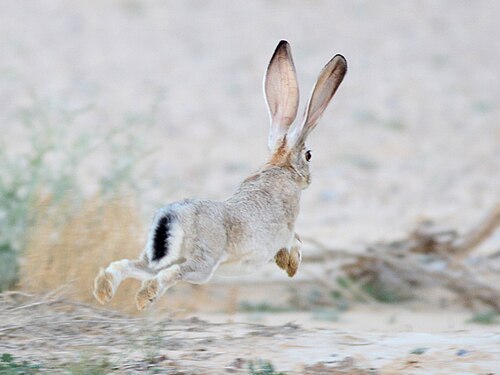
Cape Hare
Lepus capensis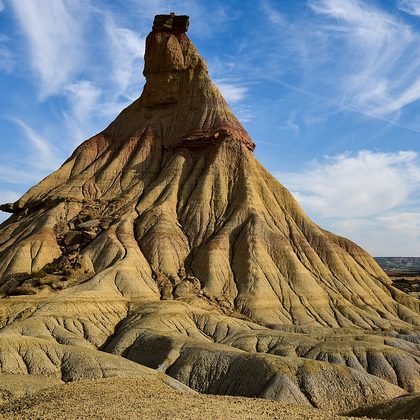 Miscellaneous inland habitats with sparse or no vegetation
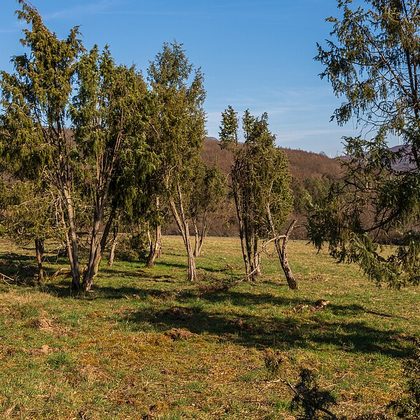 Dry grasslands
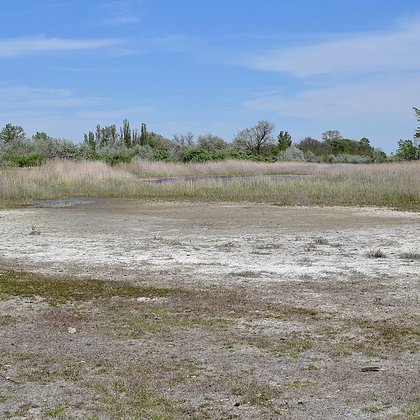 Inland salt steppes
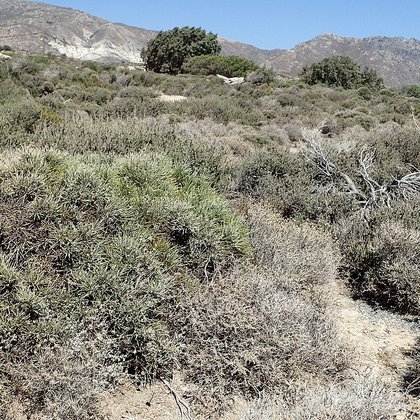 Spiny Mediterranean heaths
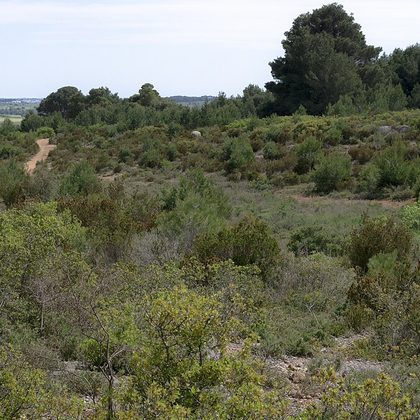 Garrigue
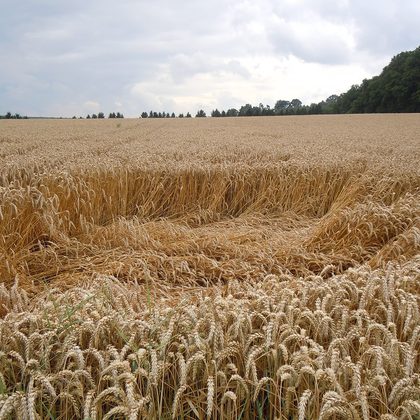 Arable land and market gardens
-
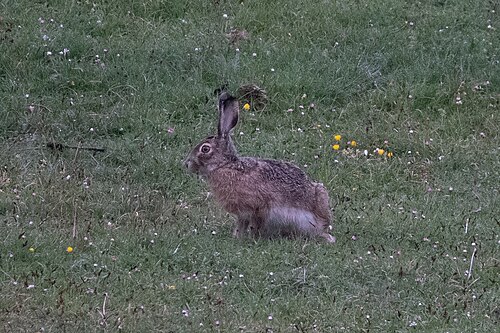
Broom Hare
Lepus castroviejoi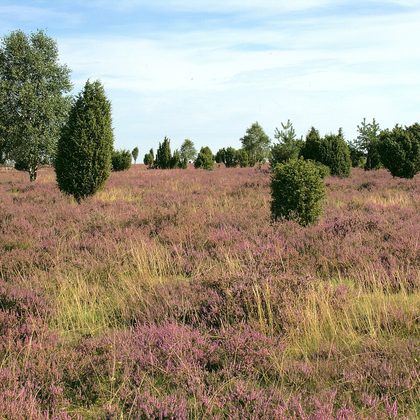 Temperate shrub heathland
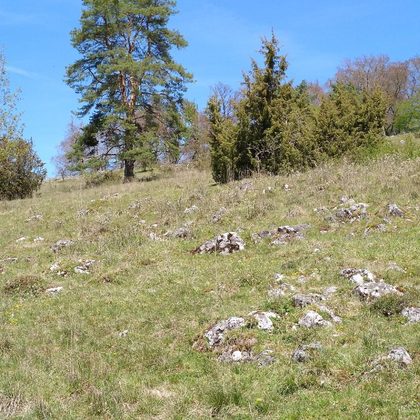 Temperate and mediterranean-montane scrub
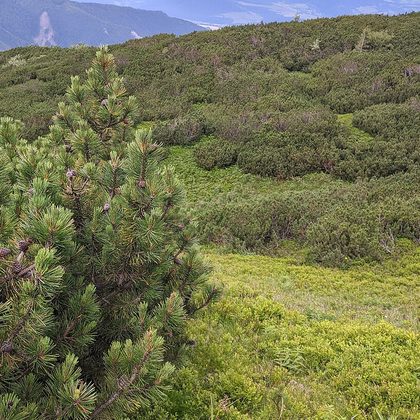 Arctic, alpine and subalpine scrub
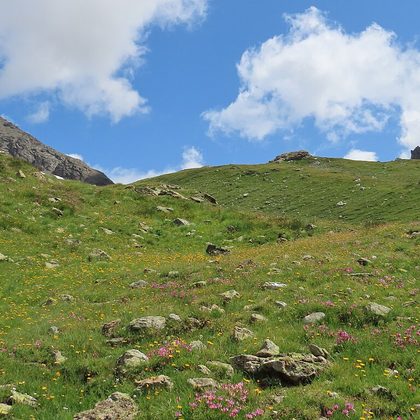 Alpine and subalpine grasslands
- Dry grasslands
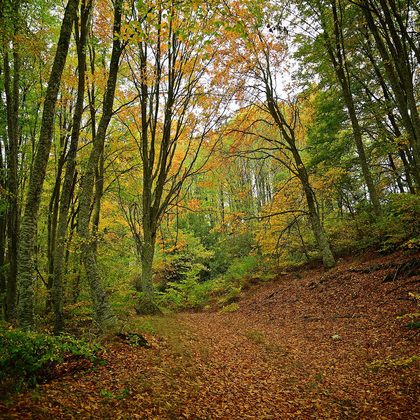 Broadleaved deciduous woodland
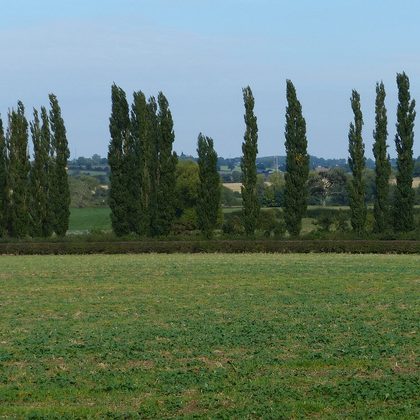 Lines of trees, small woods, felled and early-stage woodland
-
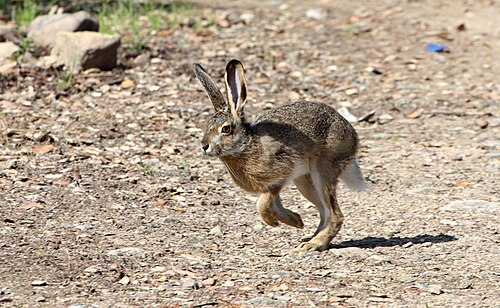
Corsican hare
Lepus corsicanus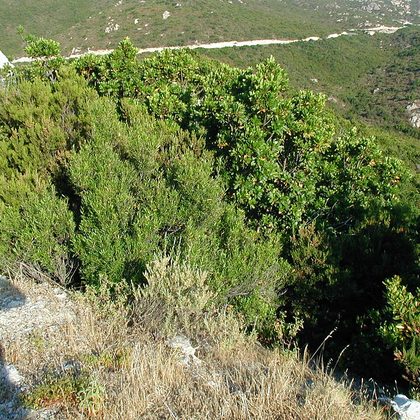 Maquis, arborescent matorral and thermo-Mediterranean brush
- Garrigue
- Dry grasslands
- Arable land and market gardens
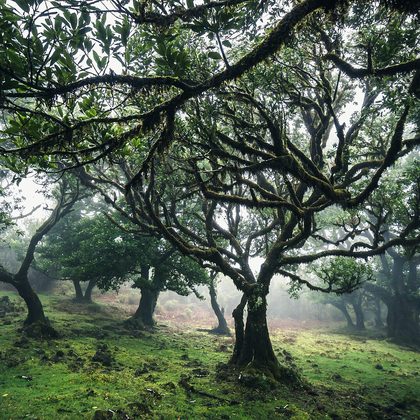 Broadleaved evergreen woodland
- Alpine and subalpine grasslands
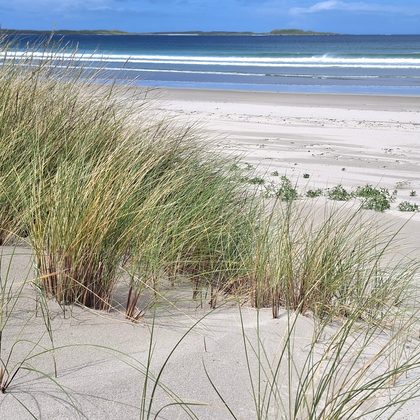 Coastal dunes and sandy shores
-
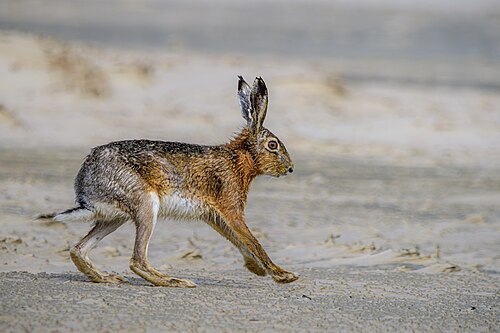
Brown Hare
Lepus europaeus- Arable land and market gardens
- Dry grasslands
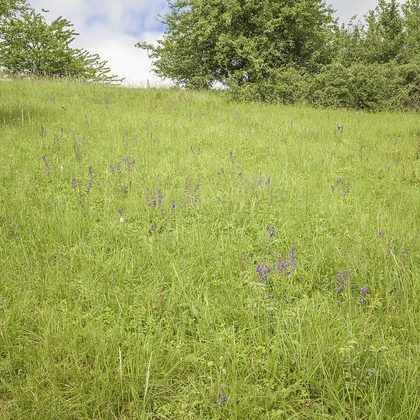 Mesic grasslands
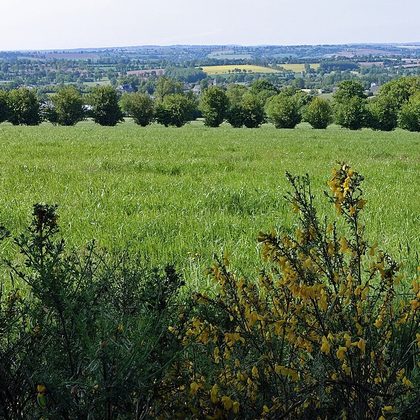 Hedgerows
- Coastal dunes and sandy shores
- Lines of trees, small woods, felled and early-stage woodland
-
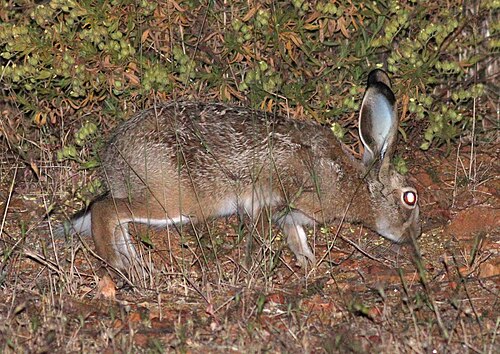
Granada Hare
Lepus granatensis- Arable land and market gardens
- Dry grasslands
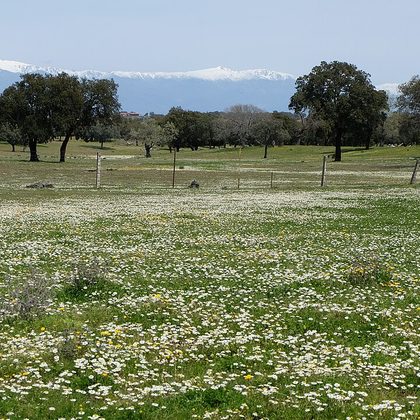 Sparsely wooded grasslands
- Maquis, arborescent matorral and thermo-Mediterranean brush
- Coastal dunes and sandy shores
- Mesic grasslands
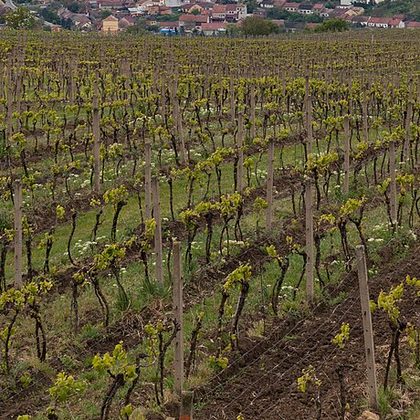 Shrub plantations
-
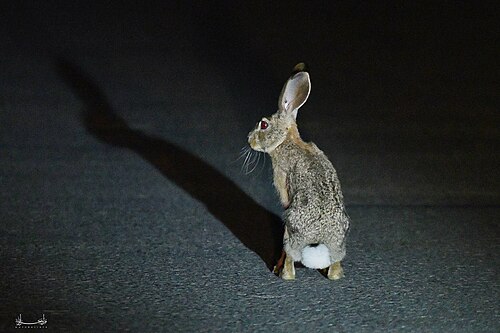
Mediterranean Hare
Lepus mediterraneus- Maquis, arborescent matorral and thermo-Mediterranean brush
- Garrigue
- Arable land and market gardens
- Shrub plantations
- Dry grasslands
- Coastal dunes and sandy shores
-
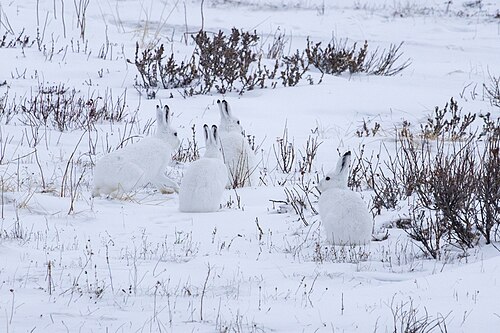
Mountain Hare
Lepus timidus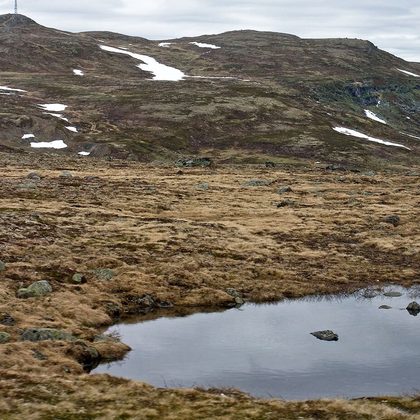 Tundra
- Arctic, alpine and subalpine scrub
- Temperate shrub heathland
- Alpine and subalpine grasslands
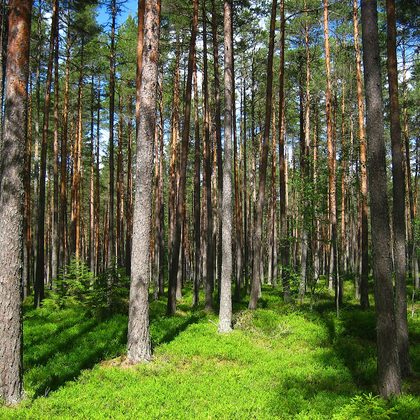 Coniferous woodland
- Mesic grasslands
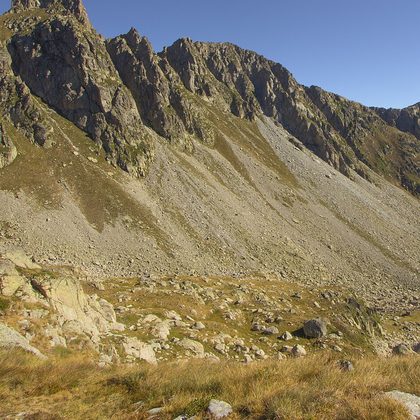 Screes
Oryctolagus 2 species
-
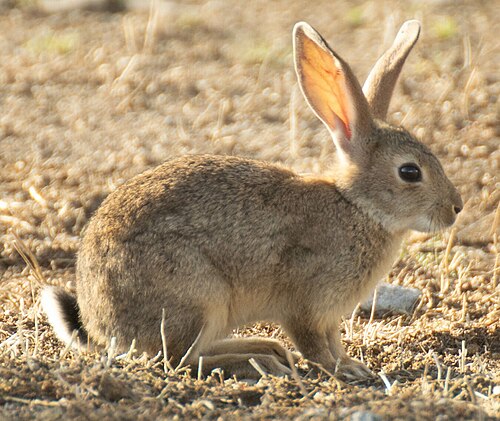
Iberian Rabbit
Oryctolagus algirus- Coastal dunes and sandy shores
- Dry grasslands
- Sparsely wooded grasslands
- Maquis, arborescent matorral and thermo-Mediterranean brush
- Garrigue
- Arable land and market gardens
- Broadleaved evergreen woodland
-
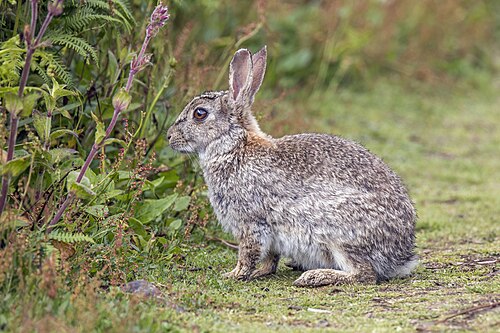
European Rabbit
Oryctolagus cuniculus- Coastal dunes and sandy shores
- Dry grasslands
- Arable land and market gardens
- Temperate and mediterranean-montane scrub
- Maquis, arborescent matorral and thermo-Mediterranean brush
- Sparsely wooded grasslands
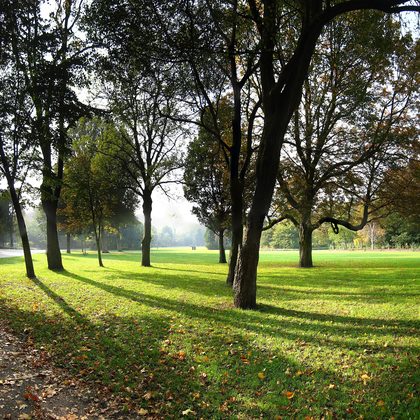 Cultivated areas of gardens and parks
Introduced species 1 species
Species that do not occur here by nature but were brought in or escaped and have held on since. They follow the sequence of the list, not the genera.