All species › Lagomorphs › Hares and rabbits › European Rabbit
European Rabbit | Oryctolagus cuniculus
Konijn | Conejo
The Rabbit (Oryctolagus cuniculus) digs burrows, lives in colonies and bears naked, blind young in an underground tunnel; in these respects it differs from the hares. On the IUCN Red List the species is listed as Endangered, because numbers in its native range in the Iberian Peninsula and southern France have declined steeply. Outside that range the rabbit is an invasive pest with major impact on several continents and on many islands.
Tracks
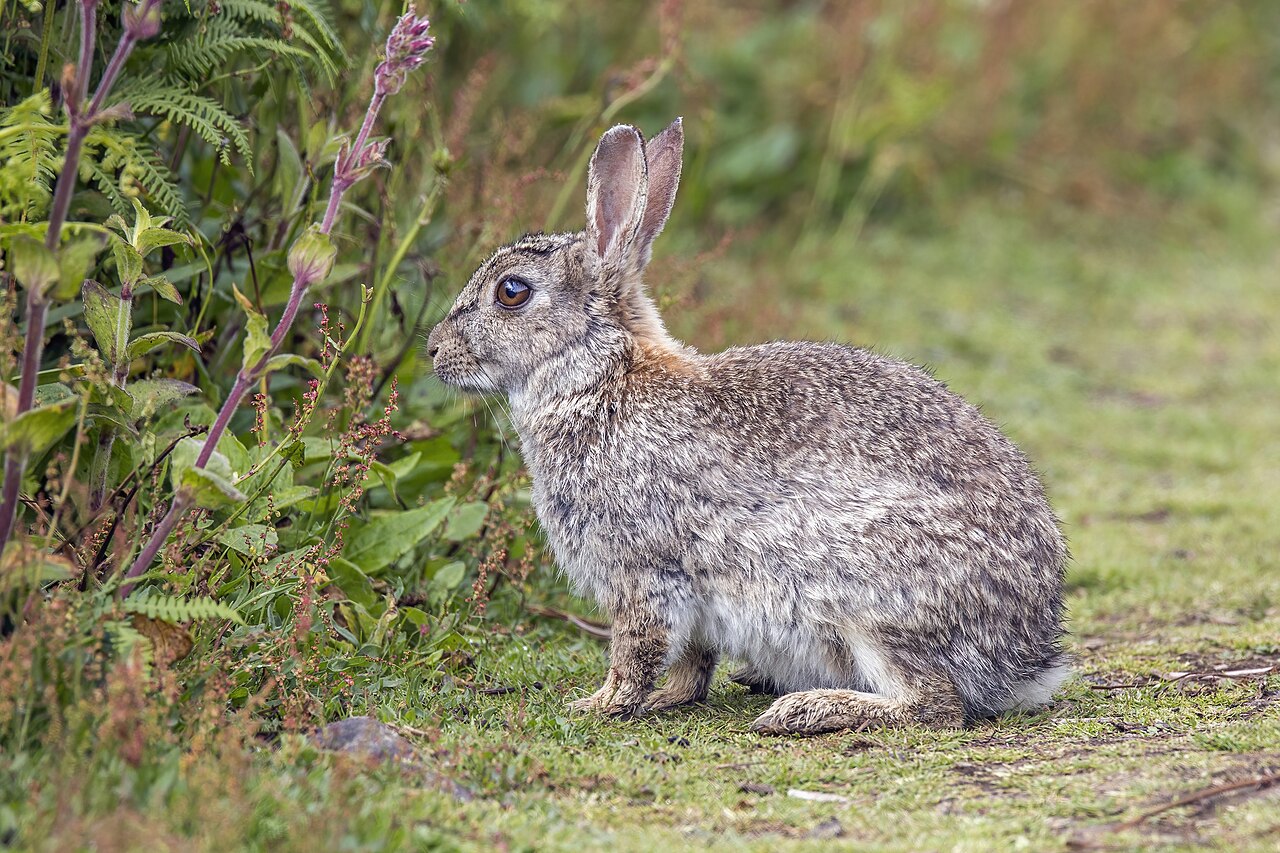
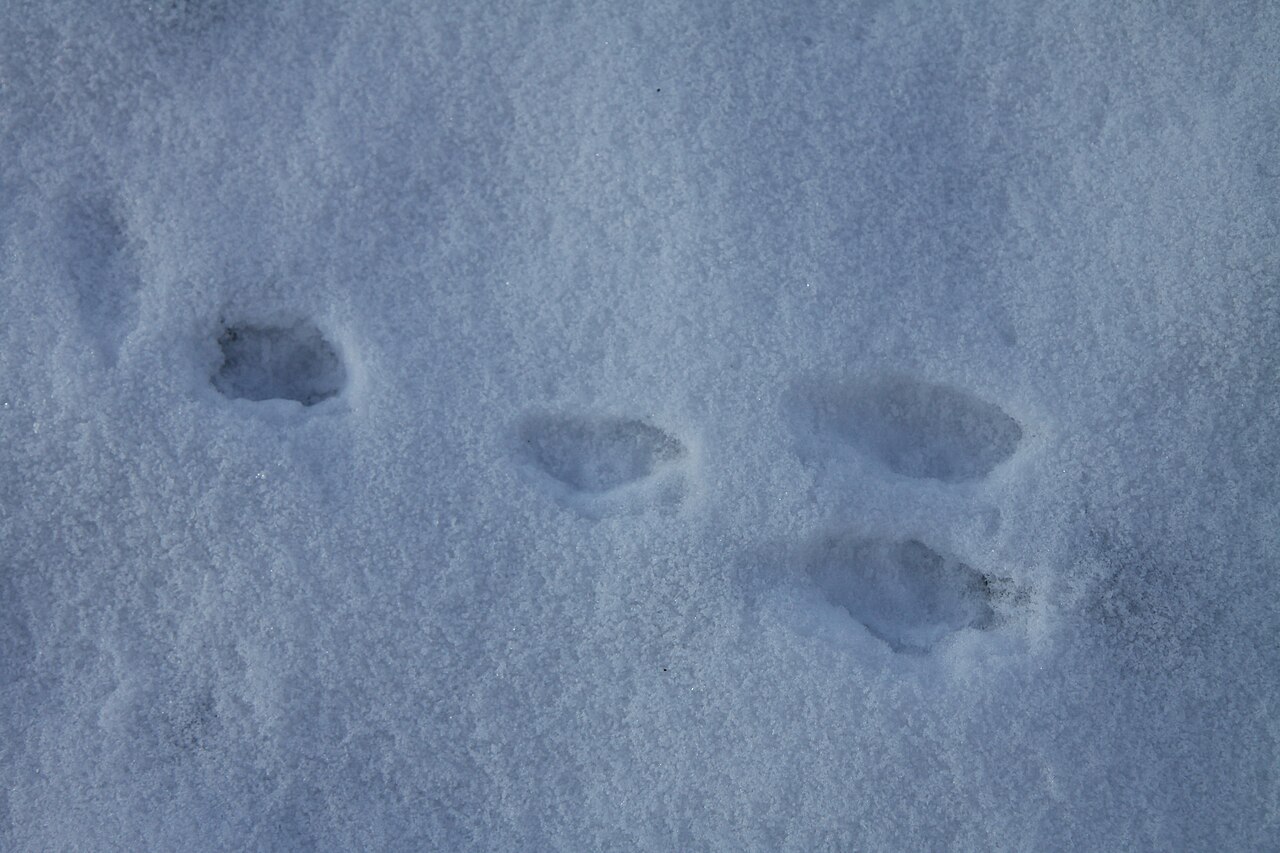
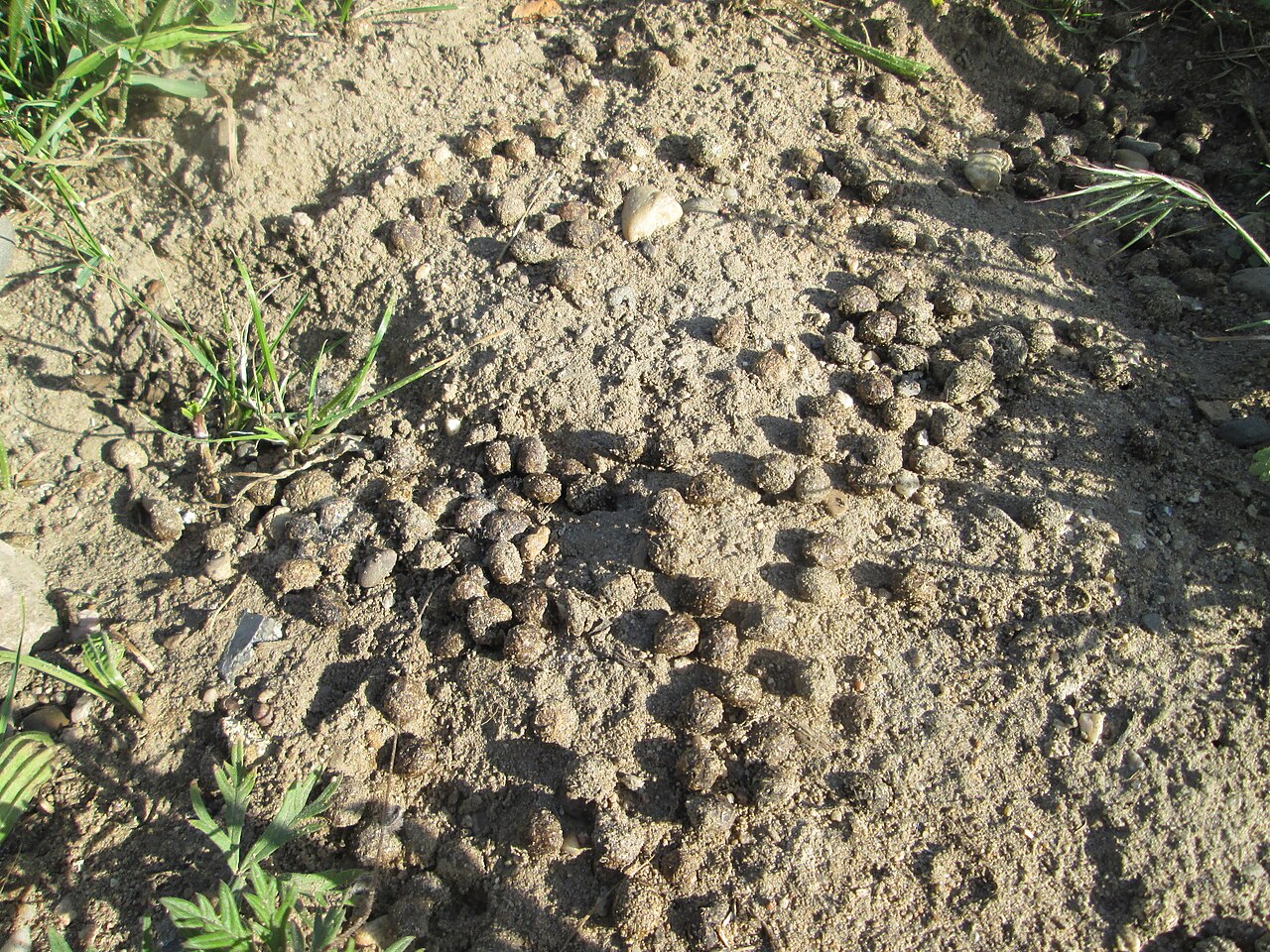
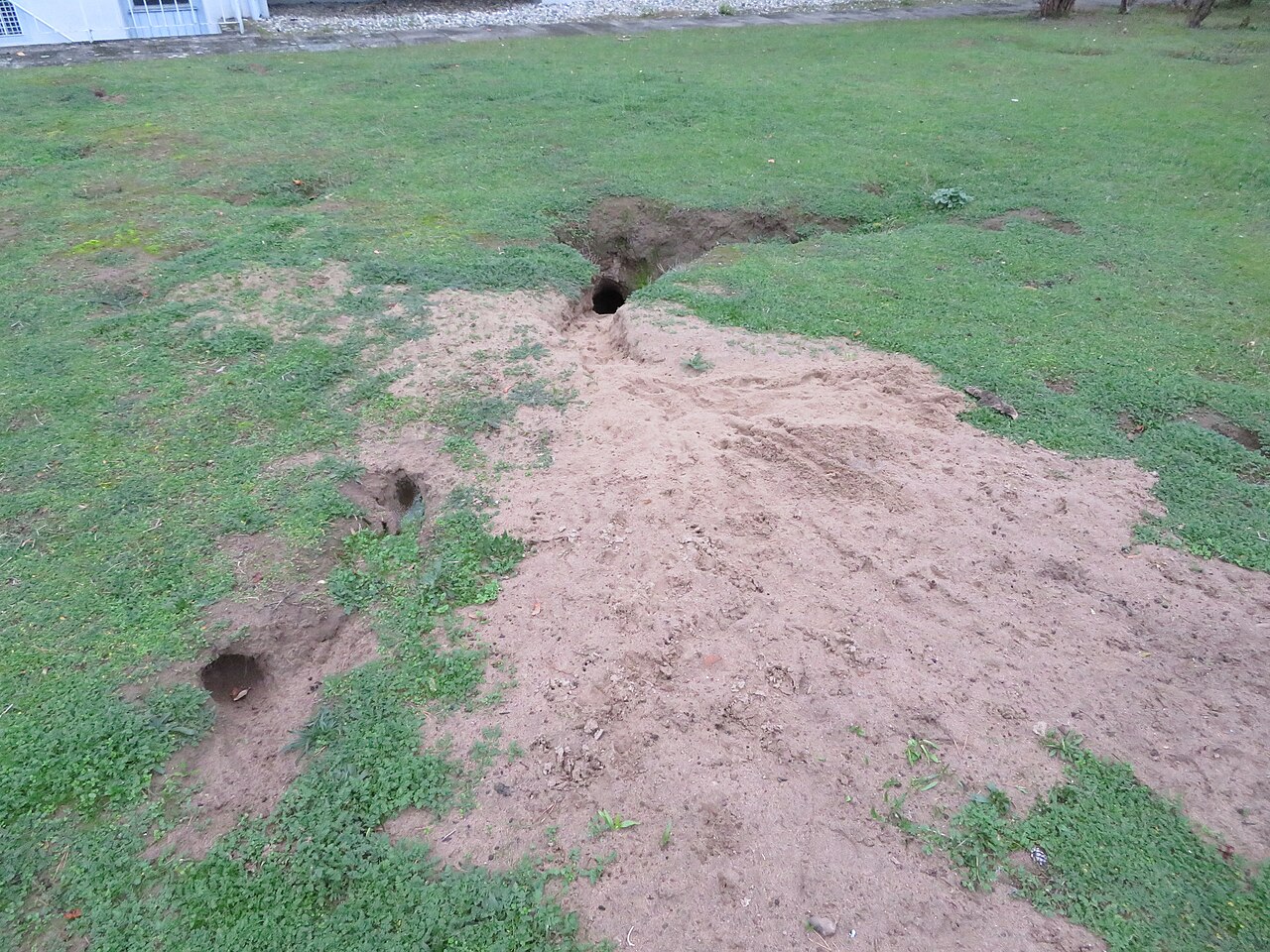
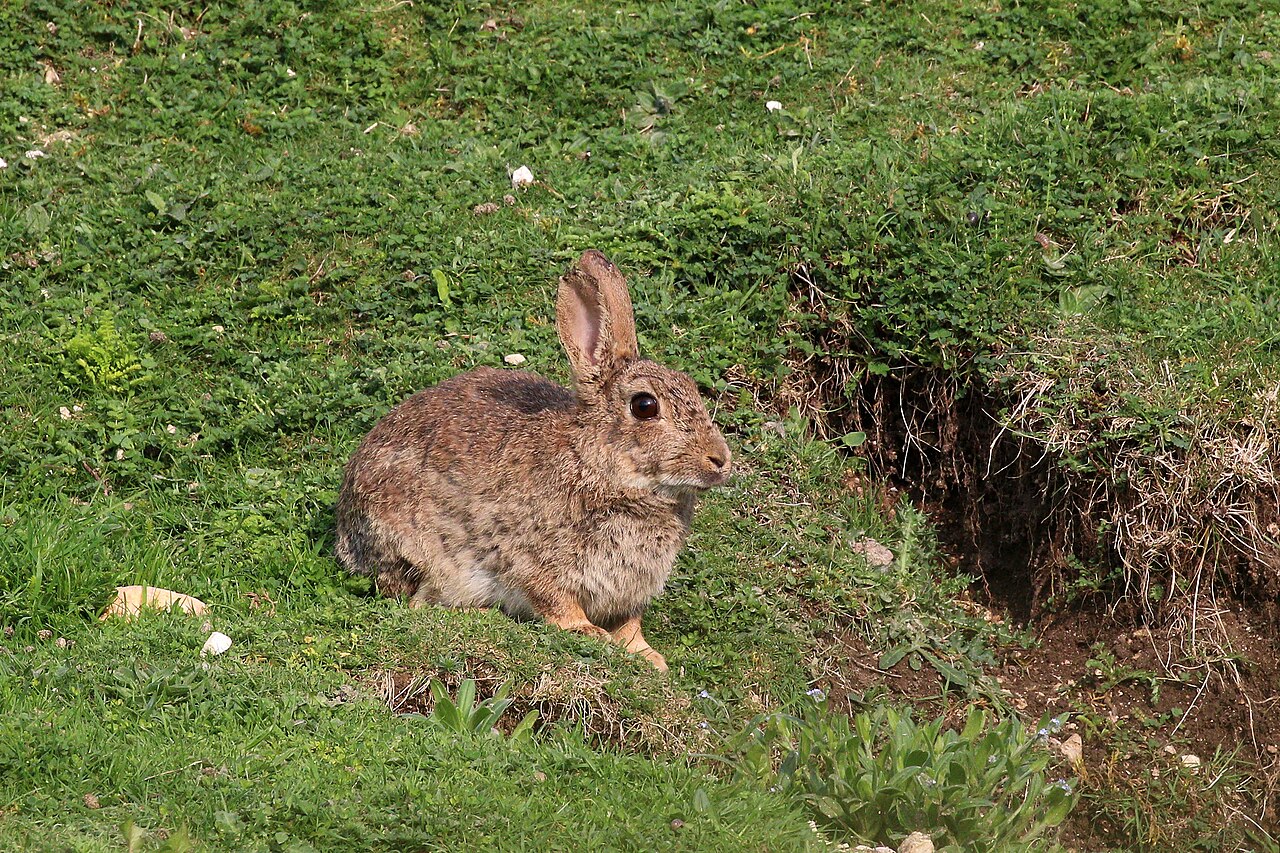
The rabbit leaves clear signs in the ground, even where the animal itself is not seen. The burrow has entrances 10 to 50 cm across, driven obliquely into a slope, with a fan of excavated soil in front and trampled bare ground around; a colony digs dozens of entrances side by side, together forming a warren. Bolt-holes dug from the inside run vertically down to about a metre or a little more and have no spoil fan; this is how they are recognised. Latrines are characteristic: heaps of tens to hundreds of pellets on a raised spot such as a molehill, tussock, stone or bare patch, always in the same places at the edge of the territory. The droppings are round, hard pellets 7 to 12 mm across, light brown and fibrous, which crumble dry between the fingers; hare droppings are larger and always lie singly, never heaped. There are also scrapes: shallow, bowl-shaped hollows about five centimetres deep, dug with the fore feet to reach roots or to mark territory. In dunes, rough grass and scrub there are fixed, bare runs through the vegetation, narrow and low, with tufts of fur on twigs in the moult. Twigs are bitten off cleanly and obliquely; in hard winters bark is stripped from young trees up to about 50 cm above the ground or the snow, sometimes all round, after which the tree dies. The print is small and furred; in the bounding trail the long hind feet land in front and the two fore feet usually lie side by side, one behind the other in the hare.
In its habitat
The young
Identification
Small and compact, head-body 36 to 50 cm and 1.5 to 3 kg, much lighter than a hare. The coat is greyish brown and finely grizzled, nape and legs rusty, the belly off-white, with a bare, warm-coloured patch behind the ear. The ears are shorter than the head and lack the hare's black tip; they are usually held upright and inclined slightly towards each other. The eyes are large and dark brown. The tail is dark brown above and pure white below and is flicked up when fleeing, so that the white underside is visible from behind. The hind legs are shorter than in the hare; the animal moves in short, arched bounds and when disturbed reaches cover within fifty metres. Feral domestic rabbits in town parks are often black, piebald or sandy and more heavily built, but otherwise the same.
Similar species
Confusion is mainly possible with the Brown Hare, but in good light the difference is clear: the hare is one and a half to two times the weight, tawny red rather than greyish brown, longer-legged, and has ears longer than the head with a black tip. It carries the tail down when fleeing, so that the black upper side shows, runs stretched out with sharp sideways turns rather than in arched bounds, and never flees into a burrow. A half-grown rabbit can resemble a leveret; in a leveret the ears are already longer than the head, and the escape behaviour differs. In the Iberian Peninsula and southern France the rabbit occurs alongside the Iberian Hare, in north-eastern Spain also alongside the Brown Hare, and in the Balearics alongside feral domestic rabbits. No other European mammal resembles it.
Habitat
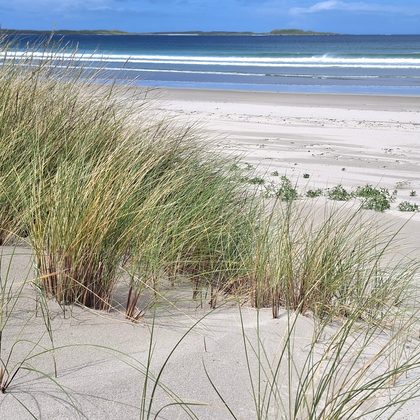
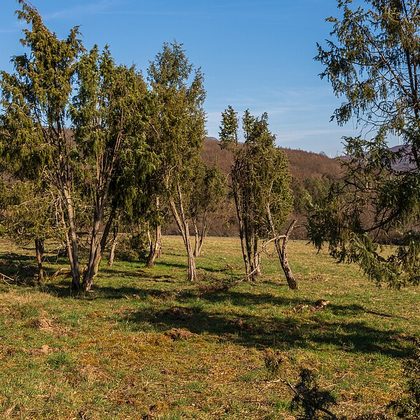
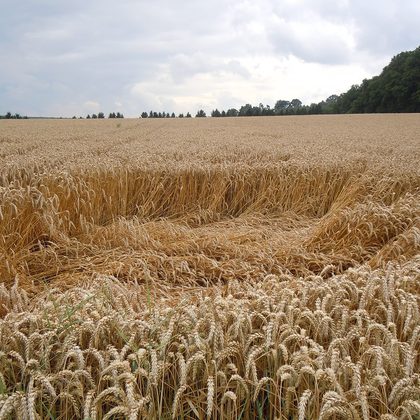
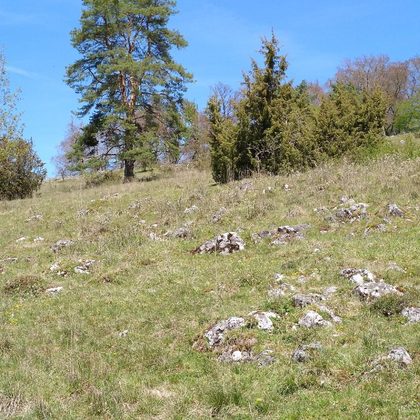
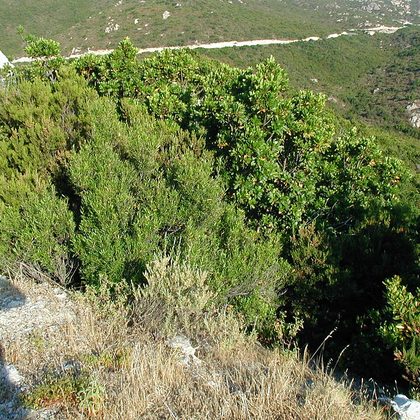
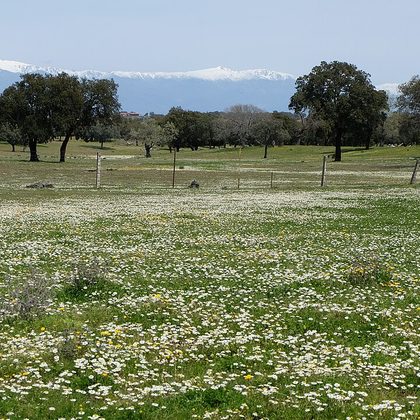
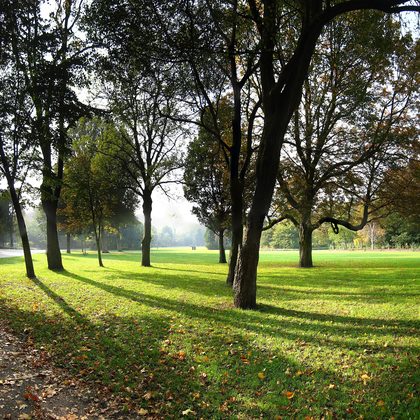
Dry, free-draining, easily dug ground with cover close by: dunes, sandy soils, banks and railway embankments, chalk and limestone grassland, arable margins with hedges, town parks and playing fields. In the Iberian Peninsula mainly Mediterranean matorral and dehesa, where the animal grazes in openings and takes cover in scrub (including rockrose and mastic). Heavy clay and permanently wet ground are avoided, and woodland is used only at the edge. Optimal is a bank or slope for digging with short grass within a few tens of metres; rabbits rarely move further from cover.
Where the animal is most at home, classified with EUNIS — the European standard for habitats.
Distribution
Native to the Iberian Peninsula and southern France; populations north of that are the result of centuries of introduction and escape, and those on other continents of transport by ship. In Europe the species is established north to southern Scandinavia. In the Iberian Peninsula the rabbit occurred almost everywhere until a few decades ago; today its distribution there is broken by large empty areas. There are two genetically distinct lineages, one in the south-west and one in the north-east, with a contact zone running diagonally across the peninsula. According to a frequently cited but uncertain explanation, the name of Spain goes back via the Latin Hispania to the Phoenician i-shphan-im, 'land of hyraxes', because the Phoenicians are thought to have taken the rabbits for hyraxes; other explanations also exist, and the origin of the name has not been established. In the Balearics and the Canary Islands the species was introduced long ago, and on those islands its impact on the endemic flora is severe. In Britain the rabbit was introduced by the Normans in the twelfth century and kept in managed warrens for meat and fur before going wild; by the 1950s it was among the commonest mammals there. In Ireland the history was the same. In the Netherlands it occurs mainly in the dunes and on sandy soils, in Flanders commonly on the sandy soils of the Campine and in the coastal dunes; in Wallonia it is scarcer. In north-western Europe the species has suffered major collapses (see status); in the dunes the loss of rabbit grazing leads to open dune grassland becoming overgrown with wood small-reed and scrub, at the expense of the plants and insects of those grasslands, and on British chalk downland scrub spread over the formerly close-grazed turf after 1953.
- Native
- Established introduction
- dark = core range, pale = thinly spread
Way of life
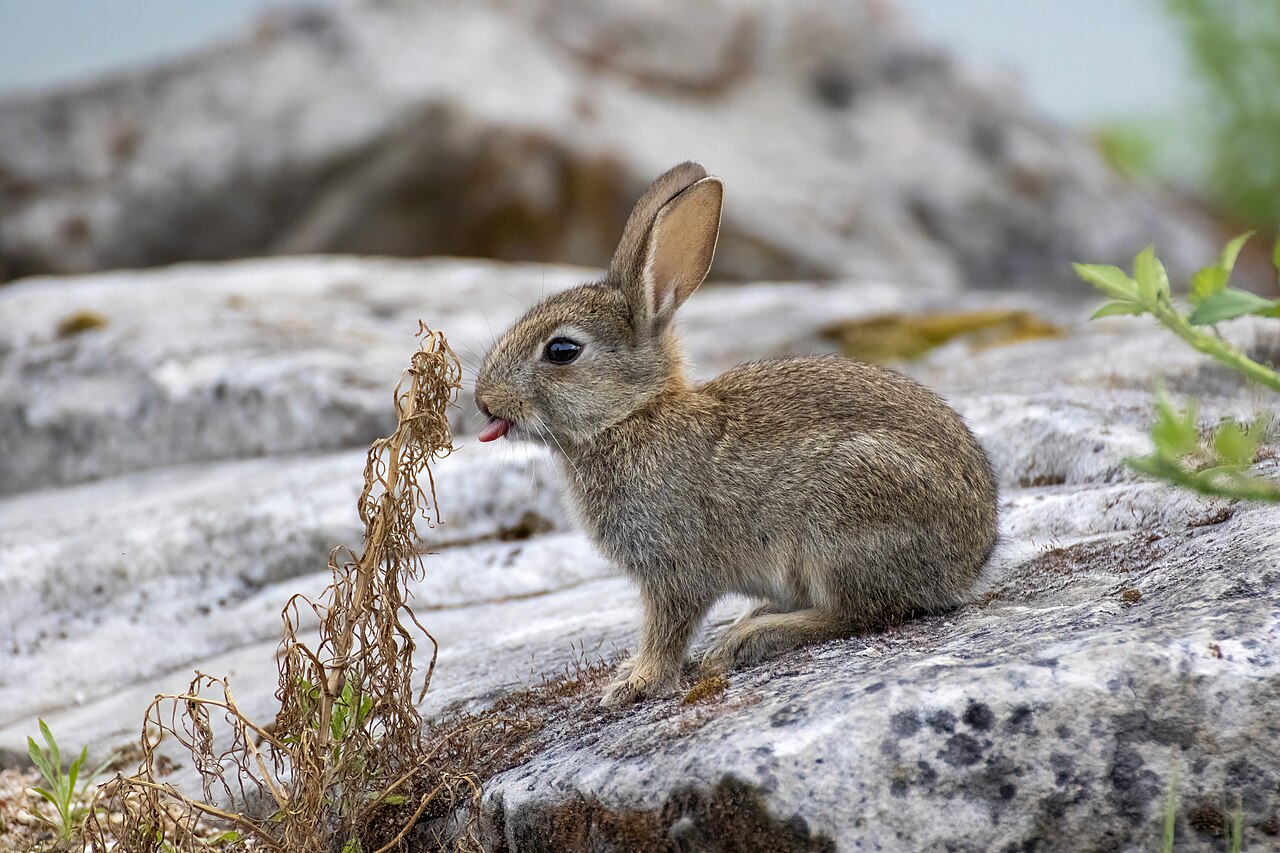
Crepuscular: most rabbits come above ground in the last two hours before dark and remain active well into the night, with a second peak around sunrise; where undisturbed they also feed by day. They live in colonies with a fixed hierarchy, in which the dominant doe occupies the best breeding burrows. The diet consists of grass, herbs, bark and shoots and is digested twice: the soft caecal pellets are re-ingested in the burrow in the morning, so the food passes through the gut a second time. Gestation is about 30 days; a doe can litter almost monthly from late winter into summer, with three to seven young per litter. The young are born naked and blind in a separate short breeding burrow, a stop, which the doe digs herself and closes with earth; she lines the nest with belly fur, opens the stop once every twenty-four hours and closes it again. The young come above ground after three weeks. When alarmed, a rabbit thumps the ground with a hind foot, upon which the colony retreats into the burrows. It does not hibernate.
Where and when to look
The last hour before sunset, at the edge of a dune slack, an opening in scrub, or from a bank, with binoculars at a distance: the animals then come out onto the grass in groups. Latrines and spoil fans show where a warren lies even on an afternoon when no rabbits are visible. A watcher who sits still is usually ignored within ten minutes; rabbits respond to movement more than to shape. Young are most often seen above ground in May. In the matorral of south-western Spain, including the Sierra Morena and Doñana, rabbits are active at sunrise; there they are the main prey of the Iberian Lynx and the Spanish Imperial Eagle.
Conservation status
Endangered (EN, 2019). The IUCN assesses the species within its native range, the Iberian Peninsula and southern France. There numbers have fallen by more than ninety per cent since the mid-twentieth century through two successive diseases: myxomatosis, which spread south from France after 1952 and reached Spain in 1953, and rabbit haemorrhagic disease (RHD) from 1988, with a second strain since 2011 that also kills young animals. Clearance of matorral, conversion to conifer plantations and hunting also played a part. In the Mediterranean ecosystem the rabbit is a key prey species; the Iberian Lynx and the Spanish Imperial Eagle both came close to extinction when their main prey declined. In Spain a large part of conservation effort is now directed at breeding and releasing rabbits, and in parts of Andalusia and Extremadura the shortage of rabbits is a management problem. In the introduced populations of north-western Europe the same diseases have also had major effects. Myxomatosis killed an estimated ninety-nine per cent of British rabbits in 1953 and 1954 and the great majority of Dutch ones; RHD followed in the Netherlands from 1990 and in Britain in the 1990s, with a second strain from 2010 (Britain) and 2015 (Netherlands). The British population has declined by roughly two-thirds since the mid-1990s, and the species is now of conservation concern there. In the Netherlands numbers have recovered locally since 2010, unevenly and with setbacks. Outside Europe the rabbit is one of the most damaging invasive mammals. In Australia, where two dozen rabbits were released in 1859, the population grew to hundreds of millions within fifty years, resulting in denuded vegetation, erosion and the loss of a large number of native plants and marsupials; the same happened in New Zealand, Chile and on more than eight hundred islands, and on islands the rabbit is among the leading causes of extinction.
Scientific name
Oryctolagus cuniculus | (Linnaeus, 1758)
Linnaeus described the species in 1758 as Lepus Cuniculus; because it was later moved to another genus, the author and year stand in brackets. Oryctolagus is Greek, from oryktos, 'dug, burrowing', and lagōs, 'hare': the digging hare. cuniculus is the Latin word for 'rabbit' and also for 'underground passage'. Its further origin is disputed: the Romans took the word over from Spain, and it has been referred both to an Iberian or Celtiberian word and to Latin cuneus, 'wedge'. The specimen the first description was based on came from Germany.