All species › Gannets and cormorants › Cormorants and shags
Cormorants and shags | Phalacrocoracidae
Aalscholvers | Cormoranes
Long-bodied dark waterbirds with a long neck and a bill sharply hooked at the tip: the fish is gripped, not speared. They dive from the surface and swim under water with both feet at once; the legs are set far back, which makes walking laboured, and the stiff wedge of a tail works as a rudder. The plumage lets itself be partly soaked, which cuts buoyancy but obliges the bird to dry off after fishing with its wings half spread — the posture the whole family is known by. The nest of sticks or weed stands in a colony on rock, in trees or in reedbeds; three or four pale blue eggs under a chalky coating, and naked young that put on black down within days.
Native species 4 species
Species that occur here by nature: breeding birds, winter visitors and passage migrants. They are arranged by genus, in the sequence of the list.
Nannopterum 2 species
-
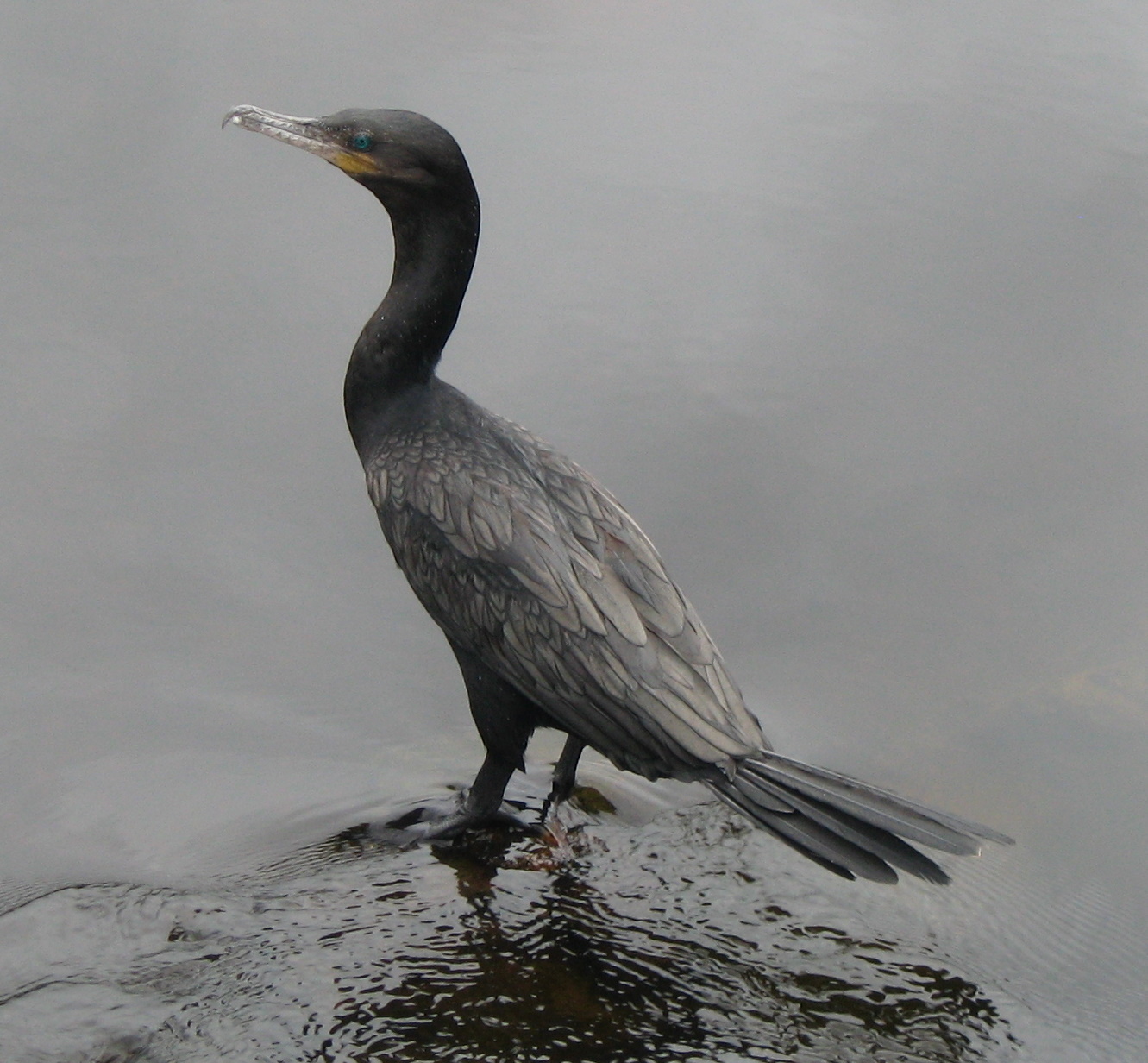
Neotropic Cormorant
Nannopterum brasilianum Lakes, reservoirs and ponds
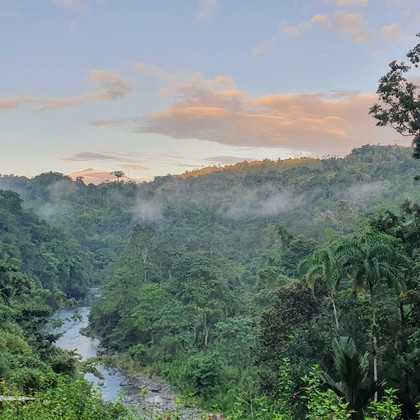 Rivers and streams
 Freshwater marsh and wet grassland
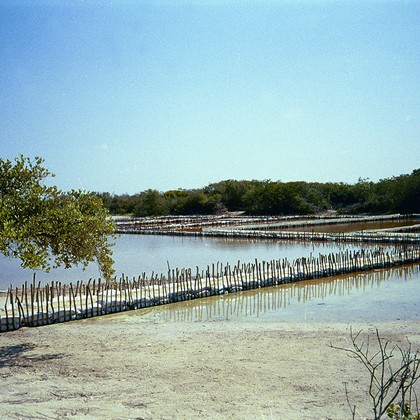 Lagoon, estuary and salt pan
 Mangrove
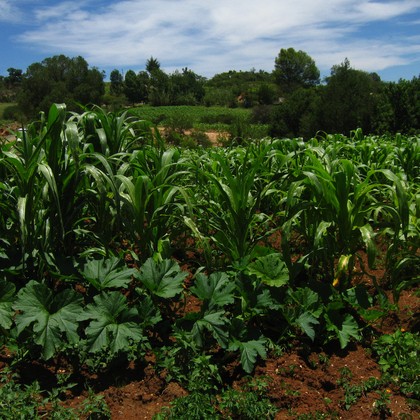 Rice fields and fish ponds
-
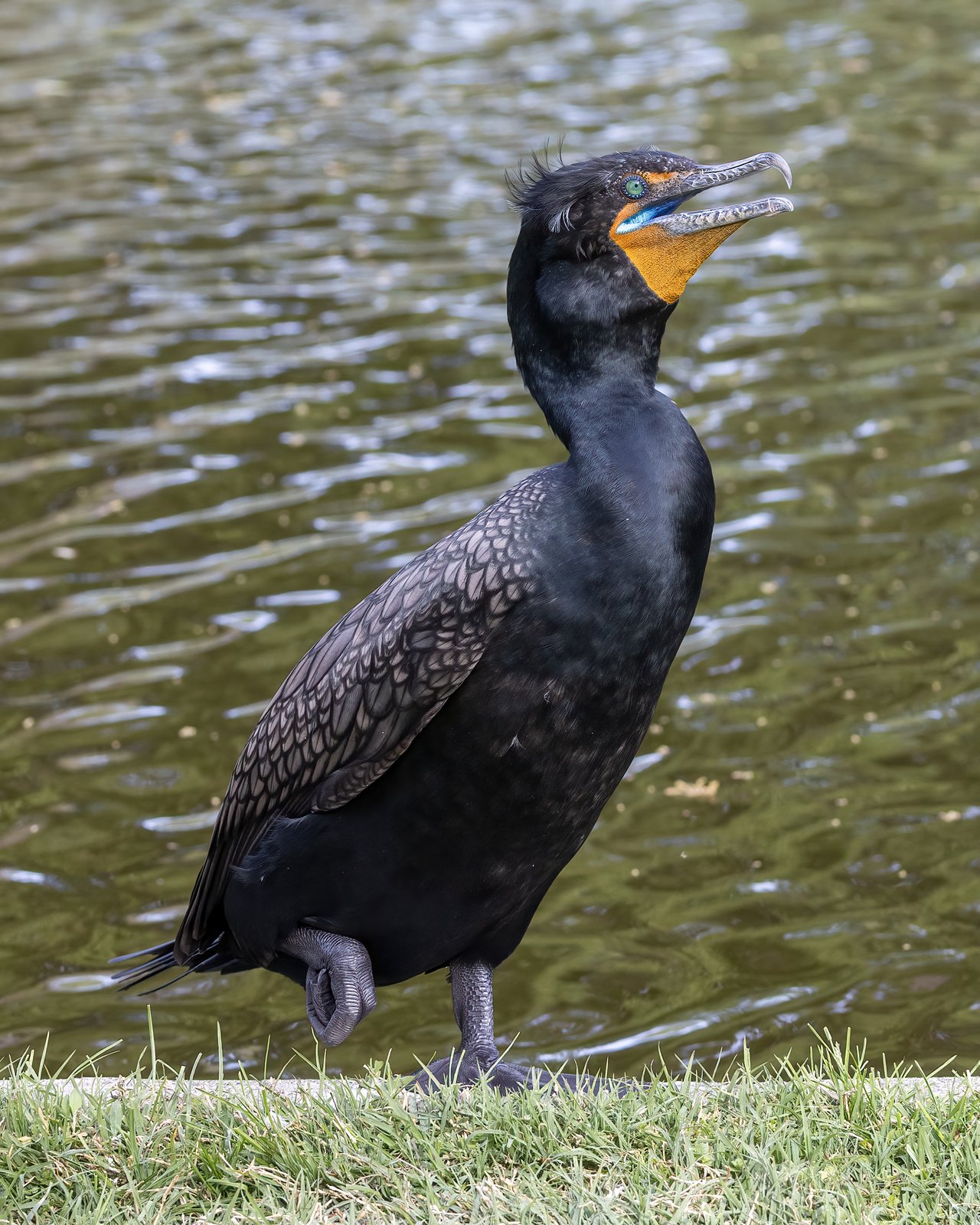
Double-crested Cormorant
Nannopterum auritum- Lagoon, estuary and salt pan
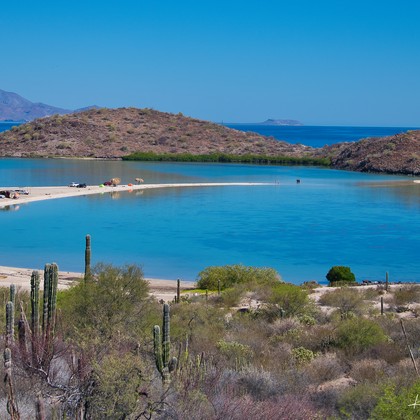 Coastal waters and continental shelf
- Lakes, reservoirs and ponds
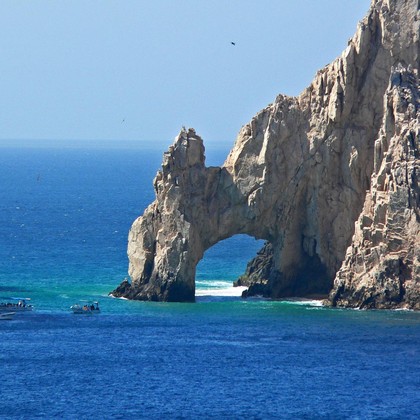 Rocky shore and sea cliffs
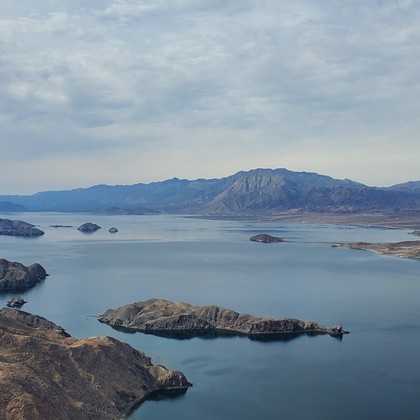 Rocky islets, cays and seabird colonies
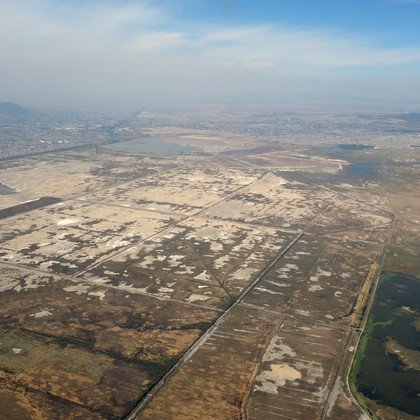 Inland saline and alkaline lakes