All species › Woodpeckers and allies › Woodpeckers
Woodpeckers | Picidae
Spechten | Pájaros carpinteros
A straight, chisel-shaped bill and a skull built to absorb the blows: the base of the bill rests on spongy bone, heavy neck muscles drive and steer the stroke, and the nostrils sit behind small covering feathers that keep out dust. The tongue is extremely long and tipped with barbs or sticky saliva; it is carried on two slender elongated bones that curve round the skull and push it far beyond the bill. In most species the tail feathers are stiff and pointed and serve as a third point of support in climbing, which goes up the trunk in short jerks, while the flight is undulating, a few beats and a dip on closed wings. Instead of song they drum: a fast series of blows on a resonant branch that announces the territory and draws a mate.
Native species 15 species
Species that occur here by nature: breeding birds, winter visitors and passage migrants. They are arranged by genus, in the sequence of the list.
Campethera 4 species
-
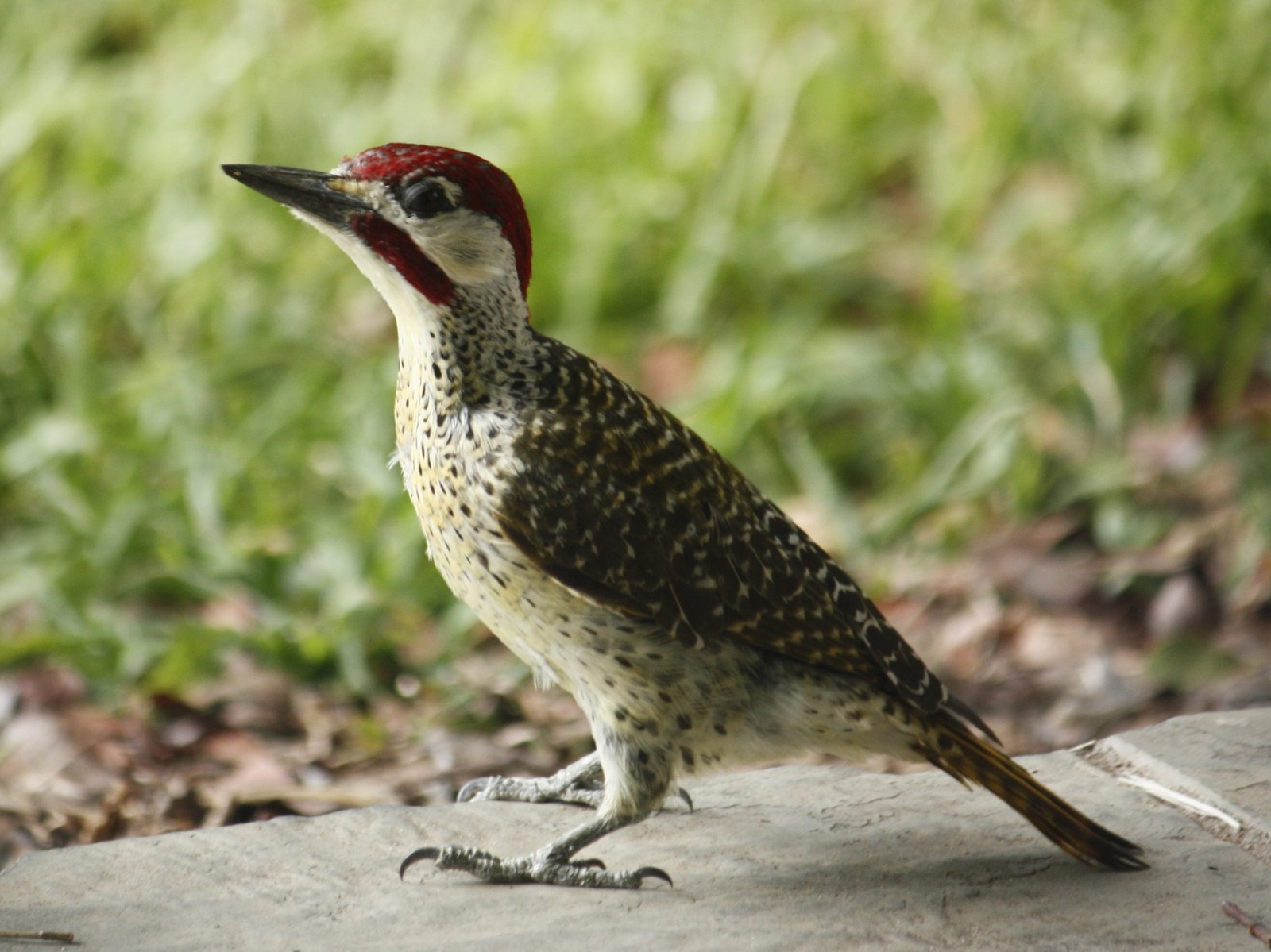
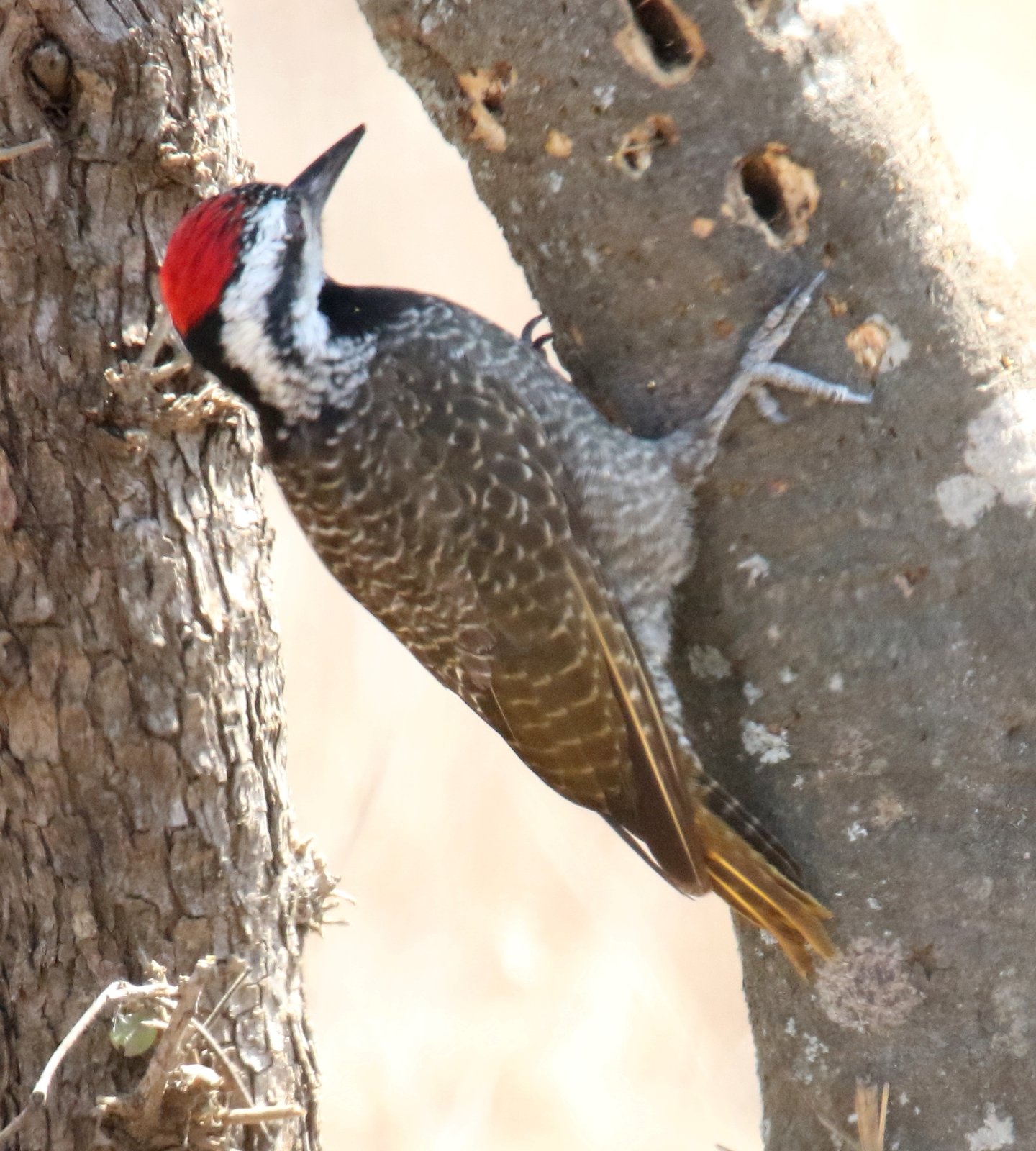
Bennett's Woodpecker
Campethera bennettii Miombo woodland
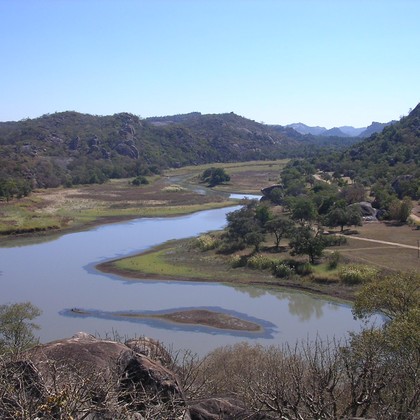 Mixed broadleaf woodland
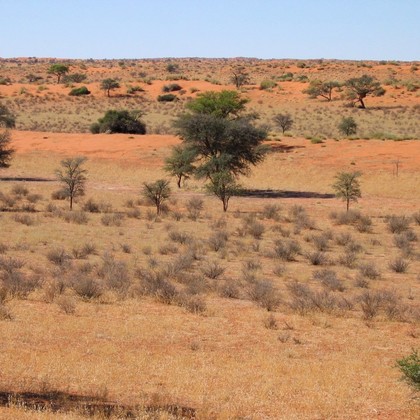 Kalahari thornveld
-
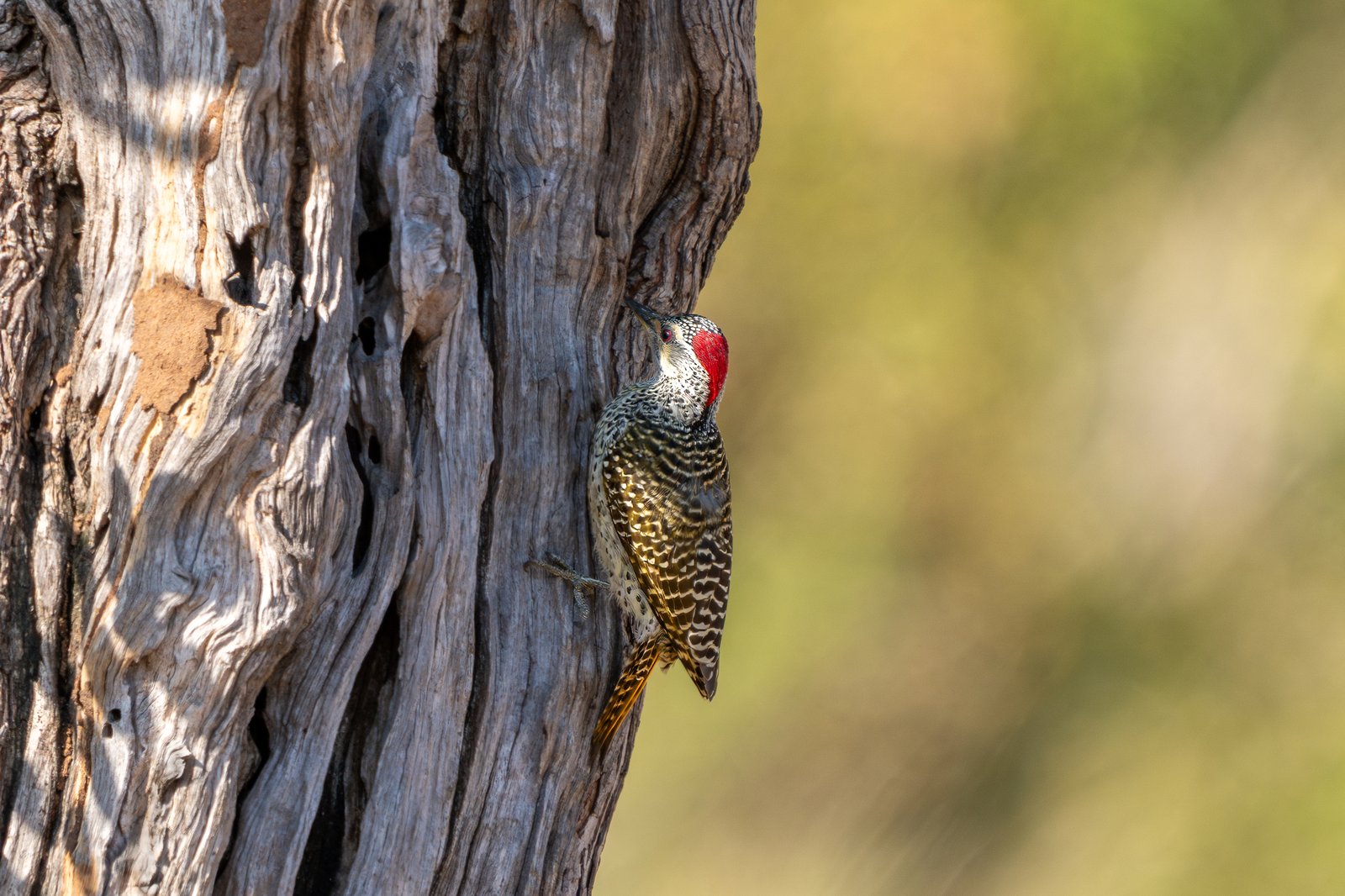
Speckle-Throated Woodpecker
Campethera scriptoricauda- Miombo woodland
- Mixed broadleaf woodland
-
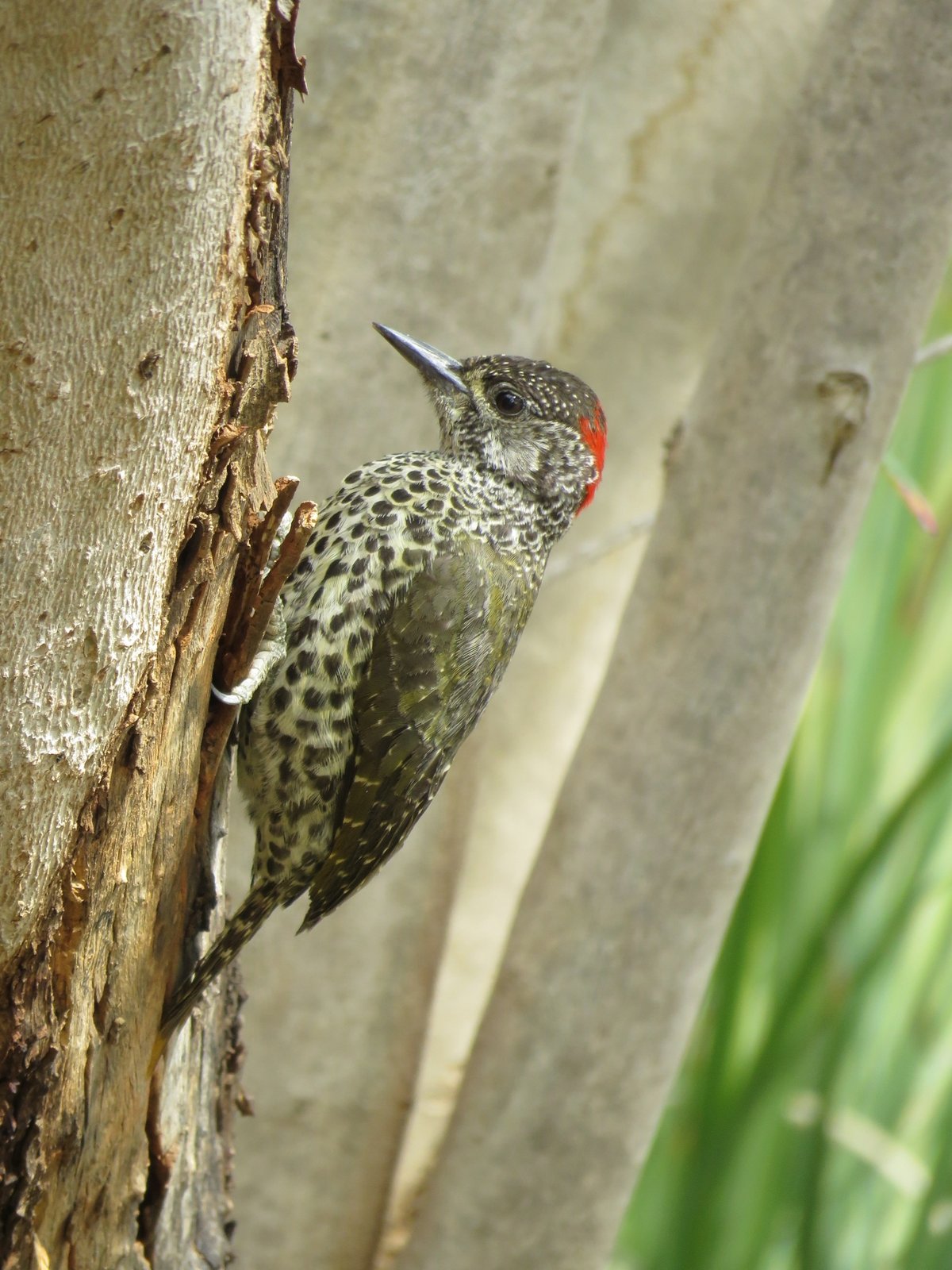
Knysna Woodpecker
Campethera notata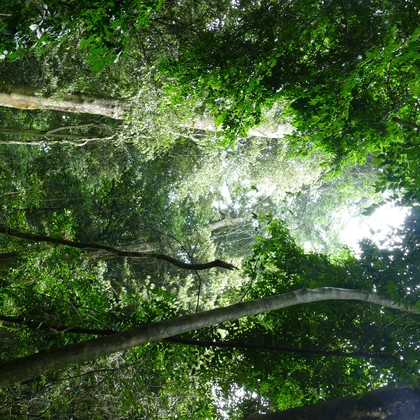 Subtropical lowland and coastal forest
 Strandveld and coastal fynbos
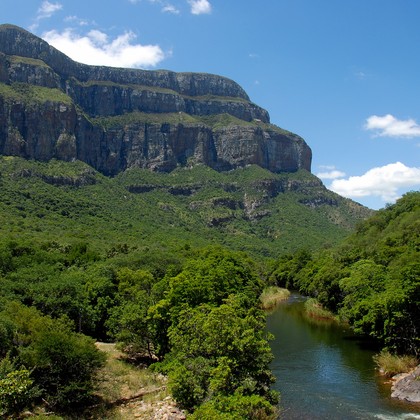 Riverine forest
-

Golden-Tailed Woodpecker
Campethera abingoni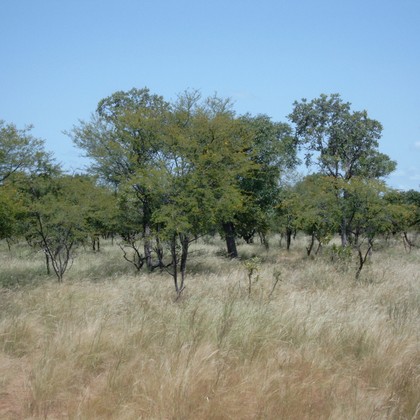 Acacia savanna and thornveld
- Mixed broadleaf woodland
- Riverine forest
Chloropicus 2 species


Dendropicos 4 species
-
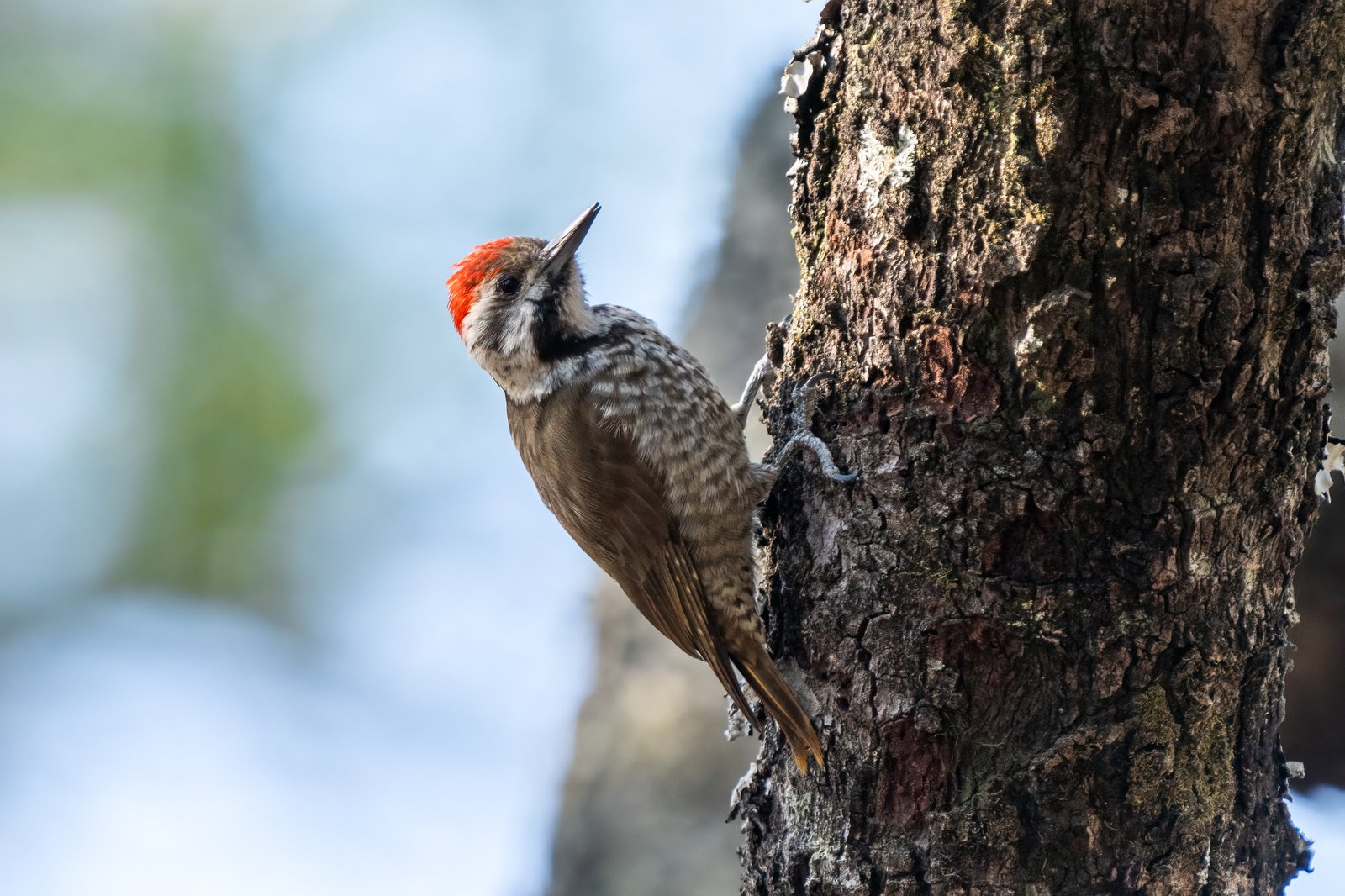
Stierling's Woodpecker
Dendropicos stierlingi- Miombo woodland
-
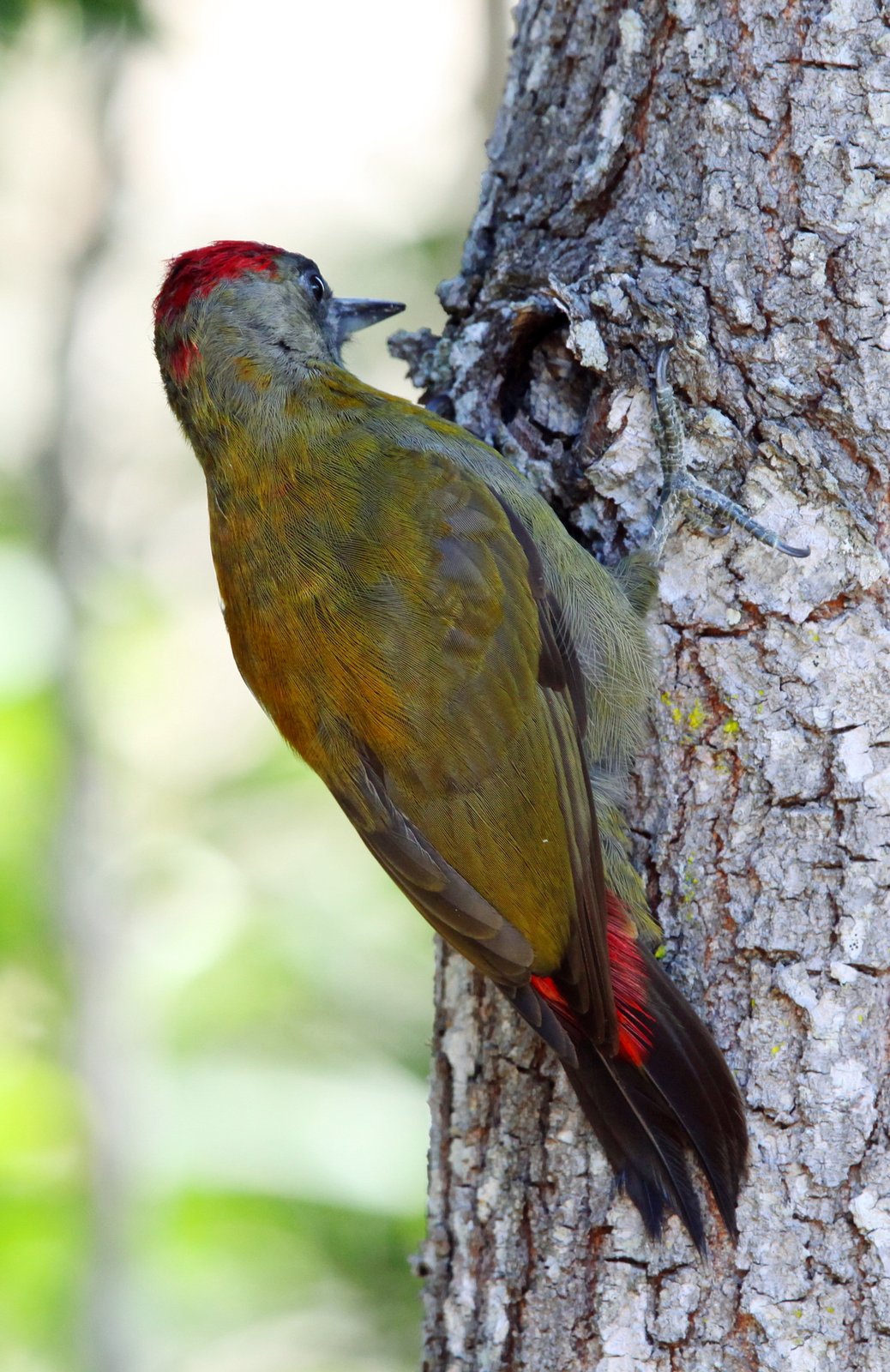
Olive Woodpecker
Dendropicos griseocephalus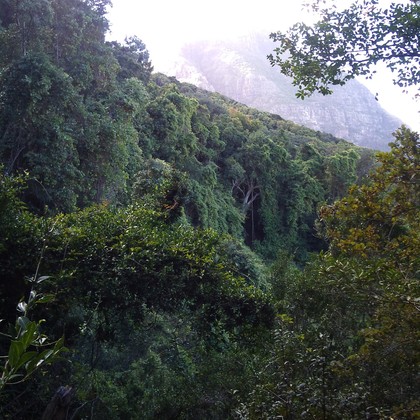 Afromontane forest
- Subtropical lowland and coastal forest
-
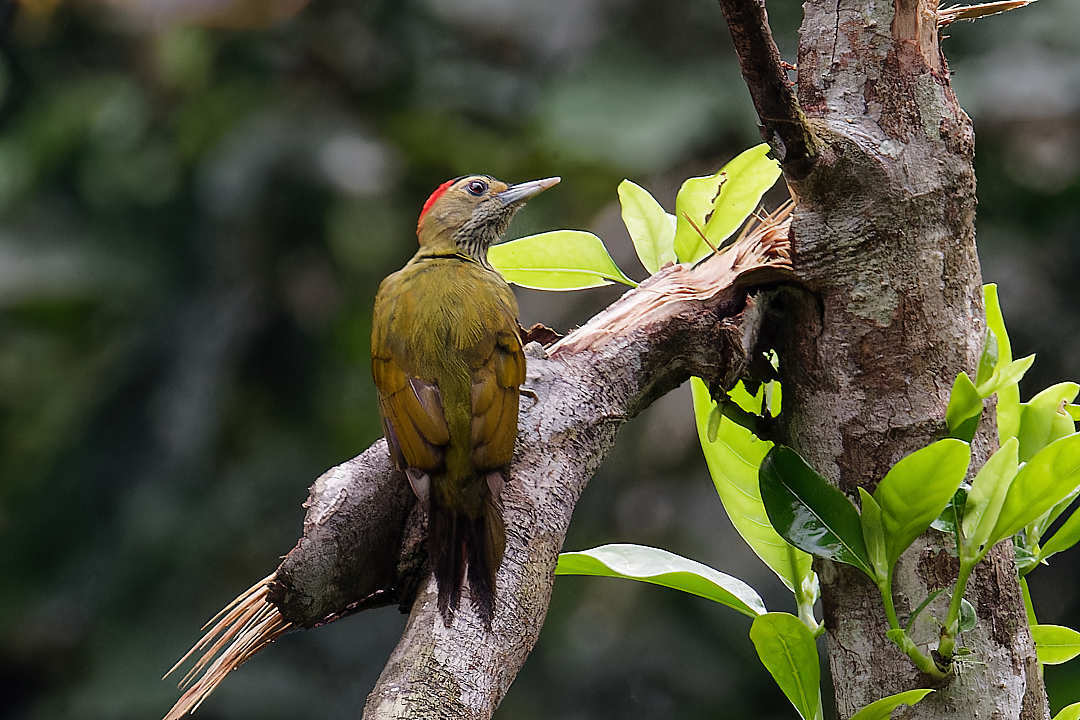
Elliot's Woodpecker
Dendropicos elliotii- Subtropical lowland and coastal forest
- Riverine forest
-
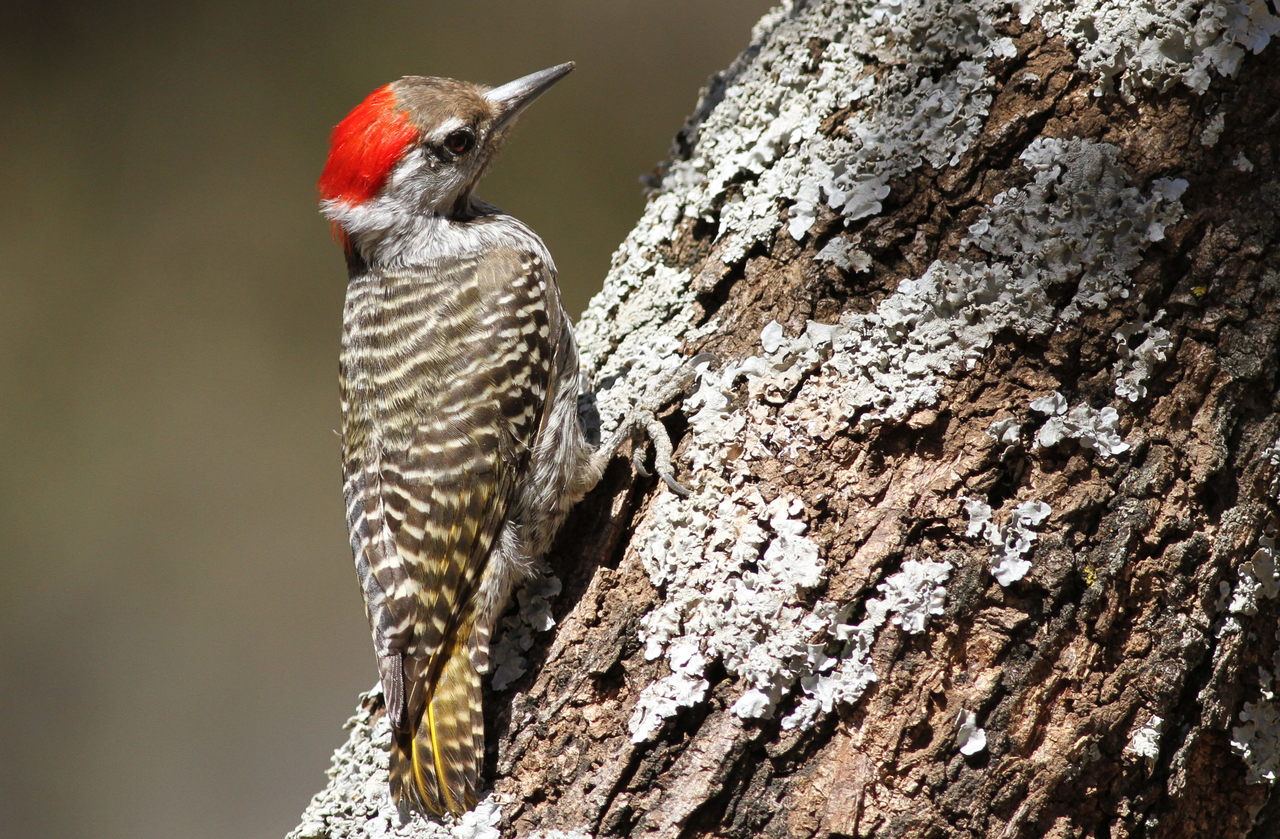
Cardinal Woodpecker
Dendropicos fuscescens- Acacia savanna and thornveld
- Mixed broadleaf woodland
- Riverine forest
Geocolaptes 1 species


Jynx 1 species

Pardipicus 2 species


