All species › Falcons › Falcons and caracaras › Prairie Falcon
Position in the tree Birds Aves › Birds with a flexible palate Neognathae › All other modern birds Neoaves › Landbirds Telluraves › Falcons, parrots and passerines Australaves › Falcons and passerines Eufalconimorphae
Prairie Falcon | Falco mexicanus
Prairievalk | Halcón mexicano
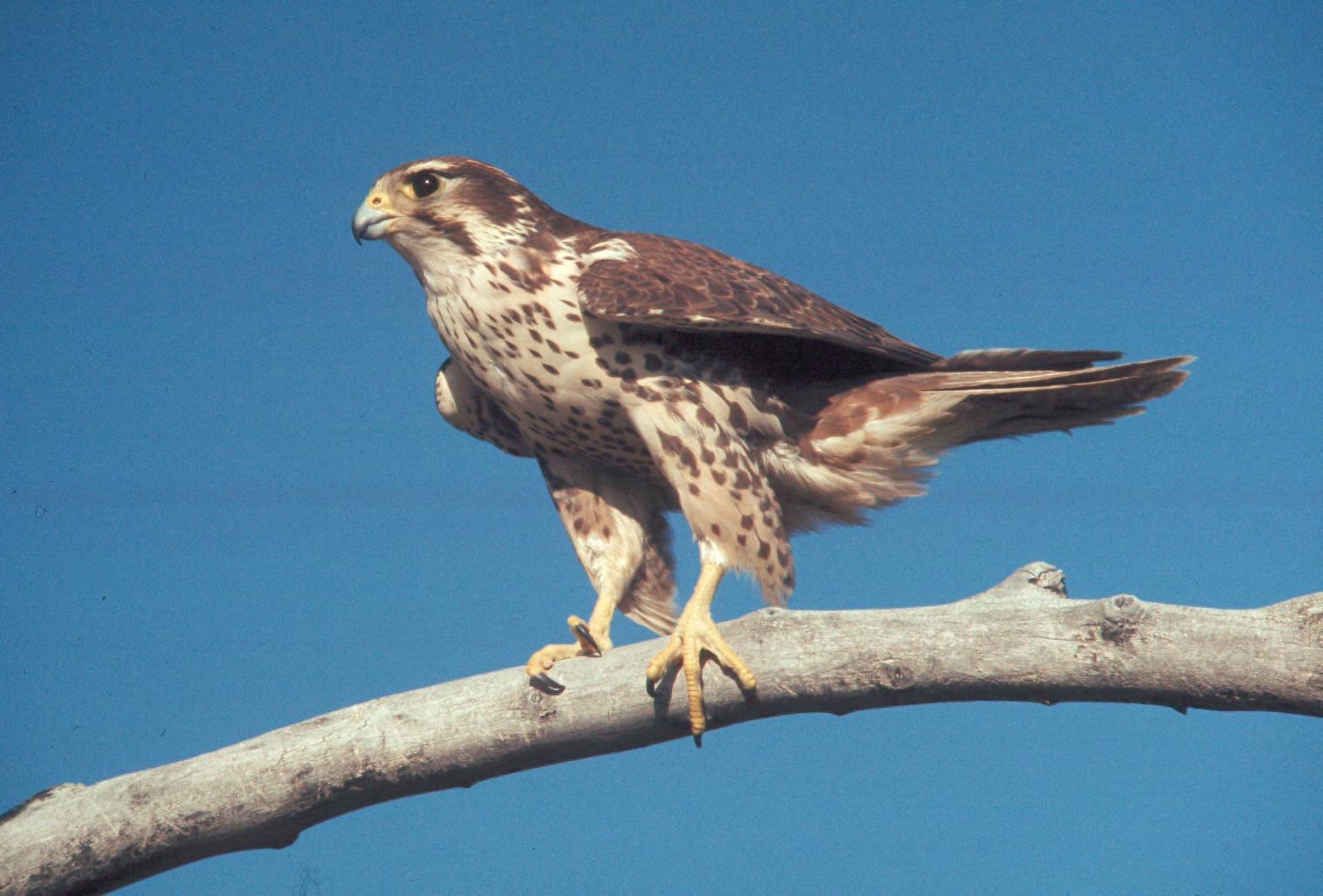
The Prairie Falcon is a large, sandy falcon of deserts, dry grasslands and plateaus. It hunts in fast, low flight over open country for ground squirrels, other small mammals and birds such as larks, pipits and doves. In the guide area it breeds locally on cliffs in northern Mexico, and from October to March winter visitors from western North America reach central Mexico.
Voice
At the nest a rasping, repeated kik-kik-kik-kik or kree-kree-kree; otherwise usually silent.
Recording: Thomas Magarian — CC BY-NC-SA 4.0 · converted to mono · xeno-canto
Identification
37–47 cm, powerfully built, with long, pointed wings and a fairly long tail. Sandy brown above with paler feather edges, white to cream below with brown drop-shaped spots and streaks. A narrow dark moustache, a pale stripe above the eye and a dark stripe behind it. In flight the dark axillaries and inner underwing coverts, which form a dark wedge under the wing, are the best feature. The female is clearly larger than the male.
Confusion species
The Peregrine Falcon Falco peregrinus is darker grey or brown above, with a broad black moustache and no dark axillaries. The Merlin Falco columbarius is much smaller and stockier; the pale prairie form can resemble the Prairie Falcon but lacks the dark axillaries. Female American Kestrels Falco sparverius are much smaller and rufous above.
Habitat
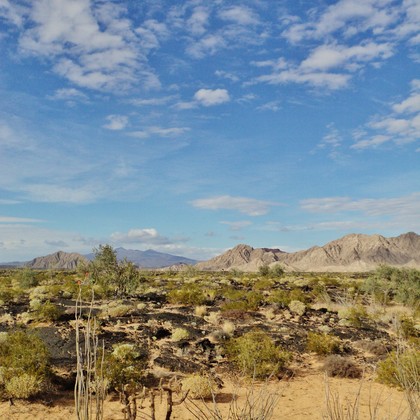
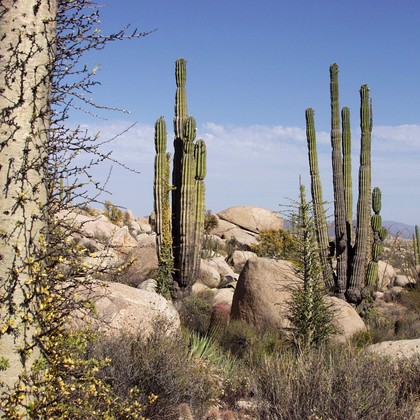
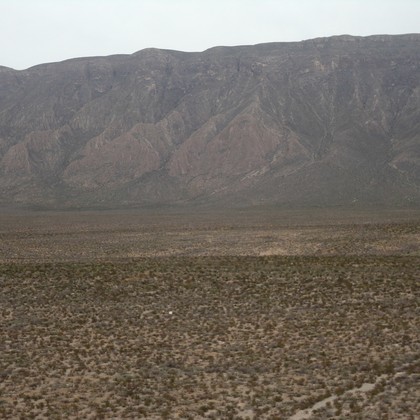
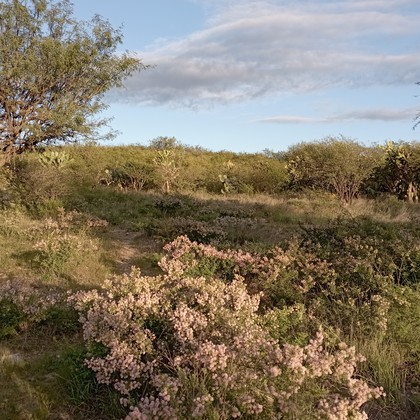
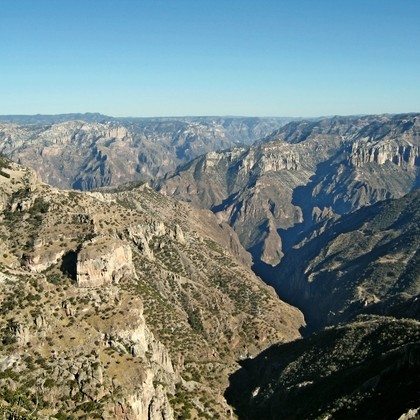
Desert, semi-desert and dry grassland, open plateaus and scrub, fields and pasture with few trees, from sea level to above 2500 m. It nests on ledges and in cavities of cliffs, rock faces and ravines. It hunts in fast, low flight just above the ground.
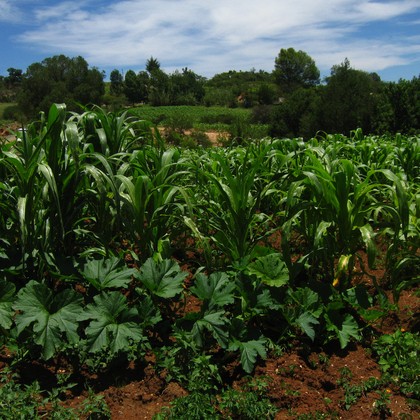
Where the bird is most at home, classified by the vegetation units of Mexico and Central America.

Range and movements
Breeds locally in Baja California and in the deserts and highlands of northern Mexico, from Sonora and Chihuahua to Coahuila and Nuevo León and south to Durango and Zacatecas. In winter, from October to March, scattered over northern and central Mexico, on the plateau south to Jalisco, Guanajuato and Hidalgo. Not known south of Mexico. Outside the guide area in western Canada and the United States.
- Resident
- Summer visitor (c. Apr–Sep)
- Winter visitor (c. Oct–Mar)
- Passage (Mar–Apr, Oct–Nov)
- dark = core range, pale = thinly spread
How and when to look
In winter best looked for on the grasslands and fields of the plateau of Chihuahua and Durango, where the bird searches for ground squirrels and birds from posts or flying low over the land. In flight look for the dark axillaries.
Conservation status
Not threatened. Sensitive to the conversion of grassland to cropland and to disturbance of nest sites.
Scientific name
Falco mexicanus | Schlegel, 1850
Schlegel described the species in 1850 and placed it straight away in the genus where it still stands. The genus Falco was introduced in 1758 by Linnaeus. Falco is Late Latin for 'falcon', from falx, falcis 'sickle', after the sickle-shaped claws of the bird. mexicanus is Modern Latin for 'Mexican', after Mexico, where the type specimen came from. The specimen the first description was based on came from Monterrey, Mexico.