All species › Birds of prey › Kites, Old World vultures, eagles and hawks › Northern Harrier
Position in the tree Birds Aves › Birds with a flexible palate Neognathae › All other modern birds Neoaves › Landbirds Telluraves › Raptors, owls, kingfishers and woodpeckers Afroaves › Hawks and owls Hieraves
Northern Harrier | Circus hudsonius
Amerikaanse blauwe kiekendief | Aguilucho norteamericano
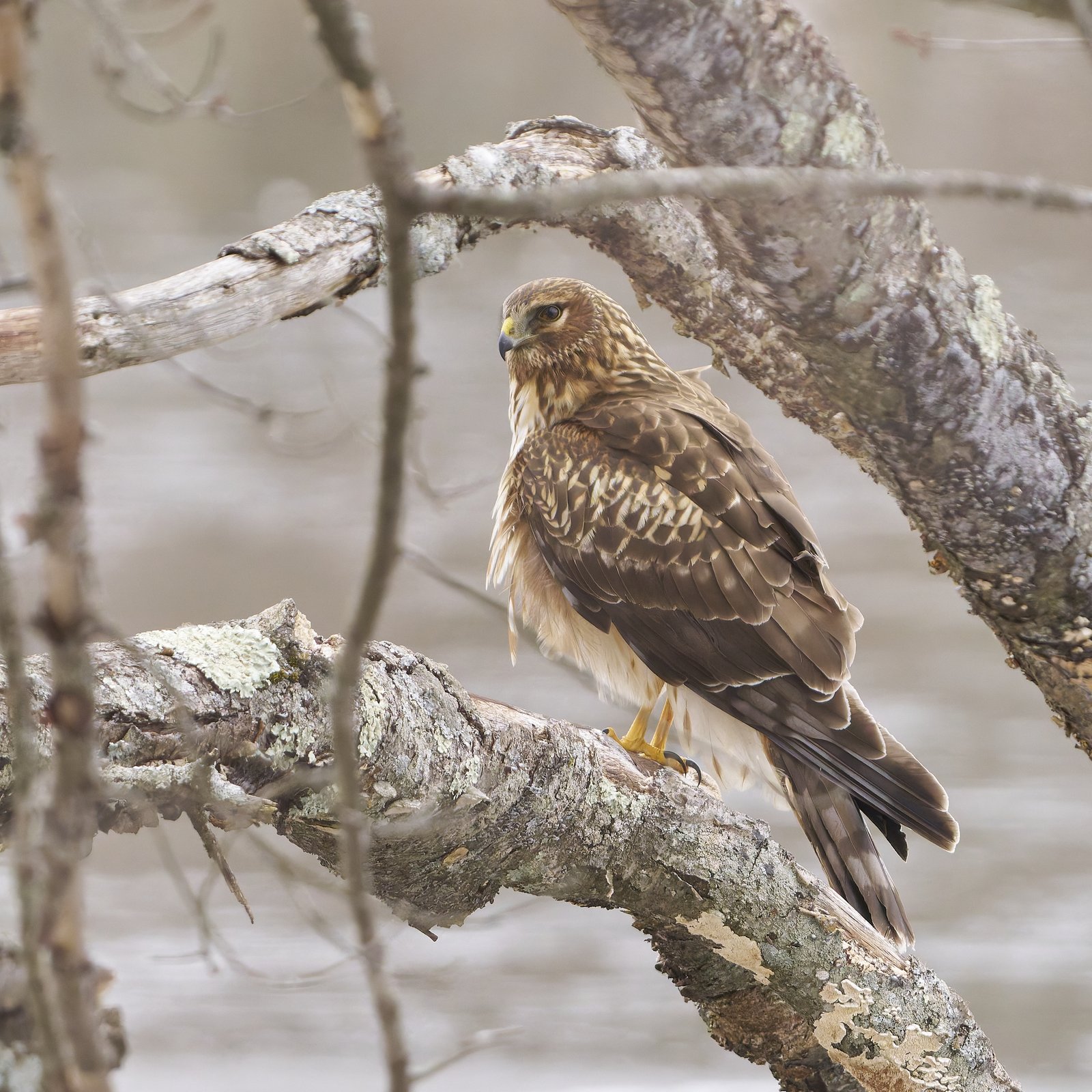
The Northern Harrier is a slender raptor with long, narrow wings, a long tail and a white rump that flies low and tilting over open country and, with its owl-like facial disc, also locates mice and small birds by ear. In the guide area it is a winter visitor from North America, common in Mexico from September to April and scarcer southwards to Panama; it breeds very locally in northwestern Baja California. It was formerly lumped with the Hen Harrier of Europe and Asia.
Voice
Mostly silent in winter. At the nest and in disputes a rapid kek-kek-kek; young birds give a high, whistled peeeh.
Recording: Stanislas Wroza — CC BY-NC-SA 4.0 · converted to mono · xeno-canto
Identification
41–50 cm. Males are pale grey above and white below with a few rufous spots, with black wingtips and, from below, a dark trailing edge to the wing. Females are brown above and cream below with brown streaks, and have a banded tail. Young birds resemble females but are plain orange-brown below. All plumages have a white rump and a face with a rounded, owl-like disc. In flight the bird holds its wings in a shallow V and tilts from side to side. The female is larger than the male.
Confusion species
The Long-winged Harrier Circus buffoni is larger, with longer wings and a less obvious rump, and has a pale and a dark morph; in the guide area mainly in Panama. The White-tailed Kite Elanus leucurus is also pale, but has black shoulders and a white tail and often hovers. The Short-eared Owl Asio flammeus also hunts low over open country, but has a large, round head, a shorter tail and no white rump.
Habitat
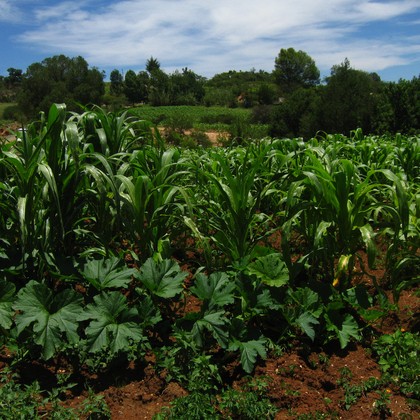
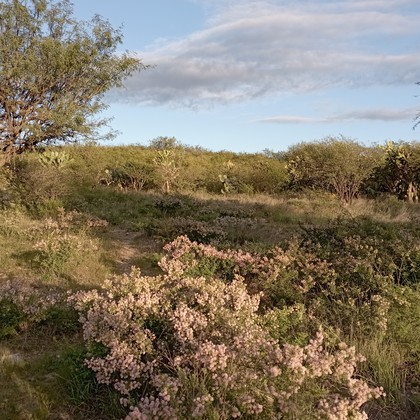
Open country: grassland, savanna, farmland and pasture, freshwater marsh and wet grassland, rice fields, salt marsh and semi-desert grassland, from sea level up onto the plateau. It roosts in small groups on the ground in tall grass or reeds. It hunts low and tilting over the vegetation.
Where the bird is most at home, classified by the vegetation units of Mexico and Central America.




Range and movements
From September to April a winter visitor to almost all of Mexico, commonest on the plateau and in the northern grasslands; also a passage migrant along the Gulf coast. In Central America scarce in open country from Belize and Guatemala to Costa Rica, and rare in Panama. In northwestern Baja California a few pairs stay for the summer and breed. Outside the guide area it breeds in Alaska, Canada and the northern and western United States; it winters south to northern South America.
- Winter visitor (c. Oct–Mar)
- dark = core range, pale = thinly spread
How and when to look
On the grasslands and farmland of the plateau in Chihuahua, Durango and Zacatecas several birds often hunt low over the fields at the same time in winter; towards dusk they gather at communal roosts on the ground. In Belize mainly over savanna and rice fields.
Conservation status
Not threatened. Numbers in North America have declined since the 1960s through the loss of grassland and marsh.
Scientific name
Circus hudsonius | (Linnaeus, 1766) (GBIF: Circus cyaneus)
Linnaeus described the species in 1766 as Falco hudsonius; because it was later moved to another genus, the author and year stand in brackets. The genus Circus was introduced in 1799 by De Lacépède. Circus is from the Ancient Greek kirkos, a bird of prey named for its circling flight. hudsonius refers to Hudson Bay in Canada, the type locality. The specimen the first description was based on came from Hudson Bay.