All species › Pelicans, herons and ibises › Herons, egrets and bitterns › Cocoi Heron
Position in the tree Birds Aves › Birds with a flexible palate Neognathae › All other modern birds Neoaves › Birds of the elements Elementaves › Tropicbirds and waterbirds Phaethoquornithes › Core waterbirds Aequornithes
Cocoi Heron | Ardea cocoi
Cocoireiger | Garza cuca
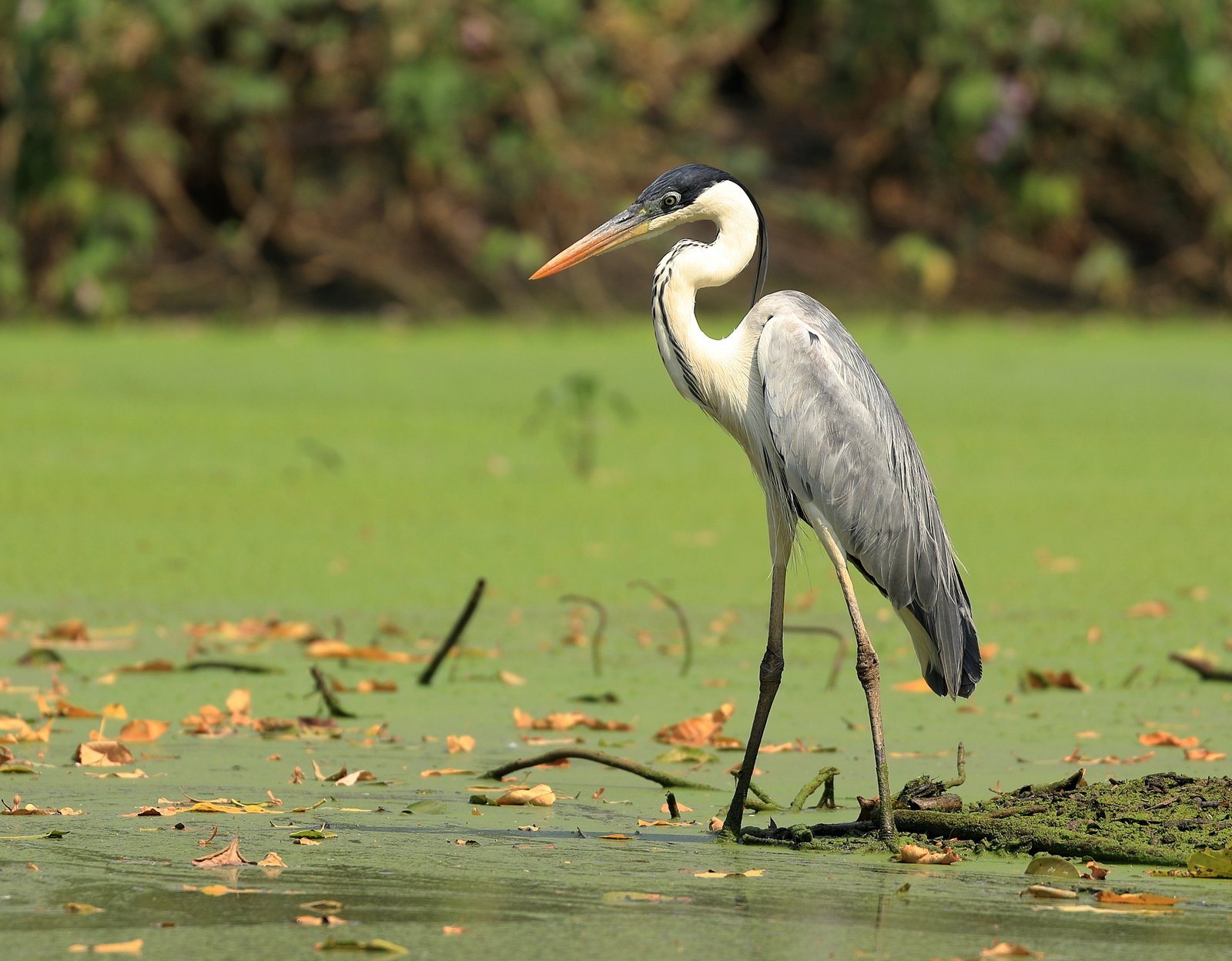
The Cocoi Heron is the large heron of South America, the counterpart of the Great Blue Heron. In the guide area it reaches the northern edge of its range: it occurs only in central and eastern Panama, mainly along the Bay of Panama and in Darién.
Voice
Usually silent. When disturbed a deep, harsh croak.
Recording: José María Loaiza B. — CC BY-NC-SA 4.0 · converted to mono · xeno-canto
Identification
95–130 cm, a large, slender heron with a long neck and a heavy, dagger-shaped yellow bill. Adults have an all-black crown with a short crest, a white head and a white neck with a row of black streaks down the front. Back and wing coverts are pale grey, the flight feathers black. Breast and centre of the belly are white, flanks and sides of the belly black, the thighs white. The iris and bill are yellow, the legs dark. Juveniles are duller and greyer, with a greyish neck, less black on crown and belly and no plumes. In flight the white neck and the black of the belly sides stand out.
Confusion species
Great Blue Heron Ardea herodias, also in Panama in the northern winter, has a grey to grey-brown neck, a white crown with only a black side stripe, rufous thighs and a mainly grey belly. Great Egret Ardea alba is all white. Bare-throated Tiger Heron Tigrisoma mexicanum is smaller and stockier, with a finely barred, brown neck.
Habitat
Tidal mudflats, coastal lagoons and estuaries, mangroves, open freshwater marshes, flooded grassland and shores of lakes and rivers; in the lowlands. It hunts alone, standing or stalking slowly in shallow water, for fish, crabs and other aquatic animals. It breeds in colonies in trees.
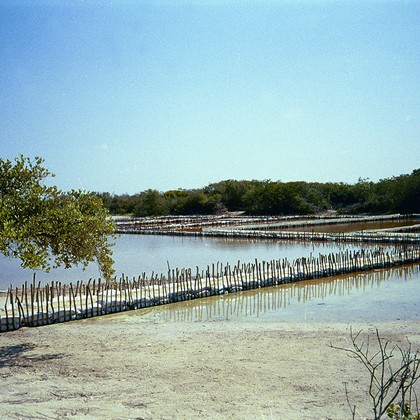
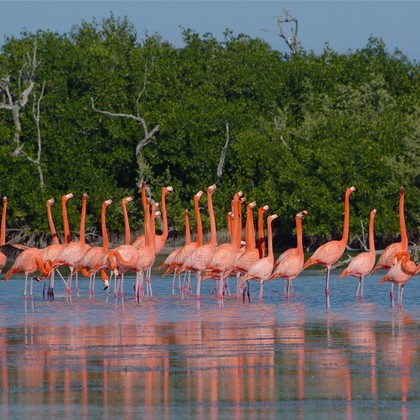
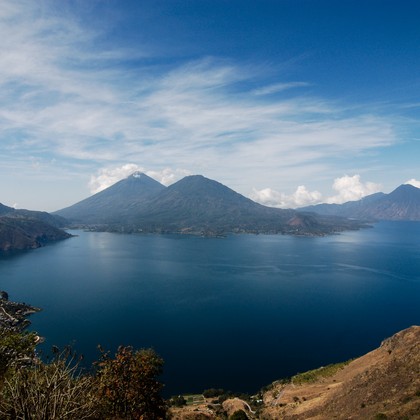
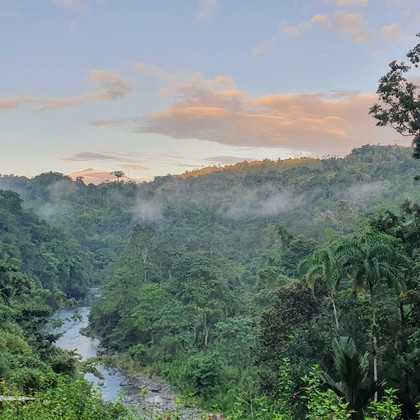
Where the bird is most at home, classified by the vegetation units of Mexico and Central America.


Range and movements
In the guide area only in Panama: mainly along the Pacific coast of Panamá Province and in Darién, also around Lake Bayano and locally on the Caribbean side in Colón Province. West of the Panama Canal scarce, with scattered records to Coclé and Chiriquí. Outside the guide area through almost all of South America east of the Andes, to southern Argentina and Chile.
- Resident
- dark = core range, pale = thinly spread
How and when to look
At low tide along the mudflats of the Bay of Panama, such as at Costa del Este and Panamá Viejo on the edge of Panama City, and in the marshes around Tocumen. Any large grey heron in Panama deserves a check of crown, neck and belly sides to separate Cocoi Heron from Great Blue Heron.
Conservation status
Not threatened. The species has a very large range in South America. In the guide area it is few in number and depends on the coastal wetlands of the Bay of Panama, which are under pressure from the growth of Panama City.
Scientific name
Ardea cocoi | Linnaeus, 1766
Linnaeus described the species in 1766 and placed it straight away in the genus where it still stands. The genus Ardea was introduced in 1758 by Linnaeus. Ardea is the Latin word for 'heron'. cocoi derives from an Amerindian name from Cayenne, Cocoi or Cuca, for this heron; its exact origin is uncertain. The specimen the first description was based on came from Cayenne, French Guiana.