All species › Passerines › Tyrant flycatchers and allies › Ash-throated Flycatcher
Position in the tree Birds Aves › Birds with a flexible palate Neognathae › All other modern birds Neoaves › Landbirds Telluraves › Falcons, parrots and passerines Australaves › Falcons and passerines Eufalconimorphae › Parrots and passerines Psittacopasserae
Ash-throated Flycatcher | Myiarchus cinerascens
Grijskeeltiran | Papamoscas cenizo
The Ash-throated Flycatcher is the palest Myiarchus flycatcher of the guide area, a bird of desert, scrub and open woodland in northern and western Mexico. Part of the population breeds in the western United States and winters in Mexico and northern Central America.
Voice
A dry, rolling prrt and a two-syllabled ka-brick; in the breeding season repeated rolling calls.
Recording: Paul Driver — CC BY-NC-SA 4.0 · converted to mono · xeno-canto
Identification
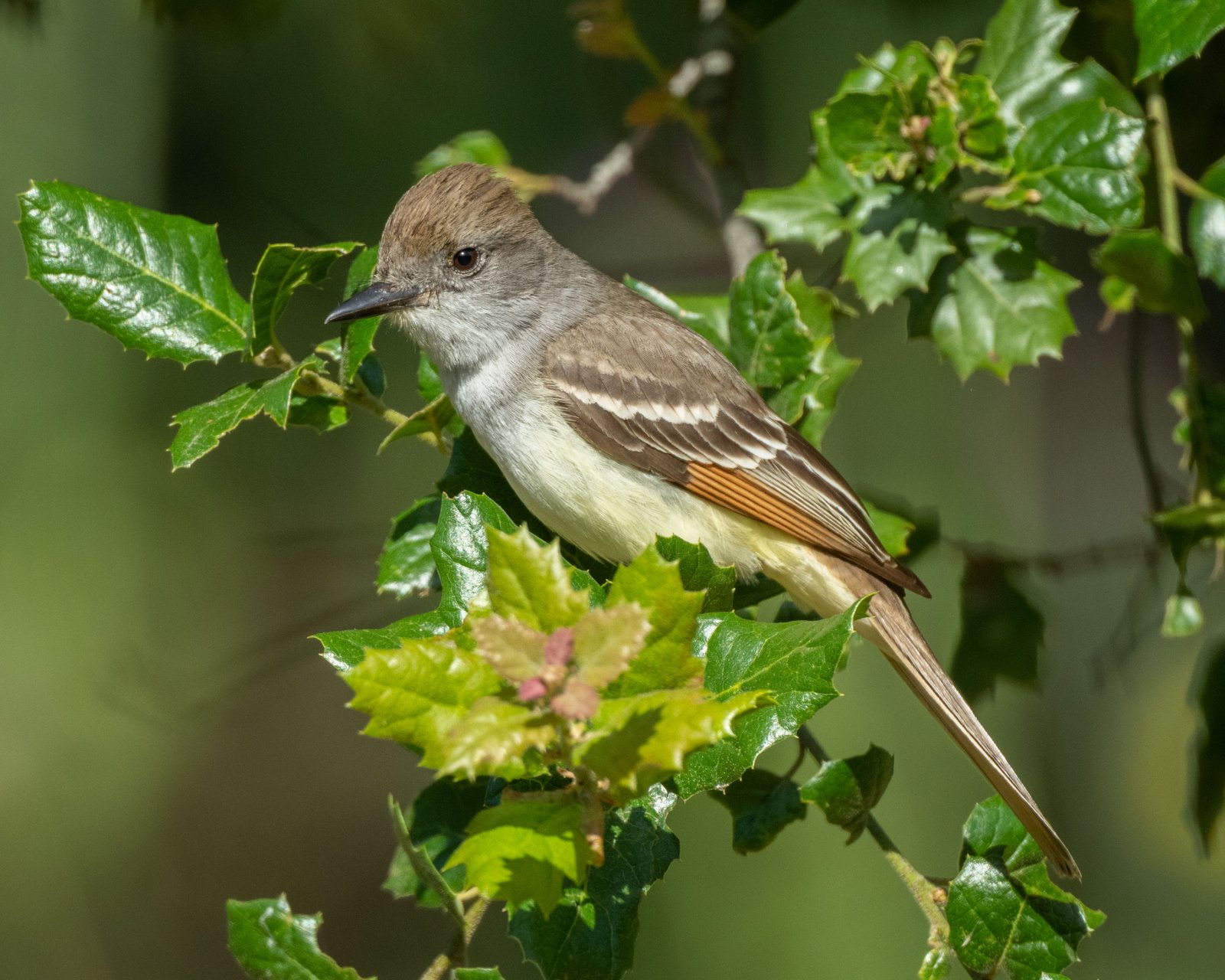
19–21 cm. Upperparts greyish-brown, crown slightly browner and slightly bushy. Wings dark with two pale wing-bars and rufous edges to the primaries. Tail with rufous inner webs; at the tip of the outer feathers the dark extends across both webs. Throat and breast very pale grey, belly pale yellow. Bill fairly short and black. Male and female are alike.
Confusion species
Nutting's Flycatcher Myiarchus nuttingi is very similar, slightly smaller and yellower below, has an orange rather than flesh-coloured mouth lining and the rufous in the tail reaches the tip; the call differs. Brown-crested Flycatcher Myiarchus tyrannulus is larger, with a heavier bill and a yellower belly. Dusky-capped Flycatcher Myiarchus tuberculifer is smaller, with a dark cap.
Habitat
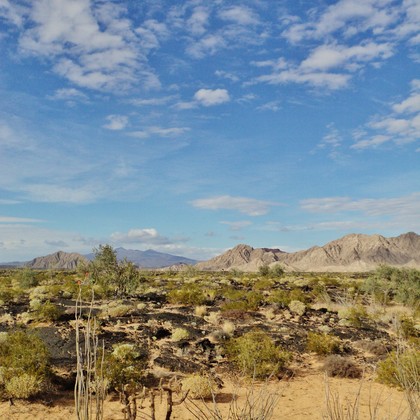
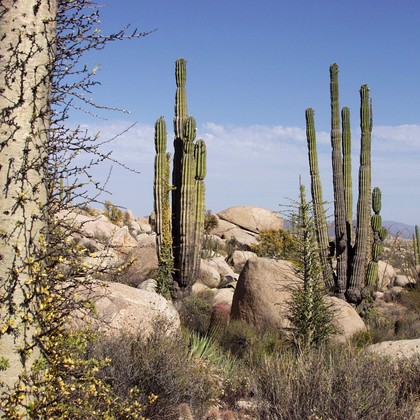
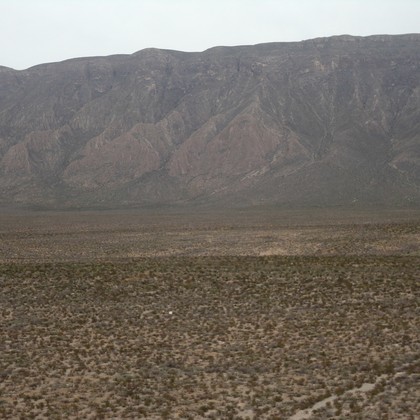
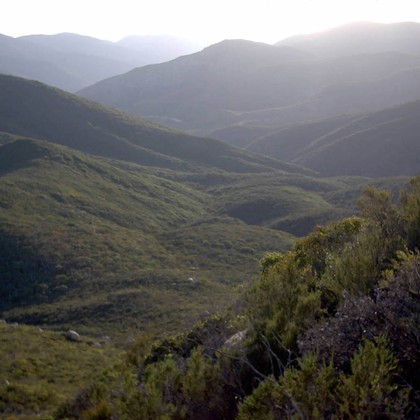
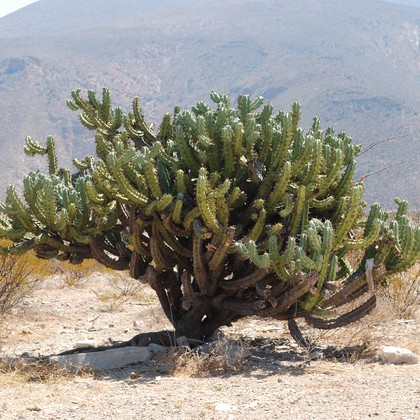
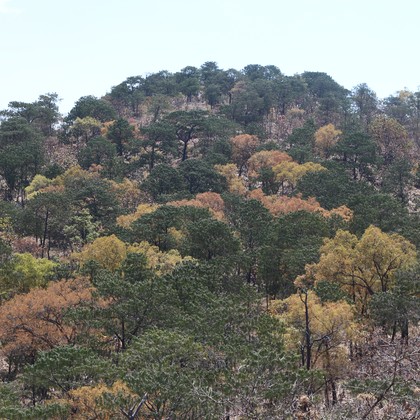
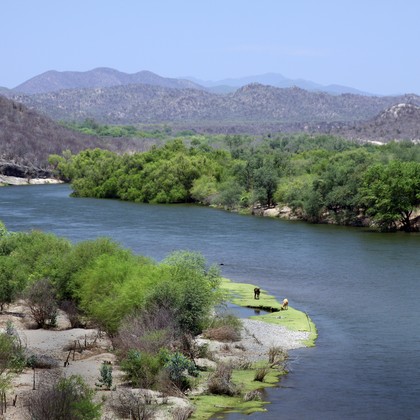
Desert with cacti and shrubs, thorn scrub, chaparral, open oak and juniper woodland and riparian woodland in arid regions; in winter also dry forest and scrub in the lowlands. It sallies for insects from a perch and also eats small fruits. It nests in a cavity in a tree or cactus, sometimes in a nest box or post.
Where the bird is most at home, classified by the vegetation units of Mexico and Central America.
Range and movements
Breeds in Baja California, north-western Mexico and on the northern plateau. In winter spread across western and southern Mexico, with smaller numbers reaching northern Central America. Outside the guide area a breeding bird in the western United States.
- Resident
- Summer visitor (c. Apr–Sep)
- Winter visitor (c. Oct–Mar)
- dark = core range, pale = thinly spread
How and when to look
In desert and dry scrub of northern Mexico this is often the only Myiarchus. In the south it overlaps in winter with Nutting's Flycatcher; there the call and mouth-lining colour are the most reliable features.
Conservation status
Not threatened. Widespread and common in dry, open country.
Scientific name
Myiarchus cinerascens | (Lawrence, 1851)
Lawrence described the species in 1851 as Tyrannula cinerascens; because it was later moved to another genus, the author and year stand in brackets. The genus Myiarchus was introduced in 1844 by Cabanis. Myiarchus is Greek, from muia 'fly' and arkhos 'ruler': 'fly-ruler'. cinerascens is Latin for 'becoming ash-grey, greyish', after the pale grey throat and breast. The specimen the first description was based on came from western Texas, United States.