All species › Passerines › Tyrant flycatchers and allies › American Grey Flycatcher
Position in the tree Birds Aves › Birds with a flexible palate Neognathae › All other modern birds Neoaves › Landbirds Telluraves › Falcons, parrots and passerines Australaves › Falcons and passerines Eufalconimorphae › Parrots and passerines Psittacopasserae
American Grey Flycatcher | Empidonax wrightii
Alsemfeetiran | Mosquero gris
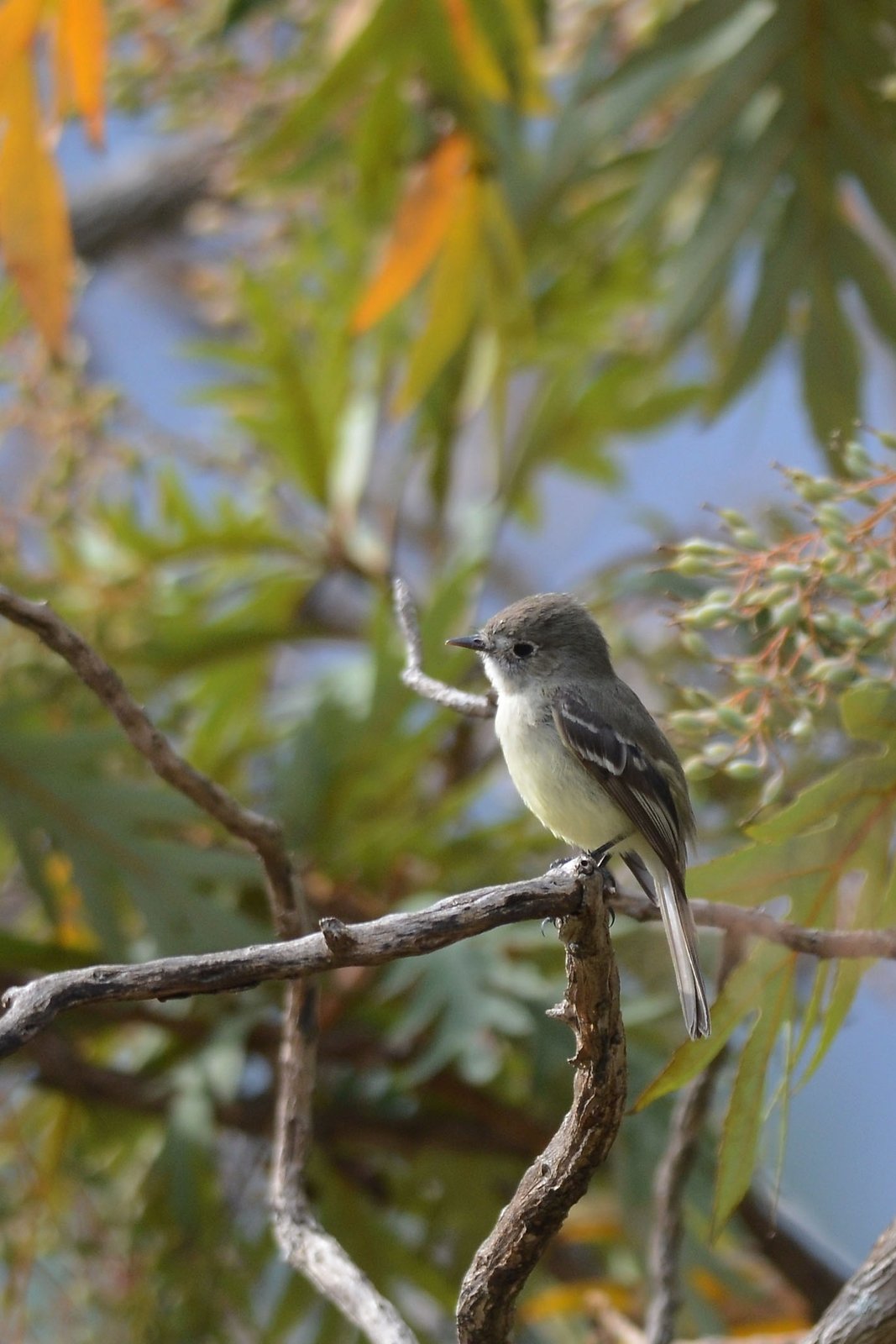
The American Grey Flycatcher is the palest and greyest of the Empidonax flycatchers. It breeds in sagebrush and open juniper and pine woodland in the interior of the western United States and winters in dry, open country in north-western and central Mexico. A good feature is the way it dips its tail slowly downwards, like a phoebe.
Voice
The call is a dry whit, similar to that of American Dusky Flycatcher. The song, a simple, forceful chuwip alternating with softer notes, is heard only occasionally in the guide area in spring.
Recording: Manuel Grosselet — CC BY-NC-SA 4.0 · converted to mono · xeno-canto
Identification
14–15 cm, with a fairly long tail and a long, narrow bill. The lower mandible is pale with a sharply defined dark tip. Upperparts pale grey, with a faint olive tinge in fresh plumage; underparts greyish white, the belly sometimes tinged pale yellow. A narrow, faint white eye-ring. Two pale grey to whitish wing-bars. Male and female are alike.
Confusion species
American Dusky Flycatcher Empidonax oberholseri is slightly more olive, with a shorter bill lacking a sharply defined dark tip, and flicks its tail up rather than slowly lowering it. Hammond's Flycatcher Empidonax hammondii is darker, with a small dark bill and long wings. Least Flycatcher Empidonax minimus is smaller, with a shorter bill and a bold white eye-ring.
Habitat
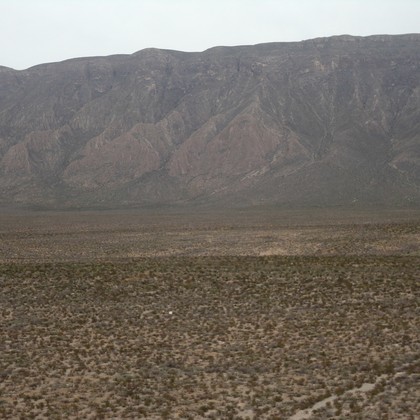
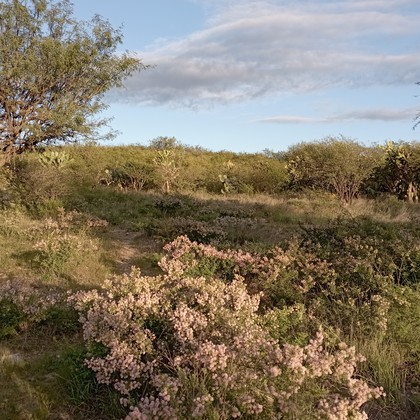
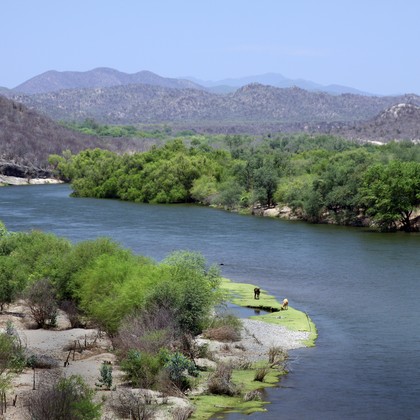
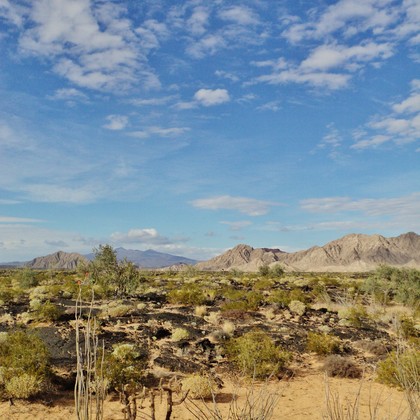
In winter in dry, open country with shrubs and low trees: mesquite, thorn scrub, brushy grassland, open oak woodland and riparian growth in arid regions, from sea level to the plateaus. It catches insects from a low perch and often feeds on or just above the ground. It does not breed in the guide area.
Where the bird is most at home, classified by the vegetation units of Mexico and Central America.


Range and movements
Breeds in the western United States and southern Canada, mainly in the Great Basin and adjacent uplands. Winters from southern Arizona through north-western and central Mexico, including the southern Baja California peninsula.
- Winter visitor (c. Oct–Mar)
- dark = core range, pale = thinly spread
How and when to look
In winter one of the commoner Empidonax flycatchers in the dry scrub of north-western Mexico. A flycatcher sitting low in a bush and repeatedly lowering its tail slowly is probably this species.
Conservation status
Not threatened. Common in its breeding range and a regular winter visitor to north-western Mexico.
Scientific name
Empidonax wrightii | Baird, 1858
Baird described the species in 1858 and placed it straight away in the genus where it still stands. The genus Empidonax was introduced in 1855 by Cabanis. Empidonax is Greek, from empis 'gnat' and anax 'master': 'gnat-king', after its insect hunting. wrightii honours the American botanist Charles Wright (1811–1885), who collected in Texas and the US Southwest. The specimen the first description was based on came from El Paso, Texas.