All species › Birds of prey › Hawks, eagles and kites
Hawks, eagles and kites | Accipitridae
Havikachtigen | Águilas, milanos y afines
All members share the same equipment: a hooked bill without the tooth falcons carry in the cutting edge, a powerful four-toed foot with sharp talons for holding prey or carrion, and broad wings with spread primary tips for gaining height on thermals, the tail serving as a rudder. They build a stick nest or take over someone else's, and lay small clutches of one to a few eggs, incubated mainly by the female while the male brings in the food. The eggs hatch one after another, so the young differ in size; they are fed on torn-off scraps and do not fledge for weeks. After that they wear a distinct juvenile plumage for one or more years, which makes putting a name to a bird harder in this family than in most other groups.
Native species 29 species
Species that occur here by nature: breeding birds, winter visitors and passage migrants. They are arranged by genus, in the sequence of the list.
White-tailed kites | Elaninae
1 species
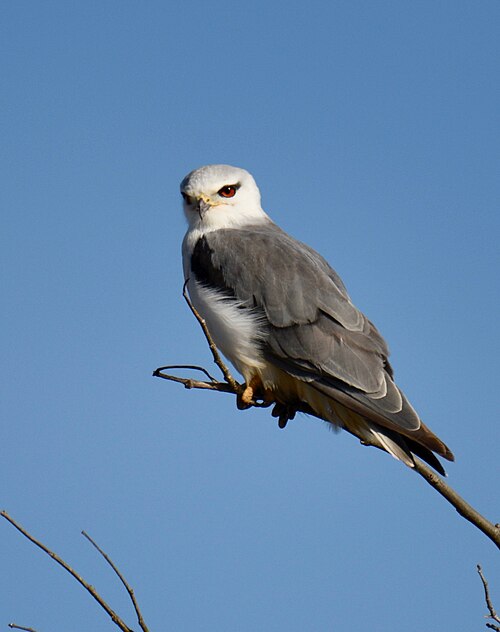
Small and lightly built, with a short hooked bill and rather small feet: this group hunts mice and large insects in open, warm country. The plumage is ash-grey above and white on the head and underparts, with a black shoulder patch and a deep red iris — a combination found nowhere else among the hawks and eagles. The wings are pointed and the flight soft and buoyant, more gull than buzzard; most striking is the hovering, the bird holding one spot on quick wingbeats with its legs dangling before dropping onto its prey. They hunt readily at dusk, spend the day on posts and wires, and build a small stick nest low in a thorn bush or a tree.
Bearded and Egyptian vultures | Gypaetinae
2 species
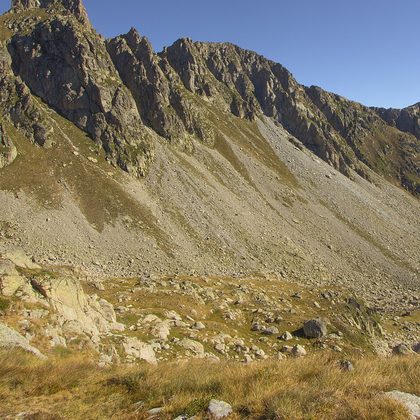
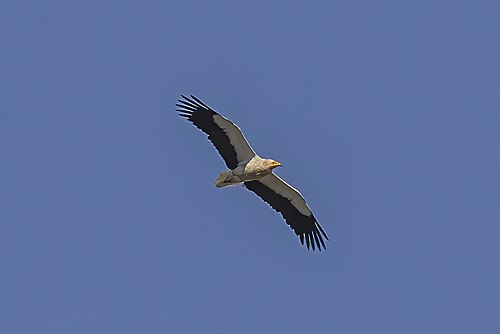
Carrion-eaters of a different stamp from the big vultures: the head is feathered, or bare only around the face, and the bill is too light to tear open a thick hide. They come late to a carcass, then, and take what the others leave — meat from small corpses, bones, refuse around villages — and they are resourceful, one dropping bones from a height onto rock to get at the marrow, the other throwing a stone to break a large egg. The flight is light and agile, on narrow wings with a long wedge-shaped tail, quite unlike the broad plank of the true vultures. They sail along mountain walls and nest on a ledge or in a cave, the pair staying together for years.
Gypaetus 1 species


Neophron 1 species
Honey buzzards | Perninae
1 species
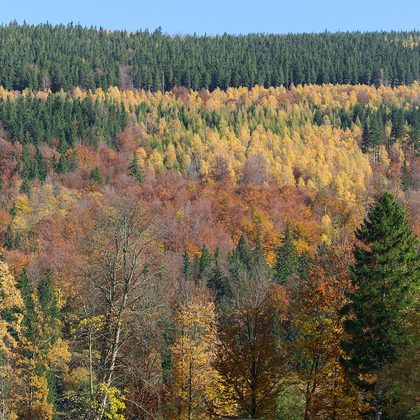
A group that does not seize its food but digs it up: the feet rake a wasp nest out of the ground, after which the combs are plucked apart for the grubs. The head is built for the work — small and narrow, with stiff scale-like feathers between eye and bill that turn stings aside, a slit-shaped nostril and a slender bill — and the claws are shorter and less curved than in birds that must hold living prey. In flight the long, broadly banded tail catches the eye, along with the slim neck and small pigeon-like head, and the habit of soaring on flat wings. They walk a great deal on the ground, arrive late in spring and line the nest with fresh green sprays.

Snake eagles | Circaetinae
1 species
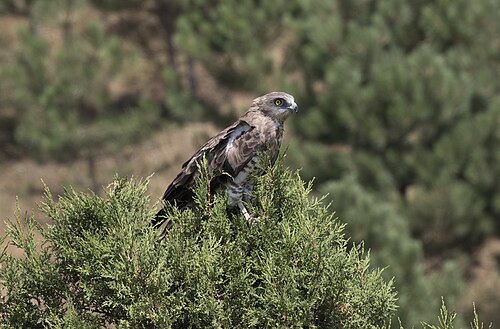
These eagles live almost entirely on reptiles, and everything about them is fitted to that. The head is large and round with an owl-like look and big yellow eyes set well forward, so the bird keeps the target in sharp view all the way down. The legs are unfeathered and covered in thick, hard scales that turn a bite, and the toes are short and strong for pinning a writhing body against the ground. In the field the silhouette is unmistakable: a large bird, almost white below with a dark hood, that hangs for long spells over one spot on broad wings, hovering while it searches the ground. A single egg is laid, in a small stick nest at the top of a tree.
Circaetus 1 species
Old World vultures | Aegypiinae
3 species
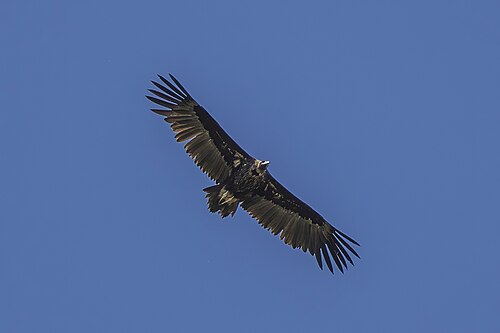
The largest sailplanes in the family, and the only members that live wholly on dead animals. Head and neck are bare or covered in short down, so they stay clean when the bird reaches deep into a carcass; at the base of the neck stands a ruff of feathers into which the head is drawn back. The bill is heavy and hooked for pulling a hide open, but the feet are weak, with blunt claws: they can carry nothing away. The wings are broad as planks with long spread fingers at the tip, and the bird hangs for hours on thermals without a beat, one eye on the ground and one on its neighbours. They gather in numbers at a carcass and breed in colonies on cliff ledges, one egg a year.
Gyps 2 species
-

Griffon Vulture
Gyps fulvus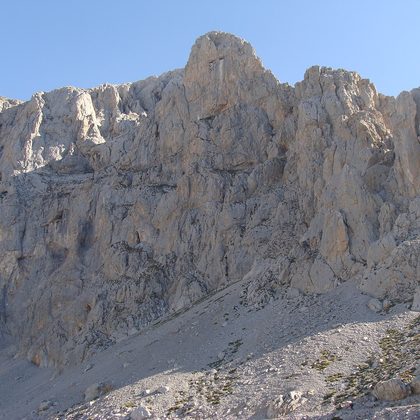 Inland cliffs, rock pavements and outcrops
 Sparsely wooded grasslands
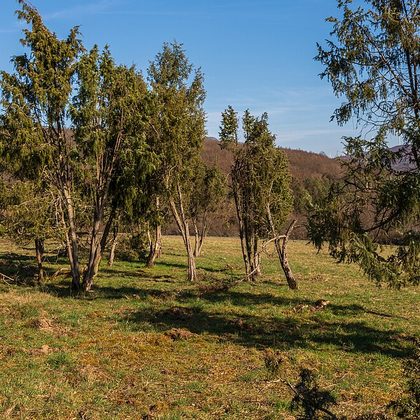 Dry grasslands
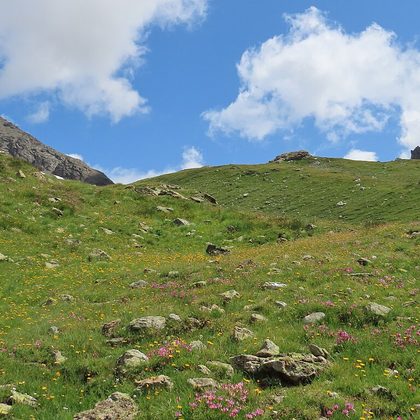 Alpine and subalpine grasslands
-
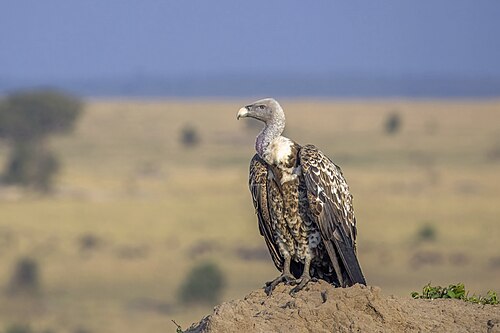
Rueppell's Griffon
Gyps rueppelli- Inland cliffs, rock pavements and outcrops
- Dry grasslands
- Sparsely wooded grasslands
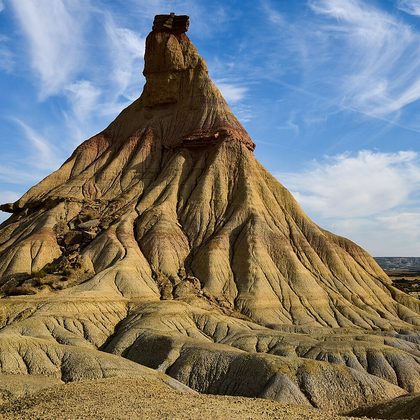 Miscellaneous inland habitats with sparse or no vegetation
Booted eagles | Aquilinae
8 species
What holds this group together shows on the leg: the tarsus is feathered right down to the toes, a pair of trousers no other subgroup in the family wears. The foot is heavy, with thick toes and long talons for pinning a hare, a marmot or a bird to the ground, and the bill is large and deep. They hunt while soaring at height or from a lookout perch, dropping in a long slanting dive; in flight the eye catches the broad wing with deeply spread fingers, often held in a shallow V, and a head that projects well forward. The nest is a heavy pile of sticks on a cliff ledge or in a tall tree, used year after year and growing all the time.
Clanga 2 species
-
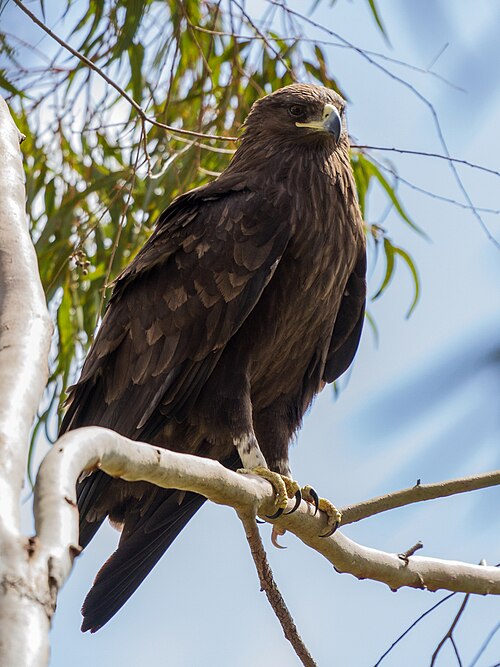
Greater Spotted Eagle
Clanga clanga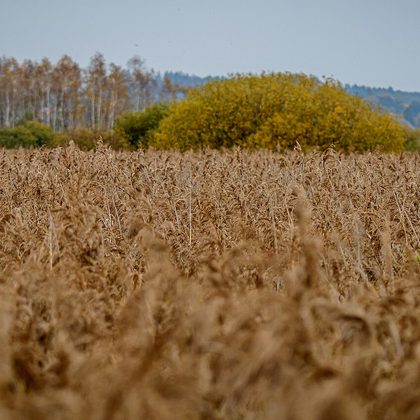 Sedge and reedbeds without free-standing water
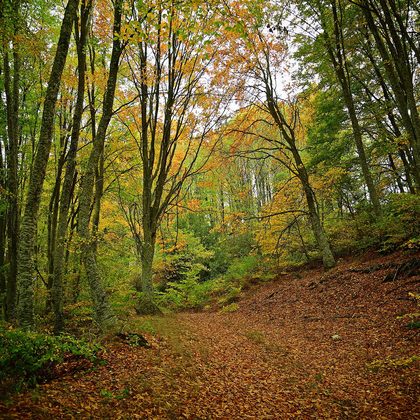 Broadleaved deciduous woodland
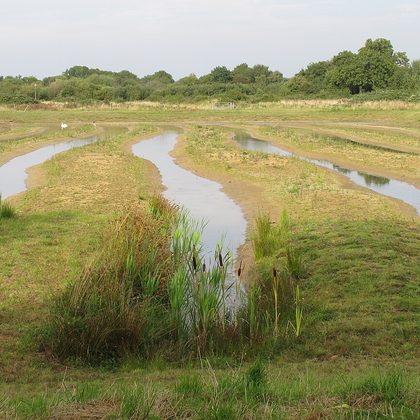 Seasonally wet and wet grasslands
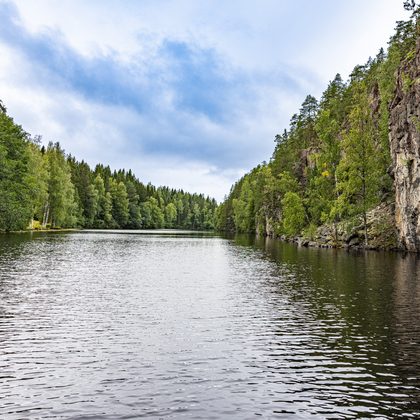 Surface standing waters
 Littoral zone of inland surface waterbodies
-
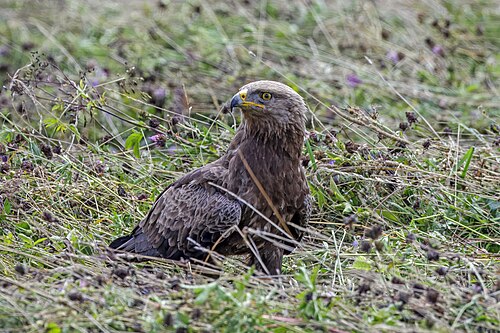
Lesser Spotted Eagle
Clanga pomarina- Seasonally wet and wet grasslands
- Broadleaved deciduous woodland
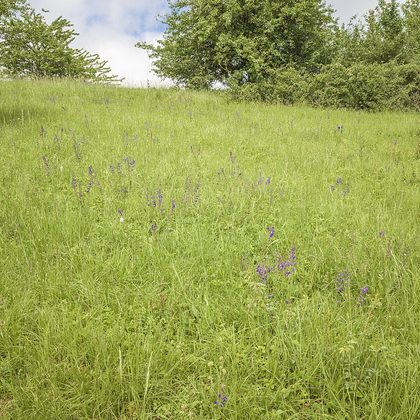 Mesic grasslands
 Arable land and market gardens
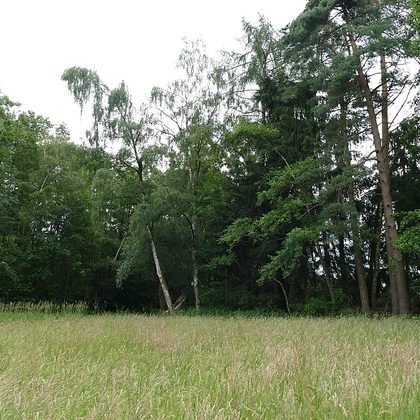 Woodland fringes, clearings and tall forb stands
Hieraaetus 1 species

Aquila 5 species
-

Steppe Eagle
Aquila nipalensis- Dry grasslands
- Miscellaneous inland habitats with sparse or no vegetation
- Arable land and market gardens
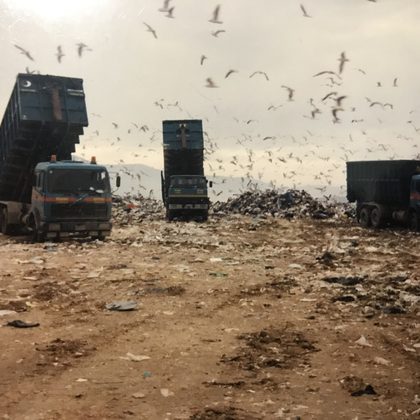 Waste deposits
-
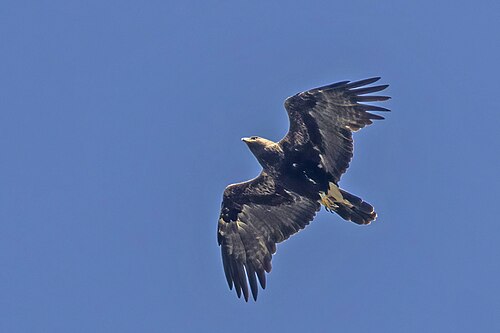
Imperial Eagle
Aquila heliaca- Dry grasslands
- Arable land and market gardens
- Woodland fringes, clearings and tall forb stands
- Broadleaved deciduous woodland
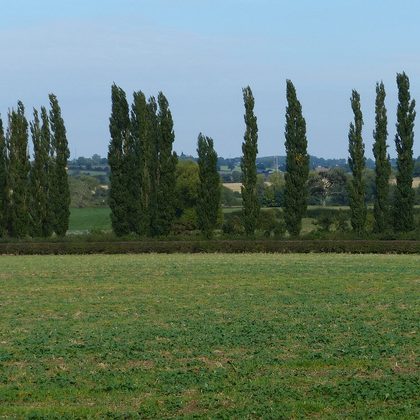 Lines of trees, small woods, felled and early-stage woodland
-
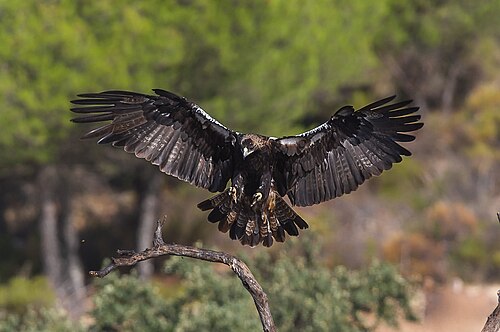
Spanish Eagle
Aquila adalberti- Sparsely wooded grasslands
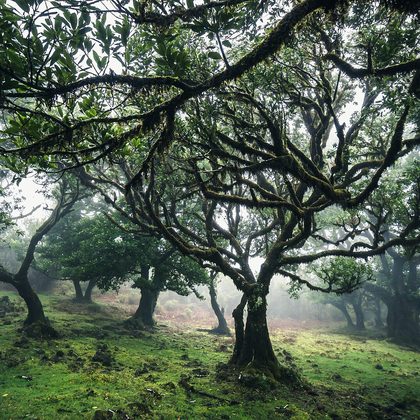 Broadleaved evergreen woodland
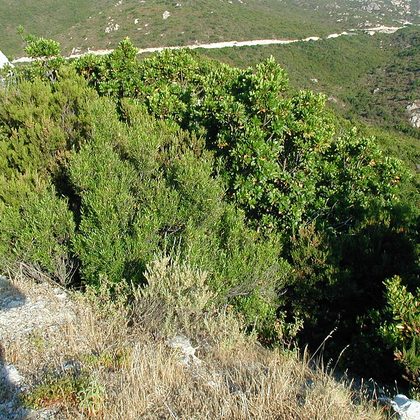 Maquis, arborescent matorral and thermo-Mediterranean brush
- Dry grasslands
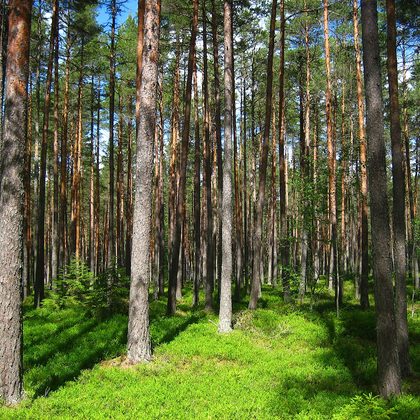 Coniferous woodland
-

Golden Eagle
Aquila chrysaetos- Inland cliffs, rock pavements and outcrops
- Alpine and subalpine grasslands
- Dry grasslands
- Coniferous woodland
- Sparsely wooded grasslands
-

Bonelli's Eagle
Aquila fasciata- Inland cliffs, rock pavements and outcrops
- Maquis, arborescent matorral and thermo-Mediterranean brush
- Dry grasslands
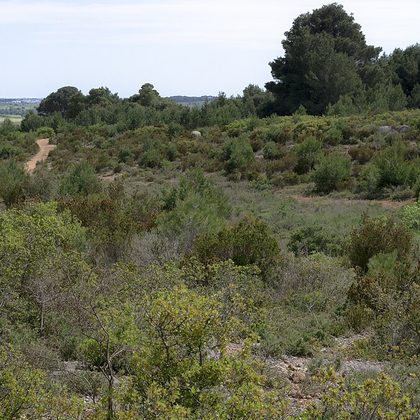 Garrigue
- Sparsely wooded grasslands
Hawks and harriers | Accipitrinae
7 species
Surprise hunters that take their prey low down and close by rather than from a height. The legs are strikingly long and thin and the toes slender with needle-sharp claws, with which a bird or a mouse is snatched straight through leaves or grass. The female is much larger than the male — in this group the difference is the greatest in the whole family, running to nearly double the weight. Two flight silhouettes occur: short rounded wings with a long tail, for threading between trunks in a flight of a few beats and a glide, and long narrow wings for quartering low and buoyantly over open country, held in a shallow V. They build their own nest each year, high in a tree or else on the ground.


Accipiter 1 species

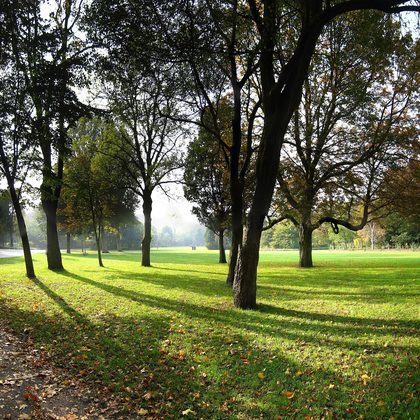

Circus 4 species
-
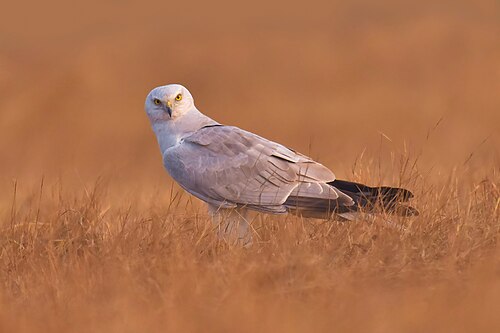
Pallid Harrier
Circus macrourus- Dry grasslands
- Arable land and market gardens
- Mesic grasslands
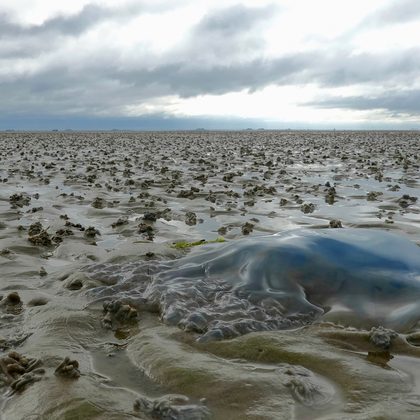 Littoral sediment
-
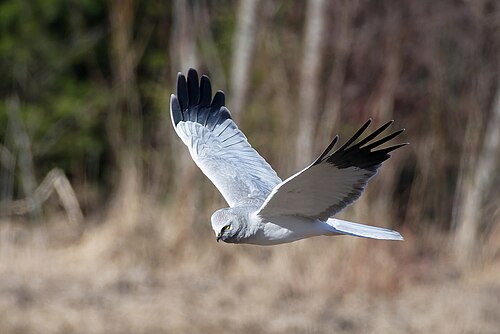
Hen Harrier
Circus cyaneus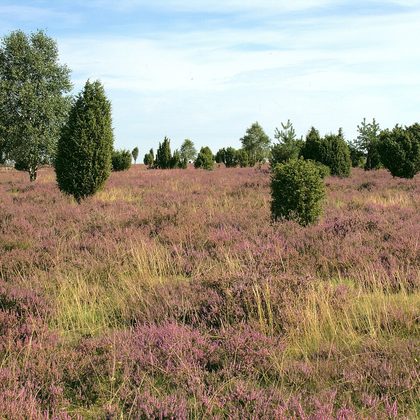 Temperate shrub heathland
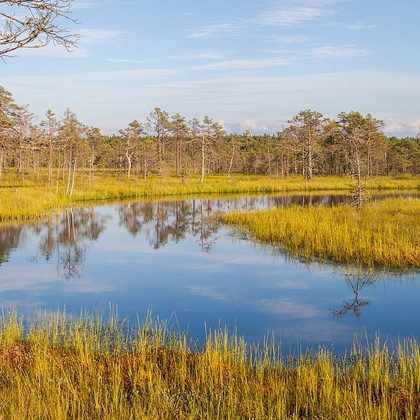 Raised and blanket bogs
- Arable land and market gardens
- Mesic grasslands
- Sedge and reedbeds without free-standing water
- Littoral sediment
-
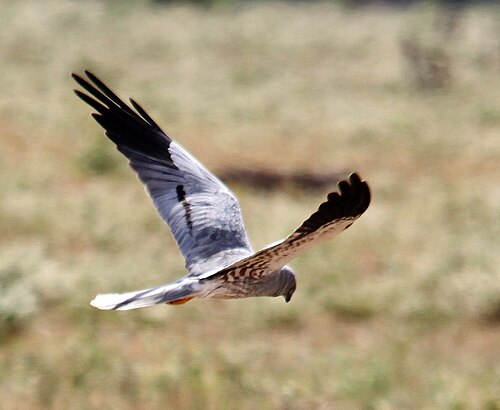
Montagu's Harrier
Circus pygargus- Arable land and market gardens
- Dry grasslands
- Woodland fringes, clearings and tall forb stands
-

Western Marsh Harrier
Circus aeruginosus- Sedge and reedbeds without free-standing water
- Littoral zone of inland surface waterbodies
- Arable land and market gardens
- Seasonally wet and wet grasslands
Kites, sea eagles and buzzards | Buteoninae
6 species
In this group the tarsus is bare and scaled, not feathered as in the eagles. They are the opportunists of the family, taking whatever is at hand — voles, frogs, young birds, worms, fish lifted from the surface of the water, an animal killed on the road — they will not pass up carrion, and readily rob one another. The wings are broad and these are sailing birds, circling for hours or searching low over open country; the tail is either short and spread like a fan, or long and forked and then twisted like a rudder. Much of the hunting is done by watching from a post or a bare branch. The nest sits in a tree or on a rock face and is often dressed up with rags, paper and plastic.
Milvus 2 species
-
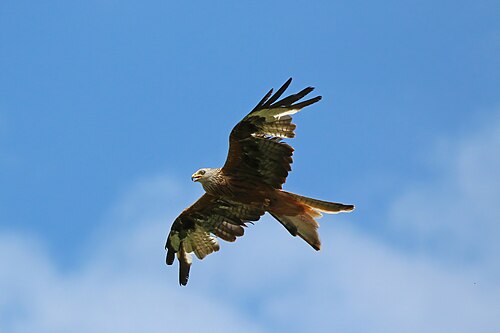
Red Kite
Milvus milvus- Arable land and market gardens
- Mesic grasslands
- Lines of trees, small woods, felled and early-stage woodland
- Broadleaved deciduous woodland
- Sparsely wooded grasslands
-

Black Kite
Milvus migrans Surface running waters
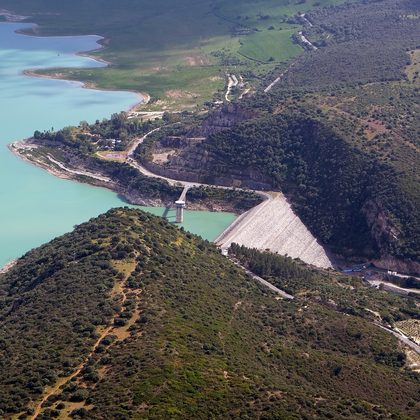 Highly artificial man-made waters
- Arable land and market gardens
- Waste deposits
- Broadleaved deciduous woodland
Haliaeetus 1 species

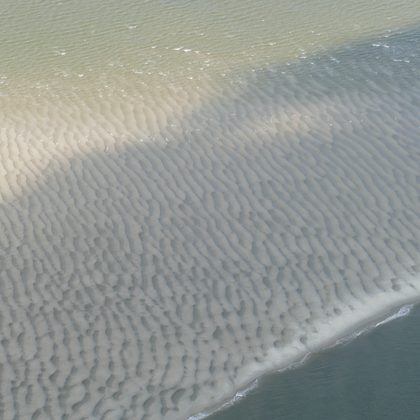
Buteo 3 species
-
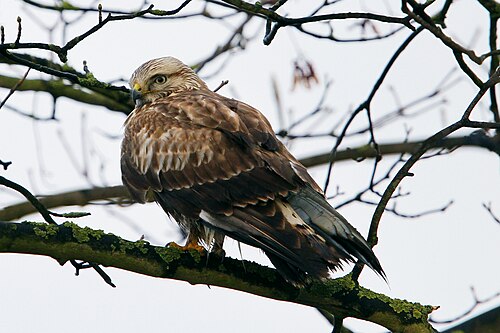
Rough-Legged Hawk
Buteo lagopus- Arable land and market gardens
- Mesic grasslands
- Littoral sediment
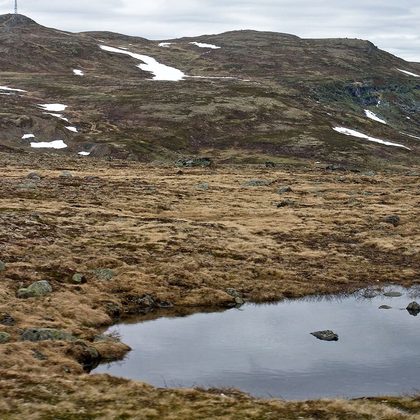 Tundra
-
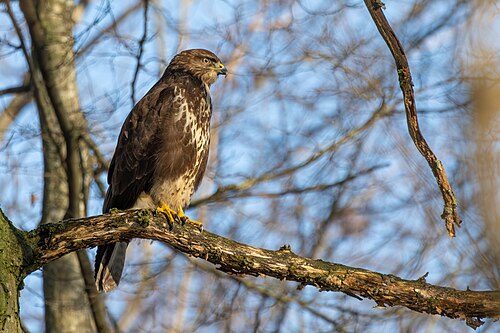
Common Buzzard
Buteo buteo- Arable land and market gardens
- Mesic grasslands
- Lines of trees, small woods, felled and early-stage woodland
- Broadleaved deciduous woodland
-

Long-Legged Buzzard
Buteo rufinus- Dry grasslands
- Inland cliffs, rock pavements and outcrops
- Arable land and market gardens
- Miscellaneous inland habitats with sparse or no vegetation
- Garrigue
Vagrants 1 species
Birds blown in from other continents. They have no range here, and so no distribution map.
