All species › Carnivores › True seals › Ringed seal
Ringed seal | Pusa hispida
Ringelrob | Foca ocelada
The Ringed Seal is the smallest seal in Europe and depends on sea ice for breeding: it keeps a breathing hole open in the ice with its claws, and above it the female digs a lair in the snow in which the pup is raised. Where the ice disappears, the species disappears; in the Baltic it is therefore regarded as an indicator of the effects of milder winters.
Tracks
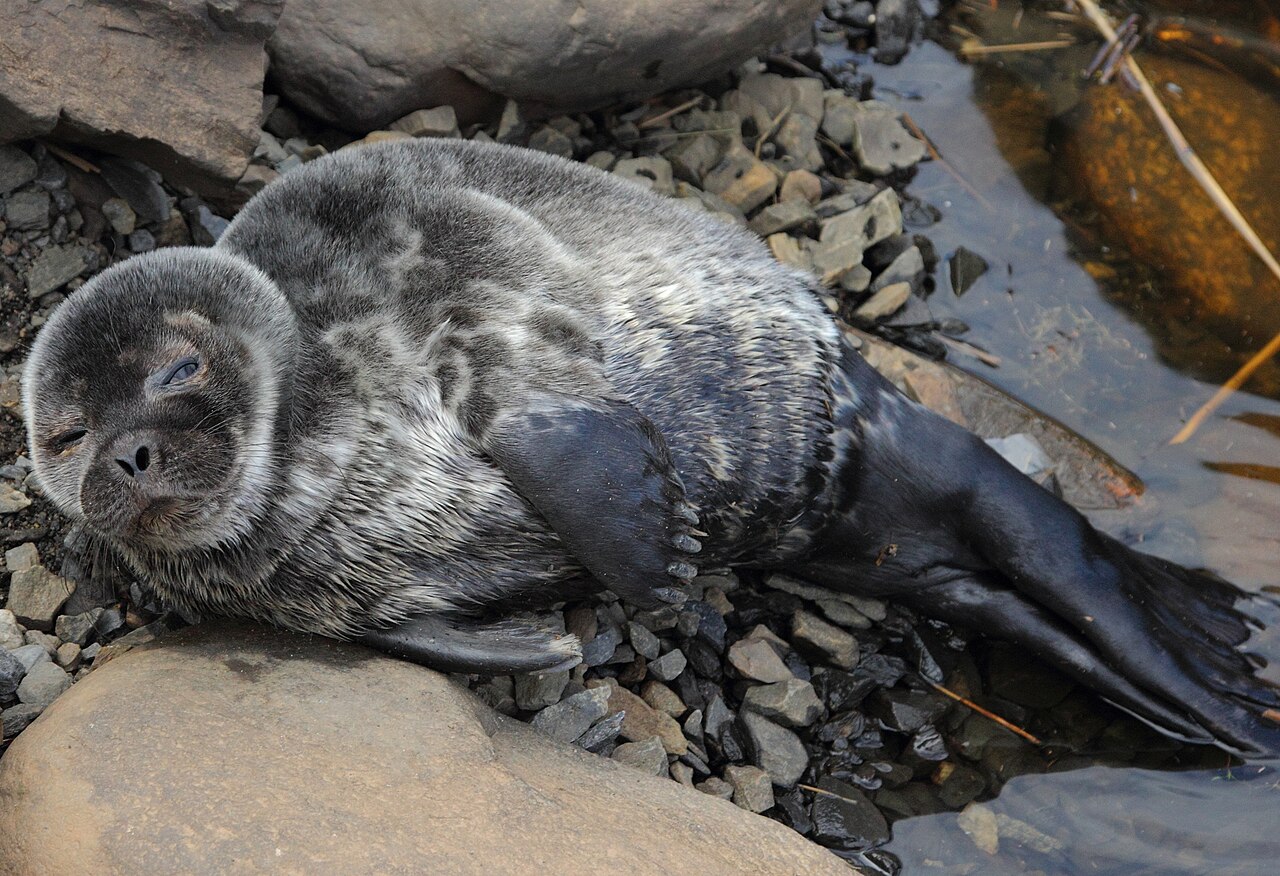
The Ringed Seal leaves signs mainly in ice and snow. On fast ice it keeps a breathing hole open with the claws of its fore flippers through ice up to one and a half metres thick; from above, in late spring, this is a round, refrozen opening 20 to 30 cm across with a collar of ice granules and sometimes claw scratches. Where snow has drifted over the ice, the female digs a snow lair above such a hole: a hollow chamber 1 to 2 m long, visible from outside only as an inconspicuous bulge in a snow ridge, in which the pup lies for its first weeks out of sight of Polar Bears and Arctic Foxes. Where the roof has collapsed or been broken open, the hollow with the hole in its floor is visible, and usually also signs of the predator that found the lair: prints of Arctic Fox or Polar Bear and a ring of blood and fur. On ice floes and coastal boulders it hauls out to rest, and there it leaves a drag groove like any seal, but narrow — barely 25 cm — and often ending in a worn hollow close to the ice edge.
In its habitat
Identification
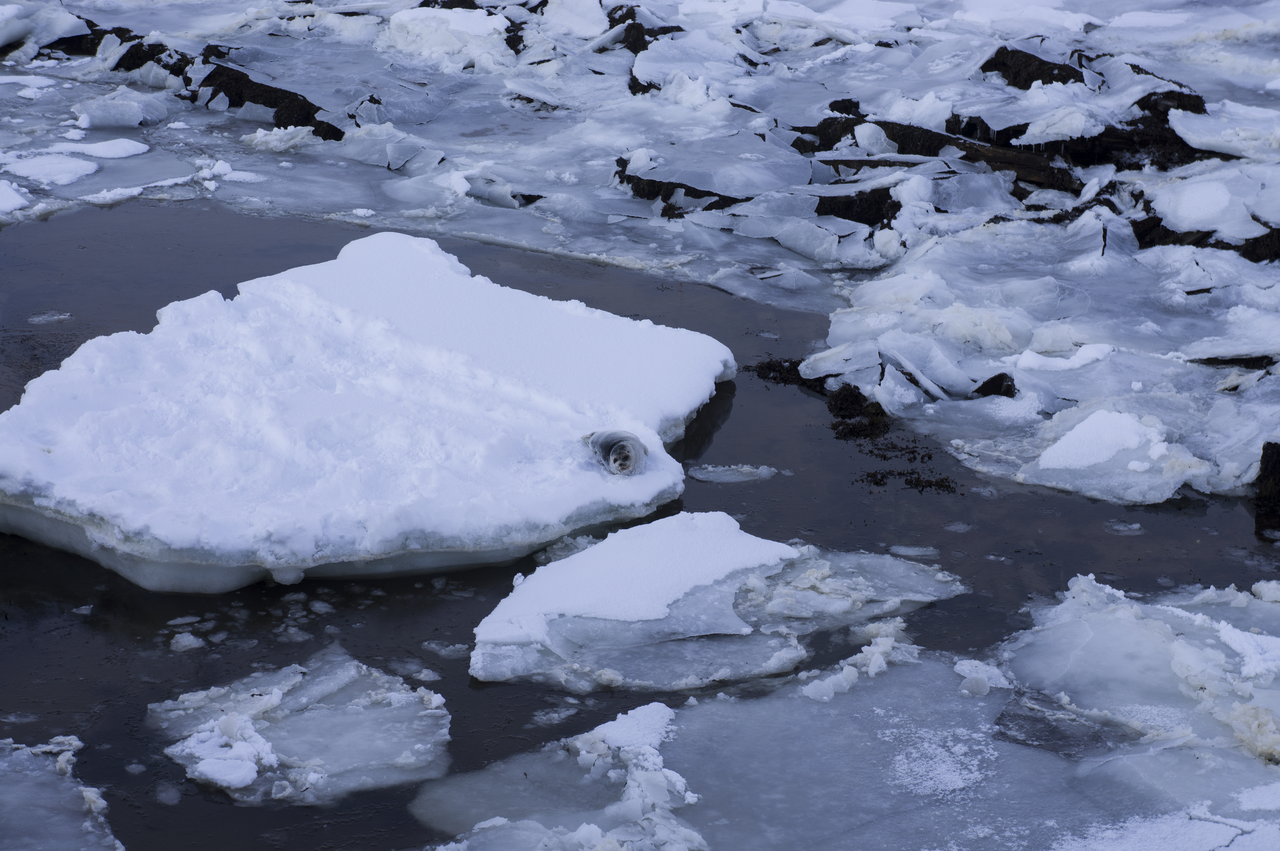
Small, plump and short-necked, with a small head and a very short, steep muzzle, shorter and steeper than in the Harbour Seal. The back is dark grey to almost black and carries the character that gives the species its name: pale, more or less round rings with a dark centre, scattered over back and flanks, which on the silvery grey belly break up into loose spots or are absent. In old animals the rings may merge into marbling. The fore flippers are short and carry heavy, curved claws over 2 cm long, with which it keeps the breathing hole open. The whiskers are pale and wavy. A newborn pup is entirely white and woolly.
Similar species
In the Baltic it occurs together with the Harbour Seal and the Grey Seal, and can be separated from both by size and pattern: the Ringed Seal is clearly smaller, with a shorter, steeper muzzle, and has pale rings on a dark ground, whereas the Harbour Seal has dark spots on a pale ground. In the water size difference is unreliable; look at the head, which in the Ringed Seal is round and small with a very short muzzle. The Saimaa Ringed Seal, which lives in a single lake in Finland, cannot be distinguished from it in the field and is identified by locality alone: in Lake Saimaa every seal is a Saimaa Ringed Seal, at sea never. In the high Arctic there are also the Bearded Seal — two to three times as heavy, with a small head on a very large body and a dense tuft of white whiskers — and the Harp Seal, with sharply defined black markings and a black head.
Habitat
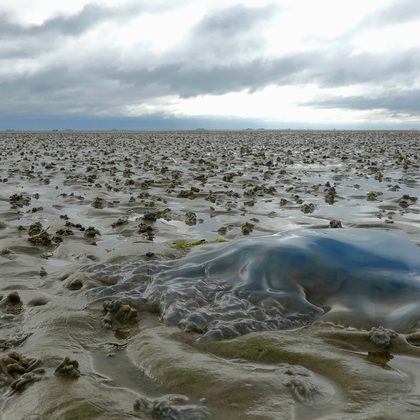
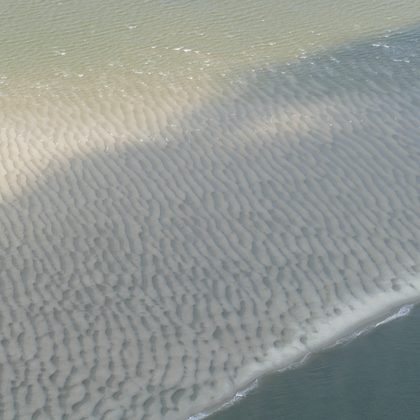
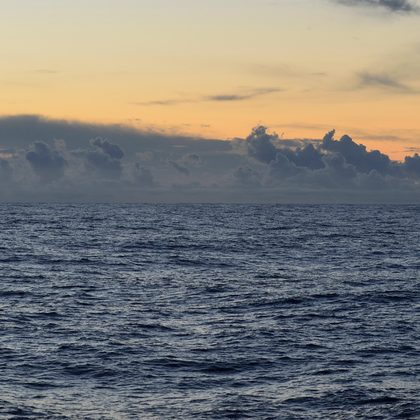
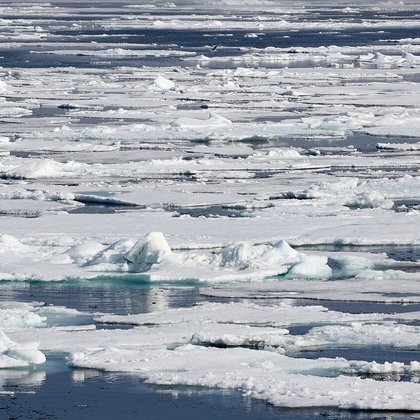
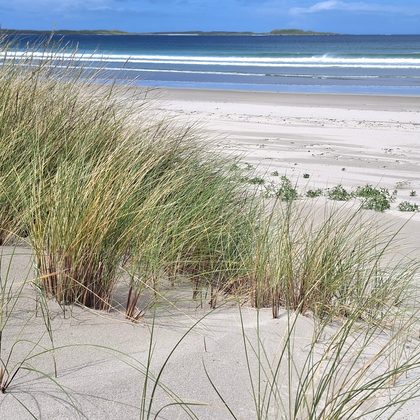
Sea ice and its surroundings: fast ice along the coast, drift ice, ice edges and leads, and in summer open water over the shallow continental shelf, with haul-outs on ice floes, rocks and boulder beaches. In the Baltic it winters on the fast ice of the Gulf of Bothnia, the Gulf of Finland and the Gulf of Riga. It feeds mainly on small schooling fish and crustaceans — herring, smelt, polar cod and mysid shrimps — caught in the upper tens of metres.
Where the animal is most at home, classified with EUNIS — the European standard for habitats.

Distribution
Circumpolar throughout the Arctic Ocean, from Svalbard and the Barents Sea to Alaska and Canada, with isolated populations in the Baltic (botnica) and in Lake Ladoga (ladogensis). Within the guide area it is most numerous in the northern Baltic: the Gulf of Bothnia holds the largest population, with a few hundred animals in the Gulf of Finland and the Gulf of Riga. It also occurs in northern Norway and on Svalbard, where it is the commonest seal and the main prey of the Polar Bear. Further south it is a vagrant: a few records are known from Britain and Ireland, most from Shetland and the Northern Isles; no records are known from the Iberian Peninsula.
- Native
- dark = core range, pale = thinly spread
Way of life
Solitary and not very social, except during the moult; on the ice the animals lie far apart, each at its own hole. It dives to a few tens of metres and usually stays under for five to ten minutes. The female gives birth to a single pup in March or April in the snow lair; at birth the pup has a white, woolly lanugo coat, weighs four to five kilos and is suckled for five to seven weeks, longer than in the other northern seals, possibly because the lair allows the mother to hunt in between. Mating takes place in the water shortly after weaning; in June and July the animals moult and spend long periods hauled out on the ice. It lives 25 to 30 years, exceptionally longer.
Where and when to look
In March and April on the fast ice of the Gulf of Bothnia, from a tourist icebreaker cruise or from the coast at Oulu, Kemi or Luleå: the animals then lie beside their holes and can be seen with a telescope at a distance of kilometres. Do not search for snow lairs yourself; disturbing a lair can cause the death of the pup. In summer the chance is greatest along the skerry coast and on Svalbard at the glacier fronts in Kongsfjorden, where Ringed Seals hunt shrimps in the upwelling meltwater.
Conservation status
As a species Least Concern (LC, 2016); millions live in the Arctic Ocean, but this says little about the European populations. The Baltic subspecies declined from an estimated 200,000 animals around 1900 to a few thousand in the 1970s, first through hunting and then through PCBs, which caused uterine occlusions in females. Since these substances were banned, the population in the Gulf of Bothnia has been growing again, but in the Gulf of Finland and the Gulf of Riga it remains small. The decisive factor is now ice: in a winter without fast ice the female cannot build a snow lair, the pup is born on open ice and rarely survives. HELCOM therefore regards the Baltic population as vulnerable, and climate trends in the Gulf of Bothnia are the greatest uncertainty for its future.
Scientific name
Pusa hispida | (von Schreber, 1775)
Von Schreber described the species in 1775 as Phoca hispida; because it was later moved to another genus, the author and year stand in brackets. Pusa was given by Scopoli in 1771 without a word of explanation; the word cannot be placed and its origin is unknown. hispida is Latin for 'bristly, rough', after the stiff hairs of the coat. The specimen the first description was based on came from Greenland and Labrador.