All species › Nightjars › Nightjars
Nightjars | Caprimulgidae
Nachtzwaluwen | Chotacabras
Long pointed wings and a long tail give a light, floating flight in which insects are hawked low over open ground and along woodland edges. The claw of the middle toe is drawn out along one side into a small comb with fine teeth, with which the bird grooms its head and facial bristles. The song is a long, mechanical churring delivered from a perch; in display the male shows white spots at the wingtips and tail corners and claps his wings together above his back. Two eggs are laid straight onto the litter with no nest; hunting goes best by moonlight, and breeding is timed so that the young are being raised through the bright half of the lunar month.
Native species 8 species
Species that occur here by nature: breeding birds, winter visitors and passage migrants. They are arranged by genus, in the sequence of the list.
Caprimulgus 8 species
-
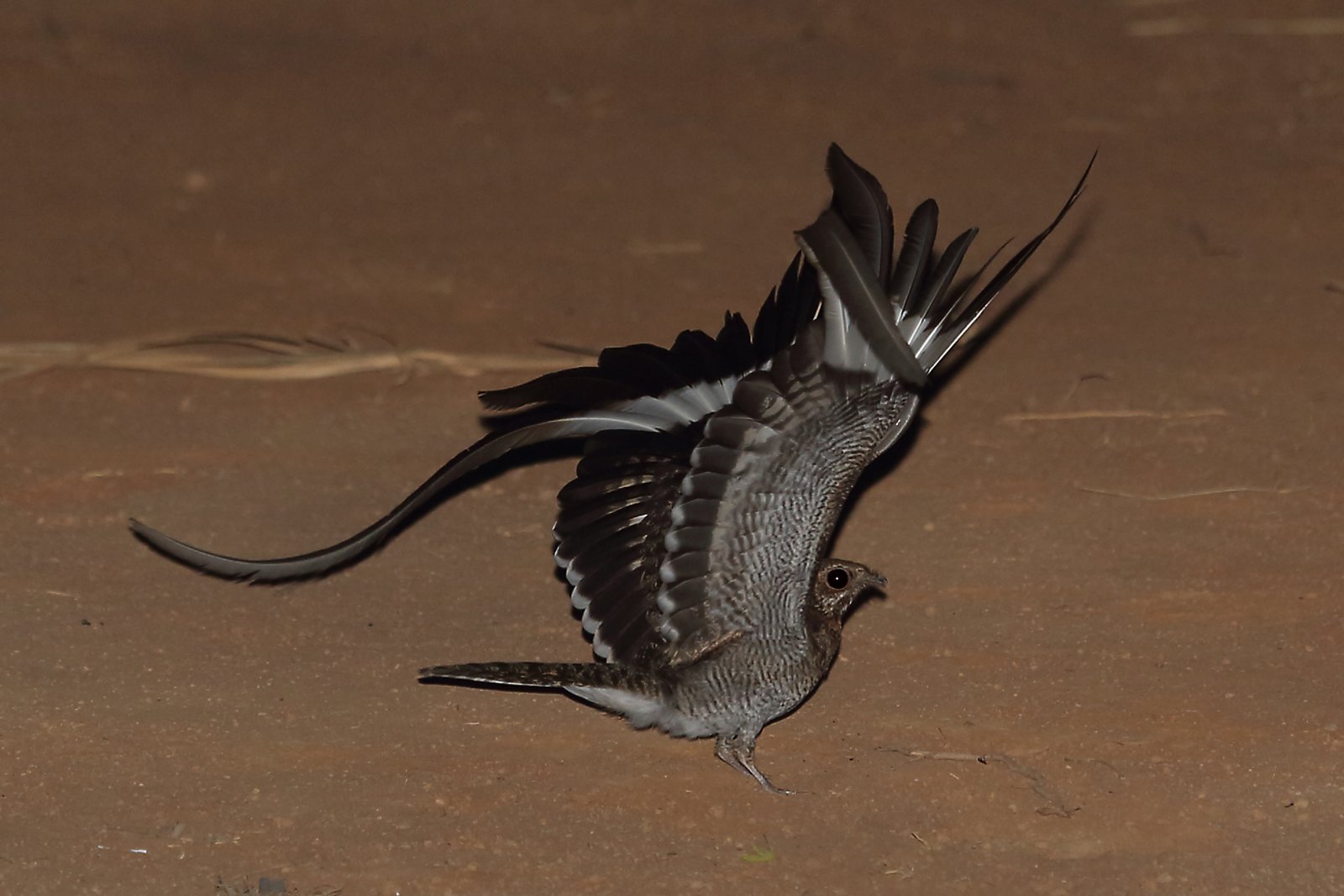
Pennant-Winged Nightjar
Caprimulgus vexillarius Miombo woodland
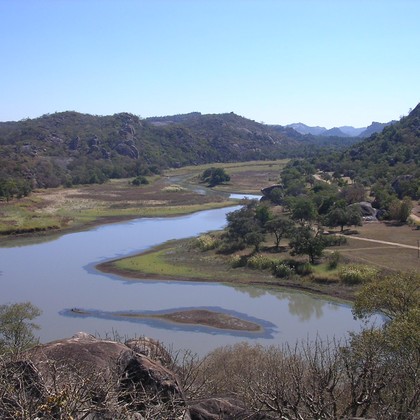 Mixed broadleaf woodland
-

European Nightjar
Caprimulgus europaeus- Miombo woodland
- Mixed broadleaf woodland
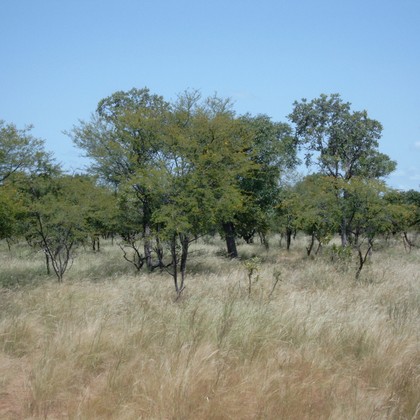 Acacia savanna and thornveld
-
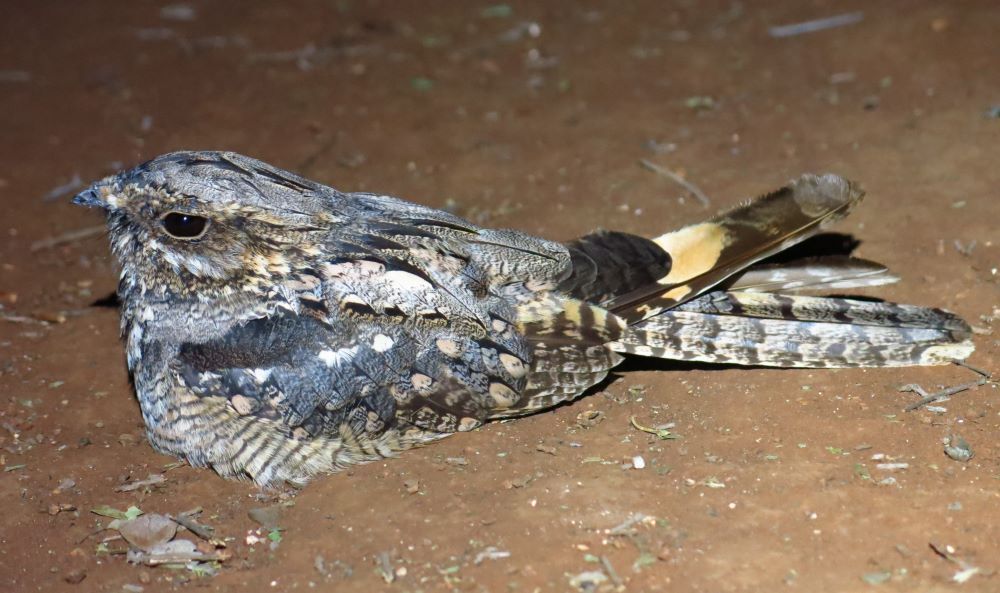
Rufous-Cheeked Nightjar
Caprimulgus rufigena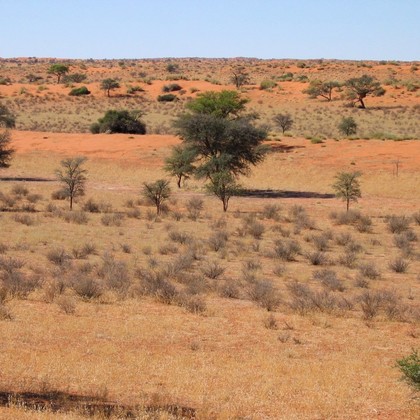 Kalahari thornveld
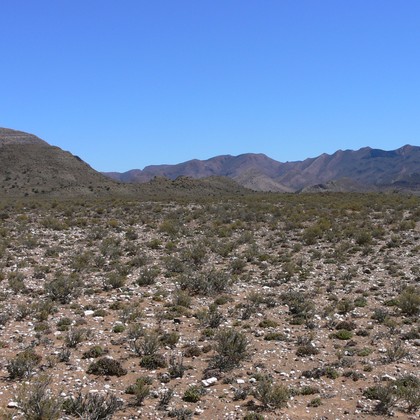 Nama Karoo
- Acacia savanna and thornveld
-
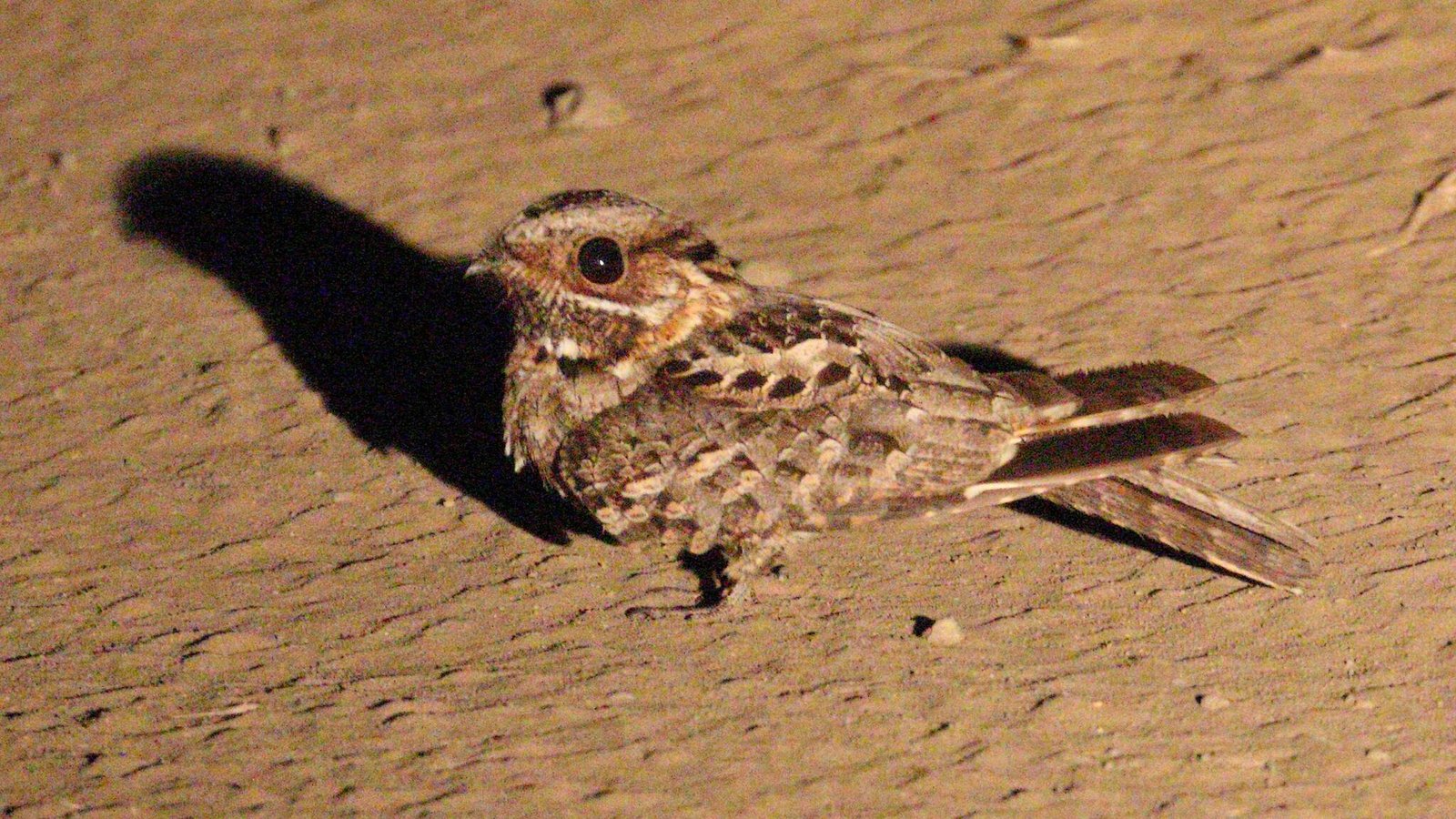
Fiery-Necked Nightjar
Caprimulgus pectoralis- Miombo woodland
- Mixed broadleaf woodland
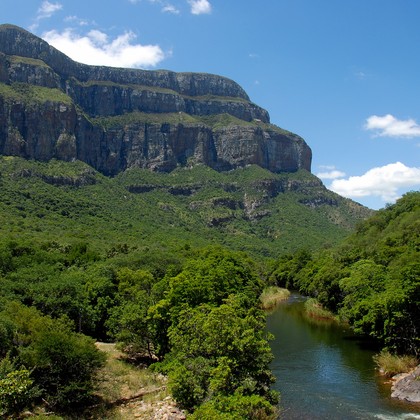 Riverine forest
-
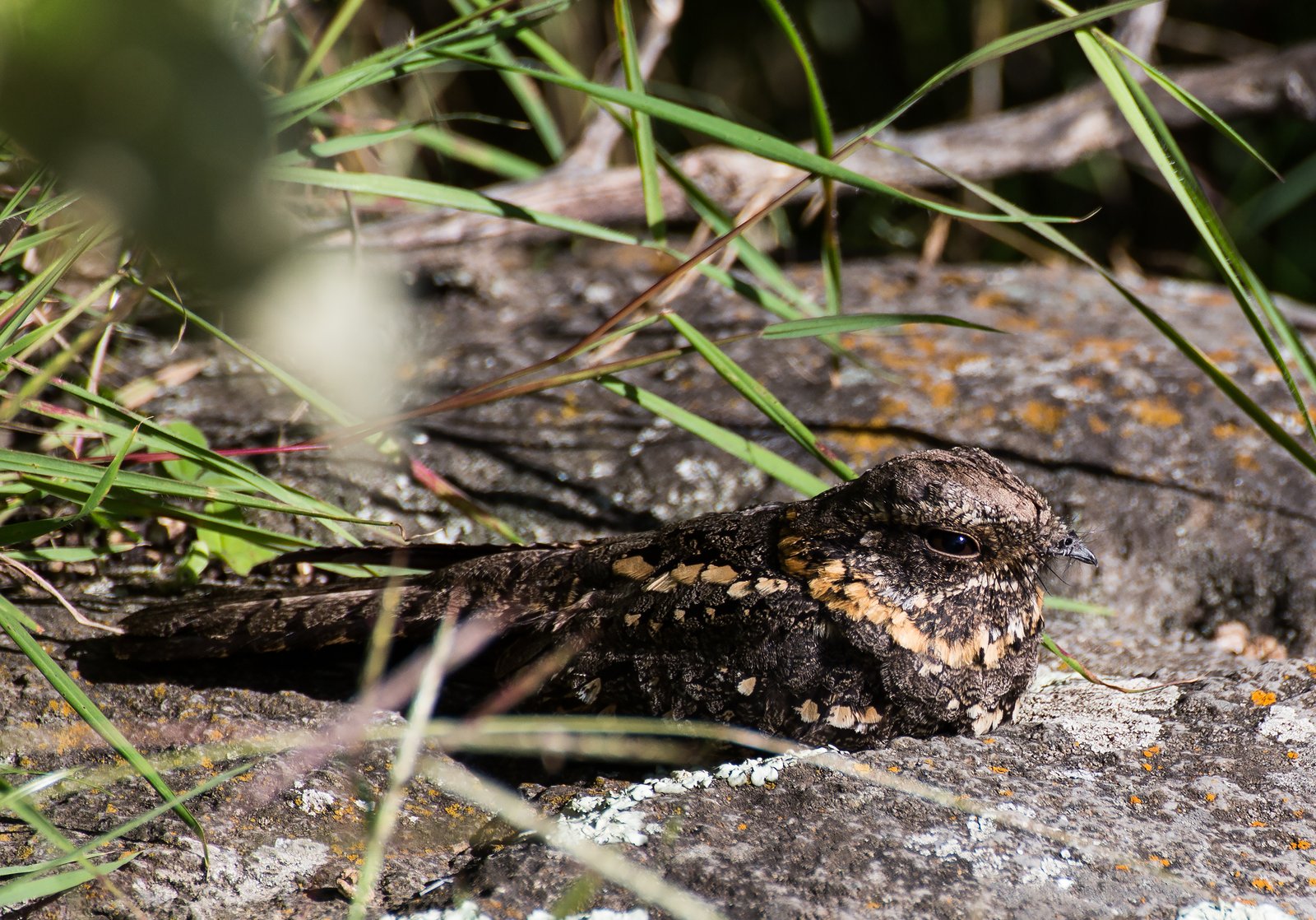
Montane Nightjar
Caprimulgus poliocephalus Drakensberg and montane grassland
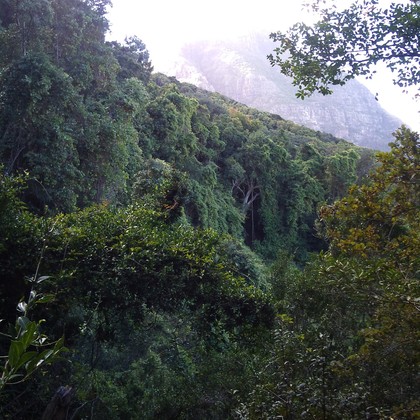 Afromontane forest
-

Swamp Nightjar
Caprimulgus natalensis Rivers, marshes and vleis
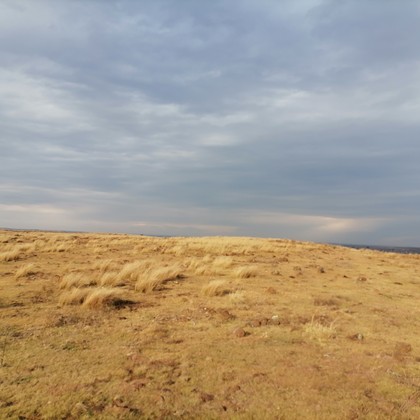 Highveld grassland
-
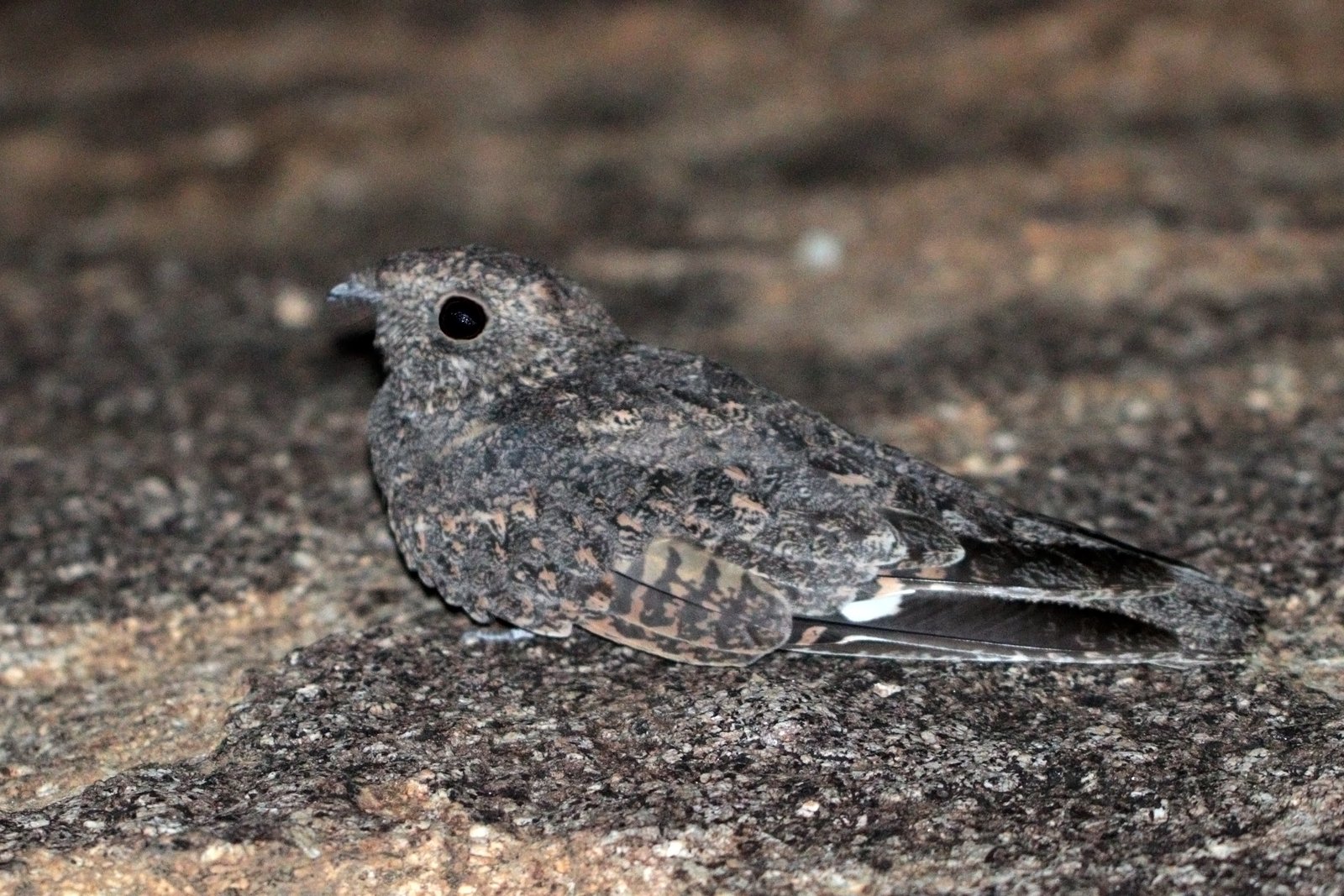
Freckled Nightjar
Caprimulgus tristigma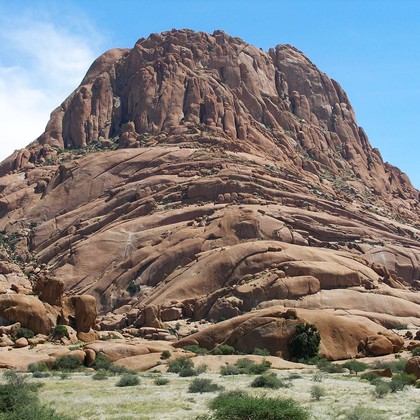 Mountains and rock outcrops
- Mixed broadleaf woodland
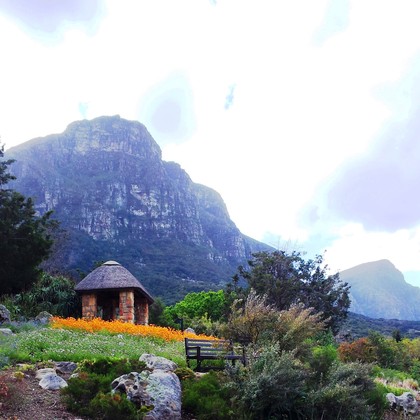 Gardens and built-up land
-
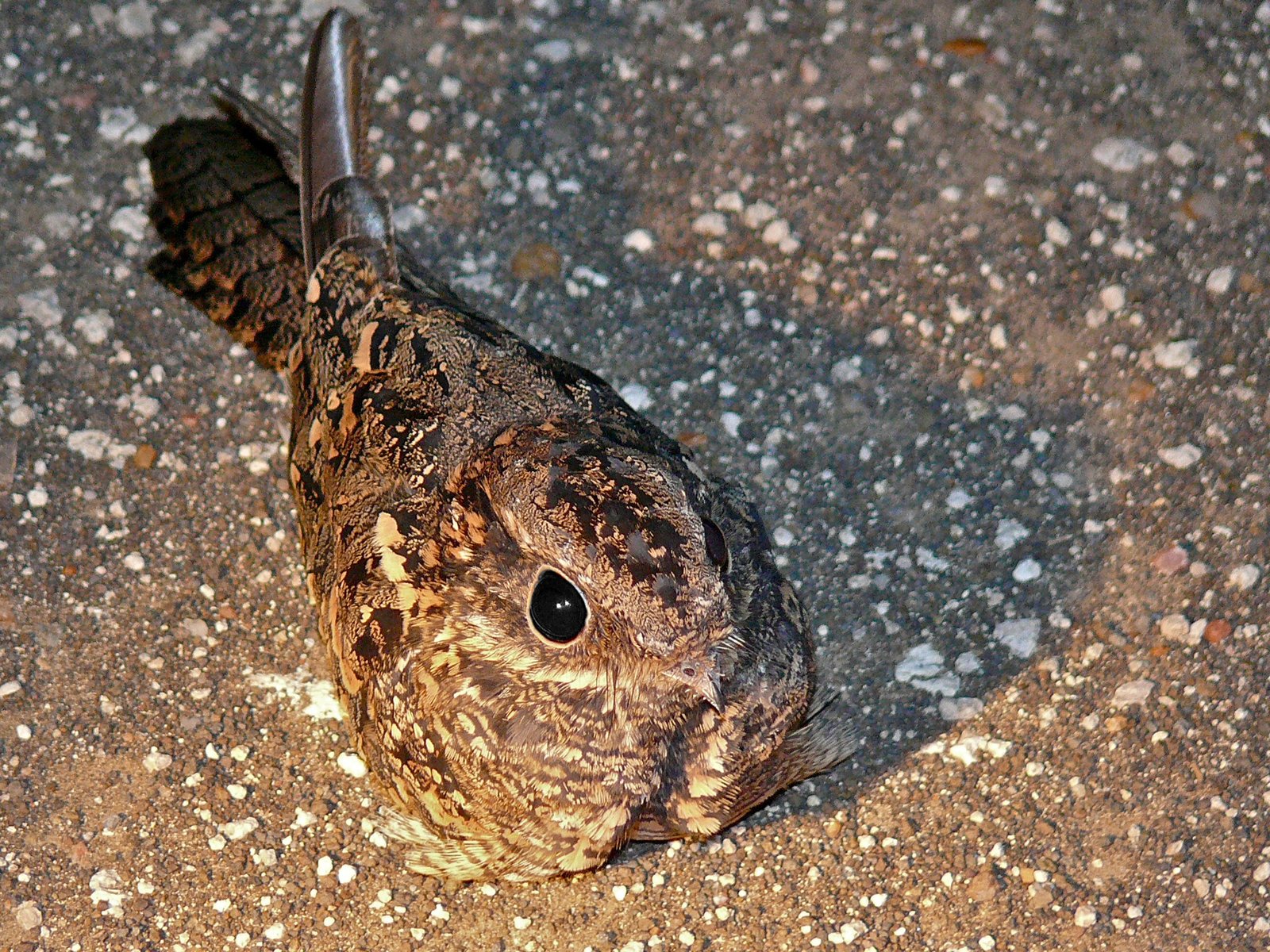
Square-Tailed Nightjar
Caprimulgus fossii- Mixed broadleaf woodland
- Riverine forest
- Rivers, marshes and vleis