All species › Passerines › Leaf warblers › Iberian Chiffchaff
Iberian Chiffchaff | Phylloscopus ibericus
Iberische tjiftjaf | Mosquitero ibérico
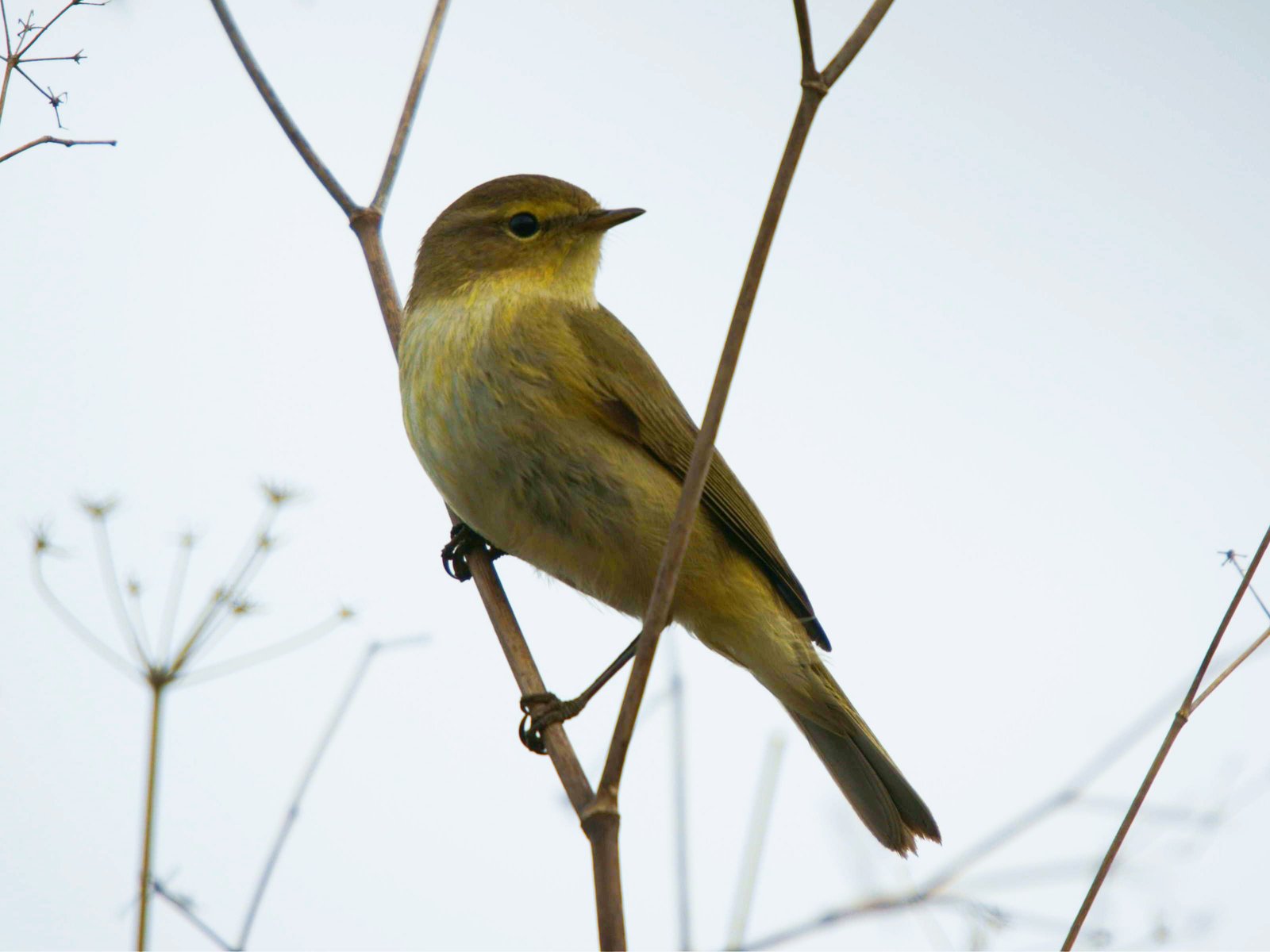
The Iberian Chiffchaff is the chiffchaff of the Iberian Peninsula and the northern Maghreb, recognised as a species in its own right only in the 1990s on the basis of its song and DNA. In the region it breeds in moist woodland in northern Morocco, Algeria and Tunisia and migrates through Morocco to West Africa.
Voice
The song has three parts: a series of chip-chip-chip notes as in Common Chiffchaff, followed by a faster, higher section and a short, dry trill, roughly chip-chip-chip chwee-chwee-chwee swee-swee-swee-sirrr. The call is a descending shoo or pyew, unlike the rising hoo-eet of Common Chiffchaff.
Recording: Mika Hecker — CC BY-NC-SA 4.0 · converted to mono · xeno-canto
Identification
10.5–12 cm. Very like a Common Chiffchaff, but looks cleaner and more contrasting: upperparts brighter green, underparts white with a fresh yellow throat, breast and undertail-coverts and often a yellow supercilium that is clear in front of the eye. The legs are often slightly paler, brownish, and the primary projection a little longer than in Common Chiffchaff. Dips its tail less. In the field it can only be identified with certainty by song.
Confusion species
Common Chiffchaff (Phylloscopus collybita), common in the Maghreb in winter, is on average duller and browner, with darker legs and a shorter wing; song and call differ. Willow Warbler (Phylloscopus trochilus) has an even longer wing, pale legs and a fluent, descending song. Western Bonelli's Warbler (Phylloscopus bonelli) has a yellow rump, green wing edges and a pale, plain face.
Habitat
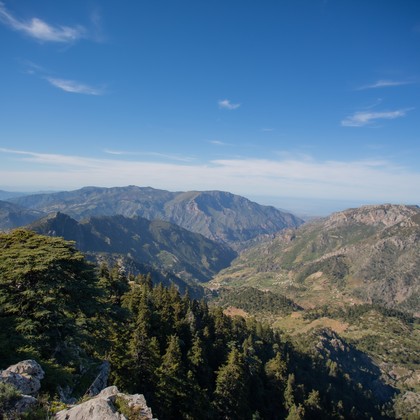
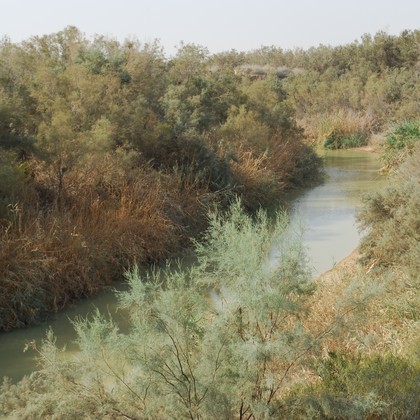
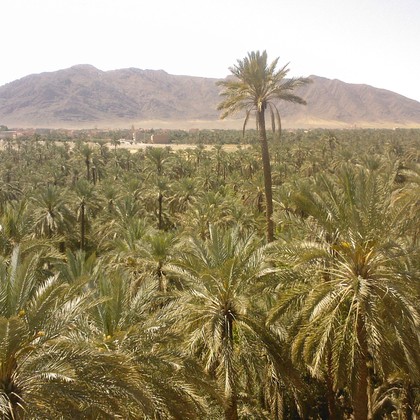
Breeds in broadleaved and mixed woodland with a rich understorey, especially in moist valleys: cork-oak and oak woodland, riverine woodland along streams, poplars and ashes, also in mountains up to about 1500 m. On passage in gardens, oases and scrub.
Where the bird is most at home, classified by the habitats of North Africa and the Middle East.
Range and movements
Breeds in northern Morocco (Tangier peninsula, Rif, the Atlantic lowlands and the northern Middle Atlas), in northern Algeria (the coastal mountains of the Tell, east to Kabylie and the El Kala area) and in north-western Tunisia (Kroumirie and Mogod). On passage in March and April and from August to October throughout Morocco, including the oases of the desert edge and Western Sahara; scarce elsewhere in Algeria and Tunisia. Winters in West Africa, from Senegal and Gambia to Guinea and Mali. Beyond the region it breeds in the Iberian Peninsula and south-western France.
- Resident
- Summer visitor (c. Apr–Sep)
- Winter visitor (c. Oct–Mar)
- Passage (Mar–Apr, Oct–Nov)
- dark = core range, pale = thinly spread
How and when to look
In April or May visit a moist oak wood or stream valley in the Rif or Kroumirie and listen for a chiffchaff song that speeds up halfway and ends in a dry little trill. An unfamiliar ‘chiffchaff’ on spring passage in southern Morocco may be this species: listen for the descending call.
Conservation status
Not globally threatened. In North Africa vulnerable to the loss of moist woodland and riverine forest through felling, grazing and drying out.
Scientific name
Phylloscopus ibericus | Ticehurst, 1937
Ticehurst described the species in 1937 and placed it straight away in the genus where it still stands. The genus Phylloscopus was introduced in 1826 by Boie. Phylloscopus is Greek, from phullon 'leaf' and skopos 'seeker', from skopeō 'to watch': the bird that searches the foliage. ibericus is Latin for 'Iberian', after the peninsula where the species breeds. The specimen the first description was based on came from Coimbra, Portugal.