All species › Storks › Storks › Black Stork
Black Stork | Ciconia nigra
Zwarte ooievaar | Cigüeña negra
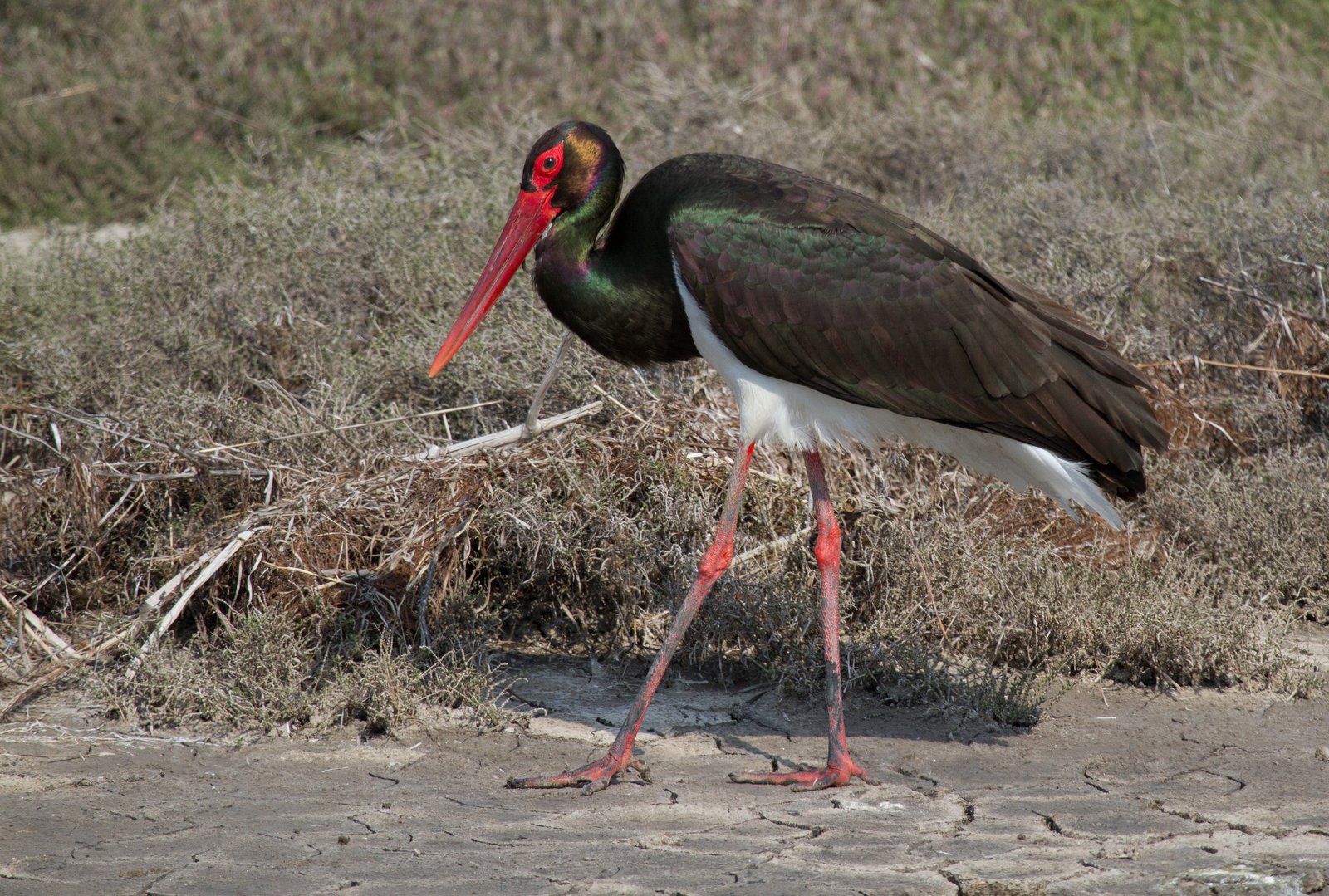
A shy, glossy black stork with white belly and red bill and legs. In the region it is mainly a passage migrant on the eastern flyway over the Levant and Sinai, with a small, growing wintering population in Israel; elsewhere it is a scarce visitor to rivers, fish ponds and oases.
Voice
Quieter than White Stork, but vocal at the nest: a series of wheezing, whistling notes, unusual for a stork. It also clatters the bill, but more softly. Virtually silent on migration.
Recording: Francesco Sottile — CC BY-NC-SA 4.0 · converted to mono · xeno-canto
Identification
Head, neck, breast and upperparts are black with a strong green and purple gloss; belly, flanks and axillaries are white. Bill and legs are bright red, the eye surrounded by red bare skin. Juveniles are duller brownish black without gloss, with a grey-green bill and grey-green legs. In flight a large dark stork with a white triangle between wing and belly, outstretched neck and projecting legs; soars on flat wings, often singly or in small groups among White Storks and raptors.
Confusion species
Abdim's Stork (Ciconia abdimii) of southwest Arabia is smaller, with a short grey-green bill, a blue face and a white lower back, easily seen in flight. Juvenile Black Storks with their greenish bill may recall it, but have a dark back. Glossy Ibis (Plegadis falcinellus) is much smaller, all dark and has a decurved bill.
Habitat
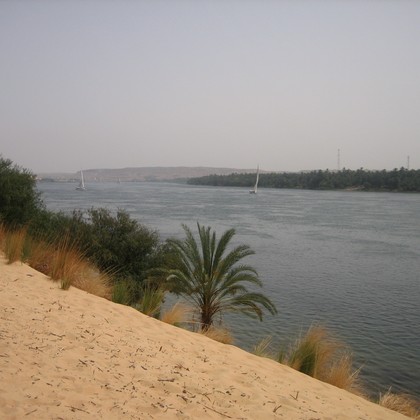
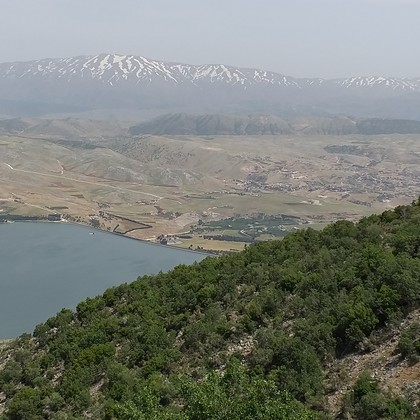
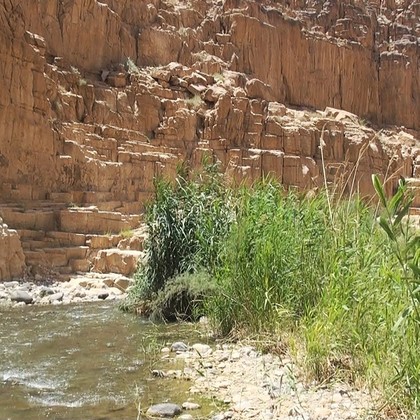
Clear rivers, streams and lakes, fish ponds, marshes and flooded fields; on migration also wadis with pools, oases and irrigated land; in winter in Israel mainly fish ponds and reservoirs. Breeds in quiet forests or on ledges in cliffs and gorges, far from people.
Where the bird is most at home, classified by the habitats of North Africa and the Middle East.
Range and movements
Formerly bred in small numbers in northern Morocco (the Rif and the Tangier area); recent breeding is rare and uncertain. On migration most of the eastern European population passes through Syria, Lebanon, Israel (notably the Jordan Valley, the Arava and Eilat) and Jordan, Sinai and the Gulf of Suez to the Nile valley and East Africa; a few hundred birds winter in Israel, mainly in the Beit She'an and Hula valleys, and smaller numbers in the Nile valley, Iraq and Syria. On the Arabian Peninsula a scarce passage migrant and winter visitor, including in Saudi Arabia, Yemen, Oman, the Emirates and Kuwait. In the Maghreb a scarce migrant via the Strait of Gibraltar, with a few wintering in northern Morocco; rare in Algeria, Tunisia and Libya. Beyond the region it breeds from Iberia and central Europe to eastern Asia, with a resident population in southern Africa; European birds winter in the Sahel and East Africa.
- Resident
- Summer visitor (c. Apr–Sep)
- Winter visitor (c. Oct–Mar)
- Passage (Mar–Apr, Oct–Nov)
- dark = core range, pale = thinly spread
How and when to look
In Israel the fish ponds of the Beit She'an and Hula valleys are the best sites from November to February; in March and September flocks pass over Eilat and the Arava. In Jordan it migrates along the Jordan Valley and over Aqaba.
Conservation status
Not globally threatened; the European population has partly recovered from a historical collapse. Along the flyways hunting, electrocution and wetland loss threaten the birds; the North African breeding population has all but disappeared. The growing wintering population in Israel benefits from fish ponds.
Scientific name
Ciconia nigra | (Linnaeus, 1758)
Linnaeus described the species in 1758 as Ardea nigra; because it was later moved to another genus, the author and year stand in brackets. The genus Ciconia was introduced in 1760 by Brisson. Ciconia is the Latin word for 'stork'. nigra is Latin for 'black', after the dark plumage. The specimen the first description was based on came from Sweden.