All species › Birds of prey › Kites, Old World vultures, eagles and hawks › Swainson's Hawk
Position in the tree Birds Aves › Birds with a flexible palate Neognathae › All other modern birds Neoaves › Landbirds Telluraves › Raptors, owls, kingfishers and woodpeckers Afroaves › Hawks and owls Hieraves
Swainson's Hawk | Buteo swainsoni
Prairiebuizerd | Aguililla de Swainson
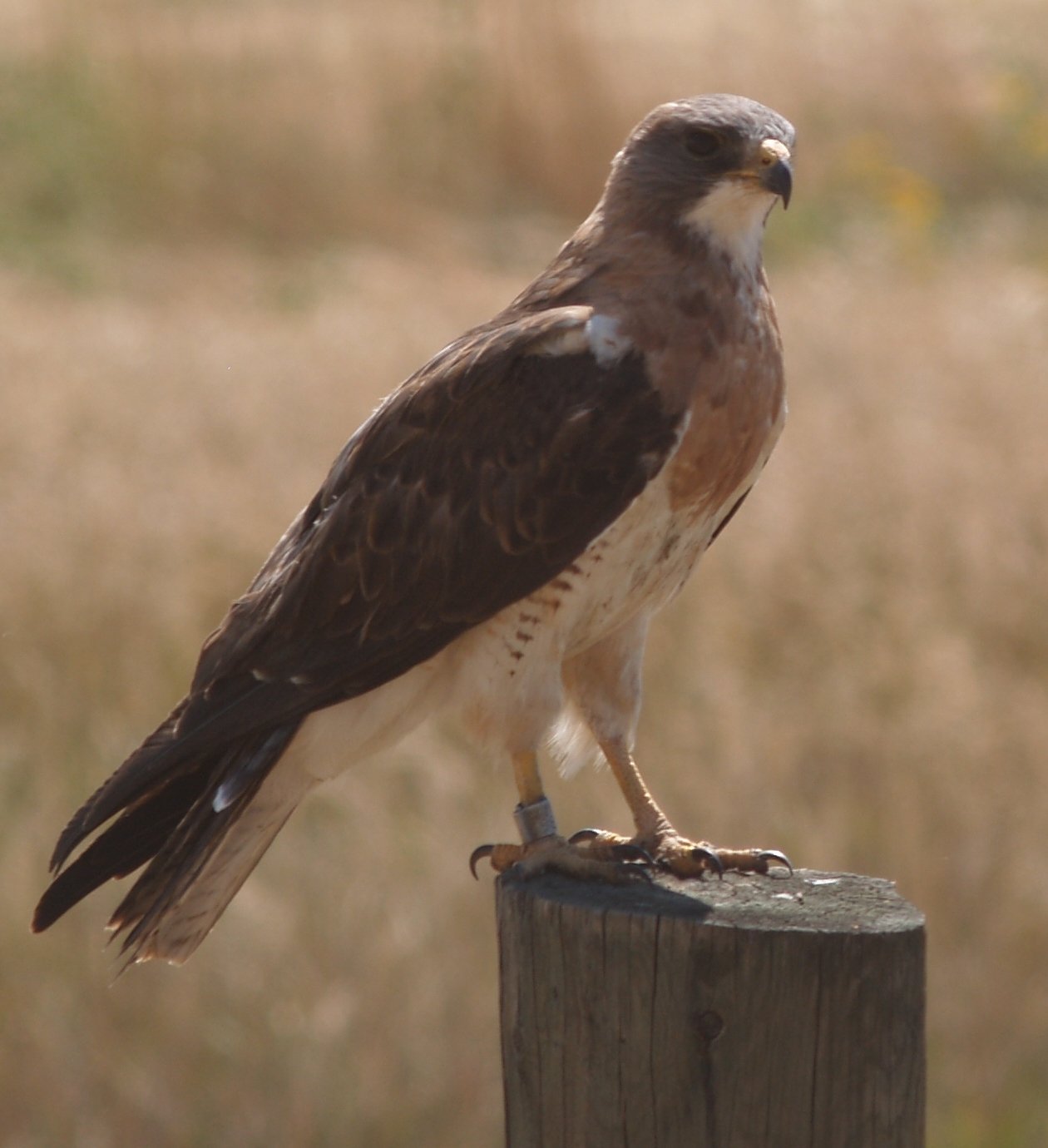
Swainson’s Hawk is a slender buteo with long, pointed wings that breeds on the grasslands and in the semi-desert of western North America and spends the winter on the pampas of Argentina. Almost the entire world population passes through the guide area twice a year, in flocks of hundreds to thousands of birds that circle up together on thermals. In northern Mexico it is also a summer visitor that breeds there.
Voice
A long, high and thin whistled kreeeeeah, somewhat weaker and less hoarse than that of the Red-tailed Hawk; heard mainly at the nest, usually silent on migration.
Recording: Sue Riffe — CC BY-NC-SA 4.0 · converted to mono · xeno-canto
Identification
48–56 cm, with long, rather pointed wings and a medium-length tail. The light morph has a dark brown breast band below a white throat and a small white patch above the bill, a white or pale belly and brown upperparts. Characteristic in flight is the two-toned underwing: pale coverts and dark grey flight feathers. The tail is grey with narrow dark bands and a broader dark subterminal band. There are also rufous and entirely dark brown birds, with every intermediate; these also have dark flight feathers. Juveniles are paler, with dark spots on the breast and flanks and a pale head with a dark stripe behind the eye. Soars with the wings in a slight V. Male and female are alike; the female is slightly larger.
Confusion species
The Red-tailed Hawk Buteo jamaicensis is bulkier, with broader wings, a pale underwing with a dark bar along the leading edge and, in adults, a rufous tail. The Broad-winged Hawk Buteo platypterus migrates in the same flocks but is smaller and stockier, with a white underwing with a dark border and a tail with broad white bands. The light morph of the Short-tailed Hawk Buteo brachyurus is smaller, with a white breast and pale flight feathers. The Zone-tailed Hawk Buteo albonotatus resembles dark Swainson’s Hawks, but has black coverts and pale flight feathers and soars with a rocking flight like a Turkey Vulture.
Habitat
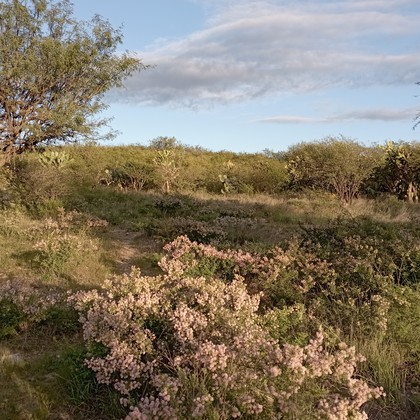
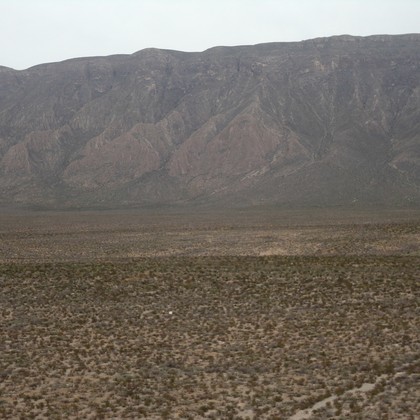
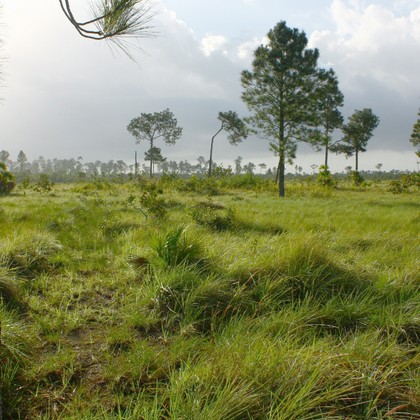
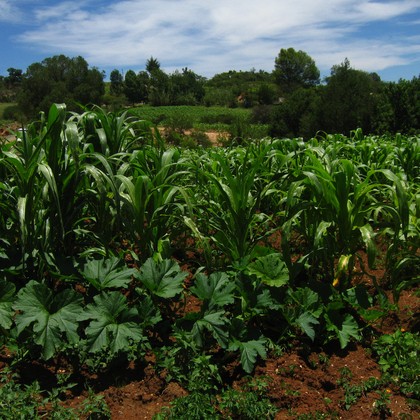
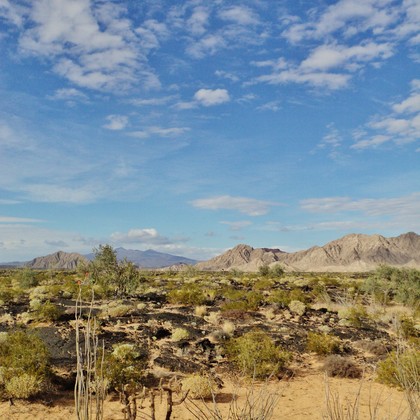
Semi-desert grassland, open plains in the Chihuahuan and Sonoran Deserts with scattered trees or yuccas, farmland and pasture; nests in a lone tree, a row of trees along a field or a tall yucca. On migration over all kinds of open and semi-open country, also over coastal plains and between mountain ranges. Feeds mainly on rodents in the breeding season; on migration and in winter largely on grasshoppers and other large insects, which it also gathers on foot on freshly ploughed fields.
Where the bird is most at home, classified by the vegetation units of Mexico and Central America.

Range and movements
Breeds in northern Mexico, in Baja California, Sonora, Chihuahua, Coahuila, Nuevo León, Durango and Zacatecas and locally in Tamaulipas. On migration almost all birds from North America pass through the guide area: in autumn, mainly in October, along the Gulf coast of Tamaulipas and Veracruz, then through Central America over the Caribbean and Pacific slopes to Panama and on to South America; in spring, in March and April, back along the same route. Passage is visible in every country from Mexico to Panama. Small numbers stay in winter, mainly in western Mexico (Nayarit, Jalisco, Michoacán, Baja California Sur) and scattered in Central America, including north-western Costa Rica. Outside the guide area it breeds from south-western Canada and the western United States to Alaska and winters in Argentina and neighbouring countries.
- Summer visitor (c. Apr–Sep)
- dark = core range, pale = thinly spread
How and when to look
From late September to early November tens of thousands of Swainson’s Hawks pass over Cardel and Chichicaxtle in Veracruz on some days, often together with Turkey Vultures and Broad-winged Hawks, mainly during the morning and early afternoon. Large flocks can also be seen in October over the Talamanca coast of Costa Rica and over Panama City. In summer breeding birds sit on posts and lone trees along roads through the grasslands of Chihuahua and Sonora.
Conservation status
Not threatened. In the mid-1990s tens of thousands of wintering birds died in Argentina from insecticides used on farmland; since the use of those products was restricted, the population has recovered. Vulnerable to the conversion of grassland to cropland, both in the breeding range and in the wintering range.
Scientific name
Buteo swainsoni | Bonaparte, 1838
Bonaparte described the species in 1838 and placed it straight away in the genus where it still stands. The genus Buteo was introduced in 1799 by De Lacépède. Buteo is the Latin word for a buzzard. swainsoni honours the English naturalist and illustrator William Swainson (1789–1855). The specimen the first description was based on came from North America (not specified further).