All species › Birds of prey › Kites, Old World vultures, eagles and hawks › Red-tailed Hawk
Position in the tree Birds Aves › Birds with a flexible palate Neognathae › All other modern birds Neoaves › Landbirds Telluraves › Raptors, owls, kingfishers and woodpeckers Afroaves › Hawks and owls Hieraves
Red-tailed Hawk | Buteo jamaicensis
Roodstaartbuizerd | Aguililla cola roja
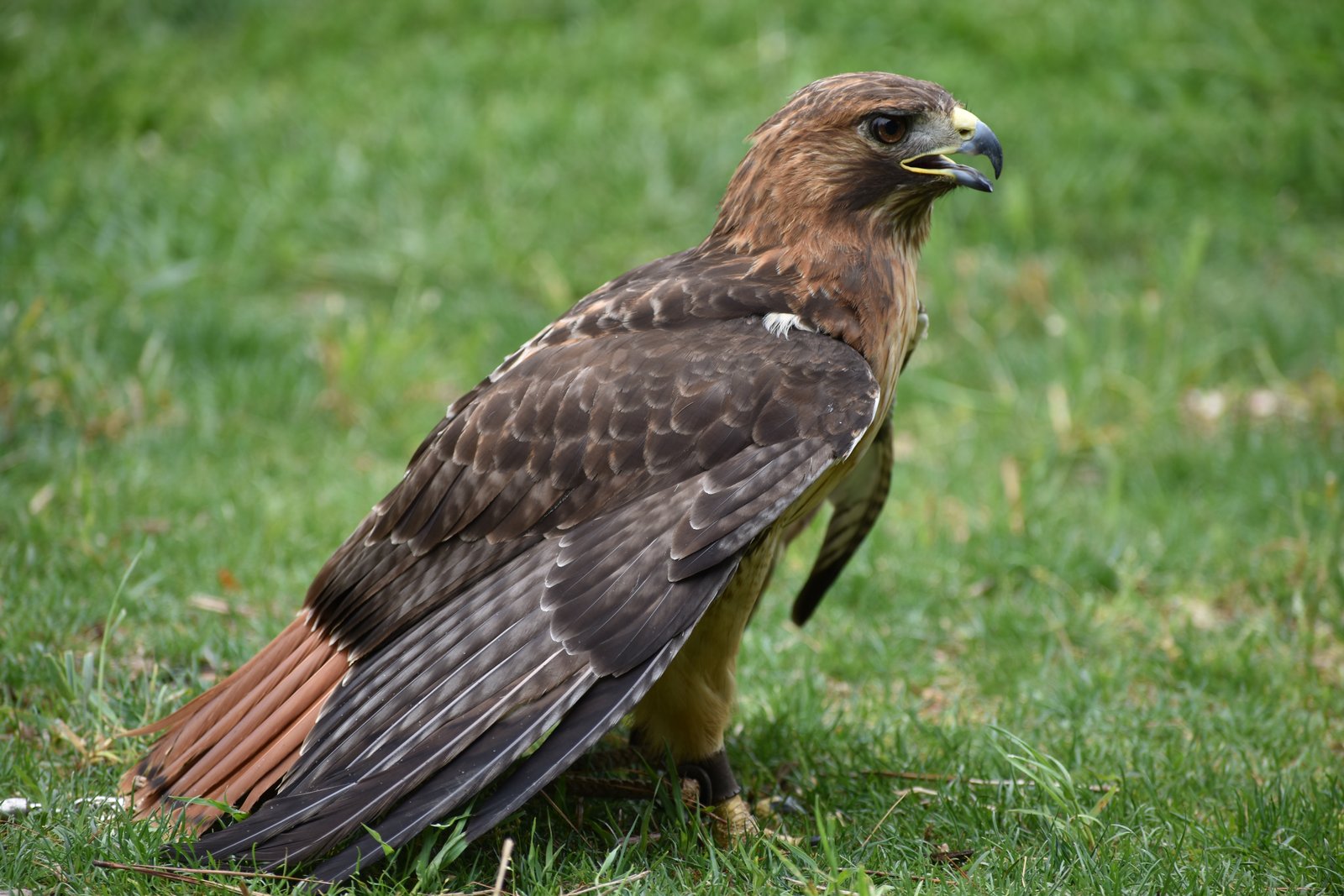
The Red-tailed Hawk is a bulky, broad-winged buteo that watches over open country from a post, a lone tree or a rocky point and as an adult is recognised by its rufous tail. Several resident subspecies live in the guide area, from the deserts of northern Mexico to the montane grasslands of Costa Rica and western Panama. In winter they are joined by birds from Canada and the United States.
Voice
A hoarse, descending scream keeeeerrr, often in flight over the territory; also short, plaintive calls at the nest.
Recording: Manuel Grosselet — CC BY-NC-SA 4.0 · converted to mono · xeno-canto
Identification
45–65 cm, with broad, rounded wings and a short, broad tail. The adult is dark brown above, often with pale spots on the shoulders, and pale below with a band of dark streaks across the belly. The tail is rufous above and pinkish below. In flight the pale underwing shows a dark bar along the leading edge and a dark patch at the wrist. Juveniles have a brown tail with narrow dark bands and a paler panel in the primaries. Birds vary strongly by subspecies: in the highlands of Costa Rica and Panama they are warm rufous on the breast, belly and underwing, in Chiapas and northern Central America often dark, and among the winter visitors there are also entirely dark brown and very pale birds. Male and female are alike; the female is larger.
Confusion species
Swainson’s Hawk Buteo swainsoni is slimmer, with more pointed wings, dark flight feathers and a grey tail. The Ferruginous Hawk Buteo regalis, in northern Mexico in winter, is larger, with rufous shoulders and legs, a white underwing without a dark leading edge and a pale tail. The White-tailed Hawk Geranoaetus albicaudatus has a white tail with a black subterminal band and grey upperparts. The Red-shouldered Hawk Buteo lineatus is smaller, with rufous-barred underparts and a black tail with narrow white bands. Juveniles can resemble young Harris’s Hawks Parabuteo unicinctus, which have a longer tail with a white base.
Habitat
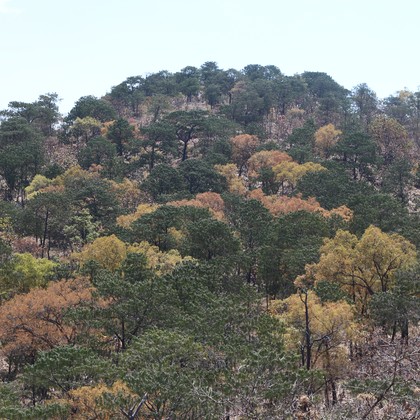
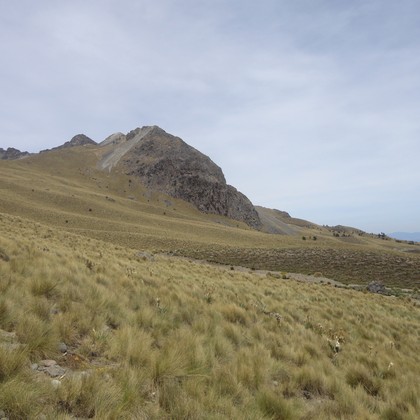
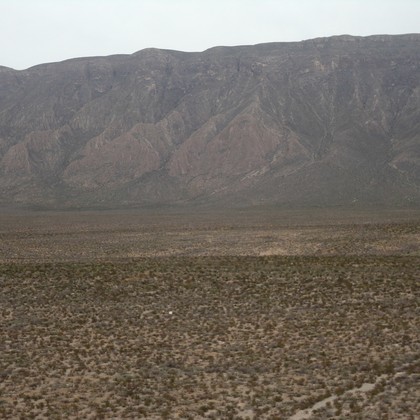
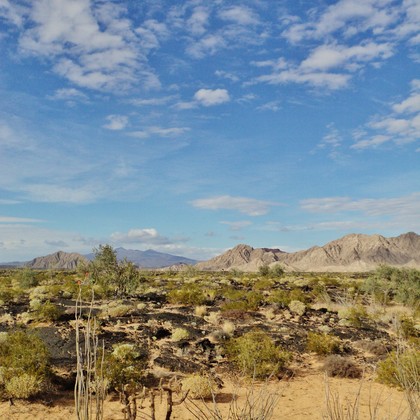
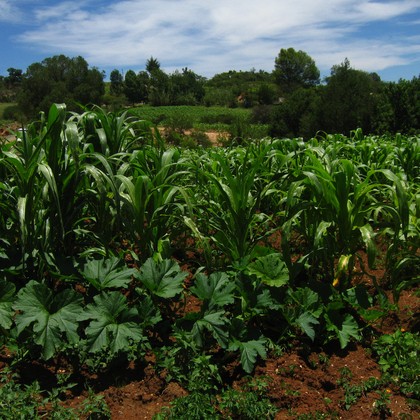
Open and semi-open country with scattered trees, rocks or posts: pine-oak and oak woodland with clearings, montane grasslands, desert and semi-desert, pasture and farmland, also along roads and at the edge of towns; from sea level to over 3000 metres, in Central America mainly in the highlands. Winter visitors also in open lowlands. Hunts rodents, rabbits, reptiles and birds from a perch or while hovering. Nests high in a tree, on a cliff or on a pylon.
Where the bird is most at home, classified by the vegetation units of Mexico and Central America.


Range and movements
Resident from Baja California and Sonora to Tamaulipas and south through the highlands of Mexico to Oaxaca and Chiapas, also on Socorro and the Islas Marías; then in the highlands of Guatemala, El Salvador, Honduras and Nicaragua, and in Costa Rica and western Panama (Chiriquí). Scarce in the lowlands of southern Mexico and Central America. From October to April winter visitors from North America arrive, mainly in northern and central Mexico, in smaller numbers to Guatemala, Belize and Honduras. Outside the guide area it breeds from Alaska and Canada to the United States and on some islands in the Caribbean.
- Resident
- dark = core range, pale = thinly spread
How and when to look
In the north and on the Mexican plateau it perches on posts and pylons along almost every road through open country, especially from November to February. In Costa Rica rufous resident birds circle over the montane grasslands around Cerro de la Muerte and over the slopes of the Irazú and Poás volcanoes.
Conservation status
Not threatened. Tolerates cleared and built-up areas well and is numerous in North America and Mexico. The subspecies on Socorro Island is small in number.
Scientific name
Buteo jamaicensis | (Gmelin, 1788)
Gmelin described the species in 1788 as Falco jamaicensis; because it was later moved to another genus, the author and year stand in brackets. The genus Buteo was introduced in 1799 by De Lacépède. Buteo is the Latin word for a buzzard. jamaicensis means 'of Jamaica', where the type came from. The specimen the first description was based on came from Jamaica.