All species › Passerines › Swallows › Purple Martin
Position in the tree Birds Aves › Birds with a flexible palate Neognathae › All other modern birds Neoaves › Landbirds Telluraves › Falcons, parrots and passerines Australaves › Falcons and passerines Eufalconimorphae › Parrots and passerines Psittacopasserae
Purple Martin | Progne subis
Purperzwaluw | Golondrina azulnegra
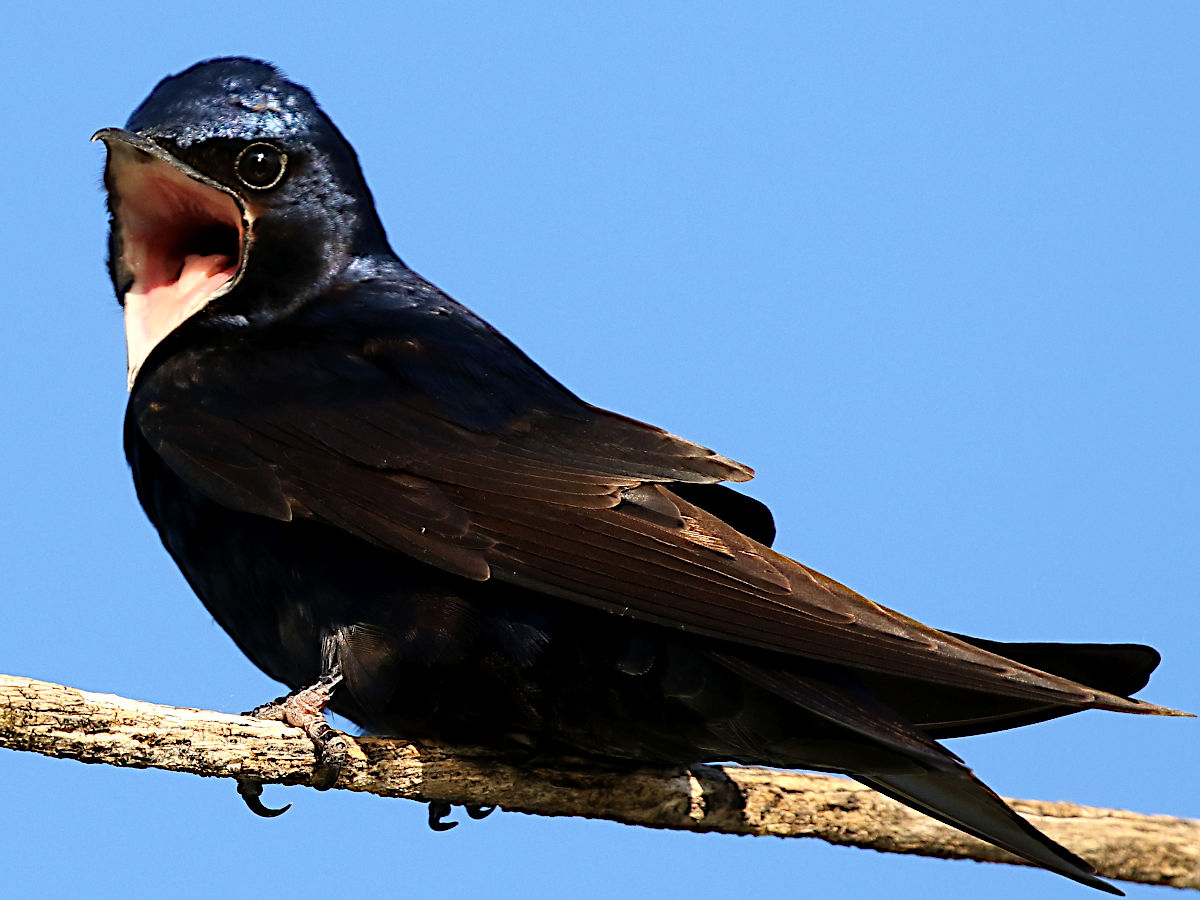
The Purple Martin is the largest swallow in North America. The male is entirely glossy dark blue-purple, the female greyish brown with a pale belly. In the guide area it breeds in north-western Mexico and the Mexican highlands; elsewhere the entire population passes through Mexico and Central America in spring and autumn to and from its wintering grounds in South America.
Voice
Rich, gurgling and twittering notes and a low tchew; the song is a mix of gurgling and croaking sounds, often before dawn.
Recording: David A. Brinkman — CC BY-NC-SA 4.0 · shortened to the first 60 s, mono · xeno-canto
Identification
18–20 cm. Large and broad-winged, with a forked tail. Adult male entirely glossy dark blue-purple, with blacker wings and tail. Female dark greyish brown above with some blue gloss, with a greyish band across the forehead and a faint pale collar; throat and breast greyish brown, belly dirty white with faint dark streaks. Juveniles resemble the female but are browner and lack gloss. Second-year males show scattered dark feathers on the throat and breast.
Confusion species
The male Grey-breasted Martin Progne chalybea has a greyish-brown throat and breast and a white belly; females of that species have a cleaner white belly than female Purple Martins and no pale collar. Sinaloa Martin Progne sinaloae has, in both sexes, a white belly sharply contrasting with the dark breast. Brown-chested Martin Progne tapera is brown above with a brown breast band and a white throat and belly. On migration, females and young birds of the different martins can barely be separated.
Habitat
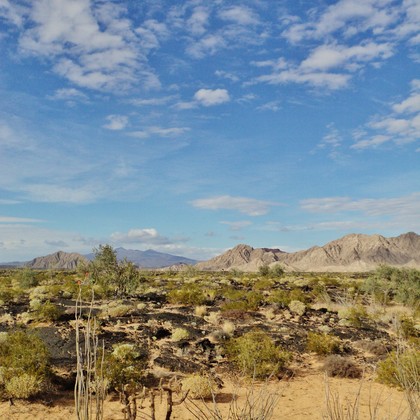
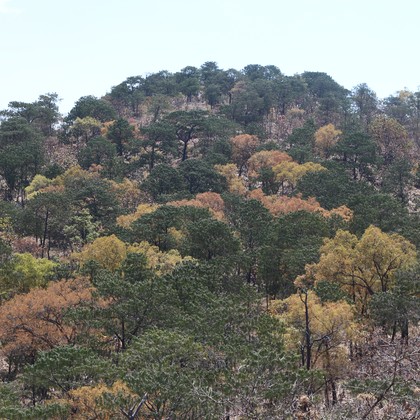
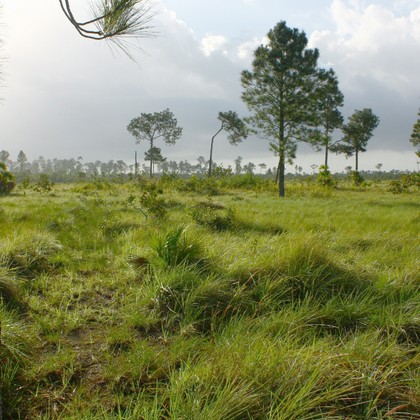
Open country with scattered tall trees or columnar cacti, often near water. In the Sonoran Desert it nests in old woodpecker holes in saguaros, in the Mexican mountains in tree cavities in open pine-oak forest. On migration over almost any open landscape, including towns, lakes and coastal plains. Hunts large flying insects high in the air.
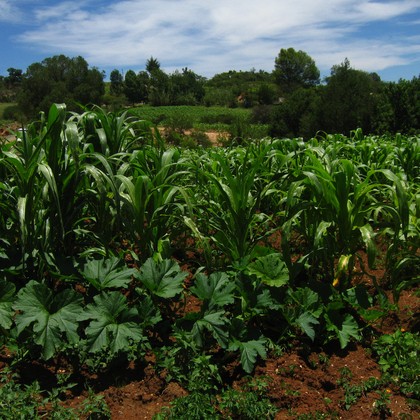
Where the bird is most at home, classified by the vegetation units of Mexico and Central America.



Range and movements
In the guide area breeds in Baja California and Sonora and in the highlands of western and central Mexico. Elsewhere in Mexico and throughout Central America a passage migrant, locally in large flocks. Outside the guide area the species breeds in the eastern and locally the western United States and in southern Canada, and winters mainly in Brazil and elsewhere in northern South America.
- Summer visitor (c. Apr–Sep)
- dark = core range, pale = thinly spread
How and when to look
On migration, especially in August and September, large roosts can form in trees in towns and villages along the migration route. In the Sonoran Desert pairs nest in saguaros.
Conservation status
Not threatened. The species is common and widespread. In eastern North America it now breeds almost exclusively in nest boxes put up by people; in the west there are smaller, scattered populations.
Scientific name
Progne subis | (Linnaeus, 1758)
Linnaeus described the species in 1758 as Hirundo subis; because it was later moved to another genus, the author and year stand in brackets. The genus Progne was introduced in 1826 by Boie. Progne (also Procne) is the daughter of King Pandion of Athens in Greek myth, who was turned into a swallow; in Latin also a word for 'swallow'. subis is Latin for a bird that, according to the Roman author Nigidius Figulus, could break eagles' eggs; possibly a nod to the bird's fierce mobbing of raptors near the nest. The specimen the first description was based on came from Hudson Bay, Canada.