All species › Pelicans, herons and ibises › Herons, egrets and bitterns › Pinnated Bittern
Position in the tree Birds Aves › Birds with a flexible palate Neognathae › All other modern birds Neoaves › Birds of the elements Elementaves › Tropicbirds and waterbirds Phaethoquornithes › Core waterbirds Aequornithes
Pinnated Bittern | Botaurus pinnatus
Zuid-Amerikaanse roerdomp | Avetoro neotropical
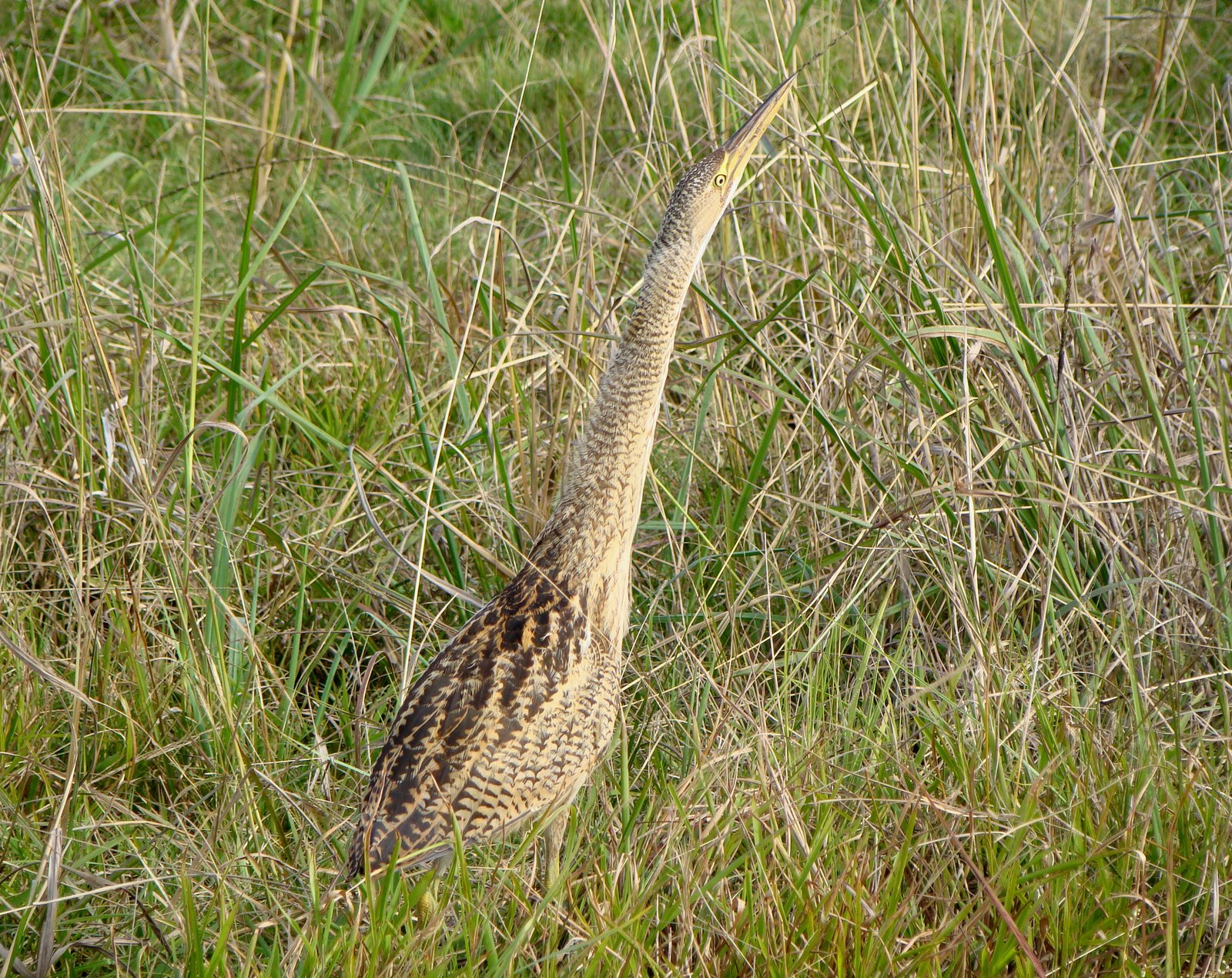
The Pinnated Bittern is a large, brown bittern of extensive freshwater marshes in the lowlands. In the guide area it is a scarce resident from south-eastern Mexico to Costa Rica, with occasional records in Panama. Because of its camouflage and secretive habits it is seldom seen.
Voice
A deep, low, booming poomp or hoo-hoomp, mainly at dusk and at night in the breeding season. When flushed a hoarse kwok.
Recording: Paul Lenrumé — CC BY-NC-SA 4.0 · converted to mono · xeno-canto
Identification
64–76 cm. A bulky bittern with a thick neck, a fairly long, yellowish bill and green-yellow legs. The crown, hindneck and neck are finely barred black and buff; the upperparts are brown with black streaks and pale fringes. The foreneck and underparts are white to buff with broad, brown lengthwise streaks. In flight the flight feathers are dark grey with a rusty tinge, less contrasting than in American Bittern. The sexes are alike; juveniles are somewhat more rufous and less clearly marked.
Confusion species
American Bittern Botaurus lentiginosus is smaller, has a plain rufous-brown crown and a broad black stripe along the side of the neck, and shows blackish flight feathers in flight. Young tiger herons, such as Bare-throated Tiger Heron Tigrisoma mexicanum, are more evenly barred across the whole body and have a plainer belly. Young Black-crowned Night Herons Nycticorax nycticorax are smaller, grey-brown and spotted white.
Habitat
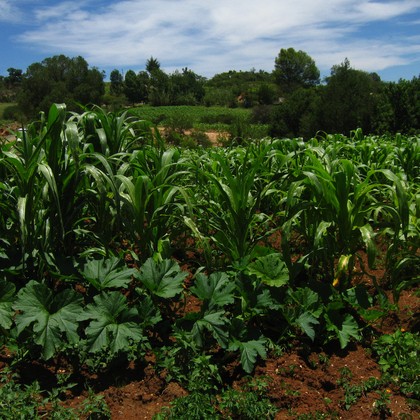
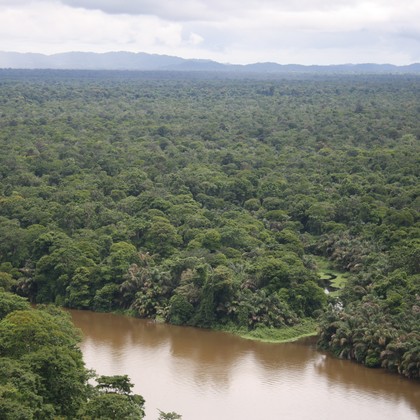
Large, open freshwater marshes with tall grass, cattails and bulrushes, wet savannas and flooded grasslands, locally rice fields and the edges of swamp forest; in the lowlands. It hunts standing still or creeping slowly for fish, frogs, snakes and large insects. The nest is a platform of stems in dense marsh vegetation.
Where the bird is most at home, classified by the vegetation units of Mexico and Central America.


Range and movements
In the guide area in south-eastern Mexico, from southern Veracruz through Tabasco and Campeche to the Yucatán Peninsula and northern Chiapas, further in Belize and northern Guatemala, on the Caribbean side of Honduras and Nicaragua and in northern and north-western Costa Rica. In Panama only very rare. Outside the guide area locally in South America, from Colombia and Venezuela to northern Argentina.
- Resident
- dark = core range, pale = thinly spread
How and when to look
The best places are the large marshes of Tabasco, such as the Pantanos de Centla, Crooked Tree in Belize and Caño Negro and Palo Verde in Costa Rica. In the early morning birds sometimes stand at the edge of open water or fly low over the vegetation.
Conservation status
Not threatened globally. In the guide area scarce and local; probably often overlooked because of its secretive habits. It depends on large freshwater marshes, which have declined through drainage and conversion to pasture.
Scientific name
Botaurus pinnatus | (Wagler, 1829)
Wagler described the species in 1829 as Ardea pinnata; because it was later moved to another genus, the author and year stand in brackets. The genus Botaurus was introduced in 1819 by Stephens. Botaurus is Medieval Latin for a bittern; the word combines Latin bos 'ox' with taurus 'bull', after the booming call (compare butire 'to boom'). pinnatus is Latin for 'feathered, plumed'; exactly what Wagler was referring to has not been established. The specimen the first description was based on came from state of Bahia, Brazil.