All species › Pigeons and doves › Doves and pigeons › Mourning Dove
Position in the tree Birds Aves › Birds with a flexible palate Neognathae › All other modern birds Neoaves › Doves, turacos and allies Columbaves › Doves and sandgrouse Columbimorphae
Mourning Dove | Zenaida macroura
Treurduif | Paloma huilota
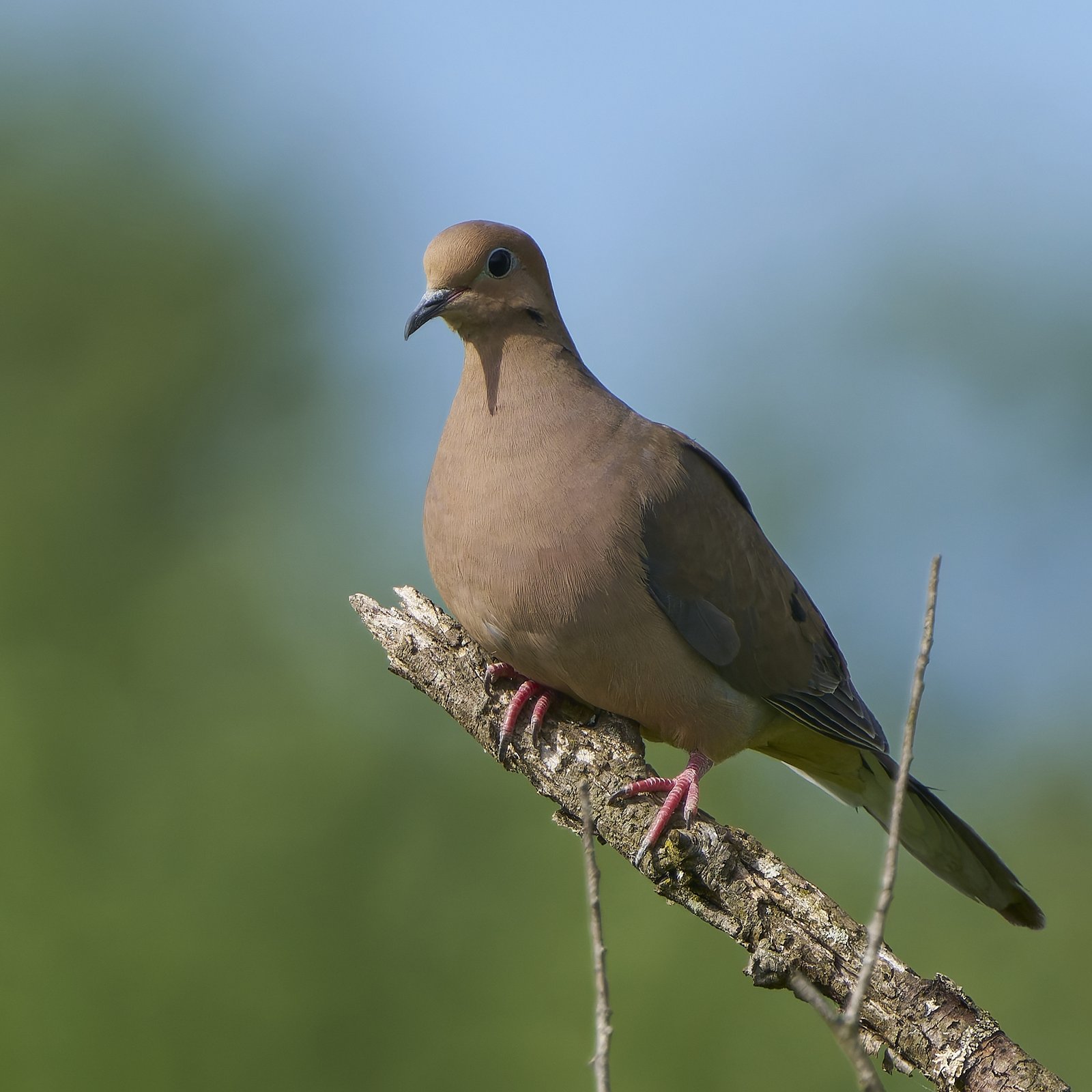
The Mourning Dove is a slender, sandy dove with a long, pointed tail, one of the commonest birds in North America. In the guide area it breeds in large parts of Mexico and locally in the highlands of Costa Rica and western Panama. In winter it is joined by birds from the north, which move south as far as Central America.
Voice
A soft, mournful, far-carrying coo: oo-OO-oo, oo, oo, oo, with a rising second syllable and three low, even notes. From a distance it sounds almost like an owl. On take-off the wings make a high, whistling sound.
Recording: Stanislas Wroza — CC BY-NC-SA 4.0 · converted to mono · xeno-canto
Identification
23–34 cm, the wide range largely due to the length of the tail. A slender dove with a small head and a long, wedge-shaped tail with white tips to the outer feathers. The upperparts are grey-brown to sandy, with a few large black spots on the coverts. The underparts are paler, pinkish buff on the breast. A small black spot below the eye; a purplish-pink gloss on the sides of the neck. The legs are red, the eye dark with a narrow blue eye-ring. The male has a blue-grey crown and a pinker breast, the female is browner. The wings whistle on take-off.
Confusion species
White-winged Dove Zenaida asiatica is bulkier, with a shorter, rounded tail and a broad white wing band. Zenaida Dove Zenaida aurita, in the guide area only along the coast of the northern Yucatán Peninsula, is stockier and warmer brown, with a shorter tail and a narrow white trailing edge to the secondaries. Inca Dove Columbina inca is much smaller, scaly-patterned, with rufous primaries. Eurasian Collared-Dove Streptopelia decaocto, an introduced species, is larger and paler, with a black hind collar and a rounded tail.
Habitat
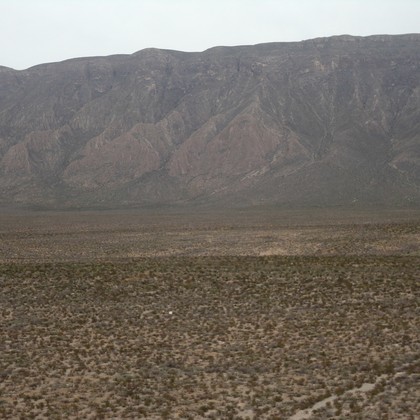
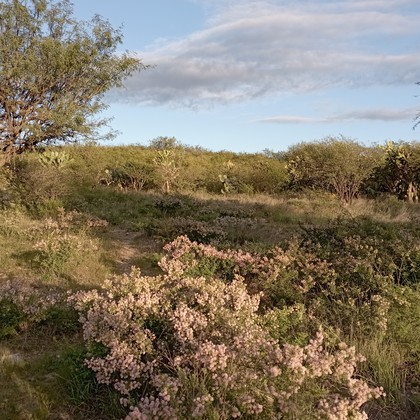
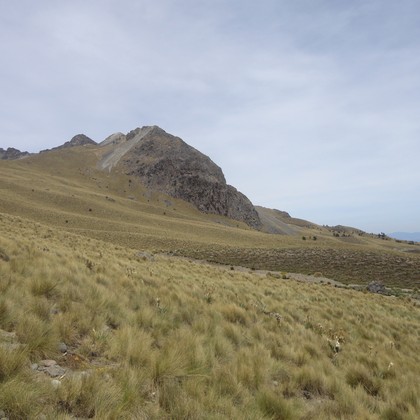
Open country: semi-desert and plateau scrub, grassland, fields and pasture with scattered trees, open pine-oak woodland, roadsides, gardens, villages and towns; from sea level to about 3000 m. Forages for seeds on the ground, often in pairs or small groups, and drinks regularly; outside the breeding season in flocks on fields and at water. The nest is a flimsy platform of twigs in a tree or shrub, sometimes on the ground.
Where the bird is most at home, classified by the vegetation units of Mexico and Central America.


Range and movements
In Mexico breeding in Baja California, the north and the central plateau and surrounding mountains, south to Oaxaca and Chiapas; on Clarión Island in the Revillagigedo Islands a separate subspecies (Z. m. clarionensis). In winter more numerous and also in the lowlands, with migrants from North America. In Guatemala, El Salvador, Honduras and Nicaragua mainly a winter visitor, locally also breeding; resident in the Central Valley and other open highlands of Costa Rica and in the highlands of Chiriquí in Panama (Z. m. turturilla). On the Yucatán Peninsula and in Belize only scarce in winter. Outside the guide area from southern Canada through the United States to the Bahamas and the Greater Antilles.
- Resident
- dark = core range, pale = thinly spread
How and when to look
In northern Mexico and on the central plateau seen everywhere on power lines along roads through farmland, often next to White-winged Doves. In Costa Rica, for example, around Cartago and in the surroundings of Irazú. The wing whistle on take-off and the pointed tail with white tips are the best features in flight.
Conservation status
Not threatened and one of the most numerous birds of North America. Common in Mexico and an important game bird. The species benefits from the opening up of the landscape for farming and ranching.
Scientific name
Zenaida macroura | (Linnaeus, 1758)
Linnaeus described the species in 1758 as Columba macroura; because it was later moved to another genus, the author and year stand in brackets. The genus Zenaida was introduced in 1838 by Bonaparte. Zenaida honours Zénaïde Bonaparte (1801–1854), wife of the French ornithologist Charles Lucien Bonaparte, who named the genus in 1838. macroura is Greek, from makros 'long' and oura 'tail', after the long, pointed tail. The specimen the first description was based on came from West Indies (Linnaeus's 'Canada' is an error).