All species › Owls › Owls › Long-eared Owl
Position in the tree Birds Aves › Birds with a flexible palate Neognathae › All other modern birds Neoaves › Landbirds Telluraves › Raptors, owls, kingfishers and woodpeckers Afroaves › Hawks and owls Hieraves
Long-eared Owl | Asio otus
Ransuil | Búho chico
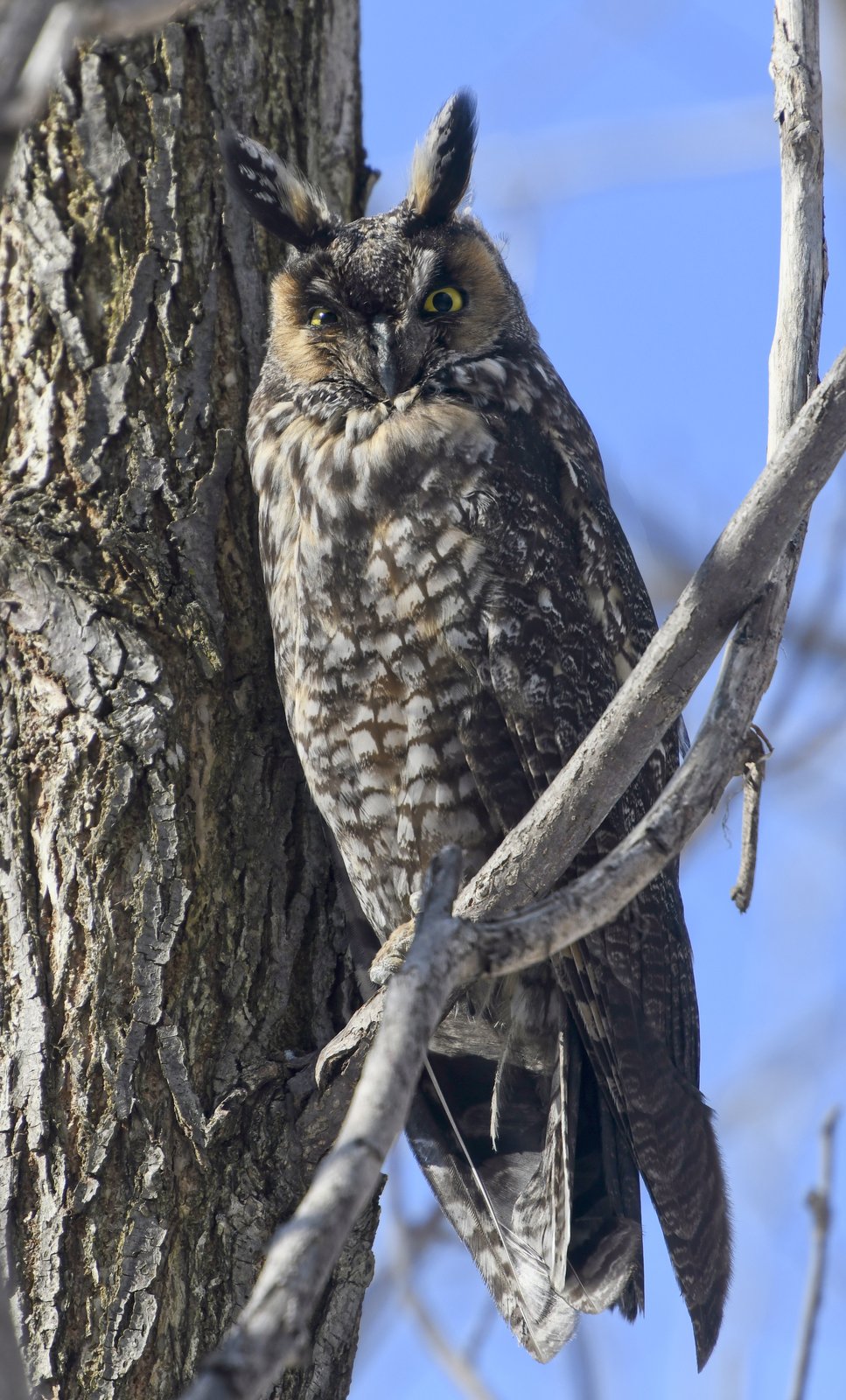
The Long-eared Owl is a slender, medium-sized owl with long ear tufts, found in North America, Europe, Asia and North Africa. In the guide area it is mainly a scarce winter visitor in northern and central Mexico; in northern Baja California and possibly elsewhere in the northwest it breeds locally. It is strictly nocturnal and by day roosts hidden in dense scrub or trees, in winter often with several birds together.
Voice
Usually silent in winter. In the breeding season the male sings a long series of low, muffled hoo notes at intervals of several seconds. When disturbed a barking wek-wek and wailing calls; young beg with a high, squeaky pee-ee.
Recording: Romuald Mikusek — CC BY-NC-SA 4.0 · shortened to the first 60 s, mono · xeno-canto
Identification
35–40 cm, slender, with long ear tufts set close together and orange eyes. The facial disc is rufous with a dark rim and a white V between the eyes. The upperparts are grey-brown, finely mottled dark and pale. The underparts are buff with dark streaks and fine crossbars. A roosting bird can make itself very thin and then resembles a piece of bark. In flight shows a yellow-orange patch at the base of the primaries and a dark carpal patch.
Confusion species
The Stygian Owl Asio stygius is larger and much darker, with a blackish face and yellow eyes. The Short-eared Owl Asio flammeus has very short ear tufts, yellow eyes in black patches and an unbarred belly, and hunts over open country, also at dusk. The Great Horned Owl Bubo virginianus is much larger, with widely spaced ear tufts, yellow eyes and a white throat. The Striped Owl Asio clamator has a white face and dark eyes and lives only in the south.
Habitat
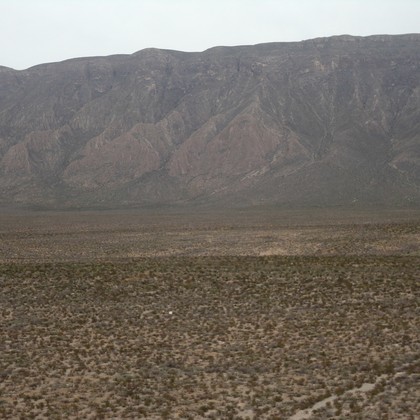
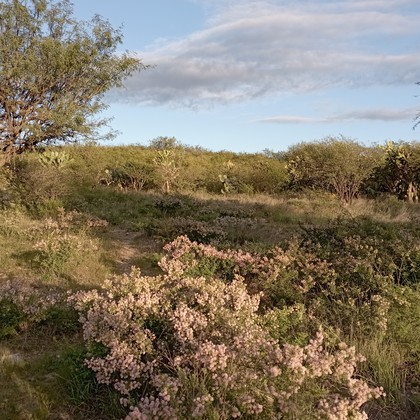
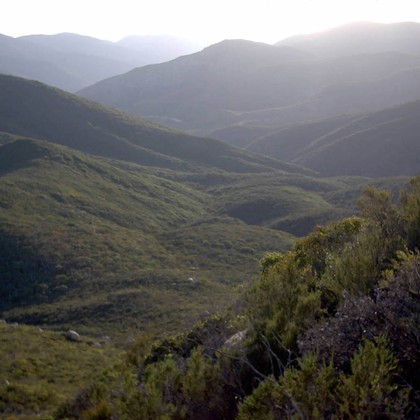
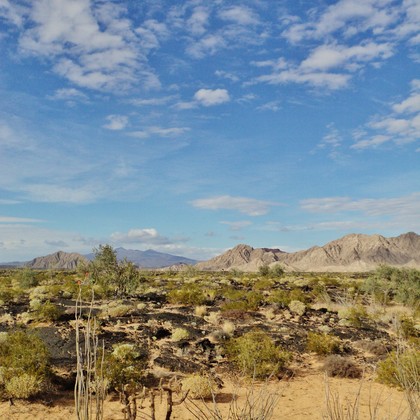
Semi-open country with dense trees or shrubs for roosting and open ground for hunting: riparian woodland with willows and cottonwoods in arid regions, mesquite scrub, juniper and pine-oak woodland, chaparral, plateau scrub and semi-desert grassland, also orchards and hedgerows by fields. It hunts at night in low flight for mice and other small mammals. It nests in old nests of crows, magpies and raptors.
Where the bird is most at home, classified by the vegetation units of Mexico and Central America.


Range and movements
Scarce winter visitor in northern and central Mexico, roughly from October to April, mainly in Baja California, Sonora, Chihuahua, Coahuila, Durango and Sinaloa, south to Jalisco, Guanajuato, Querétaro and the State of México; rare further south. Local and scarce breeder in northern Baja California, and possibly also in the mountains of Chihuahua and Durango, where there are summer records. Not recorded south of Mexico. Outside the guide area breeding in Canada and the United States, in Europe, Asia and North Africa.
- Winter visitor (c. Oct–Mar)
- dark = core range, pale = thinly spread
How and when to look
Best searched for by day in winter in dense thickets, willows and junipers in dry country, for example in riparian woodland in Chihuahua and Baja California, where regular roosts can be recognised by pellets and white droppings under the trees. A roosting bird sits close against the trunk and is only noticed by careful searching; disturbance of roosts should be avoided.
Conservation status
Not threatened as a species. In North America numbers have declined locally through the loss of riparian woodland and scrub; little is known about the population in Mexico.
Scientific name
Asio otus | (Linnaeus, 1758)
Linnaeus described the species in 1758 as Strix Otus; because it was later moved to another genus, the author and year stand in brackets. The genus Asio was introduced in 1760 by Brisson. Asio is the Latin name of a horned or eared owl. otus is from Greek ōtos, the name of a small eared owl. The specimen the first description was based on came from Sweden.