All species › Waterfowl › Ducks, swans and geese › Canvasback
Position in the tree Birds Aves › Birds with a flexible palate Neognathae › Fowl Galloanserae
Canvasback | Aythya valisineria
Grote tafeleend | Porrón coacoxtle
The Canvasback is a large diving duck of the prairie marshes of North America and a fairly common winter visitor on the lakes and reservoirs of the Mexican plateau. The scientific name refers to Vallisneria, an aquatic plant whose rhizomes are an important food. The Spanish name coacoxtle comes from Nahuatl.
Voice
Usually silent in winter. The female gives a low krrr; in display the male a soft, hollow cooing sound.
Recording: Paul Driver — CC BY-NC-SA 3.0 · converted to mono · xeno-canto
Identification
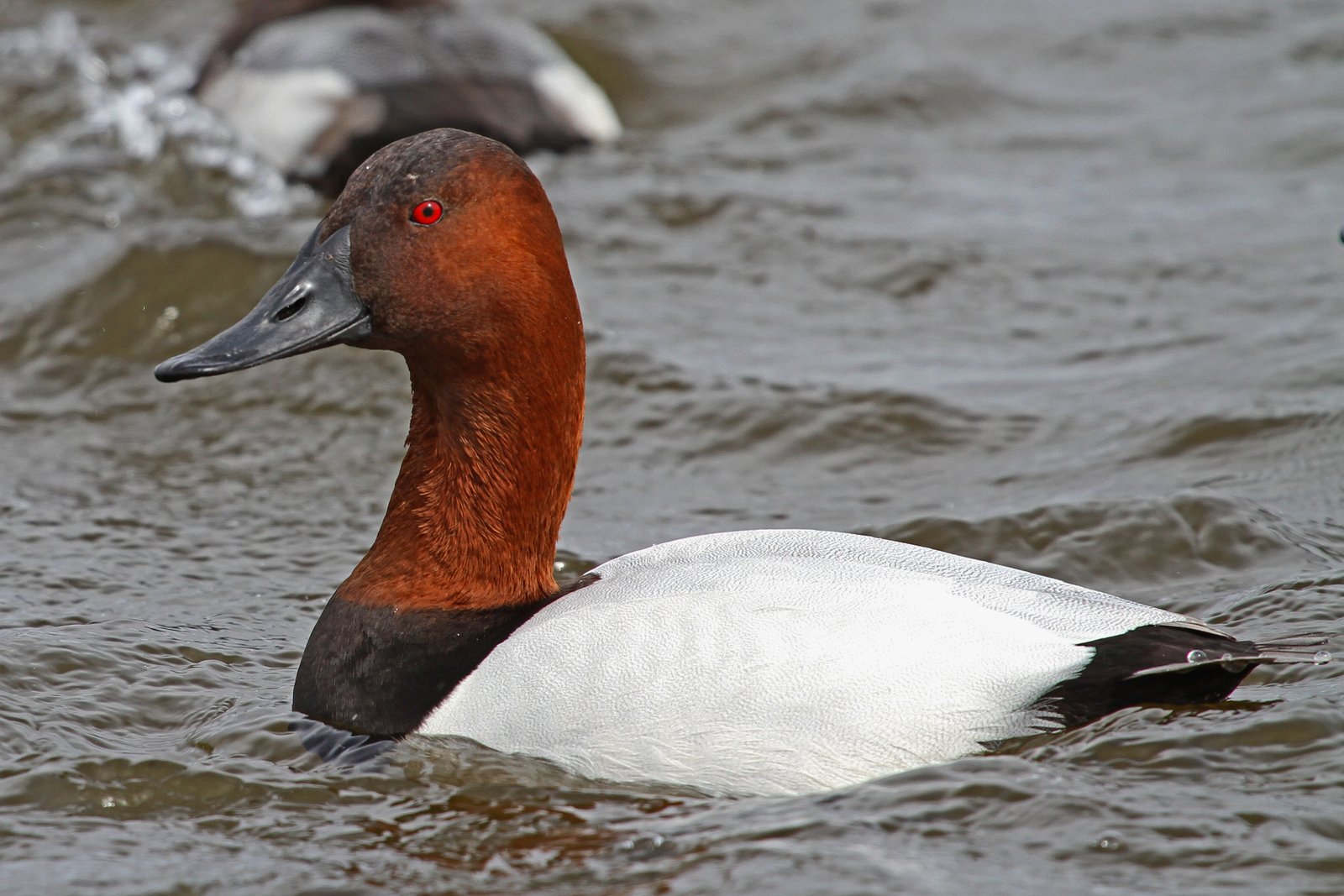
48–56 cm. Large and long-necked, with a distinctive profile: the forehead runs from the crown in a smooth, sloping line into a long, all-black bill. The male has a chestnut head that darkens towards the forehead and chin, a red eye, a black breast and rear end, and a back and flanks that are almost white with fine grey vermiculation. The female has the same profile, with a pale brown head and neck, a dark eye and a pale greyish-brown body. In flight the long neck and the pale upperwing stand out.
Confusion species
Redhead Aythya americana has a round head with a steep forehead and a shorter, blue-grey bill with a white ring and a black tip; the male has a grey back and flanks and a yellow eye. Lesser Scaup Aythya affinis and Ring-necked Duck Aythya collaris are smaller, with a short bill and, in the male, a dark head that is not chestnut.
Habitat
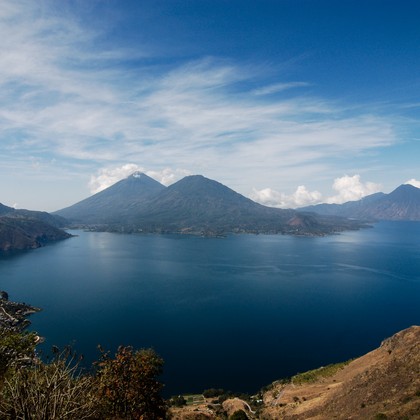
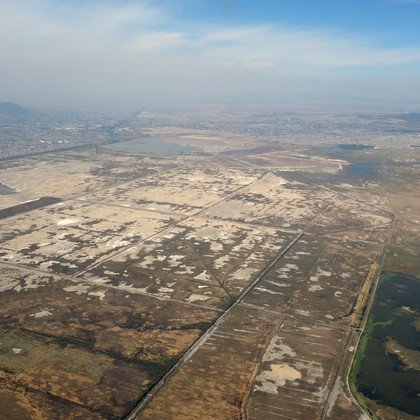
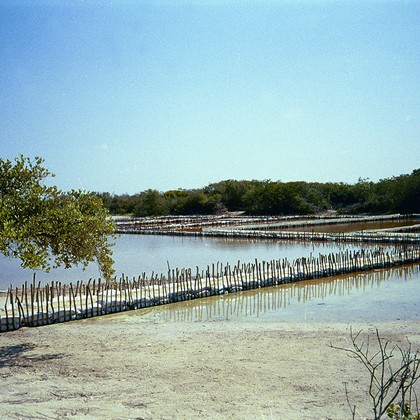
Shallow lakes and reservoirs with aquatic vegetation, inland saline lakes, marshes with open water and coastal lagoons. It dives for rhizomes, tubers and seeds of aquatic plants, and for molluscs and insect larvae.
Where the bird is most at home, classified by the vegetation units of Mexico and Central America.
Range and movements
Winters in northern and central Mexico, mainly on the plateau of Chihuahua, Durango, Coahuila, Nuevo León, Zacatecas, San Luis Potosí, Aguascalientes, Guanajuato, Querétaro, Hidalgo, the State of México, Mexico City and Tlaxcala, further in Sonora, Sinaloa, Baja California, Tamaulipas and Veracruz, and more scarcely south to Jalisco, Michoacán, Puebla, Guerrero and Oaxaca. Rare on the Yucatán Peninsula. Breeds in the prairie marshes and parklands of Canada and the northern United States and north to Alaska.
- Winter visitor (c. Oct–Mar)
- dark = core range, pale = thinly spread
How and when to look
Large flocks on the shallow lakes and reservoirs of the central plateau, often with Redheads and Lesser Scaup; the long, sloping head profile and the almost white back of the male stand out among them.
Conservation status
Not threatened globally. The North American population fluctuates strongly with drought on the prairies and the loss of aquatic plants; it declined in the twentieth century and recovered partly through hunting restrictions. In the guide area a fairly common winter visitor.
Scientific name
Aythya valisineria | (Wilson, 1814)
Wilson described the species in 1814 as Anas valisineria; because it was later moved to another genus, the author and year stand in brackets. The genus Aythya was introduced in 1822 by Boie. Aythya is from Greek aithuia, an unidentified diving seabird mentioned by Aristotle and Hesychius. valisineria refers to the water plant Vallisneria americana, this duck's main food outside the breeding season; the plant genus is named after the Italian naturalist Antonio Vallisneri (1661–1730). The specimen the first description was based on came from the eastern United States.