All species › Passerines › Swallows › Black-capped Swallow
Position in the tree Birds Aves › Birds with a flexible palate Neognathae › All other modern birds Neoaves › Landbirds Telluraves › Falcons, parrots and passerines Australaves › Falcons and passerines Eufalconimorphae › Parrots and passerines Psittacopasserae
Black-capped Swallow | Atticora pileata
Zwartkapzwaluw | Golondrina gorra negra
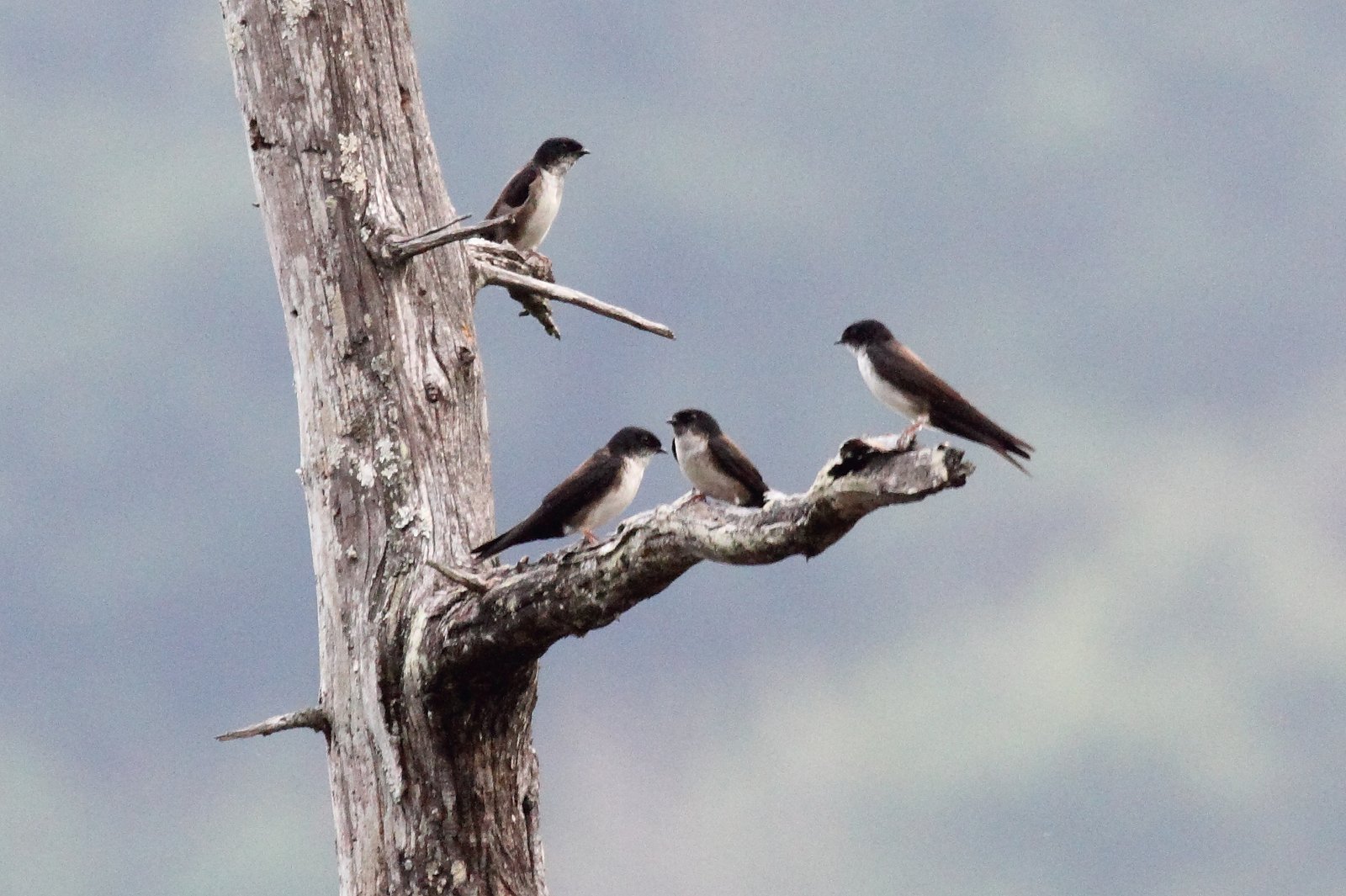
The Black-capped Swallow is a small swallow of the highlands of southern Mexico and northern Central America, with a dark cap, white underparts and black undertail coverts. Small groups hunt over clearings in montane forest, over fields and villages and rest on wires and bare branches. Its whole range lies within the guide area.
Voice
Thin, buzzy tseew calls and a soft, squeaky twittering.
Recording: Mike Nelson — CC BY-NC-SA 3.0 · converted to mono · xeno-canto
Identification
12–13 cm, with a clearly forked tail. Crown and head blackish brown, back and wings dark grey-brown. Throat white with fine dark spots at the sides, breast and belly white, flanks brownish. The undertail coverts are blackish brown and contrast sharply with the white belly. Sexes alike; young birds are duller.
Confusion species
Northern Rough-winged Swallow Stelgidopteryx serripennis lacks the dark cap and has a brownish throat and breast and white undertail coverts. Tree Swallow Tachycineta bicolor and Violet-green Swallow Tachycineta thalassina have glossy upperparts and white undertail coverts.
Habitat
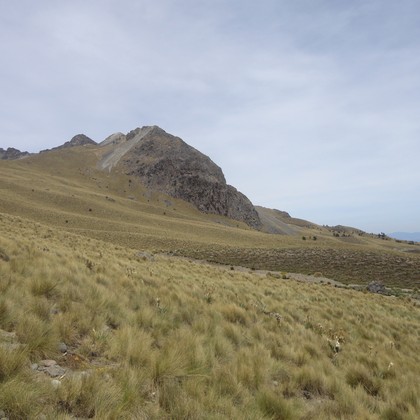
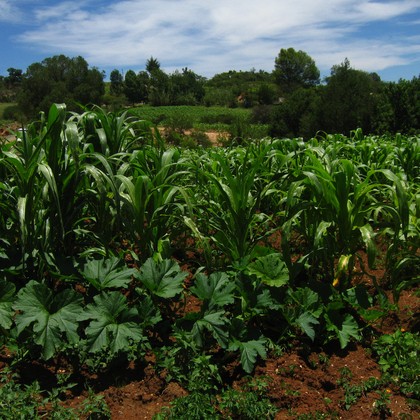
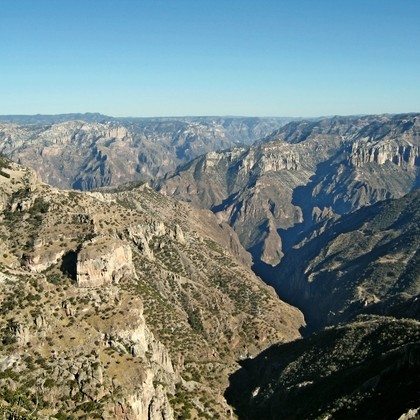
Clearings and edges of pine-oak and cloud forest, montane meadows, fields, ravines and villages in the highlands, mostly above about 1500 m. It hunts small flying insects in the air. It nests in burrows in banks and road cuts and in crevices in rocks or buildings.
Where the bird is most at home, classified by the vegetation units of Mexico and Central America.



Range and movements
Highlands of Chiapas in southern Mexico, Guatemala, El Salvador and Honduras. It does not occur outside the guide area.
- Resident
- dark = core range, pale = thinly spread
How and when to look
Found mainly in the highlands of Guatemala and Chiapas, where small groups hunt over clearings in pine-oak forest, over fields and along mountain roads.
Conservation status
Not threatened. Locally common in the highlands; it tolerates open, human-used land as long as suitable nest sites remain.
Scientific name
Atticora pileata | Gould, 1858 (GBIF: Notiochelidon pileata)
Gould described the species in 1858 and placed it straight away in the genus where it still stands. The genus Atticora was introduced in 1844 by Boie. Atticora is from Greek Atthi kora, a poetic epithet of the swallow: 'Attic maiden', from Attikos 'Attic, Athenian' and korē 'maiden', after the myth of Procne, daughter of the Athenian king. pileata is Latin for 'capped', from pileus 'felt cap', after the black cap. The specimen the first description was based on came from Guatemala.