All species › Waders, gulls and terns › Jacanas
Jacanas | Jacanidae
Jacana's | Jacanas
A small family of eight species in tropical freshwater marshes worldwide. In Mexico and Central America Northern Jacana occurs from Mexico to western Panama, and in Panama Wattled Jacana as well. Their best-known feature is the extremely long toes and claws, which spread their weight over a large area so that they can walk on water lilies, water hyacinth and other floating vegetation. Both species have a fleshy frontal shield, yellow in Northern Jacana and red with wattles in Wattled Jacana, a sharp spur at the bend of the wing and yellow-green flight feathers that show only in flight. The flight is short and fluttering, with dangling legs. They eat insects, snails and other invertebrates picked from leaves or from under turned-up leaf edges. Sex roles are reversed. The female is clearly larger than the male, defends a territory holding several males, and lays a clutch for each of them. The male alone incubates the four glossy, black-scrawled eggs on a floating nest and alone cares for the chicks, which he takes under his wings when danger threatens. The calls are rasping, cackling and chattering. Their closest relatives are the painted-snipes.
Native species 2 species
Species that occur here by nature: breeding birds, winter visitors and passage migrants. They are arranged by genus, in the sequence of the list.
Jacana 2 species
-
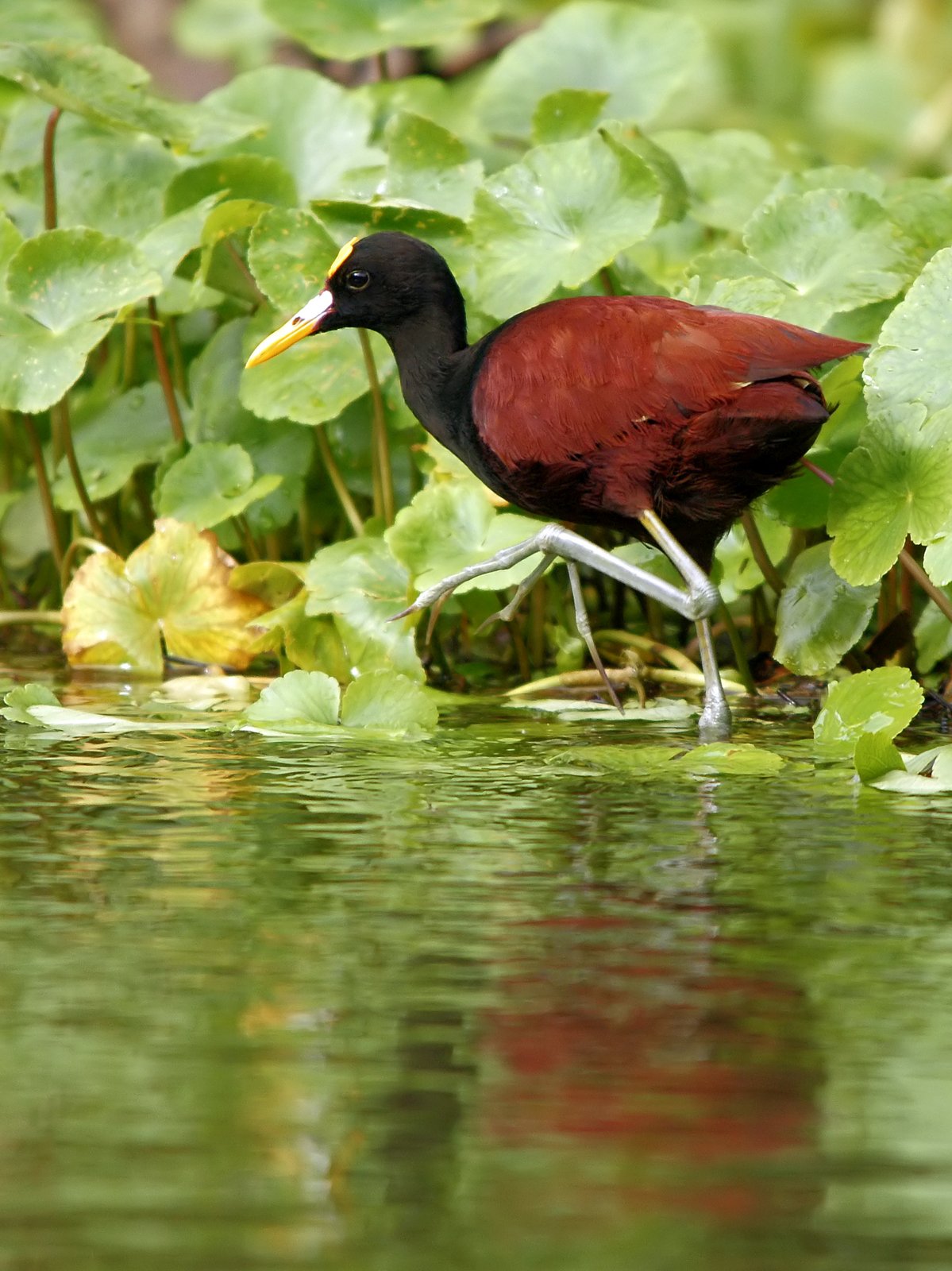
Northern Jacana
Jacana spinosa Freshwater marsh and wet grassland
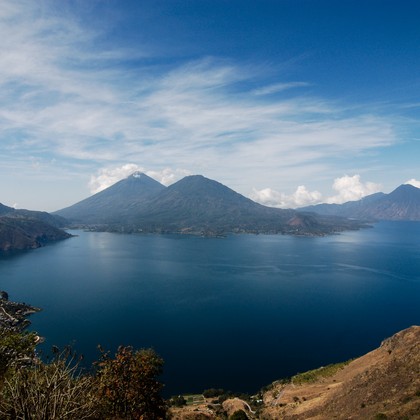 Lakes, reservoirs and ponds
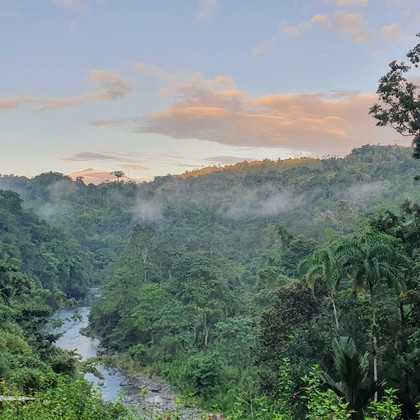 Rivers and streams
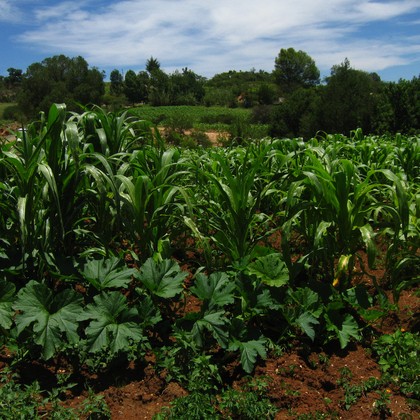 Rice fields and fish ponds
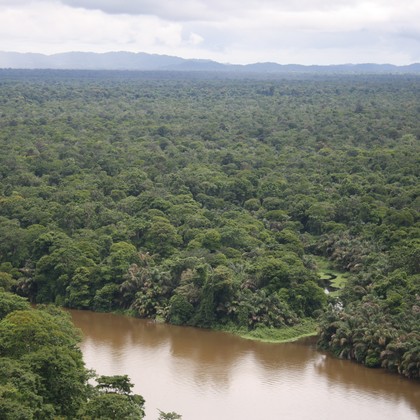 Swamp forest and palm swamp
-
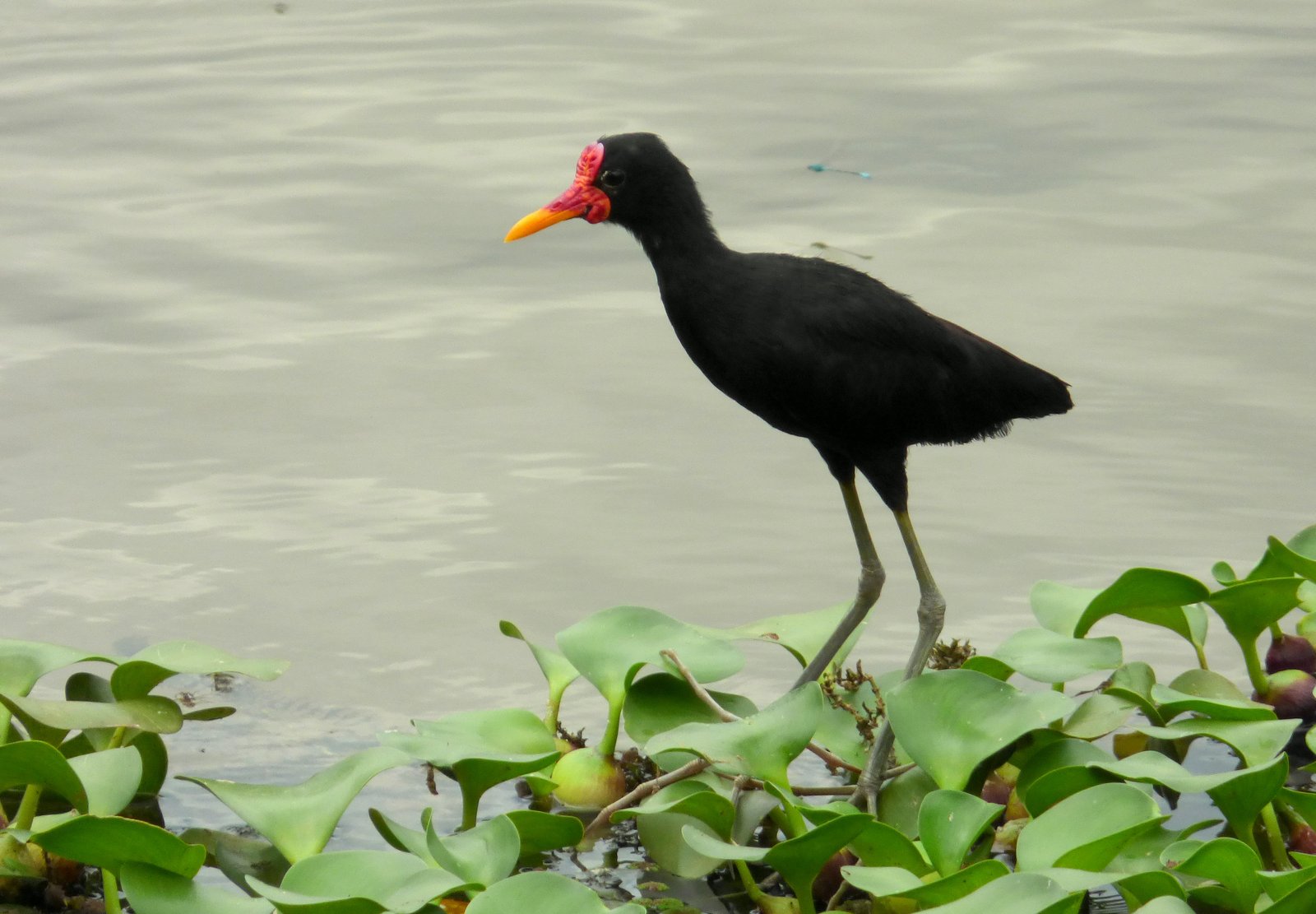
Wattled Jacana
Jacana jacana- Freshwater marsh and wet grassland
- Lakes, reservoirs and ponds
- Rice fields and fish ponds
- Rivers and streams
 Pasture and grazing land with trees