All species › Passerines › Crows and jays › Cuban Palm Crow
Cuban Palm Crow | Corvus minutus
Cubaanse palmkraai | Cao pinalero
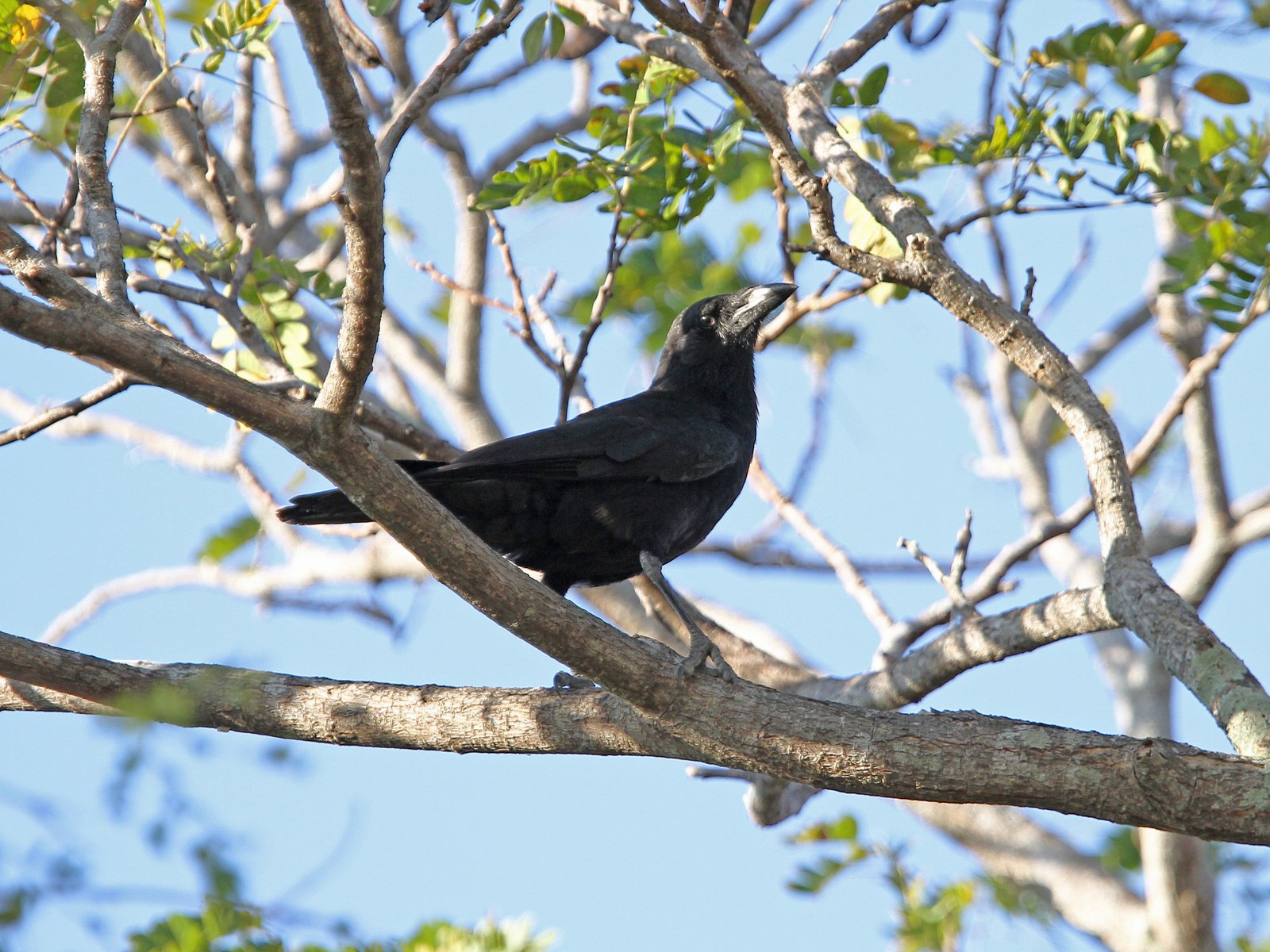
The Cuban Palm Crow is a rare and local endemic crow of Cuba. It closely resembles the much commoner Cuban Crow, but genetic work places it in a different lineage, related to Fish Crow and Mexican crows. It was long lumped with Hispaniolan Palm Crow, and the IUCN still does so.
Voice
Harsh, nasal, typically crow-like calls, clearly different from the bubbling and ringing sounds of Cuban Crow.
Recording: FREDERIC Lionel — CC BY-NC-SA 4.0 · shortened to the first 60 s, mono · xeno-canto
Identification
34–36 cm, smaller and slimmer than Cuban Crow, with a shorter bill. All black, with a purple gloss in fresh plumage and dull brownish black when worn. The gape ends in front of the eye. The tail is square-ended. The iris is dark brown, bill and legs black. Males are slightly larger than females; juveniles are duller.
Confusion species
Cuban Crow Corvus nasicus is larger, with a longer, deeper bill, a gape reaching below the middle of the eye and a more diamond-shaped tail; its calls are bubbling and parrot-like. The palm crow calls in a nasal, crow-like way, flies with faster, deeper wingbeats and walks on the ground, whereas Cuban Crow more often hops. Cuban Blackbird Ptiloxena atroviolacea is much smaller, with a slender bill.
Habitat
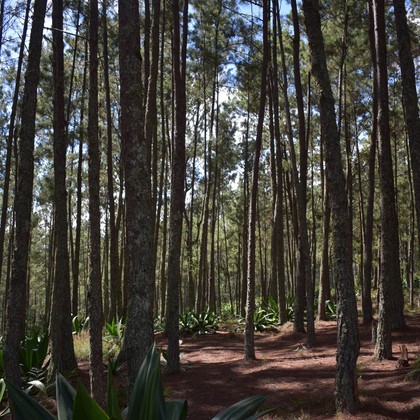
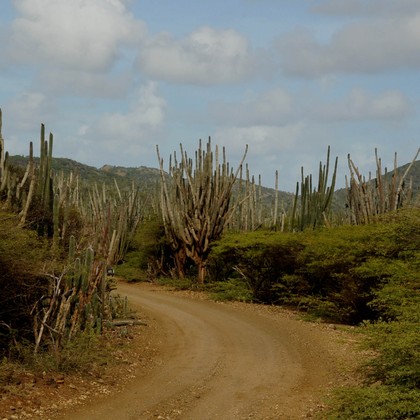
Human-modified landscapes: open ground with islands of trees or palms, palm savanna, pine forest edges and scrub. Almost entirely between sea level and 600 m. It forages a lot on the ground.
Where the bird is most at home, classified by the vegetation types of the Caribbean.


Range and movements
Only in Cuba, at scattered sites in Cienfuegos and Sancti Spíritus provinces and separately in Camagüey province. Formerly more widespread, including Pinar del Río, where there have been hardly any records since the 1970s. It does not occur outside Cuba.
- Resident
- dark = core range, pale = thinly spread
How and when to look
Most records come from the open palm country of Camagüey. Every crow in Cuba deserves a look at the bill, the tail shape and above all the call: a nasal, crow-like call points to this species.
Conservation status
The IUCN assesses Cuban and Hispaniolan Palm Crows together as not threatened. In Cuba itself the species is considered endangered and is legally protected; the population is small and appears to be declining.
Scientific name
Corvus minutus | Gundlach, 1852
Gundlach described the species in 1852 and placed it straight away in the genus where it still stands. The genus Corvus was introduced in 1758 by Linnaeus. Corvus is the Latin word for 'raven'. minutus is Latin for 'small', as this is one of the smallest crows in the region. The specimen the first description was based on came from Cuba.