All species › Cranes, rails and allies › Rails, gallinules and coots
Rails, gallinules and coots | Rallidae
Rallen | Rálidos
The body is flattened from side to side, so that the bird squeezes through dense reed and sedge without setting the stems moving; the long toes spread its weight over floating leaves and soft mud, and in the swimming species the toes carry broad lobes that open at each stroke and fold shut again afterwards. They are reluctant to fly, and then only low and fluttering with the legs dangling, while many species do migrate long distances at night; on remote islands there are species that cannot fly at all. Their presence is almost always revealed by sound: a hard rattling cackle, a grunting moan or a whinnying series rising from the marsh after sunset and answered by the neighbours. The nest is a cup of stems bent over and woven together, often with a canopy of pulled-down leaves and a walkway down to the water. The clutch is large and the black downy chicks leave the nest after a day or two; they are then fed piece by piece by both parents for weeks, sometimes with young from an earlier brood helping out.
Native species 11 species
Species that occur here by nature: breeding birds, winter visitors and passage migrants. They are arranged by genus, in the sequence of the list.
Rallus 4 species
-
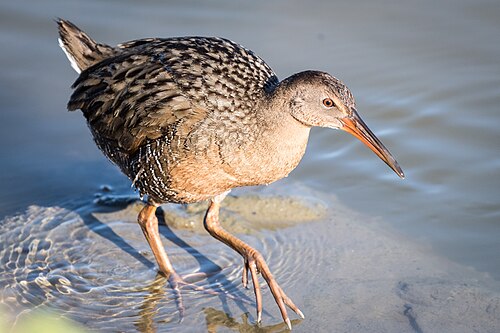
Ridgway's Rail
Rallus obsoletus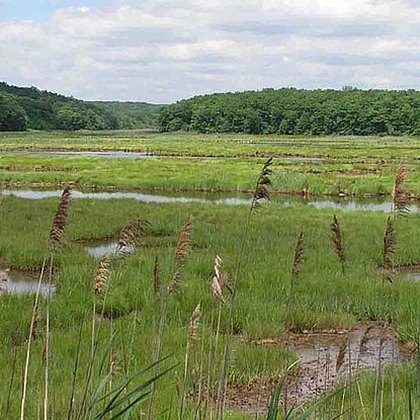 Salt marsh
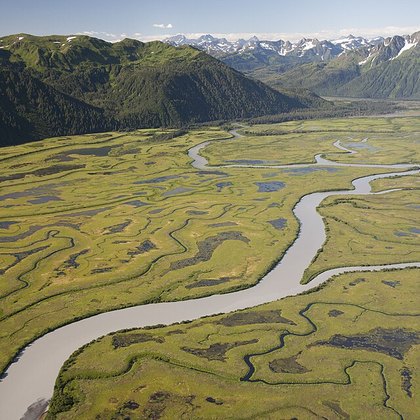 Estuaries and lagoons
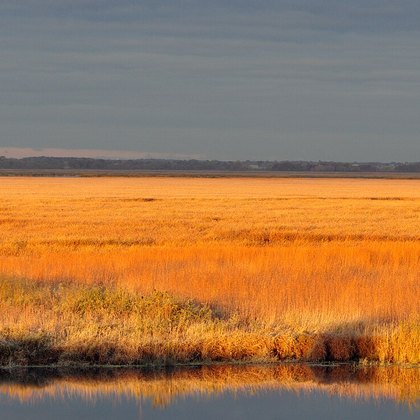 Freshwater marsh
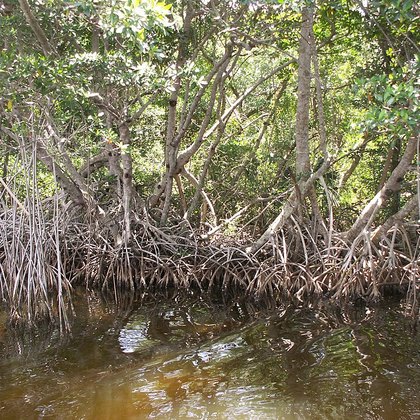 Mangrove
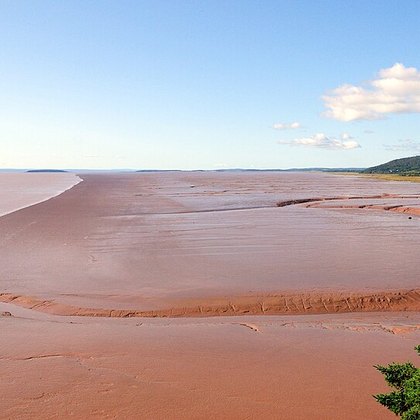 Tidal flats
-
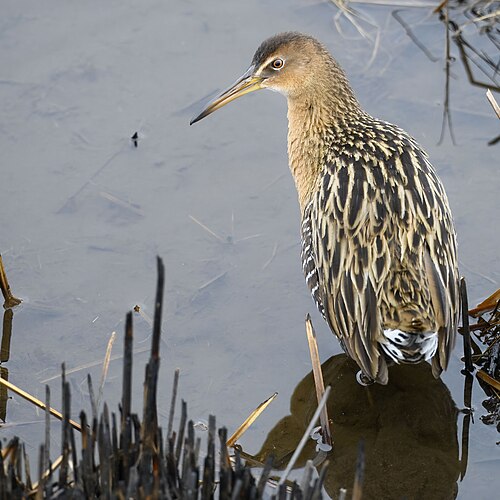
King Rail
Rallus elegans- Freshwater marsh
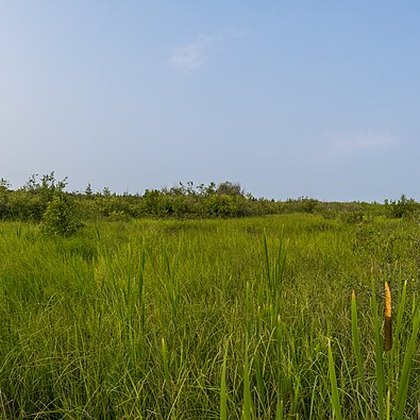 Wet meadow and sedge marsh
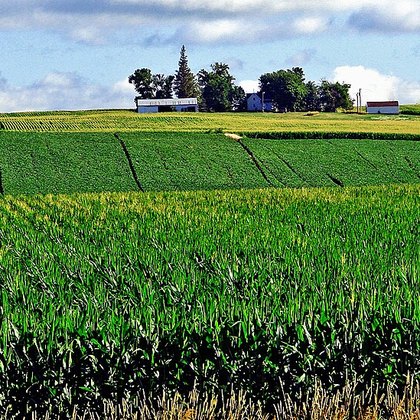 Arable land
- Salt marsh
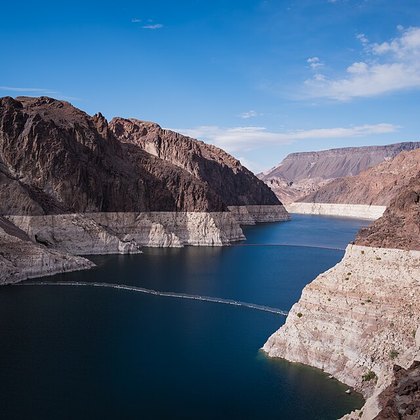 Reservoirs and ponds
-
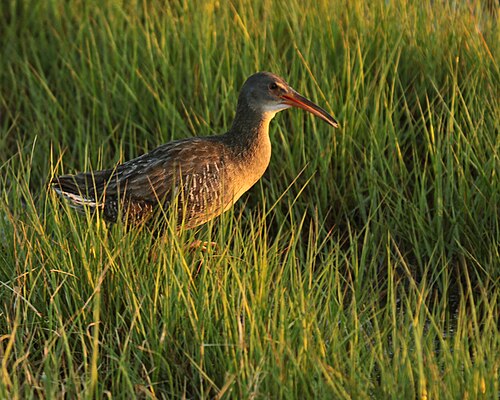
Clapper Rail
Rallus crepitans- Salt marsh
- Estuaries and lagoons
- Tidal flats
- Mangrove
- Freshwater marsh
-
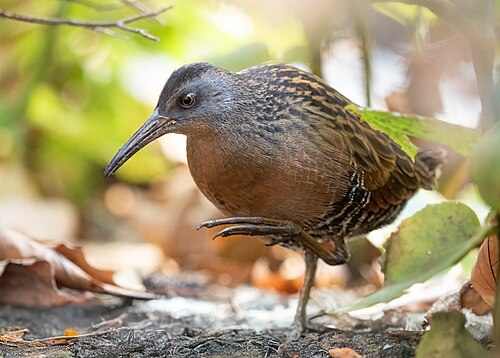
Virginia Rail
Rallus limicola- Freshwater marsh
- Wet meadow and sedge marsh
- Salt marsh
 Riparian zone
- Reservoirs and ponds
Porzana 1 species
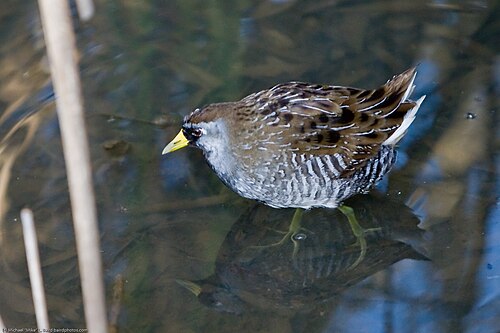
Gallinula 1 species
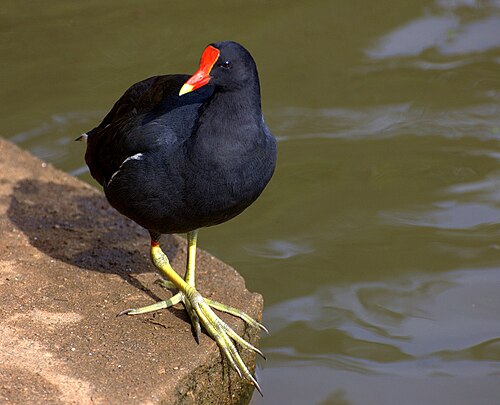
Fulica 2 species
Porphyrio 1 species
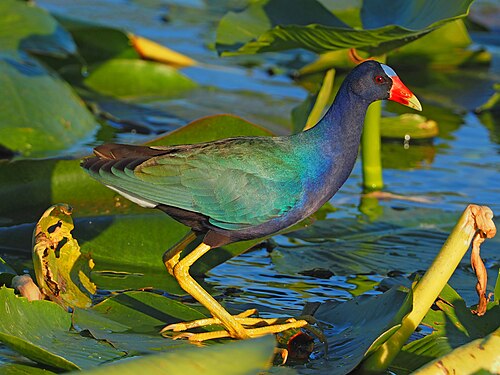
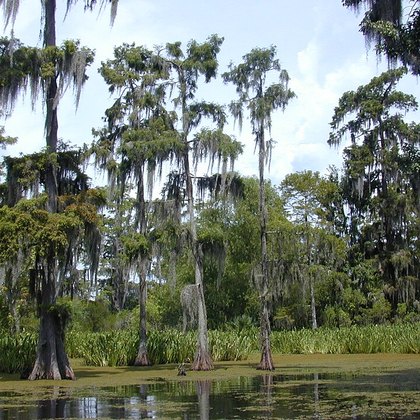
Coturnicops 1 species
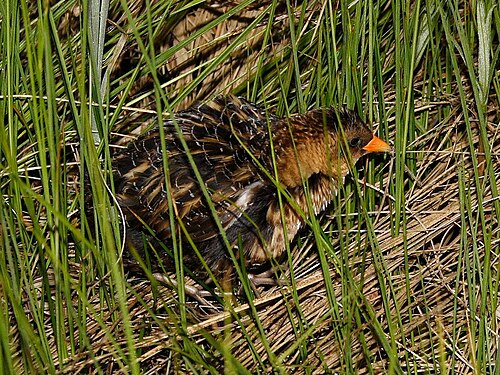
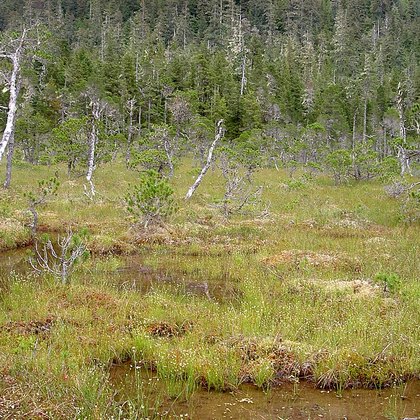
Introduced species 1 species
Species that do not occur here by nature but were brought in or escaped and have held on since. They follow the sequence of the list, not the genera.