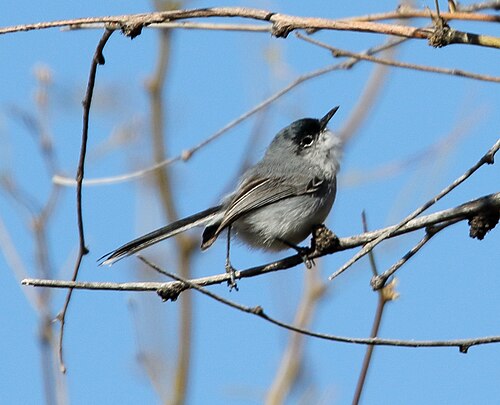
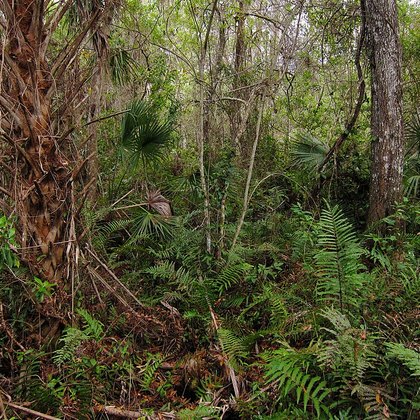
All species › Passerines › Gnatwrens and gnatcatchers
Gnatwrens and gnatcatchers | Polioptilidae
Muggenvangers | Perlitas
These are very small, slender insect-eaters with a fine, needle-like bill and a long, narrow tail edged with white. The tail is seldom still: it is cocked and swung sideways in short jerks, and the flash of white startles insects out of cover, to be taken in the air with a brief sally. Foraging goes on without pause among the outermost twigs of shrubs and canopies, often while hanging upside down or briefly hovering in place. The sound that gives the birds away first is a thin, nasal, slightly rasping zzzz with which a pair keeps contact all year; the song is a soft, rambling murmur with snatches of imitation in it, audible only at close range. The nest is a small, deep cup built straddling a branch; after disturbance it is taken apart and the material worked into another one, sometimes more than once in a season. Species of dry thorn scrub stay paired throughout the year and take most of their moisture from their prey, while northern birds migrate away.
Native species 3 species
Species that occur here by nature: breeding birds, winter visitors and passage migrants. They are arranged by genus, in the sequence of the list.
Polioptila 3 species
-
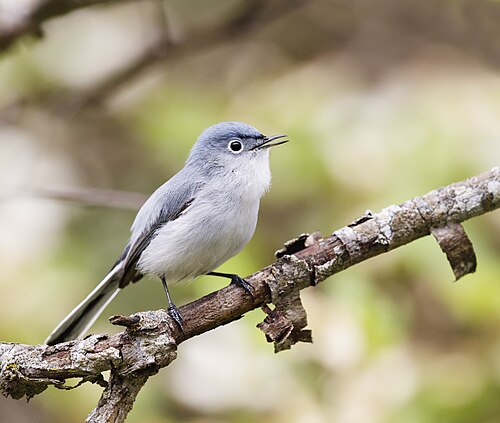
Blue-gray Gnatcatcher
Polioptila caerulea Deciduous forest
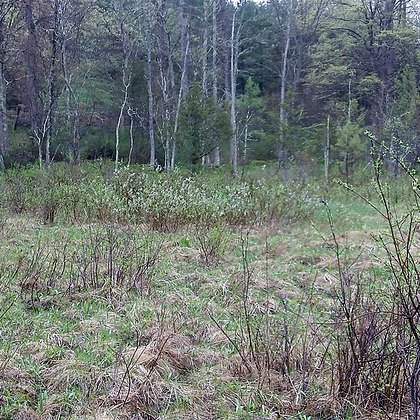 Thickets and woodland edge
 Pinyon-juniper and dry pine woodland
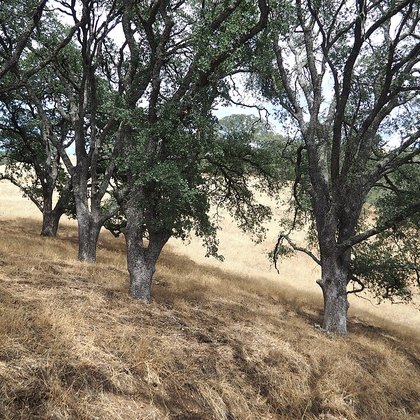 Savanna and oak woodland
 Riparian zone
-
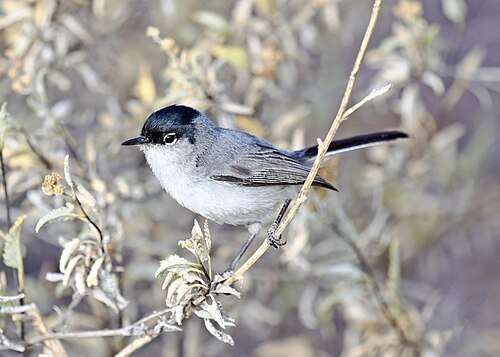
Black-tailed Gnatcatcher
Polioptila melanura Desert and semi-desert
- Thickets and woodland edge
- Riparian zone
-
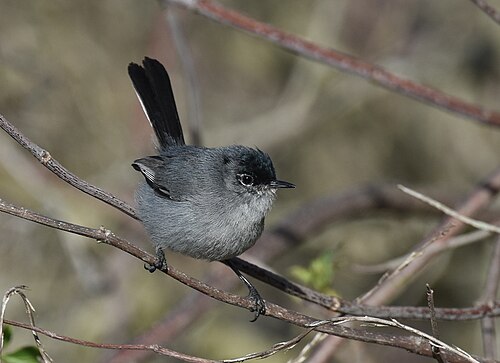
California Gnatcatcher
Polioptila californica- Thickets and woodland edge
 Chaparral
- Desert and semi-desert
Vagrants 1 species
Birds blown in from other continents, or from far outside their usual range.