All species › Passerines › Munias, parrotfinches, waxbills and allies
Munias, parrotfinches, waxbills and allies | Estrildidae
Prachtvinken | Estrildidos
None of the species living wild here belongs to this region naturally: they are escaped and released cage birds from Africa and tropical Asia that have settled mainly on the Pacific islands and in a few warm lowlands of the mainland, where they live on seed along roadsides, in reed fringes and on rough grassland. They are very small birds with a short, thick bill, often coral-red or silver-grey and gleaming as if waxed; the plumage is finely barred or scattered with white spots. Half-ripe grass seeds are picked from the head and husked one by one in the bill. The nest is a dense ball of grass with a short entrance tube; outside the breeding season a separate, rougher ball is built in which the group sleeps packed close together. The nestlings carry a fixed pattern of dark spots inside the mouth and shining beads at the corners of the gape that catch what light there is in the dark nest and show the parents where to feed. The male sings so quietly that he is audible only at very close range, holding a grass stem in his bill and dancing on the perch.
Introduced species 8 species
Species that do not occur here by nature but were brought in or escaped and have held on since. They follow the sequence of the list, not the genera.
-
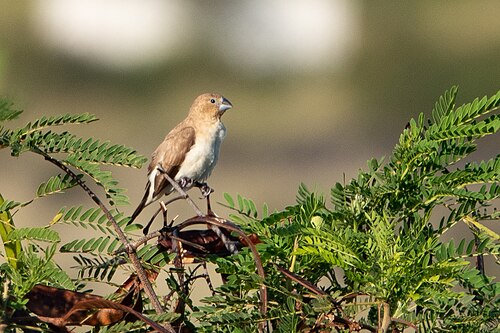
African Silverbill
Euodice cantans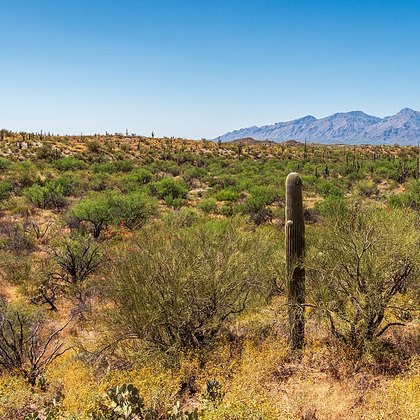 Desert and semi-desert
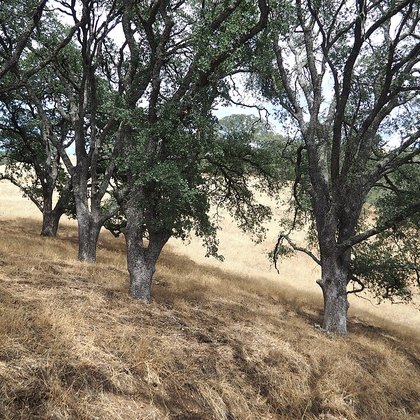 Savanna and oak woodland
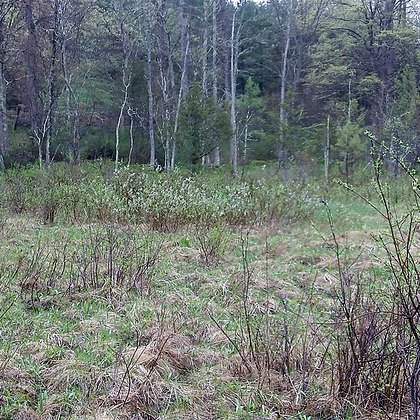 Thickets and woodland edge
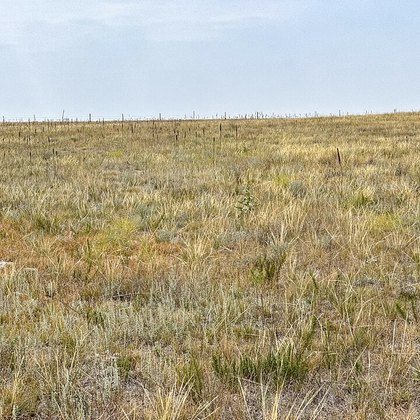 Shortgrass prairie
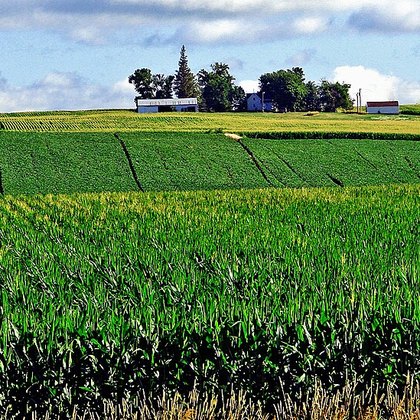 Arable land
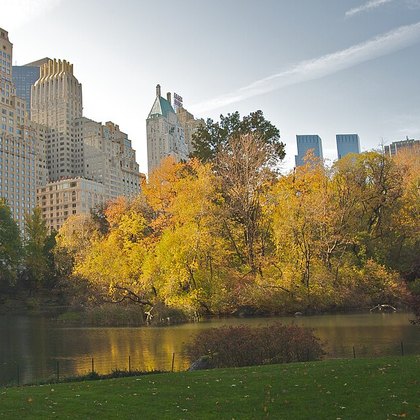 Gardens and parks
-
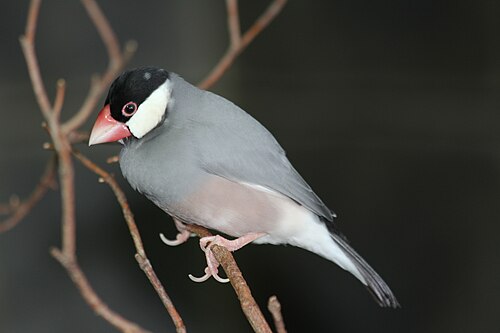
Java Sparrow
Padda oryzivora- Arable land
- Gardens and parks
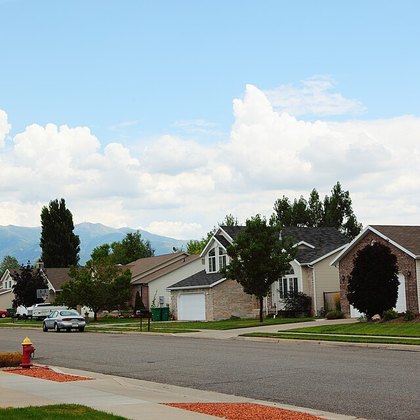 Town and city
- Savanna and oak woodland
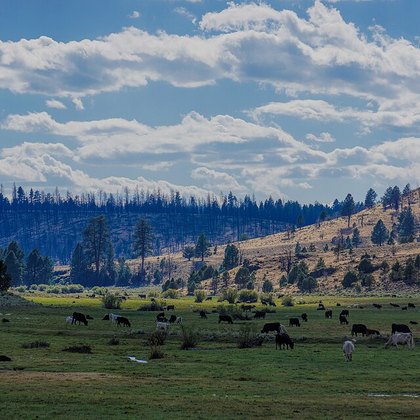 Pasture and rangeland
-
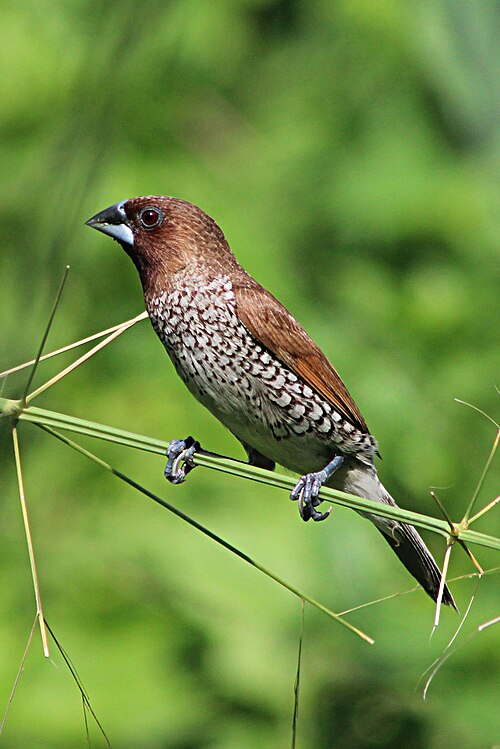
Scaly-breasted Munia
Lonchura punctulata- Gardens and parks
- Town and city
- Arable land
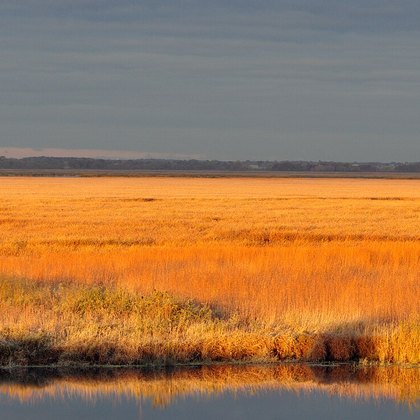 Freshwater marsh
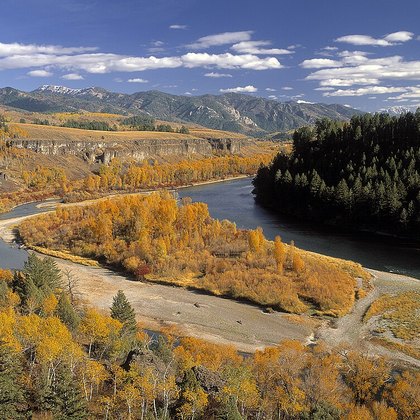 Riparian zone
-
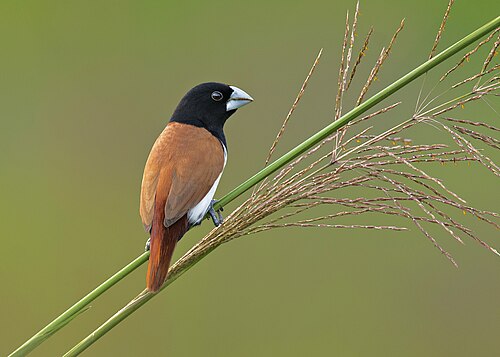
Tricolored Munia
Lonchura malacca- Freshwater marsh
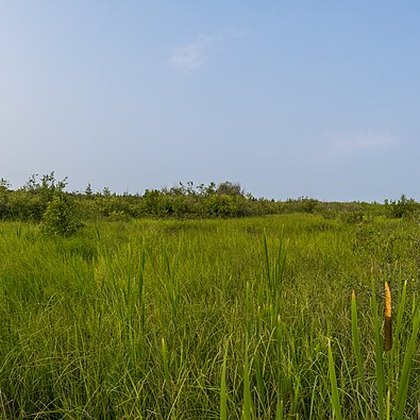 Wet meadow and sedge marsh
- Arable land
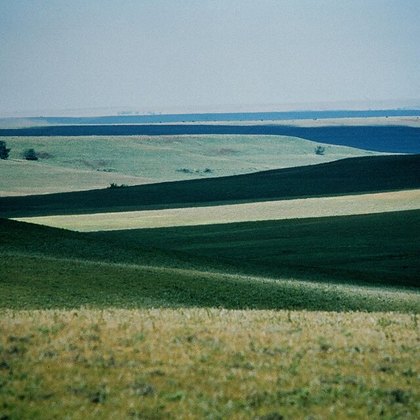 Tallgrass prairie
- Riparian zone
-
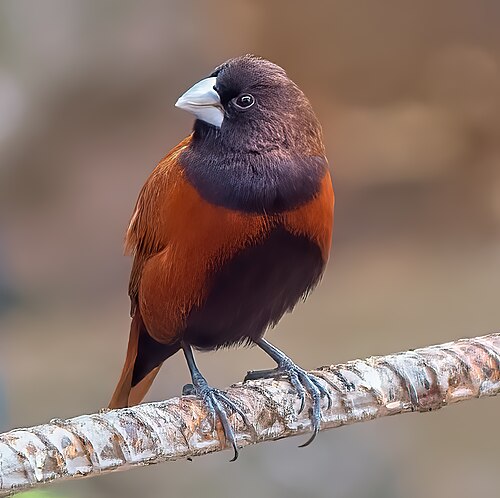
Chestnut Munia
Lonchura atricapilla- Wet meadow and sedge marsh
- Freshwater marsh
- Tallgrass prairie
- Arable land
- Gardens and parks
-
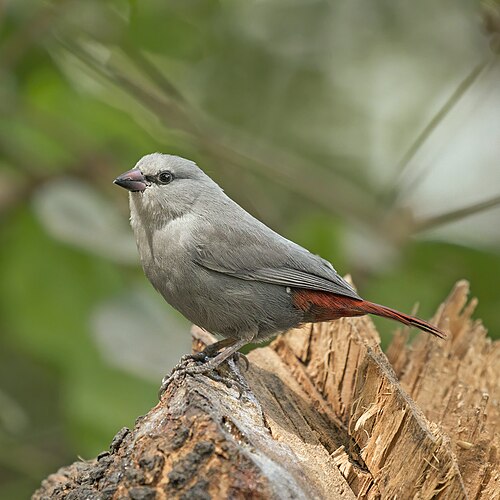
Lavender Waxbill
Glaucestrilda caerulescens- Savanna and oak woodland
- Thickets and woodland edge
- Desert and semi-desert
- Gardens and parks
- Town and city
-
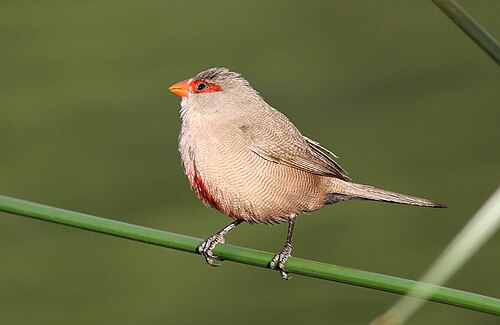
Common Waxbill
Estrilda astrild- Freshwater marsh
- Riparian zone
- Pasture and rangeland
- Arable land
- Gardens and parks
- Thickets and woodland edge
-
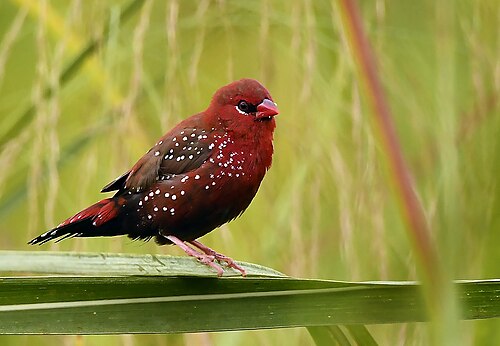
Red Avadavat
Amandava amandava- Freshwater marsh
- Riparian zone
- Wet meadow and sedge marsh
- Arable land
- Pasture and rangeland
- Thickets and woodland edge