All species › Passerines › Munias, parrotfinches, waxbills and allies › Red Avadavat
Red Avadavat | Amandava amandava
Tijgervink | Bengalí rojo
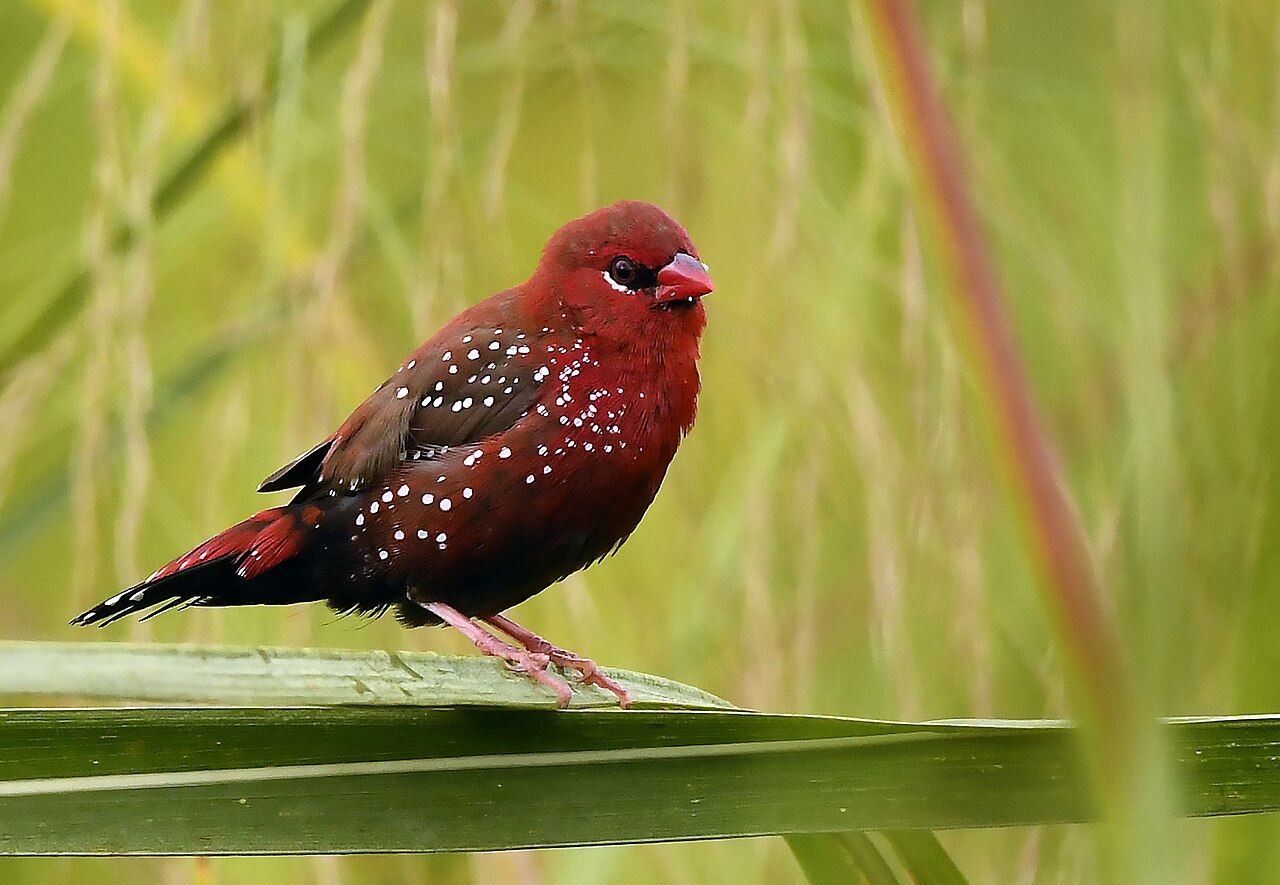
The Red Avadavat is a small Asian estrildid finch that the cage-bird trade brought to Hawaii, where it has bred since the early twentieth century. The breeding male is red with white spots; females and non-breeding males are grey-brown and are known by the red bill and red rump alone.
Voice
The call is a single low, thin pseep, usually given in flight, keeping the members of a party in contact. A short chik accompanies flushing. The male's song is a soft, faint series of high and low notes without a fixed ending, delivered from a grass stem and barely audible a few metres away.
Recording: Mathieu Waldeck — CC BY-NC-SA 4.0 · Monsummano Terme, Provincia di Pistoia, Toscana, Italy · xeno-canto
Identification
One of the smallest birds in Hawaii, with a short conical red bill and a short, rounded black tail. The breeding male is crimson on head, breast, flanks and rump, with small round white spots over the whole body and blackish wings. Out of the breeding season he loses that red and becomes olive-brown above and dingy white below, with only the red rump and bill remaining. The female resembles that plumage but is greyer, with a dark eye-line, a yellow wash on the belly and a few white spots on the wing coverts.
Confusion species
Common Waxbill also has a red bill, but is finely barred over the whole body, with a long graduated tail and a broad red eye-stripe. African Silverbill is pale sandy with a heavy blue-grey bill and a long pointed tail. On grey-brown avadavats the red rump, red bill and short black tail are decisive together; a small grey-brown bird with white spots on the wing is almost always a Red Avadavat.
Habitat
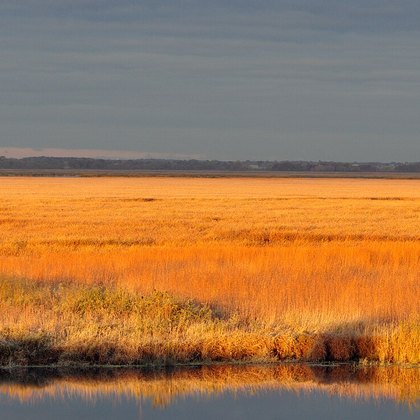
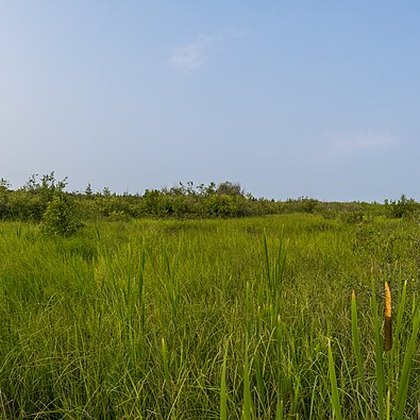
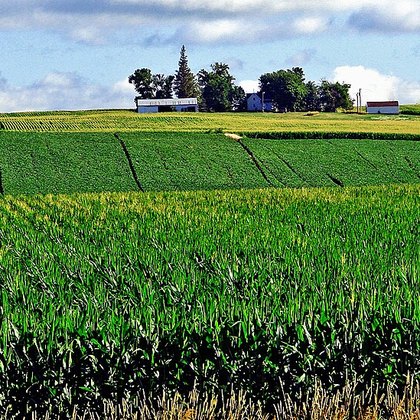
Tall grass, reeds and rank growth in flat, open lowland, nearly always close to water: pond and reservoir margins, irrigation ditches, wet pasture, fallow fields and the edges of cane and pineapple fields. It avoids forest and closed scrub. In Hawaii it stays largely below 300 metres and takes grass seed and small insects while walking on the ground or clinging to the stems.
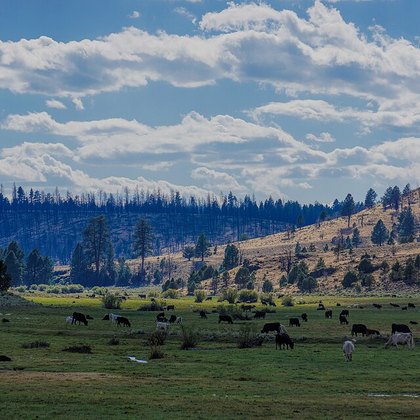
Where the bird is most often found, arranged by the USNVC — the vegetation classification of the United States and Canada — and CMECS for sea and coast.


Range and movements
The native range runs from Pakistan and India through Nepal and Bangladesh to Myanmar, southern China, Indochina and Java. The cage-bird trade produced populations in southern Spain, Egypt, Japan, Malaysia and Puerto Rico. In Hawaii it was introduced in the early twentieth century and has persisted on Oʻahu, Kauaʻi and Hawaii Island, in the greatest numbers on the moist lowland plains. Numbers vary sharply from year to year and from site to site with field management and the state of the grass.
- Resident
- Breeding (summer)
- Passage
- dark = core range, pale = thinly spread
Where and when to look
The best chance is a grassy pond margin or a wet lowland hollow in early morning, when parties of five to twenty fly low from one grass clump to the next. Listen for the thin pseep in flight; a red male stands out at distance, but outside the breeding season you have to work from the red bill and rump.
Conservation
The species is listed as Least Concern (LC): the Asian range is large and numbers there are high, though trapping for the cage-bird trade continues locally. In Hawaii the population is small and local compared with the other introduced estrildids, and no control is carried out. Because it occupies flat, worked lowland, it barely overlaps with the native forest birds of the uplands.
Scientific name
Amandava amandava | (Linnaeus, 1758)
Linnaeus described the species in 1758 as Fringilla amandava; because it was later moved to another genus, author and year stand in parentheses. The genus Amandava was introduced in 1836 by Edward Blyth. Both genus and species name go back to Ahmedabad in Gujarat, the port from which these birds were formerly exported for the cage-bird trade; the English name avadavat is that same place name in corrupted form. The Dutch name tijgervink refers to the male's spotting. The type locality is fixed on Calcutta in eastern India.