All species › Carnivores › True seals › Mediterranean monk seal
Mediterranean monk seal | Monachus monachus
Mediterrane monniksrob | Foca monje del Mediterráneo
The Mediterranean Monk Seal (Monachus monachus) is the only seal that breeds in the Mediterranean, and with about eight hundred to a thousand animals one of the rarest marine mammals. Formerly the species rested on open beaches in Greece, Italy and North Africa; the Greek word for seal lies behind the name of the mythical hero Phocus, after whom the region of Phocis is said to be named, and the Ionian city of Phocaea bore the monk seal as an emblem on its coins. Today it mainly uses sea caves with an underwater entrance, a shift attributed to long-term persecution by people.
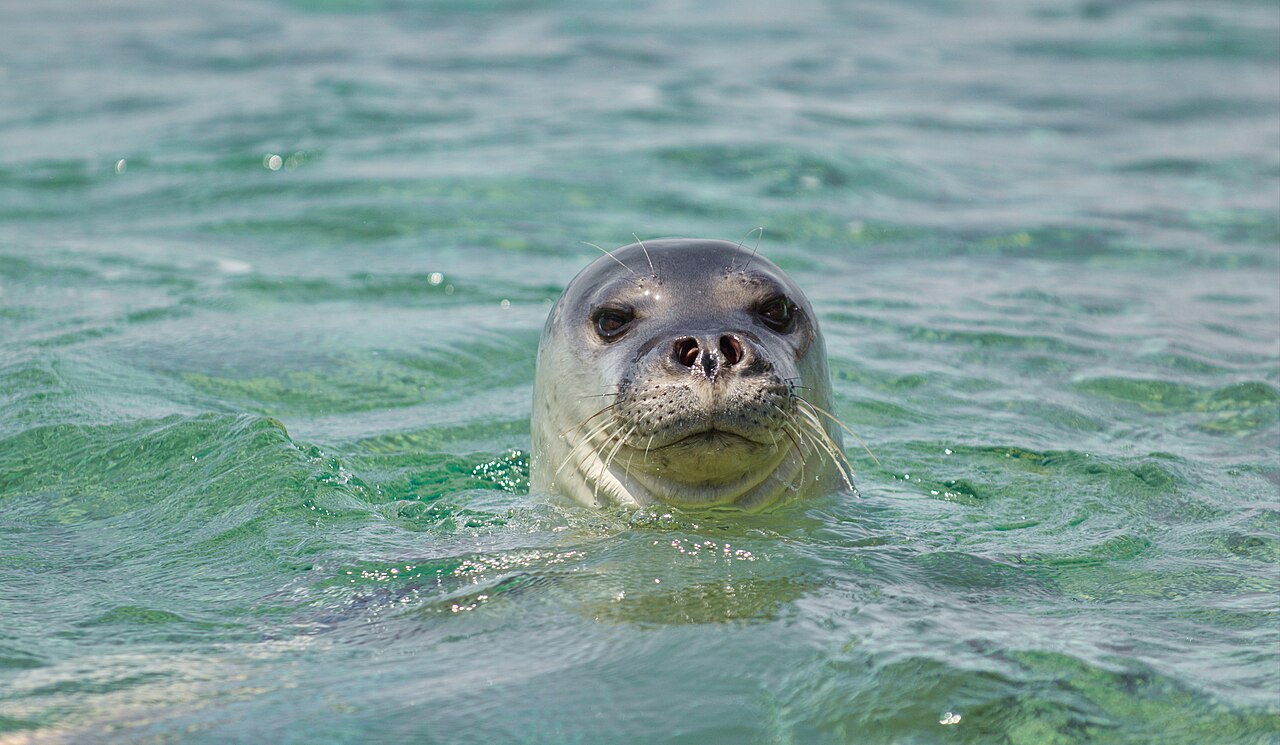
Tracks
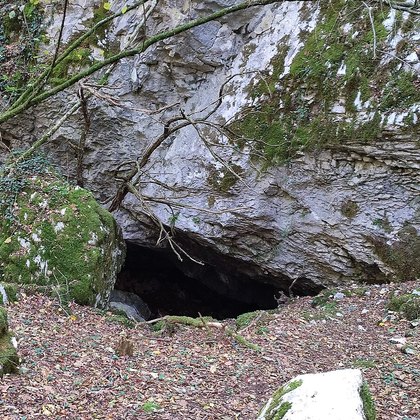
On open beaches almost no signs of this species are found any more. Signs are found mainly in caves: an occupied cave can be recognised by a worn, smooth track across the shingle beach inside, where the animals have hauled out for generations, by a greasy sheen on the rock wall at back height and by a sharp smell of seal and excrement in the still air. On the beach lie tufts of short, stiff hair from the moult and occasionally a shapeless dropping with fish bones and squid beaks. Outside the caves the evidence is indirect and more often seen: torn gill nets and traps with a round hole where the catch was, and fish of which only the head or the body remains. On sandbanks at Cabo Blanco and on a few Greek and Turkish islets the animals use open beaches again; there they leave a broad drag trail, a groove about half a metre wide from the surf to the dune foot.
Head close-up
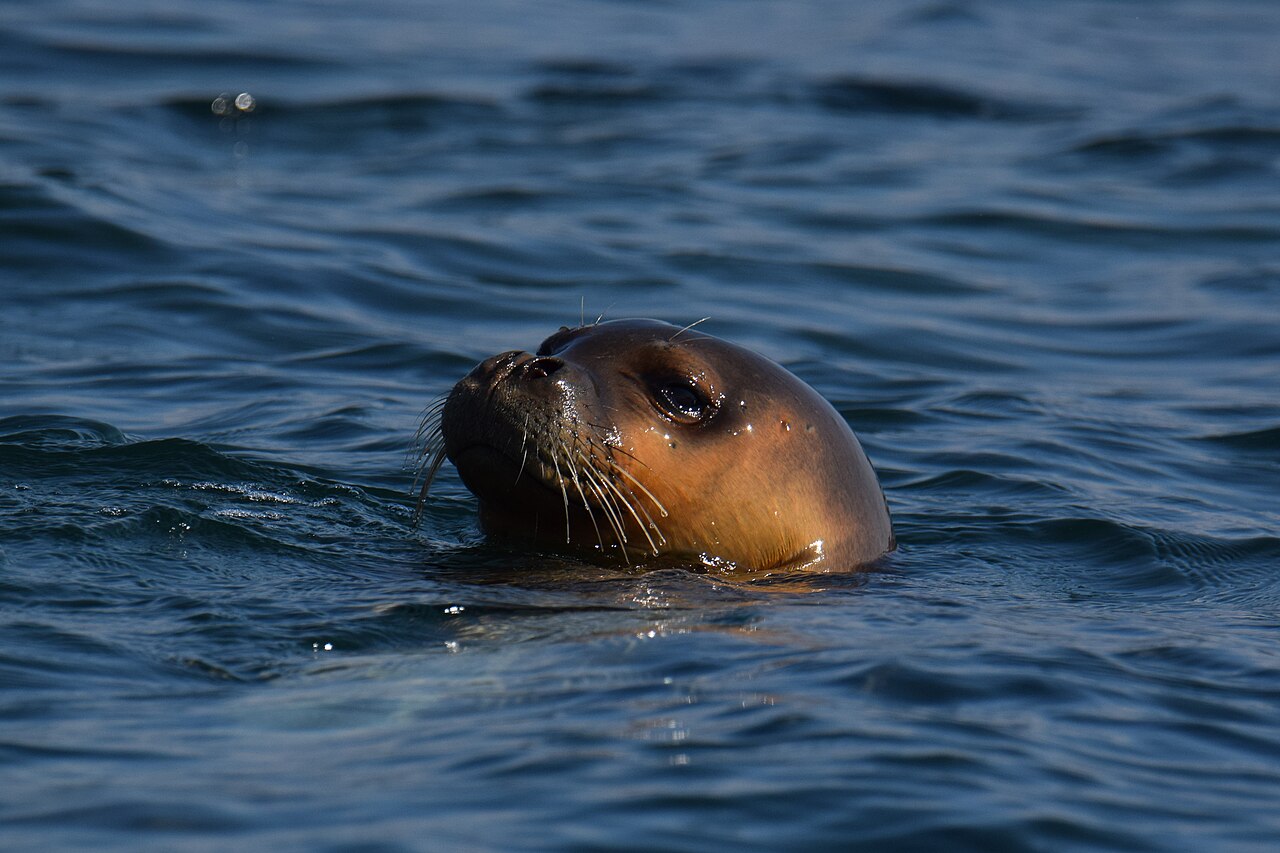
Identification
A heavy seal with a smooth, short-haired coat, a broad, flattened head and a short, blunt muzzle, on which the nostrils open upwards rather than forwards; this is the best character when only the head is visible above water. The whiskers are short, thick and smooth, not beaded. Adults are plain brown or grey-brown; old males become almost black and have an irregular white patch on the belly, often butterfly-shaped in males and more rectangular in females. This patch differs enough between animals to identify individuals. The body is torpedo-shaped, without the skin folds of the Grey Seal. The newborn pup is black and woolly with a white belly patch. When diving the animal makes one short, heavy splash and disappears without further movement.
Similar species
In the Mediterranean the Monk Seal is the only seal that occurs regularly; a seal in Greek, Turkish or Cypriot waters is a Monk Seal. In the Atlantic fringes (Madeira, the Western Sahara, occasionally the Portuguese coast) a wandering Harbour Seal or Grey Seal from the north may turn up. The head then decides: the Monk Seal has a broad, flat skull and upward-facing nostrils, both northern species a narrower head and forward- or sideways-facing nostrils. The Monk Seal is also plain-coloured and lacks the spots of the Harbour Seal and the blotched pattern of the Grey Seal. Confusion with a Harbour Porpoise or a dolphin is possible only at a distance: they have a dorsal fin, the Monk Seal does not.
Habitat
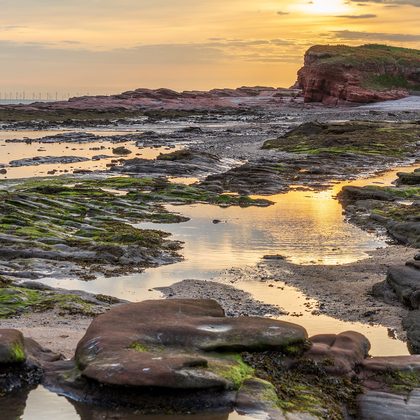
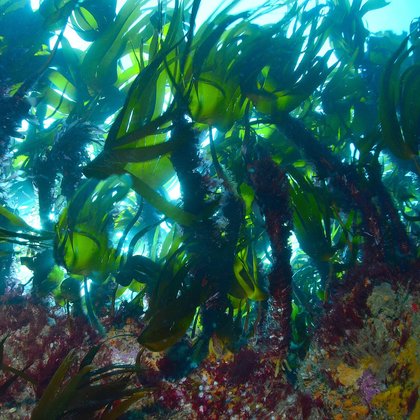
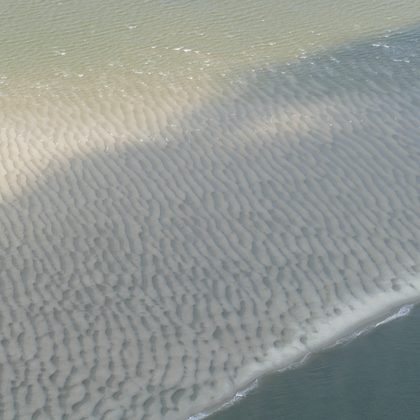
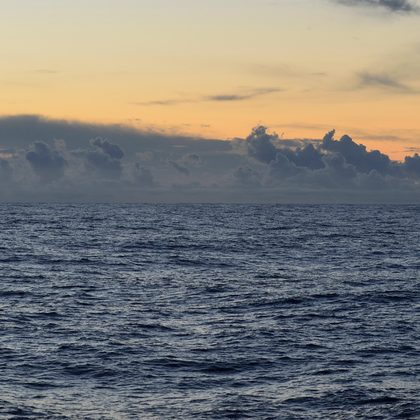
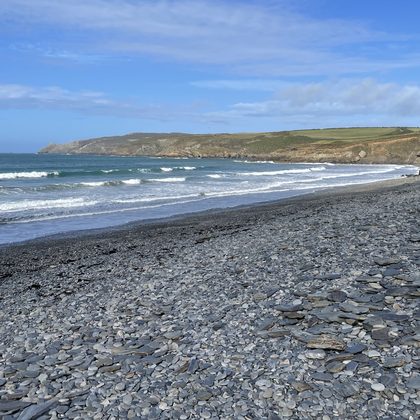
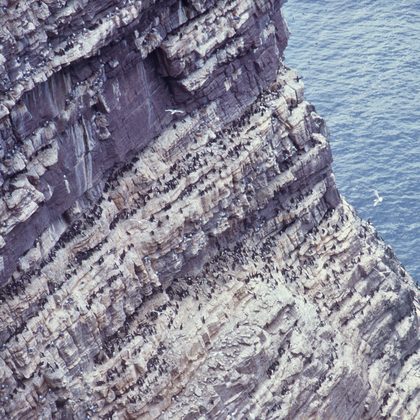
Rocky coasts with steep walls and sea caves, especially caves with an underwater entrance and a dry shingle or sand beach inside, where the animals rest and give birth. Also shallow rocky bottoms, limestone platforms and seagrass beds down to about sixty metres, where they hunt octopus, squid, moray, conger and bottom-living fish. Where undisturbed, the animals again use open beaches and shingle coves, as on the coast of Mauritania and on a number of Greek islets.
Where the animal is most at home, classified with EUNIS — the European standard for habitats.
Distribution
The eastern Mediterranean, above all the Aegean coasts of Greece and Turkey, also Cyprus, the Ionian Sea and the Adriatic coast; on the Atlantic side the Madeira archipelago and the Cabo Blanco peninsula on the border of the Western Sahara and Mauritania, with the largest colony. The species has virtually disappeared from the western basin: in the twentieth century it died out on Corsica, Sardinia, the Balearics and along the Spanish, French and North African Mediterranean coasts. In the Balearics, at Cabo de Gata and on the Chafarinas Islands it bred until the mid-twentieth century. Since about 2010 wandering animals have again been recorded, including along the Spanish east coast and the Balearics, and as far as the Adriatic, Israel and Lebanon. The core of the European distribution lies in Greece and Turkey.
- Native
- dark = core range, pale = thinly spread
Way of life
Mainly active by day, with dives of six to ten minutes to depths of tens of metres; where people are nearby, activity shifts to the night and the animals leave the cave only in darkness. Solitary or in small, loose groups; a cave may be used by several females at once. Pups are born mainly between September and January, one per litter, in the cave: 80 to 100 cm long, 17 to 24 kilos, with a black, woolly coat with a white belly patch, which moults to silver-grey after four to six weeks. The pup is suckled for four months, long for a seal, and then stays near the mother for months. Females give birth at most every other year. Lifespan is twenty to thirty years.
Where and when to look
The chance of a sighting is small, and deliberate searching at caves is undesirable. The best chance is a boat trip in the National Marine Park of Alonissos and the Northern Sporades in Greece, or along the coasts of Karpathos, Gyaros or Lycian Turkey, early in the morning, scanning the cliffs from the water; Madeira (Deserta Grande) also has resident animals. Never enter a sea cave and do not pass close by in a boat: a single disturbance can cause a female to abandon her pupping cave, and the number of suitable caves is small. Keep your distance when you see an animal and report the sighting to the local organisation; with a population of this size every record matters.
Conservation status
Vulnerable (VU, 2023). In June 2023 the IUCN downlisted the species from Endangered to Vulnerable, because the population is slowly growing and the range expanding. The total population is estimated at about eight hundred to a thousand animals, in three separate groups: the eastern Mediterranean with a few hundred animals in Greece and Turkey, Cabo Blanco in Mauritania with a comparable number, and Madeira with a few tens. The historical cause of the decline is direct persecution by fishermen, who regarded and regard the species as a competitor. Disturbance of caves by diving and pleasure boats, drowning in gill nets, cave collapse, toxic algal blooms and a strongly impoverished genetic variation with demonstrated inbreeding in the east also play a part. At Cabo Blanco two thirds of the colony died within a few months in 1997 in a mass mortality, probably caused by an algal toxin. Because the species lives in few, small colonies, a single such event can affect a large part of the population.
Scientific name
Monachus monachus | (Hermann, 1779)
Hermann described the species in 1779 as Phoca (Monachus); because it was later moved to another genus, the author and year stand in brackets. Monachus is Latin monachus, 'monk', from Greek monachos, 'living alone'. Hermann took the name in 1779 from the Marseille vernacular moine: in the round head and the heavy folds over the shoulders he saw a monk in his cowl. Where that vernacular word came from has never been settled. The specific name repeats the genus name. The specimen the first description was based on came from Croatia, Osor (Adriatic Sea).