All species › Rodents › Old World porcupines › Indian crested porcupine
Indian crested porcupine | Hystrix indica
Witstaartstekelvarken | Hystrix indica
The Indian Crested Porcupine is the eastern relative of the Crested Porcupine: likewise a large, nocturnal, burrowing rodent, but of the dry hills from Turkey, the Levant and Transcaucasia to India. The western part of its range includes Anatolia, Syria, Lebanon, Israel, Jordan, Armenia, Azerbaijan and Georgia, and there it is the largest rodent.
Tracks
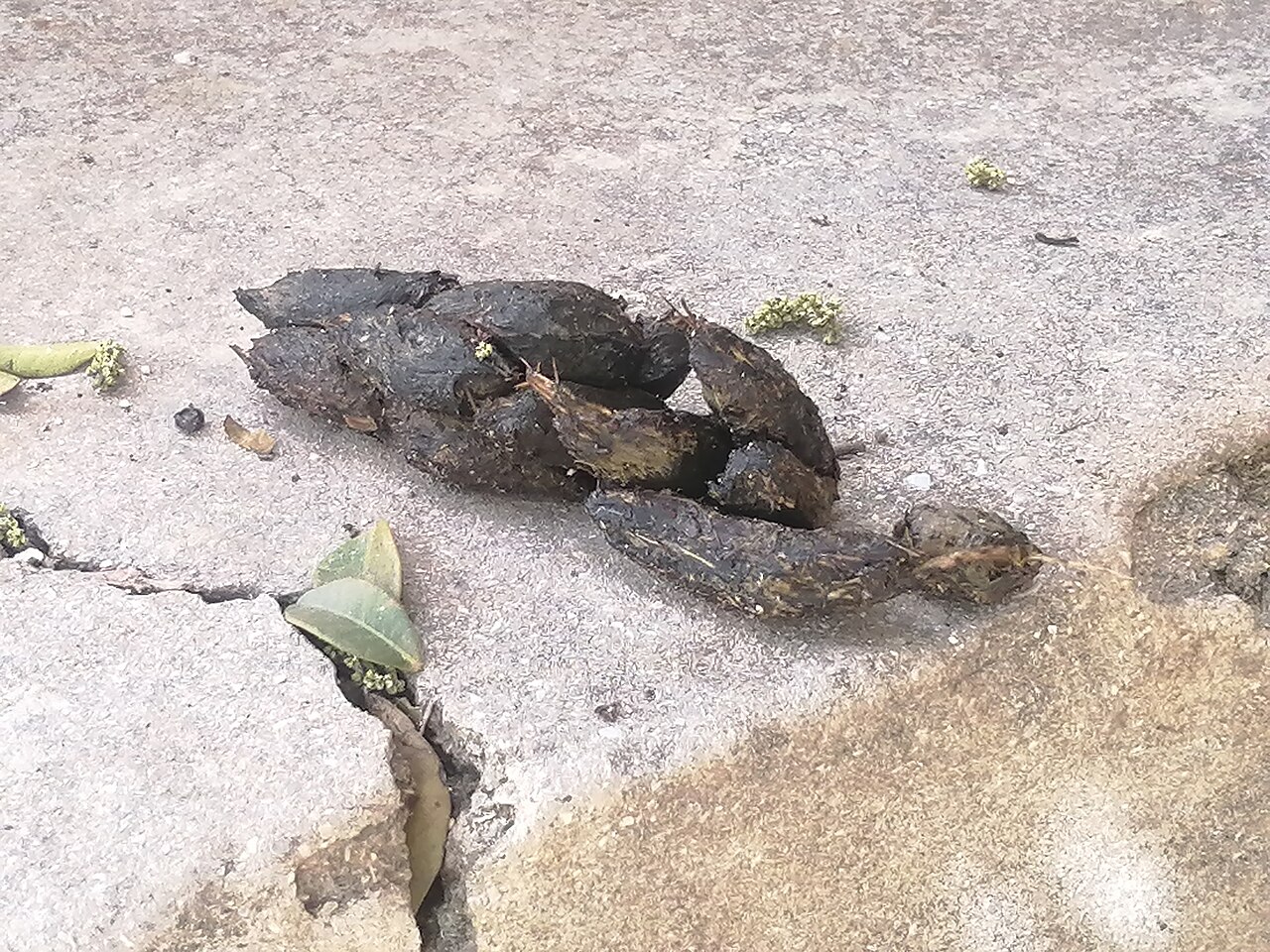
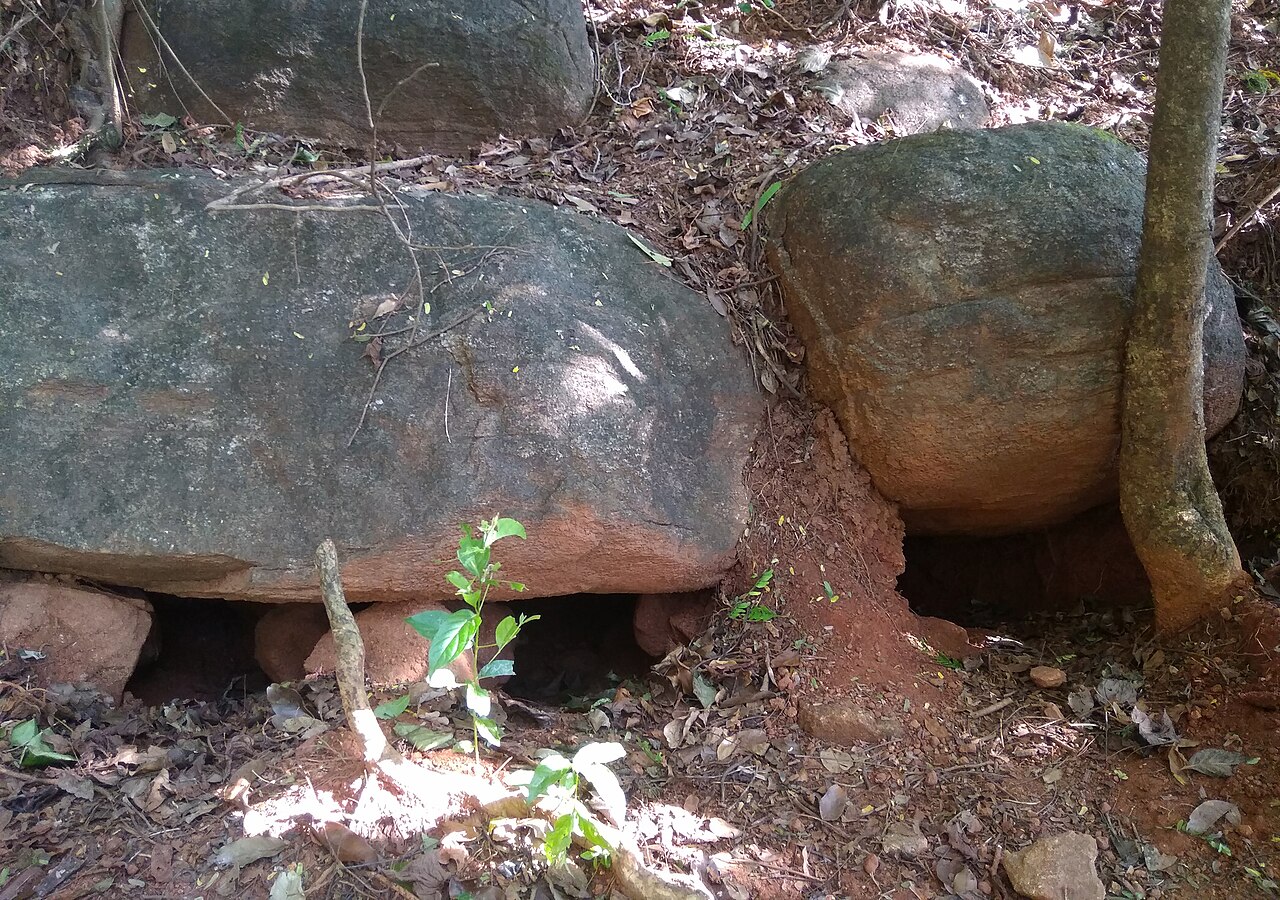
As in the Crested Porcupine, the signs are easier to find than the animal. The burrow is the clearest sign: a dug tunnel or an enlarged crevice in a limestone face or a wadi bank, with an entrance 25 to 40 cm across, broader than high, a large fan of spoil in front and usually a few shed quills on the threshold; they are occupied for generations and are a standing feature of the landscape in the Negev and the Judaean desert. Broad, polished runs lead away from them, often cutting straight through thorn scrub. The dropping is large and characteristic: cylindrical, 2 to 4 cm long, black to dark brown, full of coarse plant fibre, and usually in clumps of several pellets stuck together, deposited at the burrow or in latrines along the run. Beyond that, digging scrapes ten to twenty centimetres across where bulbs and tubers have been taken out — in Israel this animal is the chief digger of the desert margin, and its scrapes trap seed and water so that whole plant communities establish in them — and bark stripping on almond, olive and pomegranate. The print shows five toes with heavy claws and a broad sole.
Head close-up
Identification
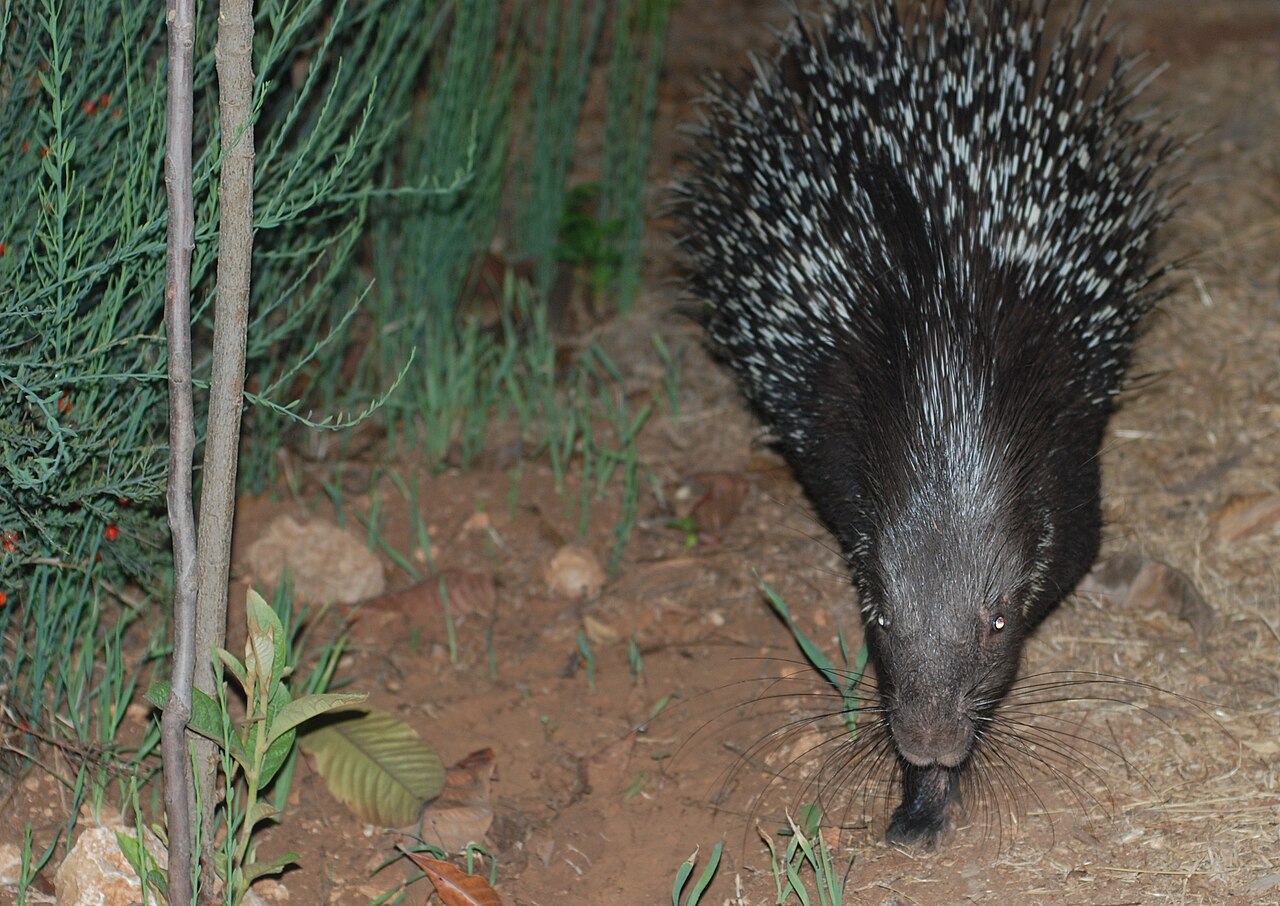
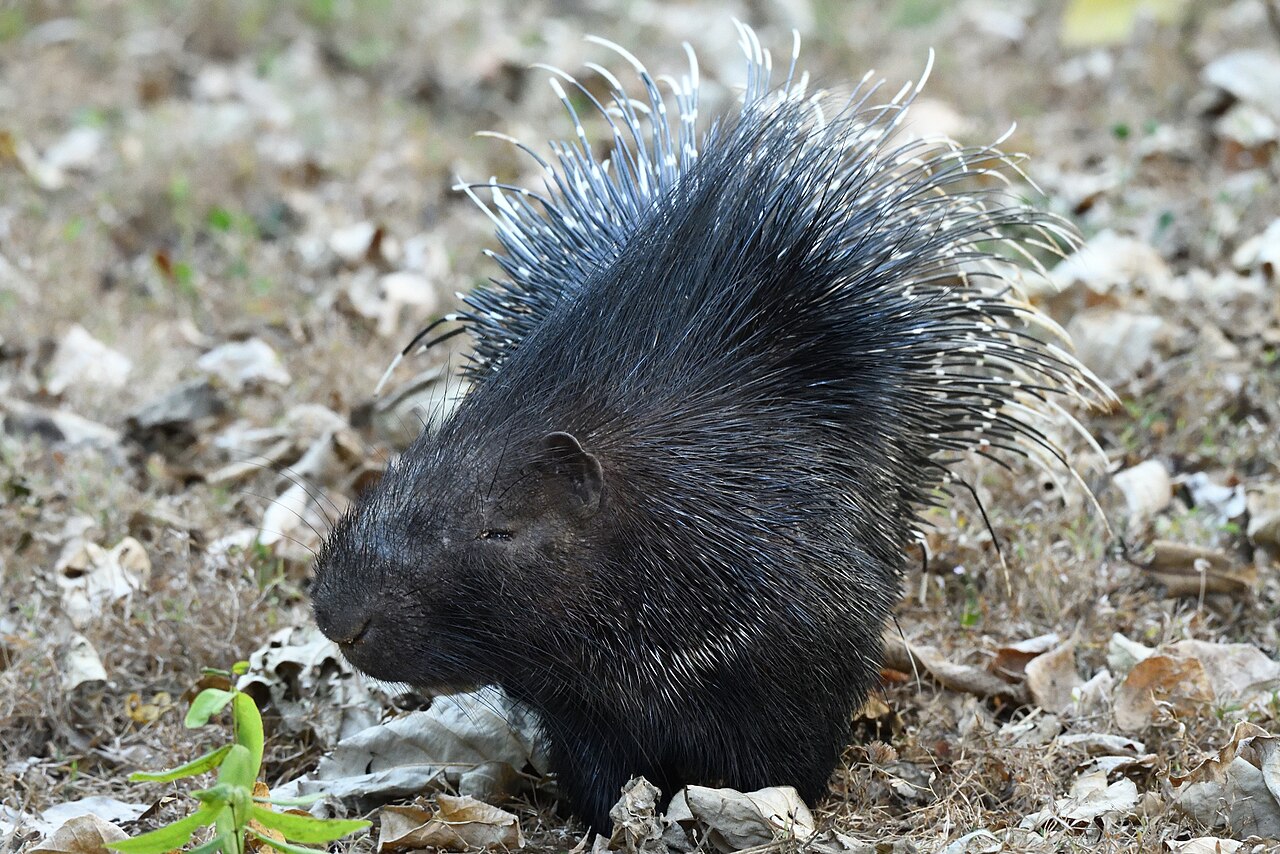
The Indian Crested Porcupine is large, heavy and low, with a blunt head and short legs carrying digging claws. Back and flanks bear long, stiff, sharp-pointed quills, black with crisply drawn white bands and white tips, fanned out when the animal is roused. Unlike the crested porcupine the crest on head and nape is short or almost absent, so the head is smoother and the upper side blacker. The tail is longer and ends in a bunch of largely white quills, among them the hollow, tip-broadened rattle quills; that white tail brush is the character that shows first in a headlight or on a camera trap. A white band crosses the throat and chest. The southern Indian form is tinged reddish brown; the animals of the Near East are black and white.
Similar species
Only the Crested Porcupine (Hystrix cristata) comes into question, and the ranges meet in north-east Africa but not in Asia; in Europe and the Near East they do not overlap. For separation: the crested porcupine has a long, erectile crest of white bristles over head and nape and a short tail without a white brush, and is browner and hairier; the Indian species is shorter-crested, blacker, and white-tailed. The hedgehog is the only other spiny animal in the area and differs twentyfold in weight. A loose quill of ten to thirty centimetres with crisp black and white banding always belongs to a porcupine.
Habitat
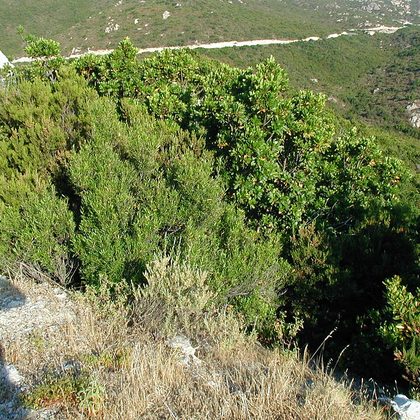
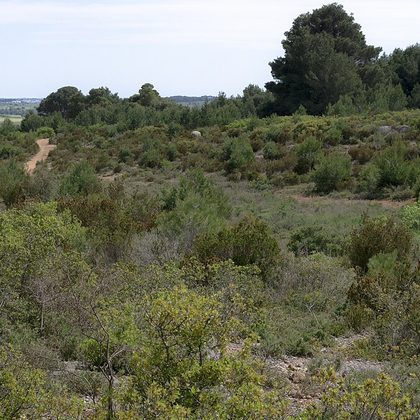
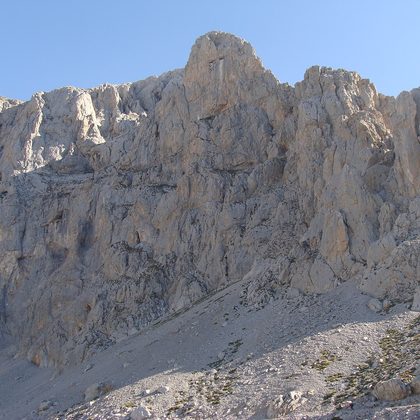
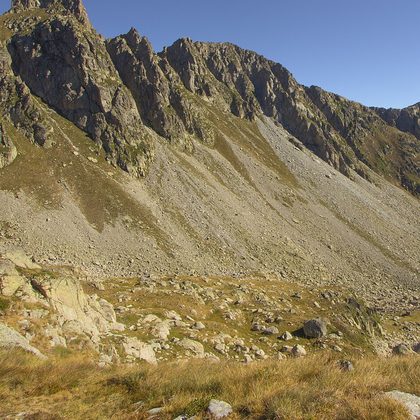
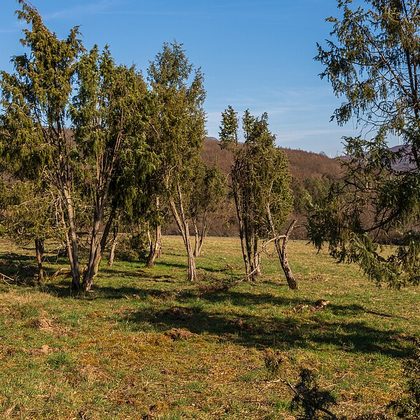
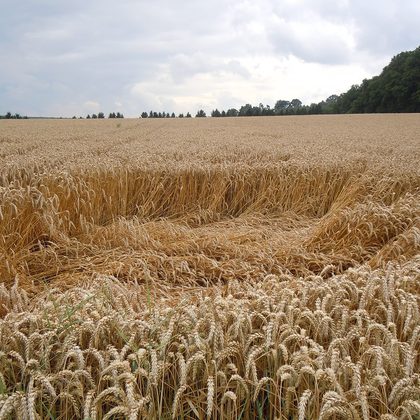
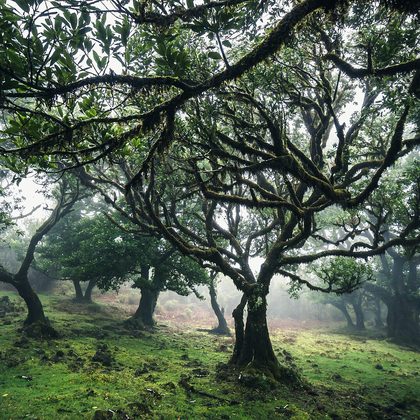
The Indian Crested Porcupine lives in dry, warm, rocky hill country: thorn scrub and garrigue, semi-desert and steppe, limestone gorges, wadi walls, terrace walls, and in addition arable land, orchards and village margins, where the easiest food is. It avoids true sand desert and closed forest. In Turkey and the Caucasus it reaches about 2400 metres.
Where the animal is most at home, classified with EUNIS — the European standard for habitats.
Distribution
The Indian Crested Porcupine occurs from south-eastern Turkey through the Levant — Syria, Lebanon, Israel, Palestine, Jordan — and through Transcaucasia (Armenia, Azerbaijan, southern Georgia) eastward through Iraq, Iran and Central Asia to India, Nepal and Sri Lanka. The western part of this range comprises Anatolia south and east of the Taurus, the eastern Mediterranean coastlands, and the southern Caucasus. It has increased in Israel and Turkey in recent decades and is moving into villages and horticultural land there. The species does not occur west of the Bosphorus.
- Native
- dark = core range, pale = thinly spread
Way of life
The Indian Crested Porcupine is strictly nocturnal; it leaves the burrow well after dark and is on the move for about seven hours a night, covering kilometres. In winter it avoids bright moonlit nights, which is read as an anti-predator strategy. It is a herbivore: tubers, bulbs, roots, bark, fruit and grain, supplemented with insects and the occasional small vertebrate, and it gnaws bones for the calcium its quills cost. It lives as a pair with the young in a shared burrow. Mating falls in February and March; after a gestation that can run to well over two hundred days there is one litter a year of two to four young, born with open eyes and soft quills that harden quickly. They mature only in their second year. It does not hibernate. Its defence is the same as that of the Crested Porcupine: stamping, rattling the tail quills, and reversing into the aggressor.
Where and when to look
The burrow is the best starting point. In wadis in Israel, Jordan or south-eastern Turkey the broad entrances lie at the foot of the limestone faces, with the fan of spoil and the quills in front; a camera trap at such an entrance usually records the animal within a few nights. The animal itself is most easily seen in the first hours after dark along farm tracks near villages and orchards, where it follows fixed routes. In Jerusalem and Haifa porcupines enter the suburbs, and there a quiet street with gardens after midnight is a suitable place.
Conservation status
Least Concern (LC, 2008), and common throughout its range; in parts of Israel, Turkey and Iran it is increasing because its main predators — leopard, striped hyaena and wolf — have gone or become rare. Against that, it counts as a pest in melon, maize and vegetable growing and in young orchards, and is locally persecuted intensively with traps and poison; traffic and hunting for meat take their share as well. In Israel it is legally protected and numbers have risen. Its digging matters to the desert margin: the scrapes it makes hunting for bulbs trap seed, water and organic matter, and are the germination sites from which the vegetation of the semi-desert renews itself.
Scientific name
Hystrix indica | Kerr, 1792
Kerr described the species in 1792 and placed it straight away in the genus where it still stands. Hystrix is the Greek word for 'porcupine', from hys, 'swine', and thrix, 'hair': the animal with a pig's bristles. indica is Latin for 'Indian'; Kerr distinguished the animal as the Indian form of the porcupine. The specimen the first description was based on came from India.