All species › Storks › Storks
Storks | Ciconiidae
Ooievaars | Cigüeñas
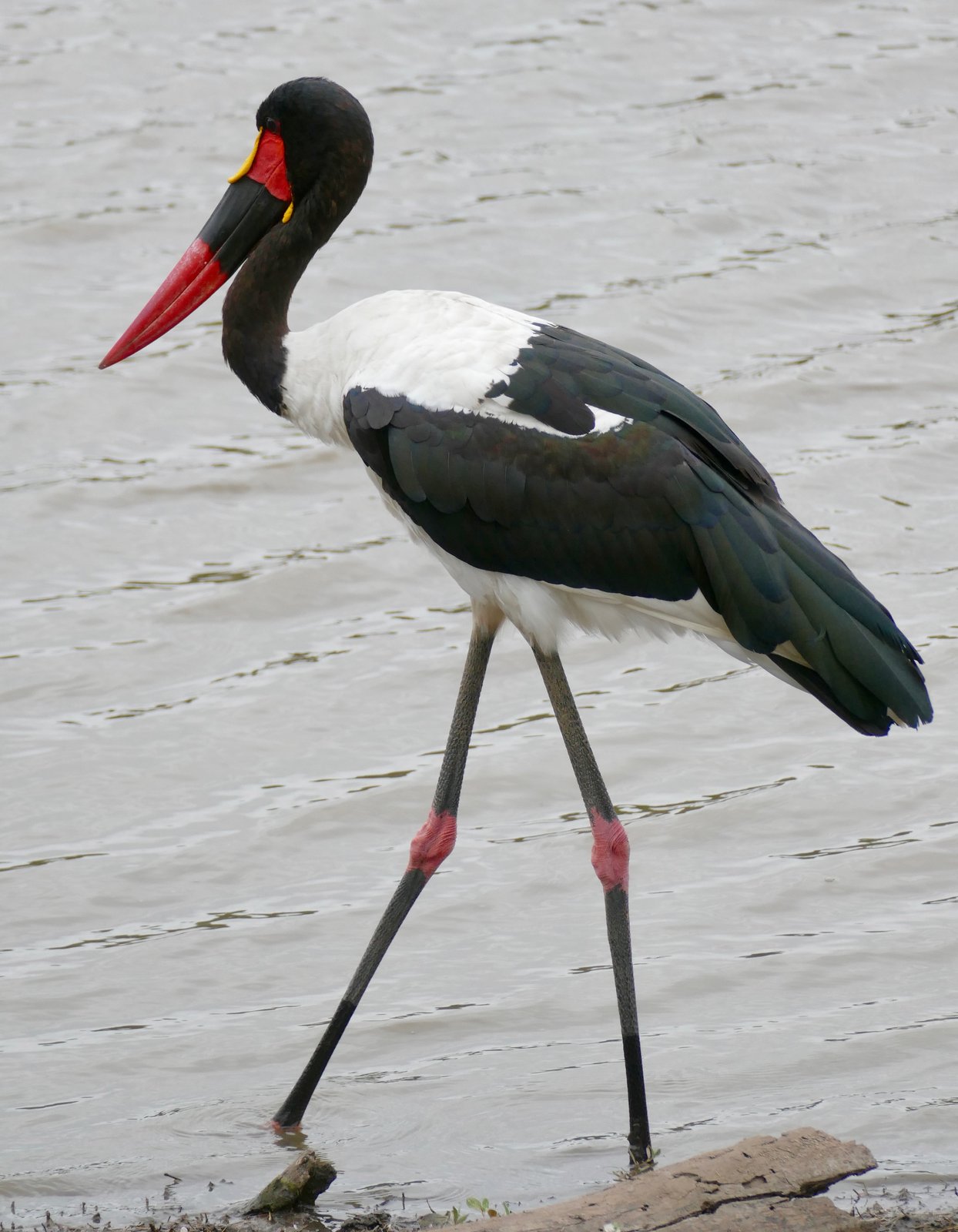
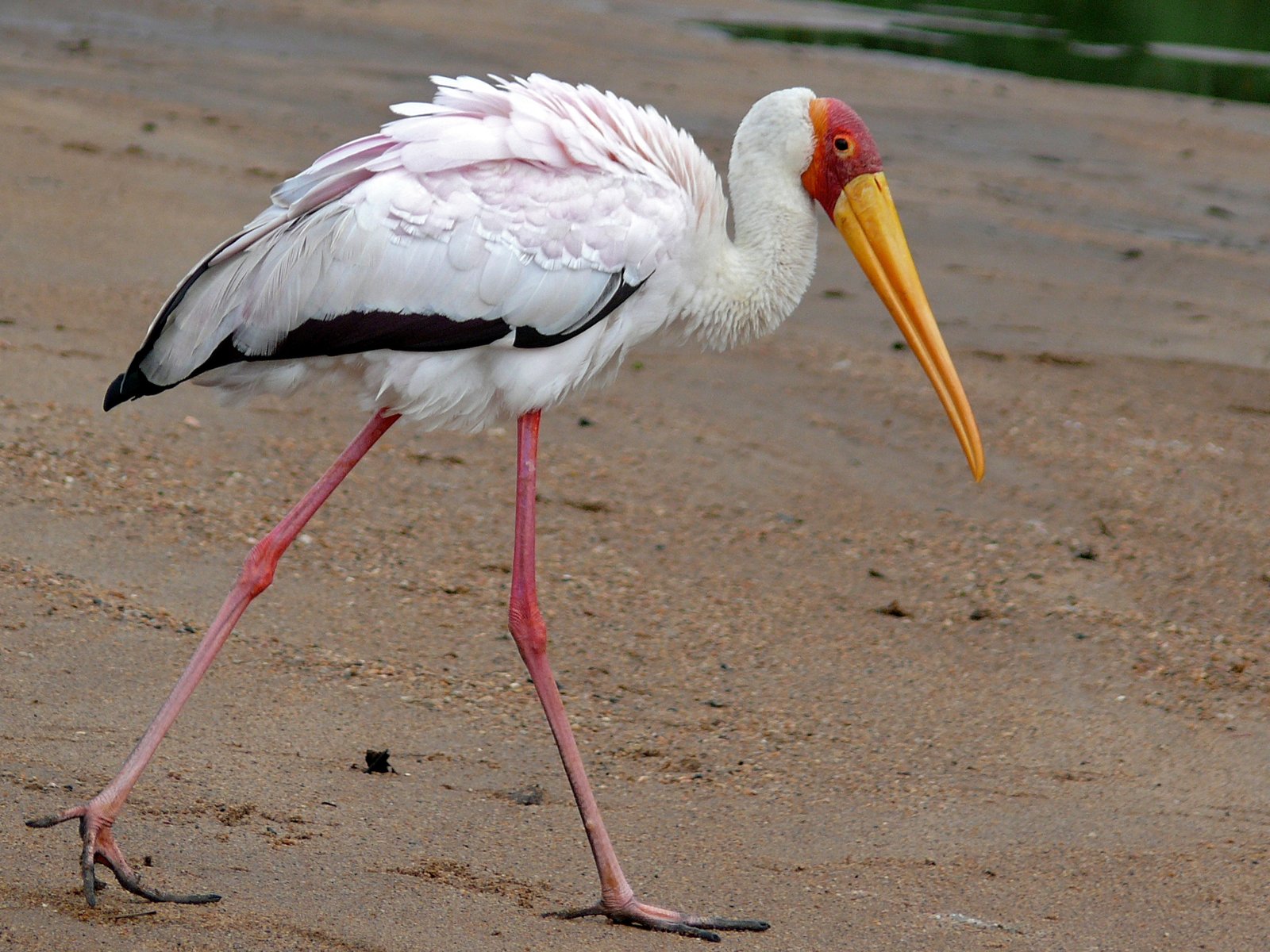
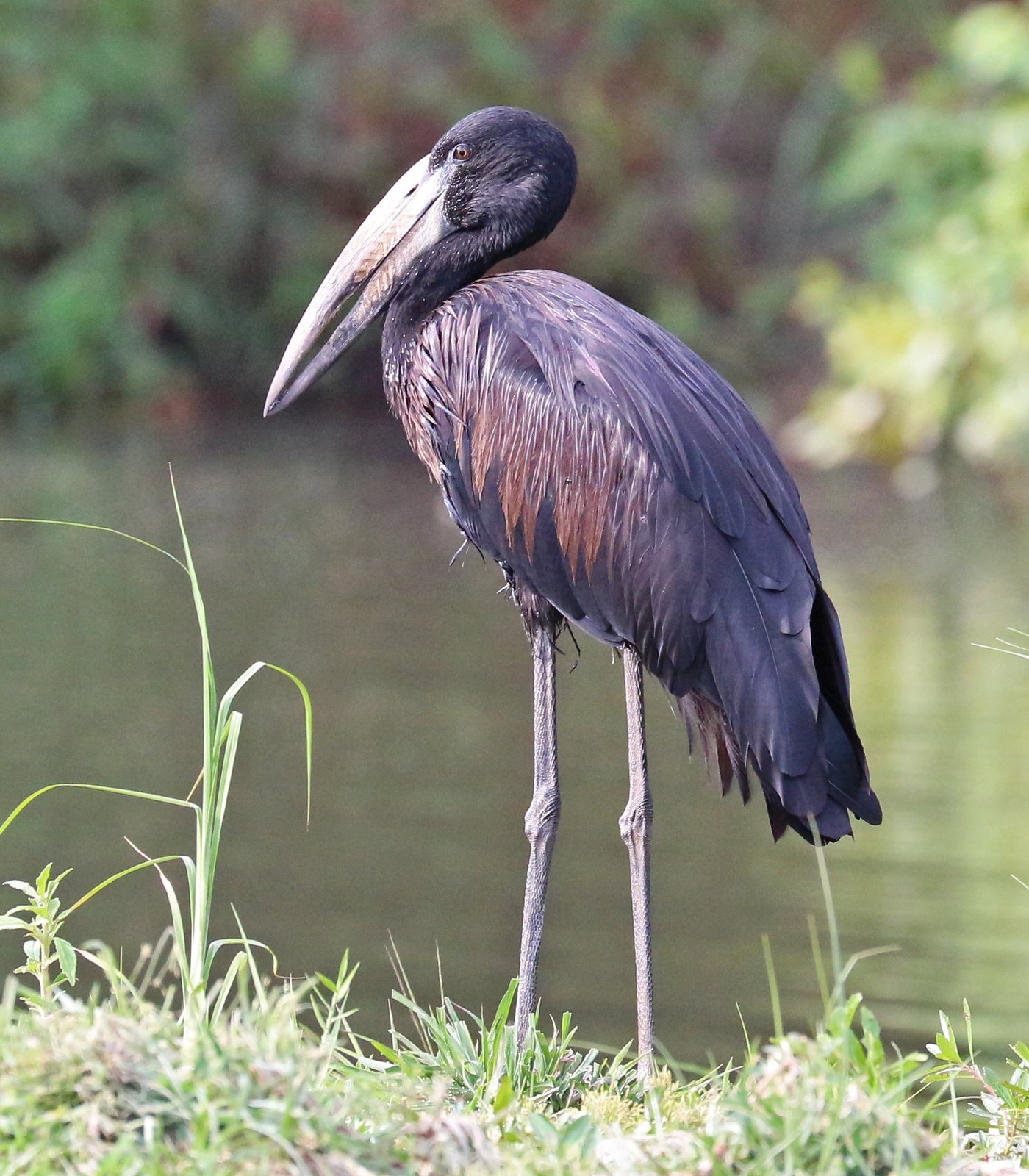
Bill shape differs sharply between the genera and betrays the way each hunts: straight and pointed in Ciconia, for probing in shallow water and seizing prey on dry land; heavy and slightly decurved in Mycteria, swept through turbid water half open and snapped shut the moment it touches a fish; with a permanent gap between the closed mandibles in Anastomus, used to prise open the shells of water snails; huge and swollen in Ephippiorhynchus and Leptoptilos. At the nest the birds clatter the bill with the head thrown far back; this clattering takes the place of song, for the adults are all but voiceless. They void onto their own legs to keep cool, which often leaves them looking whitewashed rather than red or black. In the carrion-eating Marabou the head and neck are bare and a long inflatable throat sac hangs over the breast. The nest is a bulky heap of sticks in a tall tree, on a crag or on a pylon, reused for years; the young are fed by the parents disgorging food onto the nest floor.
Native species 8 species
Species that occur here by nature: breeding birds, winter visitors and passage migrants. They are arranged by genus, in the sequence of the list.
Mycteria 1 species
Anastomus 1 species
Ciconia 4 species
-

Black Stork
Ciconia nigra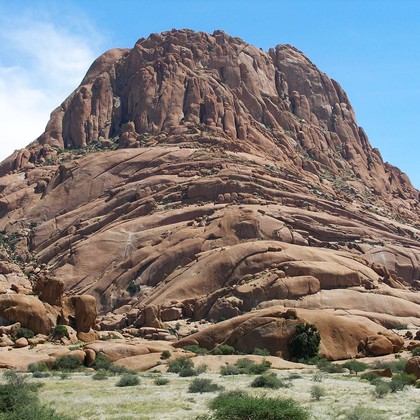 Mountains and rock outcrops
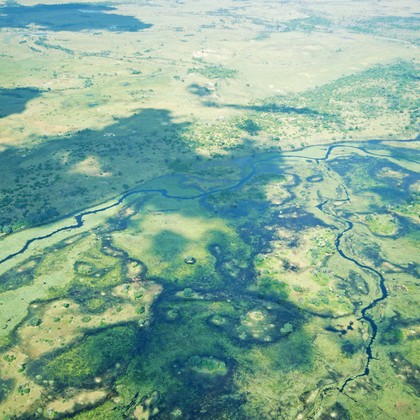 Rivers, marshes and vleis
-

White Stork
Ciconia ciconia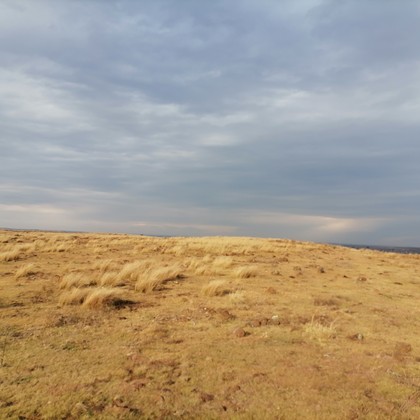 Highveld grassland
 Farmland
-
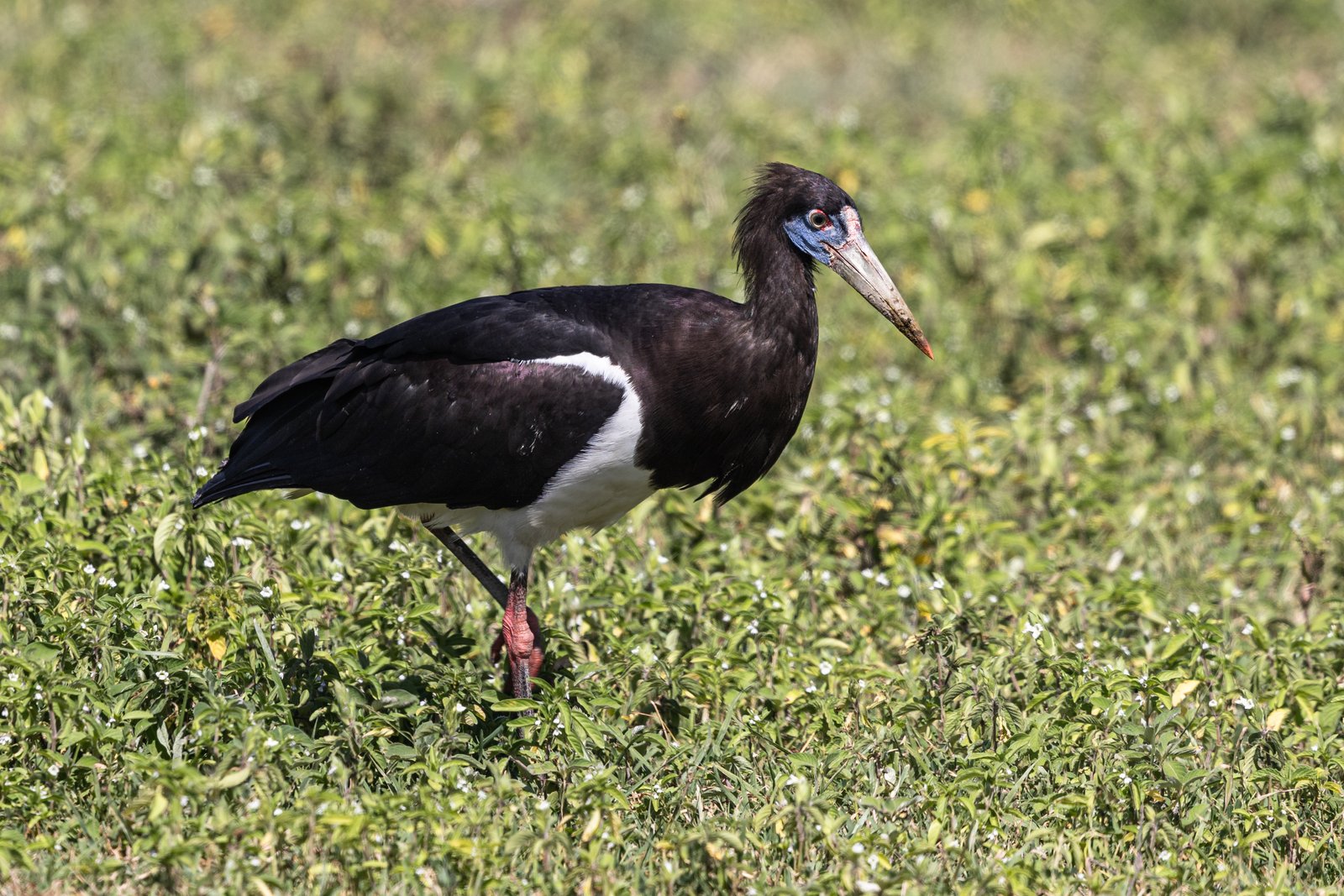
Abdim's Stork
Ciconia abdimii- Highveld grassland
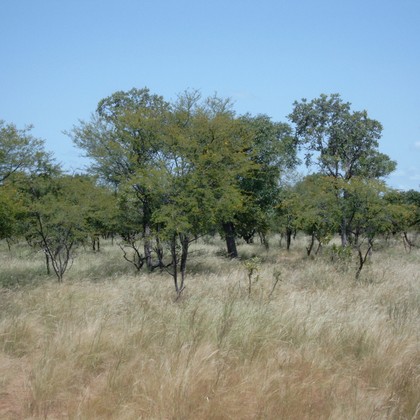 Acacia savanna and thornveld
- Farmland
-

African Woolly-Necked Stork
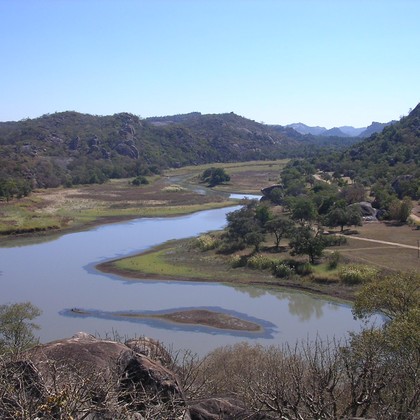
Ciconia microscelis- Rivers, marshes and vleis
 Mixed broadleaf woodland
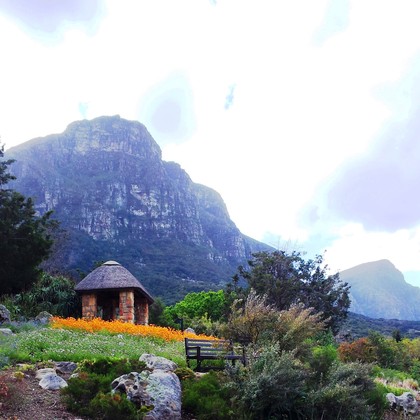 Gardens and built-up land
Ephippiorhynchus 1 species