All species › Pelicans, herons and ibises › Herons and bitterns › Striated Heron
Striated Heron | Butorides striata
Mangrovereiger | Garcita estriada
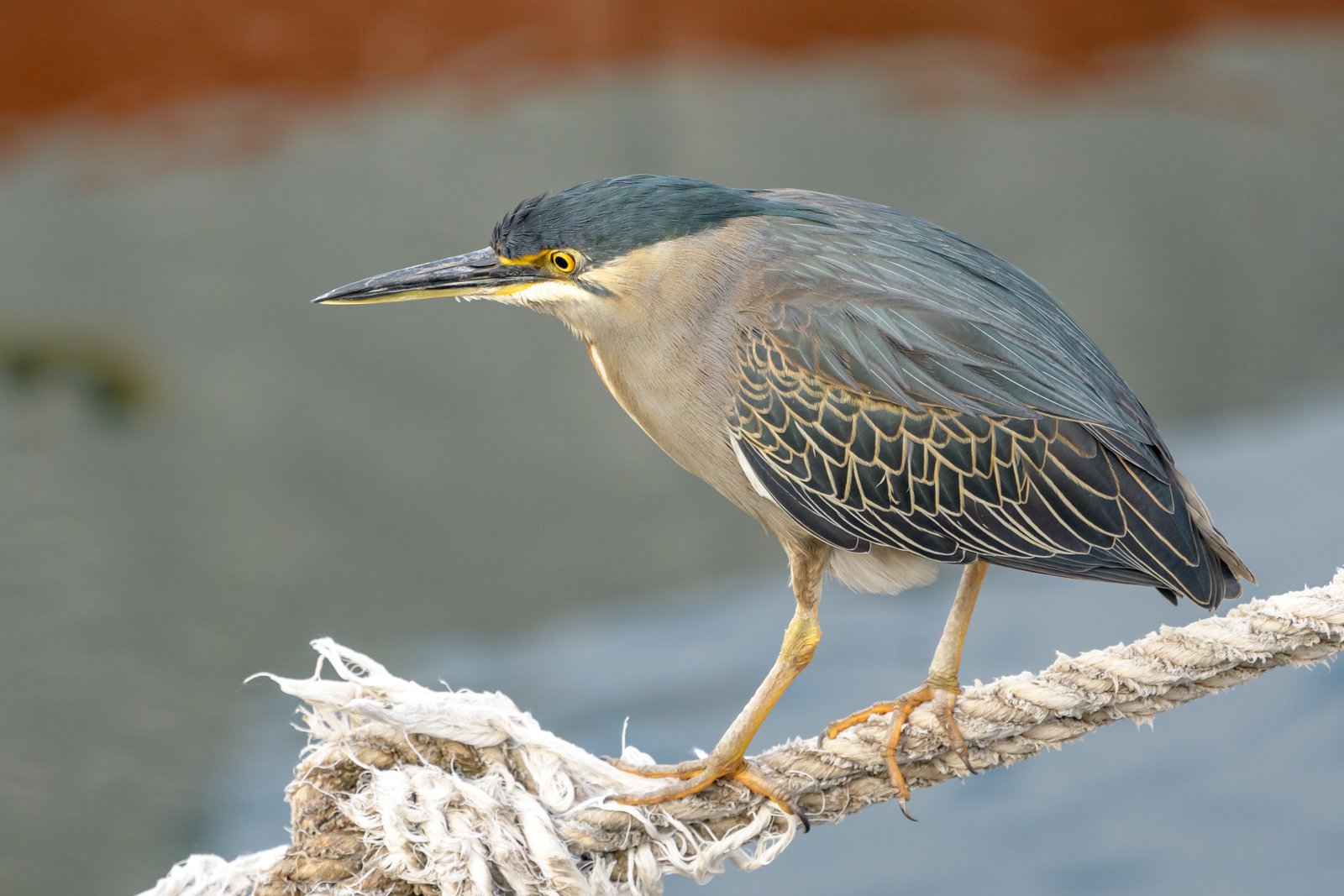
A small, stocky grey heron with a dark cap that lives along the coasts of Arabia and the Red Sea and along the Egyptian Nile. It hunts patiently from a branch or rock low over the water.
Voice
When flushed a sharp, explosive kyek or tchew; otherwise usually silent.
Recording: José María Loaiza B. — CC BY-NC-SA 4.0 · converted to mono · xeno-canto
Identification
Small and stocky, with short legs and a long, dagger-shaped dark bill. Adults have a blackish-green cap with a short crest, grey neck and underparts, dark grey-green back and wings with pale fringes to the coverts, and a white stripe down the throat and foreneck. Legs yellow to orange; eye yellow. Birds in the region (brevipes) are pale grey. Juveniles are brown, with pale spots on the wing coverts and a heavily streaked neck and breast. It often sits hunched with the neck drawn in and, when flushed, flies off low with a sharp call.
Confusion species
Juvenile Black-crowned Night-Heron (Nycticorax nycticorax) is larger, with a thicker bill and large white spots. Little Bittern (Botaurus minutus) has a pale wing patch and a more contrasting pattern. Green Heron (Butorides virescens) of the Americas, outside the region, has a chestnut neck.
Habitat
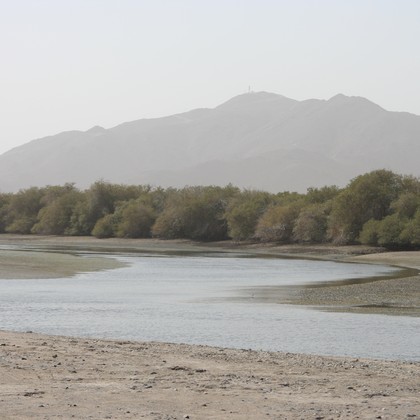
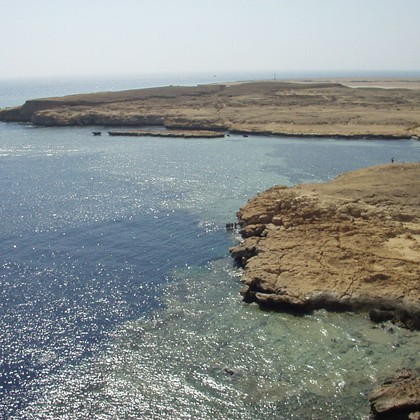
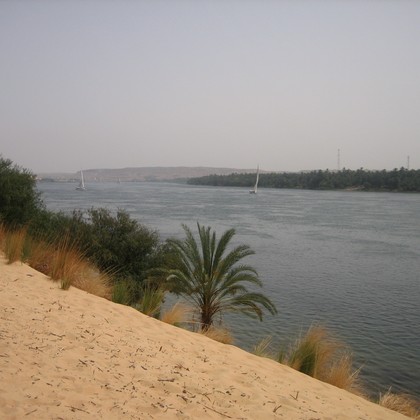
Mangroves, rocky shores and coral reefs at low tide, harbours, jetties and breakwaters; along the Nile reedy banks, canals and rocky islets. Breeds solitarily or in loose groups in mangroves or dense bushes by water.
Where the bird is most at home, classified by the habitats of North Africa and the Middle East.
Range and movements
In Egypt along the Nile from Lake Nasser and Aswan via Luxor and Qena to Cairo, locally in the Faiyum and the Delta, and along the entire Red Sea coast including the Gulf of Suez and the coast of Sinai. In the Gulf of Aqaba a small, almost year-round population at Eilat and Aqaba; elsewhere in Israel scarce, with records inland at the Dead Sea and further north. Common along the Red Sea coasts of Saudi Arabia and Yemen, around Socotra, along the coasts of Oman and in the Emirates (numerous in the mangroves at Abu Dhabi and Khor Kalba), Qatar and Bahrain; scarce in Kuwait. Beyond the region widespread in sub-Saharan Africa, Madagascar, South and South-East Asia, Australia and South America.
- Resident
- Summer visitor (c. Apr–Sep)
- Winter visitor (c. Oct–Mar)
- Passage (Mar–Apr, Oct–Nov)
- dark = core range, pale = thinly spread
How and when to look
At Eilat it often sits along the north shore and at the pools of the bird park; at Aswan you can see it from a felucca on the rocky islets in the Nile. In the Emirates it is common in every mangrove, and the kayak routes through the Abu Dhabi mangroves give close views.
Conservation status
Not globally threatened and common in the region. Mangrove clearance and coastal development are a local threat, but it also uses harbours and artificial shores.
Scientific name
Butorides striata | (Linnaeus, 1758)
Linnaeus described the species in 1758 as Ardea striata; because it was later moved to another genus, the author and year stand in brackets. The genus Butorides was introduced in 1852 by Blyth. Butorides combines Butor, the genus Thomas Forster introduced for the bitterns in 1827, with Ancient Greek -oides 'resembling'. striata is Latin for 'striated', after the streaking of the plumage. The specimen the first description was based on came from Suriname.