All species › Swifts › Swifts › Spot-fronted Swift
Position in the tree Birds Aves › Birds with a flexible palate Neognathae › All other modern birds Neoaves › Birds of the elements Elementaves › Nightjars and swifts Strisores
Spot-fronted Swift | Cypseloides cherriei
Diadeemgierzwaluw | Vencejo frentipunteado
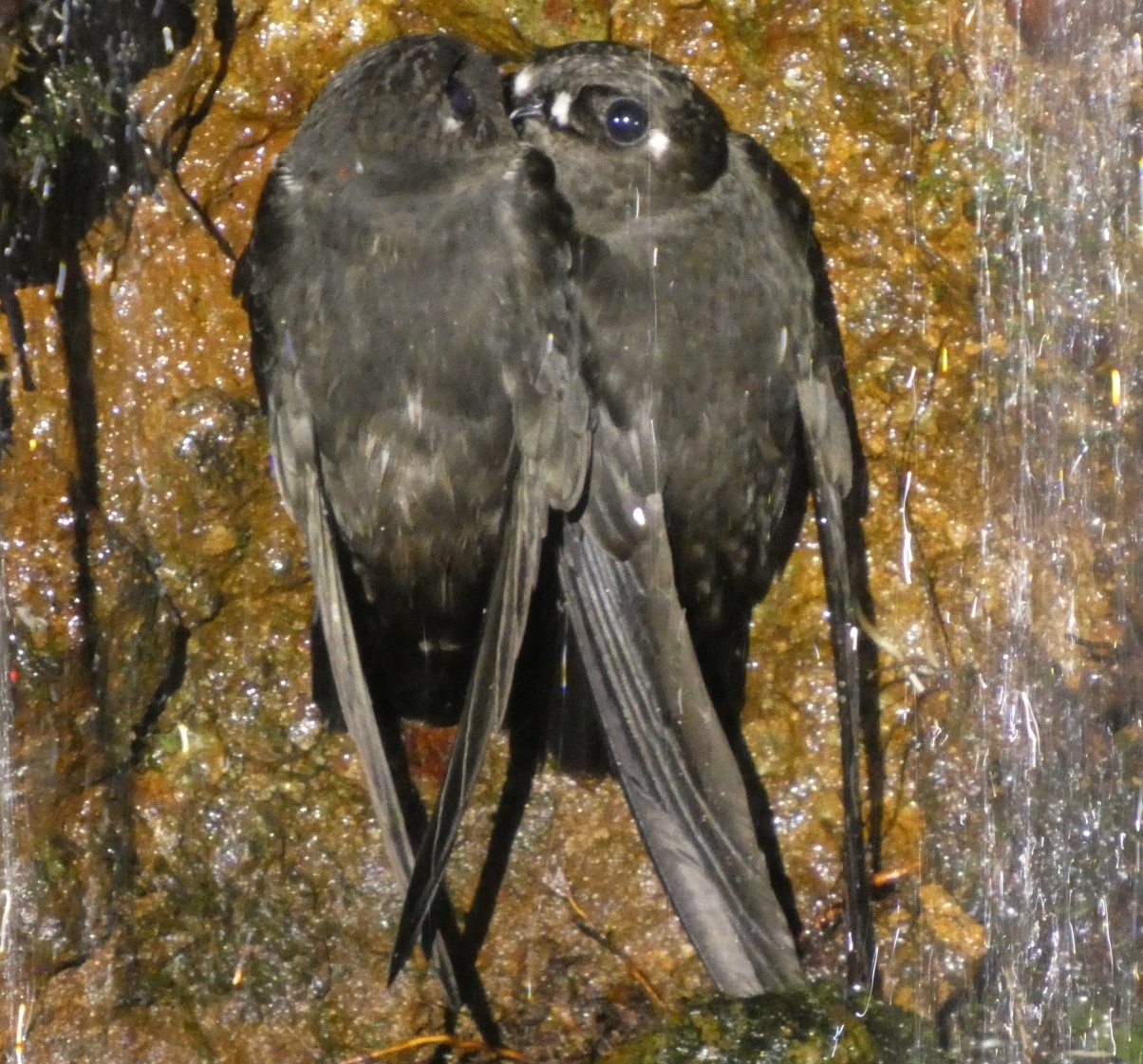
The Spot-fronted Swift is a small, dark swift of the mountains of Costa Rica and western Panama and, beyond, of the Andes and the coastal ranges of northern South America. It is named after the white spots on the forehead and head, which can only be seen at close range. For a long time the species was known from Costa Rica only from a few finds; with better knowledge of nest sites behind waterfalls and more photographs it is now recorded regularly.
Voice
A dry, sharp chip and a short twitter, mainly at the nest site; poorly known.
Recording: Nunes-de-Almeida — CC BY-NC-SA 4.0 · shortened to the first 60 s, mono · xeno-canto
Identification
13–14 cm, fairly small and compact, uniformly blackish brown, with broad wings and a short, square tail. The forehead and lores have white spots that together form a white area, and there is a small white spot behind and below the eye; this pattern can only be seen at close range or on photographs. Male and female are alike; in juveniles the white spots are smaller and the feathers of the underparts have pale fringes.
Confusion species
White-chinned Swift Cypseloides cryptus is larger and heavier, with a white chin but no white spot behind the eye. American Black Swift Cypseloides niger is larger, with longer wings and a longer tail. Female and juvenile Chestnut-collared Swifts Streptoprocne rutila without a collar are similar in size, but have a dark forehead and a slightly longer tail. Chaetura swifts, such as Costa Rican Swift Chaetura fumosa and Grey-rumped Swift Chaetura cinereiventris, are smaller, with a pale rump and a shorter, spine-tipped tail.
Habitat
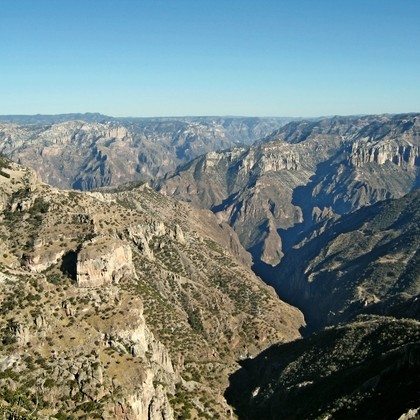
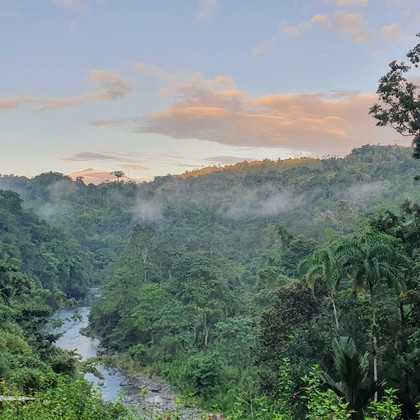
Hunts over montane rainforest, foothill forest and mountain valleys, roughly between 700 and 2000 m. Feeds on flying insects. Nests on damp, moss-covered rock faces behind or beside waterfalls, often in the spray of falling water; the nest is a cup of moss and ferns with mud.
Where the bird is most at home, classified by the vegetation units of Mexico and Central America.


Range and movements
In the guide area in the mountains of Costa Rica, on both the Caribbean and Pacific sides, in the Cordillera de Tilarán, the Cordillera Central and the Talamanca, and in western Panama in Chiriquí and Bocas del Toro. There are also a few reports from Darién. Outside the guide area locally in Colombia, Venezuela and Ecuador, with a few records in Peru.
- Resident
- dark = core range, pale = thinly spread
How and when to look
The best chances are at waterfalls in the mountains of Costa Rica, where the birds come in to the nest sites at dusk, for example around the Poás Volcano and in the valleys of the Cordillera Central. Among flocks of swifts the species can hardly be identified without a photograph.
Conservation status
Not threatened. The species has a fragmented range and is scarce and little studied everywhere. Disturbance of waterfalls, among other things by hydroelectric schemes and tourism, may be a local risk.
Scientific name
Cypseloides cherriei | Ridgway, 1893
Ridgway described the species in 1893 and placed it straight away in the genus where it still stands. The genus Cypseloides was introduced in 1848 by Streubel. Cypseloides combines Cypselus, an old genus name for swifts (Greek kupselos), with Greek -oidēs 'resembling': 'swift-like'. cherriei honours the American naturalist and collector George K. Cherrie (1865–1948), who worked for years in Costa Rica. The specimen the first description was based on came from Irazú Volcano, Costa Rica.