All species › Cranes, rails and allies › Rails, gallinules and coots › Ridgway's Rail
Position in the tree Birds Aves › Birds with a flexible palate Neognathae › All other modern birds Neoaves › Birds of the elements Elementaves › Cranes and waders Gruimorphae
Ridgway's Rail | Rallus obsoletus
Californische ral | Rascón de Ridgway
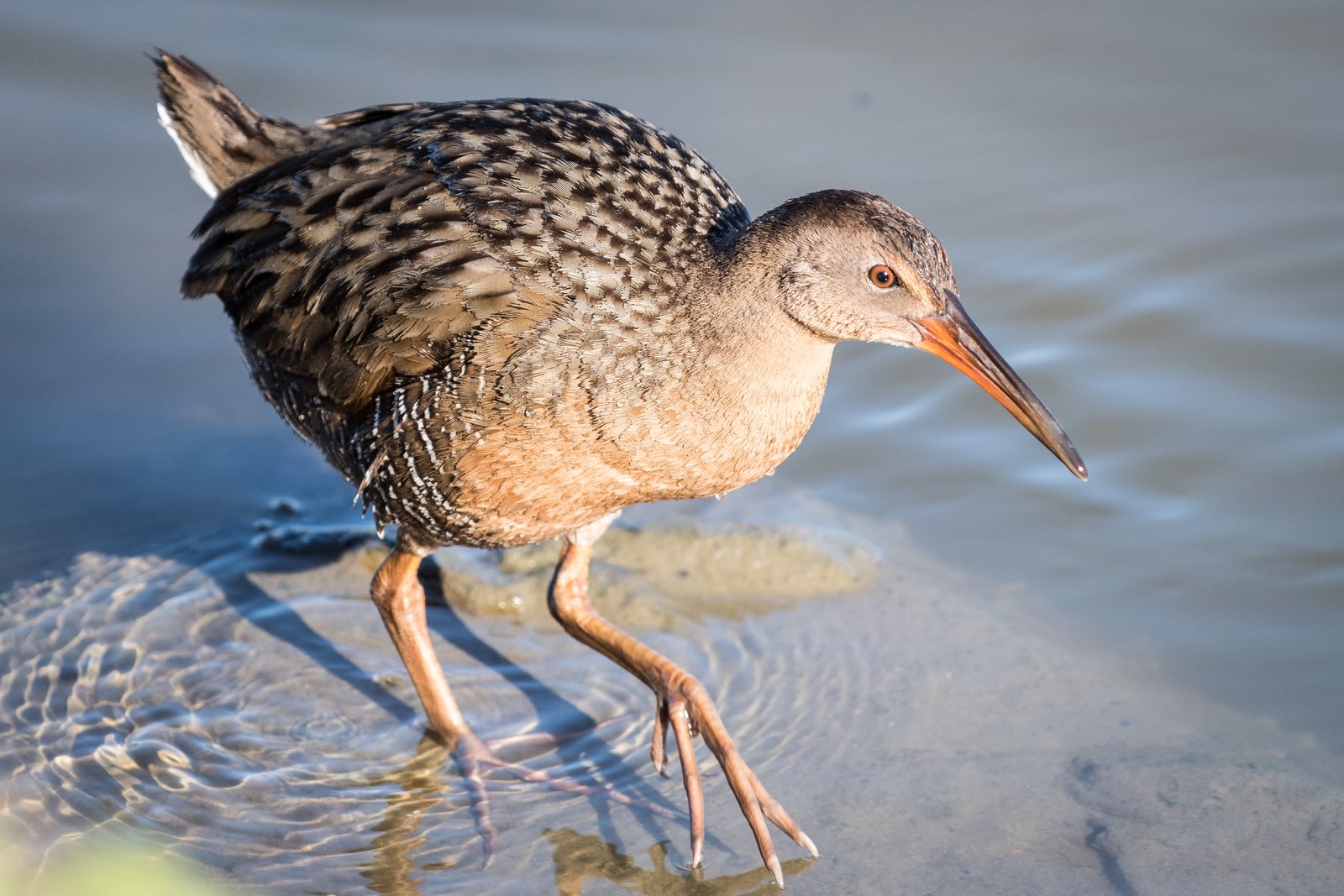
Ridgway's Rail is a large, greyish-brown rail with a long, slightly decurved bill, a cinnamon breast and black-and-white barred flanks. It lives in salt marshes and mangroves along the coasts of north-western Mexico and in the reed marshes of the Colorado River delta. It is heard far more often than seen: above all the clattering calls at dusk give the species away. Until 2014 it was included in Clapper Rail.
Voice
A dry, clattering kek-kek-kek-kek-kek, first accelerating and then slowing, often answered by other birds in the marsh to form a chorus. Also a grunting kek-burr and softer ticking calls. Calls mainly at dawn and dusk and during spring tides.
Recording: Paul Marvin — CC BY-NC-SA 4.0 · converted to mono · xeno-canto
Identification
32–41 cm; the male is larger than the female. A long-legged rail with a long, slightly decurved bill, orange-yellow at the base and darker towards the tip. The upperparts are greyish brown with dark feather centres; the cheeks are grey, with a pale supercilium above the eye. Throat white, neck and breast warm cinnamon to orange-brown, brightest in the population of southern Baja California. The flanks are greyish brown with white bars; the undertail coverts white. The legs are orange-brown to grey. Juveniles are darker and more mottled. Walks with the tail cocked, flashing the white undertail.
Confusion species
Virginia Rail Rallus limicola is much smaller, with a brighter rufous breast and wings, grey cheeks and a red bill. Aztec Rail Rallus tenuirostris of inland freshwater marshes is very similar; habitat is the best distinction. Spotted Rail Pardirallus maculatus is spotted black and white. Limpkin Aramus guarauna is much larger and dark brown with white streaks.
Habitat
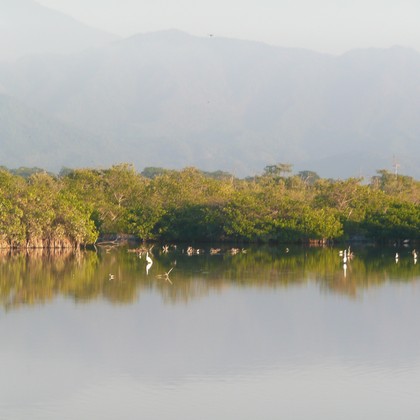
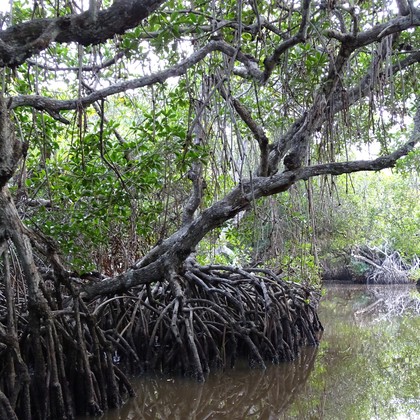
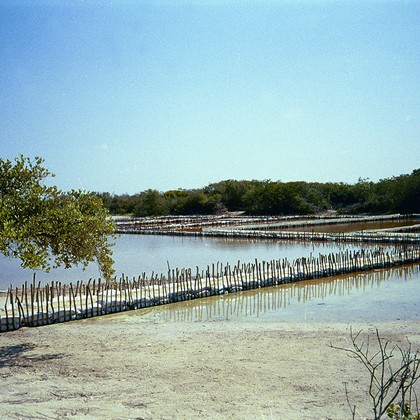
Salt marshes with cordgrass and pickleweed, mangroves, brackish lagoons and estuaries; in the Colorado River delta and along the lower Colorado also fresh and brackish marshes with reeds, cattail and bulrush. Forages on mud and in shallow creeks at low tide for crabs, other crustaceans, molluscs, insects and small fish. The nest is a cup of plant material in dense vegetation, often with a canopy of bent-over stems, just above the high-tide line.
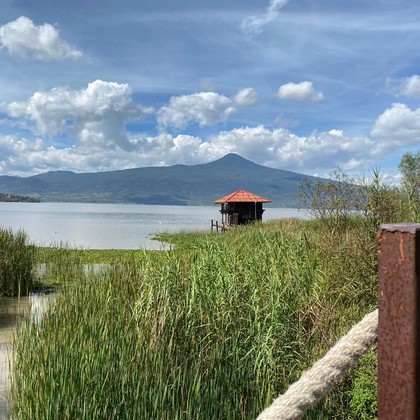
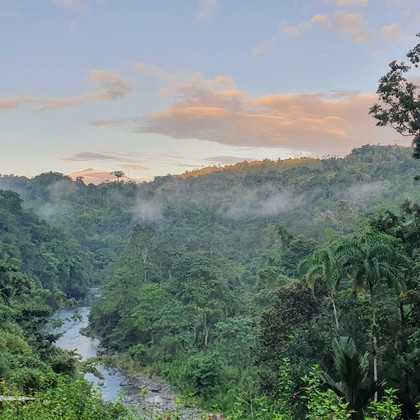
Where the bird is most at home, classified by the vegetation units of Mexico and Central America.
Range and movements
In Mexico locally along the Pacific coast of Baja California and Baja California Sur, from Ensenada to Bahía Magdalena, and along the Gulf of California; in the Colorado River delta in Baja California and Sonora, including the Ciénega de Santa Clara; along the coast of Sonora and Sinaloa to Nayarit, with scattered records further south to Jalisco, Colima and Guerrero. Outside the guide area in the coastal marshes of California and along the lower Colorado River in the south-western United States.
- Resident
- dark = core range, pale = thinly spread
How and when to look
The Ciénega de Santa Clara in the Colorado River delta holds one of the largest populations; birds call there mainly early in the morning. Along the Pacific coast of Baja California the lagoons and salt marshes around Ensenada and further south offer the best chance, especially during spring tides, when the water drives birds out of cover.
Conservation status
Near Threatened. The species has a limited and fragmented range and depends on coastal marshes, which are declining through building, ports, shrimp farming and changes in water management. In the Colorado River delta its habitat depends on water supply from the river and from agriculture.
Scientific name
Rallus obsoletus | Ridgway, 1874
Ridgway described the species in 1874 and placed it straight away in the genus where it still stands. The genus Rallus was introduced in 1758 by Linnaeus. Rallus is the name English ornithologists such as Willughby and Albin already used for the water rail before Linnaeus; the precise origin of the word is uncertain. obsoletus is Latin for 'worn, dull', after the drabber plumage compared with the King Rail. The specimen the first description was based on came from San Francisco, California.