All species › Passerines › Wrens › Grass Wren
Position in the tree Birds Aves › Birds with a flexible palate Neognathae › All other modern birds Neoaves › Landbirds Telluraves › Falcons, parrots and passerines Australaves › Falcons and passerines Eufalconimorphae › Parrots and passerines Psittacopasserae
Grass Wren | Cistothorus platensis
Graswinterkoning | Chivirín sabanero
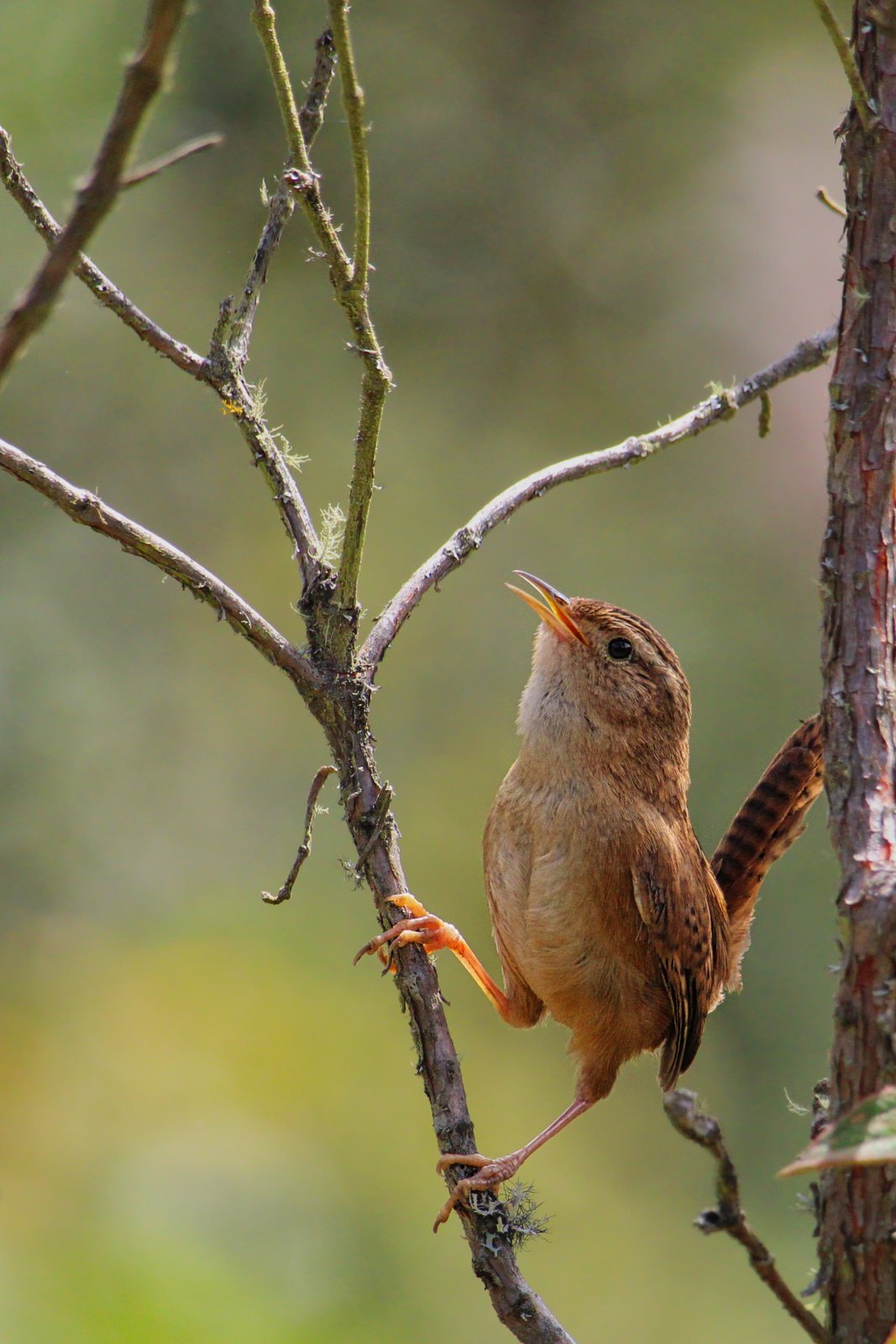
The Grass Wren is a small, streaked wren of tall grass and wet grassland. In the guide area it lives in scattered, often small populations from Mexico to western Panama, all of them resident. It usually stays hidden in the vegetation and is noticed mainly by its song.
Voice
A varied song of dry ticks, rattles and clear trills that differs greatly from region to region; often from a tall grass stem. The call is a dry chek.
Recording: Meena Haribal — CC BY-NC-SA 4.0 · converted to mono · xeno-canto
Identification
10–11 cm. Crown and back brown with fine black and pale streaks; faint pale supercilium. Underparts pale buff, throat and centre of belly paler; flanks warmer ochre-brown. Wings and short tail brown with dark bars. The tail is often cocked. Bill short and fine. The sexes are alike.
Confusion species
Marsh Wren Cistothorus palustris has an unstreaked dark crown, a clear white supercilium and a black patch with white streaks only on the upper back; it lives in reeds and cattails. Sedge Wren Cistothorus stellaris winters in north-eastern Mexico and closely resembles Grass Wren; it is separated mainly by song and range. Northern House Wren Troglodytes aedon has an unstreaked back.
Habitat
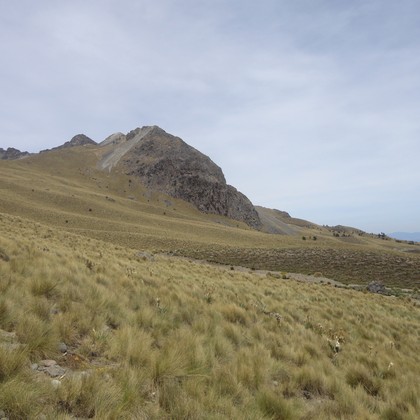
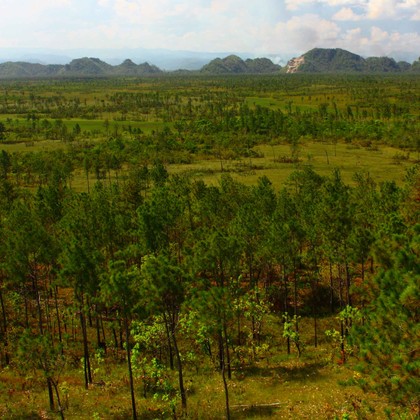
Tall, dense grass, wet grassland, sedge meadows and marsh edges; in the mountains also montane grassland and damp pastures; in Belize and the Mosquitia also pine savanna. Locally from the lowlands to above 3000 m. It searches for small insects and spiders low in the vegetation. The nest is a ball in dense grass.
Where the bird is most at home, classified by the vegetation units of Mexico and Central America.


Range and movements
Scattered and local: western and central Mexico (Nayarit to Michoacán, México and Mexico City), San Luis Potosí, interior Veracruz, southern Veracruz, Tabasco and western Chiapas, the pine savanna of Belize, south-central Guatemala, eastern Honduras and north-eastern Nicaragua, and central Costa Rica to western Panama (Chiriquí). Outside the guide area locally in South America.
- Resident
- dark = core range, pale = thinly spread
How and when to look
Best found by listening in the morning in wet pastures and tall grass in the mountains of Costa Rica and Chiriquí; singing birds then climb to the tops of grass stems.
Conservation status
Not threatened as a species. Many populations in the guide area are small and isolated and may disappear through drainage, overgrazing and conversion of grassland.
Scientific name
Cistothorus platensis | (Latham, 1790)
Latham described the species in 1790 as Sylvia platensis; because it was later moved to another genus, the author and year stand in brackets. The genus Cistothorus was introduced in 1851 by Cabanis. Cistothorus is Greek, from kistos 'shrub, rock-rose' and thoos 'nimble, quick': 'nimble shrub-bird'. platensis refers to the Río de la Plata in Argentina; the species was described from a bird from Buenos Aires. The specimen the first description was based on came from Buenos Aires, Argentina.