All species › Passerines › Wrens › Bicolored Wren
Position in the tree Birds Aves › Birds with a flexible palate Neognathae › All other modern birds Neoaves › Landbirds Telluraves › Falcons, parrots and passerines Australaves › Falcons and passerines Eufalconimorphae › Parrots and passerines Psittacopasserae
Bicolored Wren | Campylorhynchus griseus
Tweekleurige winterkoning | Cucarachero bicolor
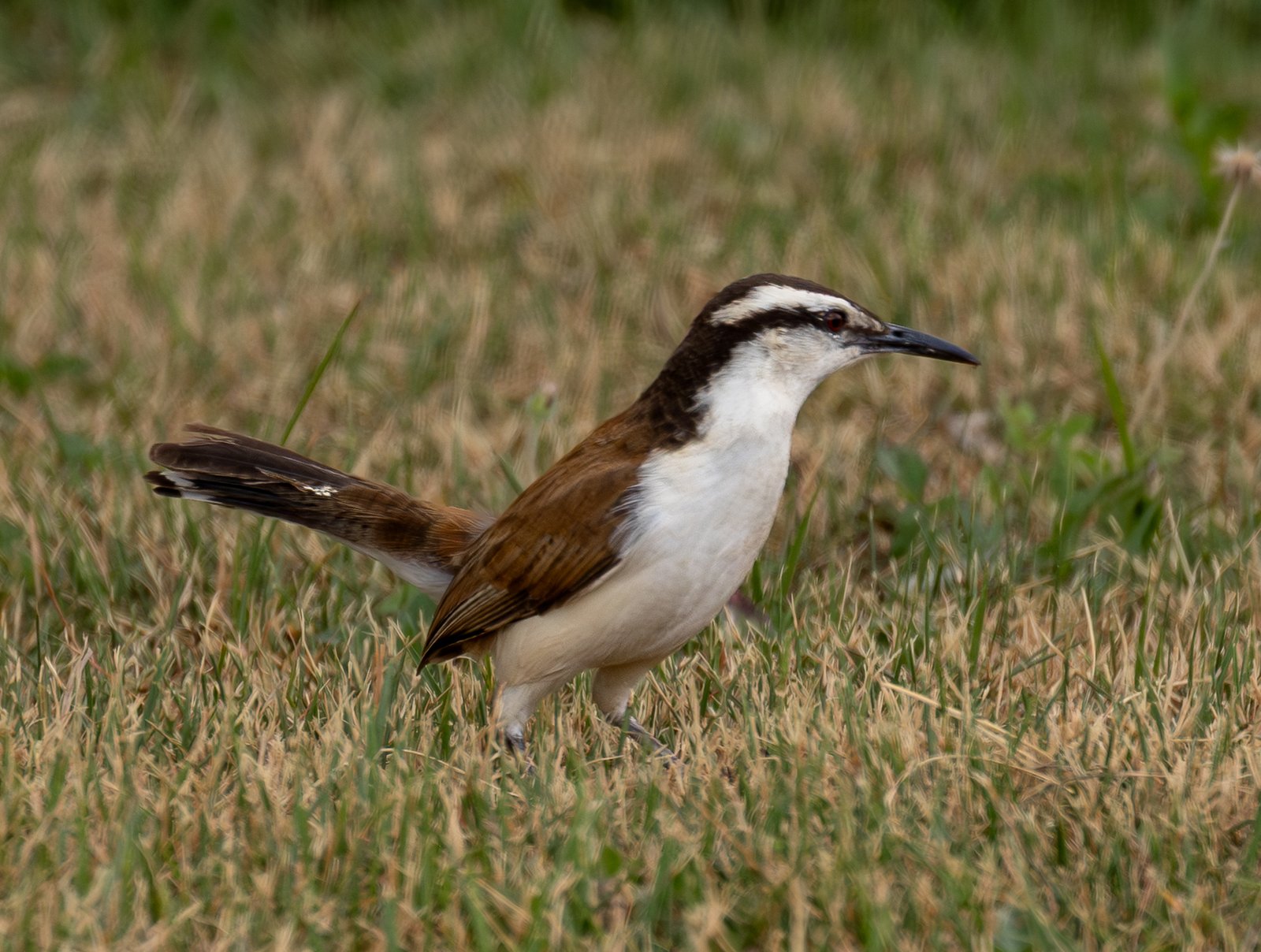
The Bicolored Wren is one of the largest wrens, with brown upperparts and unmarked white underparts. It is a bird of dry, open country in northern South America. In the guide area it is a newcomer: since the mid-2010s it has been seen regularly in Darién province in eastern Panama.
Voice
Loud, harsh and rattling duets and choruses by pairs and groups; also grating calls.
Recording: JAYRSON ARAUJO DE OLIVEIRA — CC BY-NC-SA 4.0 · converted to mono · xeno-canto
Identification
21–22 cm. Crown and eyestripe dark brown, with a broad white supercilium. Back and wings brown, fairly plain in birds from northern Colombia. Underparts entirely white, without spots or streaks. Tail dark with pale tips to the outer feathers. Bill fairly long and slightly curved. The sexes are alike.
Confusion species
White-headed Wren Campylorhynchus albobrunneus, which also occurs in eastern Panama, has an all-white head without a dark crown and eyestripe and lives mainly in forest. Band-backed Wren Campylorhynchus zonatus has a barred back and spotted, partly rusty underparts.
Habitat
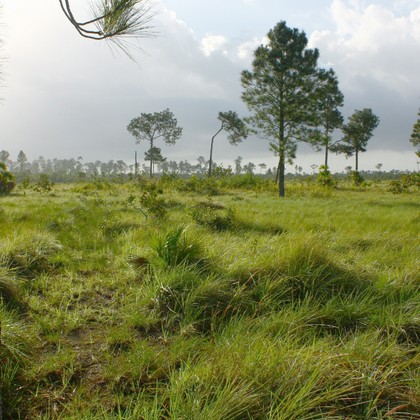
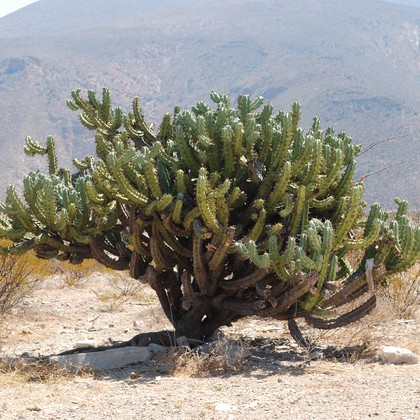
In South America dry and semi-open country with scattered trees and shrubs, cacti, gardens and villages, often close to people. In Darién mainly recorded in semi-open, cleared country. It searches for insects in trees and shrubs and on the ground. The nest is a ball placed in a tree.
Where the bird is most at home, classified by the vegetation units of Mexico and Central America.


Range and movements
In the guide area only in eastern Panama (Darién), adjoining its range in Colombia. Elsewhere from northern Colombia and Venezuela to northern Brazil and Guyana.
- Resident
- dark = core range, pale = thinly spread
How and when to look
When travelling through open country in the Darién lowlands, listen for its loud duets; the combination of white underparts and a dark crown separates it from White-headed Wren.
Conservation status
Not threatened. Widespread in South America. In Panama a recent colonist whose numbers and permanence are not yet well known.
Scientific name
Campylorhynchus griseus | (Swainson, 1838)
Swainson described the species in 1838 as Furnarius griseus; because it was later moved to another genus, the author and year stand in brackets. The genus Campylorhynchus was introduced in 1824 by Spix. Campylorhynchus is Greek, from kampulos 'curved' and rhunkhos 'bill', after the slightly decurved bill. griseus is Medieval Latin for 'grey', after the greyish underparts. The specimen the first description was based on came from savannas of Guiana.