All species › Tubenoses › Albatrosses
Albatrosses | Diomedeidae
Albatrossen | Albatros
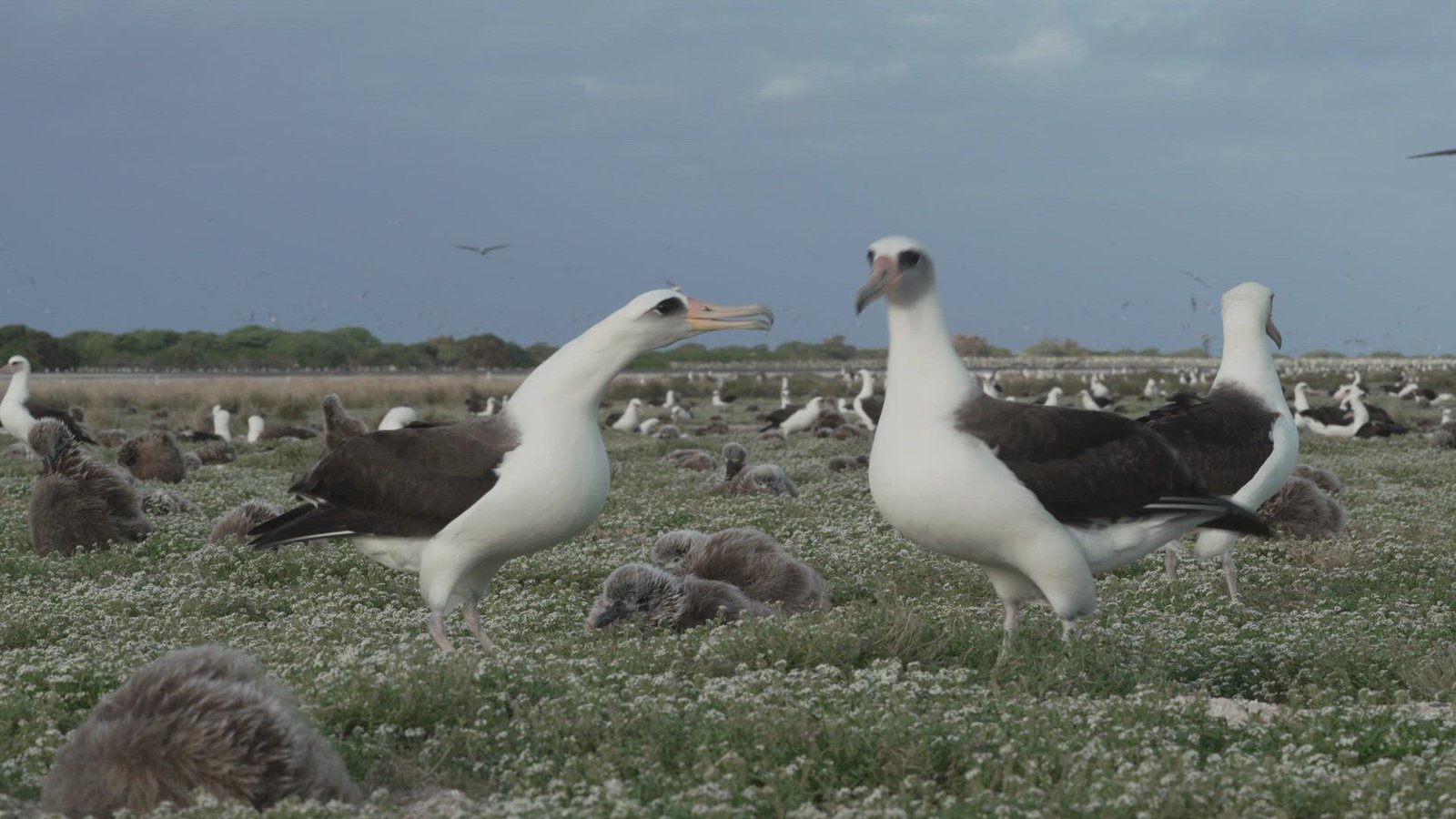
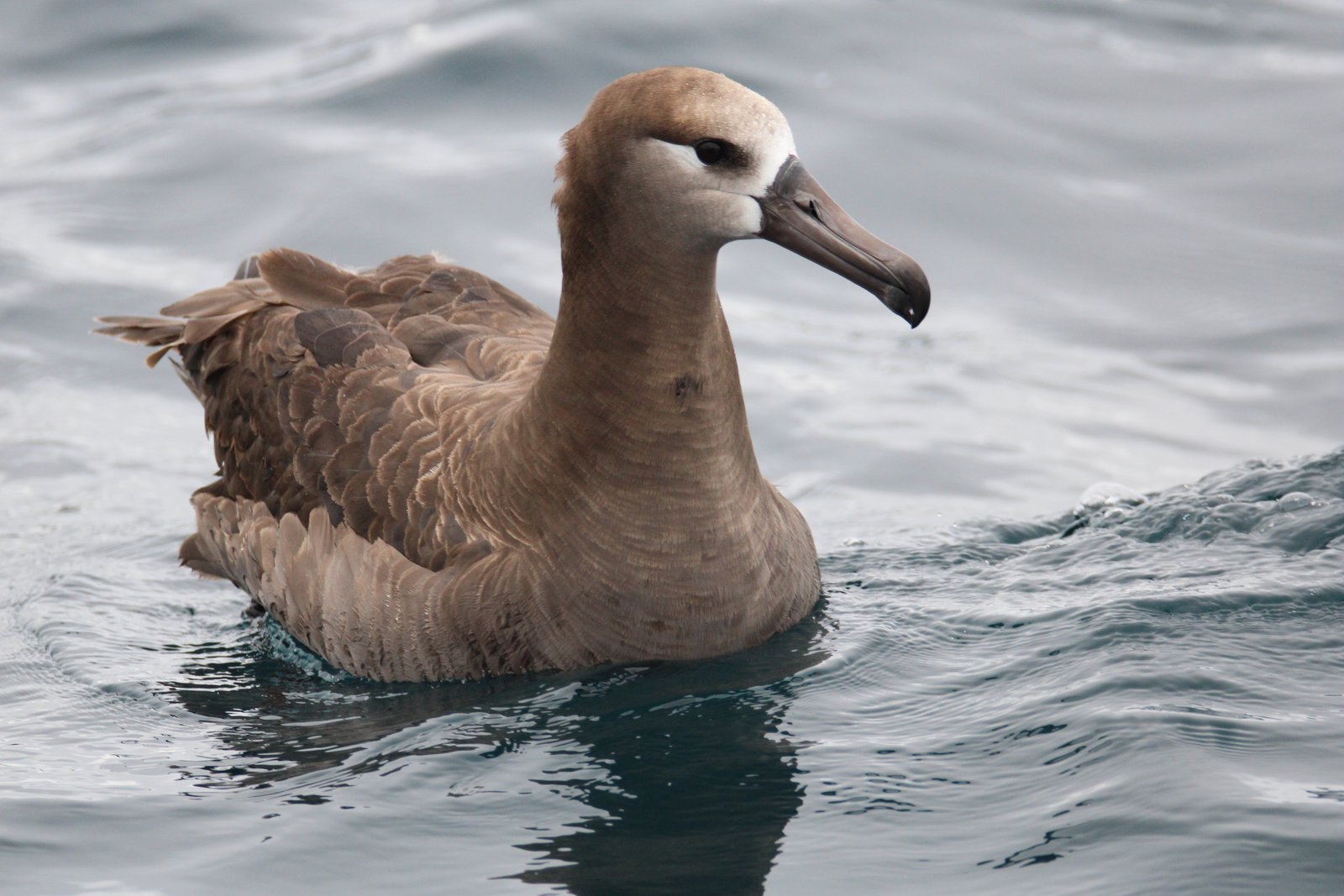
Just over twenty species in four genera, centred on the oceans around Antarctica, with a few species in the North Pacific. Only the latter are seen in this region: the Laysan Albatross and the Black-footed Albatross, both of the genus Phoebastria and both mainly far off the Pacific coast of Mexico. The Laysan Albatross has established itself as a breeding bird in recent decades on Isla Guadalupe and a few other Mexican islands in the Pacific; the Black-footed Albatross is a scarce visitor on the open sea here. The wings are long and narrow, and a tendon in the shoulder joint locks them open without muscular effort, so albatrosses glide over the waves for hours without a wingbeat and cover thousands of kilometres on a single foraging trip. They have two tubular nostrils on either side of the bill, an excellent sense of smell and glands above the eyes that excrete excess salt. They eat mainly squid, fish eggs, fish and carrion from the surface, often at night. Pairs stay together for life and greet each other with dances full of bill-clattering and calls to the sky. A single egg is laid on the ground in a colony, and the birds can live for more than sixty years. Drowning as bycatch in longline fisheries is the greatest threat.
Native species 2 species
Species that occur here by nature: breeding birds, winter visitors and passage migrants. They are arranged by genus, in the sequence of the list.