All species › Passerines › Cuban warblers › Oriente Warbler
Oriente Warbler | Teretistris fornsi
Forns zanger | Pechero
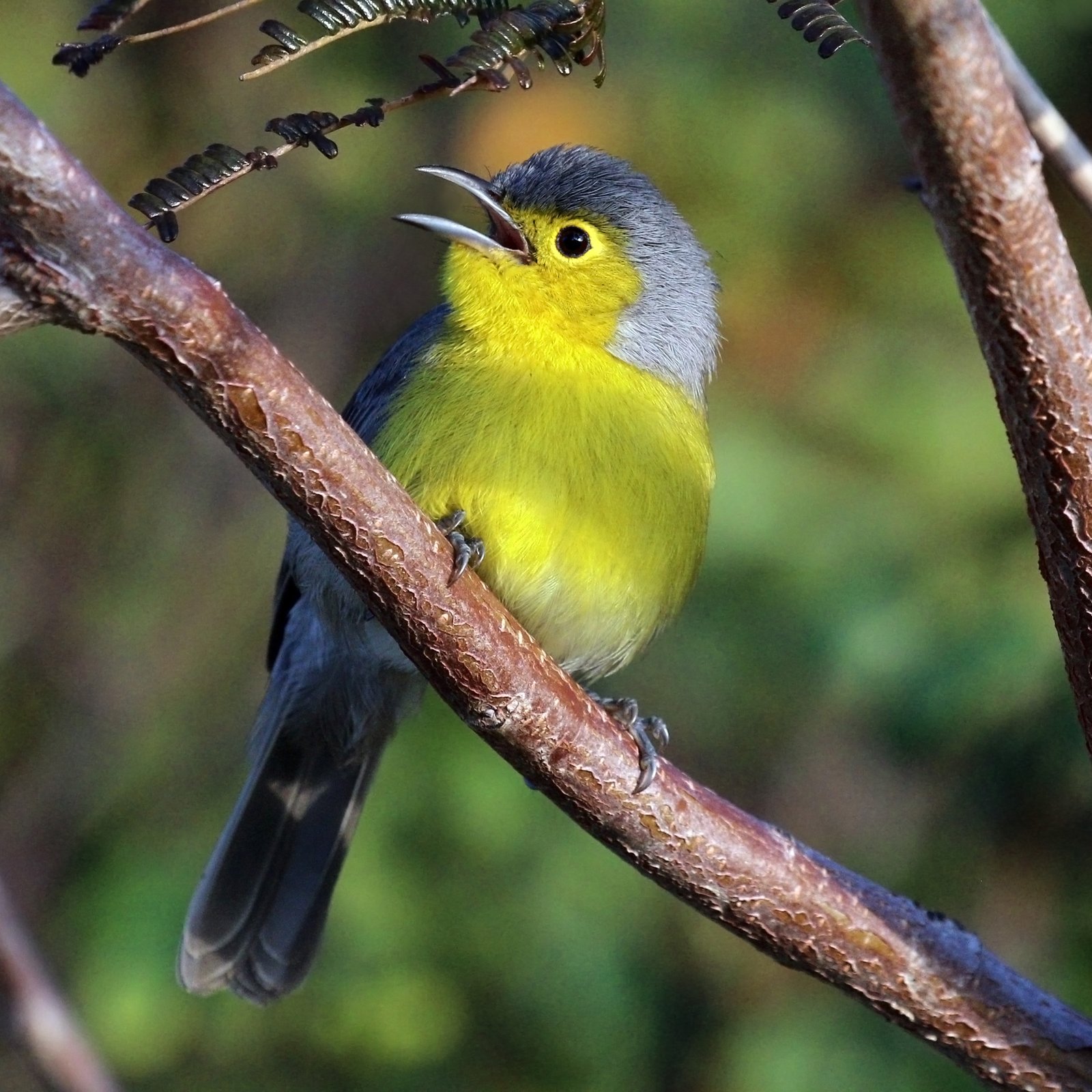
The Oriente Warbler is the eastern of the two species of the family Teretistridae, which is found only in Cuba; the Yellow-headed Warbler replaces it in the west. The name refers to Oriente, the eastern part of the island. Two subspecies are recognised, of which turquinensis lives in the eastern mountains. In Cuba it is called pechero.
Voice
The song is a series of buzzy notes interspersed with softer, more musical ones, very like that of the Yellow-headed Warbler. The call is a sharp tchip.
Recording: Lionel FREDERIC — CC BY-NC-SA 4.0 · converted to mono · xeno-canto
Identification
About 13 cm, with a fairly long, slightly decurved, dark bill. The crown, nape and upperparts are grey; the face, throat and most of the underparts are yellow. The belly and undertail coverts are white, the flanks washed dull brownish. The subspecies turquinensis of the Sierra Maestra is slightly larger, with a sooty grey crown and upperparts and grey rather than brownish flanks. The sexes are alike.
Confusion species
Yellow-headed Warbler Teretistris fernandinae has an all-yellow head and greyish-white underparts and lives in the west. Yellow-throated Warbler Setophaga dominica, a winter visitor, also has a yellow throat, but a black-and-white face, white wing bars and black streaks on the flanks. Prairie Warbler Setophaga discolor is olive-green above, with black streaks on the yellow flanks.
Habitat
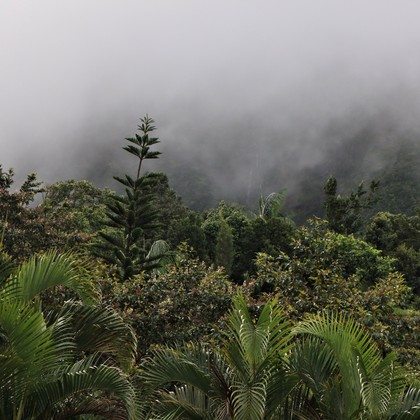
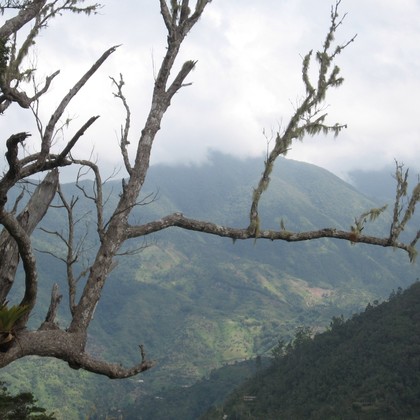
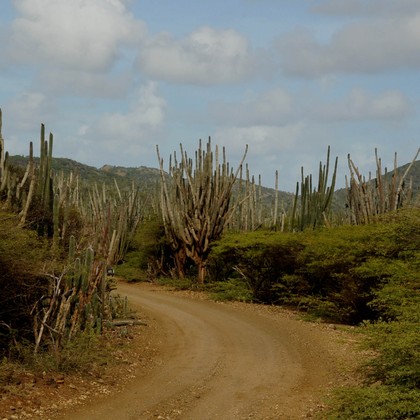
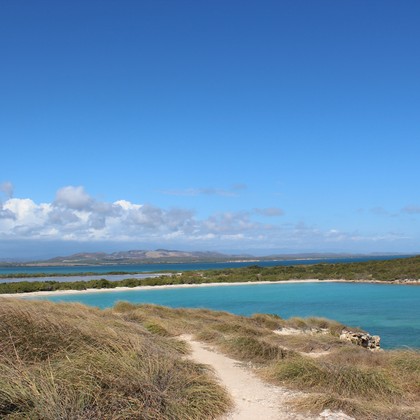
Forest types with a relatively undisturbed understorey: semi-arid woodland and scrub near the coast, dry and semi-evergreen forest and moister montane forest at higher elevations, from sea level to almost 2000 m. It forages from the ground to the middle level of the forest, mainly by gleaning prey from branches and foliage, sometimes also by hover-gleaning. It eats mostly beetles, as well as other insects and invertebrates and small lizards. It breeds from March to July; the nest of moss, grass and rootlets is often placed in a Tillandsia about 1 m up. The clutch is two or three eggs.
Where the bird is most at home, classified by the vegetation types of the Caribbean.



Range and movements
Only in Cuba: in the east of the island, fairly continuously in the former Oriente province, more patchily along the north coast west into Matanzas Province, and on the cays of the Sabana-Camagüey archipelago north of Cuba. The species does not occur outside Cuba.
- Resident
- dark = core range, pale = thinly spread
How and when to look
Found on Cayo Coco and Cayo Guillermo, in the coastal woodland along roads and trails, and in the Sierra Maestra. Small groups are often heard by their calls first.
Conservation status
Not threatened. The species is common in eastern Cuba and on the northern cays where the forest understorey is intact.
Scientific name
Teretistris fornsi | Gundlach, 1858
Gundlach described the species in 1858 and placed it straight away in the genus where it still stands. The genus Teretistris was introduced in 1855 by Cabanis. Teretistris is Greek, from teretisma 'whistling, twittering' (teretizō 'to twitter'), after the shrill calls of these warblers. fornsi honours Ramón Manuel Forns (1812–1881), a Cuban naturalist and collector. The specimen the first description was based on came from eastern Cuba.