All species › Passerines › Tanagers › Cuban Bullfinch
Cuban Bullfinch | Melopyrrha nigra
Cubaans dikbekje | Negrito
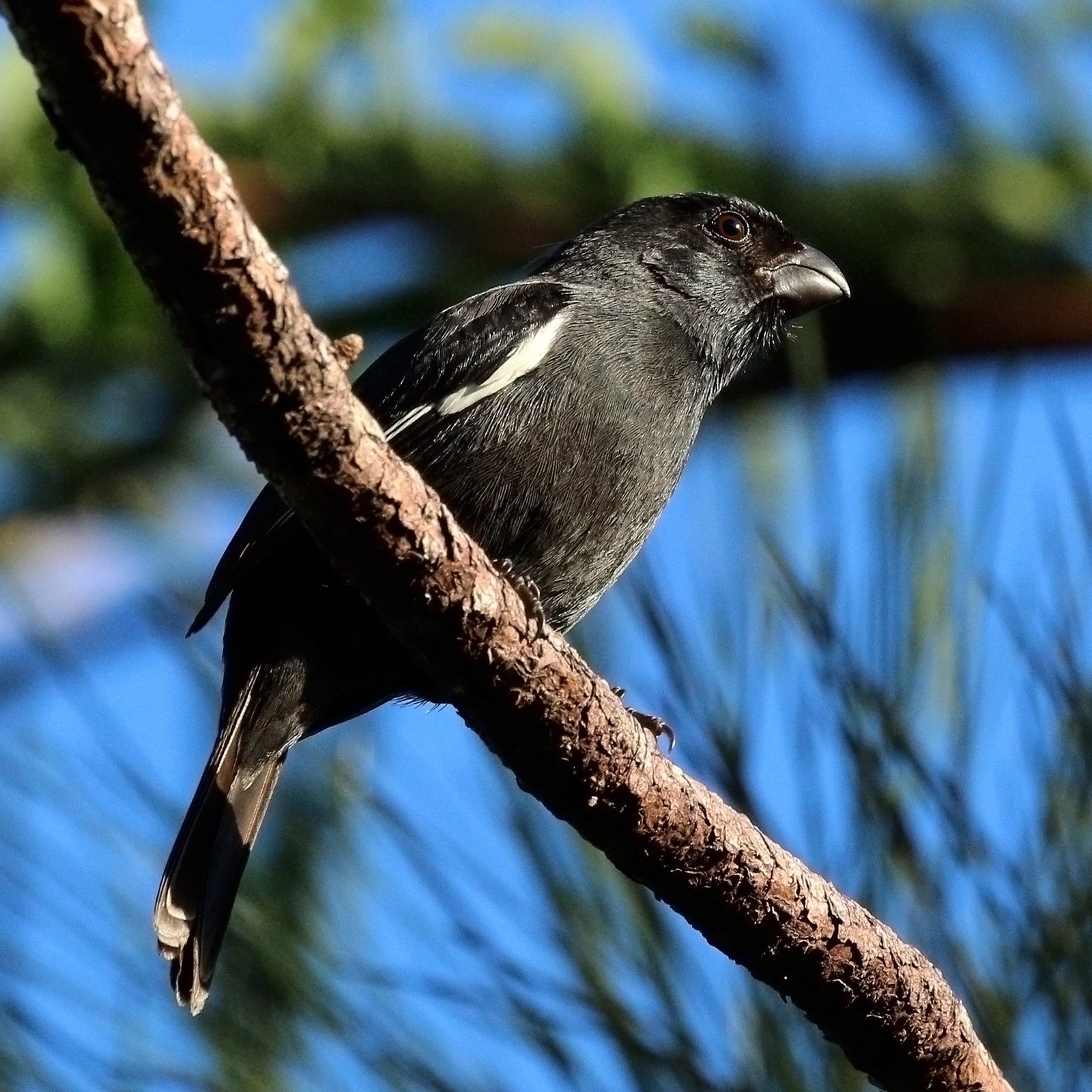
The Cuban Bullfinch is a small, black bullfinch with a short, thick bill. In Cuba it is called negrito. The birds of Grand Cayman are included in this species in this guide; recent classifications often treat them as a separate species, Grand Cayman Bullfinch Melopyrrha taylori.
Voice
A thin, melodious trill that rises or falls in pitch, often sung from cover.
Recording: GABRIEL LEITE — CC BY-NC-SA 4.0 · converted to mono · xeno-canto
Identification
14–15 cm, compact, with a short, arched black bill. The male is black with a bluish gloss and a white stripe along the leading edge of the closed wing. The female is greyish black and duller than the male in Cuba, paler and more olive-grey on Grand Cayman; she too shows white along the wing edge.
Confusion species
The male Yellow-faced Grassquit Tiaris olivaceus has a black breast but an olive-green back and a yellow facial mask; the male Cuban Grassquit Phonipara canora has an olive-green back and a yellow crescent around the black face. Shiny Cowbird Molothrus bonariensis and Cuban Blackbird Ptiloxena atroviolacea are also glossy black, but much larger, with a pointed bill and no white in the wing.
Habitat
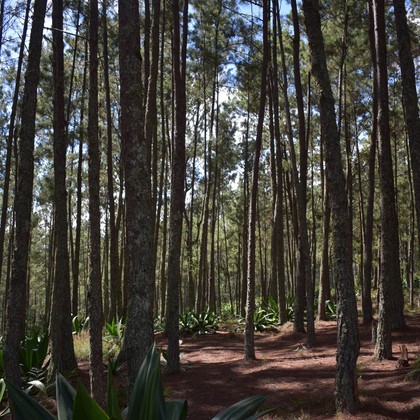
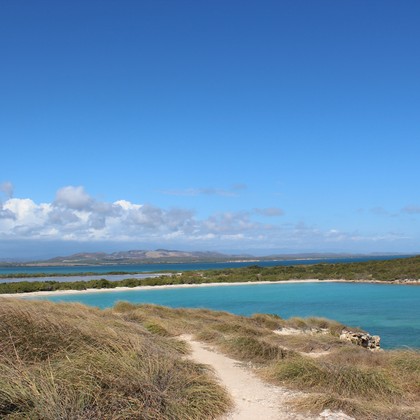
At all elevations: lowland forest, moist and semi-evergreen forest, karst forest, montane forest, the understorey of pine forest, coastal scrub and mangroves. It often forages low in the shrub layer and on the ground, for seeds, fruit and insects. It breeds from March to August, mostly until July. Both partners build a large, untidy domed nest with a side entrance. The clutch is three to five whitish eggs with a greenish tinge and reddish-brown and lilac spots.
Where the bird is most at home, classified by the vegetation types of the Caribbean.





Range and movements
Cuba, including the Isla de la Juventud, where it is common and widespread, and Grand Cayman. It is absent from the other Cayman Islands. The species does not occur outside the region.
- Resident
- dark = core range, pale = thinly spread
How and when to look
In Cuba found in the forests of the Zapata Peninsula and in the hills; on Grand Cayman especially along the Mastic Trail and in the Queen Elizabeth II Botanic Park. The trill often gives the bird away before it is seen; when it flies, the white along the wing is visible.
Conservation status
Near Threatened. The species is locally common, but its small range and pressure on its habitat have led to a Near Threatened listing. In Cuba it is kept as a cage bird for its song and is trapped for that purpose.
Scientific name
Melopyrrha nigra | (Linnaeus, 1758)
Linnaeus described the species in 1758 as Loxia nigra; because it was later moved to another genus, the author and year stand in brackets. The genus Melopyrrha was introduced in 1853 by Bonaparte. Melopyrrha combines Greek melas 'black' with Pyrrhula, the bullfinch genus: a 'black bullfinch'. nigra is Latin for 'black', after the male's black plumage. The specimen the first description was based on came from Cuba (originally given in error as 'Mexico').