All species › Bustards › Bustards
Bustards | Otididae
Trappen | Avutardas y sisones
Sandy upperparts finely vermiculated with black, a plain grey neck and white underparts: on steppe or arable land a motionless bird is next to impossible to find, and that is the first line of defence. The sexes differ greatly in size — in the largest species the male weighs several times as much — and there is no pair bond: males display at traditional sites, raising neck and undertail feathers into a white ball visible for kilometres. The female then goes on alone: two or three eggs in a scrape on bare ground, incubated by her alone, and chicks that walk from the start but are still fed by her for the first weeks. In flight the wingbeats are slow and deep and the neck is held straight out, with large white panels flashing in the wing.
Native species 4 species
Species that occur here by nature: breeding birds, winter visitors and passage migrants. They are arranged by genus, in the sequence of the list.
Otis 1 species


Chlamydotis 2 species
-

MacQueen's Bustard
Chlamydotis macqueenii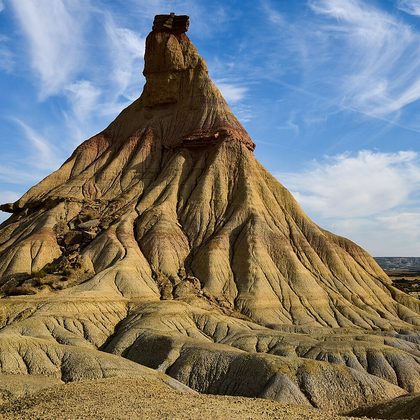 Miscellaneous inland habitats with sparse or no vegetation
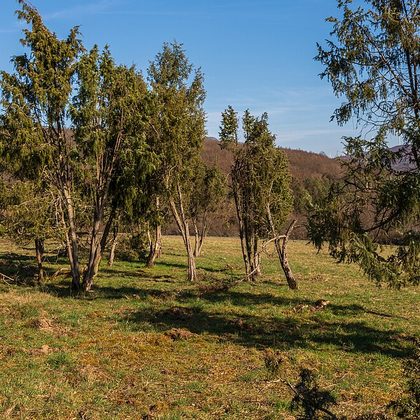 Dry grasslands
 Inland salt steppes
-
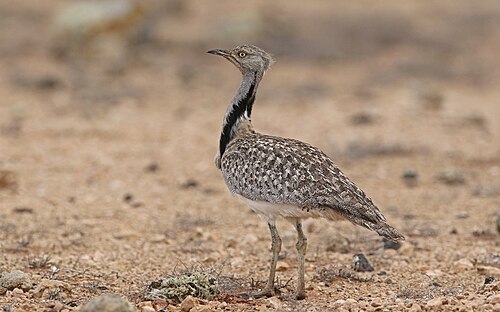
African Houbara
Chlamydotis undulata- Miscellaneous inland habitats with sparse or no vegetation
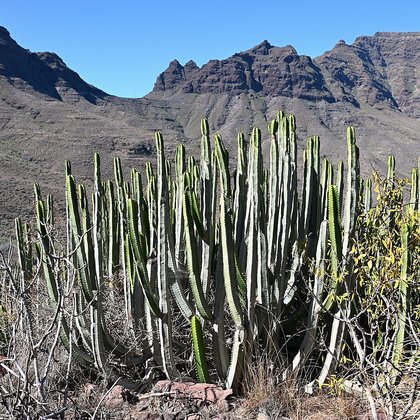 Thermo-Atlantic xerophytic scrub
- Dry grasslands
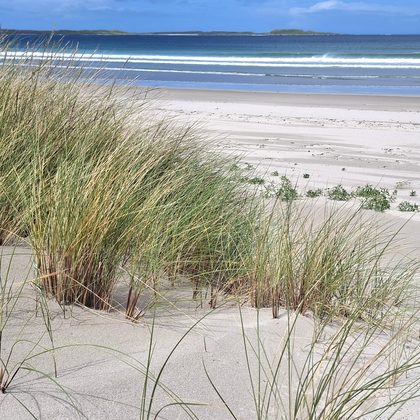 Coastal dunes and sandy shores
