All species › Passerines › Tyrant flycatchers and allies › Western Flycatcher
Western Flycatcher | Empidonax difficilis
Oeverfeetiran | Mosquero del Pacífico
The Western Flycatcher is the Empidonax of shaded mountain streams and canyons in western North America, from southeastern Alaska to central Mexico. Since 2023 the previously split Pacific-slope and Cordilleran Flycatchers have been merged back into one species, because song, plumage and genes did not diverge consistently and the two forms interbreed on a large scale.
Voice
The male position note is the identifying mark: a thin, high, rising pseet or tsee-seet, in Pacific coast birds usually one upward-slurred syllable, in birds of the interior mountains more often in two separate parts, pit-PEET, with the second note higher than the first. Between the extremes lies a continuous series of intermediates. The full song is a rapid string of three elements, pseet–ptsick–seet, often given before sunrise. Beyond that, a short tsip serves as a contact call.
Recording: Cin-Ty Lee — CC BY-NC-SA 4.0 · Avalon, Los Angeles County, California, United States · xeno-canto
Identification
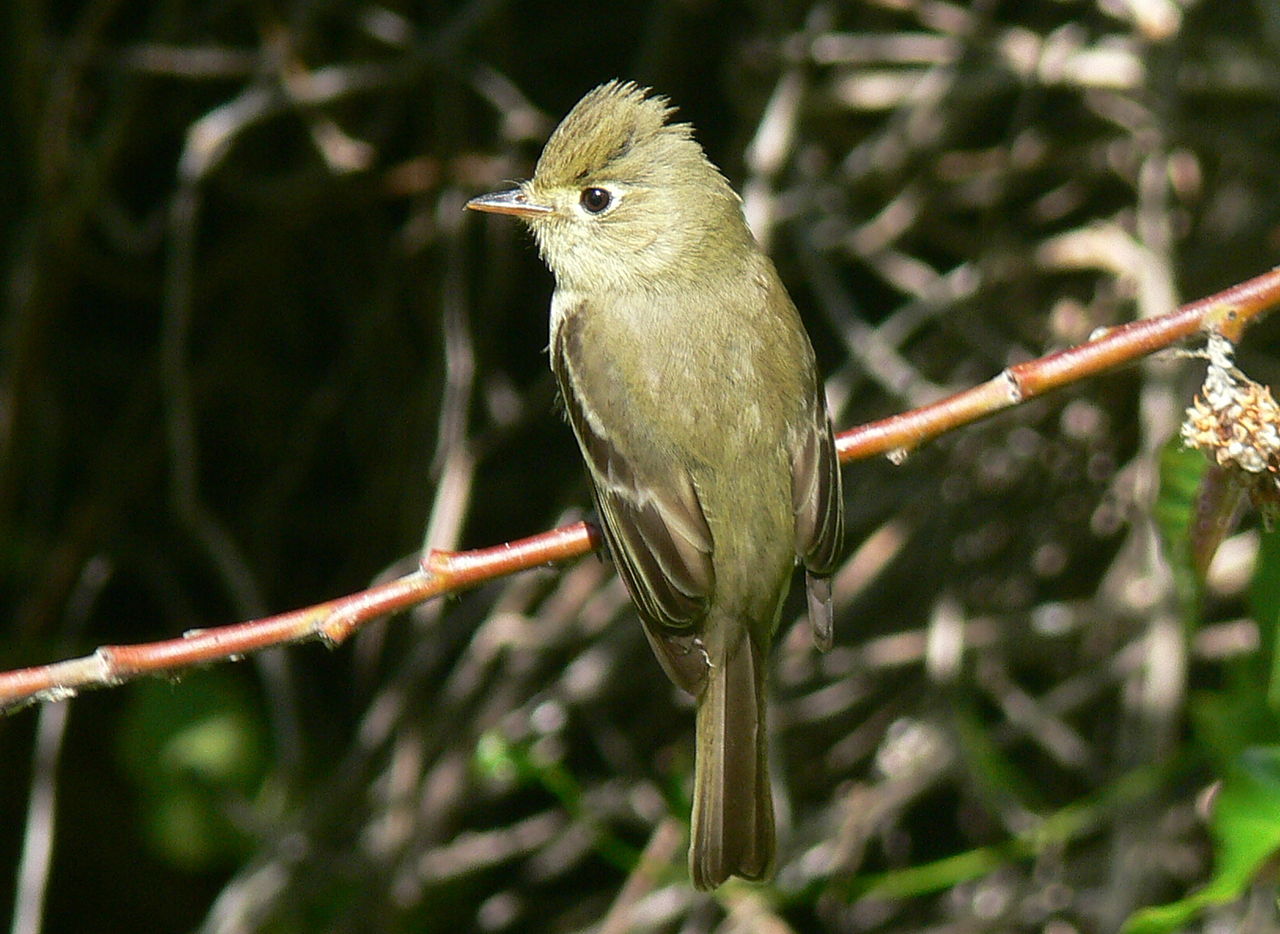
Greenish brown above, pale below with a yellow wash over belly and throat, two pale wingbars, and an eye-ring drawn out to a point behind the eye, so that it reads as teardrop- or almond-shaped. The lower mandible is entirely orange, without a dark tip. The posture is upright and the crown peaked; worn summer birds look brown above and dingy grey below, with most of the yellow gone. Here too appearance only gives a direction: the yellow throat and teardrop eye-ring rule out the eastern species, but within the west only the call finally separates it from its neighbours.
Confusion species
Against Willow Flycatcher, with which it overlaps in the west: white throat and virtually no eye-ring, a sneezy FITZ-bew song and a full whit call, against the thin rising pseet; and Willow sits in open willow scrub beside water, Western in shaded woodland in a ravine. Against Yellow-bellied Flycatcher: that is the eastern counterpart with as much yellow but a round rather than teardrop eye-ring, a descending che-BUNK and a rising whistled per-WEE; the ranges do not overlap. Against Acadian Flycatcher: white throat, longer primary projection, explosive peet-sa, and an eastern forest range. Against Alder Flycatcher: white throat, faint eye-ring, buzzy fee-BEE-o and dry pip, in wet northern alder scrub.
Habitat
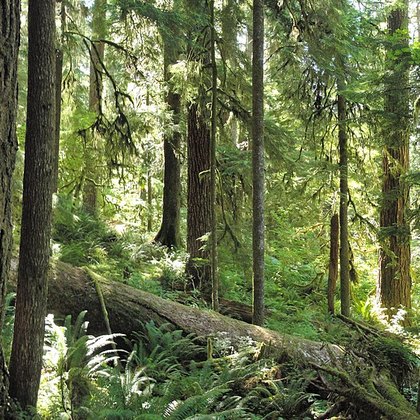
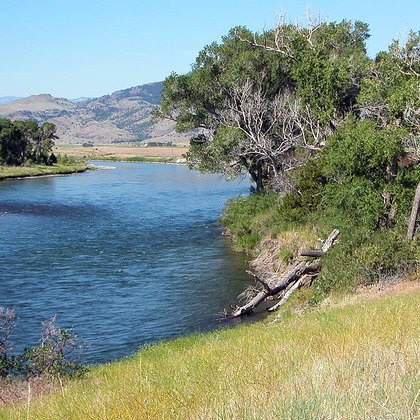
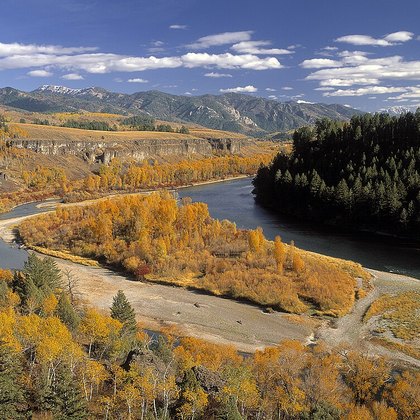
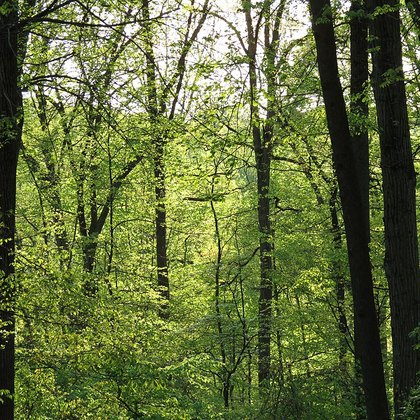
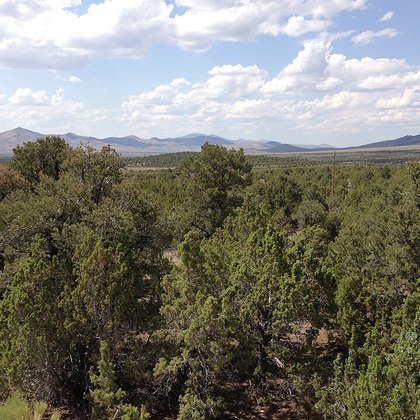
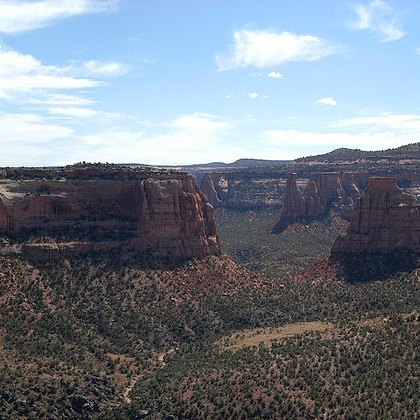
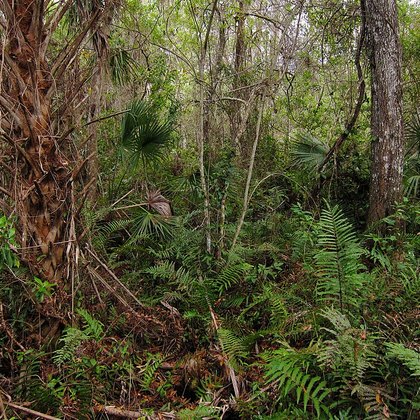
Shaded coniferous or mixed forest in the mountains and along the west coast, usually close to running water: steep-sided ravines and canyons, Douglas-fir forest, redwood, pine-oak woodland and riparian woodland. Canopy gaps and damp, cool air are constant elements. The nest is a cup of bark, leaves and moss bound with spiderweb, on a tree fork, a rock ledge, a stream bank or a beam in a shed, usually low. In winter it uses a range of forest types in western Mexico.
Where the bird is most often found, arranged by the USNVC — the vegetation classification of the United States and Canada — and CMECS for sea and coast.
Range and movements
Breeds from southeastern Alaska and British Columbia south through Washington, Oregon and California and through the Rocky Mountains and Great Basin ranges to Arizona, New Mexico and west Texas, with an eastern outpost in the Black Hills; also in the mountains of northern Mexico. In central Mexico part of the population is present year-round. Northern birds winter in western Mexico, along the coastal plain from Jalisco northward and in a strip on the western flank of the Sierra Madre Occidental, south to Guerrero and Oaxaca.
- Resident
- Breeding (summer)
- Winter
- Passage
- dark = core range, pale = thinly spread
Where and when to look
Look for it in May and June along a shaded mountain creek or in a canyon with Douglas-fir; it calls from the lowest ten metres and moves in short sallies. Go by the call rather than the colour — worn birds in July look different from fresh birds in May. Check overhanging banks, bridges and shed beams as well: many nests are there.
Conservation
Partners in Flight puts the world population at about 13.1 million birds. Numbers fell by about 0.45 per cent per year between 1966 and 2021, some 28 per cent in total. Loss of humid montane conifer forest on the breeding grounds and of forest on the Mexican wintering grounds is the main pressure. The 2023 merger brought Pacific-slope and Cordilleran Flycatcher together as one species; both were listed on the Red List as Least Concern (LC), and the merged species is regarded the same way.
Scientific name
Empidonax difficilis | Baird, 1858
Spencer F. Baird described the species in 1858 as Empidonax difficilis, from material on the west coast of the United States; the type material was restricted by Brodkorb in 1949 to Fort Steilacoom, Washington. Because the species has stayed in the same genus, author and year stand without parentheses. The species name difficilis is Latin for 'difficult', after the identification. Empidonax is from Greek empis 'gnat' and anax 'master'. The Dutch name refers to the stream banks of its habitat and the Spanish name to the Pacific coast; the English name Western Flycatcher was restored in 2023 when the two previously split species were merged.